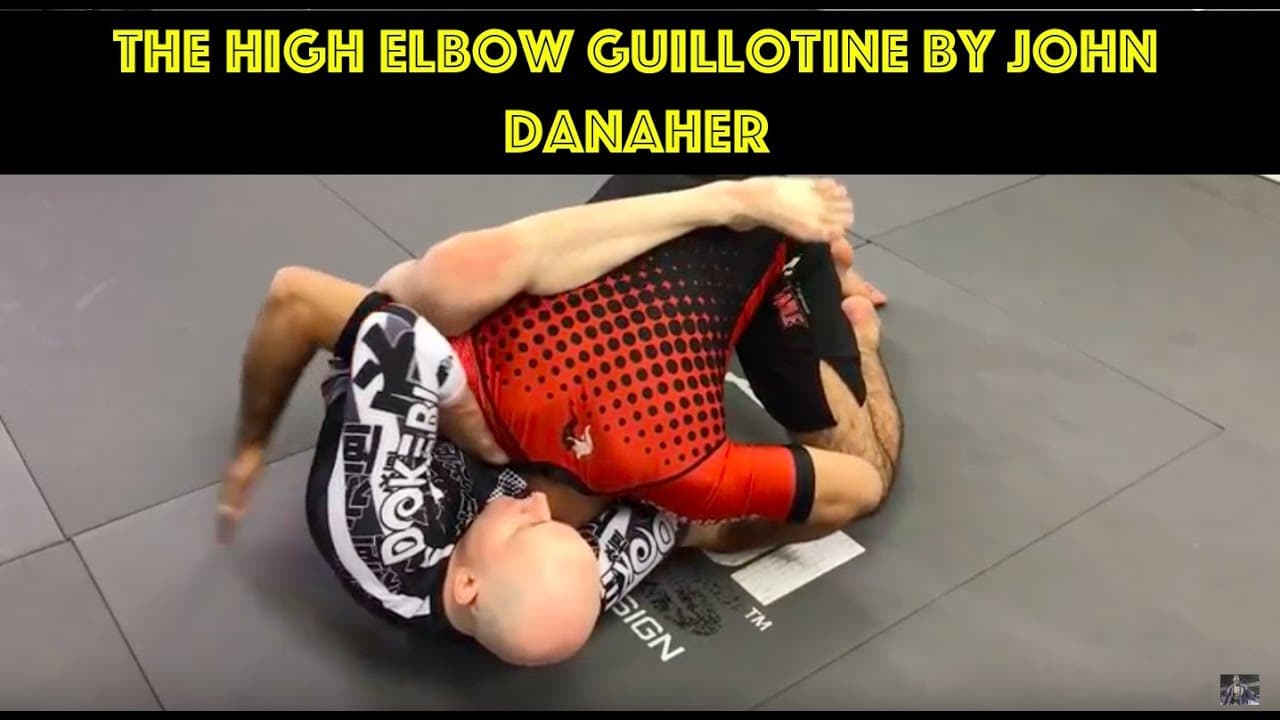
Technique
Why a guillotine grip does not mean you have a guillotine
A guillotine grip is only part of the finish. Identify the variation, then study how your hands, elbows, and legs support the position before adding force.
9 min read

Training, technique, and the culture of Brazilian Jiu-Jitsu
284 articles
A guillotine grip is only part of the finish. Identify the variation, then study how your hands, elbows, and legs support the position before adding force.
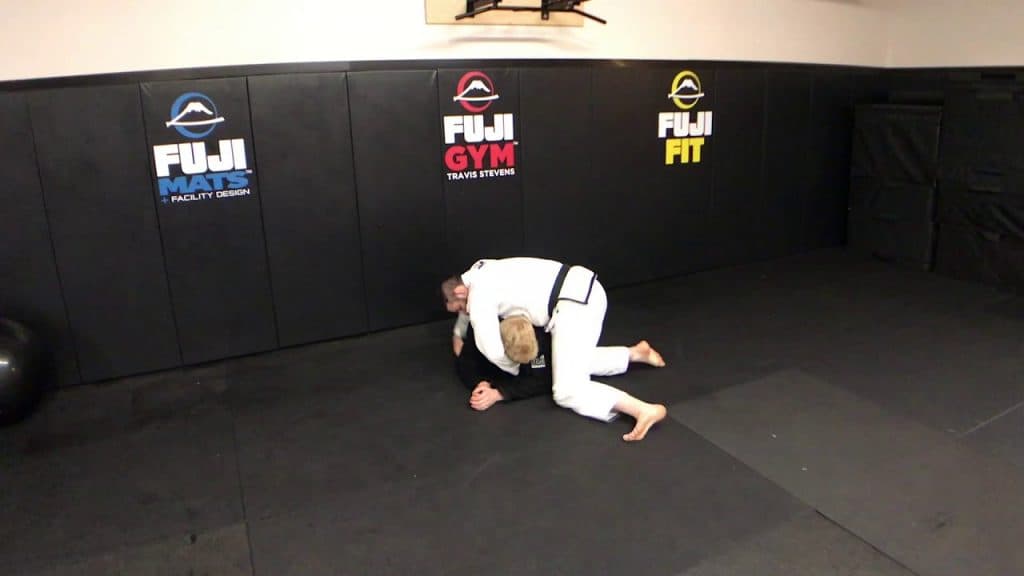
A head under your arm is an opening, not a finished attack. Check front-headlock control before choosing a choke, a go-behind, or a positional reset.
Keep class changes, open-mat plans, and useful questions visible without turning the BJJ group chat into another job.
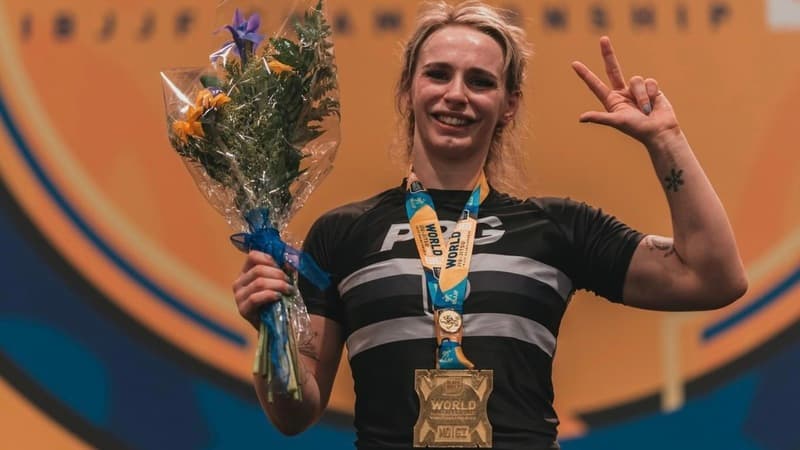
Explore Ffion Davies's 2022–2023 championship results, from gi Worlds and ADCC gold to a World No-Gi double, with context for the matches behind the medals.
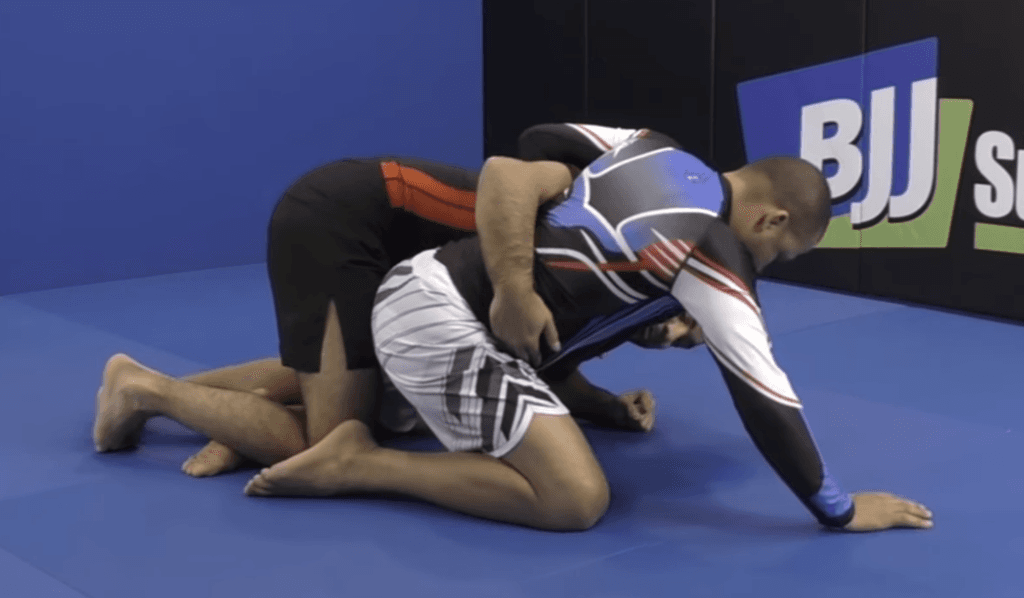
An underhook gets you toward the half guard dogfight. Leg control and the opponent's reaction decide the next exchange; study both before forcing a sweep.
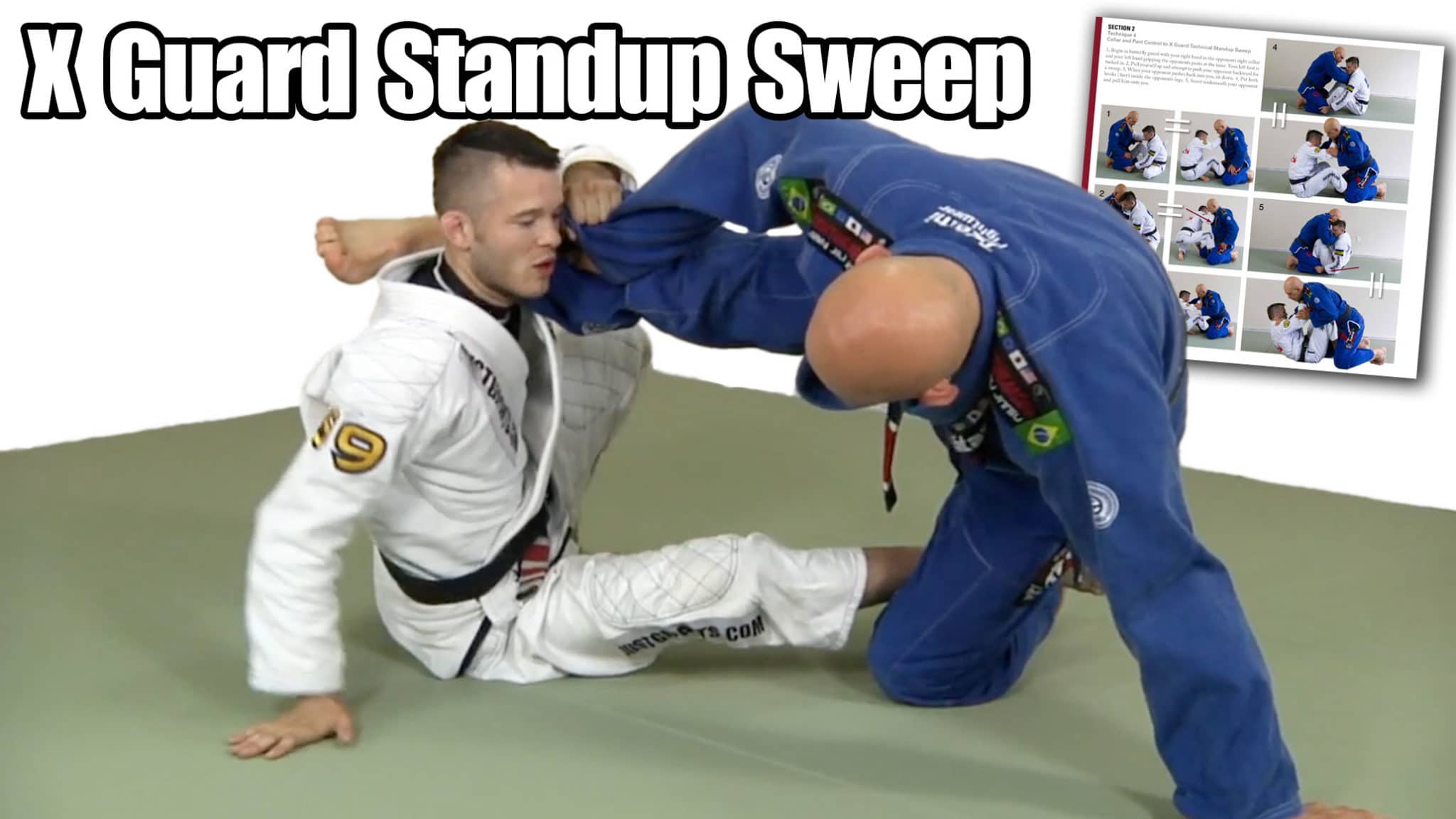
Build an X-guard standup sweep around a clear balance reaction. Study the leg on your shoulder, the opponent's hand post, and the moment to get up.
A secondhand gi can be good value. Check its actual measurements, wear, care history, and intended use before comparing the price.
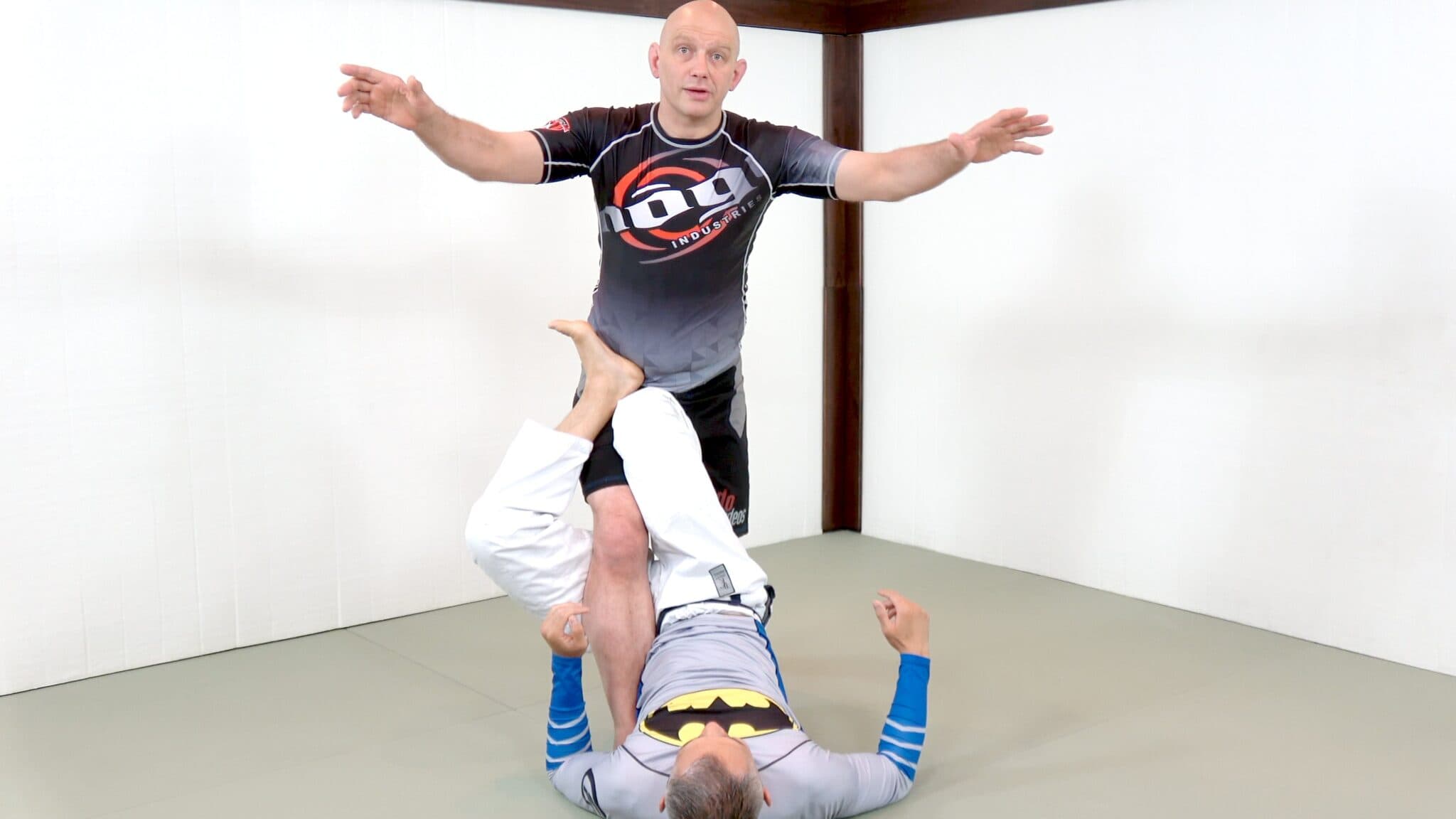
Single-leg X is a sweeping guard as well as a route to leg attacks. Read the far leg, create a balance reaction, and practice arriving on top.
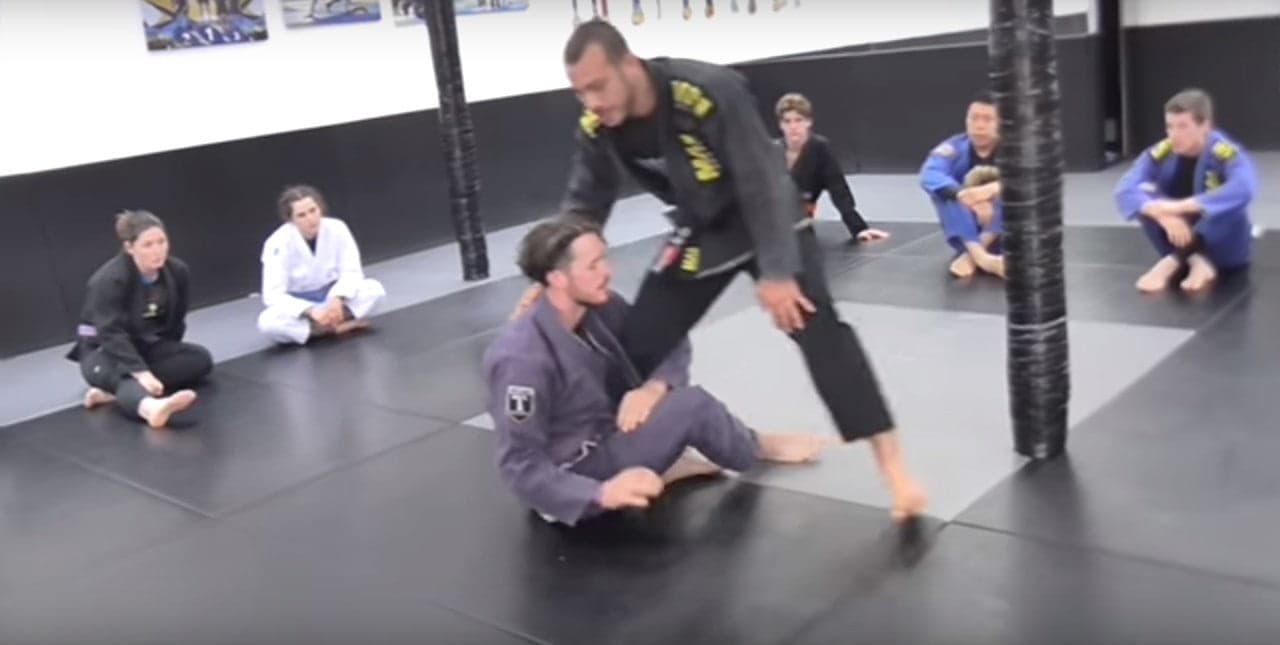
A shin-to-shin entry should bring the opponent with you. Study the seated connection, free knee, and weight shift before moving into single-leg X.
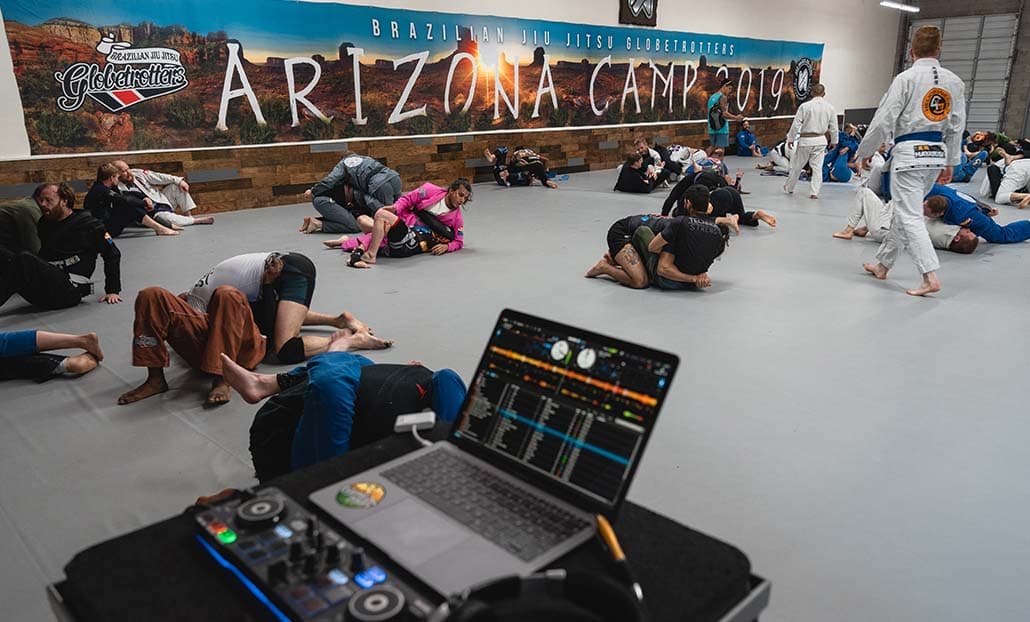
Fit lunchtime jiu-jitsu around the whole trip: class timing, changing, food, transport, and the meeting you still need to make.
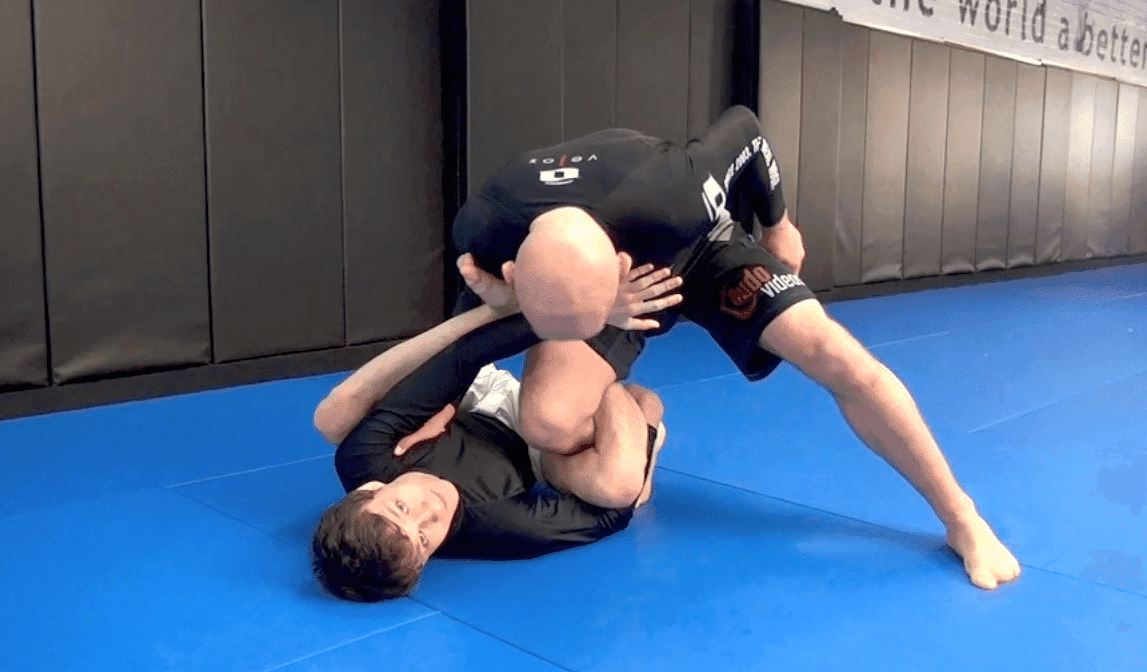
Use reverse de la Riva to study guard recovery against the knee cut. Understand the inside hook and supporting frames before chasing a spinning back take.
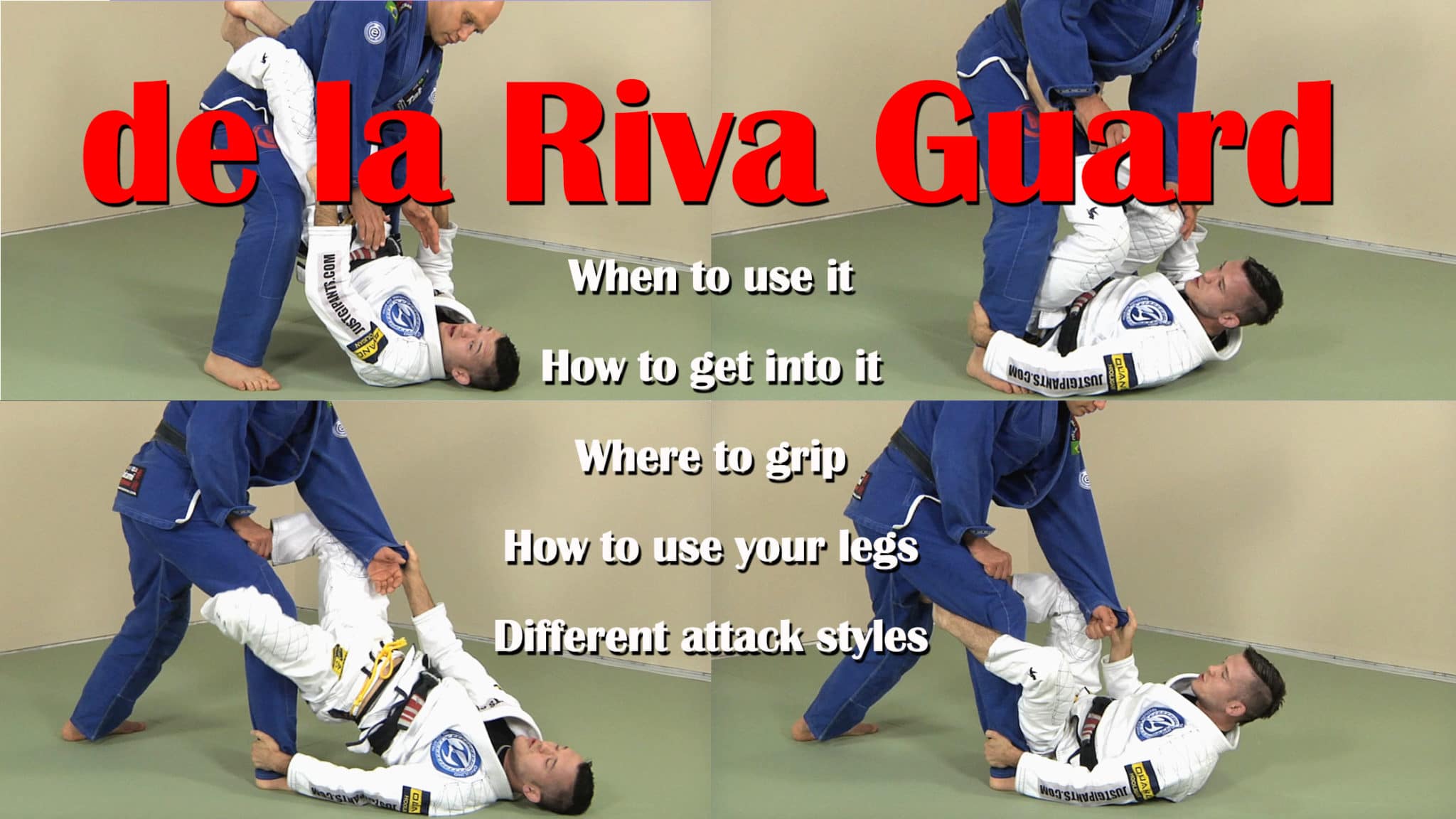
Your de la Riva hook is in, but the passer is comfortable. Study ankle control, the free leg, and the balance reaction that makes an attack possible.
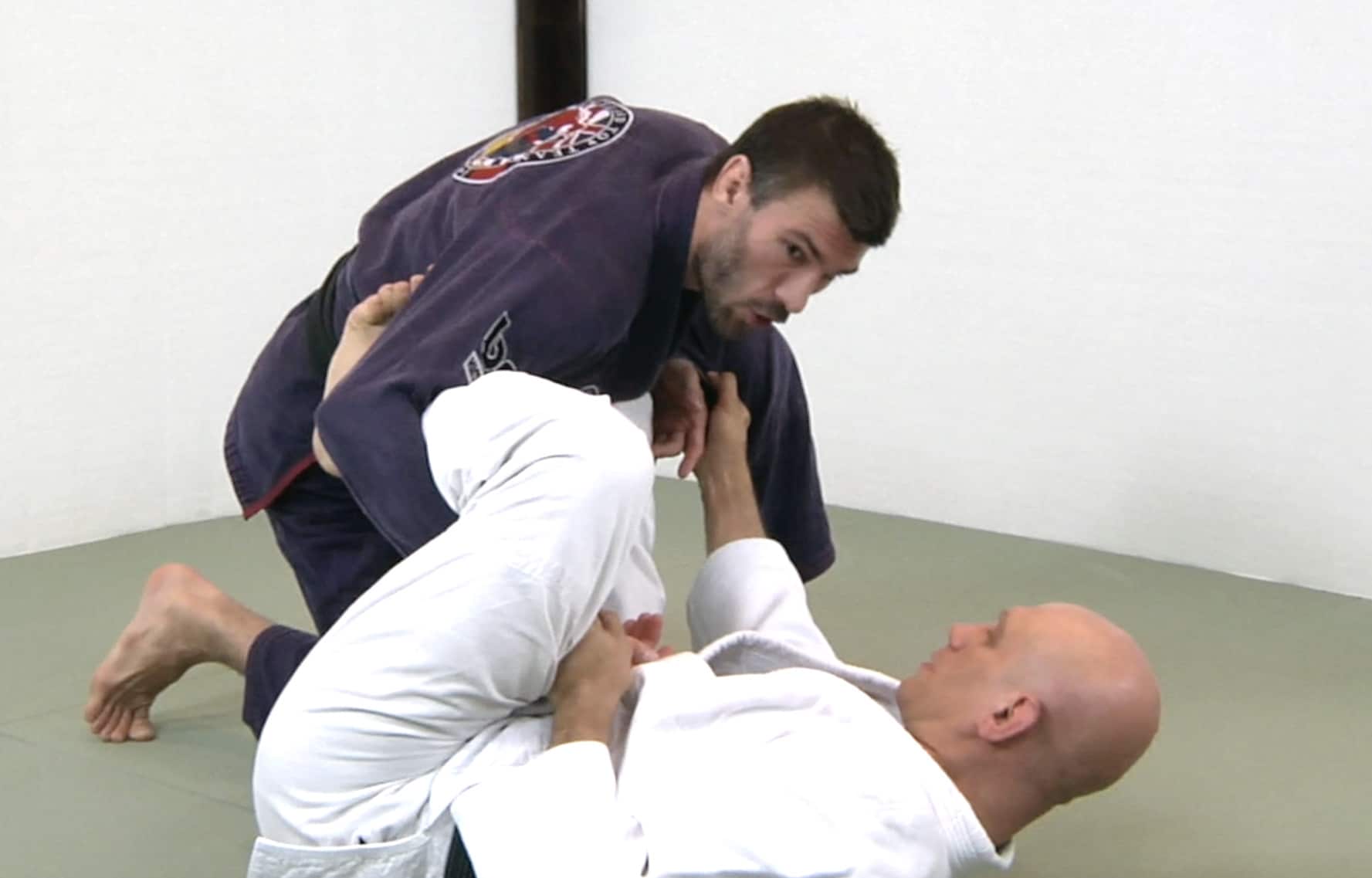
A lasso hook can buy time or trap you in a grip battle. Give the free leg a purpose, keep useful sleeve control, and recognize when to change guards.
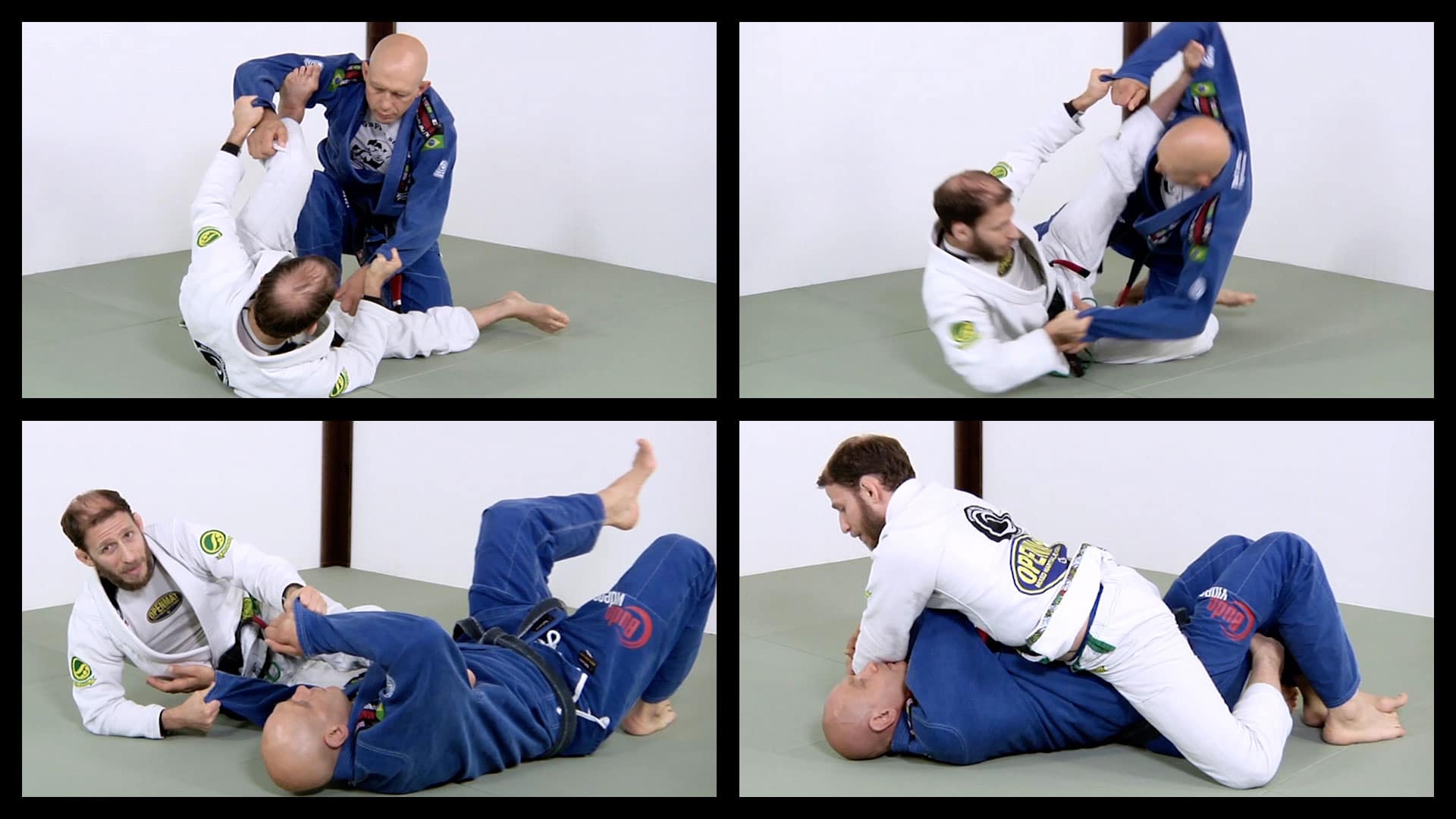
Make spider guard easier to read. Learn how sleeve tension, different foot positions, and the passer's posture shape your next sweep or transition.
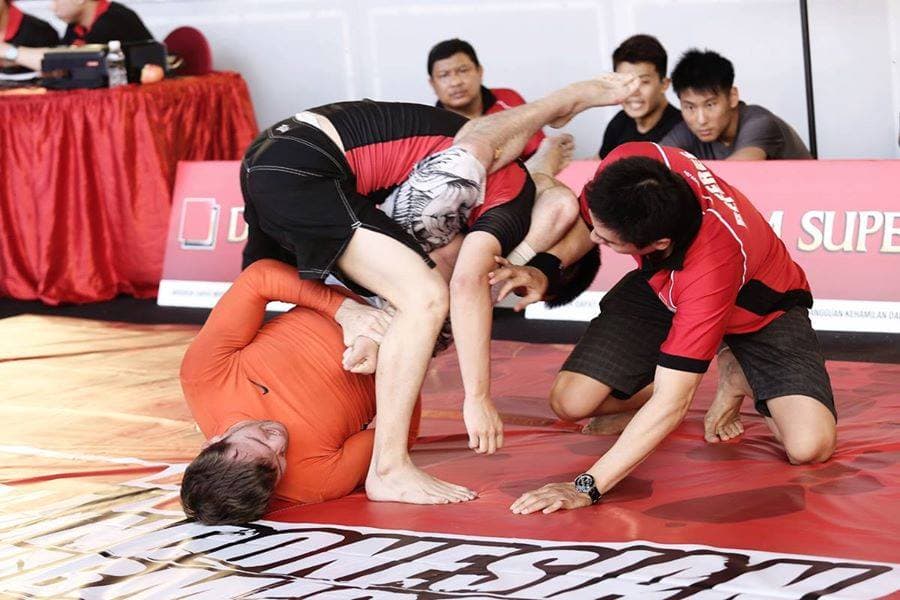
Separate visible evidence from memory, trace one exchange backward, and turn a BJJ match review into a specific practice question.
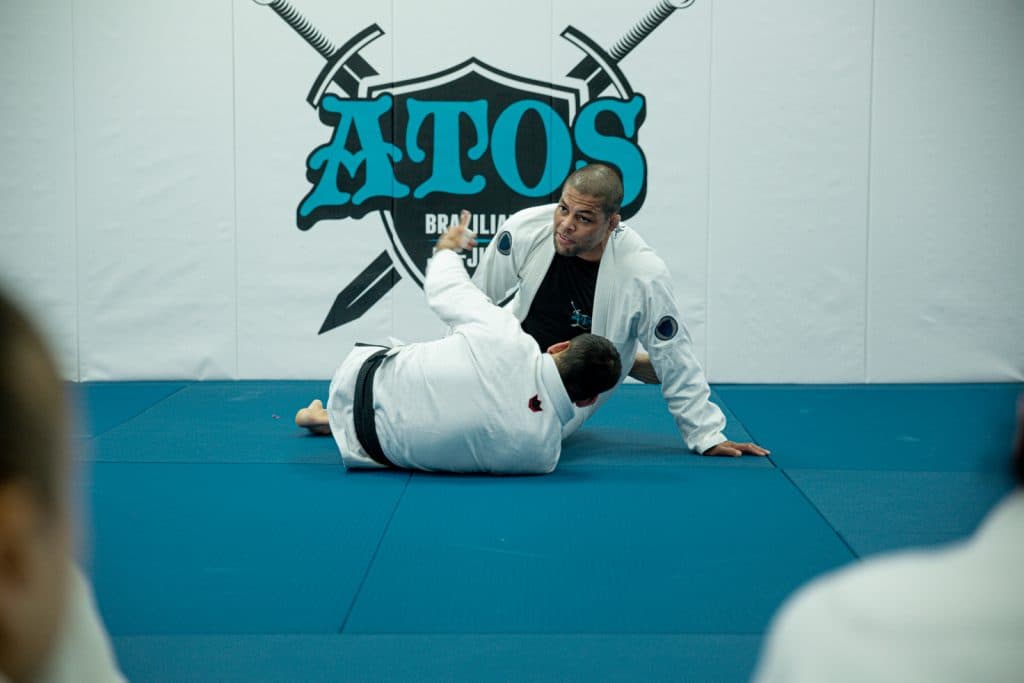
Make a BJJ private lesson useful: choose a specific problem, send relevant footage, confirm booking details, and leave with a focused practice plan.
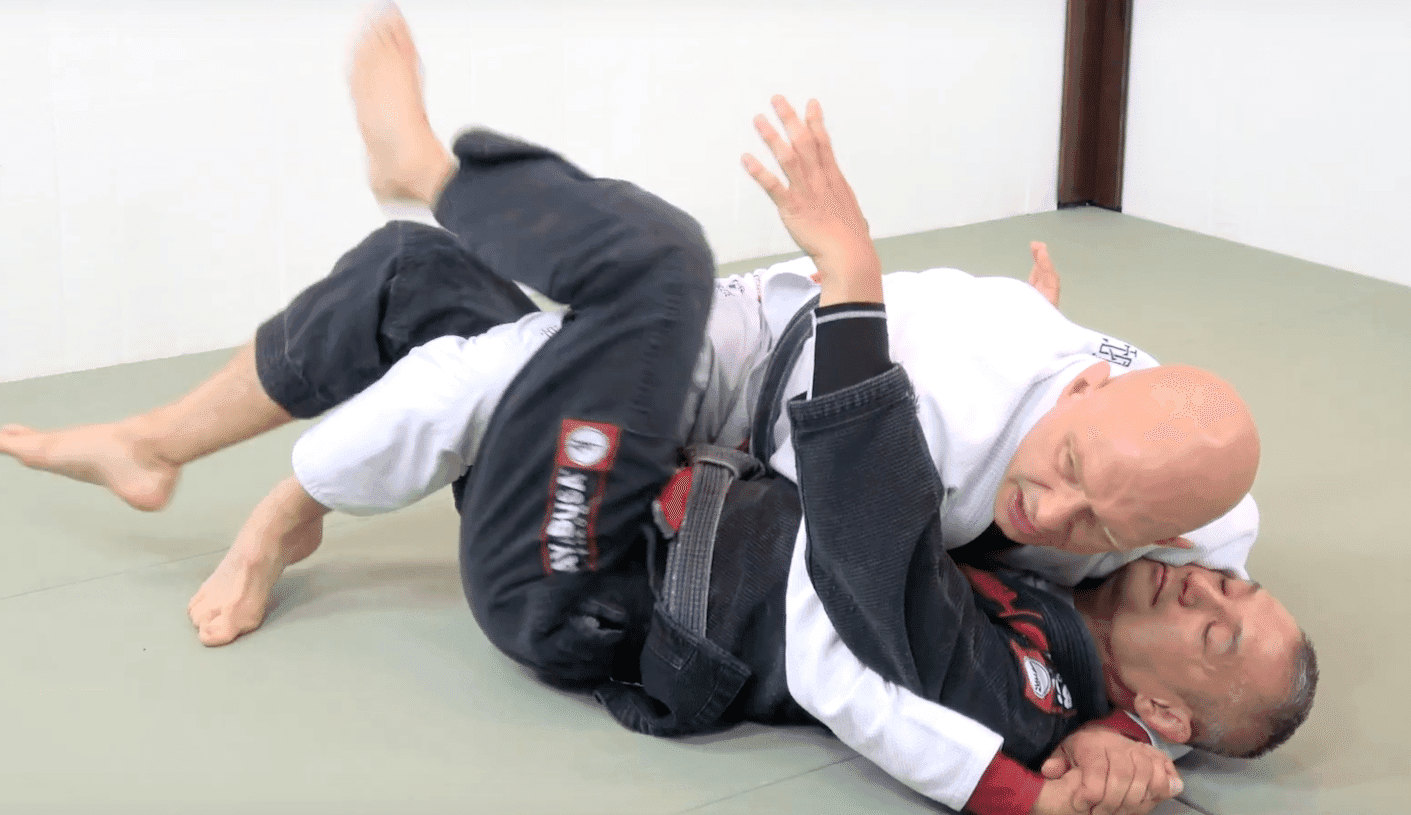
Stuck at the end of a knee cut pass? Separate ankle control from the upper-body position and practice finishing without giving back the guard.
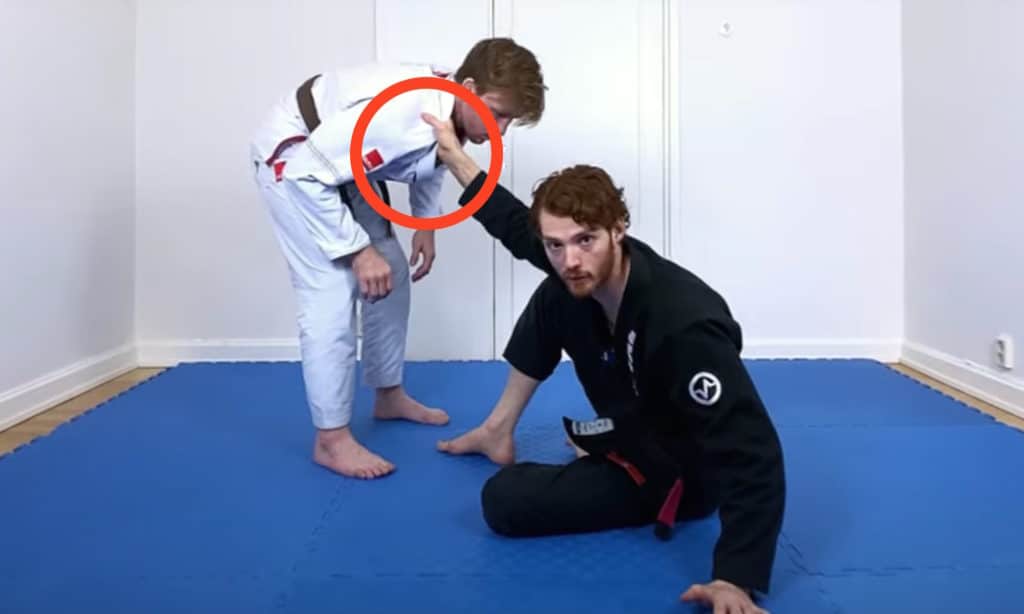
Your collar drag did not finish the sweep. Learn to recognize the single-leg or back-take opening and recover guard when the connection disappears.
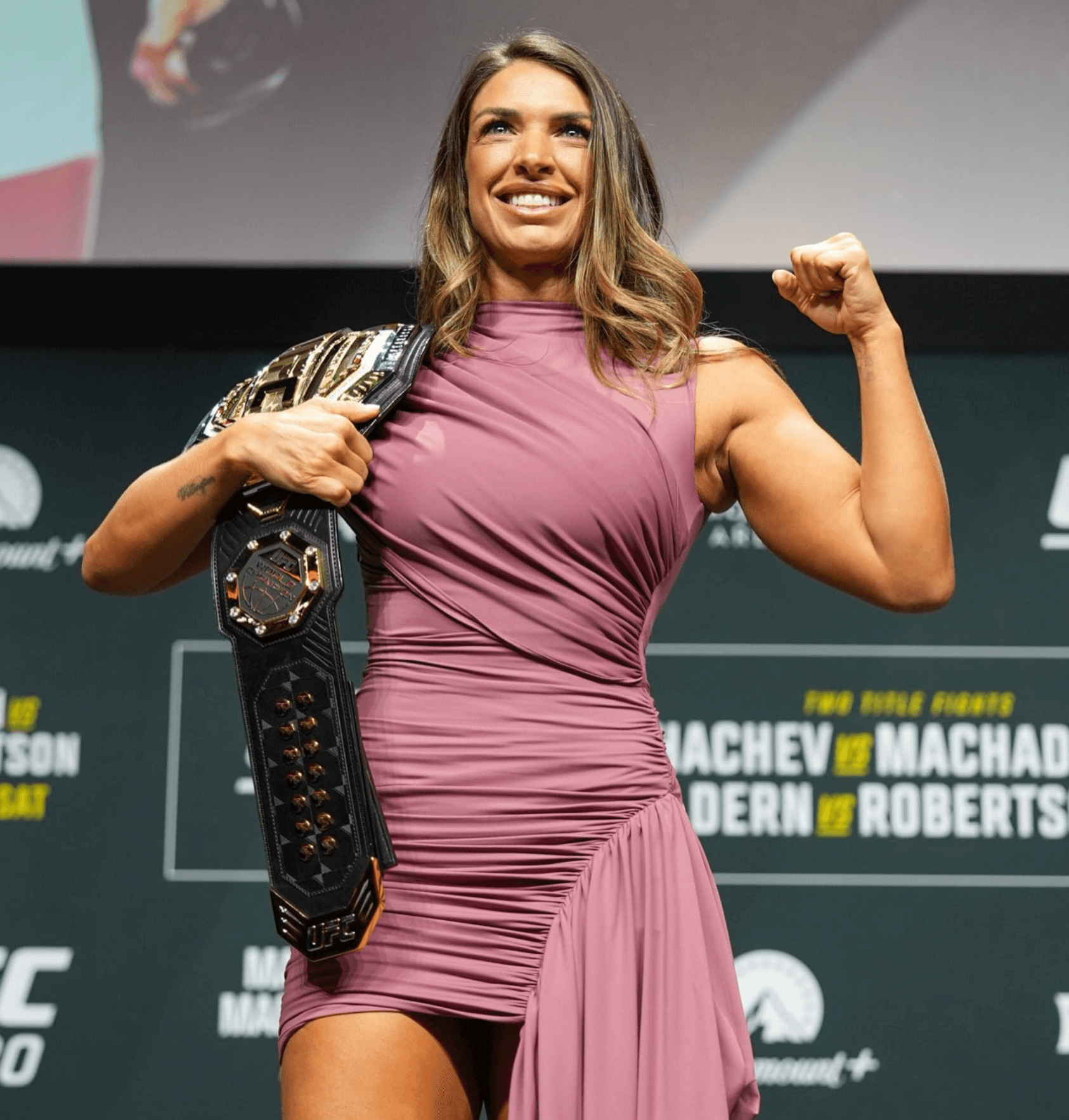
Worlds gold, ADCC gold, eight years of learning to fight, and now a belt she has defended. What Dern's run really proves about jiu-jitsu in MMA.
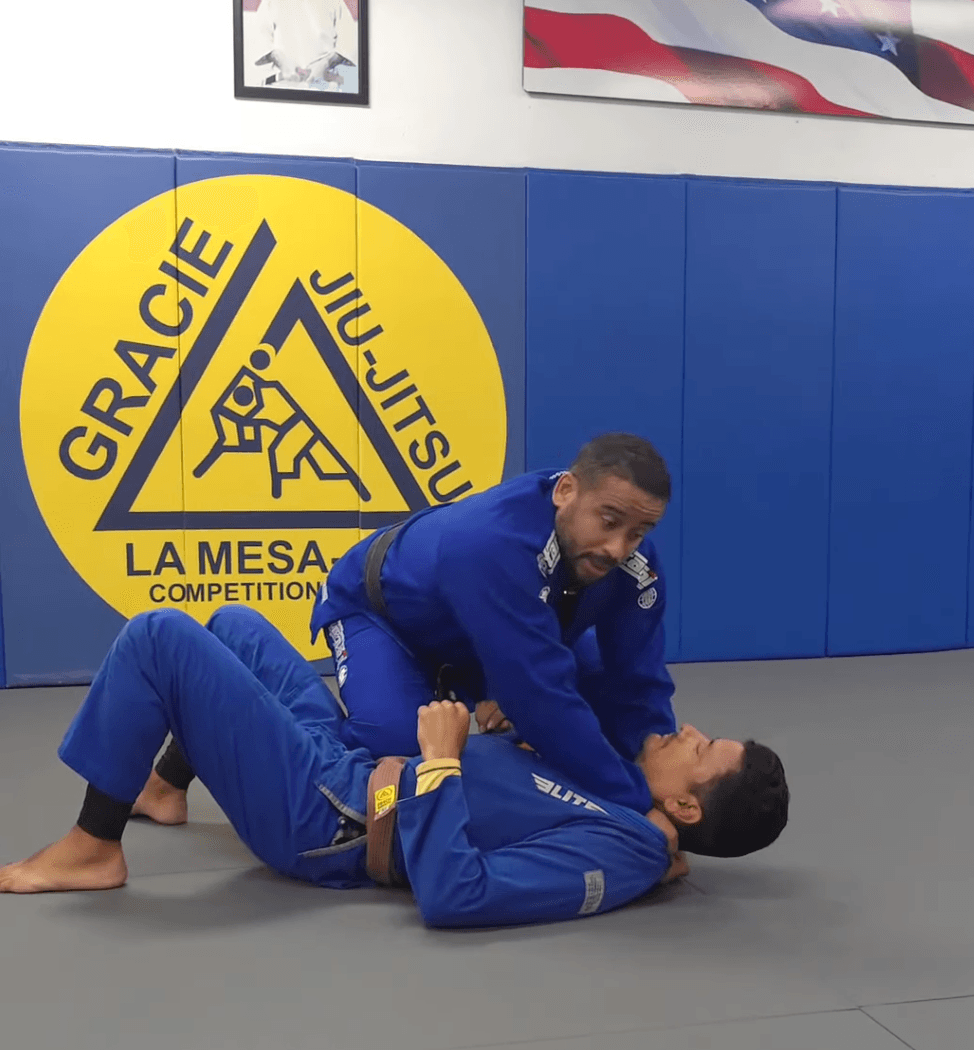
A traditional Humaitá academy on Fletcher Parkway, and what the lineage behind the name asks of a school that carries it.
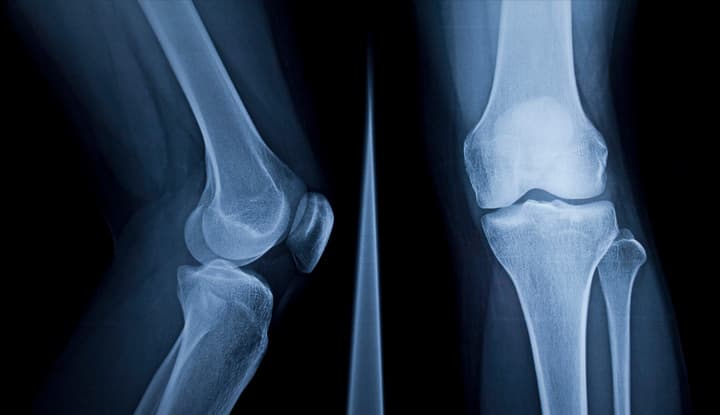
The knee is the most injured joint in jiu-jitsu, and the back catches up with you at brown belt. What the research says, and what prevents it.
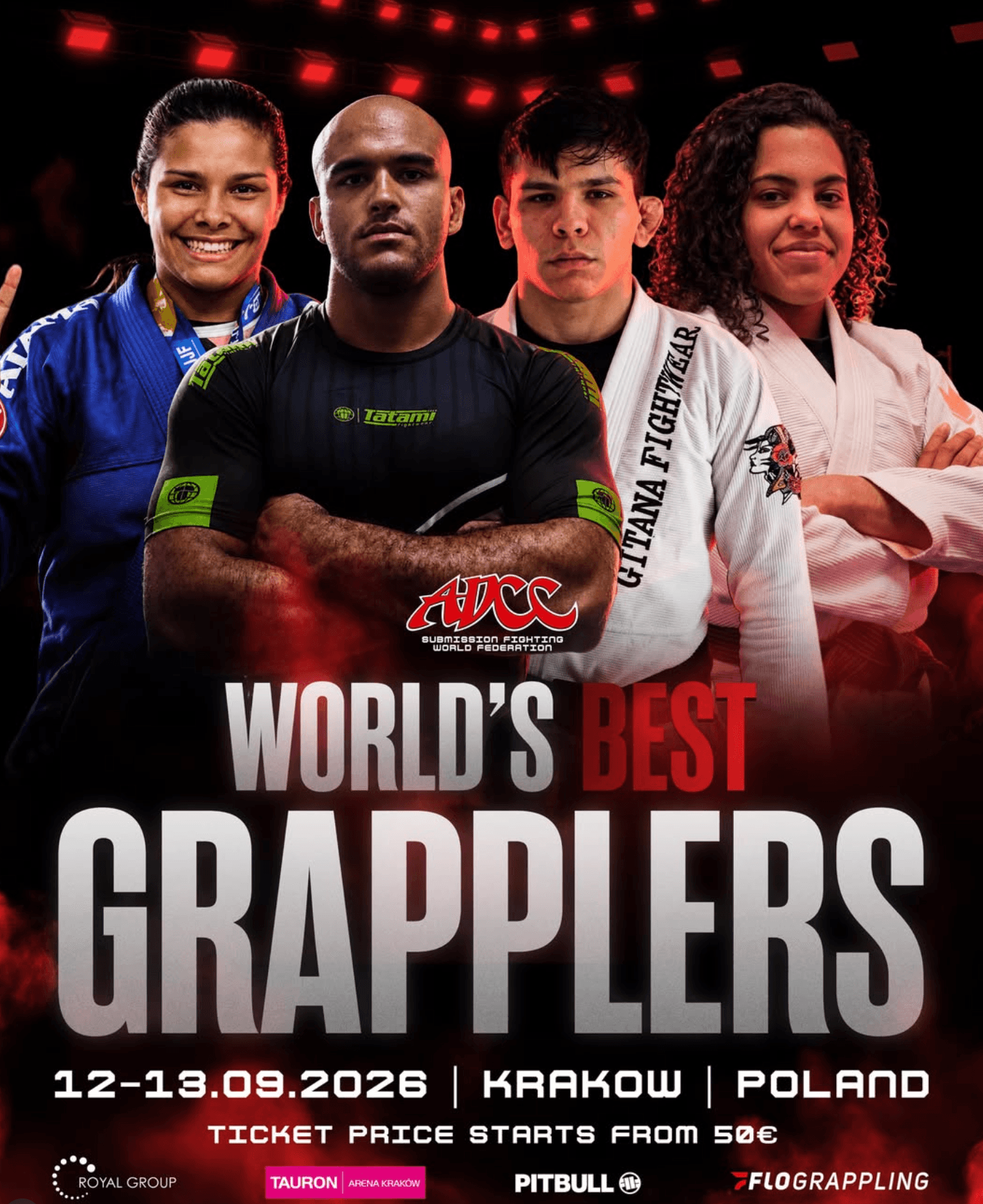
ADCC hits Kraków on September 12-13 with doubled purses, a superfight belt nobody has vacated in 17 years, and a roster missing several of its biggest names.
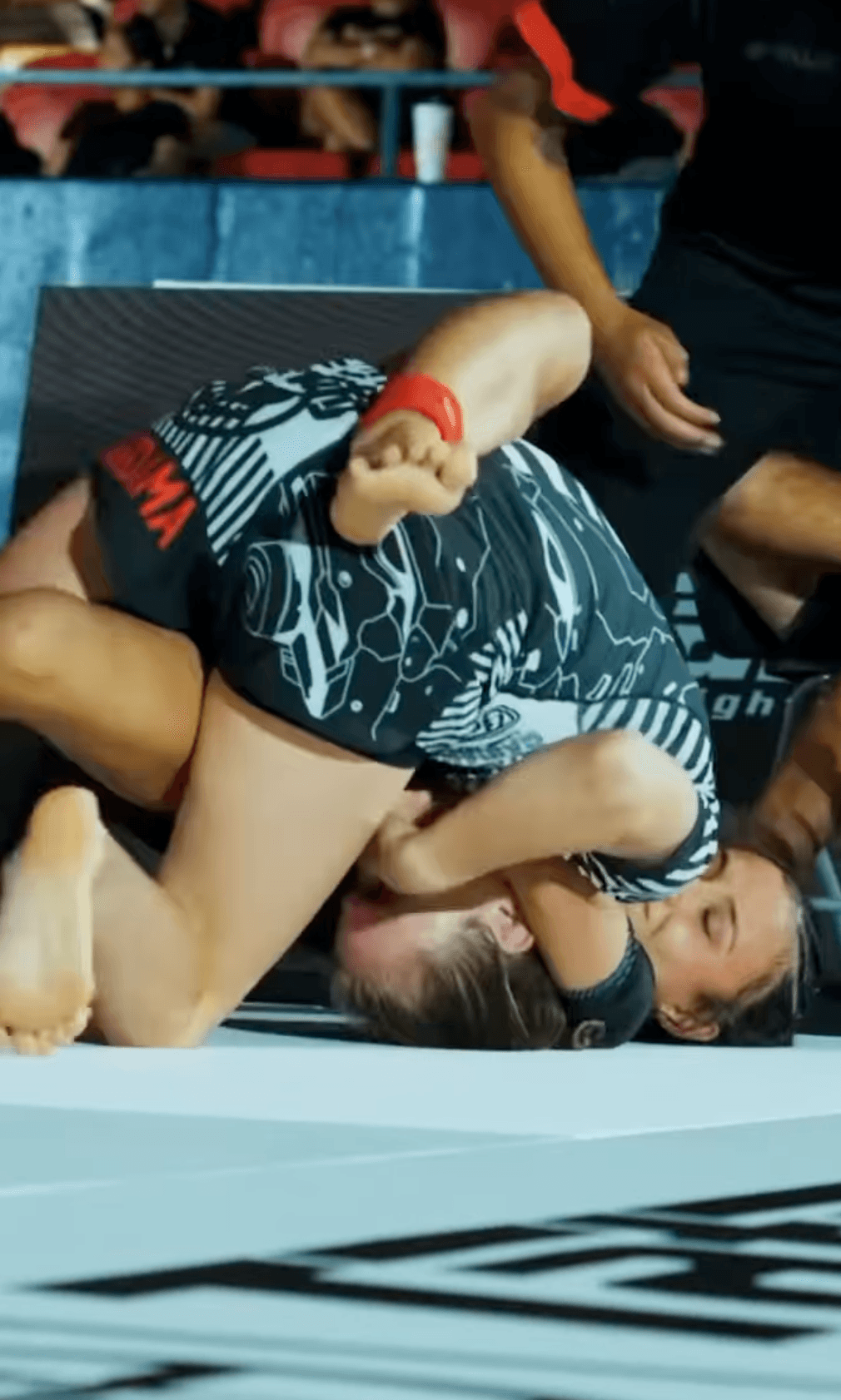
AOJ took the team title at the second ADCC Youth World Championship in Austin. What happened, how the kids ruleset works, and the downside worth naming.
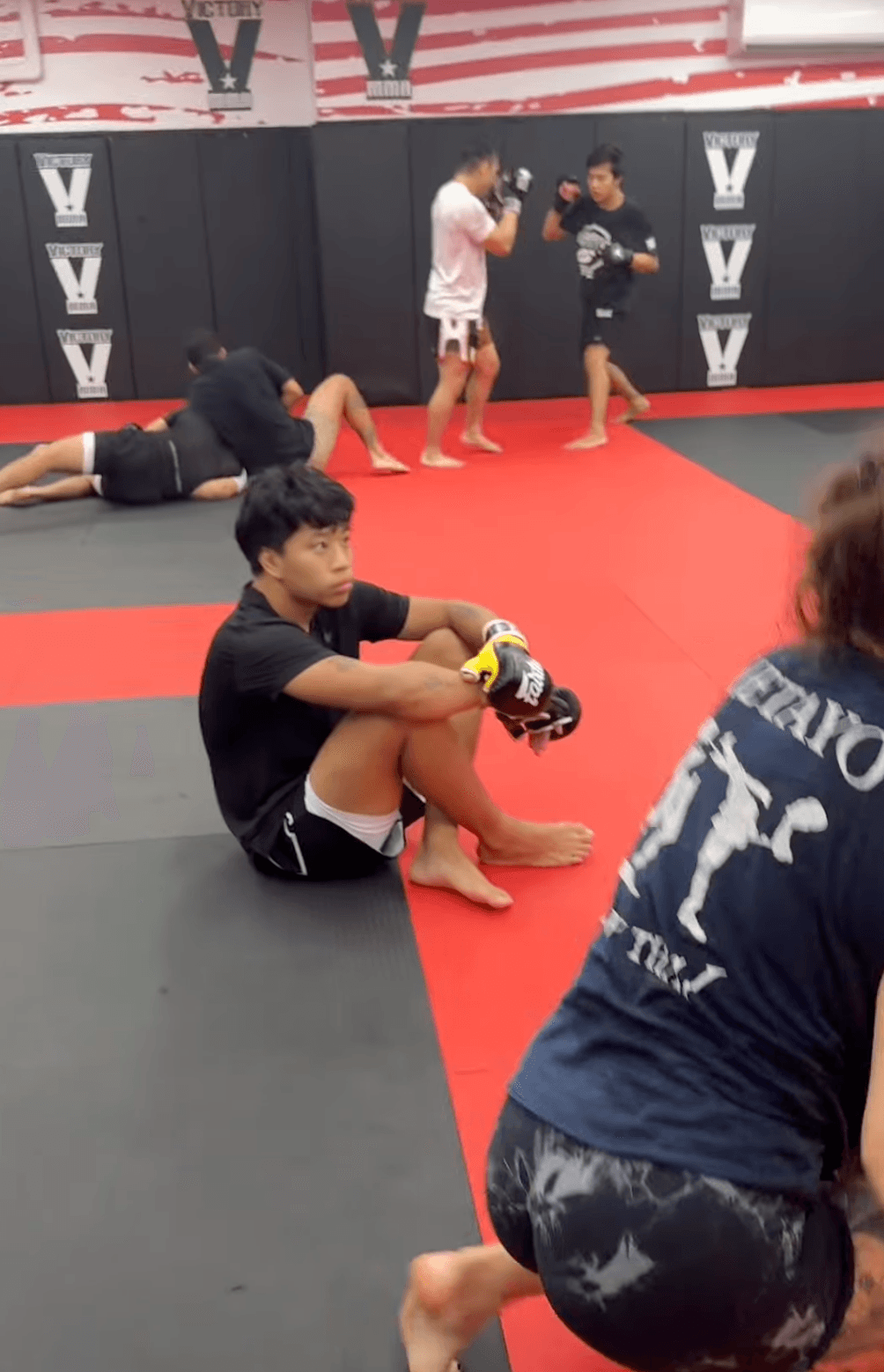
The operator's guide to Sunday open mat: who supervises, waivers, whether to charge, and why consistency beats picking the perfect time slot.