Technique
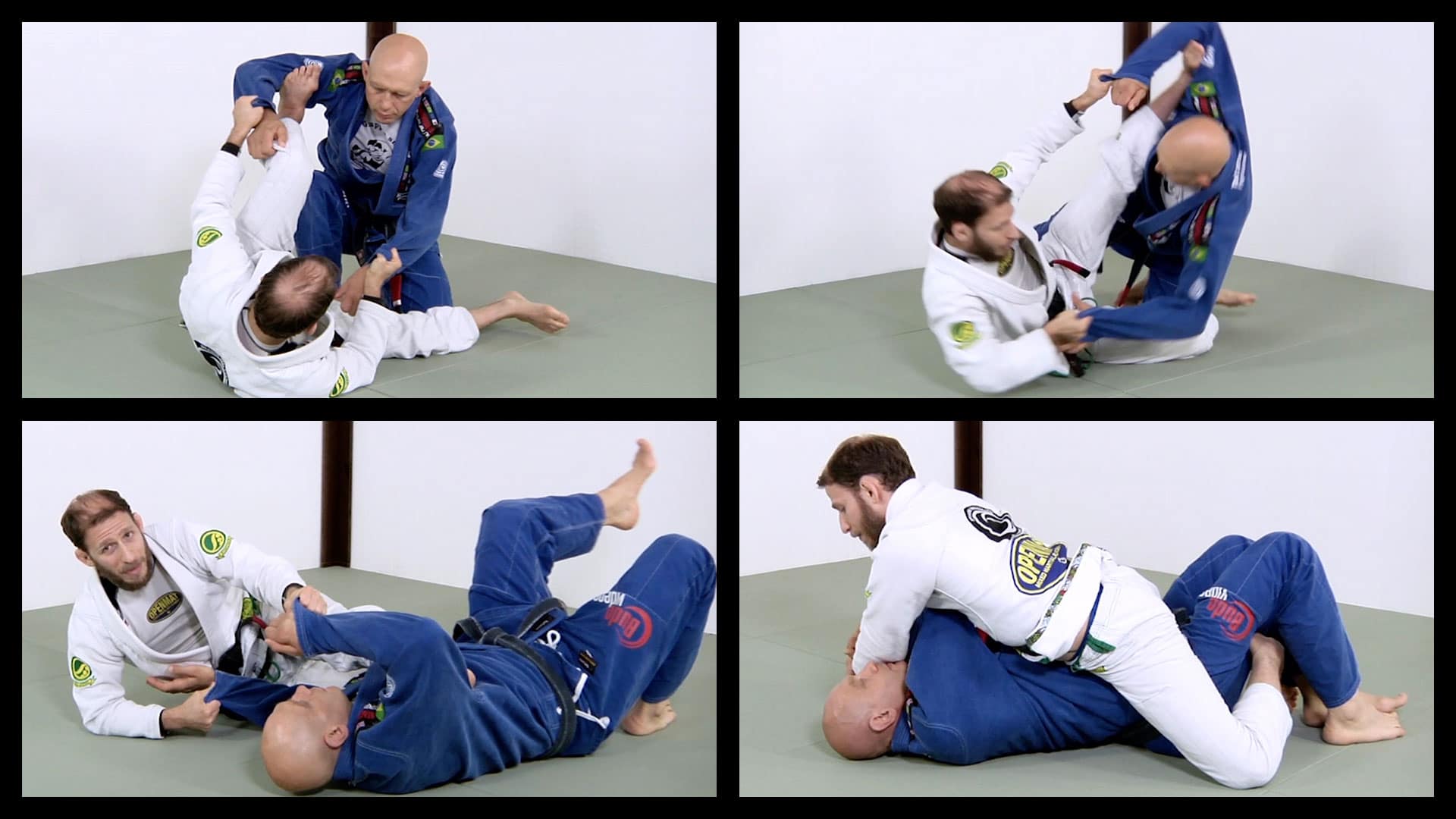
Spider guard: give each foot a job
Make spider guard easier to read. Learn how sleeve tension, different foot positions, and the passer's posture shape your next sweep or transition.
8 min read

Training, technique, and the culture of Brazilian Jiu-Jitsu
Showing 49–72 of 100 articles
Make spider guard easier to read. Learn how sleeve tension, different foot positions, and the passer's posture shape your next sweep or transition.
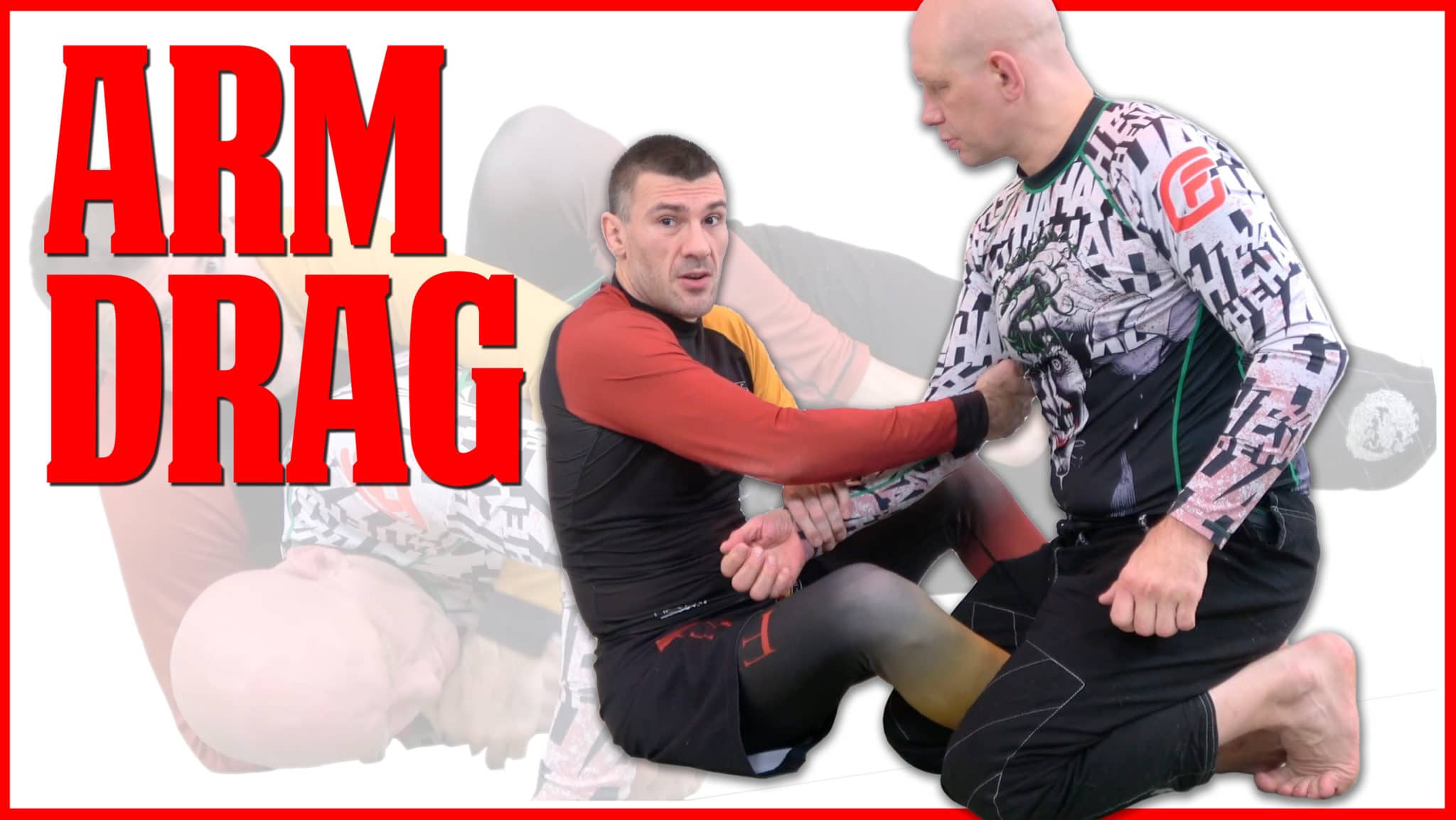
The seated arm drag needs more than a wrist grip. Study the arm connection, hip movement, and reactions that open a back take or a route to top position.
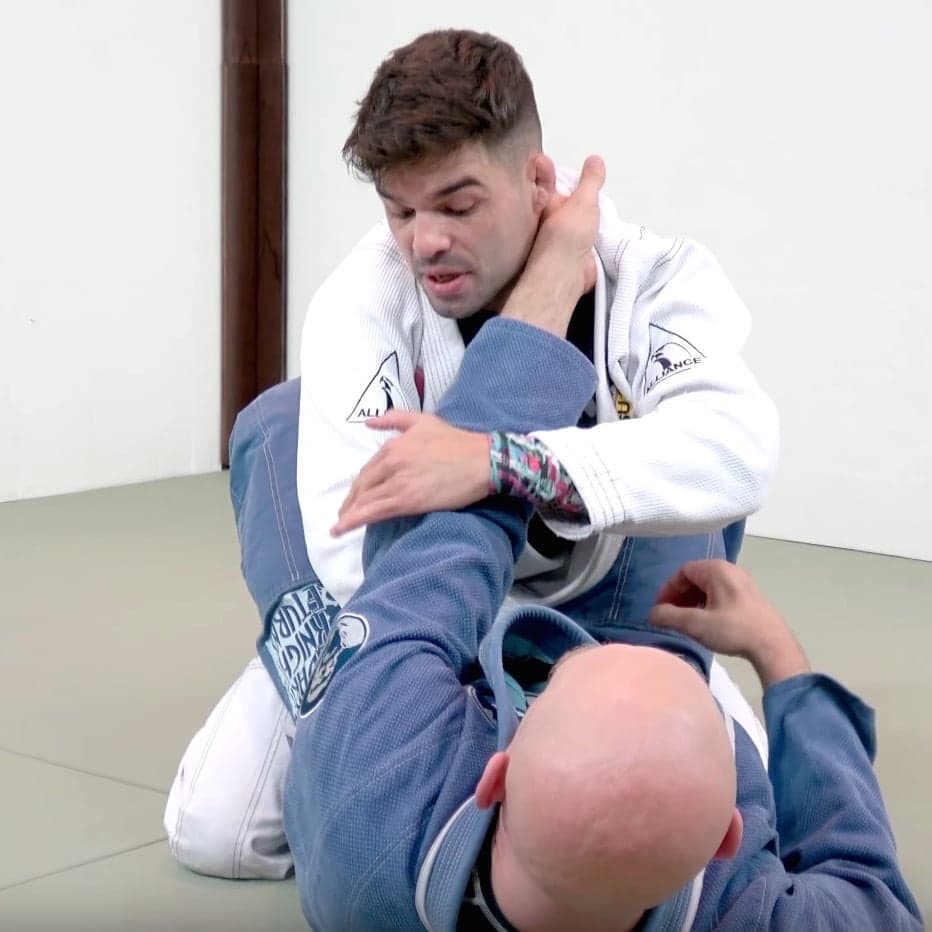
Work on opening closed guard from standing: address controlling grips, understand your first step, and connect the guard break to a passing position.
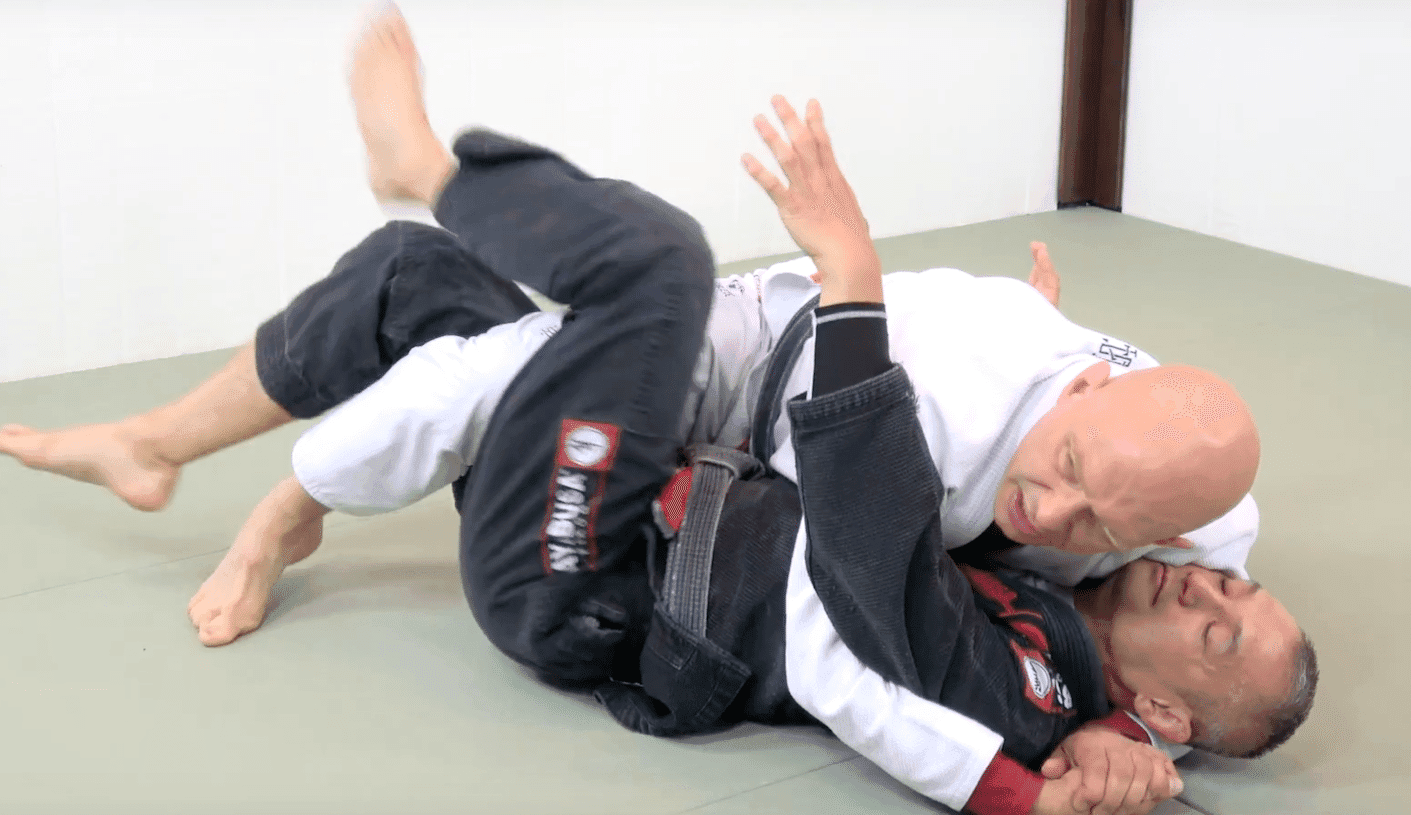
Stuck at the end of a knee cut pass? Separate ankle control from the upper-body position and practice finishing without giving back the guard.
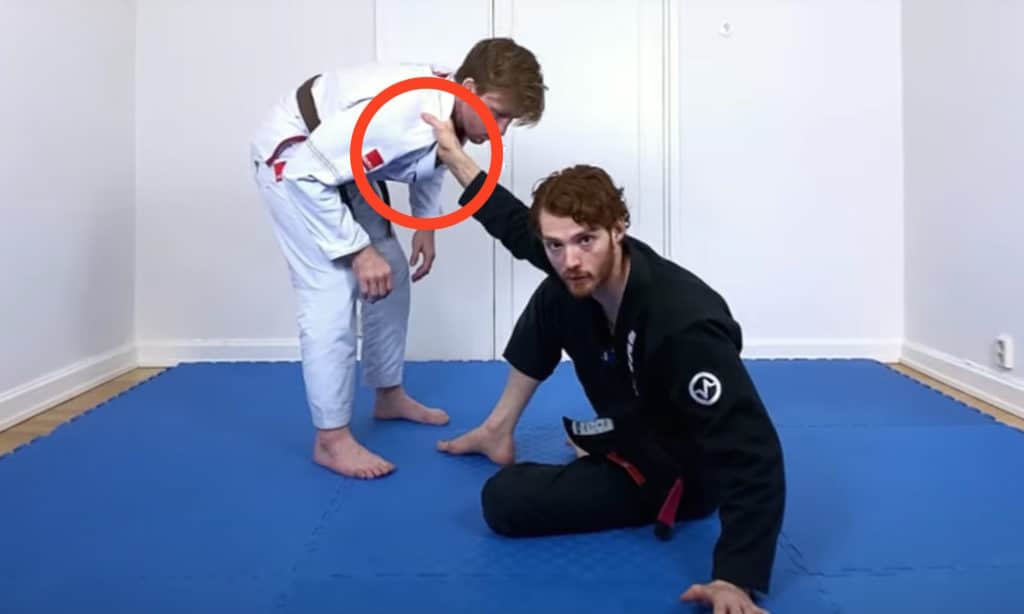
Your collar drag did not finish the sweep. Learn to recognize the single-leg or back-take opening and recover guard when the connection disappears.
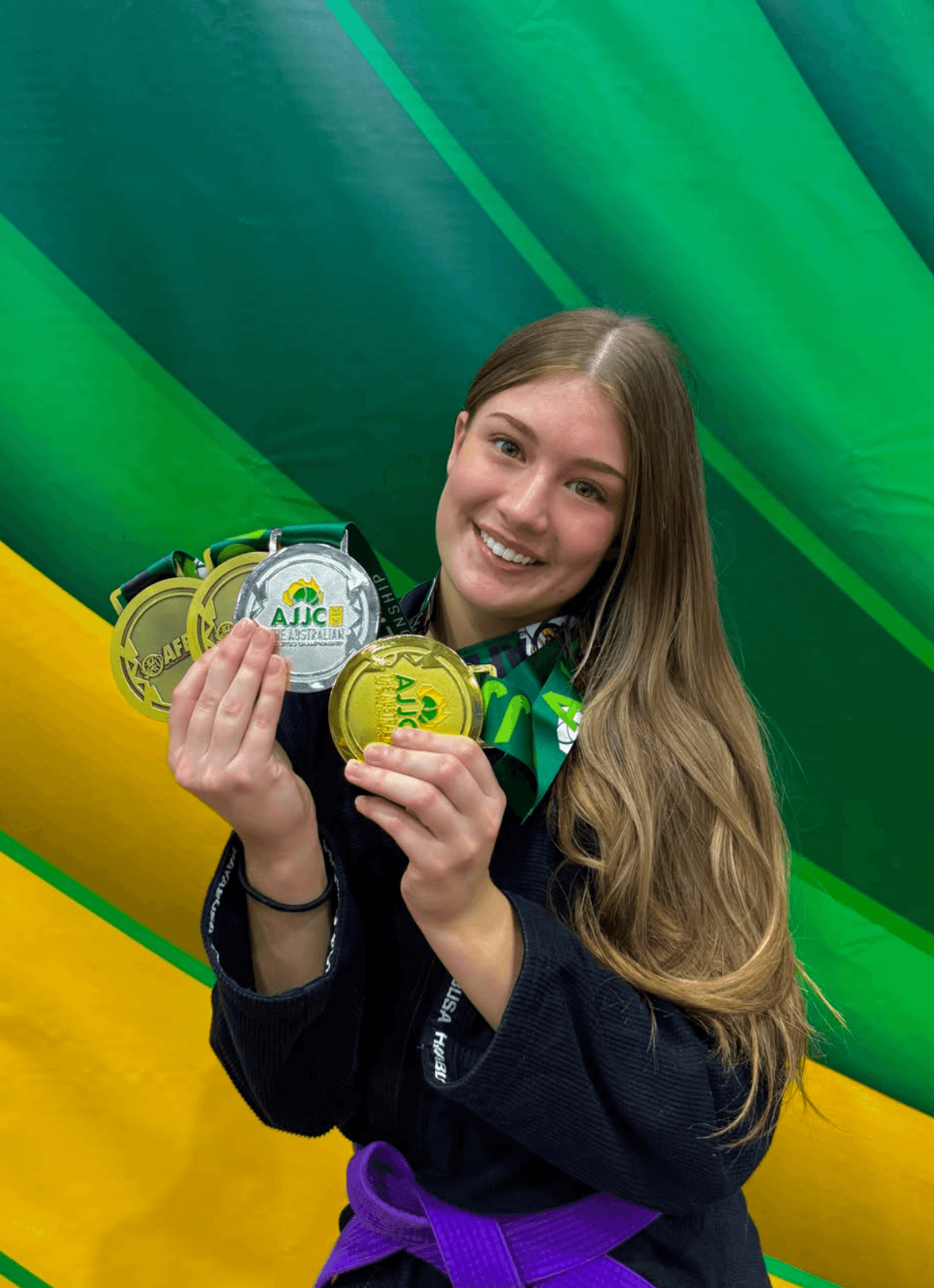
Good enough not to get smashed, not good enough to beat the belts above you, and the novelty's gone. Why purple stalls, and what restarts it.

There are over 3,000 BJJ instructionals and 5,800 hours of them. Most people get worse results from buying more. Here's how to pick one and study it properly.
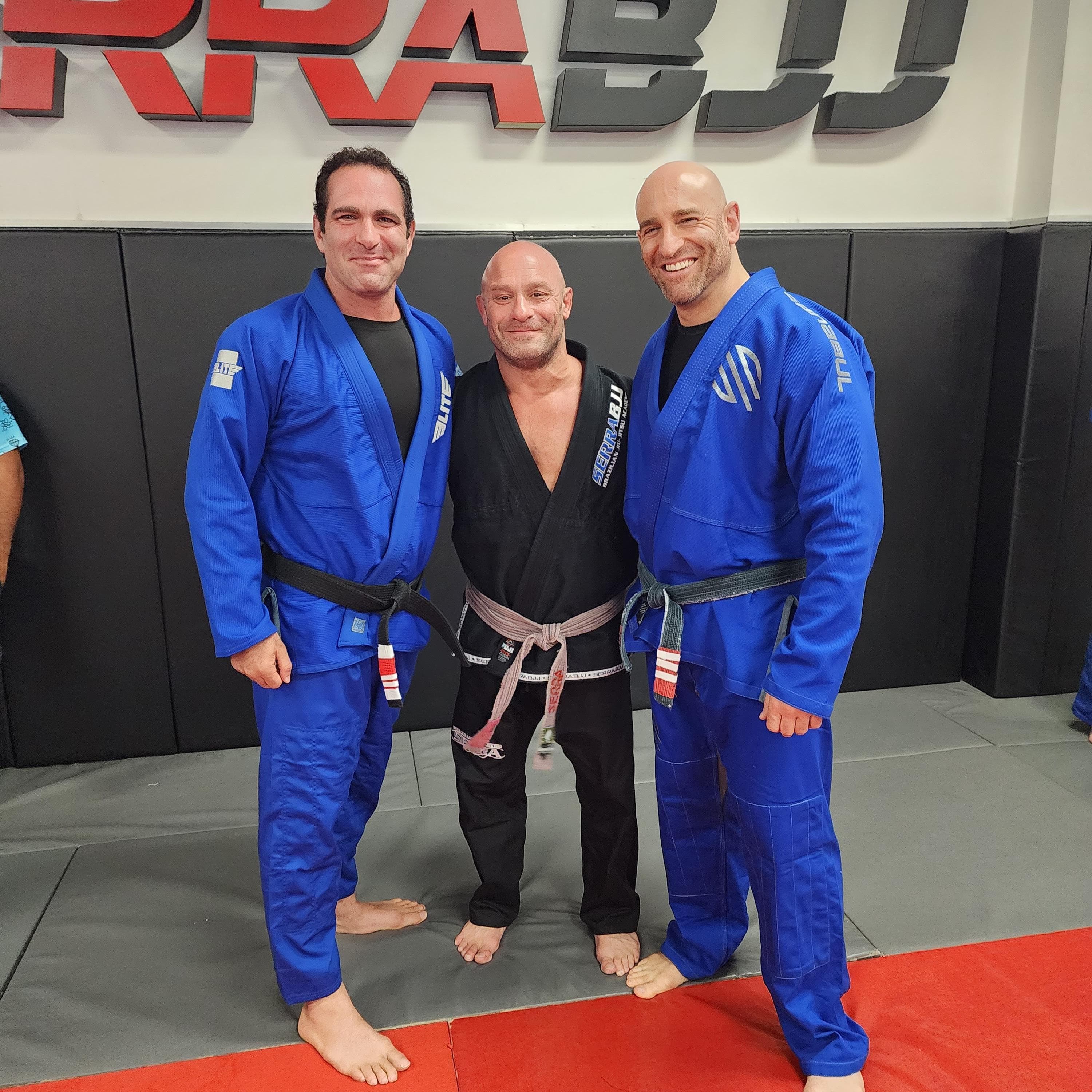
What it takes to get a BJJ black belt — the honest 10-year average, why it's slower than every other martial art, and who actually makes it there.

BJJ brown belt explained — why the belt between purple and black is about refinement not accumulation, its "dangerous belt" reputation, and honest timelines.
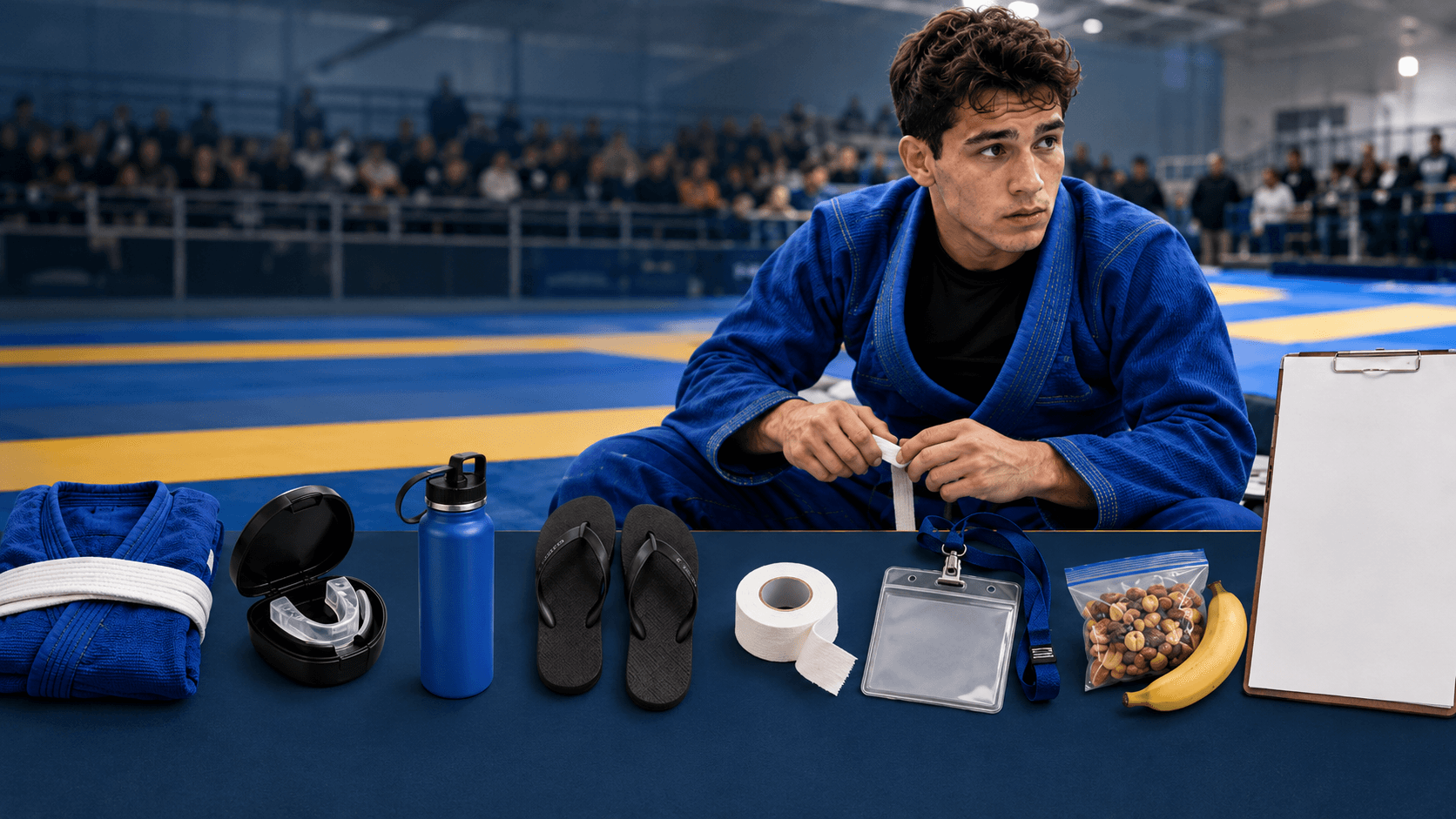
First BJJ competition checklist — registration and weigh-in honesty, exactly what to pack, warm-up timing, corner etiquette, and what a first loss means.
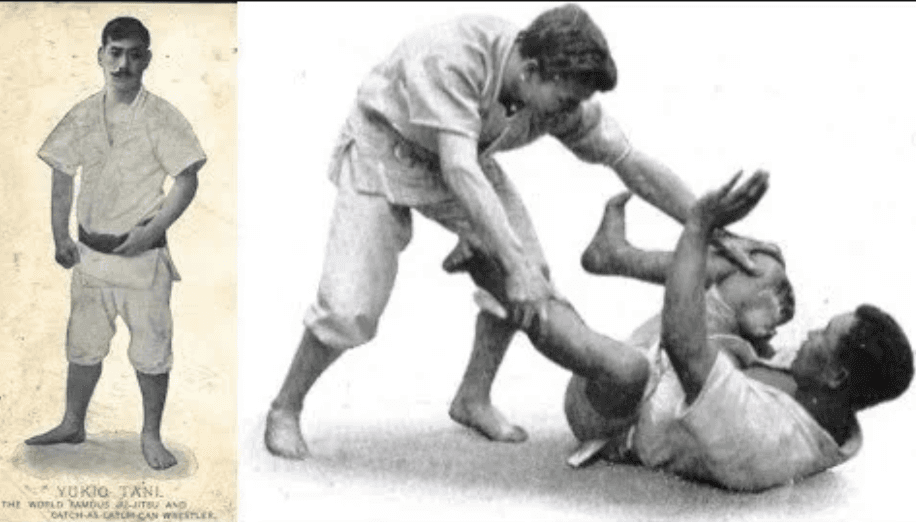
Open guard in BJJ is an umbrella term, not one position. A clear map of spider, de la Riva, butterfly, x-guard, and lasso — and how to pick your first one.
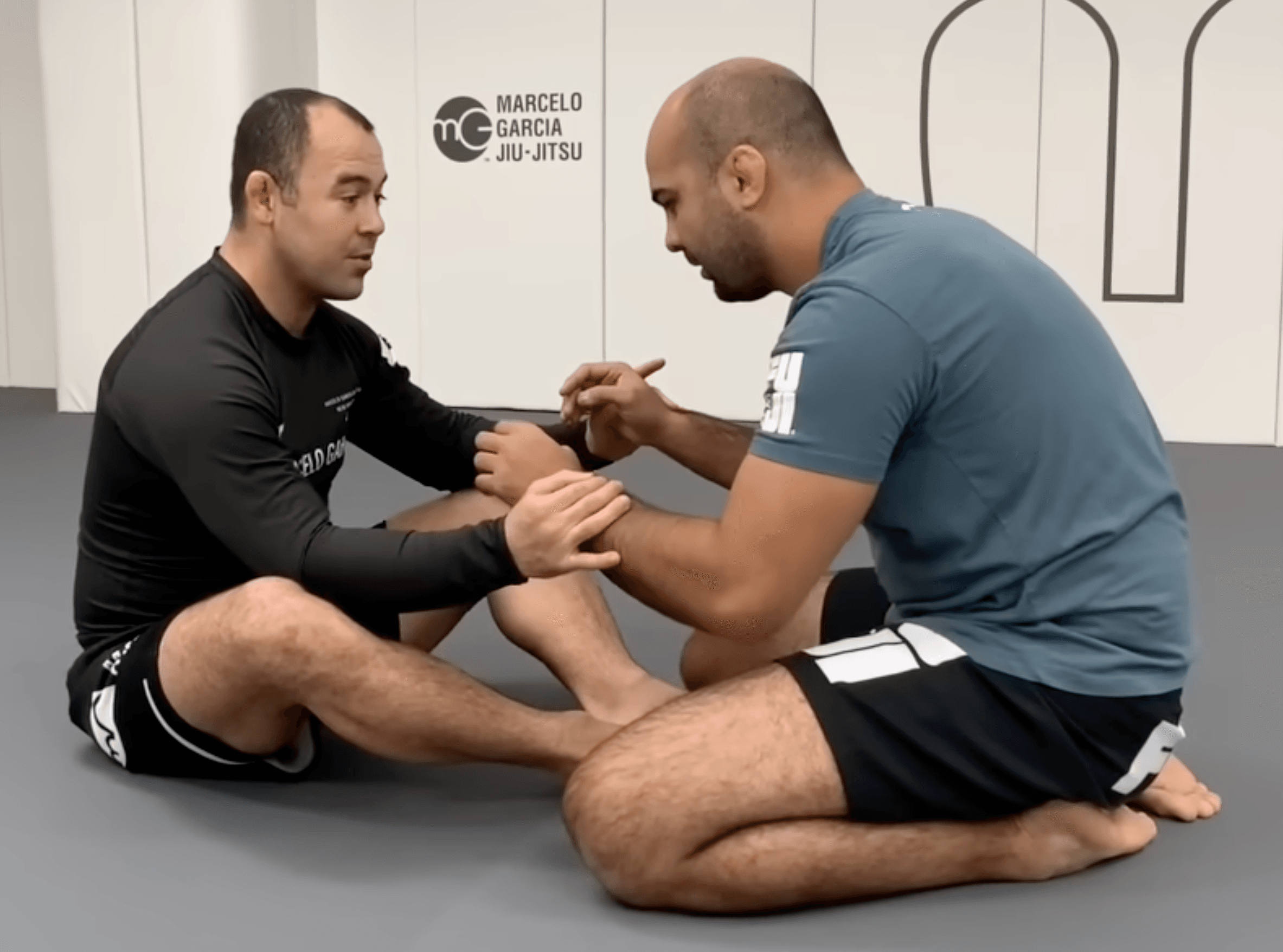
Butterfly guard explained — why this unglamorous seated guard ages better than any other, how hooks and elevation work, and when beginners should learn it.
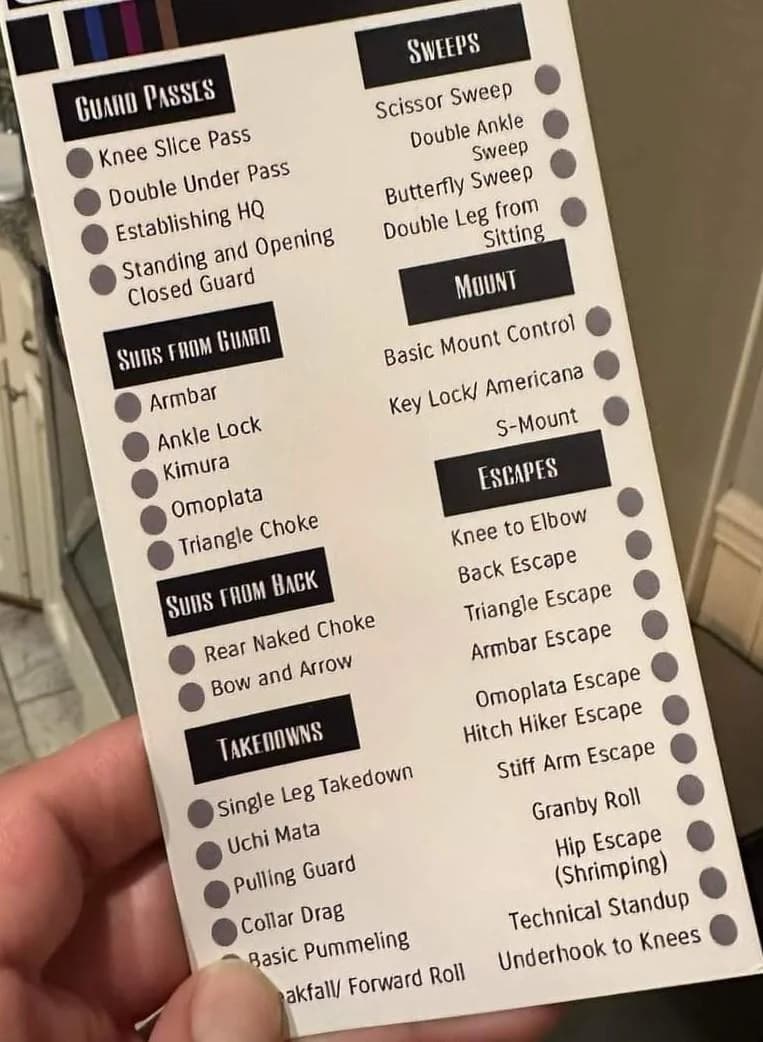
A plain-English BJJ glossary for beginners — positions, movements, submissions, gi terms, and gym culture words like oss, roll, and flow, defined honestly.
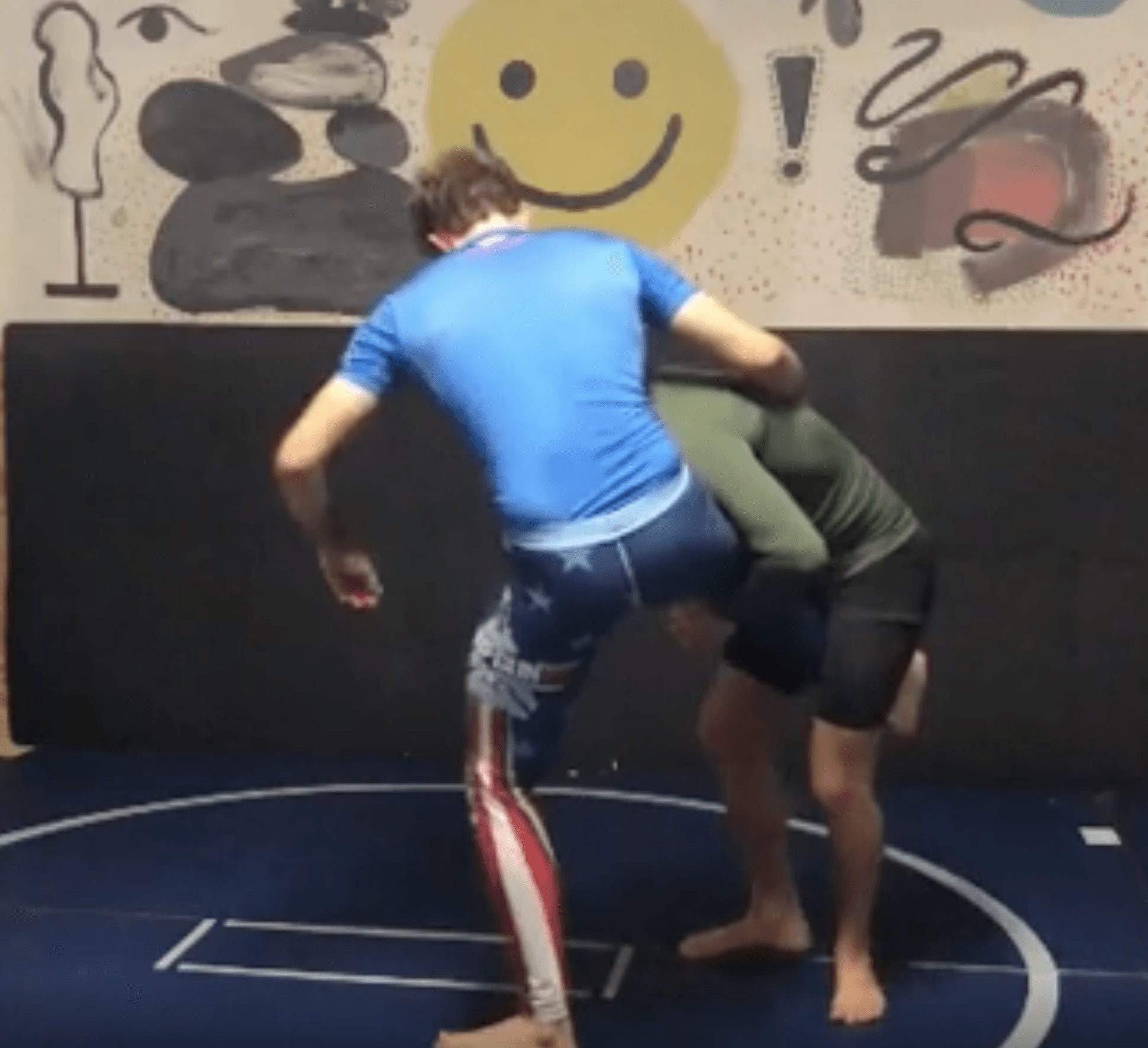
Takedowns for BJJ when you hate standup — why gyms neglect it, wrestling vs judo entries, three high-percentage options, and honest guard-pulling talk.
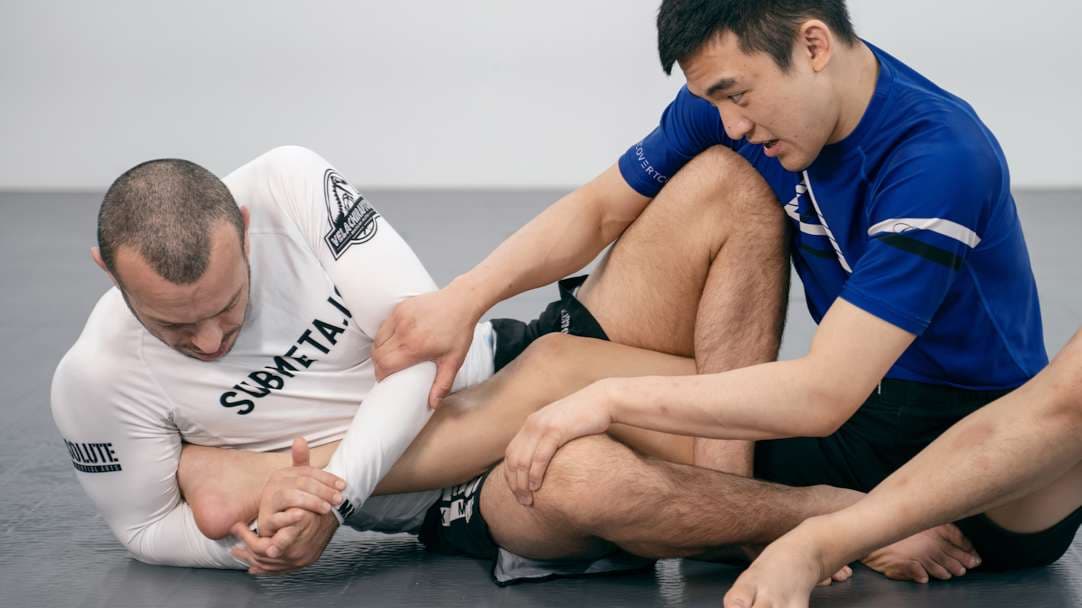
Leg locks in BJJ, honestly — why they were taboo, what changed, where beginners should start, what's legal at your belt, and how to keep partners safe.
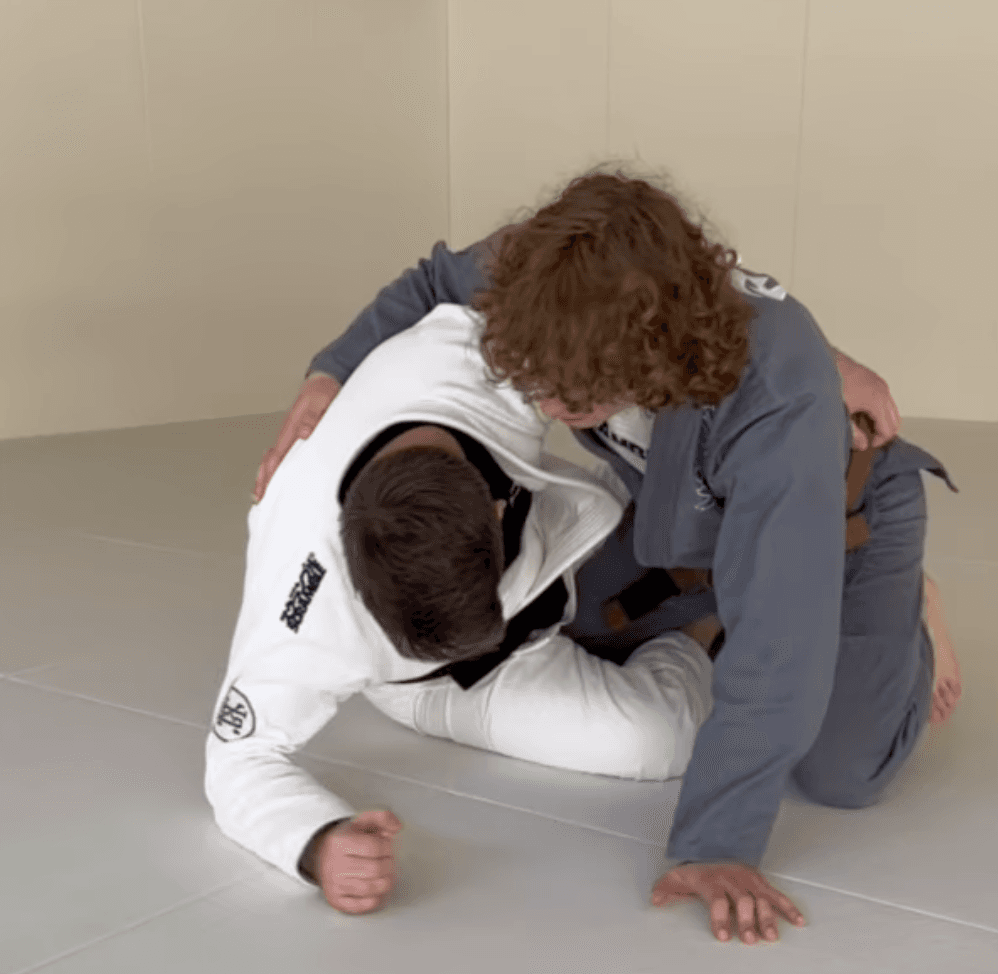
Half guard for beginners — how BJJ's old survival position became real offense, the underhook battle, the knee shield, and what to focus on first.
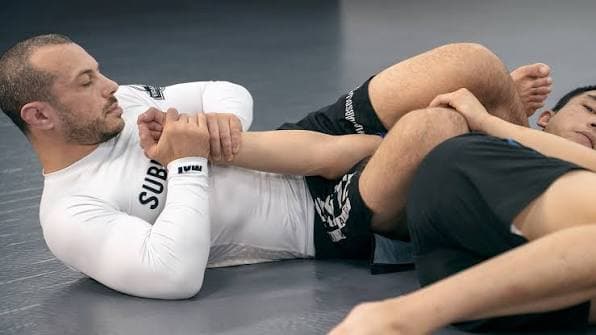
The armbar explained — its judo lineage, how it works from mount, guard, and back, why control beats extension, and when to tap to protect your arm.
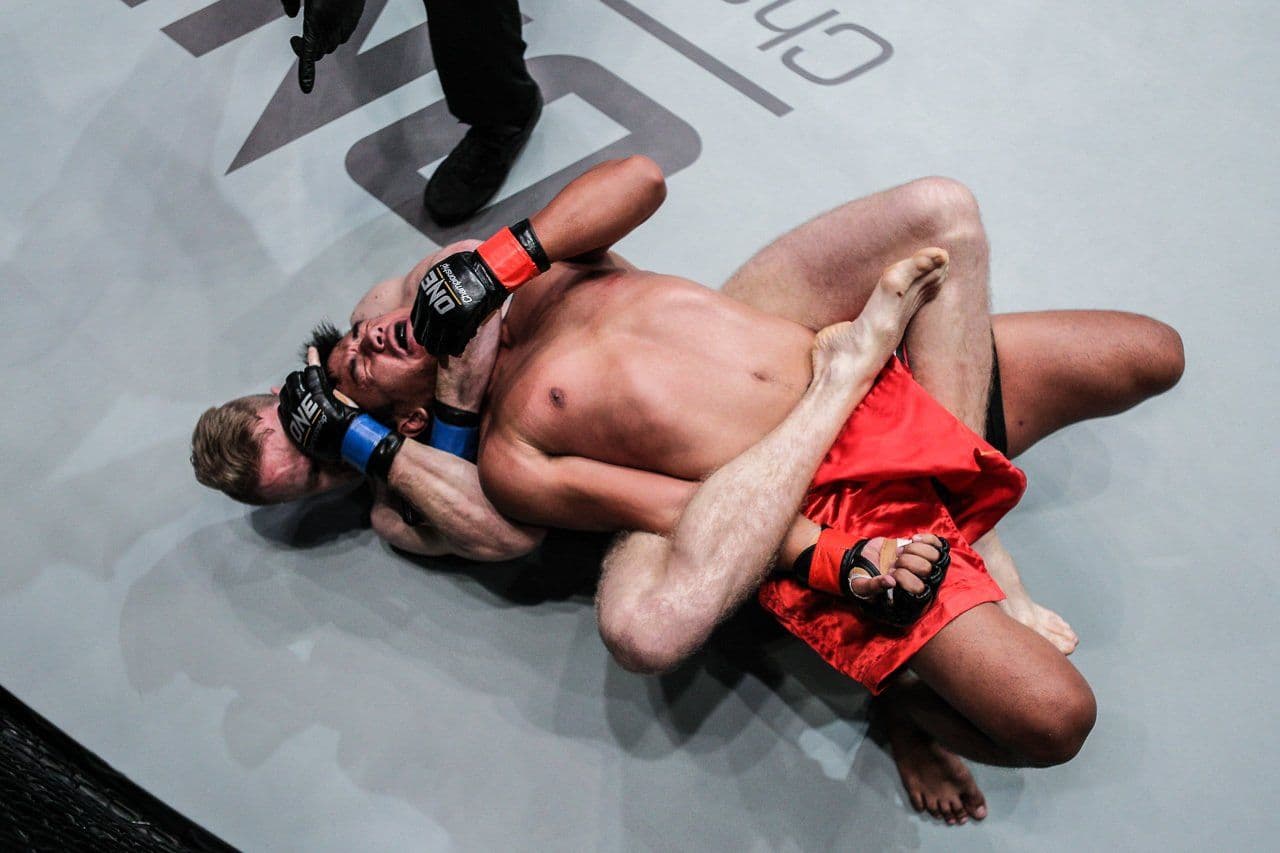
Why the rear naked choke is grappling's highest-percentage submission — back control, the seatbelt and hooks, and blood chokes explained honestly.
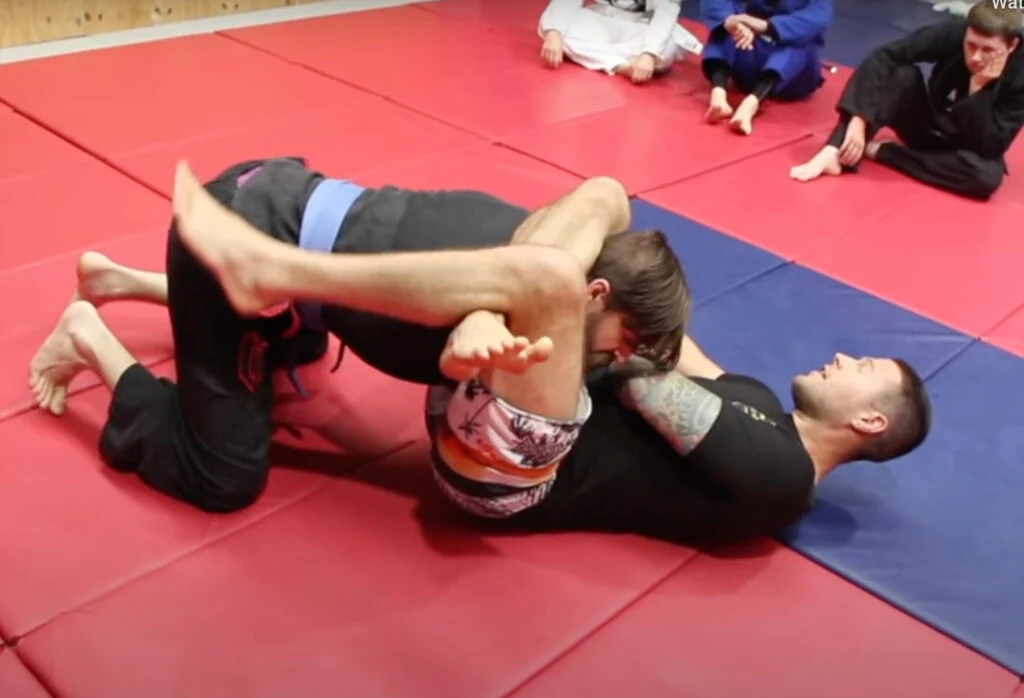
The triangle choke explained — its judo roots, how the mechanics actually work, the mistakes every beginner makes, and how it changes from gi to no-gi.
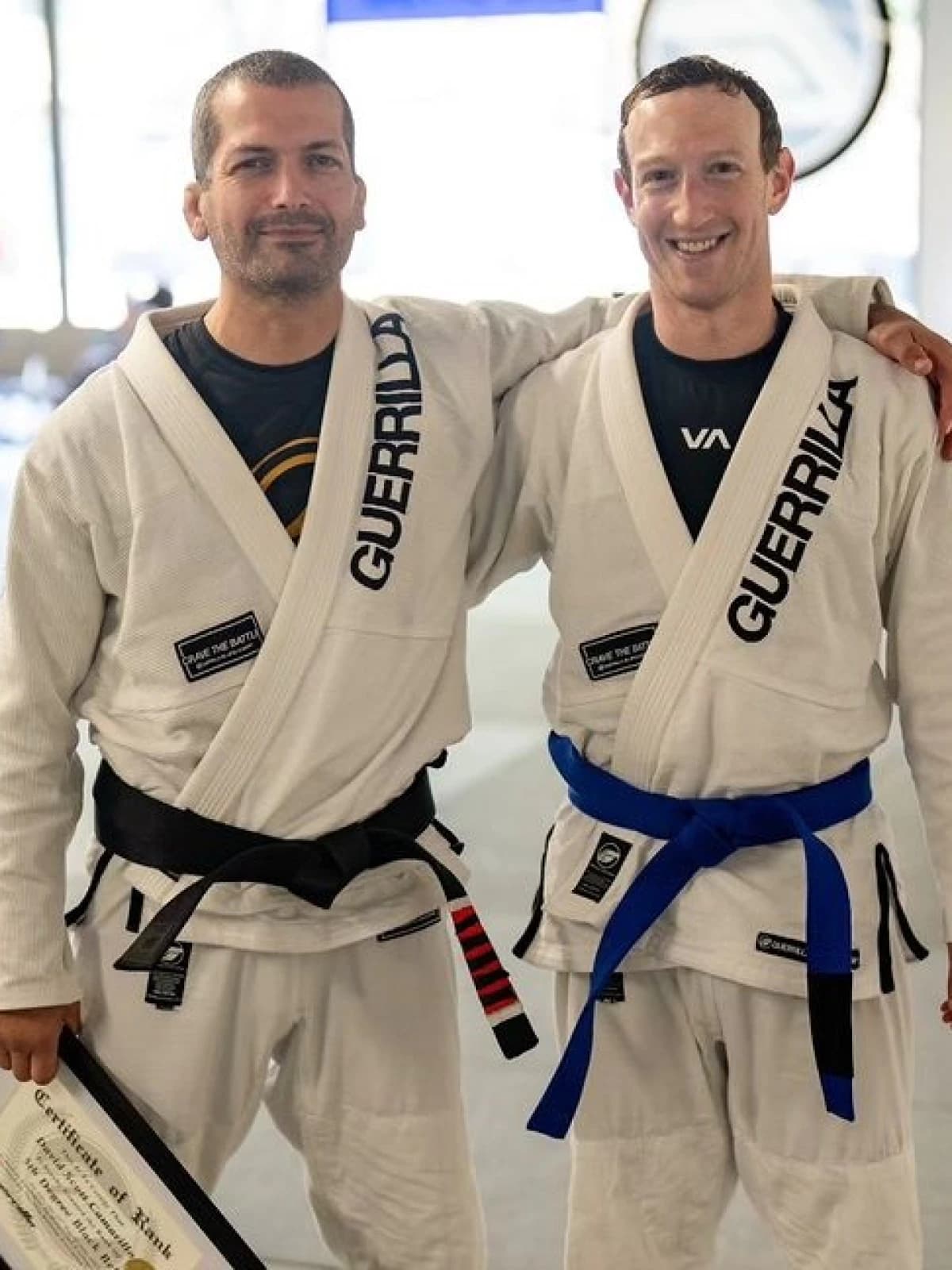
What a BJJ blue belt really means, how long it takes (usually 1.5–2.5 years), what coaches look for, and why so many people quit after earning one.
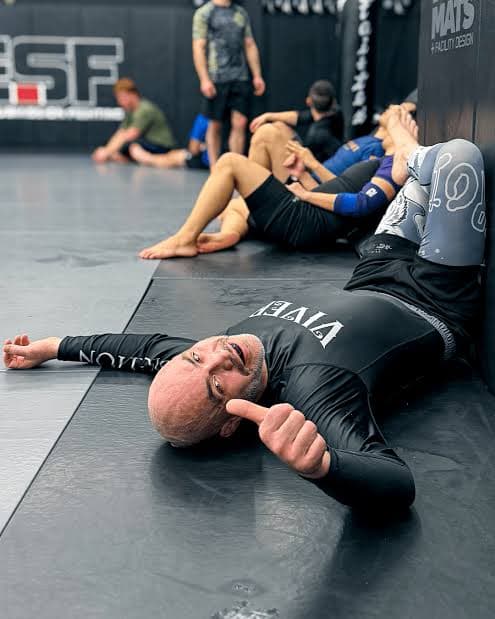
New to no-gi jiu-jitsu? A beginner's guide to no-gi BJJ: how it differs from gi, what to wear, the grips and style, and how to start training submission grappling.
What does it take to earn a BJJ purple belt? An honest look at the purple belt in jiu-jitsu: the typical timeline, what skills it represents, and IBJJF age minimums.
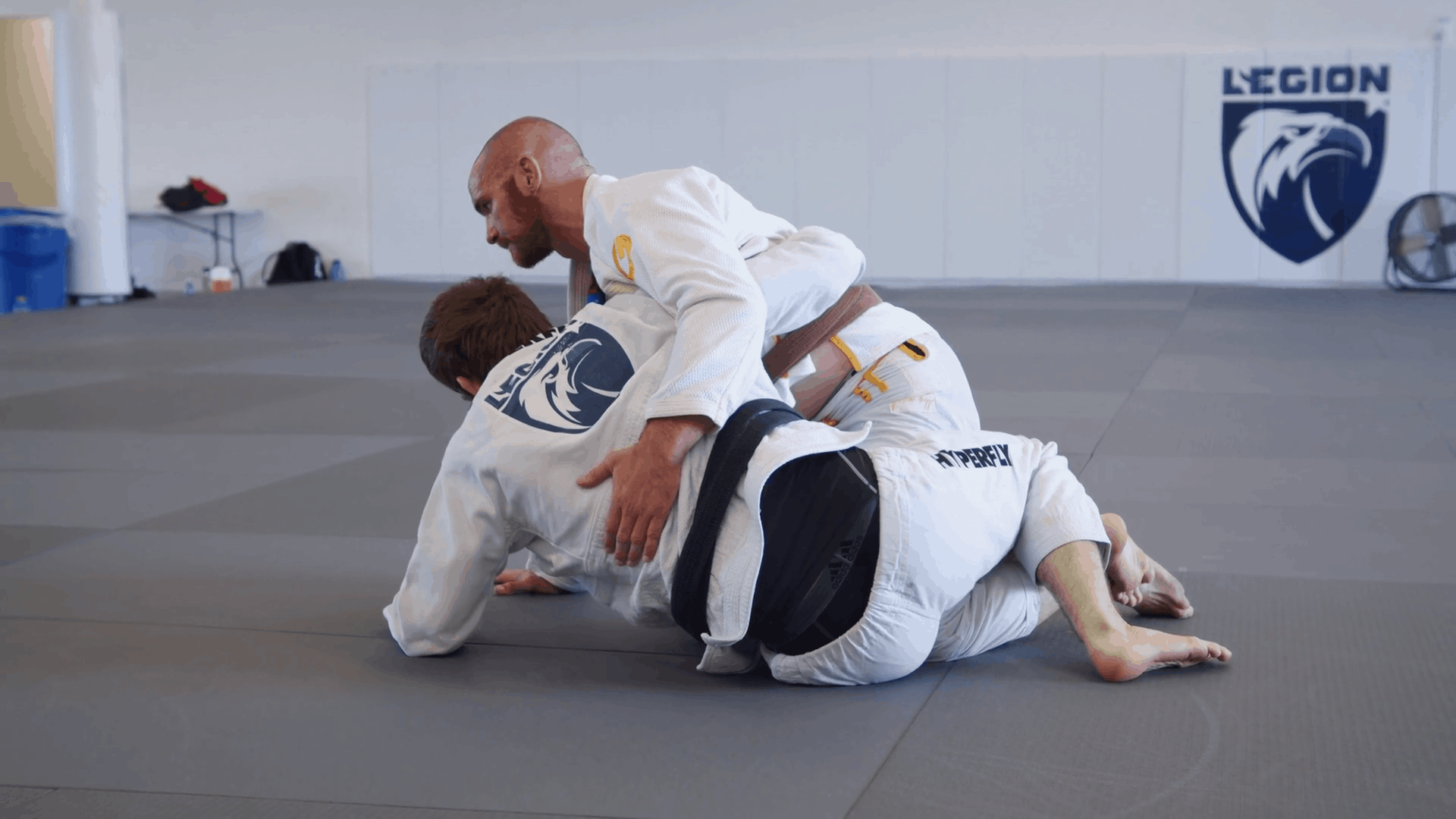
Is Brazilian jiu-jitsu hard to learn? An honest look at how difficult BJJ really is — physically and mentally — why it humbles everyone, and why almost anyone can still do it.
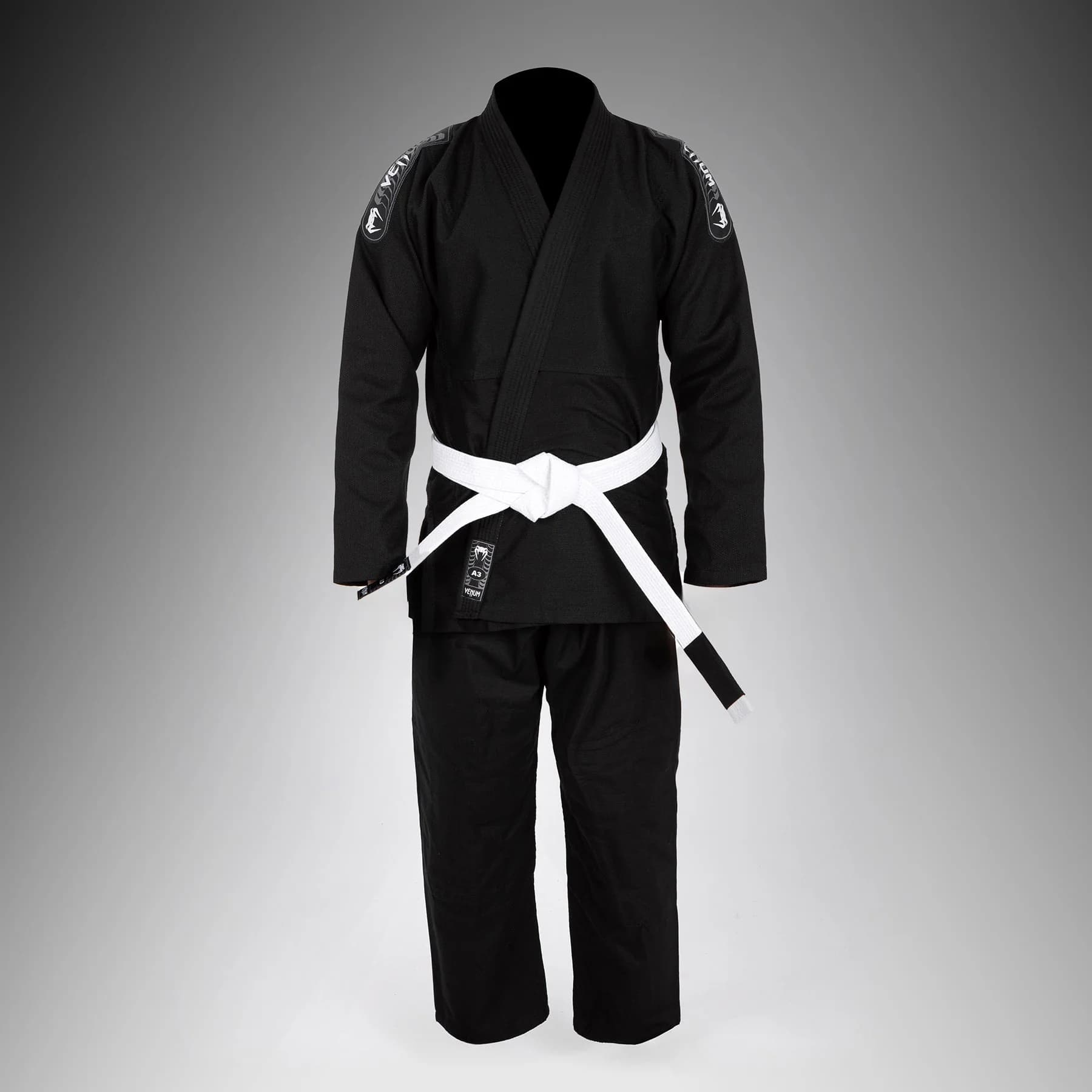
Not sure what to wear to jiu-jitsu? Here's exactly what to wear to a BJJ class — for your first trial, gi classes, and no-gi — plus what to bring and what to avoid.