Technique
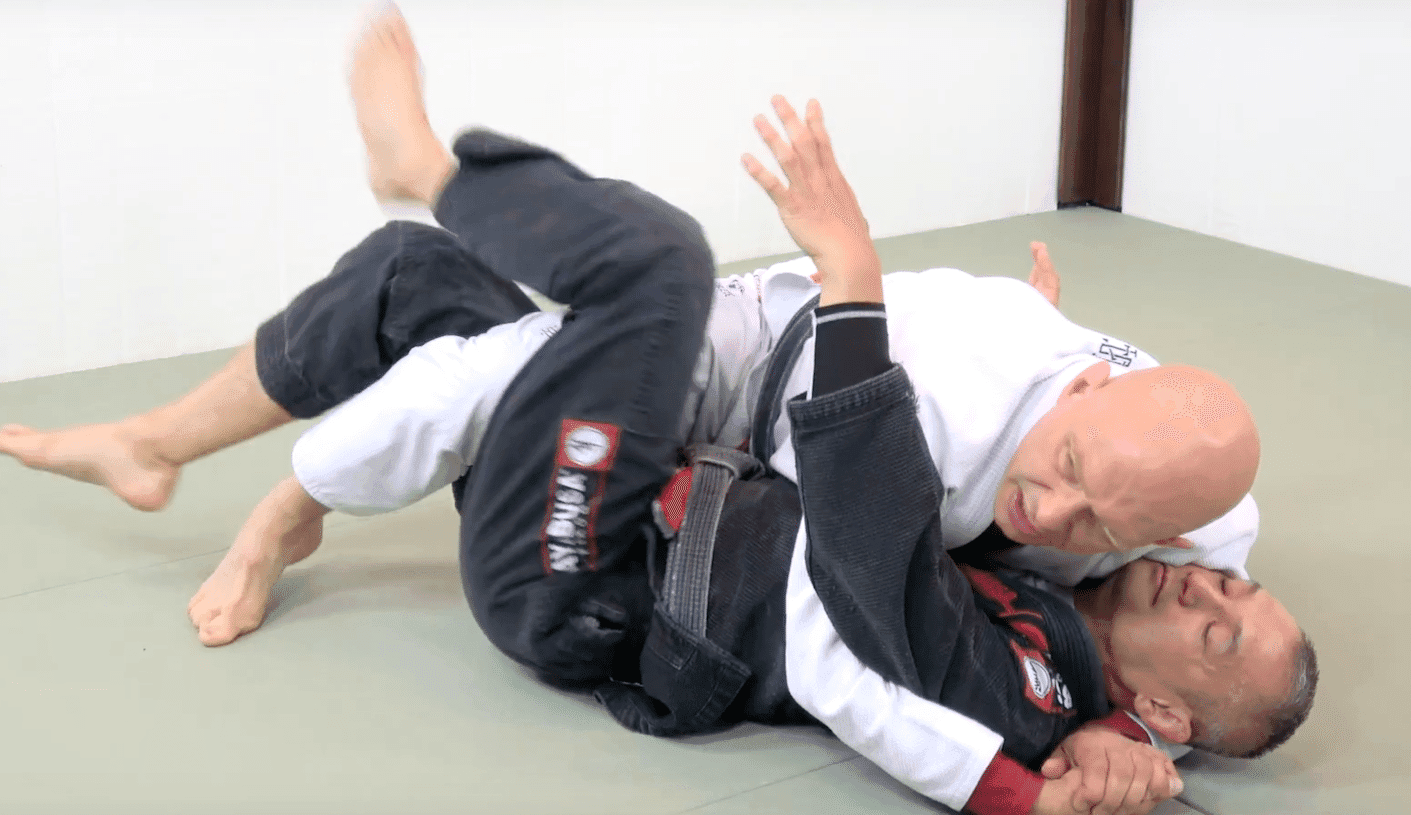
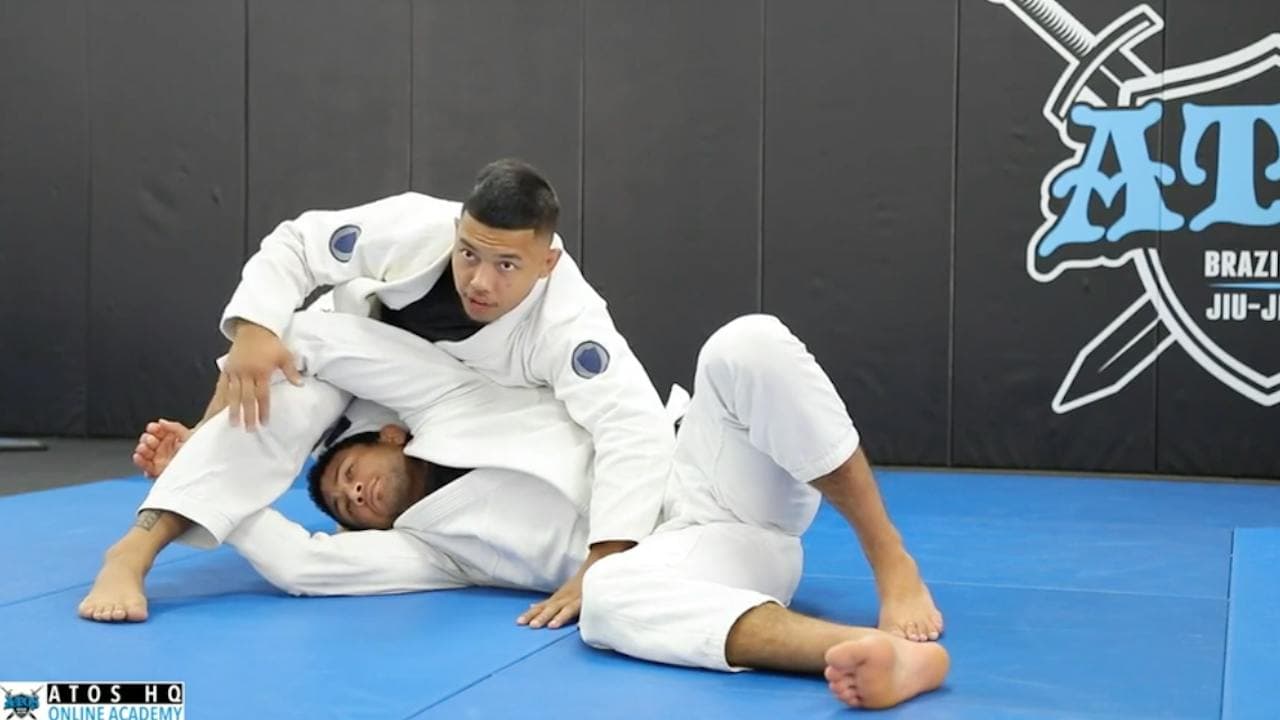
Your knee cut is past the knee. Your foot is still stuck.
Stuck at the end of a knee cut pass? Separate ankle control from the upper-body position and practice finishing without giving back the guard.
9 min read

Training, technique, and the culture of Brazilian Jiu-Jitsu
Showing 49–70 of 70 articles
Stuck at the end of a knee cut pass? Separate ankle control from the upper-body position and practice finishing without giving back the guard.
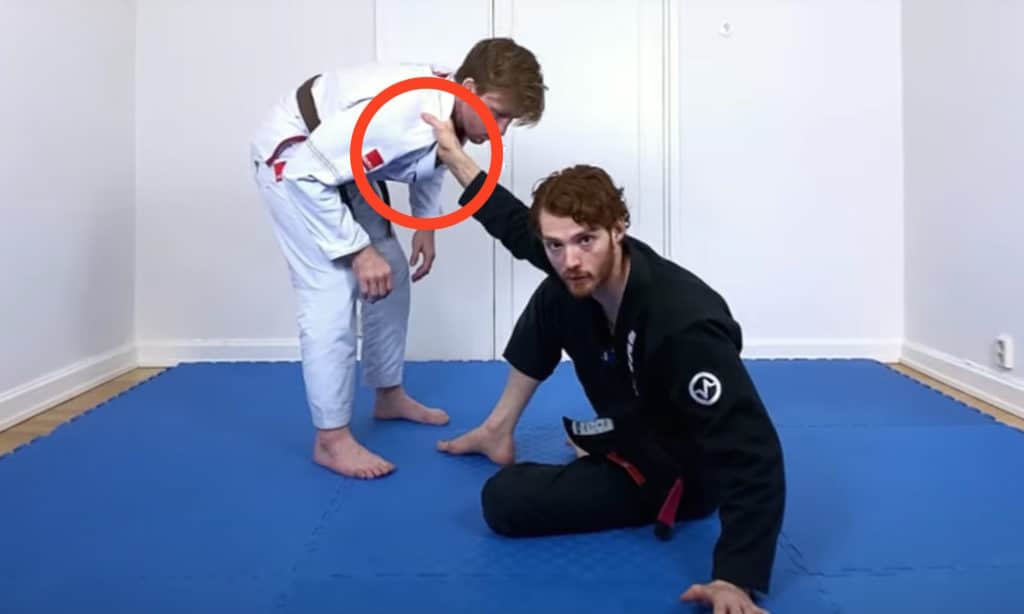
Your collar drag did not finish the sweep. Learn to recognize the single-leg or back-take opening and recover guard when the connection disappears.

How the UFC BJJ Bowl changes balance, boundary exchanges, and replay analysis, with documented examples and referee rules.
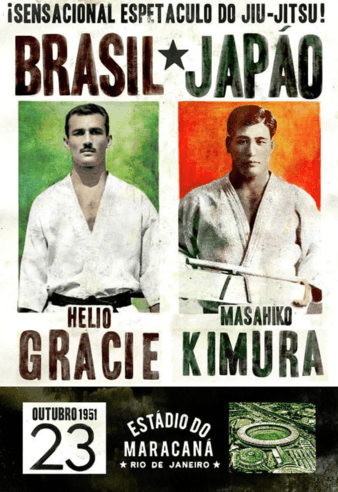
The kimura lock explained — the 1951 Masahiko Kimura vs Helio Gracie story, its double wristlock roots, and why it's a control system, not just a tap.
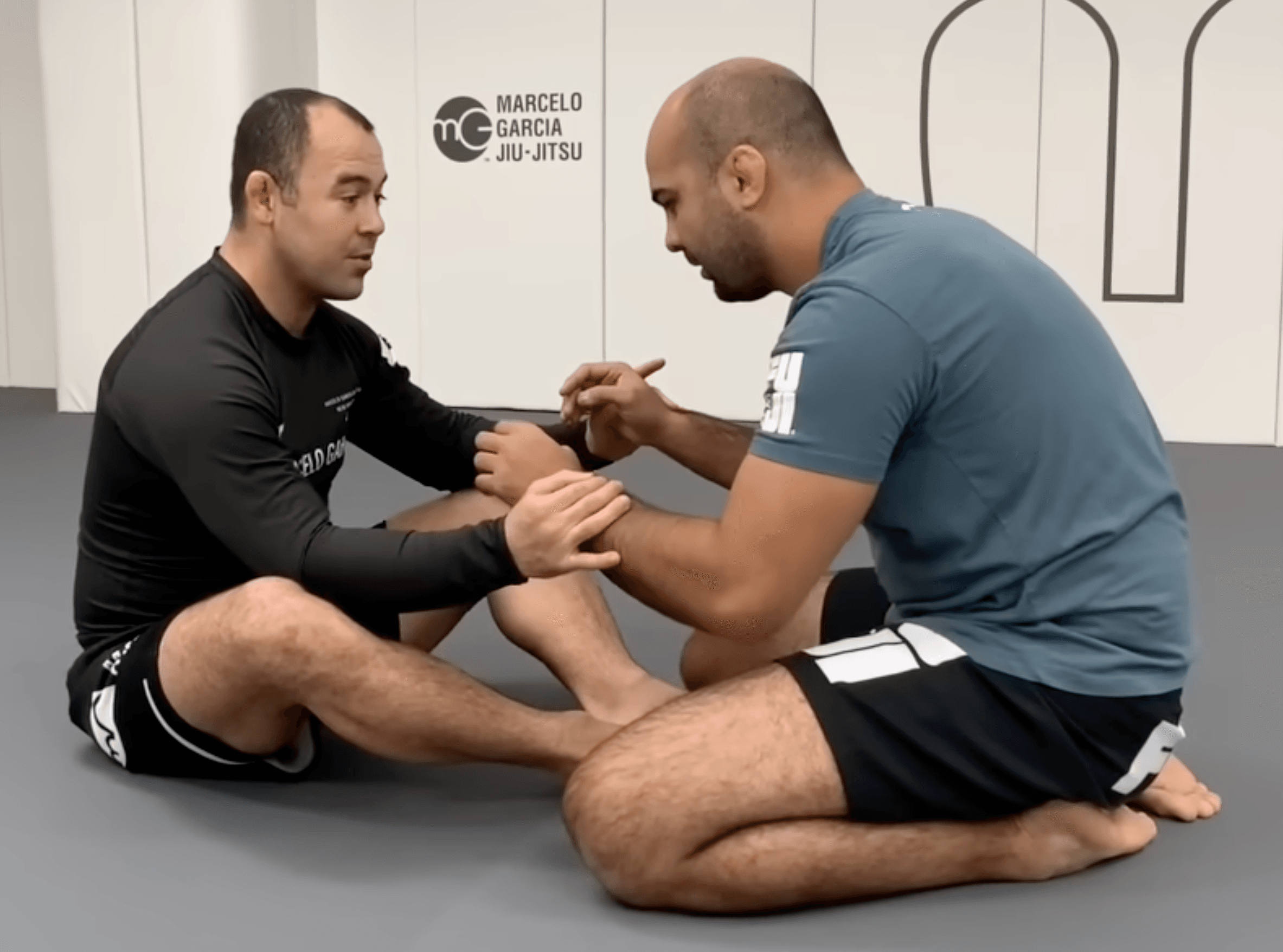
Butterfly guard explained — why this unglamorous seated guard ages better than any other, how hooks and elevation work, and when beginners should learn it.
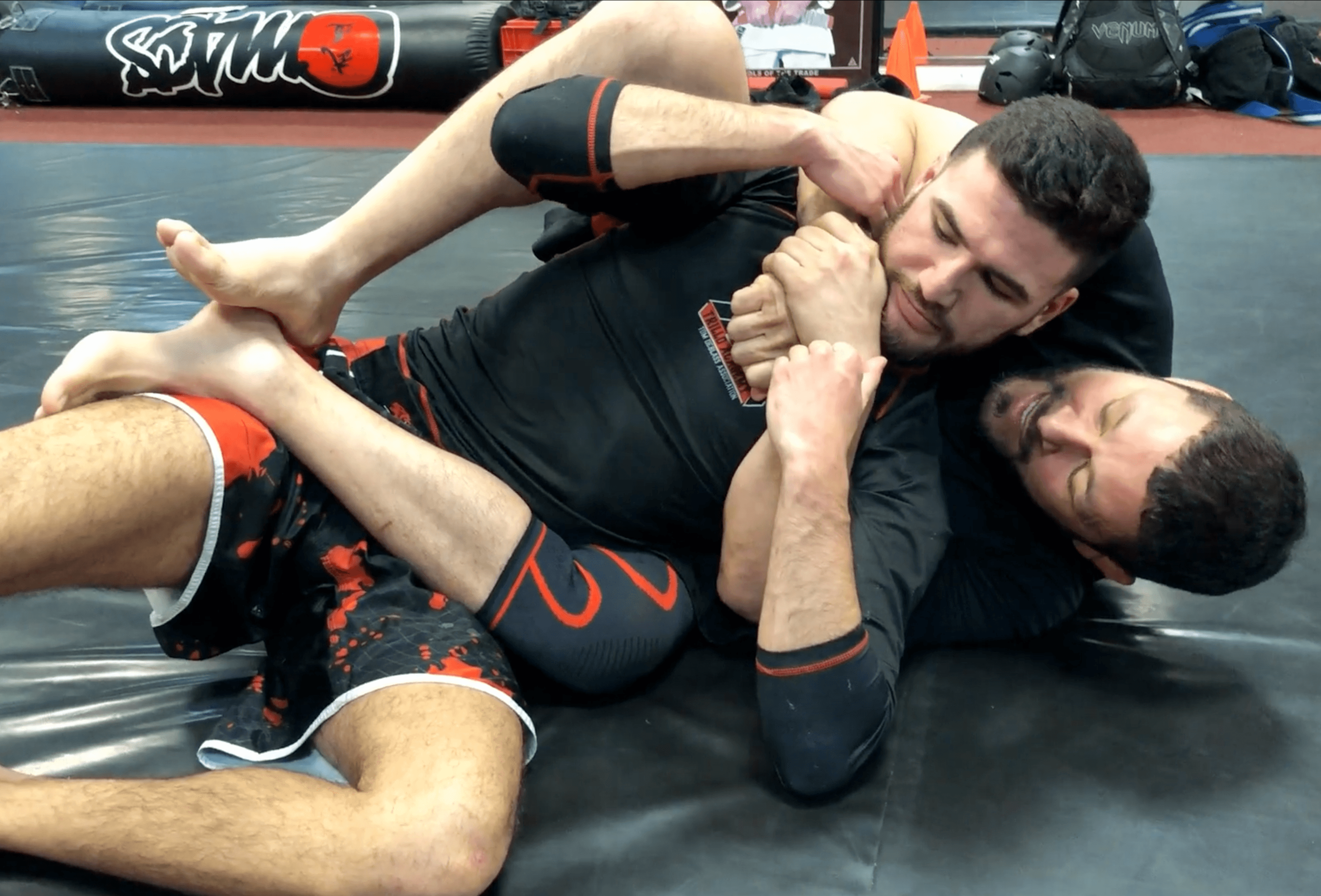
Back control is BJJ's king position — how to take the back, keep it with seatbelt and hooks, and escape it safely by winning the hand fight first.
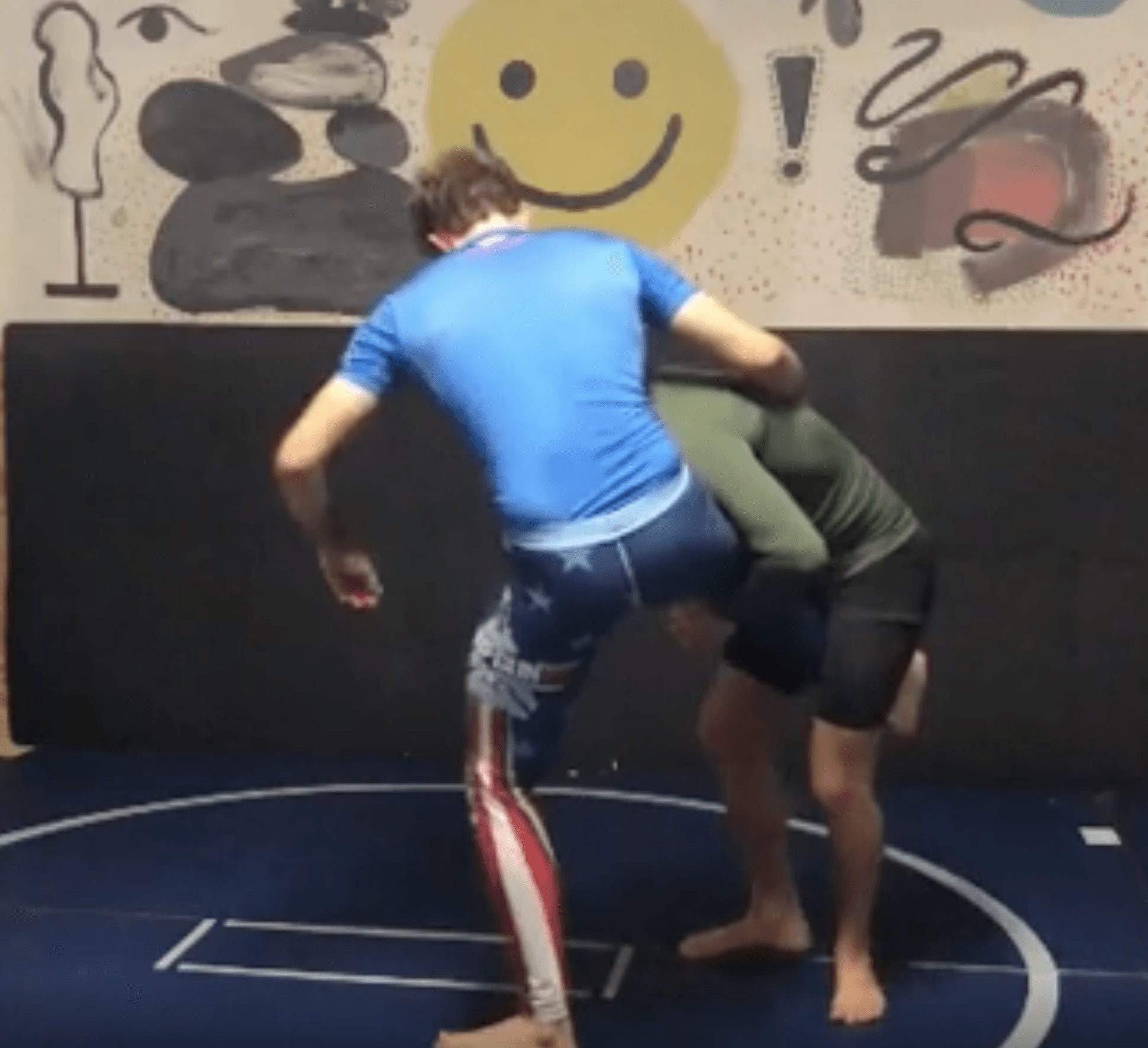
Takedowns for BJJ when you hate standup — why gyms neglect it, wrestling vs judo entries, three high-percentage options, and honest guard-pulling talk.
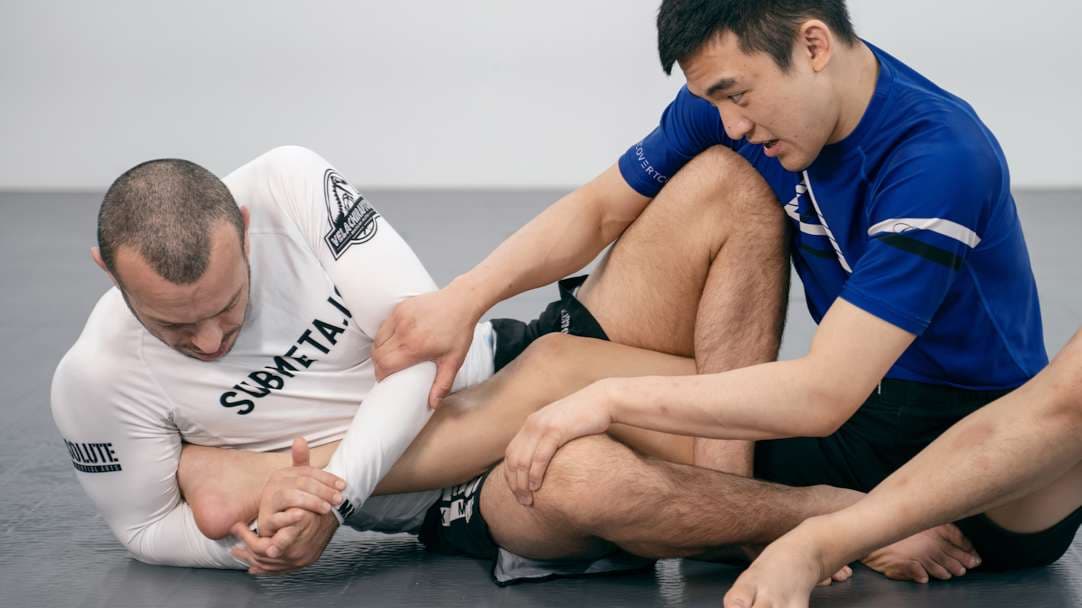
Leg locks in BJJ, honestly — why they were taboo, what changed, where beginners should start, what's legal at your belt, and how to keep partners safe.
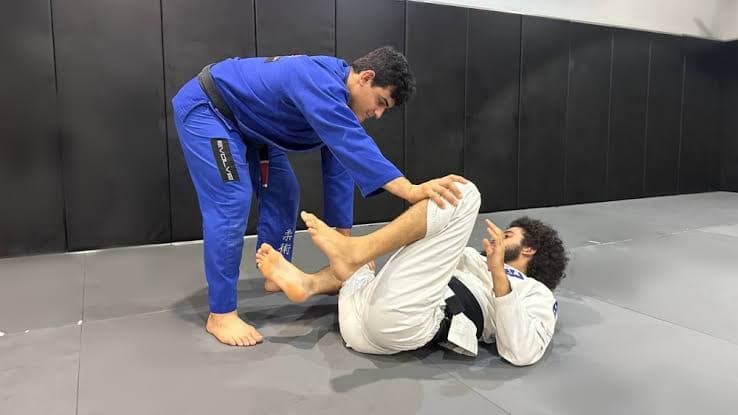
Guard passing is one of the hardest skills in BJJ. Here are the principles that make passing work — pressure, posture, grips, and patience — plus beginner mistakes to fix.
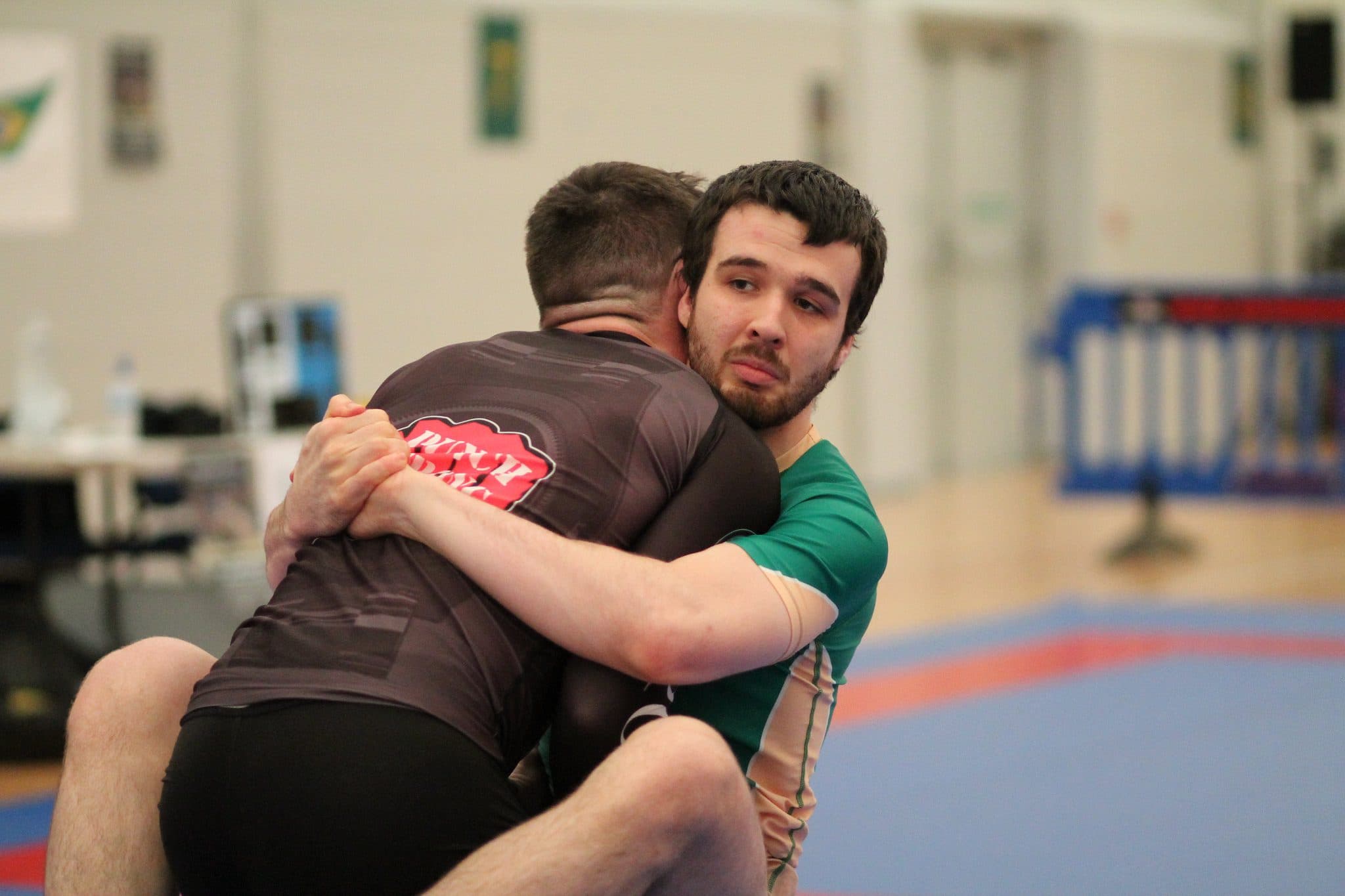
Takedowns are only part of the discussion. Wrestling also changes the choices available when a BJJ athlete gets to a knee, stands, or defends top position.
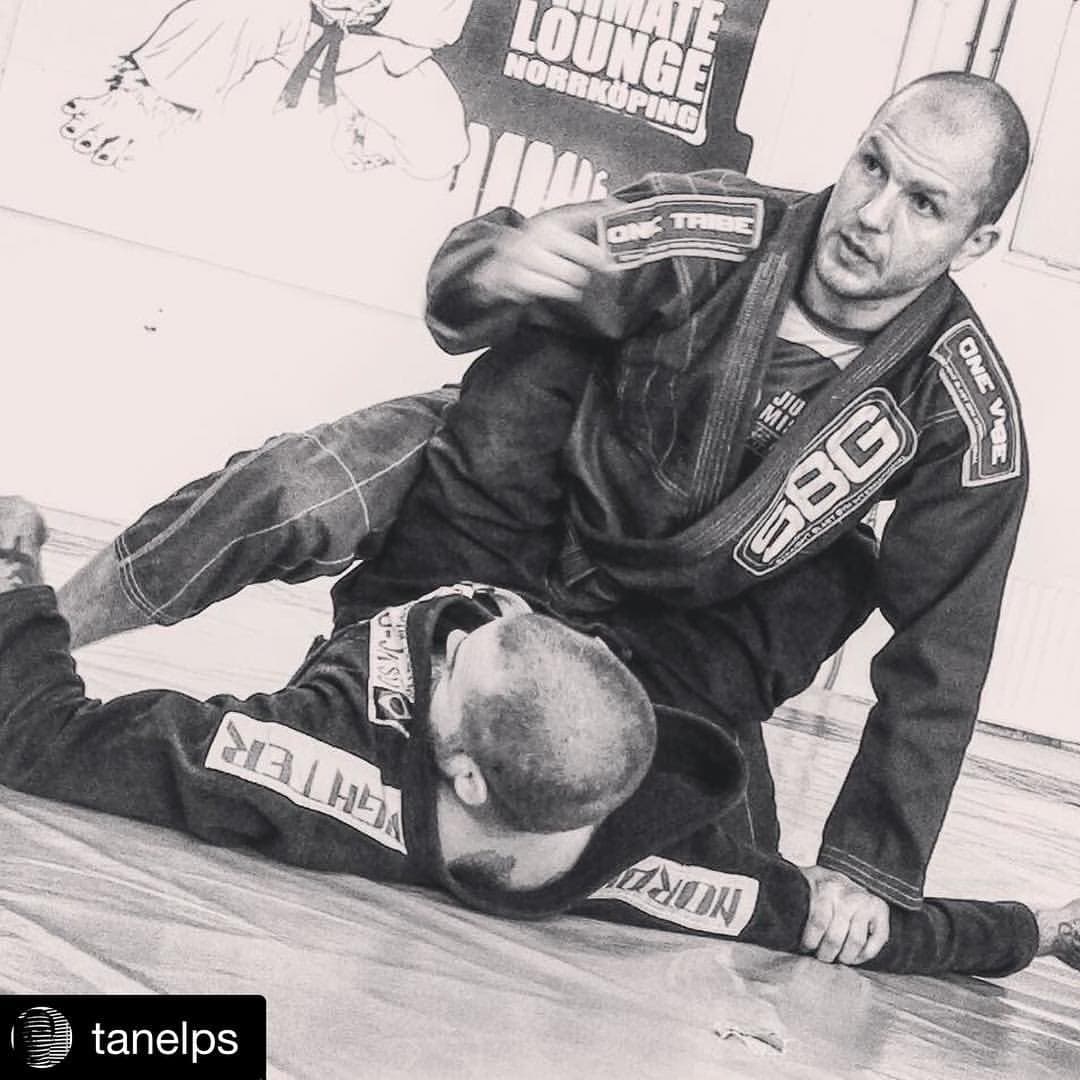
Pressure is about where force goes and what movement it stops. Learn to compare positions without turning practice into a discomfort contest.
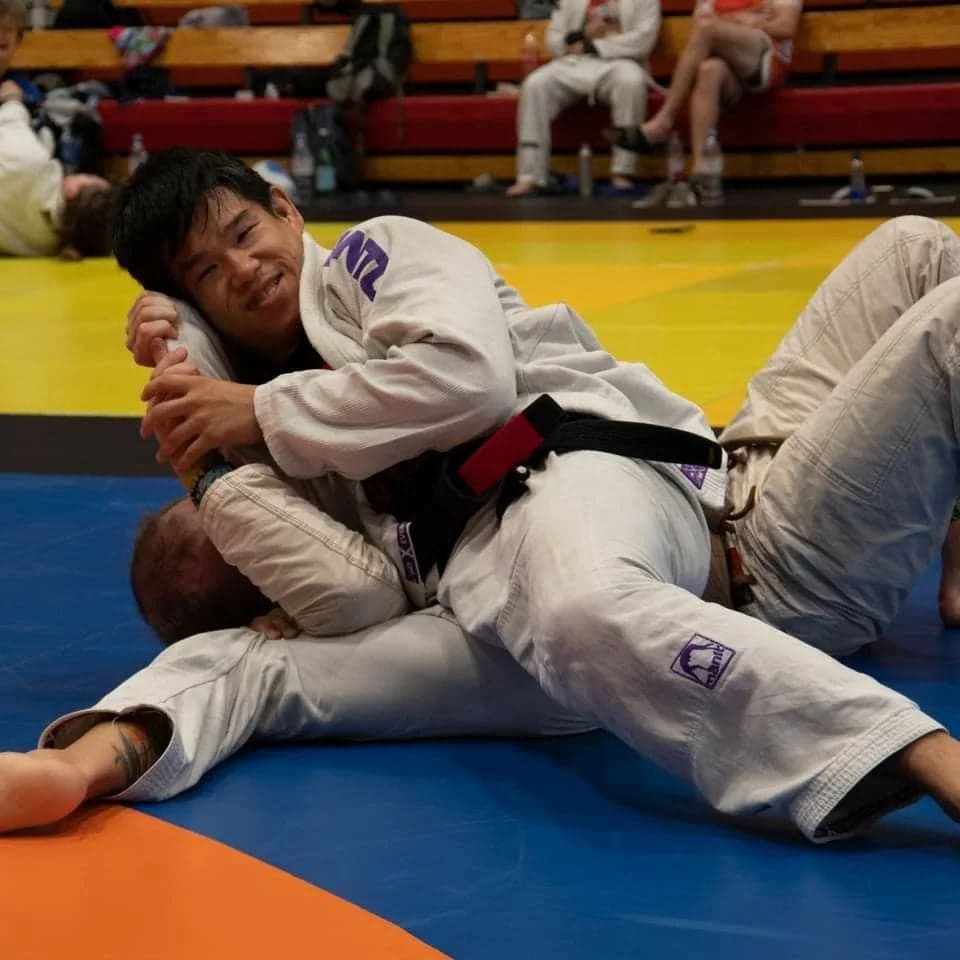
Keep losing position when you attack? Separate the pin, the first transition, and the recovery route in a focused practice block.
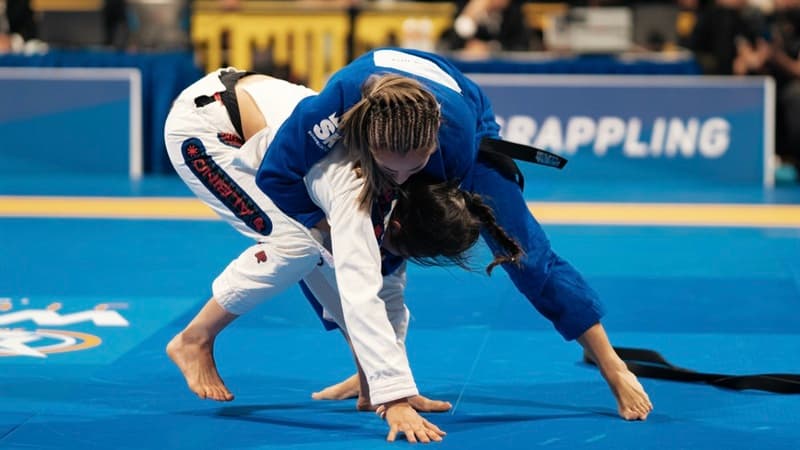
Changing your BJJ lead leg changes the opening exchange. A coach-led approach to comparing stance, movement, distance, and initial grips.
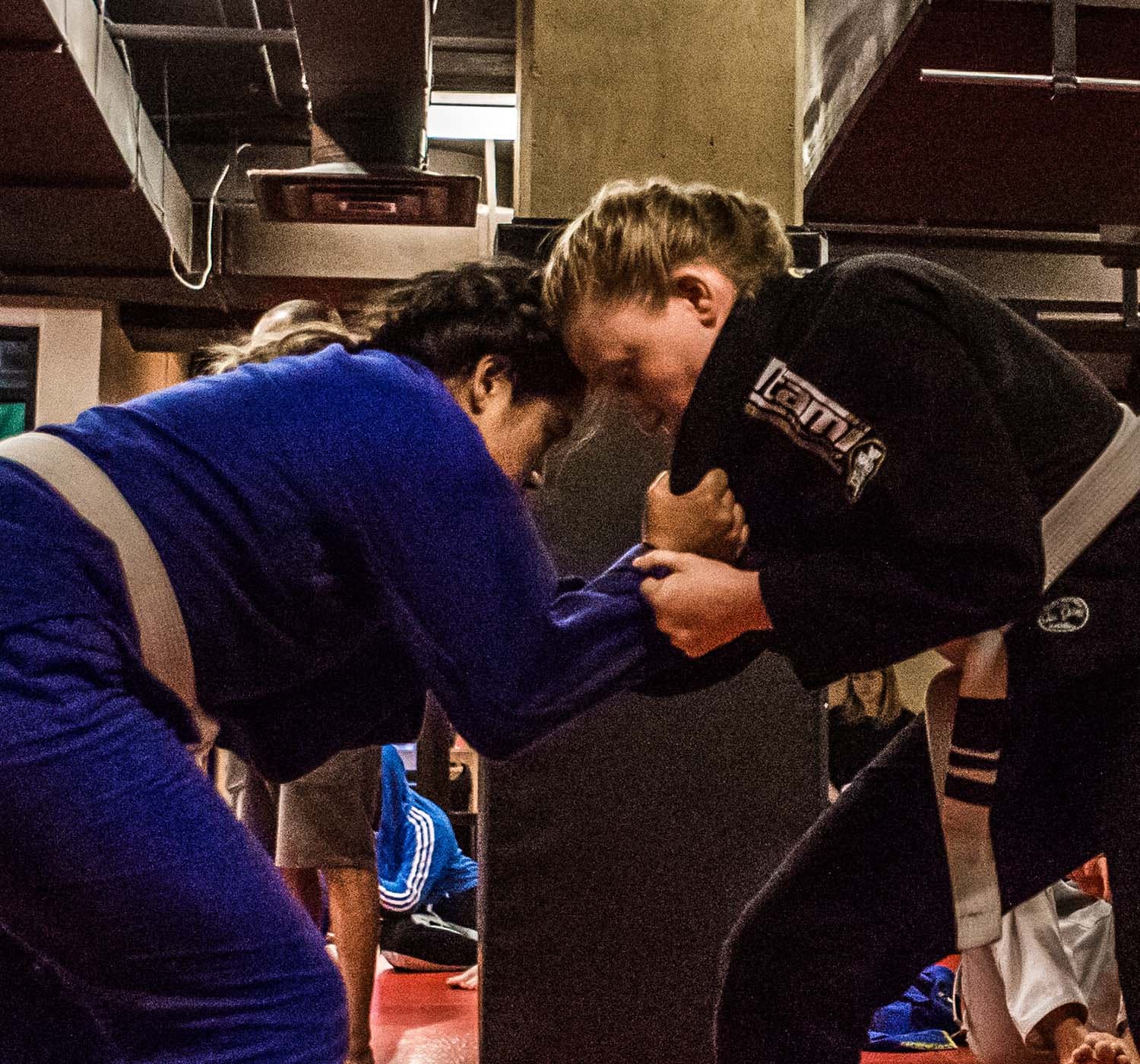
Inside position only helps when it has a job. Connect BJJ hand fighting to stance, angle, and a clear next decision.
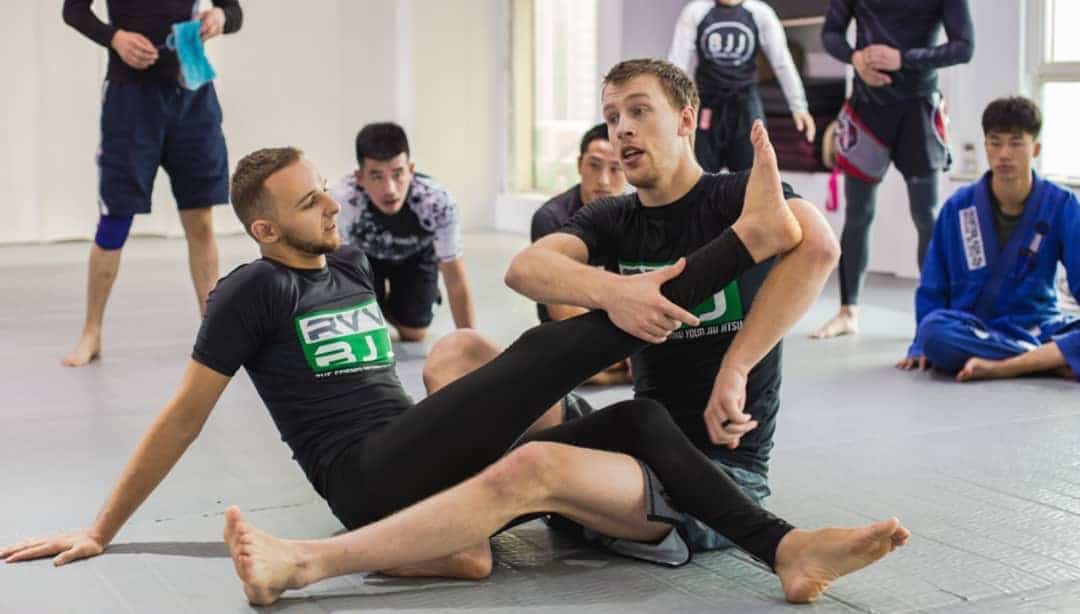
Separate early guard retention from late recovery so your BJJ drills address the point where the pass actually began to work.
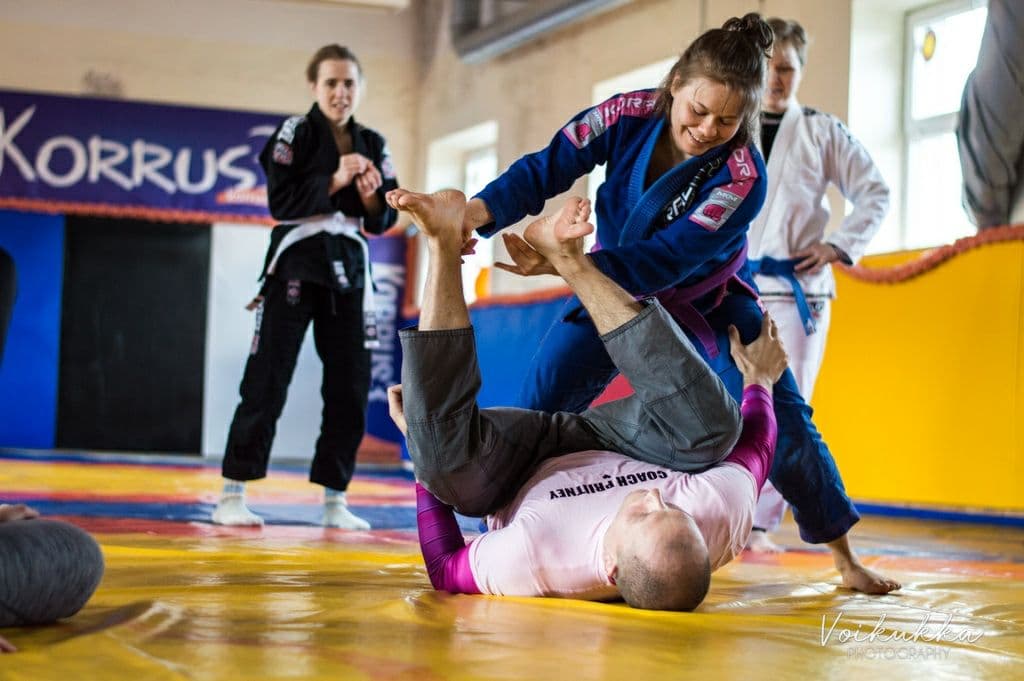
Make BJJ leg pummeling useful by identifying the obstruction, choosing a clear endpoint, and connecting the movement to your guard.
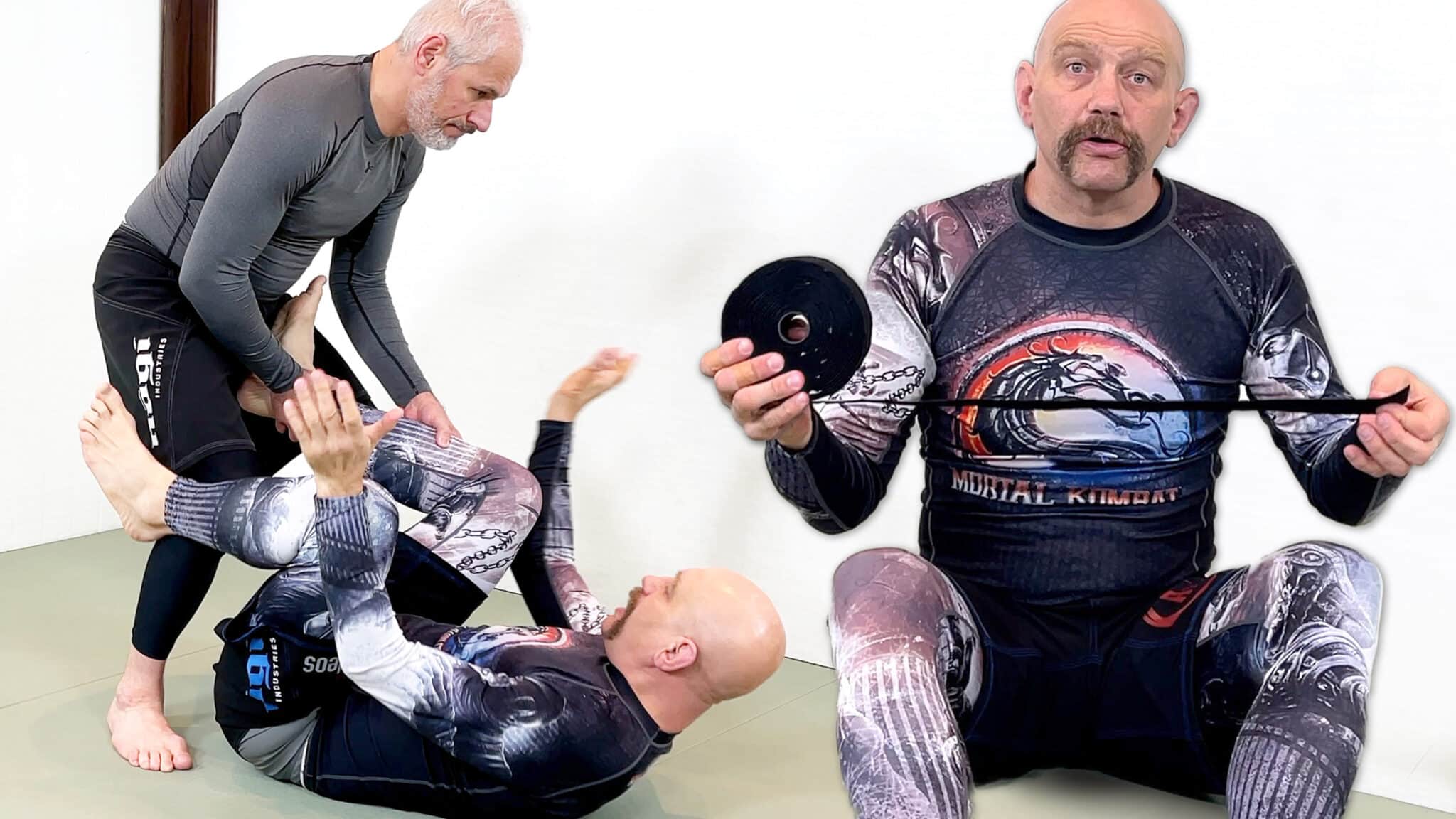
Understand the space elbow-knee connection protects in BJJ, how to practice it, and when a passing problem requires a different response.
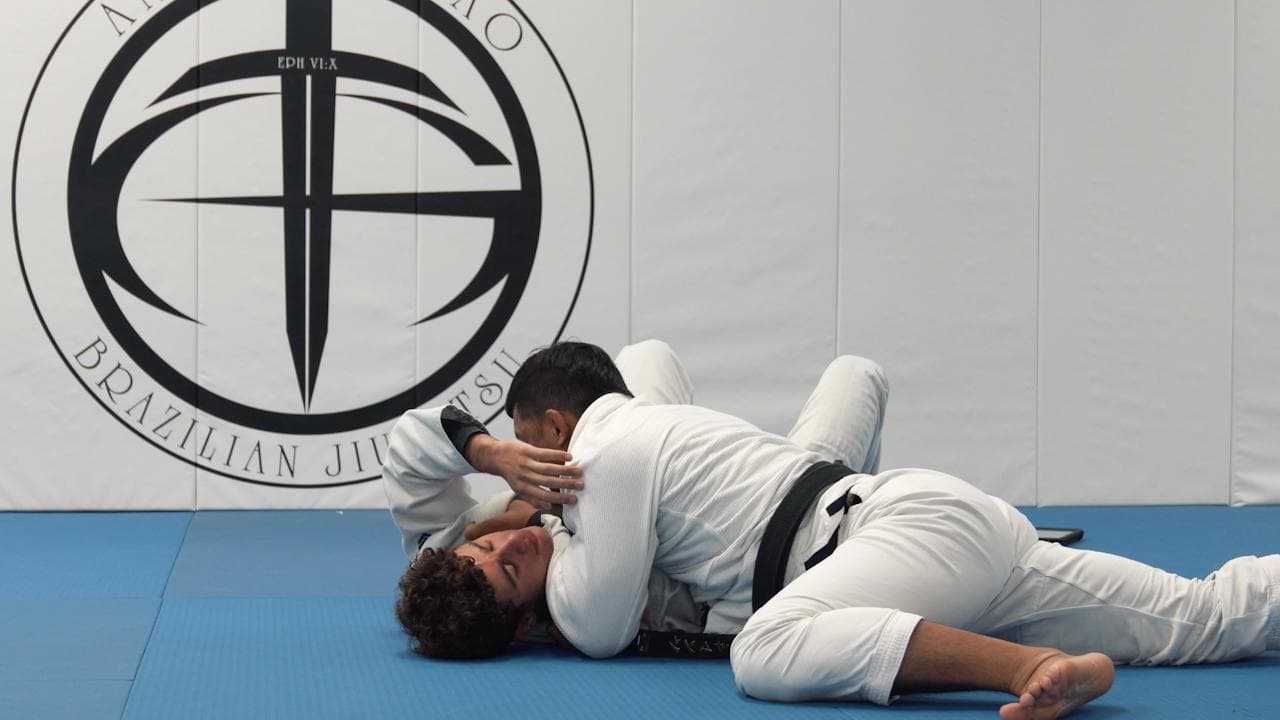
Keep control through a side-control switch by studying the starting hold, the space in between, and the position you arrive in.
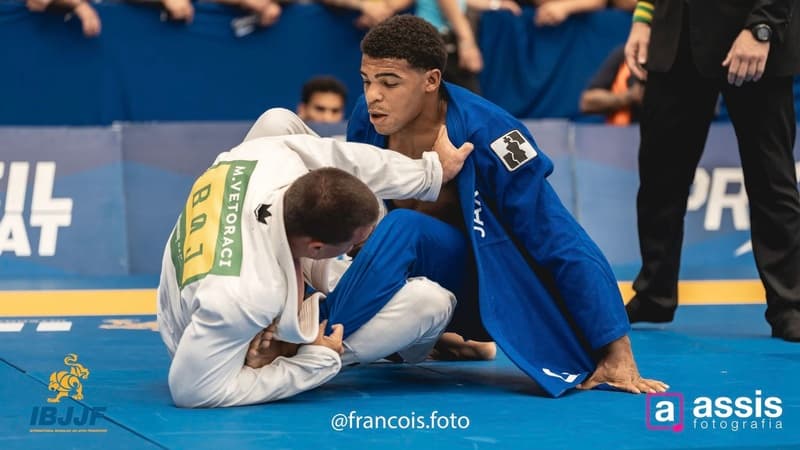
Make the toreando more than a race around the feet: learn its distance, grips, angle, and controlled finish against guard recovery.
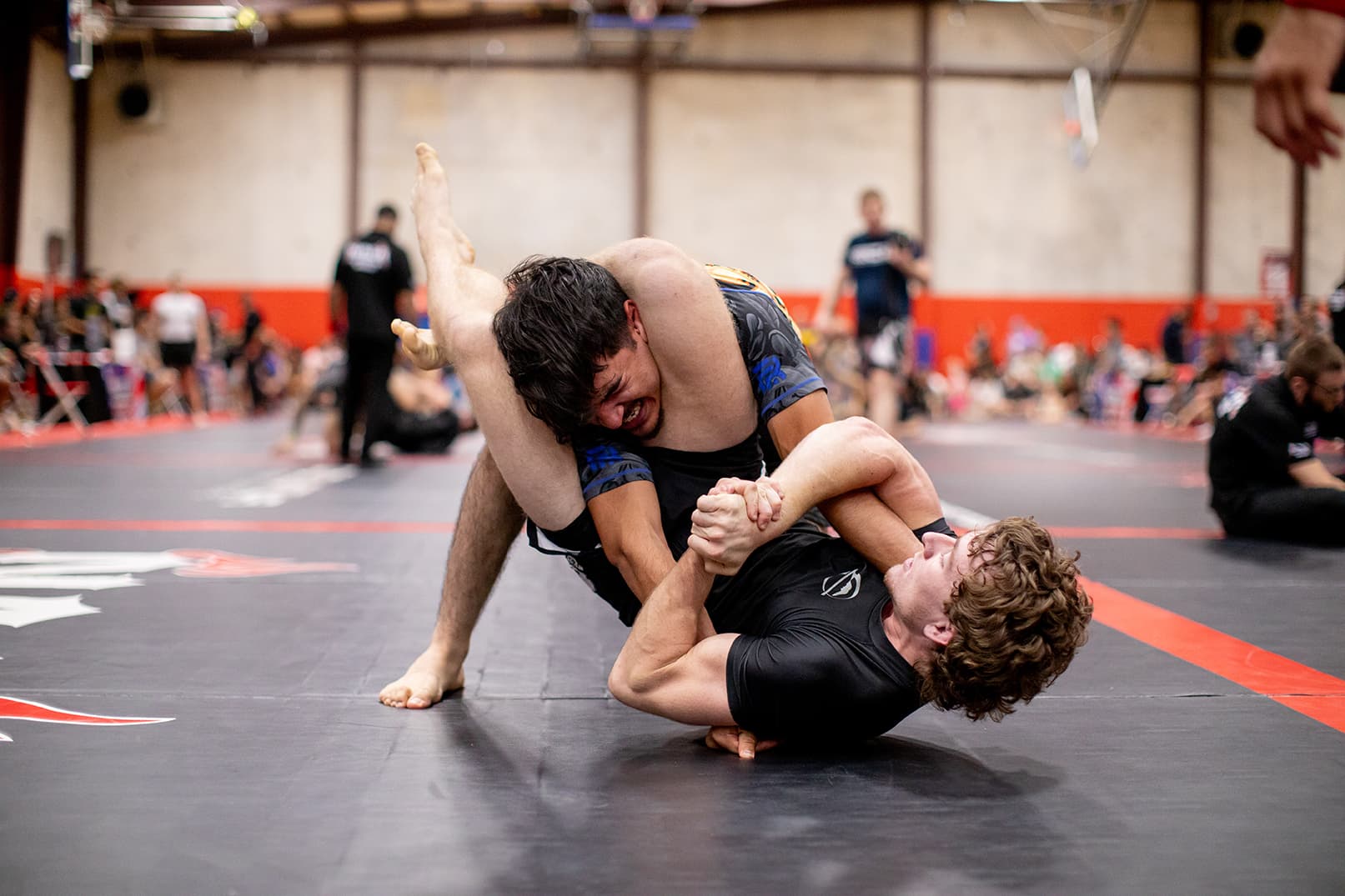
Some techniques define the art. From the triangle choke to the berimbolo, these are the most iconic BJJ techniques — their origins, mechanics, and why they've shaped how the world grapples.
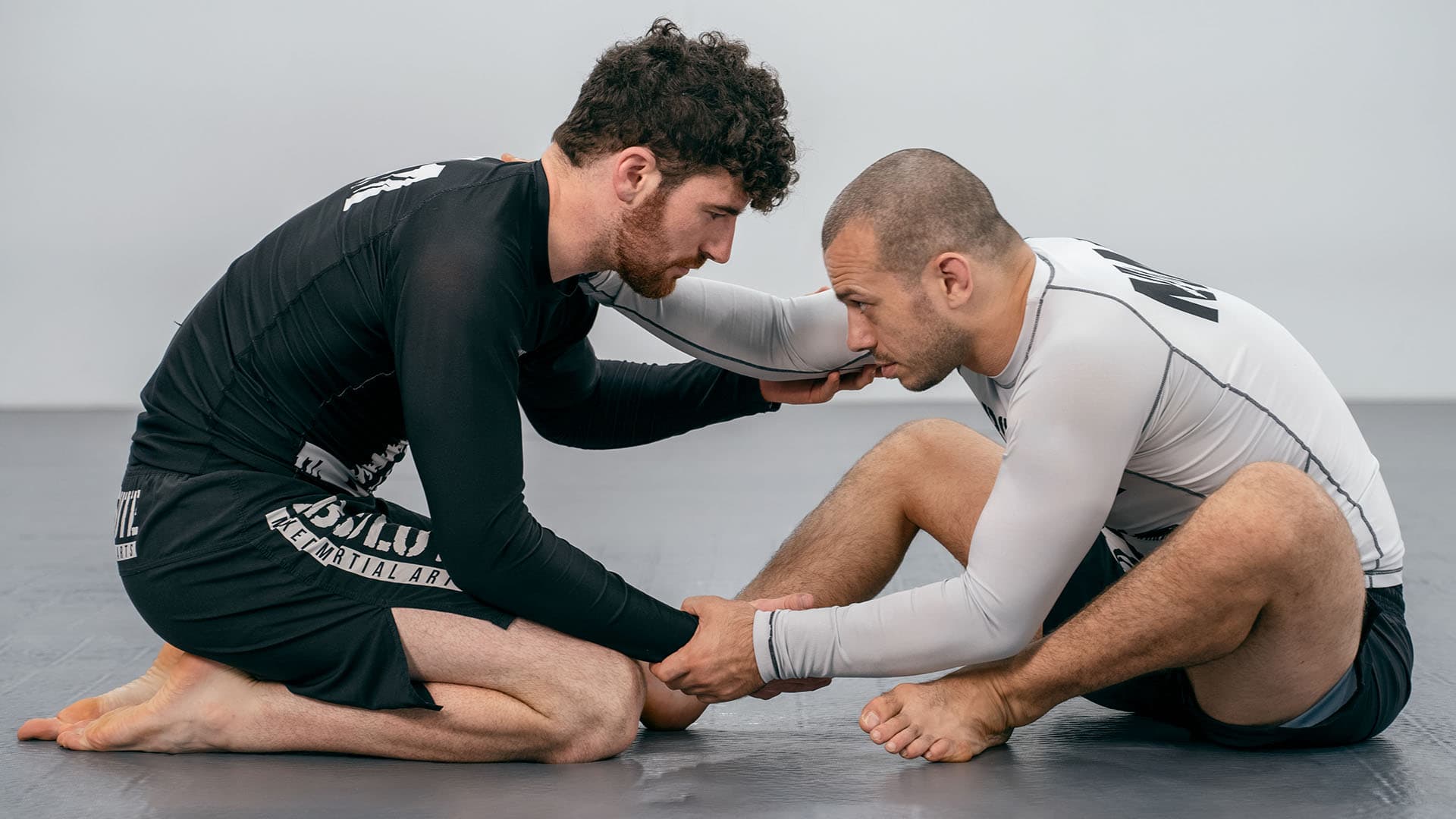
Seated or supine guard in BJJ depends on distance and connections. Learn what to notice before changing posture and how to practice the transition.
Make knee on belly part of a connected top game: balance, useful contacts, readable reactions, and controlled transitions with your training partner.