
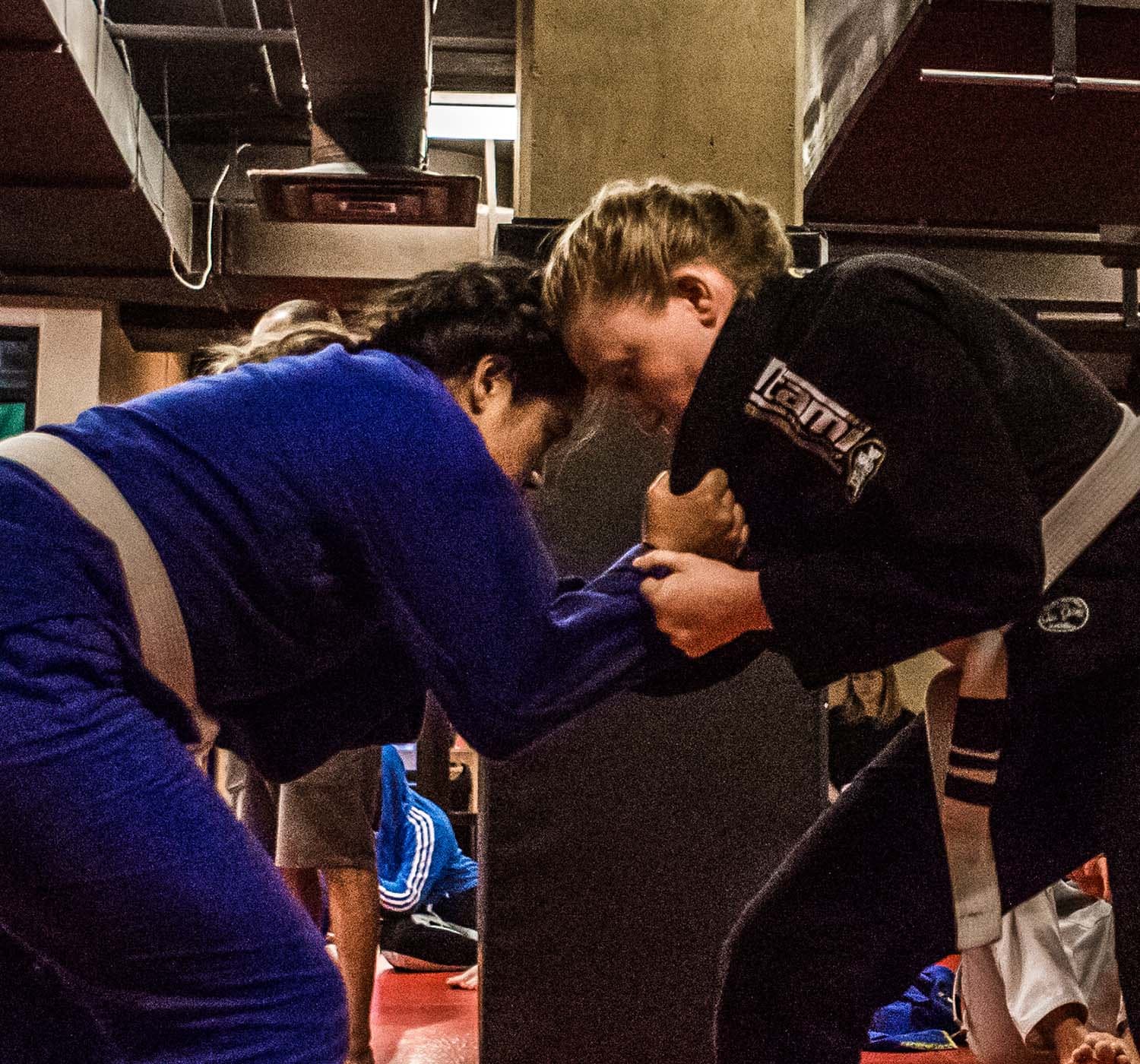
BJJ hand fighting: inside position is a job, not a trophy
Quick answer: Inside position in BJJ hand fighting means placing a useful hand or arm connection between an opponent's limbs, with posture and angle that support a specific action. Getting your hands inside is only a starting condition; the position has to help you control distance, defend, or move into the next exchange.
Two people can spend an entire round exchanging inside ties without either improving their position. Hands move, elbows circle, and both athletes appear busy. The missing piece is a job for the contact they keep winning.
A more useful approach begins with that job. Decide what the connection is meant to prevent or make possible, then examine whether the rest of the body supports it. This article focuses on ordinary standing hand-fighting practice, with a coach's guidance, rather than treating inside position as a rule that solves every grappling situation.
Define the position precisely enough to use it
Inside is a relationship between limbs, not an achievement in isolation. In a standing exchange, a hand or forearm may occupy space between the opponent's arms. That can help establish a tie, protect a line of entry, or influence the opponent's upper body. The details depend on the specific connection.
A hand touching the inside of an arm is not necessarily controlling it. The elbow may be extended, the shoulders may be out of position, or the opponent may have another connection that matters more. Describe the whole arrangement before deciding who has an advantage.
Use the relationship between your hands, elbows, and the opponent's arms to describe the position precisely. Then add a practical BJJ question: what does this particular tie allow you to do now? A label identifies the arrangement; the task gives it a purpose. Ask your coach to demonstrate the distinction against light resistance before using it in an open round.
Ask your instructor to identify a particular tie and its purpose. Learning one example clearly is more useful than using inside position as a vague instruction that changes meaning every time someone says it.
Keep the stance while the hands work
If reaching for contact pulls your weight into a position you cannot recover from, the hand fight has created another problem. Watch the relationship between the hands, elbows, head, hips, and feet. The contact should be supported by a stance you can move from.
In a controlled drill, pause after establishing the agreed tie. Check whether you can take a small step without falling toward the partner or needing them to hold you up. Ask the coach whether your elbow and shoulder position suit the intended action.
This is not a demand to remain rigid. A stance has to change as the exchange changes. The point is to move deliberately enough that the hands do not drag the rest of the body into an arrangement you have not chosen.
The partner has a role too. Give realistic, moderate contact rather than collapsing automatically or yanking unexpectedly. A learning round should make the relationship visible. If both people immediately increase force, it becomes harder to tell whether the problem was posture, angle, or simply an unclear task.
Give the connection a next action
Choose a modest purpose with your coach. The tie might help maintain distance, create an angle, or prepare a familiar entry. Practice the connection and that next decision together so the hand fight does not become a separate activity with no destination.
The next action should depend on what the partner gives you. If the partner withdraws the arm, the original tie may disappear. If they change stance, the route you intended may no longer be available. Recognizing that is part of using the position well.
Avoid forcing the same follow-up from every response. A useful round can include reconnecting or returning to a stable stance as legitimate outcomes. The goal is to make an appropriate decision, not to complete a sequence regardless of the circumstances.
For beginners, this may mean practicing without takedown finishes at first. Establish the agreed contact, create the intended angle under light resistance, then reset. Add more of the exchange only when the coach and both partners are comfortable with the task and the available space.
Notice what the other arm is doing
Winning one connection can narrow attention too much. The opponent still has another hand, a head position, a stance, and the ability to move. A successful tie on one side does not make the rest of the exchange disappear.
During a slow practice sequence, identify both athletes' available contacts. Ask what the free hand can reach and what happens if either person changes direction. This prevents a drill from rewarding a position that would be unstable as soon as the partner is allowed another action.
Keep the scope manageable. You do not need to anticipate every possible attack. Start with one common response identified by your instructor and learn to recognize it. Add another only when the first exchange is understandable at a useful pace.
This is also why isolated screenshots can mislead. A frame from a match may show an inside hand while hiding the pressure, timing, or other connection that explains its value. Use complete sequences and instruction when studying a tie, rather than treating the visible location of one hand as proof that the whole position is sound.
Use a constrained round to expose the decision
A short practice game can focus attention on the hand fight without requiring a full competitive round. Have the coach choose the starting stance, permitted contacts, intensity, and reset condition. Both partners should know what counts as completing the task.
One possible structure is to establish a designated tie and create a controlled angle, with no takedown finish. The partner can clear or prevent the tie using the agreed responses. Reset when the angle is achieved, the connection is lost, or the coach calls a pause.
Useful questions after a few exchanges include:
Did the contact serve the intended purpose or merely occupy space?
Could you move your feet while maintaining useful posture?
What response made the planned follow-up unavailable?
Did you recognize when to release and reconnect?
These are review questions, not a scoring system that makes every inside touch a win. The exercise should reward understanding the relationship. If the partners begin grabbing individual fingers, jerking the neck, or escalating into unplanned takedowns, stop and clarify the task before continuing.
Do not turn inside position into a universal rule
Outside controls can also be useful. Different positions and techniques require different relationships between the athletes' limbs. The value of an inside tie in one standing exchange does not establish that every outside grip is wrong.
The practical question is whether the connection supports the immediate goal while accounting for the opponent's options. Sometimes releasing a tie and changing position is better than spending the whole round insisting on keeping it. Your coach can help identify which tradeoffs matter in the situation you are practicing.
Gi and no-gi contexts also change the available grips. A cloth connection can affect distance and posture differently from a temporary wrist or arm contact. Do not assume that the same hand placement creates the same control in both formats.
Our guide to being a good training partner is relevant here because useful resistance requires cooperation about the task. A partner can challenge the connection honestly without turning every repetition into a contest over who gets to declare the general principle correct.
Record the first point where control stopped helping
After a live round, a broad note that your hand fighting was poor is difficult to act on. Try to identify the first specific problem. Did you reach before your feet were in position? Did the opponent clear the tie? Did you keep holding after the angle had changed?
That detail gives the next practice session a starting point. Ask your instructor for a correction tied to the actual exchange, then test it under appropriate resistance. You may need a different connection, a better stance, or simply an earlier recognition that the original plan is gone.
Avoid measuring progress only by whether a takedown followed. The hand fight can improve before the rest of the sequence is ready. Recognizing a lost connection and recovering position is a useful change even when no score appears in the practice round.
Over time, the contact should become easier to explain. You are establishing it for a reason, noticing the response, and making a next choice. That is a more meaningful standard than counting how often your hand reached the inside of an arm. The position has earned its place when it does useful work.
Main photo: BETA Academy; illustrative training photograph.
The takeaway
Inside position is valuable when it supports a specific task. Define the tie, keep the stance and angle connected to it, and practice a next decision that responds to the partner. A hand placed inside without a purpose is only a hand placed inside.
Use controlled rounds and precise review questions to make the exchange understandable. The aim is better decisions under contact, including knowing when to release and reconnect, rather than treating one limb arrangement as an answer to every situation.
Practice with clear guidance
Find BJJ gyms on Let's Roll and ask an instructor to help you build a hand-fighting task suited to your experience, training format, and available mat space.
FAQ
What does inside position mean in BJJ hand fighting? In the standing context discussed here, it means placing a useful hand or arm connection between the opponent's limbs. Its value depends on posture, angle, other contacts, and what you intend to do next.
Is an inside tie always better than an outside grip? No. Different techniques and situations use different controls. Judge the connection by whether it supports the immediate task and accounts for the opponent's available responses.
Can beginners practice hand fighting without takedowns? Yes, with an appropriate task chosen by the instructor. Partners can work on establishing a tie, creating a controlled angle, and resetting without adding a finish before they are ready.
Why do I lose balance while trying to get inside? The reach may be separating the hands from a useful stance or angle. Ask a coach to observe the specific exchange rather than assuming more grip strength or faster pummeling will solve it.

Nina Okada
Nina Okada explains positions the way a good training partner does: one problem at a time, with the limits of the explanation said out loud. She is careful about the difference between what footage shows and what it only suggests.
Related Posts
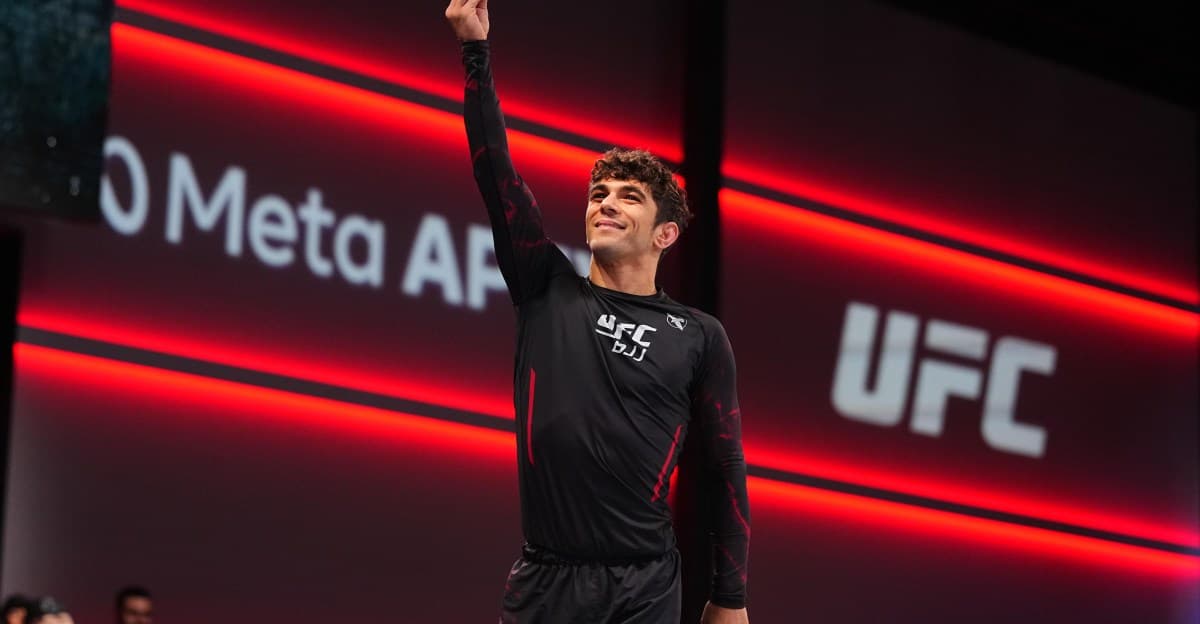
Mikey Musumeci gives up the belt to make room for MMA
Musumeci is vacating his UFC BJJ title to focus on MMA training. What he is leaving, what continues, and why the transition matters.
IBJJF membership: finish the paperwork before the deadline
IBJJF membership and tournament entry are separate steps. Plan documents, professor approval, renewals, and junior accounts before registration closes.
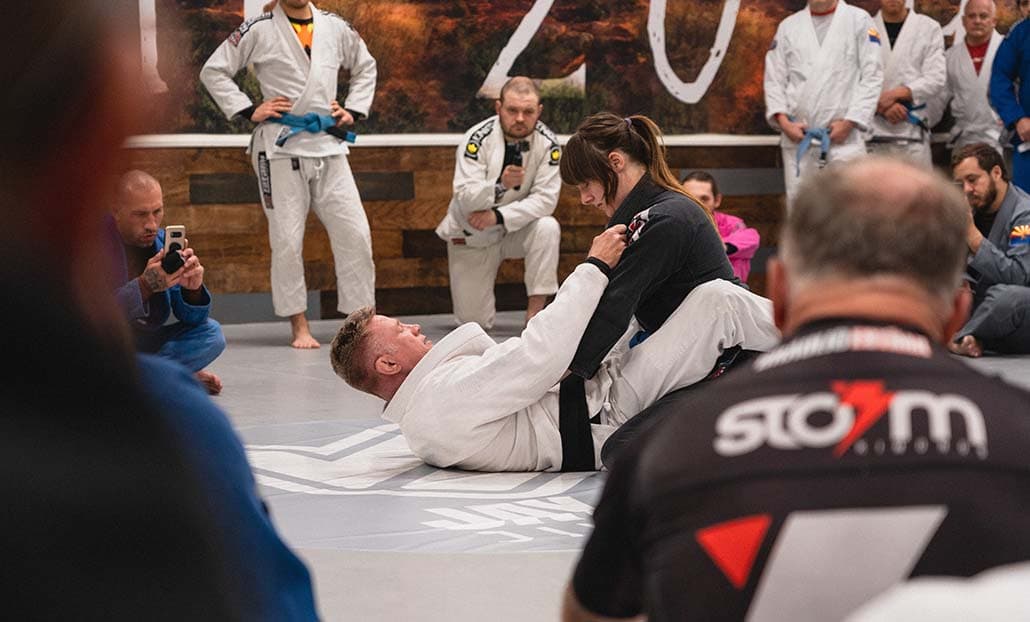
Choosing a BJJ seminar worth your time and travel
Choose a BJJ seminar by the subject, teaching format, access, and total cost. Know what to ask the host before buying a ticket.
Comments (0)
Loading comments...