
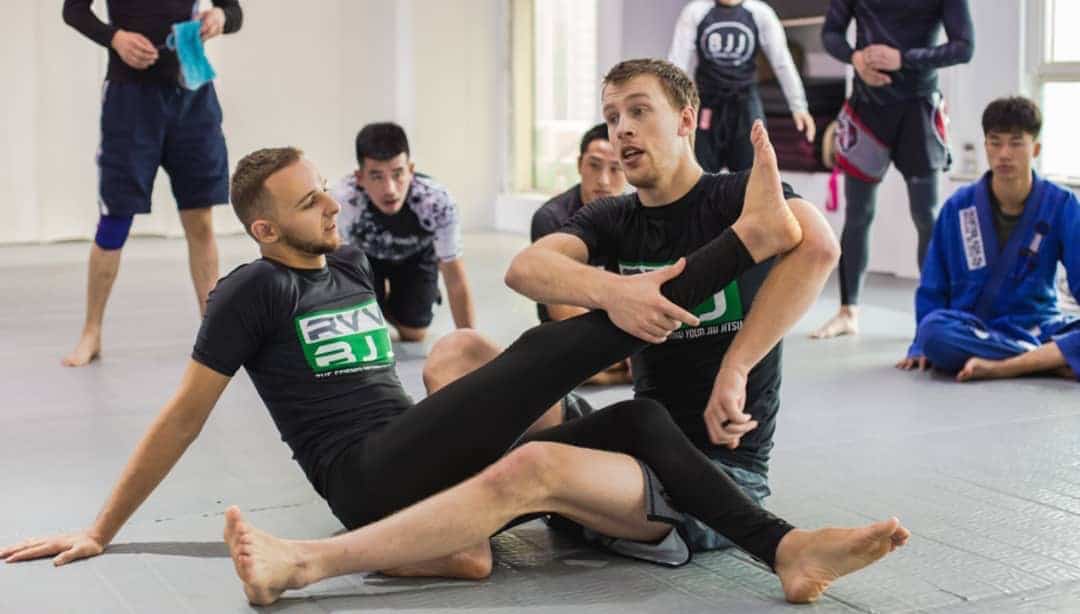
Guard retention and recovery solve different BJJ problems
Quick answer: Guard retention is the work of preventing an opponent from establishing a pass, while guard recovery rebuilds a useful guard after important defensive layers have been lost. Coaches may use the terms differently, but separating early defense from late recovery helps you choose the right practice task and identify where a pass began to succeed.
A passer settles beside the hips, and the bottom athlete begins a frantic attempt to bring a knee back between them. After the round, the athlete decides their guard retention is poor. That may be true, but the description has skipped the earlier moment when the legs stopped controlling the approach.
The final scramble is easy to remember because it feels urgent. The useful training question may be several seconds earlier. Separating retention from recovery gives those moments different names, which can make the next practice session much more precise.
Use the distinction as a working definition
In this article, retention means preserving a functional guard while the opponent is trying to pass. Recovery means rebuilding one after the opponent has removed important controls or moved beyond them. A fully established pin may require an escape before guard becomes available again.
These are working definitions, not a demand that every coach use identical terminology. Some instructors include late recovery within the broader subject of guard retention. Clarify the meaning in your own class so the words help rather than create an argument.
The distinction matters because the starting conditions differ. An early defense may allow the legs to manage distance while the upper body remains relatively free. A late recovery may begin with restricted hips, shoulders, or head position. The same movement can be available in one situation and blocked in the other.
Before asking for another technique, describe where the exchange begins. Which grips exist? Where are the passer's hips? Which part of your body can still move? A clear starting picture makes it easier for an instructor to give an answer suited to the actual problem.
Find the first defensive layer that disappeared
A pass usually becomes easier for the top athlete as useful controls are removed. That does not mean every pass follows one fixed sequence. It means the bottom athlete can look for the earliest change that made the next stage possible.
Perhaps the feet were pushed aside while the hands were occupied. Perhaps the passer controlled a leg and moved to an angle the hips did not follow. Perhaps a frame was abandoned in an attempt to reach for a grip. The useful observation is specific, and it should come from the exchange rather than a guess about what normally happens.
Grapplearts' guard-retention curriculum organizes defensive material by range and passing situation. That supports a practical study habit: identify the range and control problem before choosing a response, rather than treating every failed guard as the same event.
If footage is available, review the approach as well as the settled position. If it is not, ask the partner to reconstruct the starting contact slowly after the round. The goal is to locate a teachable moment, not to dispute whether the pass counted.
Practice early defense while early options exist
An early retention round can start with an agreed open-guard position before the passer has established strong control. The bottom athlete works to keep useful alignment and contact while the top athlete follows a limited passing task selected by the coach.
The limitation matters. If the passer can use every route at full intensity immediately, a beginner may spend most of the round reacting without recognizing the problem. A narrower task can make the relevant decision visible, then expand as understanding improves.
Agree on the reset. It might occur when the passer reaches a specified checkpoint or when the bottom athlete restores a stable starting relationship. Do not let the exercise drift into a long pin if the purpose was to examine the first stage of the pass.
Watch whether the bottom athlete is maintaining an actual guard relationship or merely moving quickly. Repeatedly circling the legs without affecting the passer can look active while solving little. Ask what each contact is controlling and whether it gives time or space for the next decision.
Give late recovery its own starting position
Late recovery deserves practice rather than being treated as a punishment for failing earlier. Begin from a position the instructor can define and both partners can reproduce. Specify how far the passer has advanced and what controls are already present.
A useful late-stage drill may stop short of a fully settled pin so the bottom athlete can work on the remaining opportunity to reinsert a frame or leg. Another drill may begin from established side control and focus on an escape. Those are different tasks, even if both eventually end with a guard.
Keep resistance appropriate to the learning goal. If the top athlete changes the starting controls every repetition, the bottom athlete may never understand why the response sometimes works and sometimes does not. First make the position consistent enough to study; then introduce variation deliberately.
Do not force a knee or twist through a trapped joint because recovery is the stated goal. Pause when a limb is caught or the movement is uncomfortable. Ask the instructor whether the position needs another preliminary action before the attempted recovery is appropriate.
Track more than the final pass or escape
A binary result can hide useful information. An athlete may still be passed while recognizing the initial grip earlier. Another may recover guard through a scramble without understanding why the first defense failed. Both deserve a more detailed review than success or failure alone.
After a short round, ask:
Which contact first prevented or enabled the passer's progress?
Did the hips remain able to face the relevant pressure?
Was the attempted response early enough for its starting conditions?
At what point did the task change from retention to recovery or escape?
These questions help a coach adjust the next round. The athlete may need better recognition, a different movement, or a clearer starting position. More repetitions of the wrong task will not necessarily answer the right question.
A BJJ training journal can hold one concise observation. Write the situation and the next experiment, not a verdict that your entire guard is bad. The note should be specific enough that a partner can help recreate the problem at the next session.
Do not confuse flexibility with a complete defense
Mobility can affect which movements are comfortable and available, but it does not explain every successful recovery. Grips, timing, alignment, and the passer's position also matter. An athlete who looks flexible in a clip may have created space before making the movement you notice.
Avoid using someone else's range of motion as a standard you must force yourself to match. Ask your instructor for a response suited to your body and the position. A useful guard does not require every practitioner to recover in the same way.
Likewise, do not assume that a flexible movement is automatically well controlled. If it places weight or pressure where you cannot manage it safely, it may be the wrong choice for that round. Slow practice should reveal whether you understand the route and can stop when necessary.
The practical focus remains the relationship between the athletes. What is blocking the passer? What allows the hips to move? Which connection needs to be restored? Those questions are more useful than attributing the whole exchange to a physical quality that provides little direction for the next session.
Reconnect the stages in a controlled round
Once early defense and late recovery are understandable separately, combine them. Start from the earlier position and allow the passer to advance through the agreed range of actions. The bottom athlete now has to recognize when one defensive option has disappeared and another task has begun.
The coach can still limit the round enough to make review possible. For example, work with one family of passes before allowing several unrelated attacks. Agree on whether the round ends at a stable pin, a recovered guard, or another clear checkpoint.
Afterward, identify the transition rather than listing every movement. Did the athlete notice the loss of leg control? Did the next frame arrive before the passer settled? Was there a point when an escape should have replaced the attempted recovery?
This is where the distinction earns its value. Retention and recovery stop being competing labels and become parts of one exchange. You can train the early decision without neglecting the late problem, then bring them together under resistance that your instructor considers appropriate. The guard becomes easier to study because the sequence has recognizable stages.
Main photo: Grapplearts; archive instructional photograph.
The takeaway
Separate early retention from late recovery long enough to understand the different starting conditions. Find the first useful control that disappeared, then choose a practice task that begins at that point rather than automatically starting from the final pin.
Train the stages individually and reconnect them with appropriate resistance. A specific observation about timing or contact gives you a better next step than a general verdict about having a good or bad guard.
Find partners for focused practice
Explore BJJ gyms through Let's Roll and ask your instructor for a guard-retention or recovery task that matches the precise stage you are trying to improve.
FAQ
Are guard retention and guard recovery the same thing? Coaches may group them together. A useful working distinction is that retention preserves a functional guard, while recovery rebuilds one after important defensive controls have been lost.
Should I start every guard drill from side control? No. That can be useful for escapes, but early retention needs an earlier starting position. Choose the setup that exposes the specific part of the pass you want to understand.
Do I need unusual flexibility to retain guard? Different movements suit different bodies. Work with an instructor on appropriate controls and positioning, and do not force a recovery through a trapped joint or uncomfortable range.
What should I write down after being passed? Identify the earliest clear change that helped the passer: a lost grip, an angle, or a delayed response. That gives the next practice session a specific problem instead of a broad negative label.

Nina Okada
Nina Okada explains positions the way a good training partner does: one problem at a time, with the limits of the explanation said out loud. She is careful about the difference between what footage shows and what it only suggests.
Related Posts
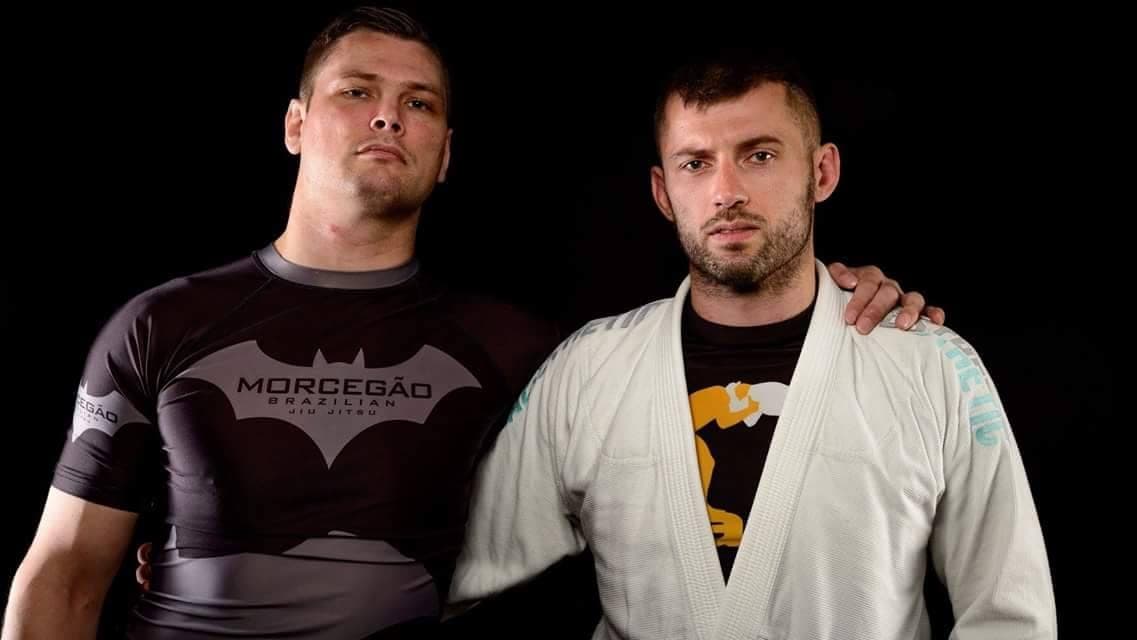
Competing in gi and no-gi on the same day takes two plans
Prepare for gi and no-gi competition on the same day with separate rule checks, complete outfits, schedule coordination, and a realistic second-bracket plan.
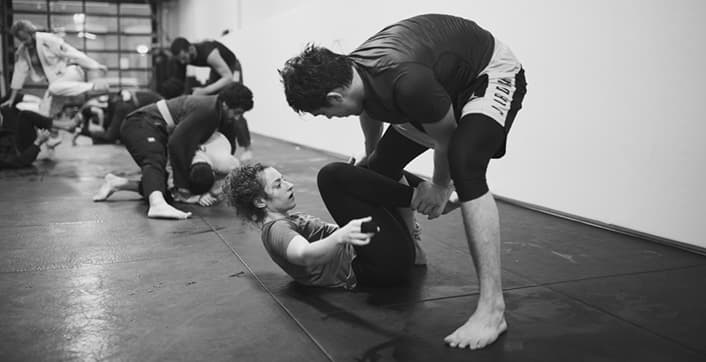
Jiu-jitsu in Montreal: build the visit around a real class
Plan BJJ training in Montreal around confirmed classes, language arrangements, winter travel, visitor policies, and equipment that is ready to use.
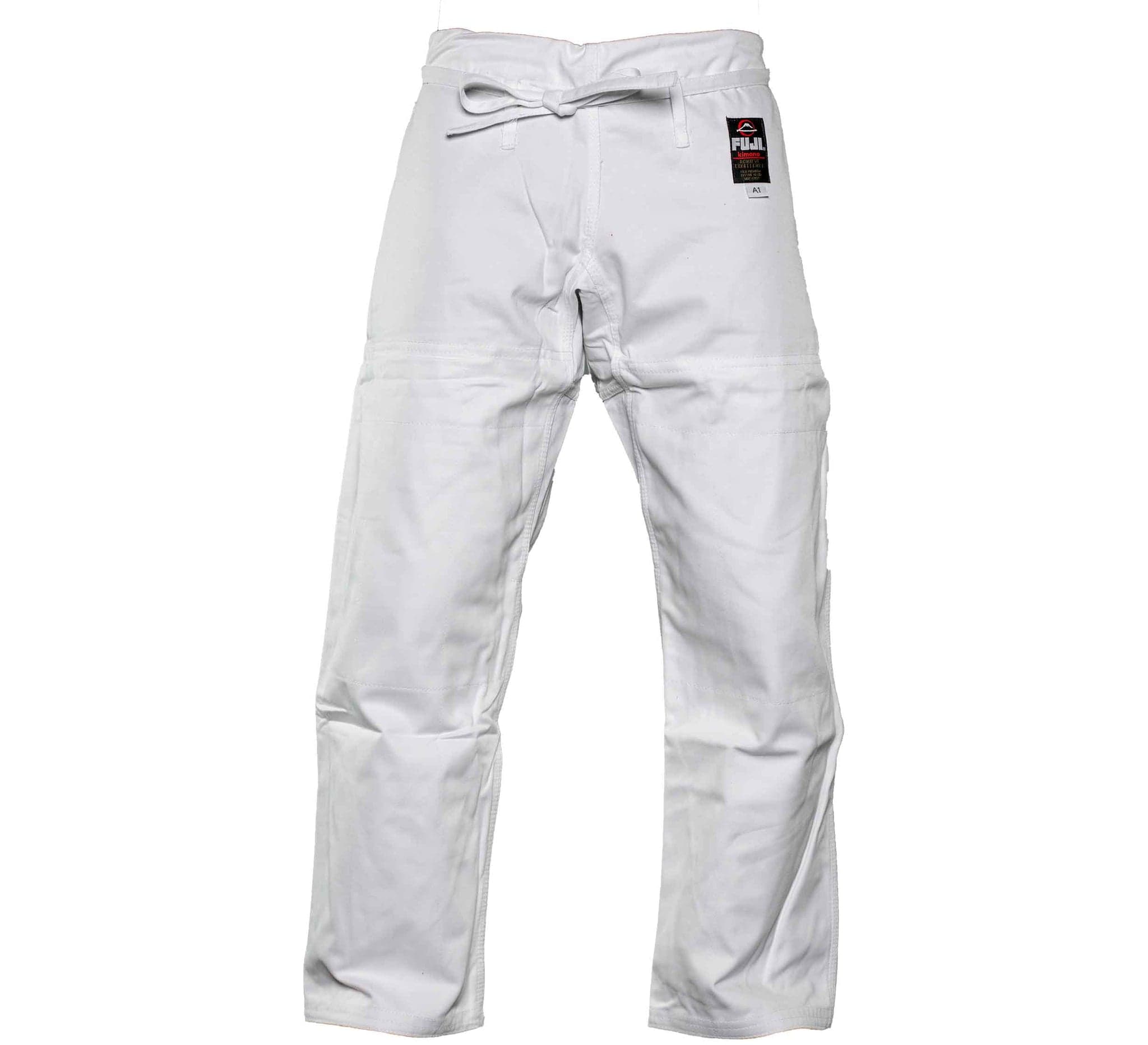
BJJ gi pants that fit standing up can still fail on the mat
Check BJJ gi pants at the waist, rise, knees, and cuffs so a good-looking size label becomes a uniform you can actually move in.
Comments (0)
Loading comments...