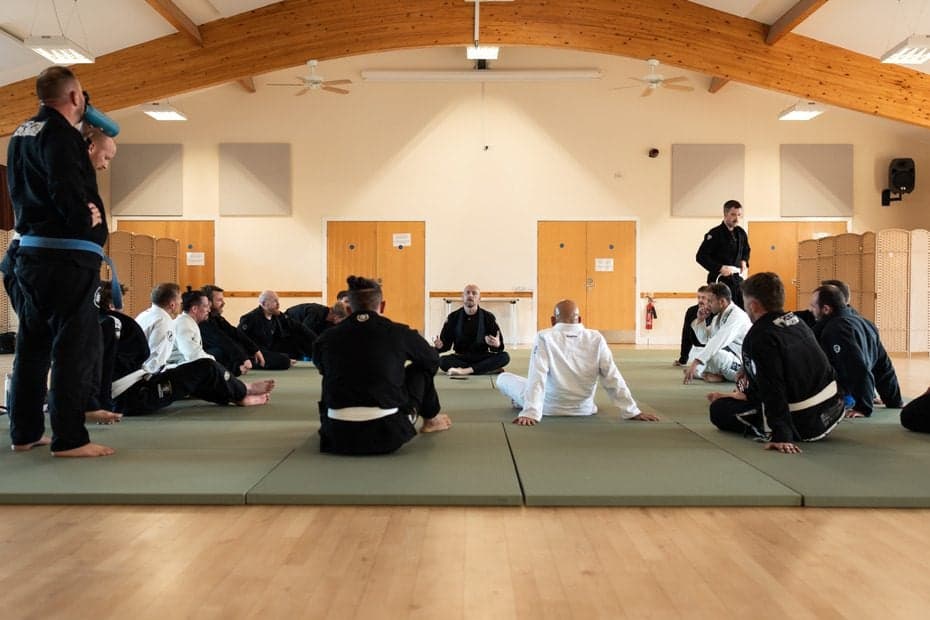
Beginner Guides
Be the teammate a beginner is glad to see again
A useful welcome is mostly small things: an introduction, a clear drill, and a second class where somebody remembers your name.
Owen Bellamy8 min read

Training, technique, and the culture of Brazilian Jiu-Jitsu
40 articles
A useful welcome is mostly small things: an introduction, a clear drill, and a second class where somebody remembers your name.
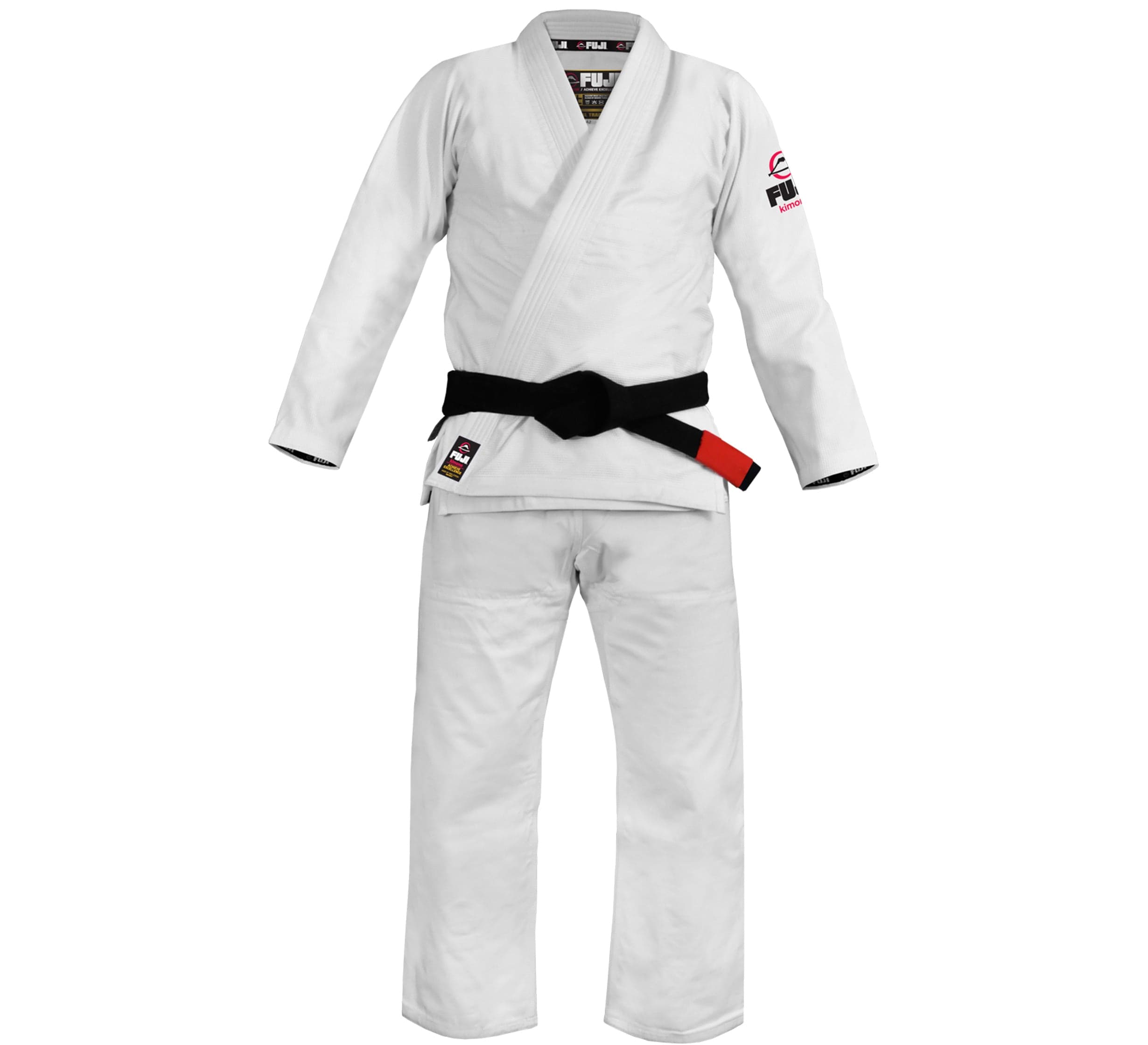
A0 does not mean the same fit across brands. Compare two official charts, understand long cuts, and check the garment before your first wash.
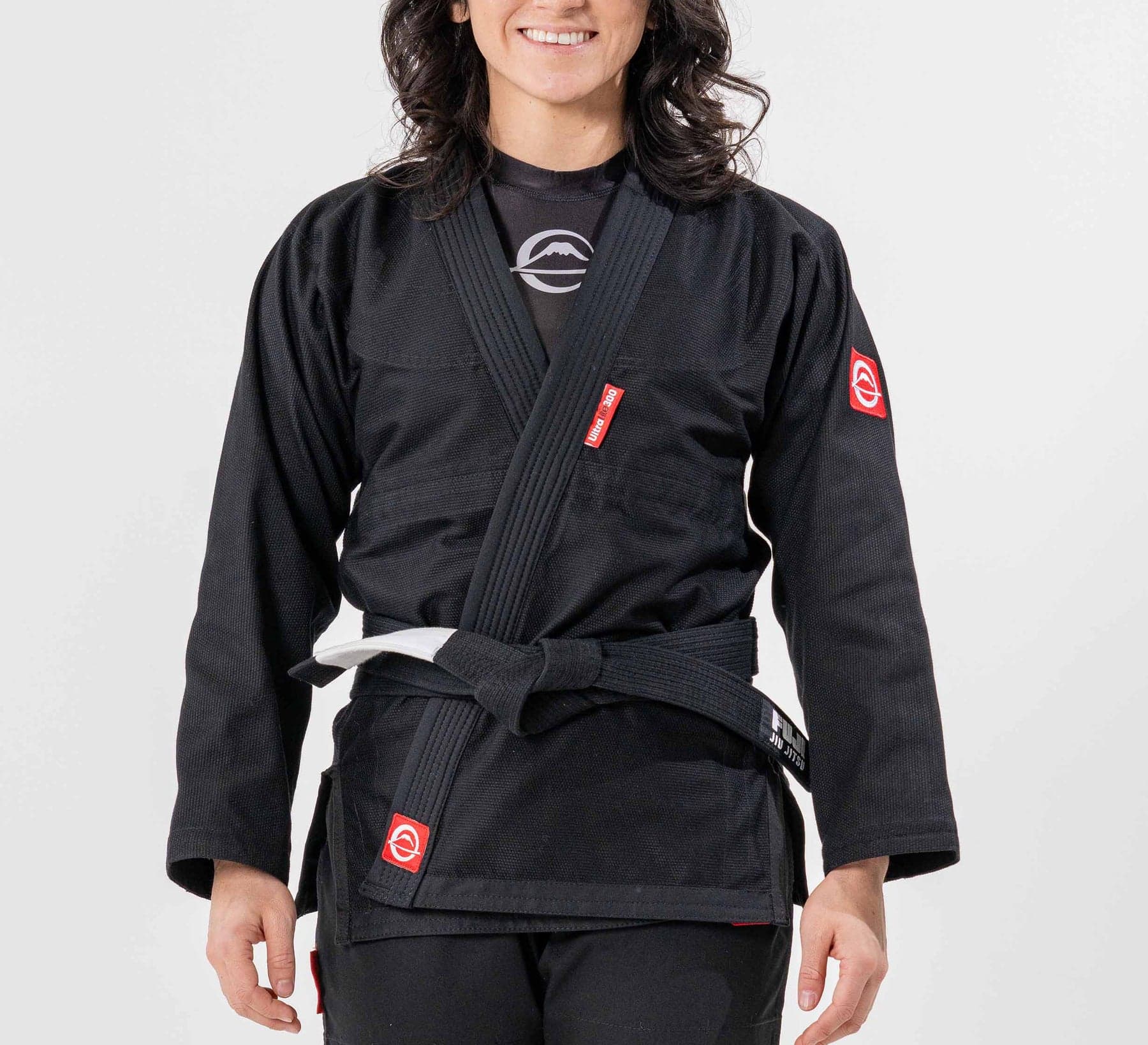
How to choose a women’s BJJ gi using proportions, movement, garment measurements, and a sensible first wash, rather than a size label alone.
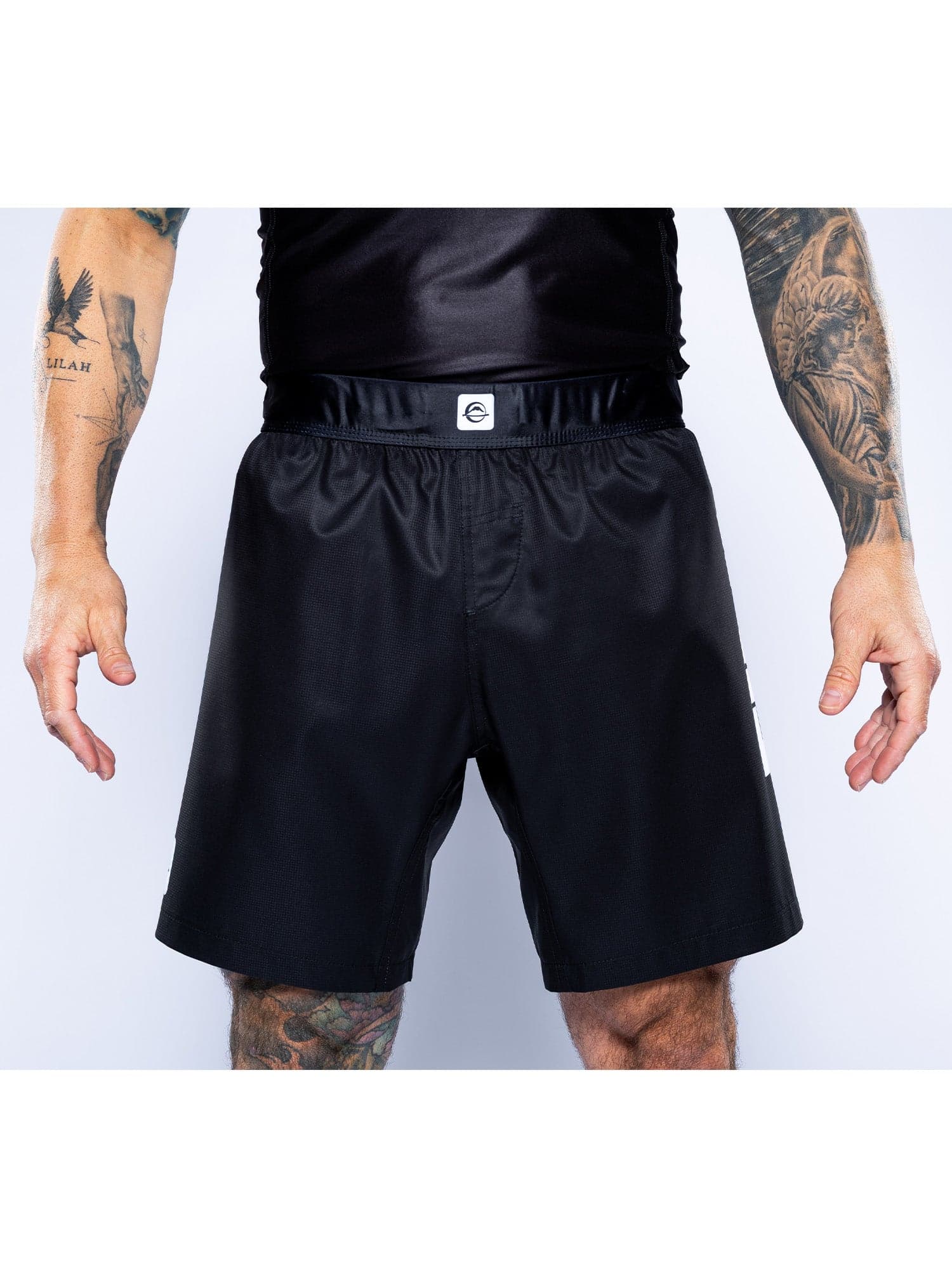
Buy no-gi shorts by checking movement, waistband security, pockets, and event rules before deciding which design belongs in your gym bag.
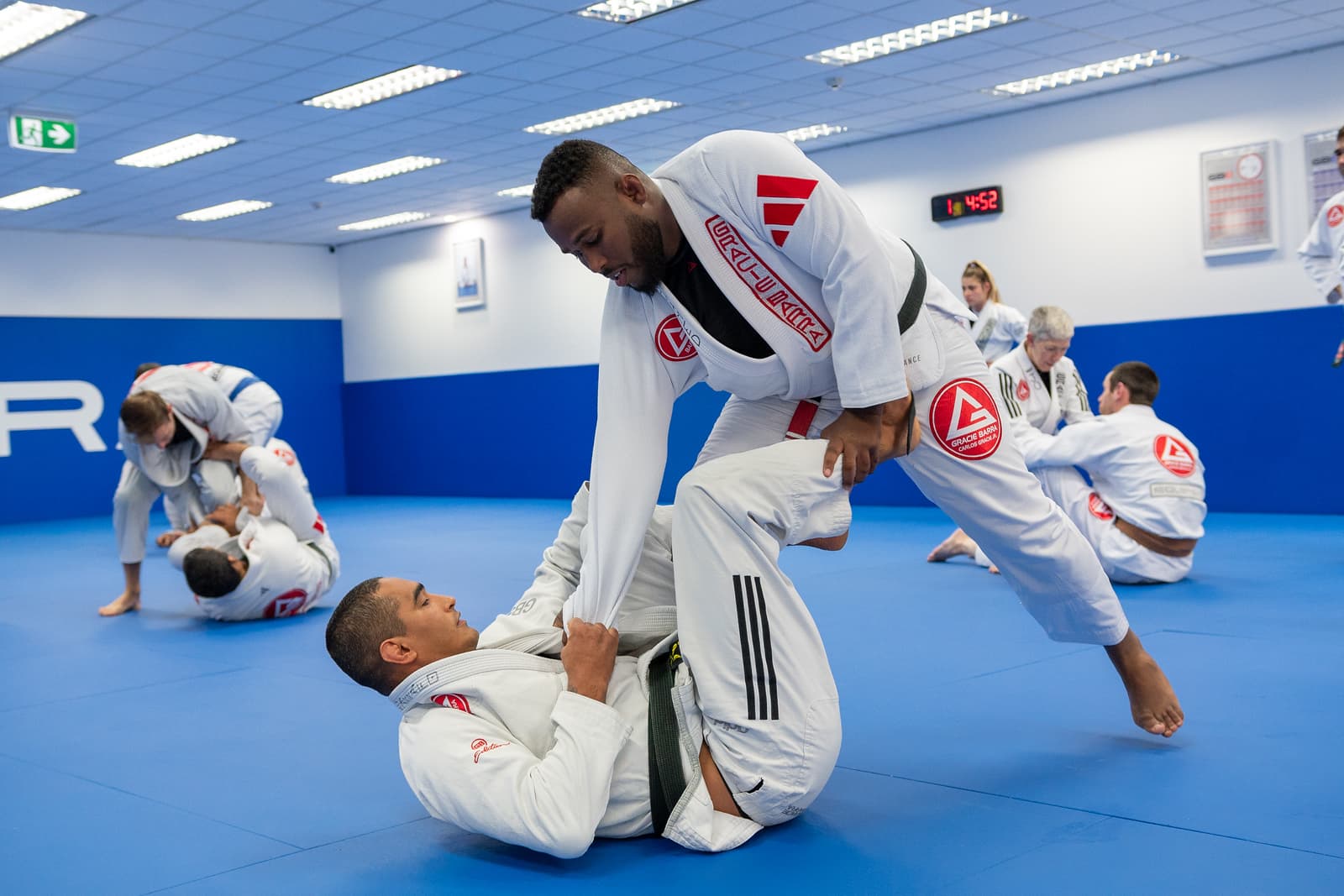
Understand Gracie Barra's adult class levels, entry requirements, and uniform questions before booking the right session at your local school.
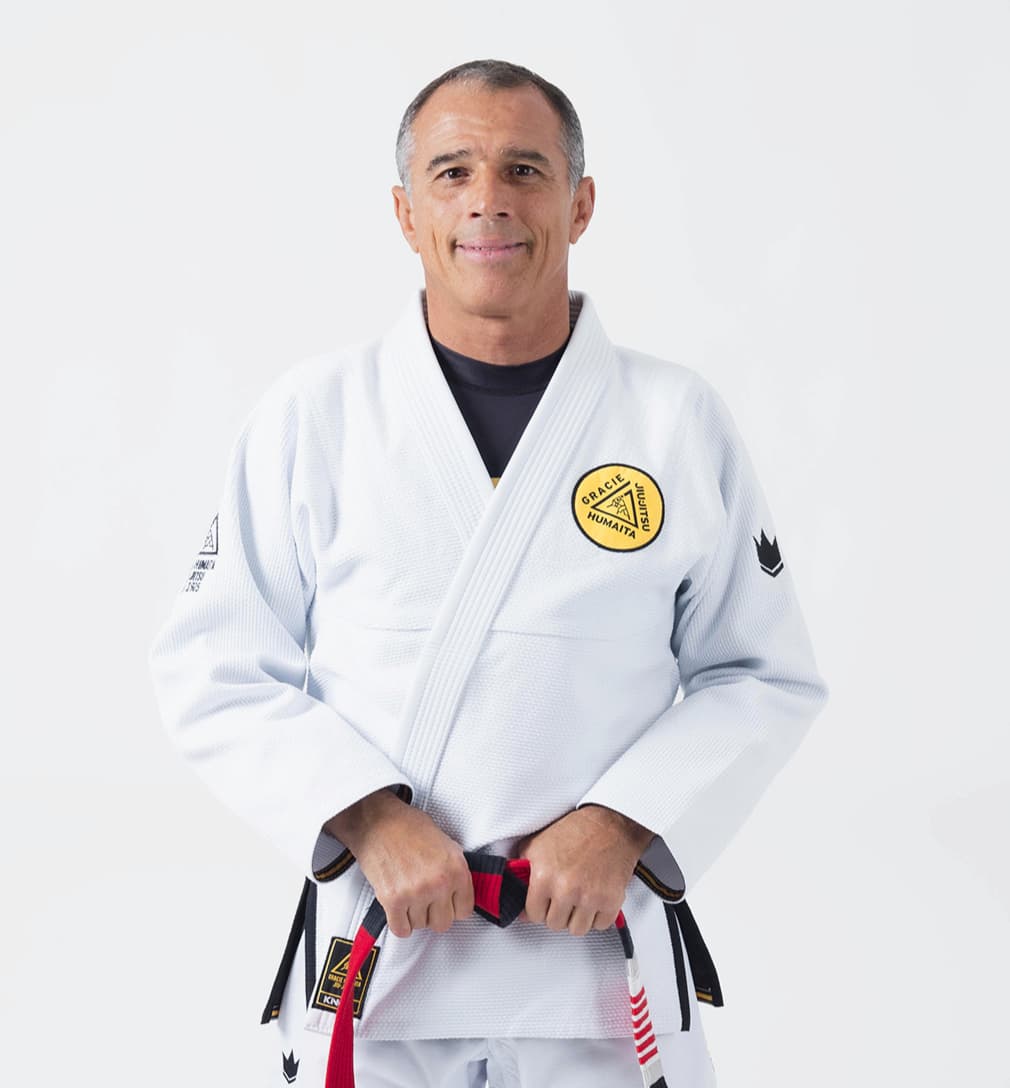
Gracie Jiu-Jitsu can refer to a family tradition, an affiliation, or a specific curriculum. Learn what to check before choosing your first class.
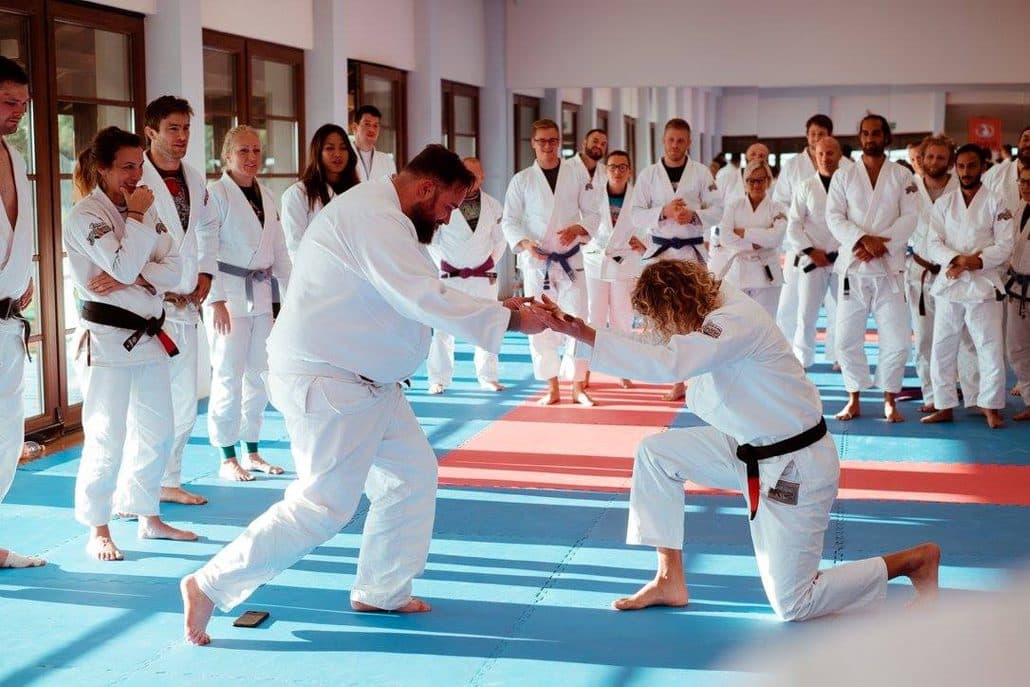
Choose a BJJ belt by its measured length, your gi, and the finished knot. A size label alone cannot tell you how it will fit.
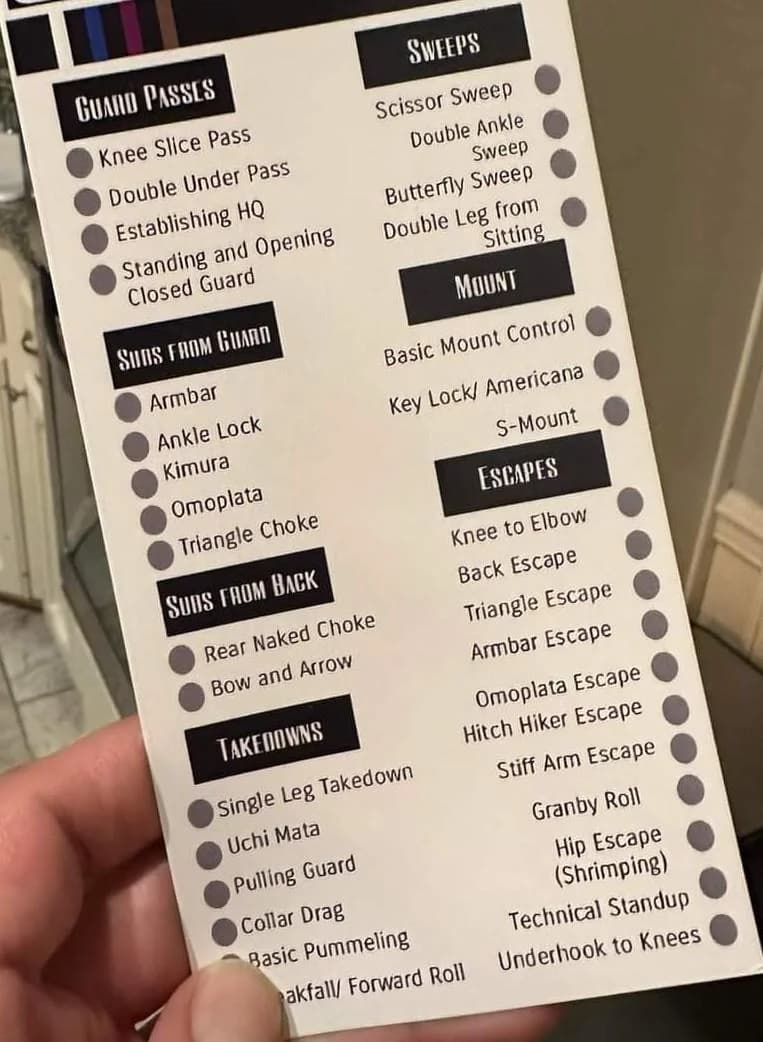
A plain-English BJJ glossary for beginners — positions, movements, submissions, gi terms, and gym culture words like oss, roll, and flow, defined honestly.
New to no-gi jiu-jitsu? A beginner's guide to no-gi BJJ: how it differs from gi, what to wear, the grips and style, and how to start training submission grappling.
Is Brazilian jiu-jitsu hard to learn? An honest look at how difficult BJJ really is — physically and mentally — why it humbles everyone, and why almost anyone can still do it.
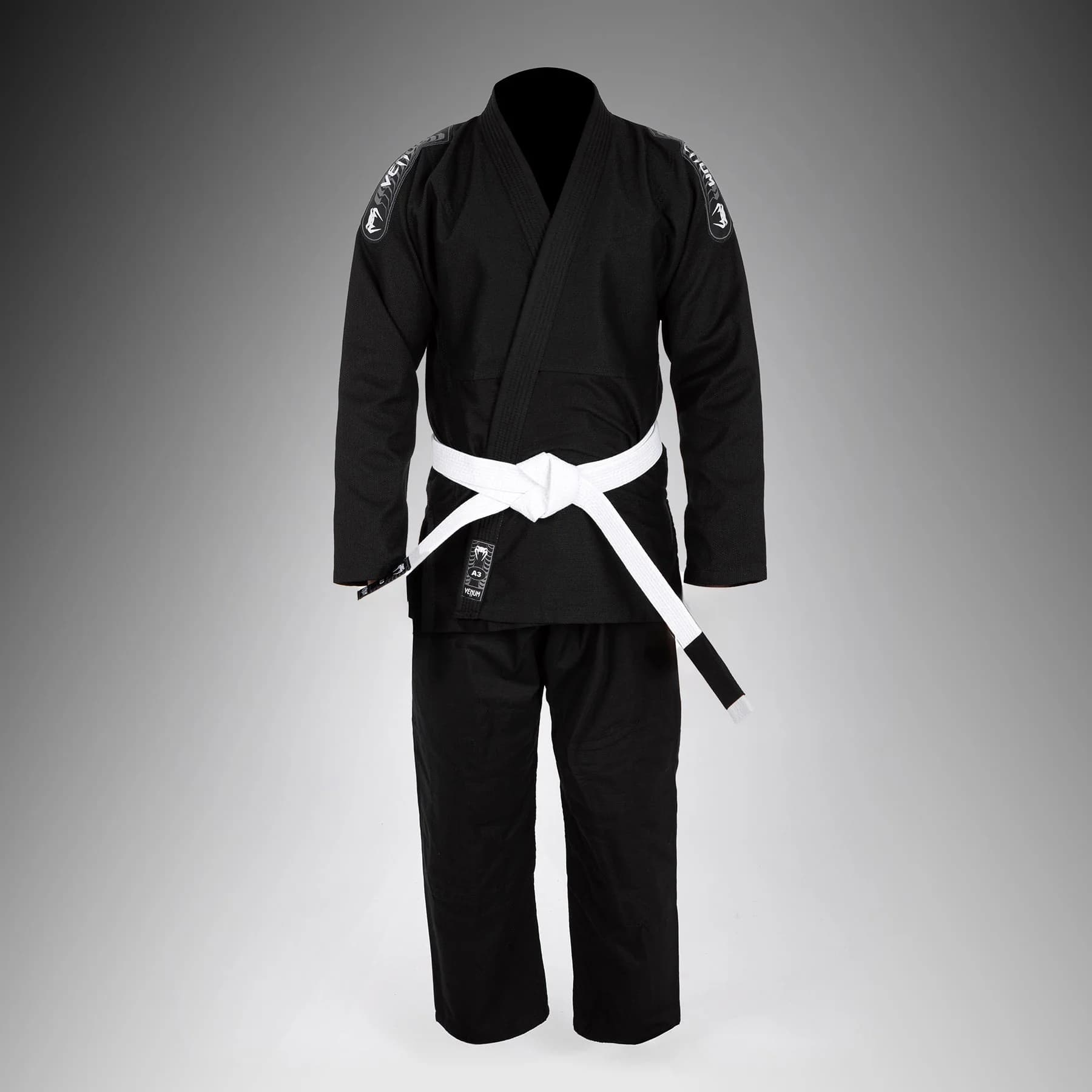
Not sure what to wear to jiu-jitsu? Here's exactly what to wear to a BJJ class — for your first trial, gi classes, and no-gi — plus what to bring and what to avoid.
'Rolling' is live sparring in Brazilian jiu-jitsu. Here's what rolling means, how it works, rolling etiquette, how hard to go, and how to survive your first rolls.
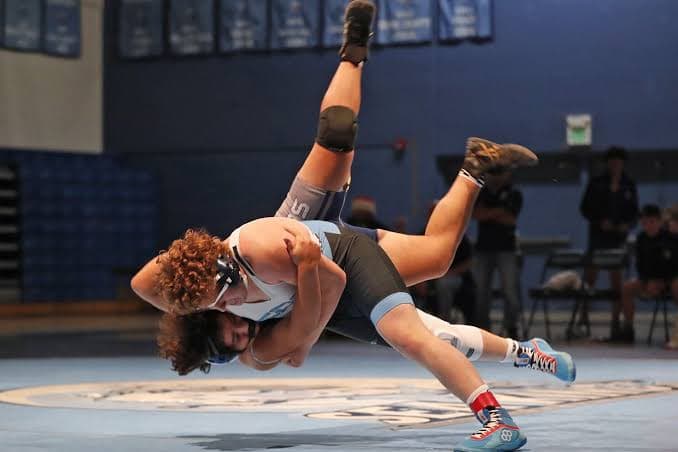
BJJ, wrestling, and judo are all grappling arts, but they're very different. Here's how each one works, their strengths, and which is best for you to start with.
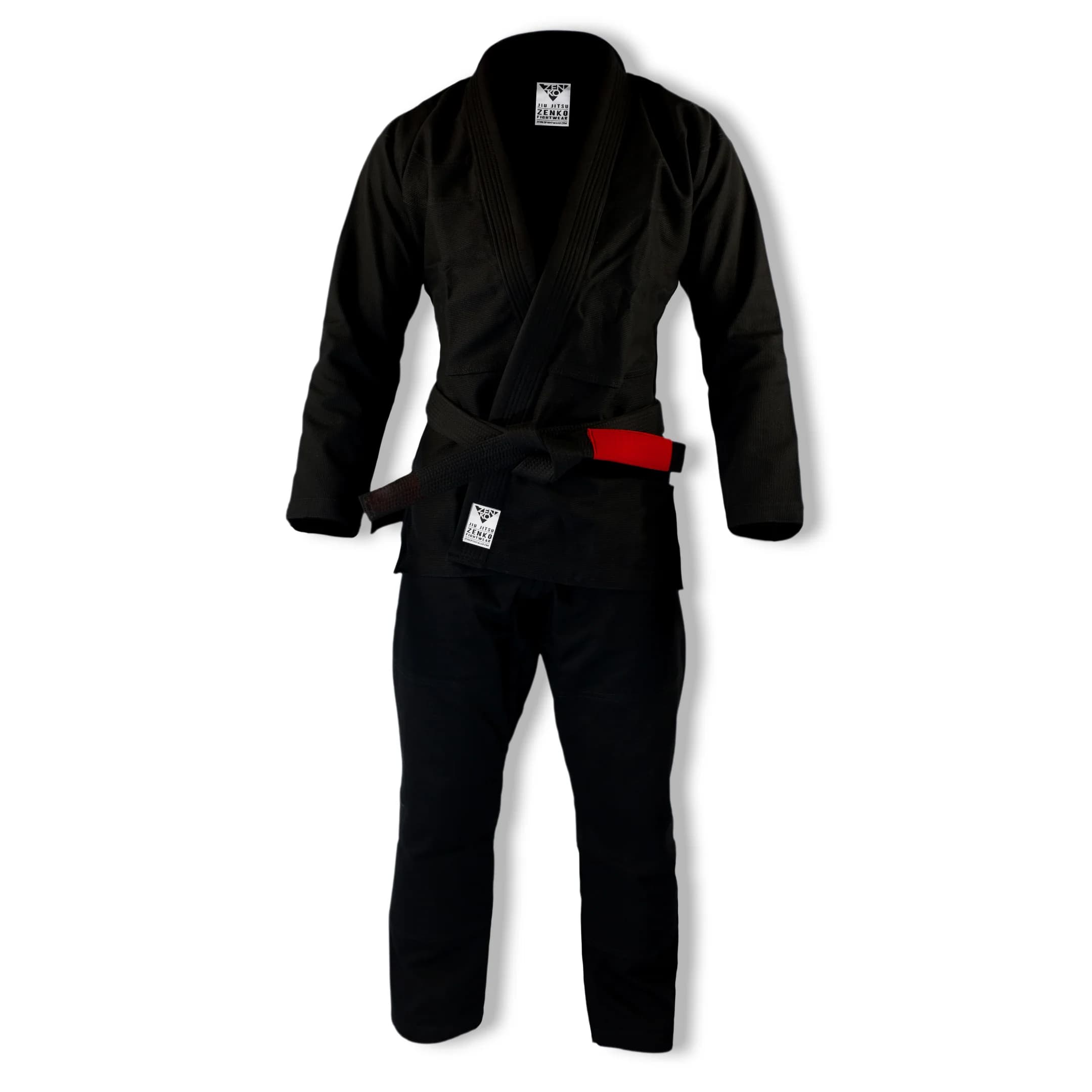
How to choose your first BJJ gi: how gi sizing (A1, A2, A3) works, gi weaves explained, what to spend, IBJJF-legal colors, and the mistakes beginners make.
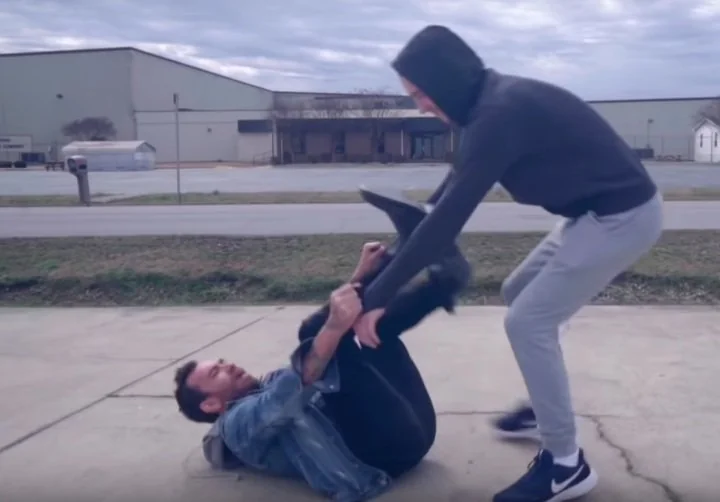
Is Brazilian jiu-jitsu effective for real self-defense? An honest look at BJJ's strengths, its limitations, and how to train it so it actually transfers to the street.
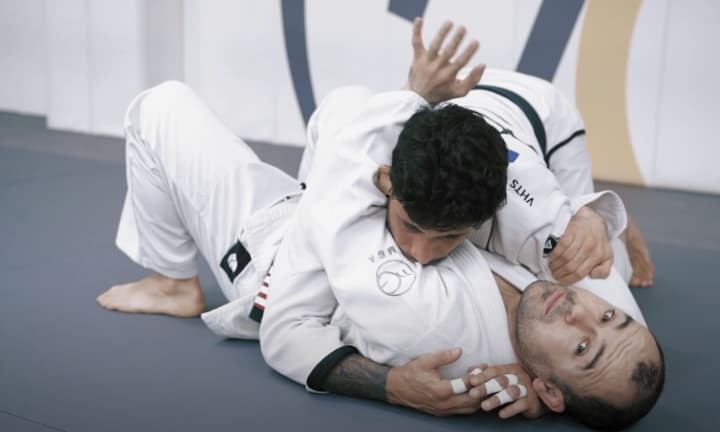
A beginner's map of the main BJJ positions — guard, mount, side control, back control, half guard and turtle — what each one is, who's winning, and why position matters.
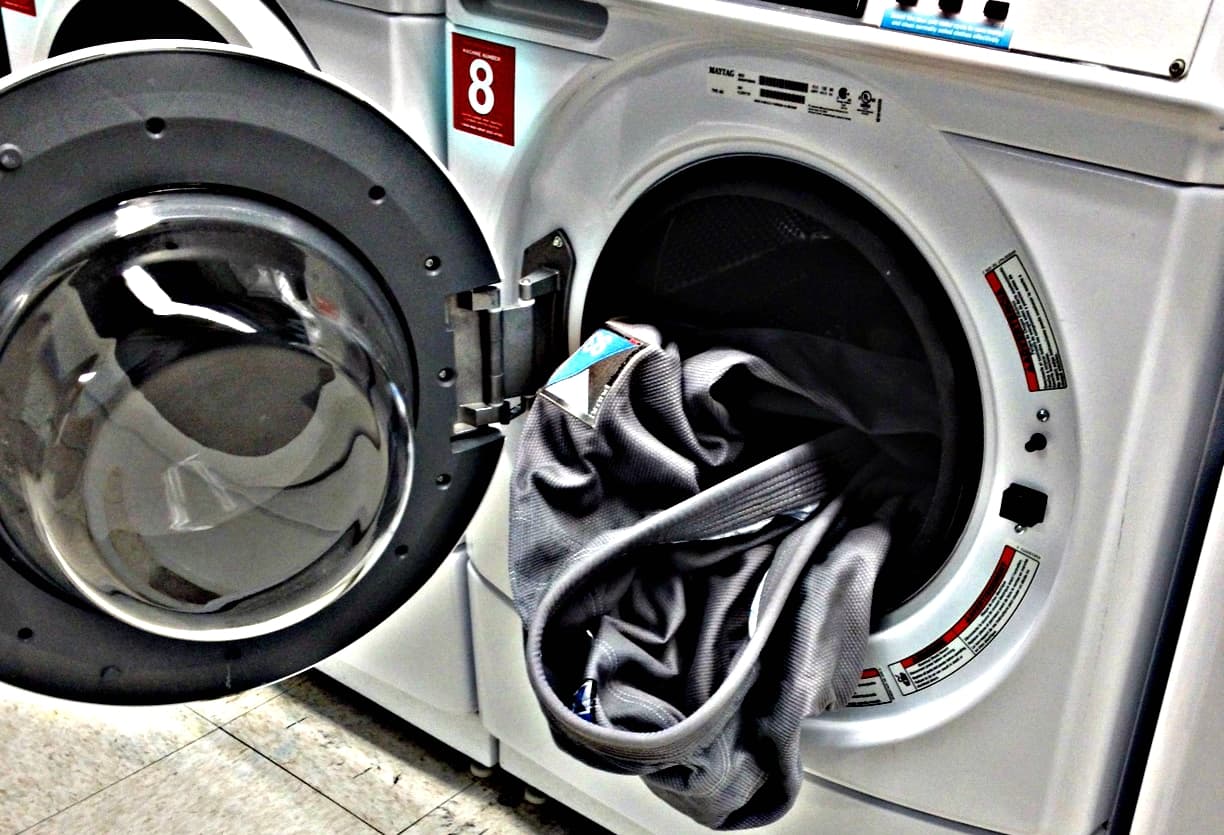
How to wash your BJJ gi so it stays clean, odor-free, and the right size: water temperature, drying, fighting shrinkage, killing bacteria, and the mistakes to avoid.
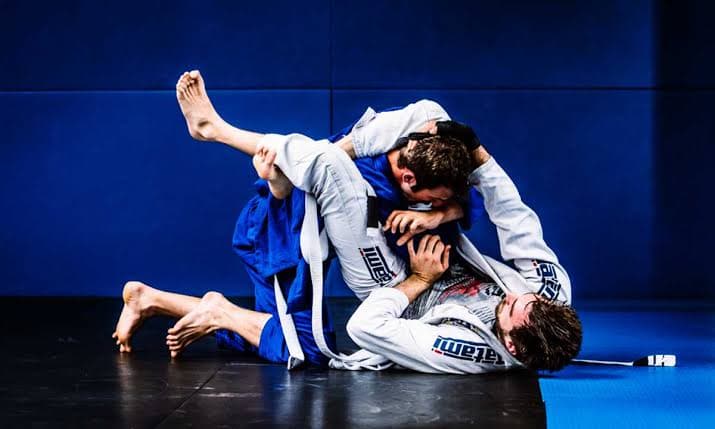
The white belt phase is the hardest in BJJ. Here are 11 honest survival tips — from tapping early to surviving your first rolls — to help you get past it and stay.
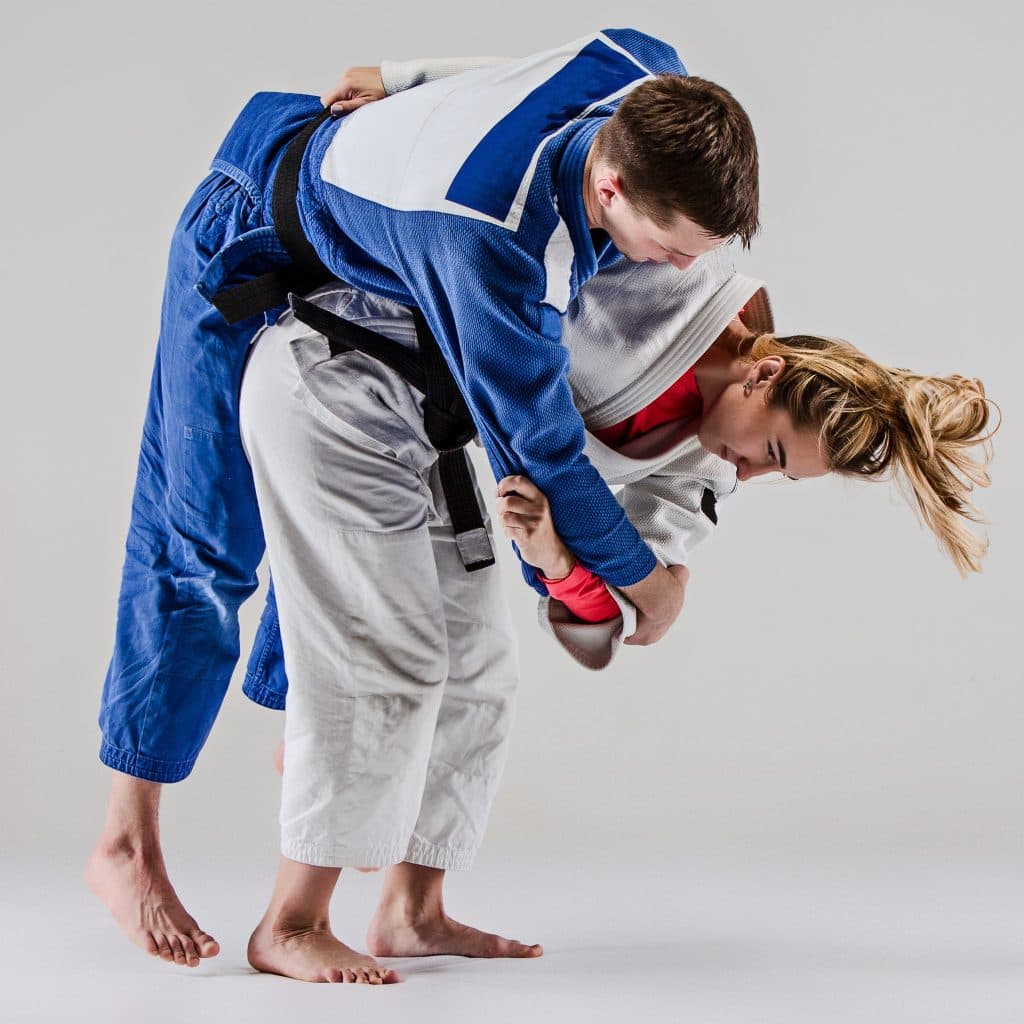
Brazilian jiu-jitsu (BJJ) is a grappling martial art built on leverage and technique. Here's what BJJ is, where it came from, how training works, and how to start.
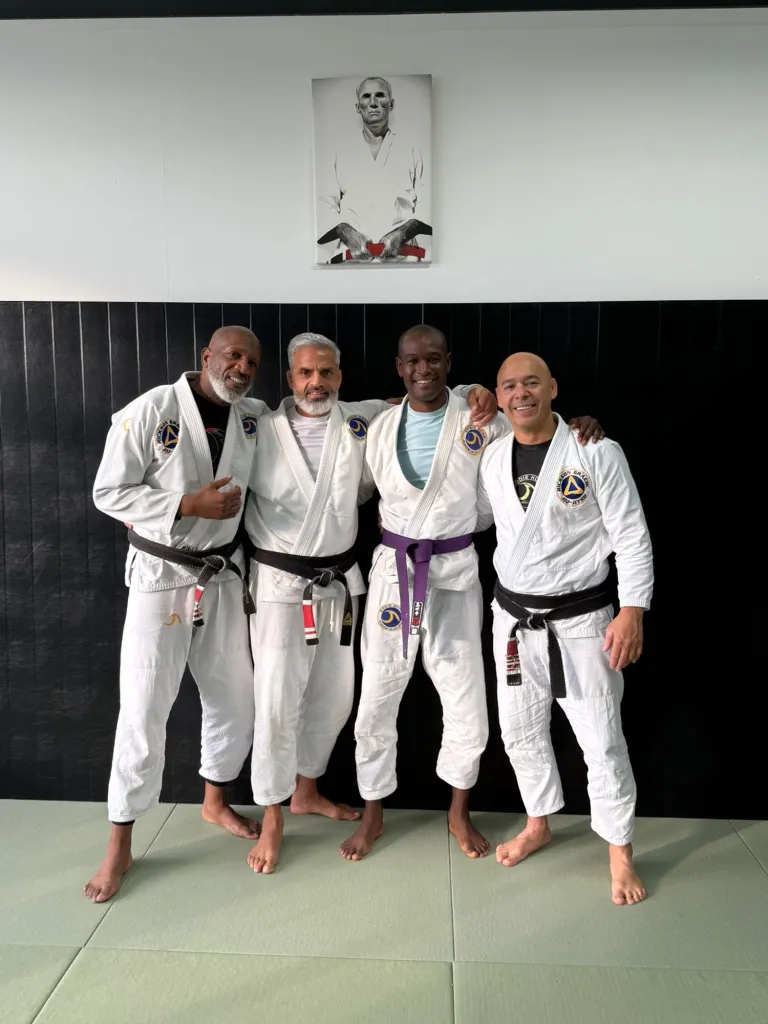
No, you're probably not too old to start Brazilian jiu-jitsu. Here's the honest case for starting in your 30s, 40s, or 50s — how to train smart, stay injury-free, and find the right gym.
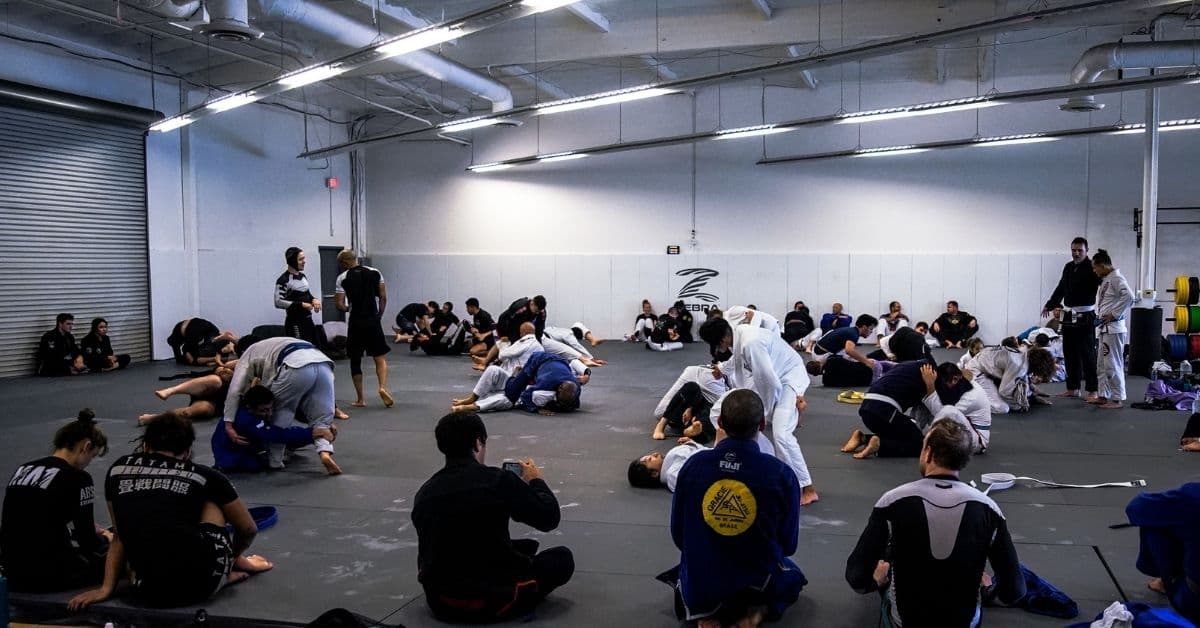
Open mat is unstructured BJJ training time — no class, just rolling and drilling. Here's how open mats work, the etiquette, what to bring, and how to find one near you.
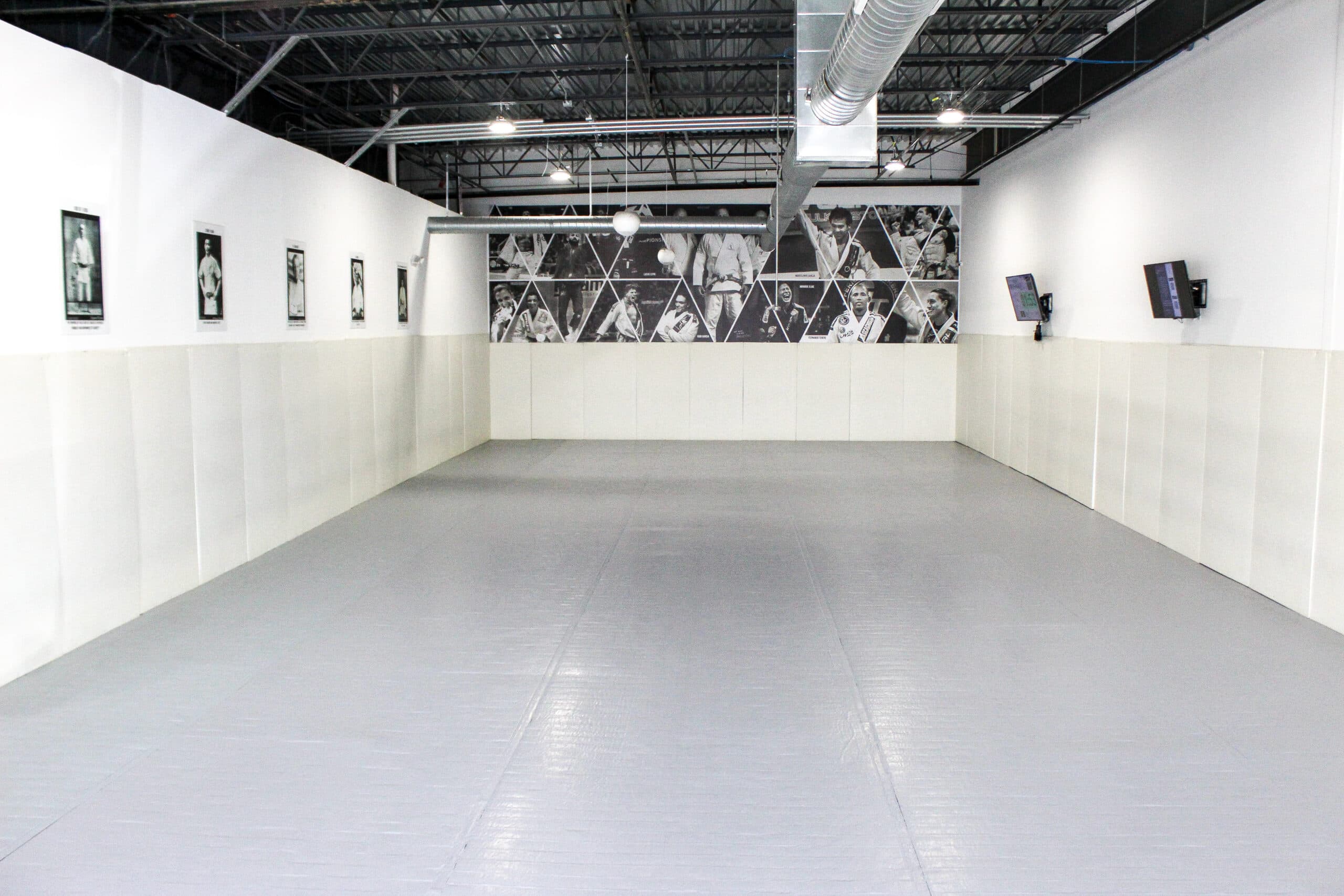
A practical guide to finding a Brazilian jiu-jitsu gym near you: how to compare schools, what to look for in a first visit, the questions to ask, and red flags to avoid.
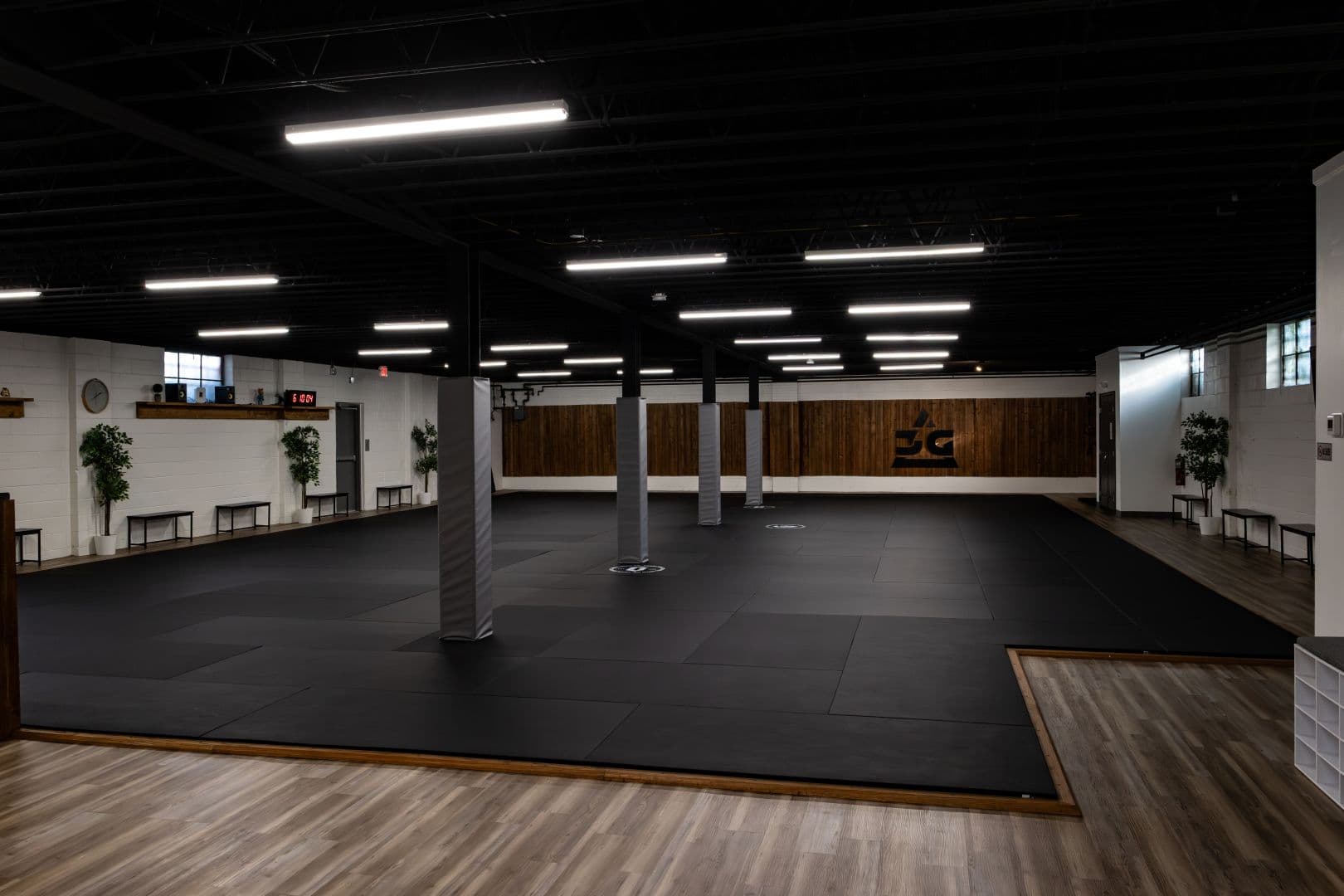
A practical framework for picking a gym you'll actually keep training at — covering schedule, drop-ins, vibe, and the things nobody tells beginners.
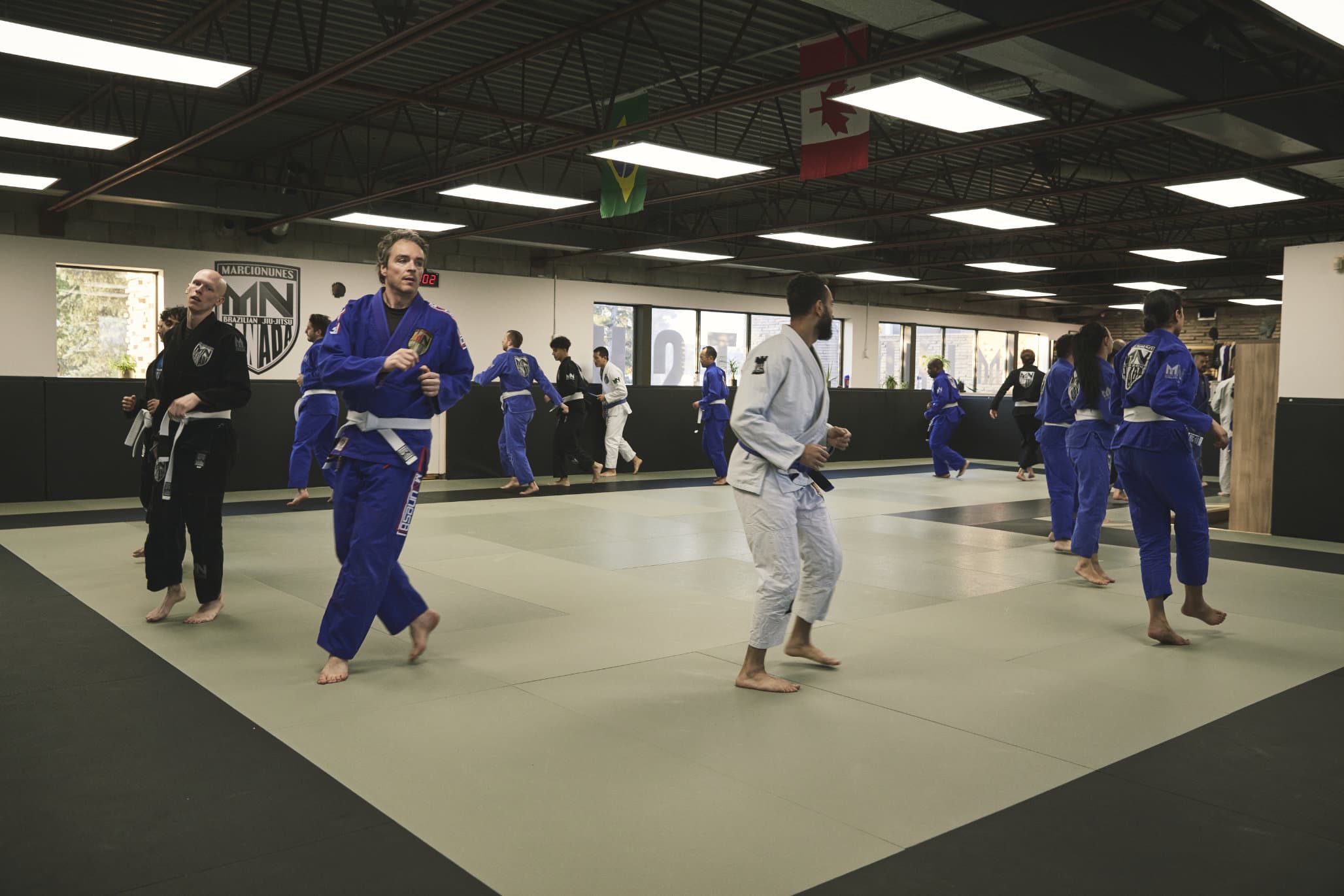
Everything that happens in your first hour on the mats, in order — from showing up to the front desk to surviving your first roll without panicking.