
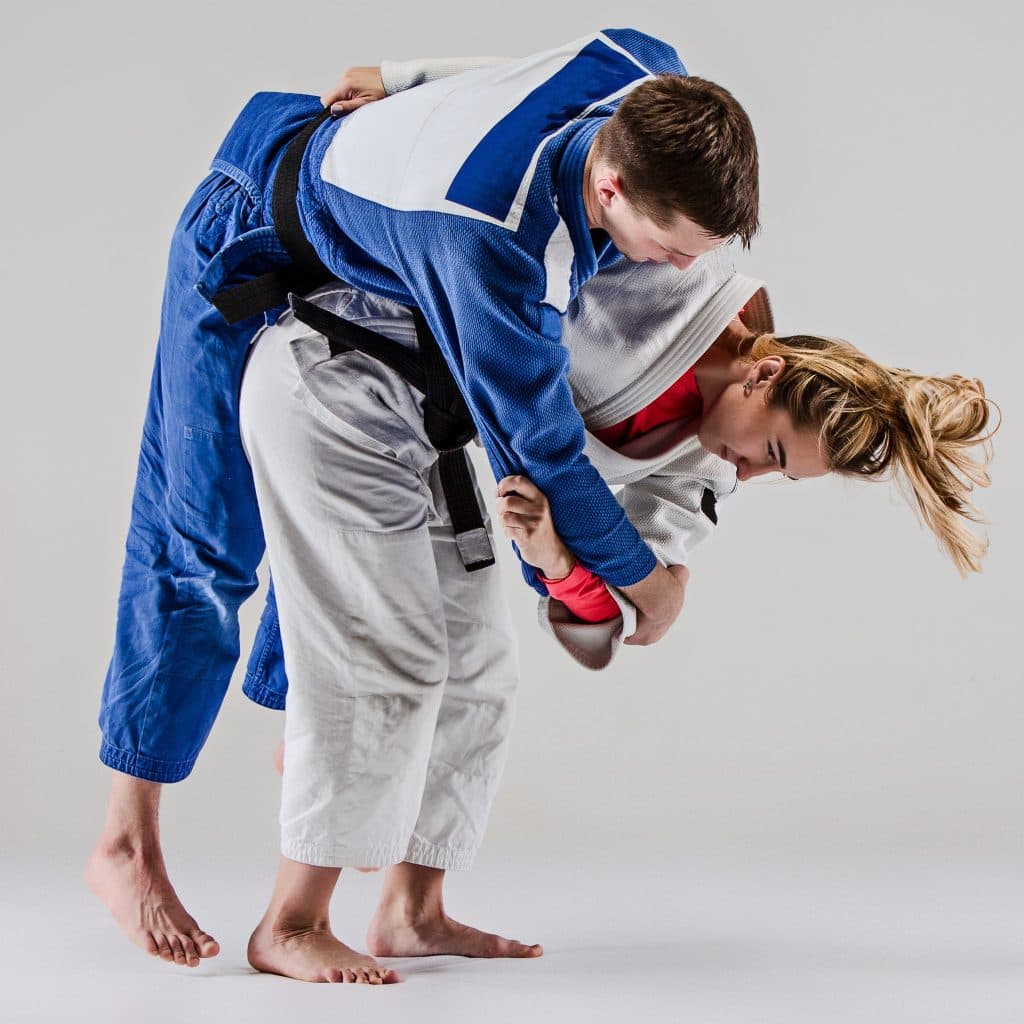
What Is Brazilian Jiu-Jitsu? A Complete Beginner's Guide
Quick answer: Brazilian jiu-jitsu (BJJ) is a grappling martial art and combat sport focused on controlling and submitting an opponent on the ground using leverage, body position, joint locks, and chokes — not strikes. Its core idea is that a smaller, weaker person can defeat a bigger, stronger one through technique. You train it in a gi or no-gi, you spar ("roll") safely with a tap-out system, and you can start with zero experience.
Brazilian jiu-jitsu is one of the fastest-growing martial arts in the world, and for good reason: it actually works, it's endlessly deep, and almost anyone can do it. If you've heard the term thrown around in MMA, UFC broadcasts, or by a friend who won't stop talking about "rolling," here's the clear, no-hype explanation of what BJJ really is — and what it's like to start.
The core idea: leverage beats strength
Most martial arts reward the bigger, faster, more explosive athlete. BJJ was built to flip that. By taking a fight to the ground and using positioning, angles, and joint mechanics, a skilled smaller person can neutralize and submit a larger, untrained one. That's not a marketing slogan — it's the founding demonstration of the art, and it's the reason BJJ spread across the world.
The practical upshot is that BJJ is the rare physical activity where being smaller, older, or less athletic isn't a dealbreaker. Technique compounds over time, so a patient beginner who shows up consistently will eventually control people who are stronger and more explosive but less skilled.
Submissions and the tap
A submission is a joint lock (like an armbar, which threatens the elbow) or a choke (which restricts blood or air) that forces your opponent to give up. They "tap out" — a clear double-tap on you or the mat, or saying "tap" — and you immediately release. Tapping is the entire safety system of the sport. It lets two people train at full resistance, thousands of times, without getting hurt. Good practitioners tap constantly; ego, not the art, is what gets beginners injured.
Where BJJ came from
BJJ grew out of judo and traditional Japanese jujutsu in the early 20th century, then was refined in Brazil — most famously by the Gracie family and other pioneers — into a dedicated ground-fighting system. It earned global fame in the early Ultimate Fighting Championship, where smaller jiu-jitsu practitioners repeatedly beat much larger strikers and wrestlers, proving that ground skills were the missing piece in most martial arts. Today BJJ is both a respected self-defense system and a thriving competitive sport with its own world championships.
What a class actually looks like
A typical BJJ class follows a simple, repeatable arc:
Warm-up — light movement plus jiu-jitsu-specific drills like shrimping (hip escapes) and bridging. It feels awkward at first; everyone's first shrimp looks ridiculous.
Technique — the coach demonstrates one or two moves and breaks them into steps.
Drilling — you pair up and repeat the technique with a cooperative partner until it starts to feel natural.
Rolling — optional live sparring at whatever intensity you and your partner agree on. Many gyms let beginners sit out their first few rolls and just watch.
New to your very first session? Here's exactly what to expect at your first BJJ class.
Gi vs no-gi
BJJ is trained two ways. In the gi, you wear the traditional uniform and can grip the cloth — both yours and your opponent's — which makes the game more methodical and grip-heavy. In no-gi, you wear a rashguard and shorts; without cloth to grab, the pace is faster and more slippery. Both teach the same core principles of position and leverage, and most serious practitioners eventually train both. If you're deciding where to start, our guide to gi vs no-gi breaks down the differences.
How long does it take to get good?
BJJ uses one of the slowest belt systems in martial arts — roughly a decade of consistent training to reach black belt — precisely because rank has to be earned against resisting opponents. But you don't need a black belt to enjoy it or to defend yourself. Most people feel noticeably more capable within a few months, and a year of steady training makes you genuinely hard for an untrained person to control. Curious about the ladder? See our guide to BJJ belt progression.
A few terms you'll hear
Rolling — live sparring.
Tapping — submitting to end a position safely.
Guard — controlling someone from your back with your legs.
Mount / side control / back — dominant top positions.
Open mat — unstructured training time to drill and roll freely.
Who BJJ is for
Pretty much everyone. Kids, adults, men, women, athletes, and complete beginners all train BJJ for self-defense, fitness, stress relief, and the problem-solving "human chess" aspect that keeps people hooked for decades. And no — you're almost certainly not too old to start.
The takeaway
Brazilian jiu-jitsu is a grappling art that uses technique and leverage to control and submit an opponent on the ground, trained safely with a tap-out system. It's beginner-friendly, endlessly deep, and one of the most practical martial arts you can learn. The hardest part isn't the techniques — it's walking through the door the first time.
Ready to try it?
Find a BJJ gym near you on Let's Roll → — filter by gi/no-gi, beginner classes, and free trials, and read what the community says before you walk in.
FAQ
Is BJJ hard to learn as a beginner? The first few weeks feel awkward for everyone, but BJJ is built to be learned step by step. Consistency matters more than athleticism — show up two or three times a week and it clicks.
Is BJJ the same as jiu-jitsu? "Jiu-jitsu" today almost always means Brazilian jiu-jitsu, the ground-grappling sport. Traditional Japanese jujutsu is the older ancestor it evolved from.
Do you get hit in BJJ? No — sport BJJ has no striking. You control and submit your partner using grips, position, and leverage, and you tap to end a bad position safely.
Is BJJ a good workout? Yes — an hour of rolling is intense full-body conditioning, and most people get leaner and fitter without ever thinking of it as "exercise."
Related Posts

Mikey Musumeci gives up the belt to make room for MMA
Musumeci is vacating his UFC BJJ title to focus on MMA training. What he is leaving, what continues, and why the transition matters.
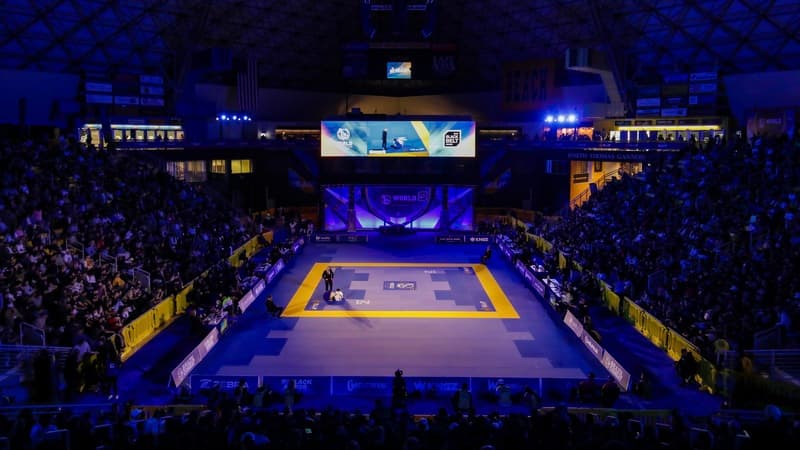
IBJJF membership: finish the paperwork before the deadline
IBJJF membership and tournament entry are separate steps. Plan documents, professor approval, renewals, and junior accounts before registration closes.
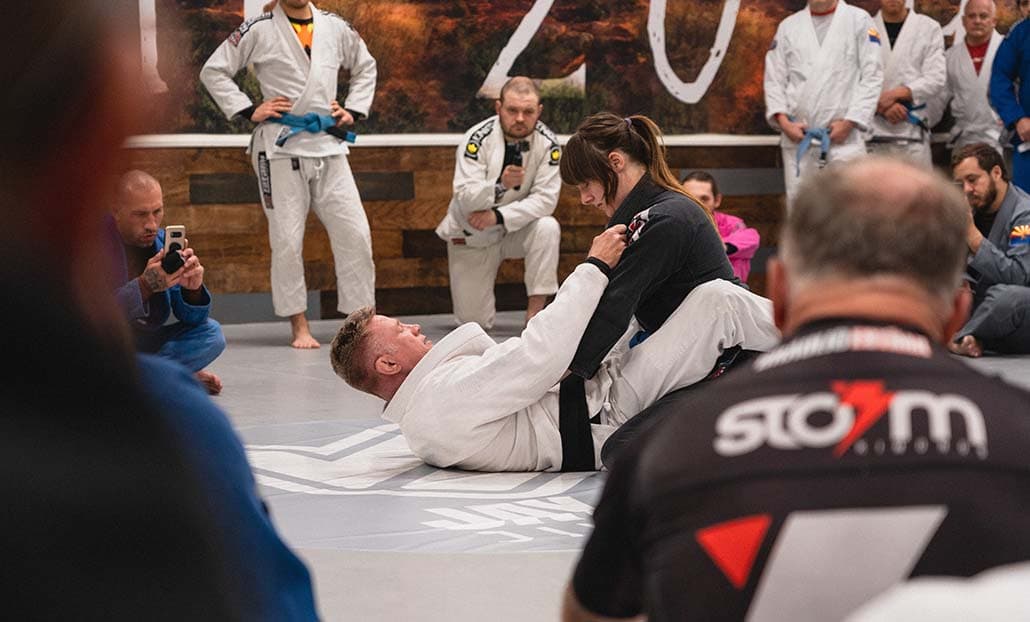
Choosing a BJJ seminar worth your time and travel
Choose a BJJ seminar by the subject, teaching format, access, and total cost. Know what to ask the host before buying a ticket.
Comments (0)
Loading comments...