
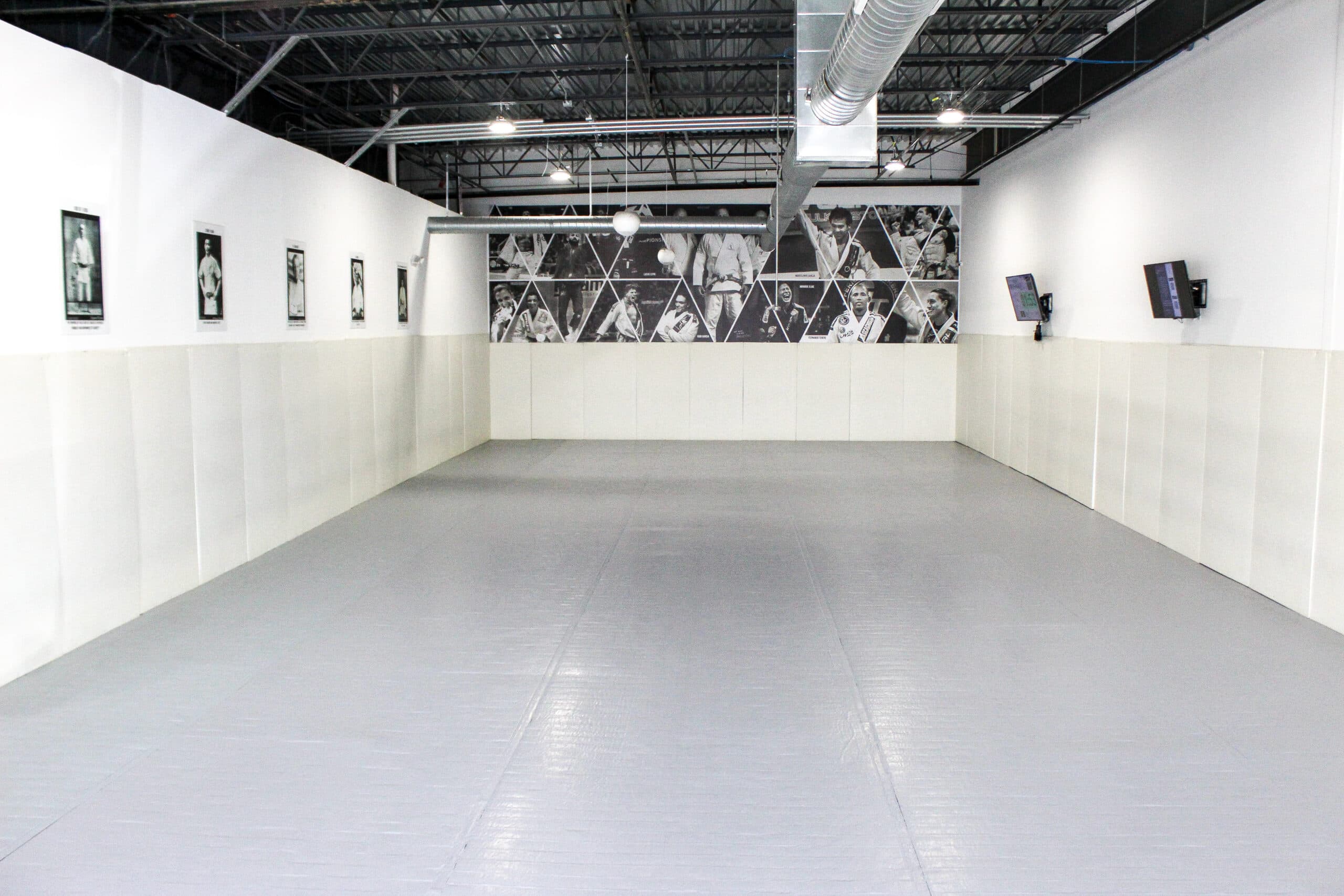
How to Find a BJJ Gym Near You (and Actually Choose the Right One)
Quick answer: Use a BJJ-specific directory to shortlist gyms by gi/no-gi, beginner classes, schedule, and drop-in policy — then take a free trial at your top two or three. Judge each on the instructor's lineage, whether there's a real fundamentals class, an active schedule, mat cleanliness, and how upper belts treat beginners. The best gym is a legit instructor + a schedule you'll keep + a room you feel good walking into.
Searching "BJJ gym near me" is the easy part. The hard part is knowing whether the place at the top of the map is actually good — or just good at SEO. The gym you pick determines almost everything about your jiu-jitsu: how fast you improve, whether you stay safe, and whether you're still training in a year or quietly ghosting after month two.
Here's how to find the schools near you, compare them like someone who's been training for a decade, and walk into your first class already knowing what you're looking at.
Step 1: Build your shortlist
Don't stop at the first result. Most metros have more options than you'd expect — academies, MMA gyms with a BJJ program, and small clubs that don't show up well on Google. A good directory beats a maps search because it lets you filter for what matters:
Gi, no-gi, or both — some schools are gi-focused, some lean no-gi. (New to the difference? See gi vs no-gi.)
Beginner / fundamentals classes — you want a dedicated beginners' track, not just "show up to the advanced class and hang on."
Schedule that fits your life — the best gym in town is useless if its only classes are at 6am.
Kids' programs, if you're enrolling a child.
Drop-in friendly, if you travel or want to sample a few.
Browse BJJ gyms near you on Let's Roll → — filter by all of the above, see schedules and open mats, and read the community's take before you ever message a coach.
Step 2: Judge a gym before you visit
You can learn a lot from a listing and a quick look around online. Weight these signals roughly in this order:
Lineage and instructor. Who is the head coach, what's their rank, and who promoted them? A legitimate black belt with a clear lineage is the single most important factor. Vague or unverifiable rank is a red flag.
Class structure. Look for a real curriculum: warm-up, technique, drilling, and live rolling — with a separate fundamentals path for new students.
Active schedule. A gym running multiple classes a day, plus open mats, is a healthy gym with training partners at every level.
The vibe in photos and reviews. Are people of different ages, sizes, and genders training? A gym with only young competition athletes can be brutal for a 40-year-old beginner. A gym with a visible beginners' and masters' crowd is usually a better first home.
Step 3: Take a trial class (almost every gym offers one)
Reading only gets you so far. Nearly every academy offers a free trial or a cheap intro week — take it at two or three places if you can. You're not just being taught; you're interviewing them. While you're there, notice:
Is the mat clean? Hygiene is non-negotiable in a sport where you're pressed against strangers. Sticky, smelly mats are a real health red flag.
Does the coach actually coach? Or do they roll the whole class and let beginners fend for themselves?
How do upper belts treat new people? The tell of a great gym: brown and black belts who roll with control on beginners instead of crushing them to feed their ego.
Are you sized up or welcomed in? You should leave a good gym tired and smiling, not humiliated.
Questions worth asking the front desk
What does membership cost, and is there a contract? (Month-to-month is friendlier for beginners.)
Do you offer a fundamentals or beginners' class, and when?
What should I wear and bring to my first class?
Do you have a women's class or kids' program? (If relevant.)
Can I drop in / pay per class while I decide?
A good gym answers all of this happily. A gym that's evasive about pricing or pressures you into a long contract on day one is telling you something.
Red flags to walk away from
No verifiable instructor lineage, or a head coach whose rank doesn't add up.
Injuries treated as a badge of honor — a culture where people get hurt constantly is a coaching problem, not a toughness one.
Ego-driven rolling where upper belts hammer beginners.
High-pressure, long-term contracts before you've taken a single class.
A dirty mat. Skin infections (ringworm, staph) spread on unclean mats. This alone is a dealbreaker.
The "near me" reality: a 20-minute drive changes everything
One underrated factor: distance is destiny. A slightly-less-perfect gym 10 minutes away that you'll actually attend beats the elite academy 45 minutes across town that you'll talk yourself out of on a Tuesday night. Be honest about the commute you'll sustain in month six, not just the one you're excited about in week one.
The takeaway
Finding a BJJ gym near you is really about matching three things: a legitimate instructor, a schedule you'll keep, and a room you feel good walking into. Get those right and the belts take care of themselves.
Find your gym
Open the Let's Roll map and find BJJ gyms near you → — every listing shows schedules, gi/no-gi, kids' programs, drop-in policies, and open mats, so you can shortlist the right two or three before you book a trial. Traveling? Check open mats near you to train anywhere.
FAQ
How do I find a BJJ gym near me? Use a BJJ-specific directory (like Let's Roll) rather than a plain maps search so you can filter by gi/no-gi, beginner classes, schedule, kids' programs, and drop-in policy — then take a free trial at your top two or three.
How do I know if a BJJ gym is good? Check the head instructor's rank and lineage, look for a real fundamentals curriculum and an active schedule, and visit in person to judge mat cleanliness and how upper belts treat beginners.
How much does a BJJ gym cost? Most academies run roughly $100–$200/month, often with discounts for multiple family members or paying ahead. Month-to-month options exist and are worth asking for as a beginner.
Should I choose gi or no-gi to start? Either is fine. Gi is more technical and methodical; no-gi is faster and more athletic. Many gyms teach both — pick the gym first, and let the style follow.
Can I try a BJJ gym before joining? Yes — nearly every gym offers a free trial class or a low-cost intro week. Use it to compare a few schools before committing.
Related Posts

Mikey Musumeci gives up the belt to make room for MMA
Musumeci is vacating his UFC BJJ title to focus on MMA training. What he is leaving, what continues, and why the transition matters.

IBJJF membership: finish the paperwork before the deadline
IBJJF membership and tournament entry are separate steps. Plan documents, professor approval, renewals, and junior accounts before registration closes.
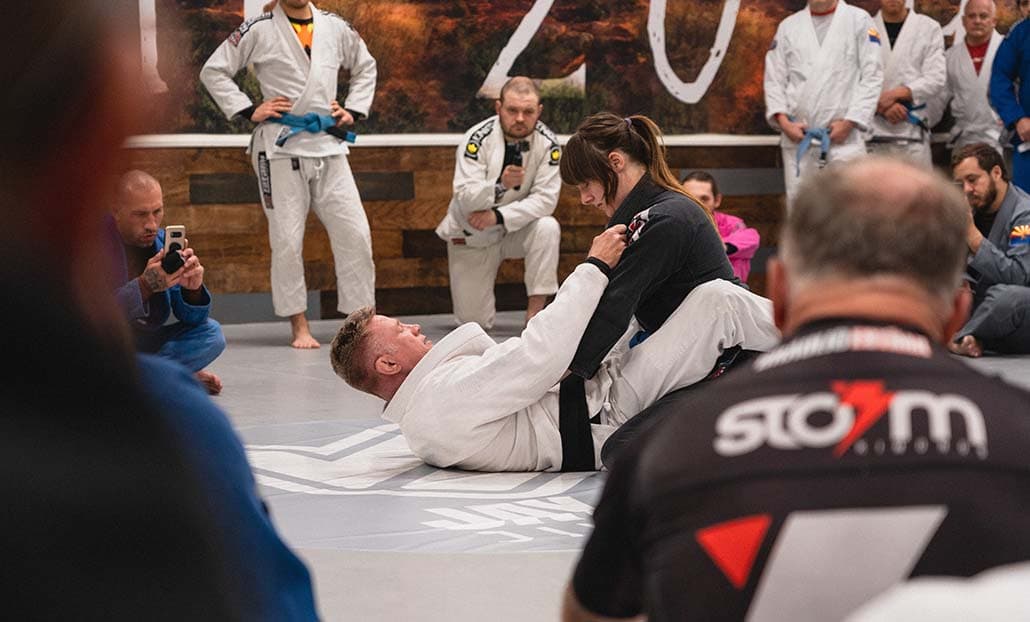
Choosing a BJJ seminar worth your time and travel
Choose a BJJ seminar by the subject, teaching format, access, and total cost. Know what to ask the host before buying a ticket.
Comments (0)
Loading comments...