
Technique
The body lock pass starts with the leg you have to clear
Follow the hook, knee, and trapped foot through the BJJ body lock pass, then identify which control takes over when the hands separate.
Nina Okada8 min read

Training, technique, and the culture of Brazilian Jiu-Jitsu
Showing 25–48 of 98 articles
Follow the hook, knee, and trapped foot through the BJJ body lock pass, then identify which control takes over when the hands separate.
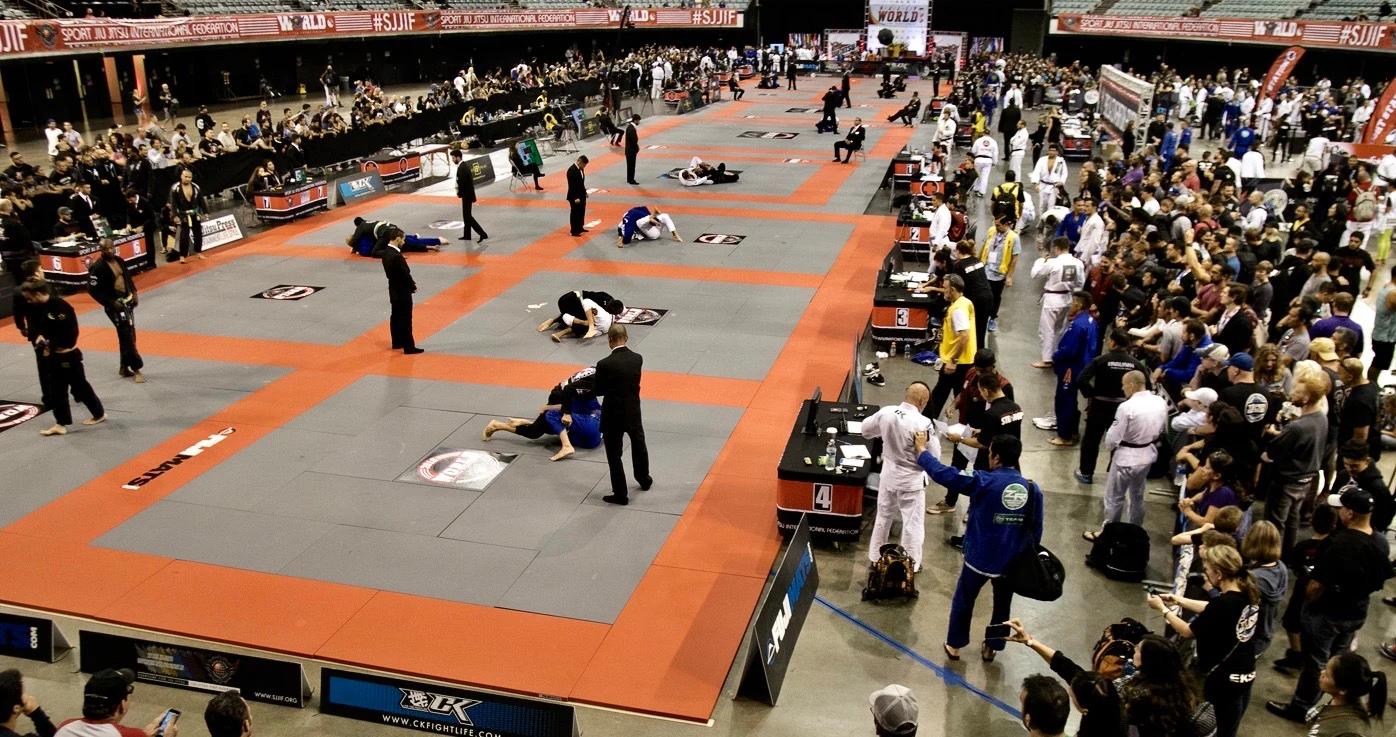
See how standard SJJIF sudden death works, why advantages are absent, and how to practice the restart with a coach.

Understand what bridging and shrimping change during a BJJ escape, why they connect, and what to ask your coach when the movement goes nowhere.

Study the two-on-one through both partners’ positions and tasks. Keep the specific start, response, and next action together in your class questions.

Read a collar tie as part of a standing exchange: the starting contacts, your partner’s response, and the next action your coach is teaching.

IBJJF gestures communicate who receives a score, when action stops, and what happens next. Learn them with the official diagrams.

The word can mean acknowledgment, thanks, or a greeting. Its actual use in your academy matters more than a confident origin story.

Getting on top is useful. Whether it earns sweep points in IBJJF depends on the starting position and the sequence you complete.

Sitting upright is only part of the problem. Study the opponent's contacts and your available movement before choosing a guard opening.
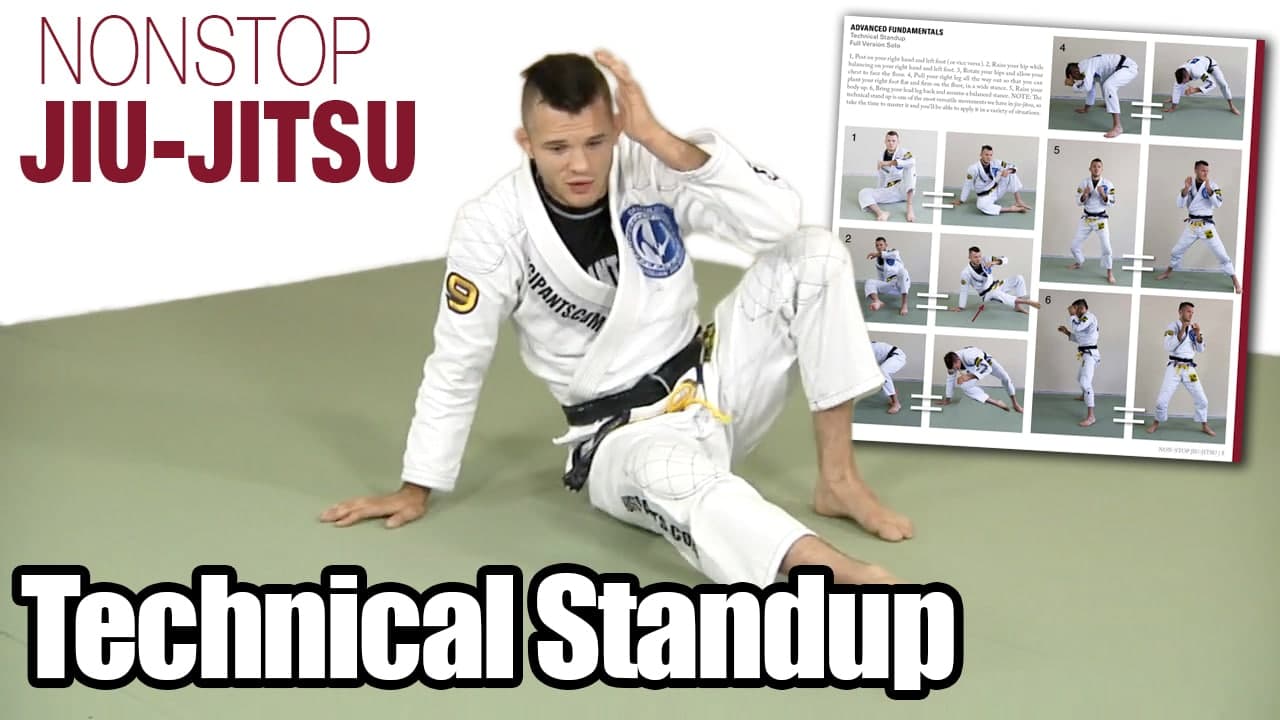
The movement is familiar. Using it in a round means recognizing space, keeping a usable base, and knowing when to stay seated.
Understand close IBJJF matches through points, advantages, penalties, and the clock. Practice decisions using the actual rules and a coach's guidance.
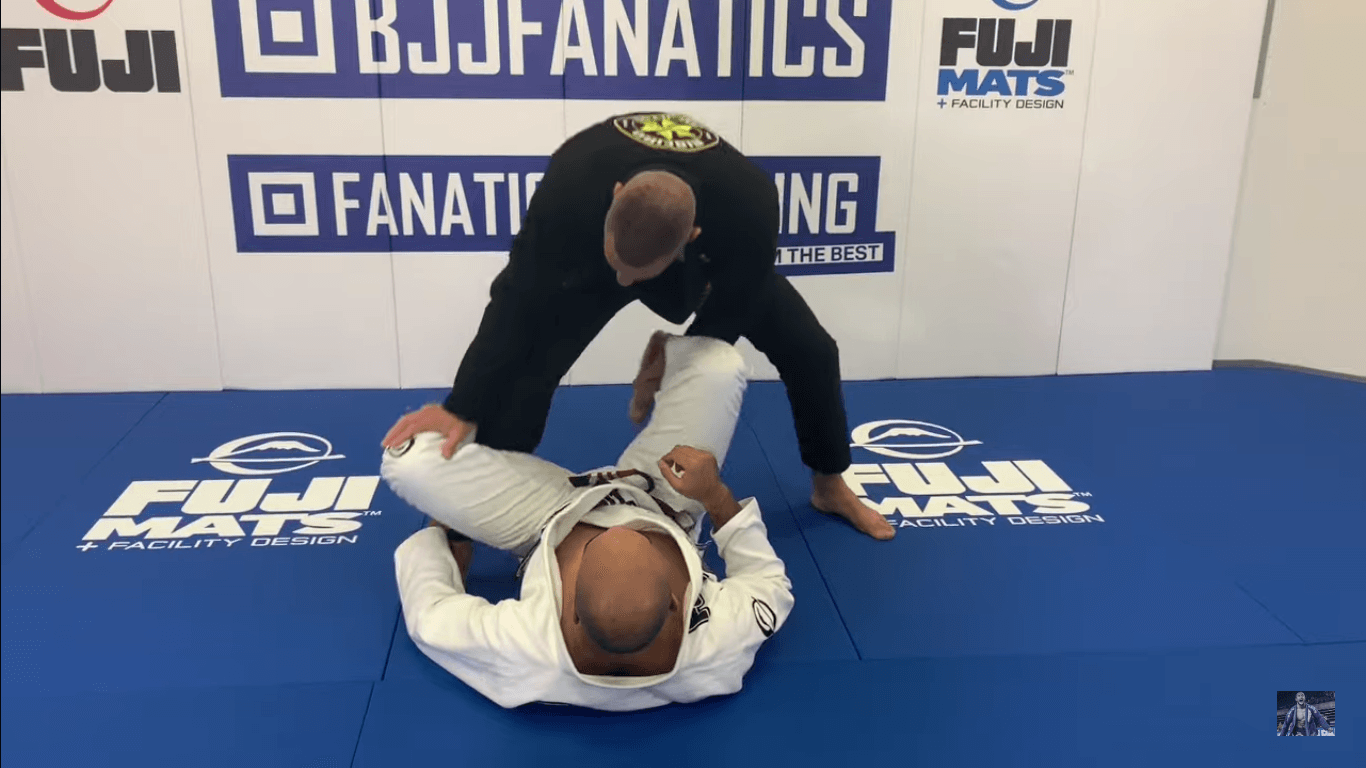
Build a headquarters passing position around leg control and balance. Recognize the guard player's reactions and practice choosing the next pass.
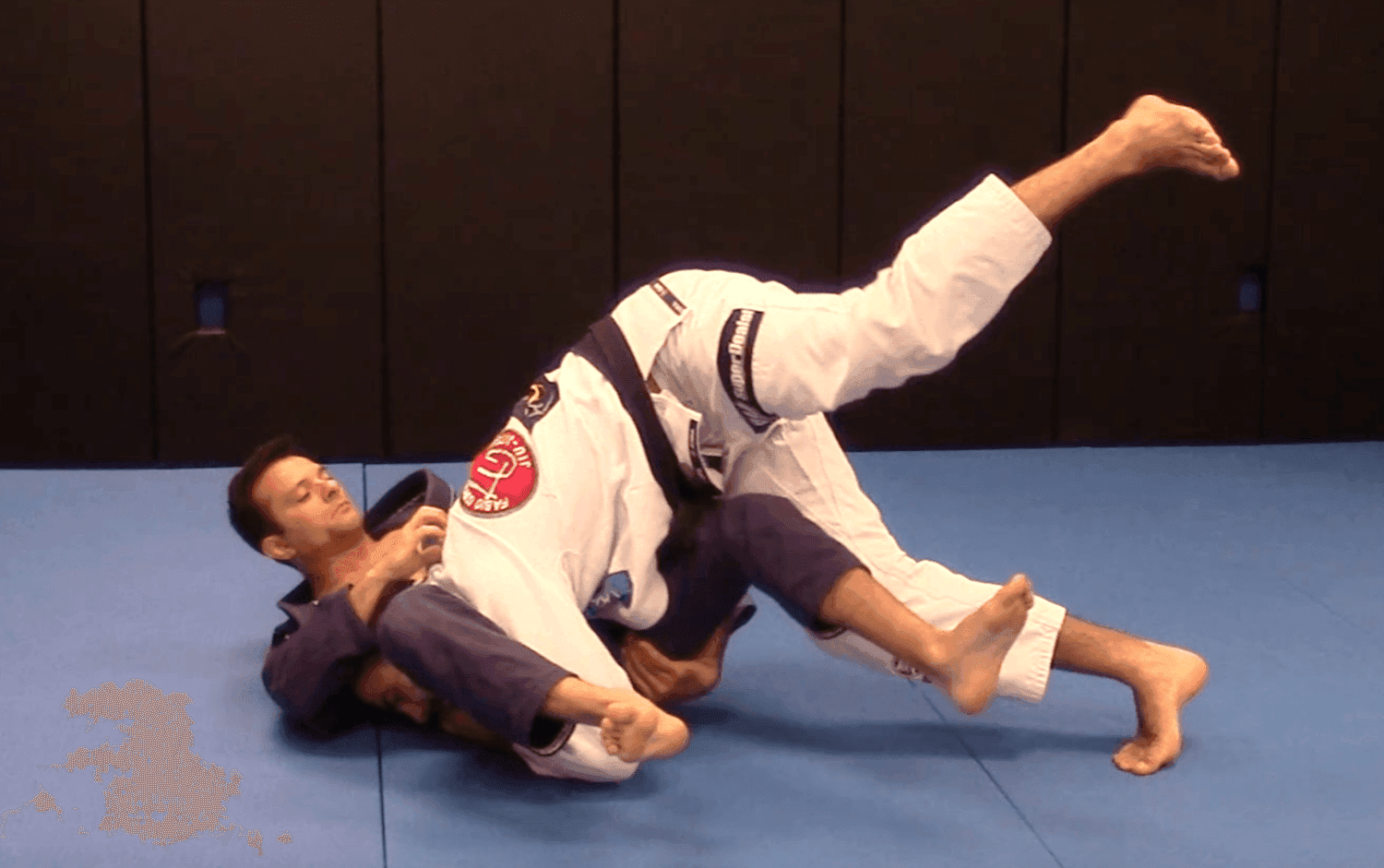
Troubleshoot the BJJ over-under pass through the entry, arm position, leg control, and transition to a pin. Improve the connection before adding pressure.
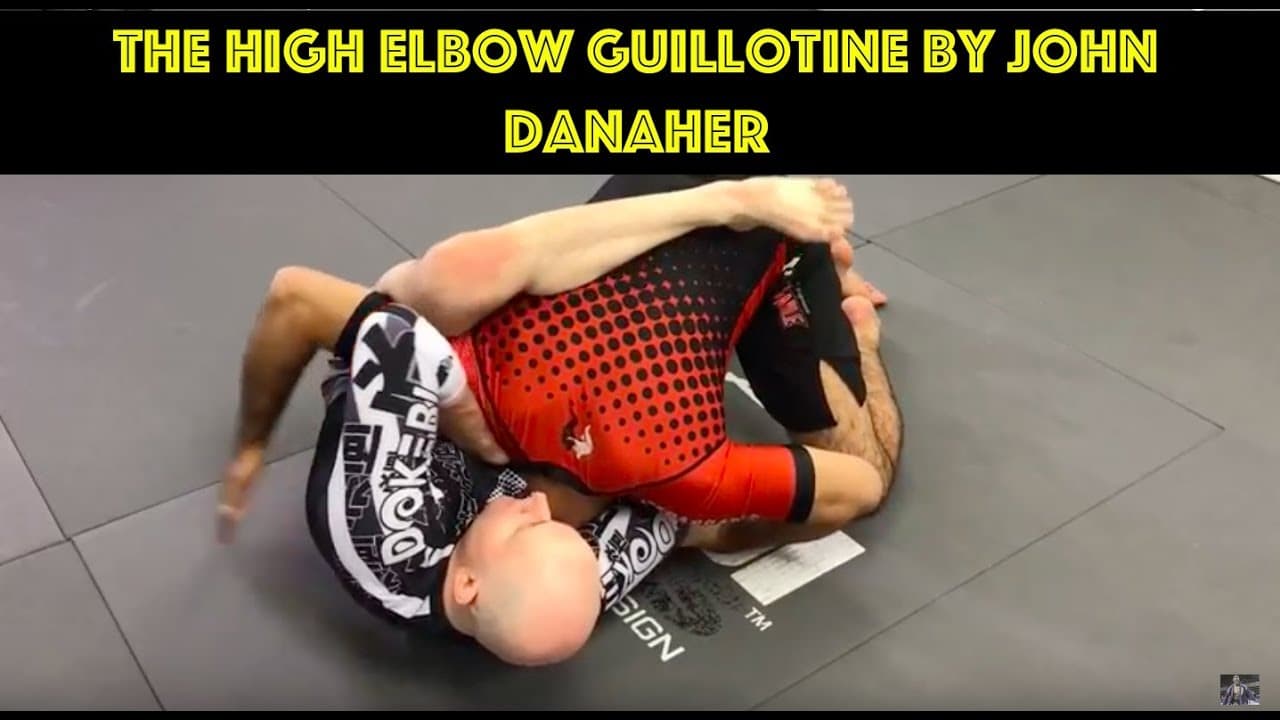
A guillotine grip is only part of the finish. Identify the variation, then study how your hands, elbows, and legs support the position before adding force.
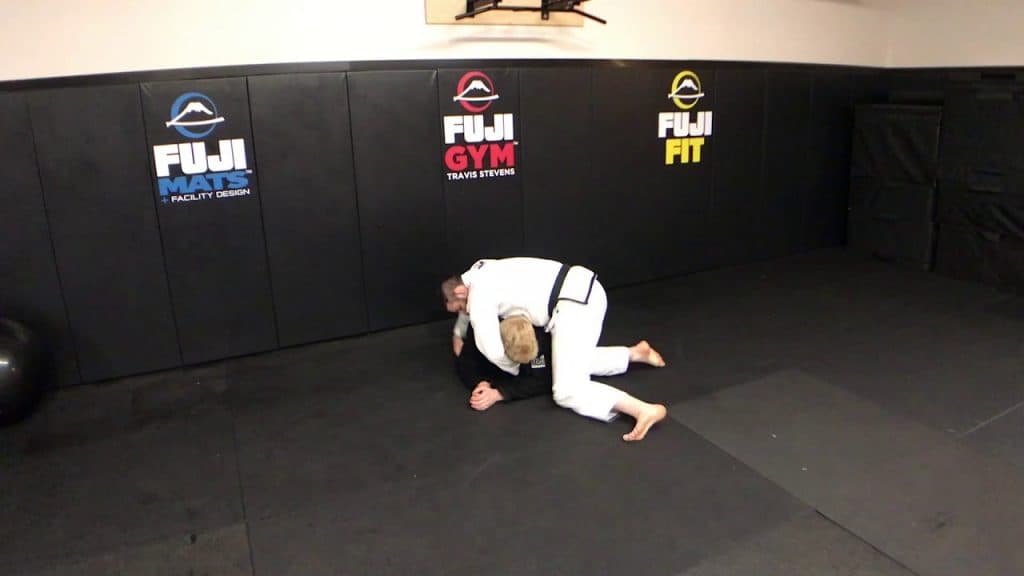
A head under your arm is an opening, not a finished attack. Check front-headlock control before choosing a choke, a go-behind, or a positional reset.
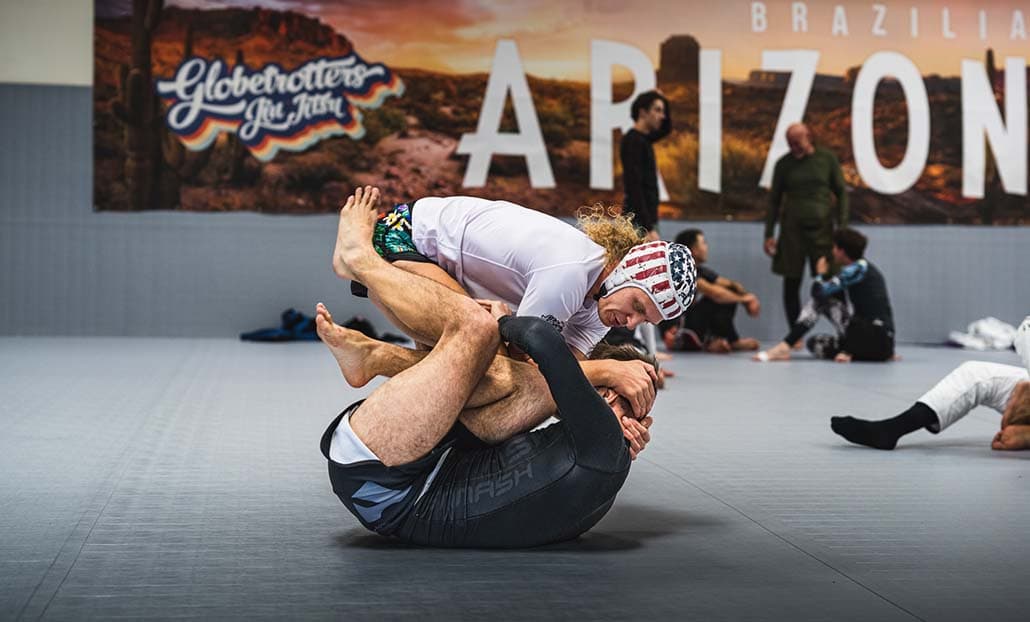
An underhook can help you turn, rise, or connect to an opponent. Learn to judge what it changes instead of treating the grip as a finished position.
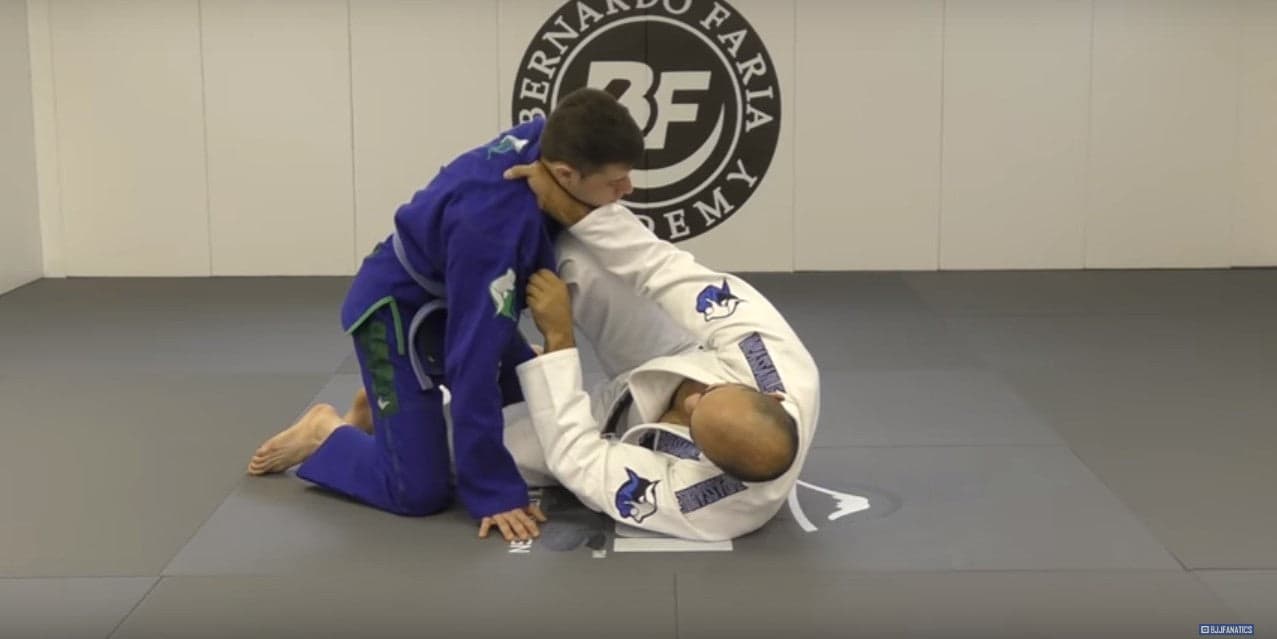
A knee shield should control distance and create your next exchange. Learn what changes with shield height, hand position, and the passer's angle.
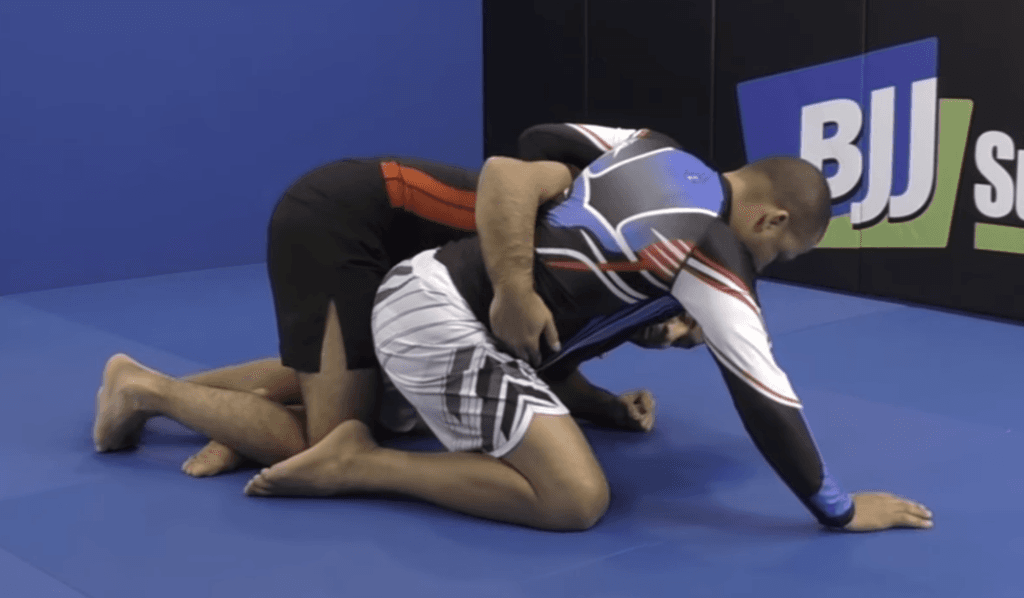
An underhook gets you toward the half guard dogfight. Leg control and the opponent's reaction decide the next exchange; study both before forcing a sweep.
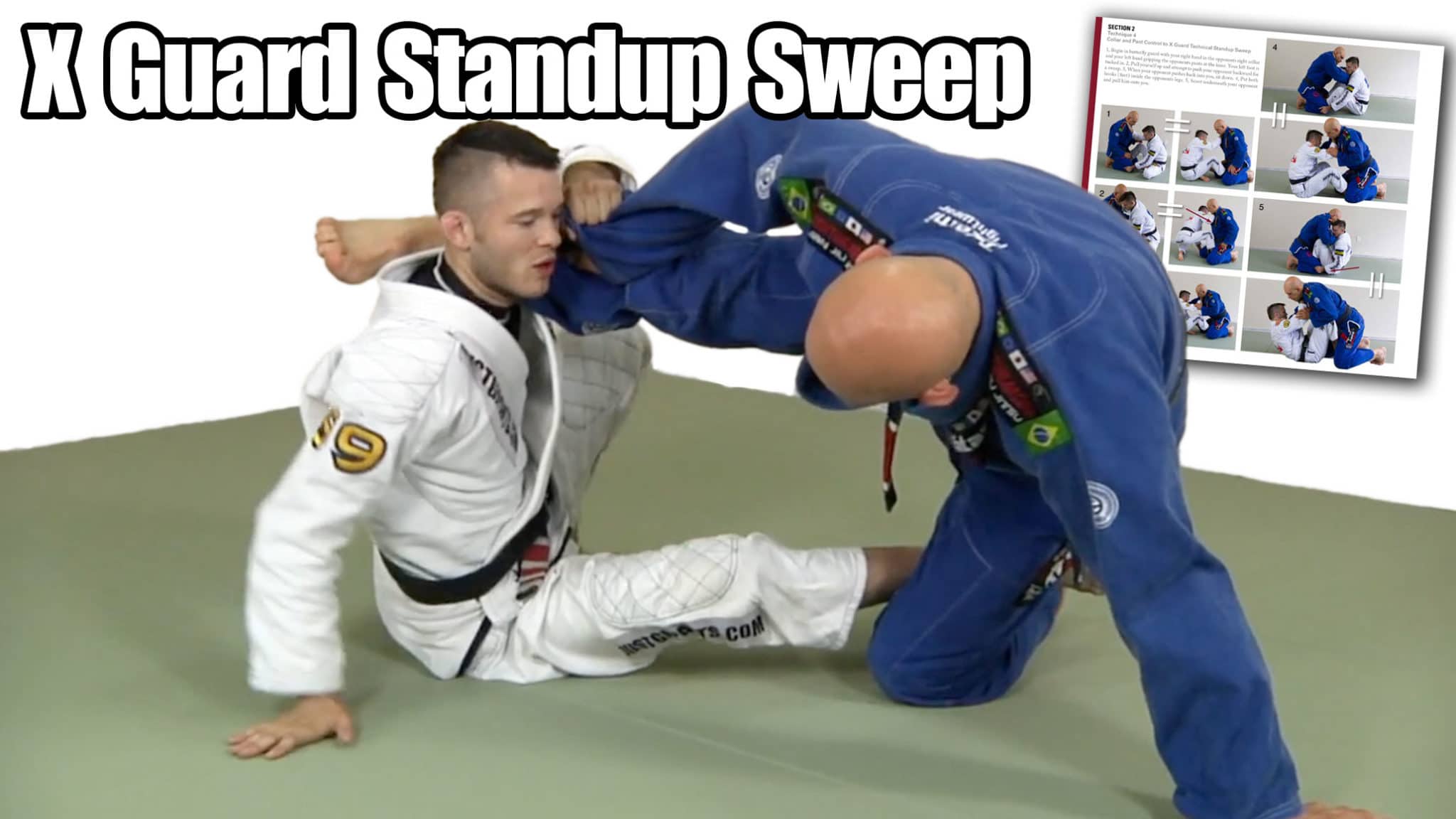
Build an X-guard standup sweep around a clear balance reaction. Study the leg on your shoulder, the opponent's hand post, and the moment to get up.
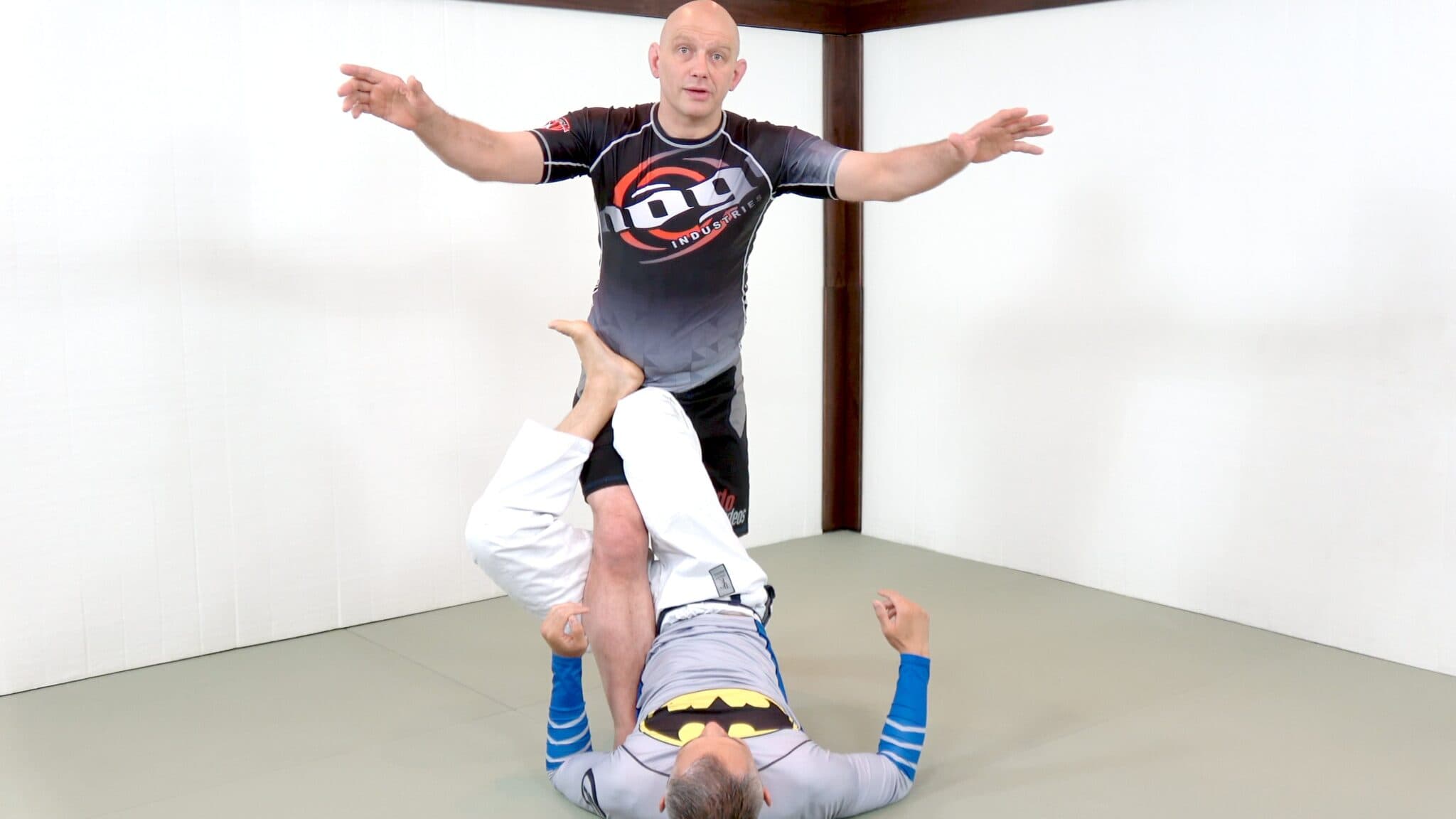
Single-leg X is a sweeping guard as well as a route to leg attacks. Read the far leg, create a balance reaction, and practice arriving on top.
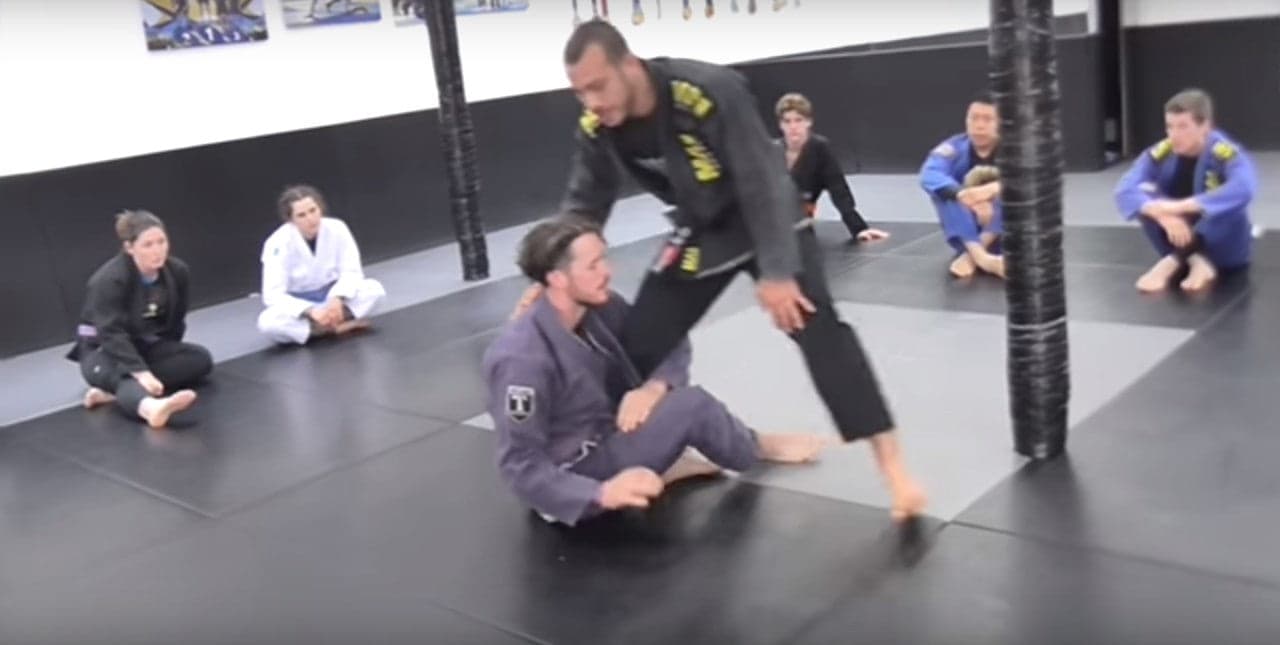
A shin-to-shin entry should bring the opponent with you. Study the seated connection, free knee, and weight shift before moving into single-leg X.
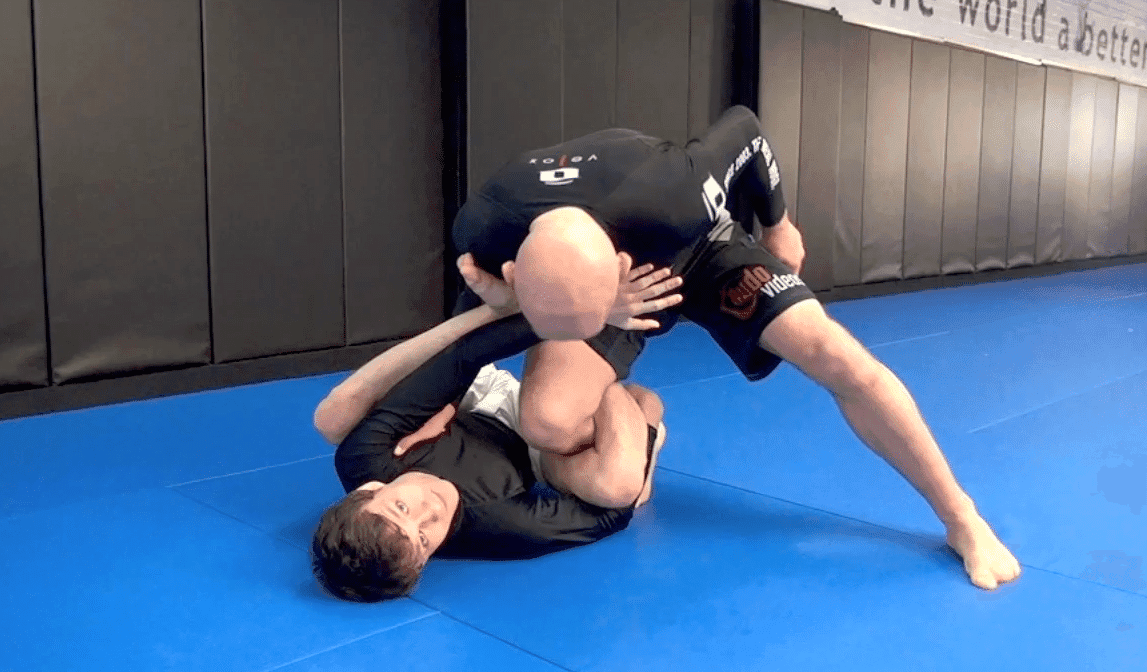
Use reverse de la Riva to study guard recovery against the knee cut. Understand the inside hook and supporting frames before chasing a spinning back take.
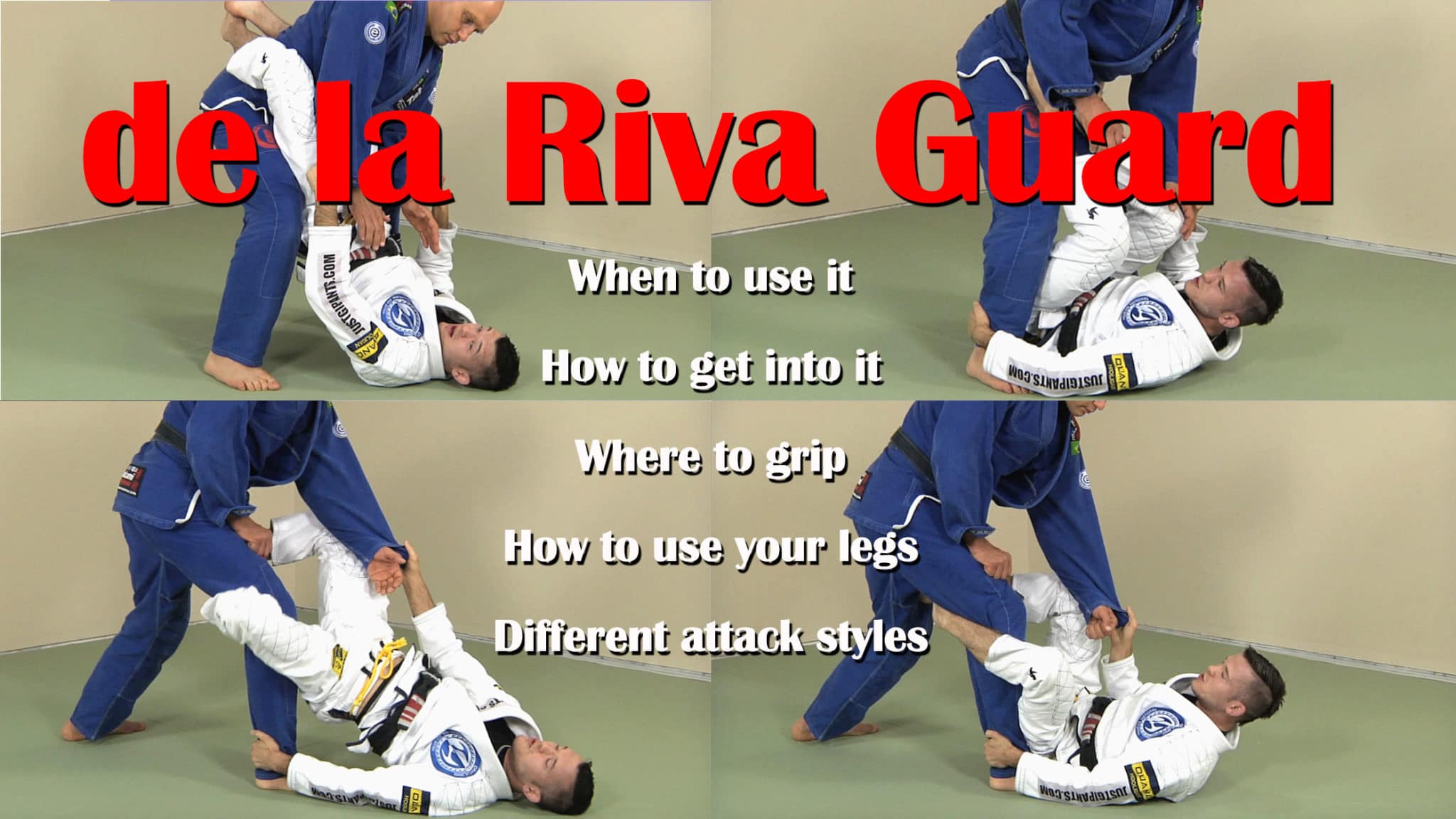
Your de la Riva hook is in, but the passer is comfortable. Study ankle control, the free leg, and the balance reaction that makes an attack possible.
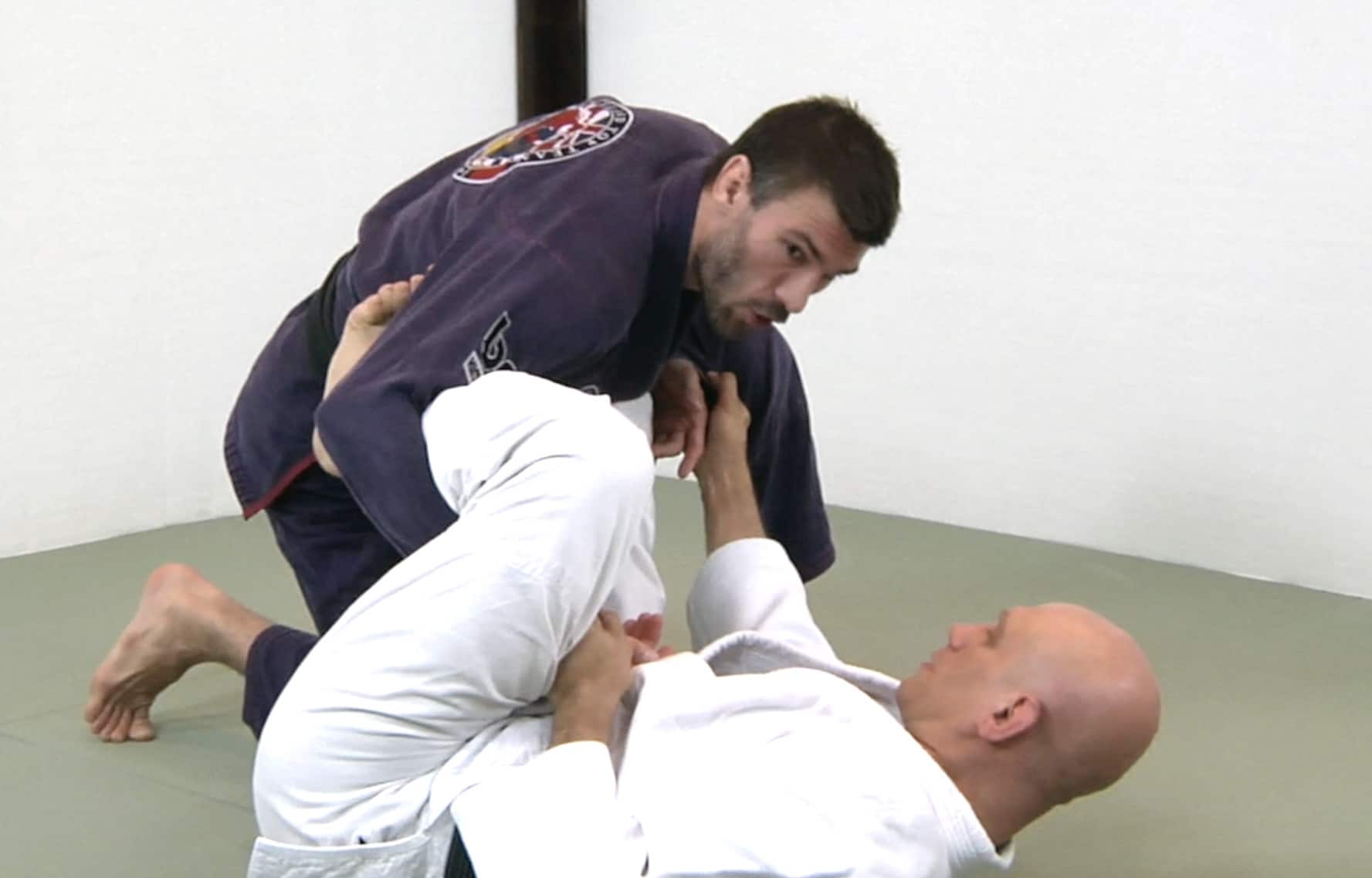
A lasso hook can buy time or trap you in a grip battle. Give the free leg a purpose, keep useful sleeve control, and recognize when to change guards.