

Closed guard posture: find out what is keeping you folded
Quick answer: Posture inside closed guard concerns the relationship between your upper body, base, and the opponent's controls. Sitting upright for a moment doesn't mean you've solved it. Ask your coach to identify what is pulling you down, what movement remains available, and which controlled recovery fits the position.
You sit up, begin to move a hand, and immediately fold forward again. The instruction to keep posture is familiar. The part that remains unclear is what, exactly, was supposed to keep you there.
That is a narrower and more useful problem than deciding you are simply bad inside closed guard. It gives a coach something to examine: the starting position, the opponent's contacts, and the moment your arrangement changes.
I think posture becomes easier to study when the word describes a relationship instead of a photograph. An upright torso is visible. Whether that arrangement lets you move while the opponent works is another question.
Name the position before correcting the shape
Closed guard describes a bottom player's legs closed around the opponent, but it doesn't settle the rest of the configuration. The upper-body contacts, arm positions, and available space can differ considerably between two examples with the same name.
Begin by describing the actual arrangement. Where are both hands? Is the bottom player controlling clothing or the upper body? What happens when the top player tries to move? Those questions tell the coach more than a general complaint about being stuck.
The BJJ positions resource gives a broader orientation if the vocabulary is new. Use it to recognize the position, then return to the particular contacts the lesson concerns. Knowing the name doesn't tell you which variation is in front of you.
Avoid copying a still image without its starting conditions. A demonstrated posture may depend on a grip or body relationship the screenshot hides. Ask the coach to reconstruct those conditions rather than forcing your body to resemble the final frame.
Posture has a job in the exchange
The public listing for Gracie University's Posture Prevention lesson, led by Rener and Ryron Gracie, connects posture in sport grappling with limiting attacks and creating passing opportunities. The listing supports that broad purpose; it doesn't supply every answer to every closed-guard configuration.
For your own lesson, make the job more specific. Perhaps the coach wants you to recognize an opponent's attempt to bring your upper body forward. Perhaps the task is to move one hand while keeping a usable arrangement elsewhere. Those are things partners can observe.
Don't treat the word as a promise of immunity. A person can appear upright while the opponent continues developing a different attack. Your coach should explain the particular threats and choices relevant to the exercise.
That turns posture into a question about available action. What can you do from here, and what can the opponent still do? The answer may be limited, which is preferable to attaching a universal guarantee to a familiar instruction.
Find the contact that changes the arrangement
If the same collapse keeps occurring, slow the exchange down enough to see what happens before it. The visible moment of folding forward may be the consequence of a change that began earlier.
Ask the partner to reproduce the setup at a controlled pace. Identify the contact that is already present, the movement the partner adds, and the point at which your original arrangement no longer holds. Keep the coach involved so the observation doesn't become an improvised submission lesson.
This doesn't require assigning a single cause immediately. The partner's pull, your hand movement, and a change in base may occur close together. Footage can show the order without proving which factor explains everything.
Choose one thing to inspect at a time. If the coach changes the starting grip for the next repetition, compare the result while acknowledging that the setup has changed. A useful experiment makes the question clearer instead of treating every different outcome as confirmation of the first theory.
Separate recovering posture from opening the guard
A student can be in a hurry to open the legs while the upper-body problem remains unresolved. That can make the next instruction difficult to follow because it assumes an arrangement the student hasn't yet established.
Ask the coach which part the current exercise is teaching. If the task is posture recovery, give that task a clear endpoint before adding the opening sequence. If the task is an opening, check what posture and contacts the coach expects at the start.
The article on opening closed guard while standing considers a related problem. It isn't a universal replacement for every closed-guard situation, and reading about it doesn't establish permission to improvise a standing drill with an unsuspecting partner.
A sensible lesson can connect the tasks later. First make the prerequisite visible: what must remain available for the next movement to be possible? That question often reveals more than repeatedly trying the whole sequence faster.
Gi and no-gi require an honest translation
Clothing changes the available handles. A gi explanation can depend on contacts that a rashguard doesn't provide, while a no-gi example may begin with a different upper-body arrangement. The broad question about posture survives, but the details need translating.
Don't preserve a clothing grip by grabbing a partner's rashguard in a no-gi round. Ask the coach what permitted contact is meant to serve the relevant job. The answer belongs to the position and rules being practiced.
When reviewing an instructional, identify the format before carrying a detail into class. The coach may be able to show an analogous idea, or may explain that the same sequence doesn't transfer cleanly. Either answer is more useful than pretending the garments are interchangeable.
Keep that distinction in your notes. A short label such as gi setup or no-gi setup can prevent a remembered hand position from drifting into a different lesson. Precision here doesn't need an elaborate technical vocabulary; it needs the starting conditions recorded accurately.
Give the bottom player an agreed task
A partner helps you learn when they know what the repetition is testing. If one person expects a cooperative posture exercise while the other begins a full attacking round, the lesson changes without either having agreed to it.
The coach can set a limited task: reproduce a particular control, apply a stated level of resistance, and reset when the chosen endpoint appears. The exact task should fit the partners' experience. It shouldn't be invented from a written article alone.
Before the first repetition, confirm:
Which position and contacts begin the exercise.
What the bottom player is trying to change.
When either partner or the coach will call a reset.
That agreement can be adjusted after a few repetitions. If the task is too easy or unclear, tell the coach what happened. Increasing resistance isn't the only available adjustment. A clearer starting grip or a narrower endpoint may produce a more useful answer.
Test movement instead of holding a pose forever
A static arrangement can help someone recognize a position. Eventually, the lesson needs to explain what happens when an athlete tries to do something from it. Ask the coach which small movement should be tested next.
That might be a permitted hand change or another step within the taught sequence. The relevant observation is whether the arrangement continues to serve its stated purpose. If it disappears immediately, examine the transition instead of condemning the entire position.
Keep the test controlled. There is no reason to add a surprise attack or force a partner through discomfort to demonstrate that a posture has limits. Stop and ask for help when the exercise becomes unclear.
I would rather write down that the position failed during one identified hand change than record posture bad. The first note gives the next lesson a place to begin. The second sounds decisive while saying very little about the exchange.
Compare the failed repetition with the useful one
A repetition that worked can be difficult to explain if you can't remember its starting contacts. Compare it with a nearby unsuccessful repetition while the details remain available. Ask the partner and coach what they noticed before deciding the difference.
Record what is visible. Perhaps a grip was established earlier, or a hand moved before the coach's intended moment. If you aren't sure, leave the explanation open. The observation still matters without an immediate theory.
Be careful when borrowing a successful example from a much more experienced athlete. The position can look similar while the opponent's responses and the athlete's options differ. Study a question from it rather than assuming the entire solution will transfer unchanged.
Your next goal can be modest: recognize the recurring control, explain the starting arrangement, and reproduce the coach's chosen response. That is enough to turn an annoying collapse into a specific lesson. It doesn't need a promise that closed guard will never cause trouble again.
The takeaway
Posture inside closed guard becomes more useful when you connect it to the opponent's controls and your next intended movement. Sitting upright is one visible detail. Understanding what keeps that arrangement available is the task to study with a coach.
Describe the position, isolate the recurring change, and practice a controlled response under clear partner instructions. Then connect it to the opening or passing lesson when the coach decides the conditions are ready. A better question about the collapse is more useful than another repetition performed without knowing what changed.
Find a coach to examine the position
Use Let's Roll's gym directory to find an academy and ask about classes suitable for your experience.
FAQ
Does good posture mean sitting as upright as possible? A photograph of an upright torso doesn't explain the whole position. Ask your coach how your base, contacts, and available movement fit the specific closed-guard configuration being taught.
Should I open the guard immediately? Follow the lesson and the coach's assessment of the position. Posture recovery and guard opening can be separate tasks, with starting requirements that need to be made clear.
Can I use the same grips in gi and no-gi? Clothing changes the available and permitted contacts. Ask your coach for the appropriate setup instead of treating the rashguard as a substitute gi.
What should I note after getting folded forward? Record the starting contacts and the movement just before the collapse. A specific observation gives the coach a better question than a general statement that your posture never works.

Nina Okada
Nina Okada explains positions the way a good training partner does: one problem at a time, with the limits of the explanation said out loud. She is careful about the difference between what footage shows and what it only suggests.
Related Posts
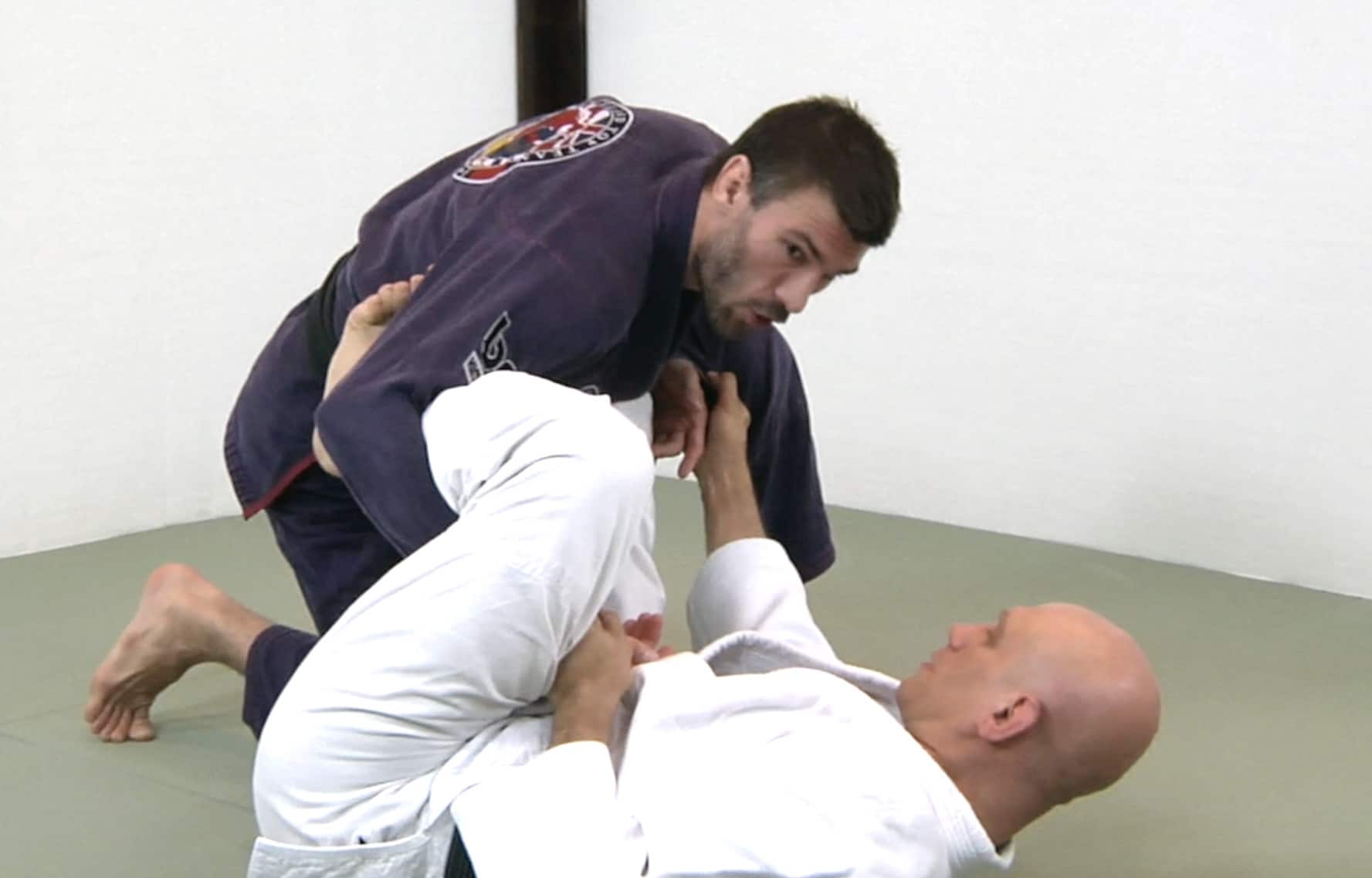
Lasso guard: know when to keep the sleeve and when to leave
A lasso hook can buy time or trap you in a grip battle. Give the free leg a purpose, keep useful sleeve control, and recognize when to change guards.
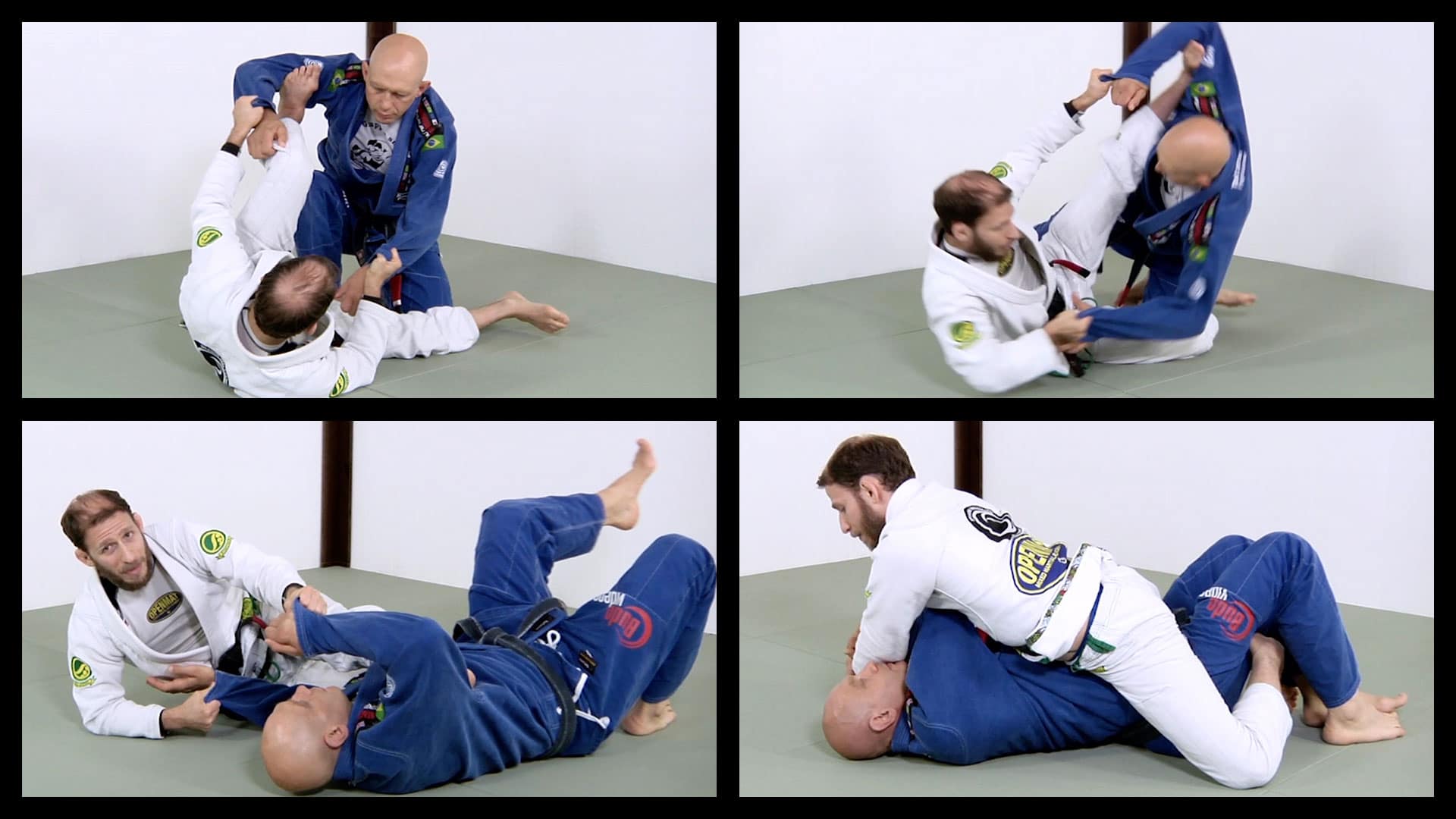
Spider guard: give each foot a job
Make spider guard easier to read. Learn how sleeve tension, different foot positions, and the passer's posture shape your next sweep or transition.
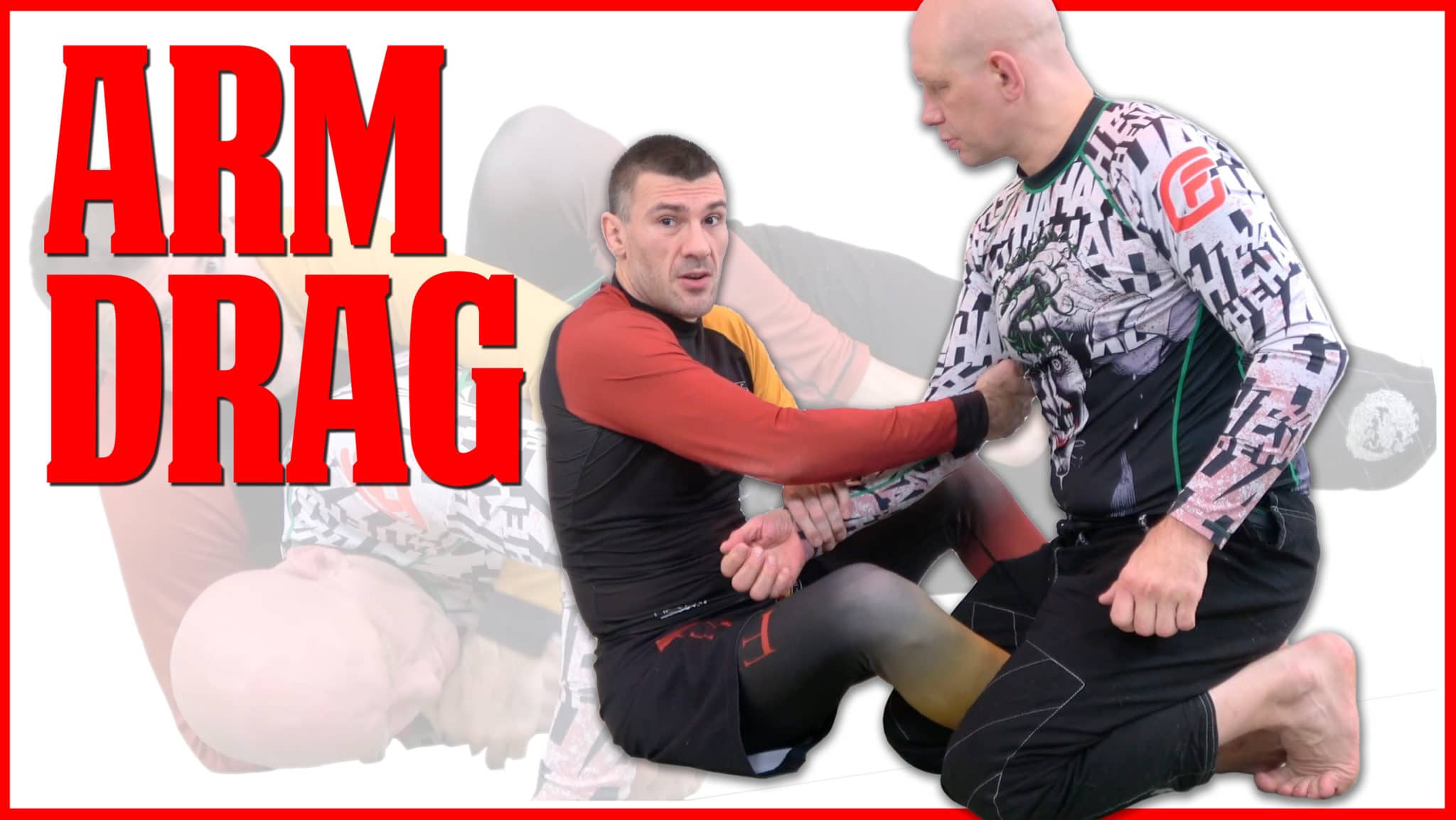
The seated arm drag starts before you pull the arm
The seated arm drag needs more than a wrist grip. Study the arm connection, hip movement, and reactions that open a back take or a route to top position.
Comments (0)
Loading comments...