

The body lock pass starts with the leg you have to clear
Quick answer: The BJJ body lock pass uses connected arms around the lower torso to limit space while the passer works past the legs. Check the guard player's inside foot and knee after the hands connect. The finish depends on clearing those barriers and replacing the control the clasp provided.
Two hands can meet behind a training partner and both of their feet can still be doing exactly what they were doing before. That is a real position with work left in it. It's also a better place to start learning the pass than the last frame of somebody's highlight.
I think the position gets clearer if you follow one leg all the way from the entry to the finish. Pick the side your coach is passing toward. Find the foot on that side, find the knee above it, and check where each one is after the next adjustment. A still image of the grip gives you roughly half the information you need.
Start with the leg inside the embrace
Imagine a seated guard player with the instep of one foot hooked against the inside of the kneeling passer's thigh. A second hook or an upper-body grip can help the guard player direct that connection. The passer has to manage the grips and the feet while deciding how close to get. Stephan Kesting treats the two kinds of connection separately in his written lesson on butterfly guard. Grapplearts butterfly guard lesson
Once the passer is close enough to connect around the lower torso, the useful question becomes how much room the guard player has to move their hips away. Lachlan Giles describes the connected hands as a way of restricting that space. His course outline has separate material on entering the lock, clearing the knee line, passing half guard, and finishing. That order makes the distinction easy to spot even before you open a lesson. SUBMETA low body lock course
Picture two versions of the same clasp. In the first, a foot still connects to the inside of the passer's leg and can move it. In the second, the same foot is caught across the passer's hip with little room to return. The hands may look identical. The passer's available route has changed.
Find out what the hook can still do
A butterfly hook can lift or follow the passer's leg. As the passer starts to move around the guard, that foot can travel with the thigh and keep the defender's knee between them. Moving a long way across the mat with the foot still attached gives the defender a long ride. The closer comparison is whether their leg has lost access to the space it was protecting.
Kesting describes a close passing approach that shifts the hips so one of the guard player's insteps moves across the passer's hip. His account describes using the passer's lower body to contain that leg. The detail I would watch in the demonstration is the change in direction of the foot. It ends up across the passer instead of continuing to act as a hook on the inside of one leg. Grapplearts hip shift explanation
That example makes a useful diagnostic for a familiar training complaint. Suppose your partner keeps lifting you as soon as you try to advance. Ask where their instep is at that instant. A surviving inside hook is an observable possibility. It gives you something more specific to bring to the coach than a request for a stronger grip.
The knee can stay in the way after the foot moves
Look again after the instep moves across. The defender's knee may still sit in the intended path of the passer's thigh. For this discussion, clearing the knee means getting the passing leg beyond that barrier in the direction the coach is teaching. The measurement belongs to the two bodies. Two knees that look level in a side view might be doing different jobs depending on where the hips are pointing.
Giles's curriculum separates clearing the knee line from passing the ensuing half guard. A practical inference is to check for a leg still caught lower down after the knee clears. In a hypothetical repetition, the passer gets the knee to the floor, then tries to square up while their foot is still held between the other person's legs. The obstacle has moved. Identifying the captured foot helps you pick up the right part of the lesson. SUBMETA course outline
This also gives the receiving partner a useful role in a drill. Hold the agreed leg contact long enough for the passer to recognize it. If the foot comes free because you opened your legs on cue, the two of you can discuss that as part of the exercise. The pace can stay slow enough to see what is holding what.
Follow a half guard example through its finish
A published Gordon Ryan lesson gives one version of the transition. Ryan starts inside half guard, where his partner's legs contain one of his legs. The partner rises with an underhook. Ryan takes an underhook of his own on the near side and establishes the body lock. The instructional publisher's account then describes how he changes the leg positions to clear the trapped leg. BJJ Fanatics half guard pass lesson
Read the finish in terms of the support Ryan gives up and the support he adds. The account describes him keeping a wide knee post available as he clears a leg. A knee against his partner's hip and a change in head position then help him transition to side control. The clasp stays in place until those later controls are set. The hands finally separate so an arm can take over behind the head. BJJ Fanatics half guard pass lesson
These are details of that version. For someone learning from it, the most informative moment may be the quiet one just before the hands open. Identify the new contact at the hip. Then find where the defender's knees would have to travel to get back between the bodies. That tells you what the new position has to hold.
The bottom player has decisions after the lock
A passer who remembers the clasp as the big event may forget to watch what the person underneath does next. In his published guard-retention outline, Ryan treats stopping the lock and off-balancing once it is connected as separate problems. The outline also includes recovery from butterfly half guard and a later recovery after the passer appears to be through. It offers a helpful sequence of moments to look for from the other side of the exchange. BJJ Fanatics guard-retention outline
For an original training example, imagine the defender gets a knee back inside just as the passer reaches for head control. The earlier escape of the passing foot can have worked perfectly. The newest problem belongs to the transition out of the clasp. Ask the coach to stop the demonstration there and explain which contact was intended to occupy the gap before the hands separated.
That question is more precise than grading the entire attempt as a failed pass. It also respects the guard player's work. A person who recovered a knee late in the exchange solved a different problem from a person who kept both hooks throughout.
Use a drill that tells you where the pass stalled
Choose a starting position your coach has already shown. Agree on one job for the bottom player, such as preserving the foot connection your coach is studying. Pick a point to stop. You can add a different response after both partners can describe what happened at the first one.
A partner watching the repetition could use these checks.
Confirm which leg was the first obstacle and where its instep began.
Look for the point at which the passer got their knee beyond the defender's knee.
Check whether the passing foot remained contained after that change.
Identify the new hip or upper-body contact before the clasp opens.
If an observation is hard to make, pause and switch the viewing angle. A partner facing the passer's back may have an excellent view of the clasp and almost no view of either foot. Recreate the position with your coach's permission so the class can see the part that needs an answer.
A basic understanding of butterfly guard helps here. Pay particular attention to which foot is responsible for the movement you see. Let's Roll's butterfly guard guide
Pick an endpoint that includes control
I would separate two possible endpoints in practice. In a knee-clearing drill, the coach may stop the rep when the specific leg obstacle is past. In a passing round, the intended endpoint could be a stable top position. Agree before starting. Otherwise the bottom person may continue recovering guard while the passer is already treating the rep as finished.
If you are watching a clip, use a short sequence that includes the first movement after the pass. Look for where the defender's near knee ends up. If it comes back through, ask what space appeared and when. A single freeze-frame can document that the leg was outside at one moment. The next exchange shows whether the new control held.
The same distinction comes up when a knee cut leaves the passing foot caught. Review that example alongside the body lock and identify the obstacle separately in each position. Let's Roll's trapped-foot example
The takeaway
Follow the defender's first hook and knee through a body lock pass. Identify what they can still do once the hands connect and what has to change for the passing leg to continue. Watch for a trapped foot after the knee clears.
Choose one transition for your next coached repetition. If the pass gets as far as side control, check which contact took over as the clasp opened. That gives both partners a clear place to pause and compare what they felt.
Bring the question to class
Ask a local instructor to show the moment when the body lock gives way to the finishing control. Find a BJJ gym on Let's Roll
FAQ
What does a BJJ body lock pass control? The connected arms limit space around the lower torso. The passer still has to deal with the defender's leg contacts and establish the intended top position.
What is a butterfly hook in this position? It is a foot placed inside the other person's leg, with the instep making the connection. Watch whether the hook can still follow or lift that leg.
Can a body lock pass go through half guard? Yes. Published lessons include versions that start in or go through half guard. Follow the leg that stays caught so you can identify which part of the pass you are practicing.
When should I open the clasp? Check the finish your instructor is teaching. In the half guard example above, the passer changes his knee and head position before releasing the lock for side control.

Nina Okada
Nina Okada explains positions the way a good training partner does: one problem at a time, with the limits of the explanation said out loud. She is careful about the difference between what footage shows and what it only suggests.
Related Posts
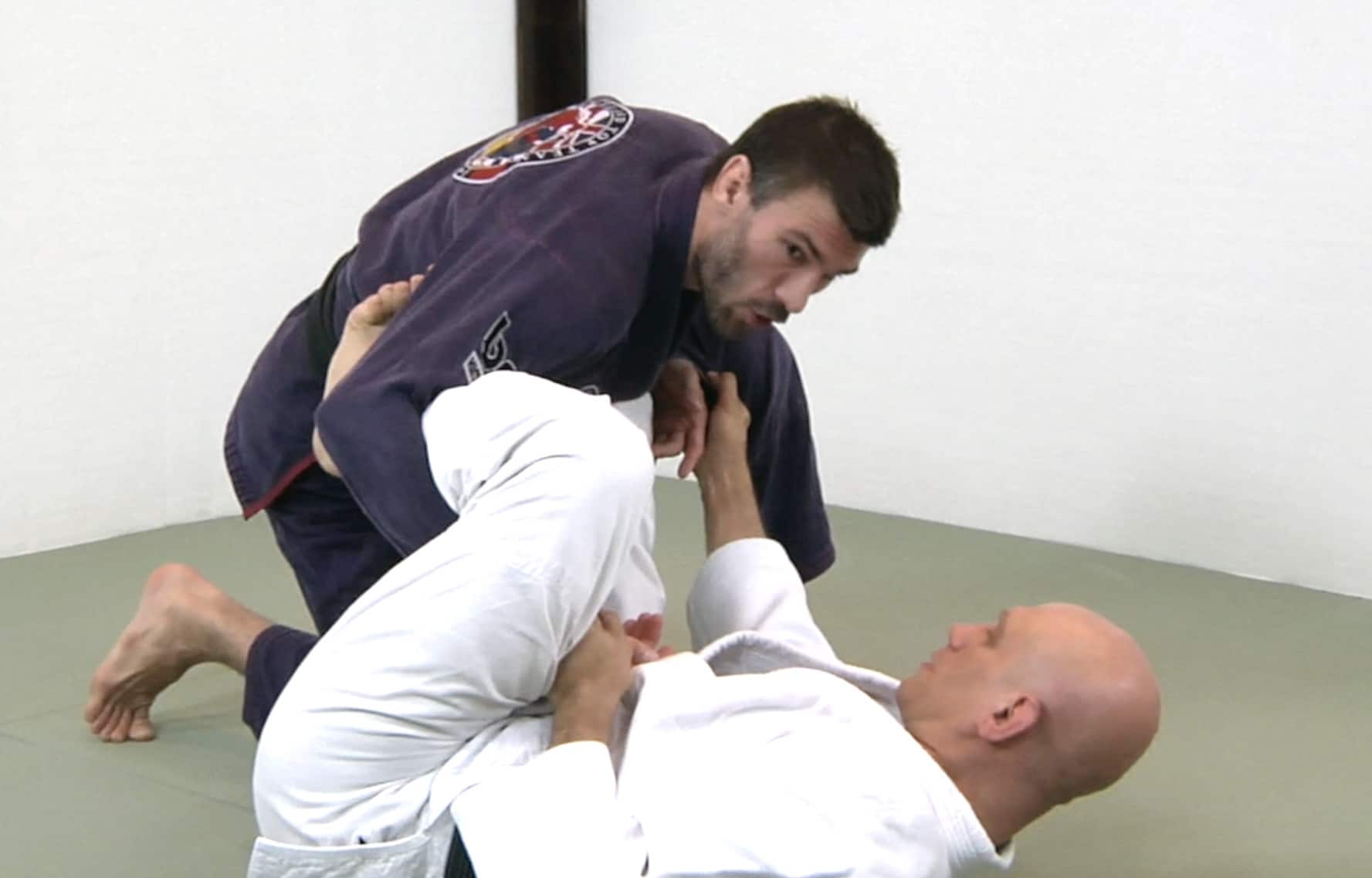
Lasso guard: know when to keep the sleeve and when to leave
A lasso hook can buy time or trap you in a grip battle. Give the free leg a purpose, keep useful sleeve control, and recognize when to change guards.
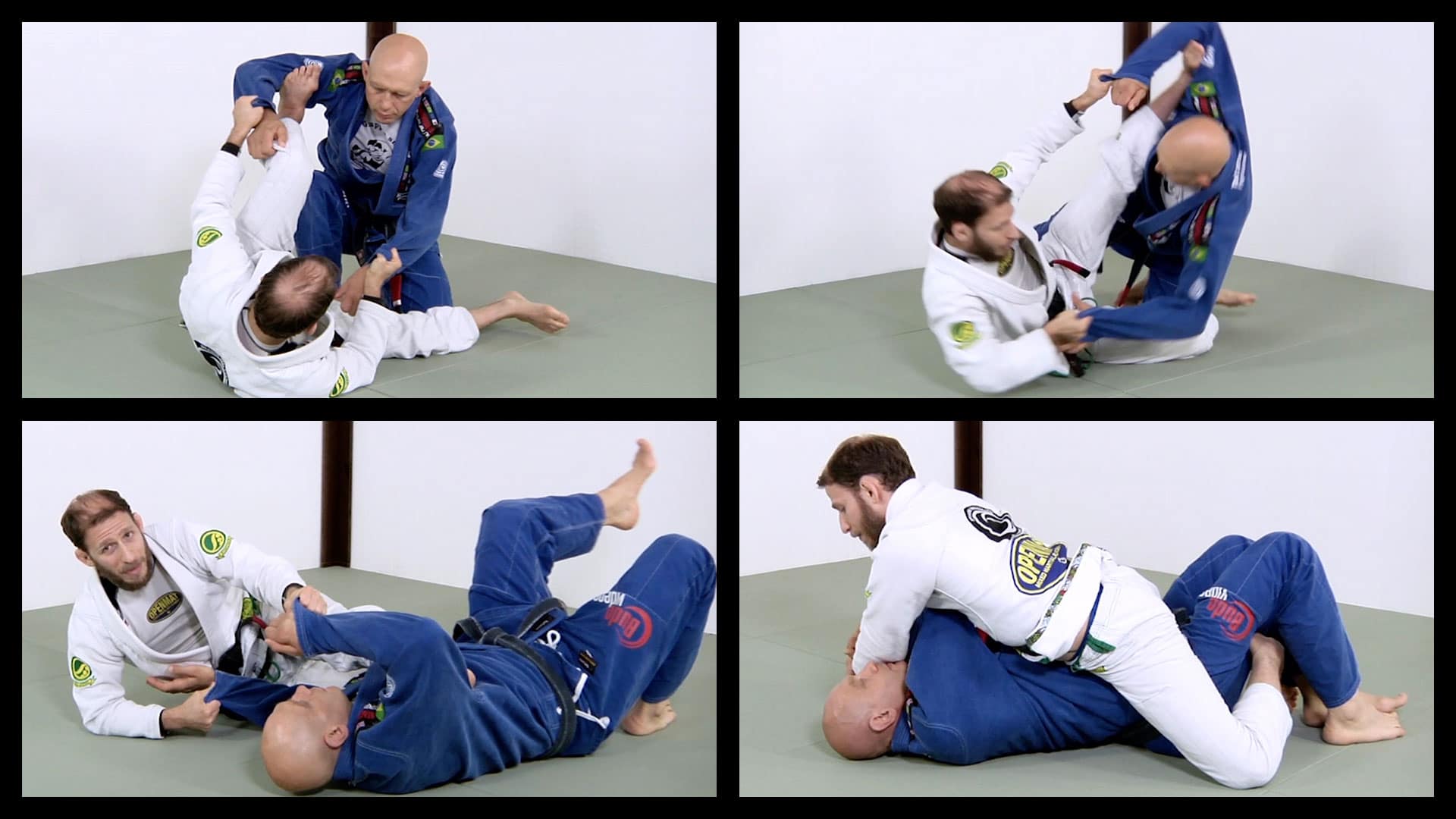
Spider guard: give each foot a job
Make spider guard easier to read. Learn how sleeve tension, different foot positions, and the passer's posture shape your next sweep or transition.
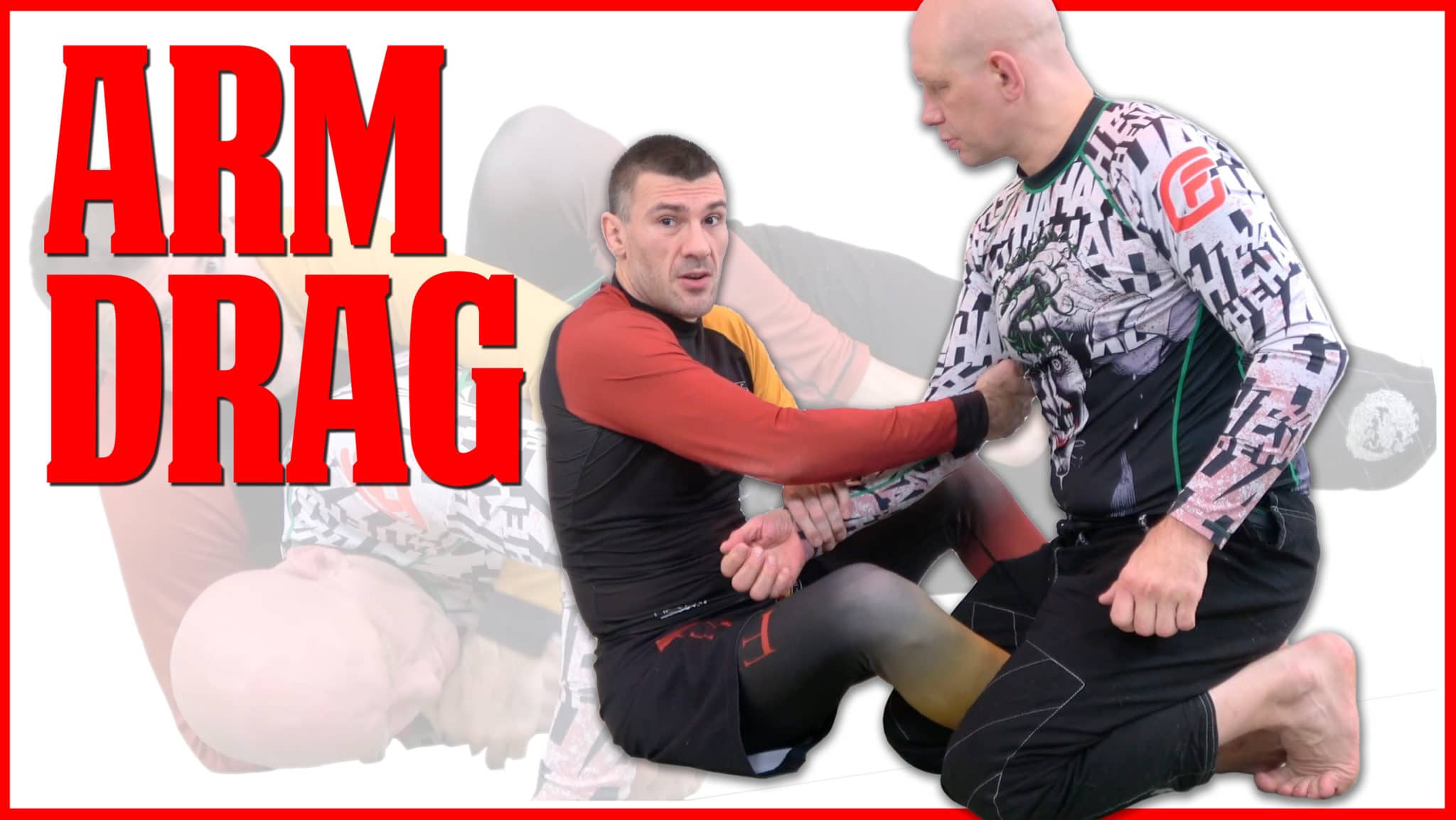
The seated arm drag starts before you pull the arm
The seated arm drag needs more than a wrist grip. Study the arm connection, hip movement, and reactions that open a back take or a route to top position.
Comments (0)
Loading comments...