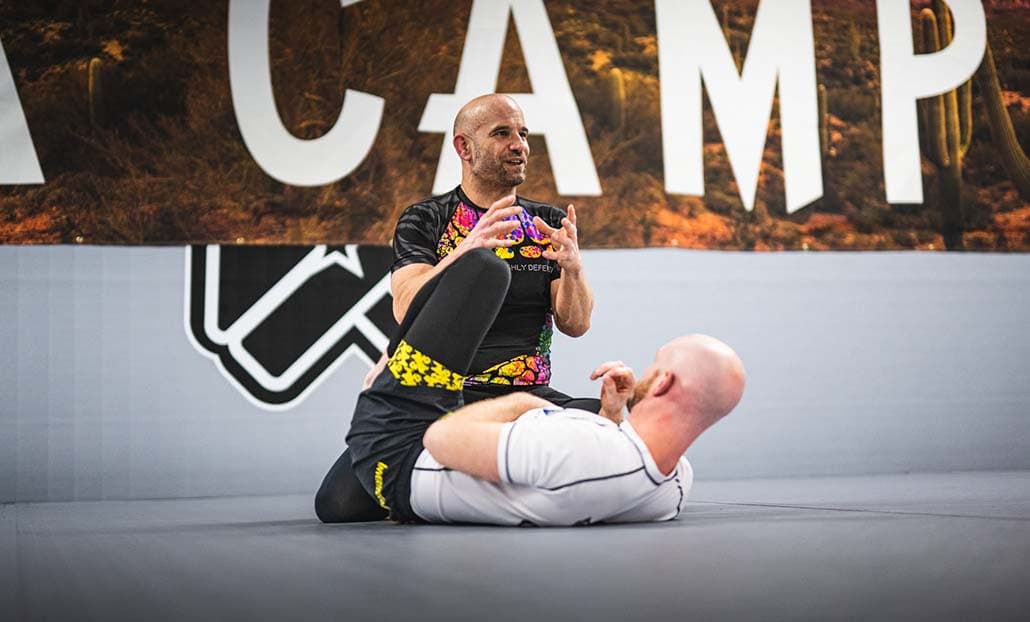
Training
Online jiu-jitsu training: choose the format you need
Compare online BJJ libraries, structured courses, recorded classes, and feedback options before committing your time or paying for access.
Nina Okada8 min read

Training, technique, and the culture of Brazilian Jiu-Jitsu
33 articles
Compare online BJJ libraries, structured courses, recorded classes, and feedback options before committing your time or paying for access.

Plan a home BJJ mat area around usable floor space, storage, setup, and specific practice, before buying mats or equipment.
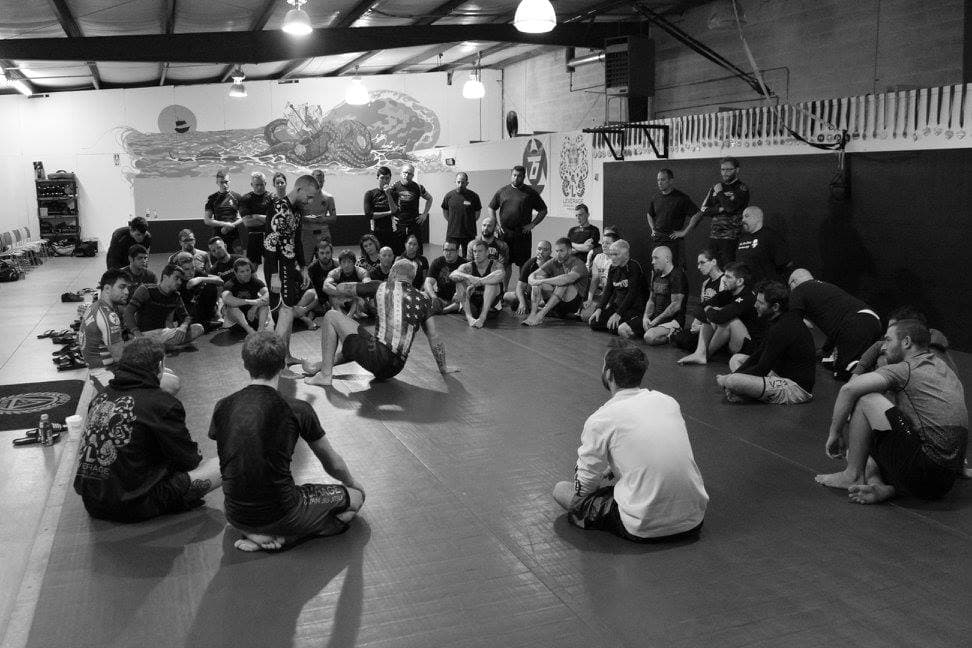
Cover an adult BJJ class with a plan agreed by the head coach. Keep the lesson focused, supervise partners, and leave clear handover notes afterward.

Turn a BJJ seminar into a useful week of practice. Organize your notes, mark missing details, choose one task, and follow the host's recording rules.
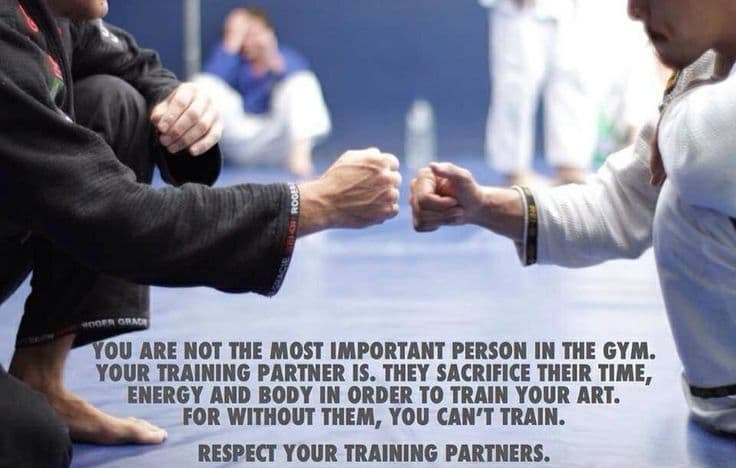
A weight gap changes a BJJ round. Use clear starting positions, agreed tasks, and controlled resets so training partners of different sizes get useful work.
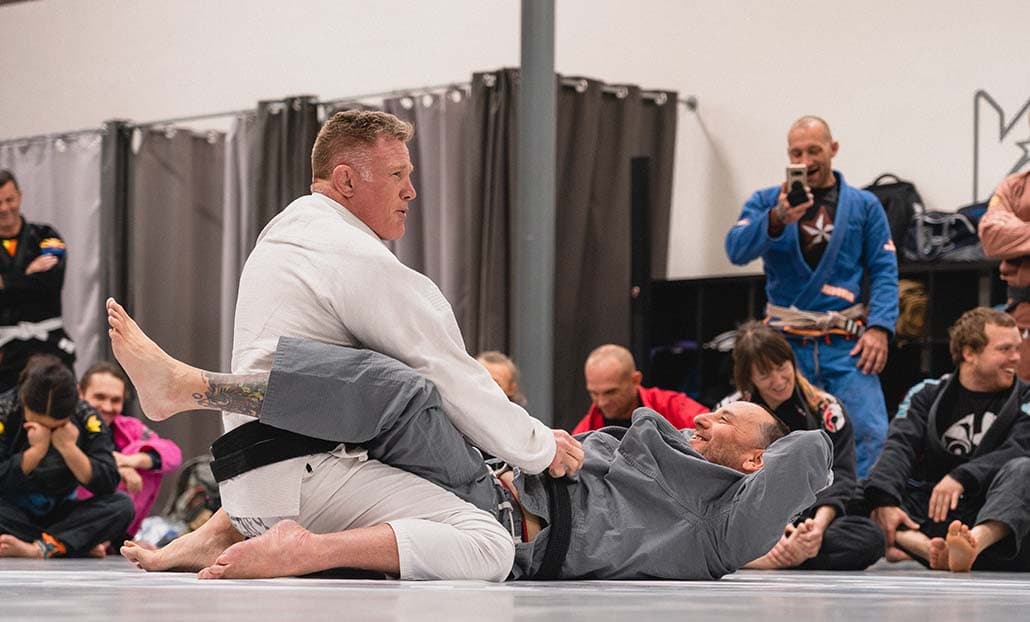
Find the missing piece in your gym's current material, ask a precise question, and return to practice without building a second curriculum.
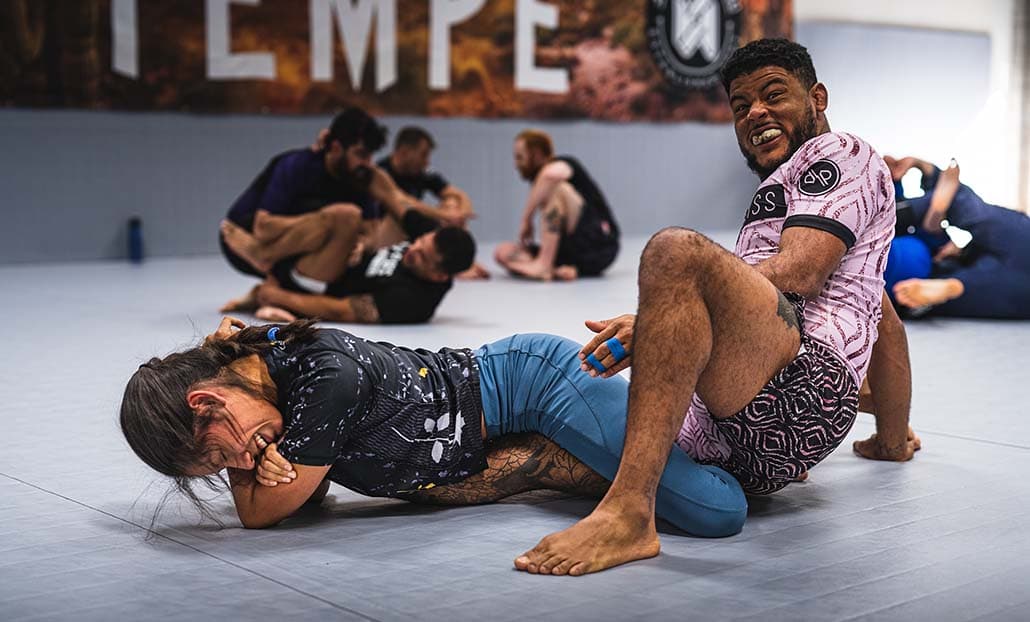
Plan your first month back around the life you have now, with clear expectations, manageable rounds, and a membership that fits.
A secondhand gi can be good value. Check its actual measurements, wear, care history, and intended use before comparing the price.
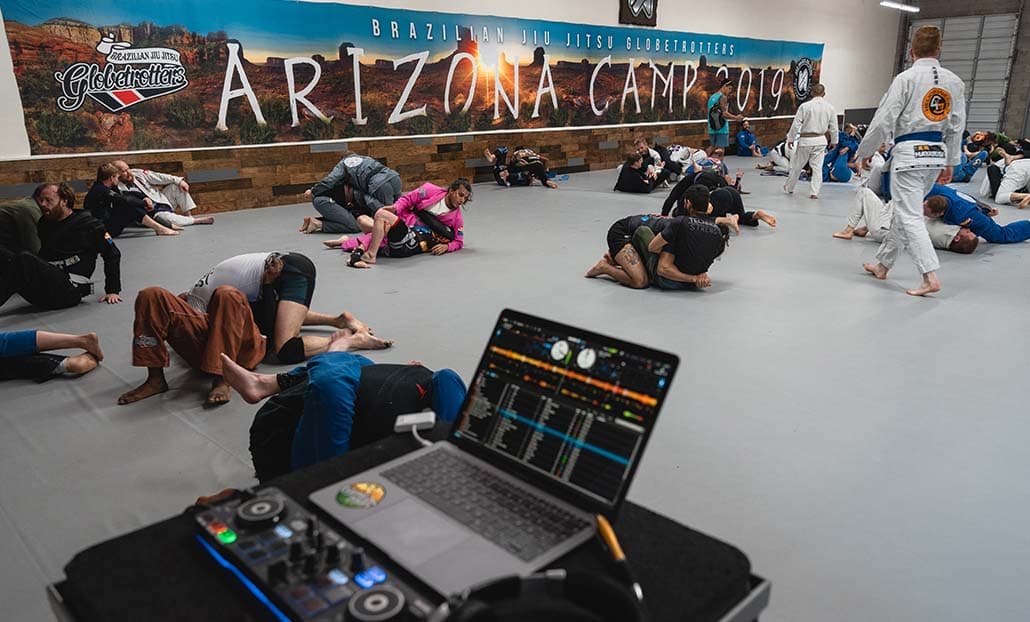
Fit lunchtime jiu-jitsu around the whole trip: class timing, changing, food, transport, and the meeting you still need to make.
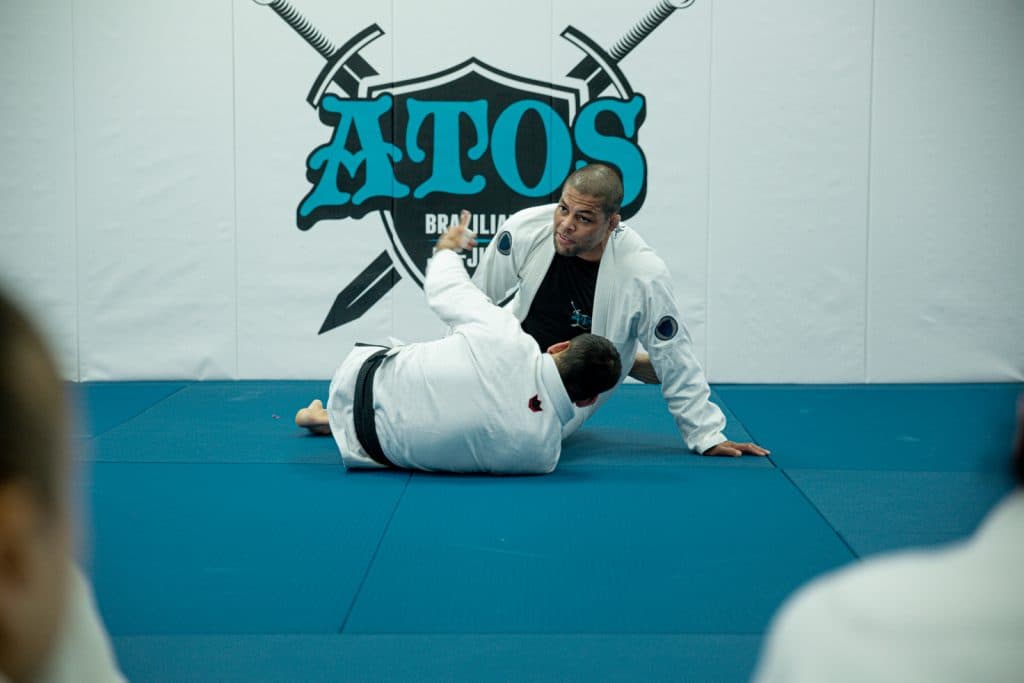
Make a BJJ private lesson useful: choose a specific problem, send relevant footage, confirm booking details, and leave with a focused practice plan.

There are over 3,000 BJJ instructionals and 5,800 hours of them. Most people get worse results from buying more. Here's how to pick one and study it properly.
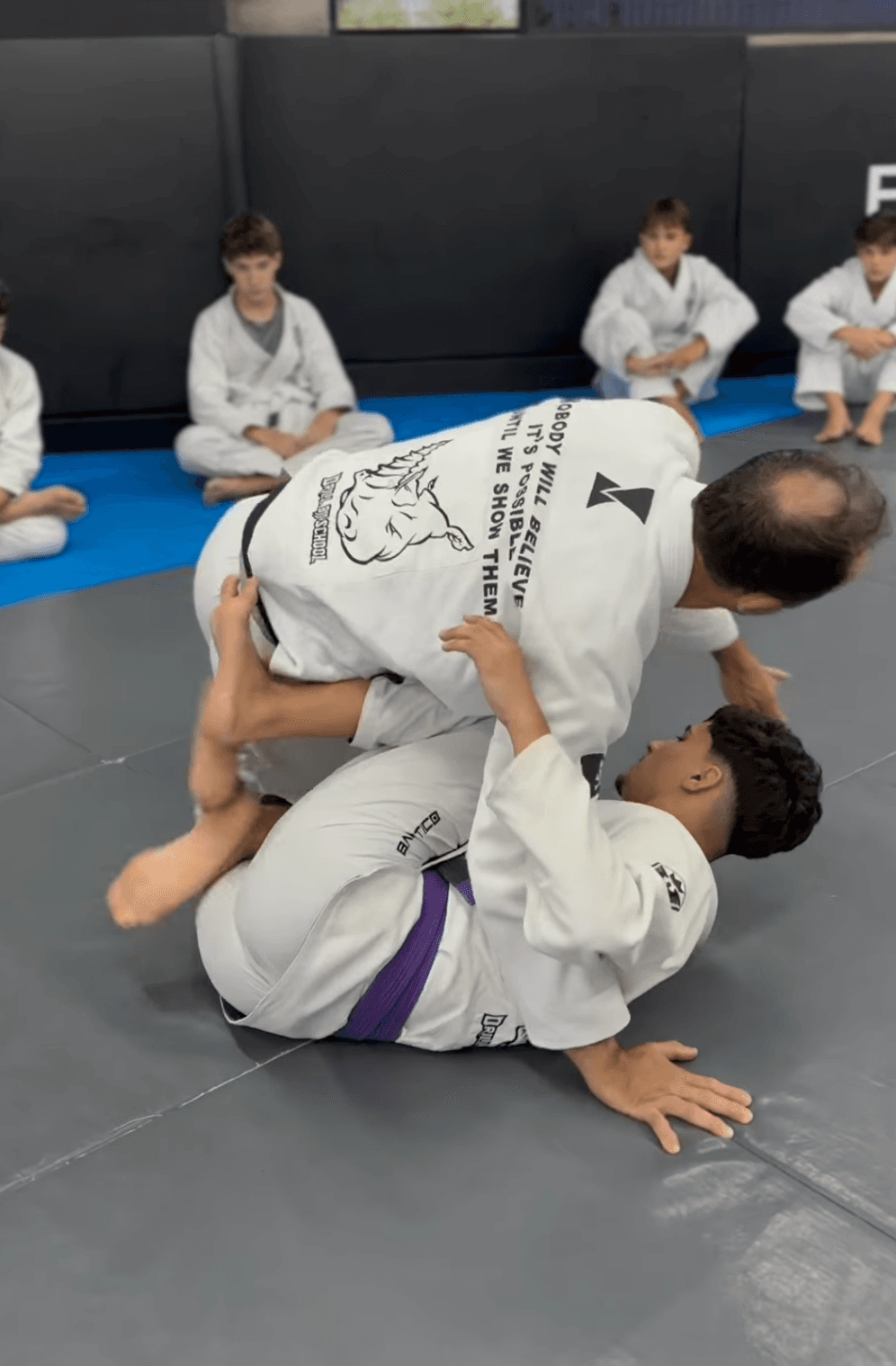
Reps, positional sparring, or constraints-led games? The drilling argument is genuinely unsettled. Both sides, plus what to do in the five minutes after class.
How BJJ promotions really work: who decides, why there's no test, what to do when you get passed over, and why some people quit right after they're promoted.
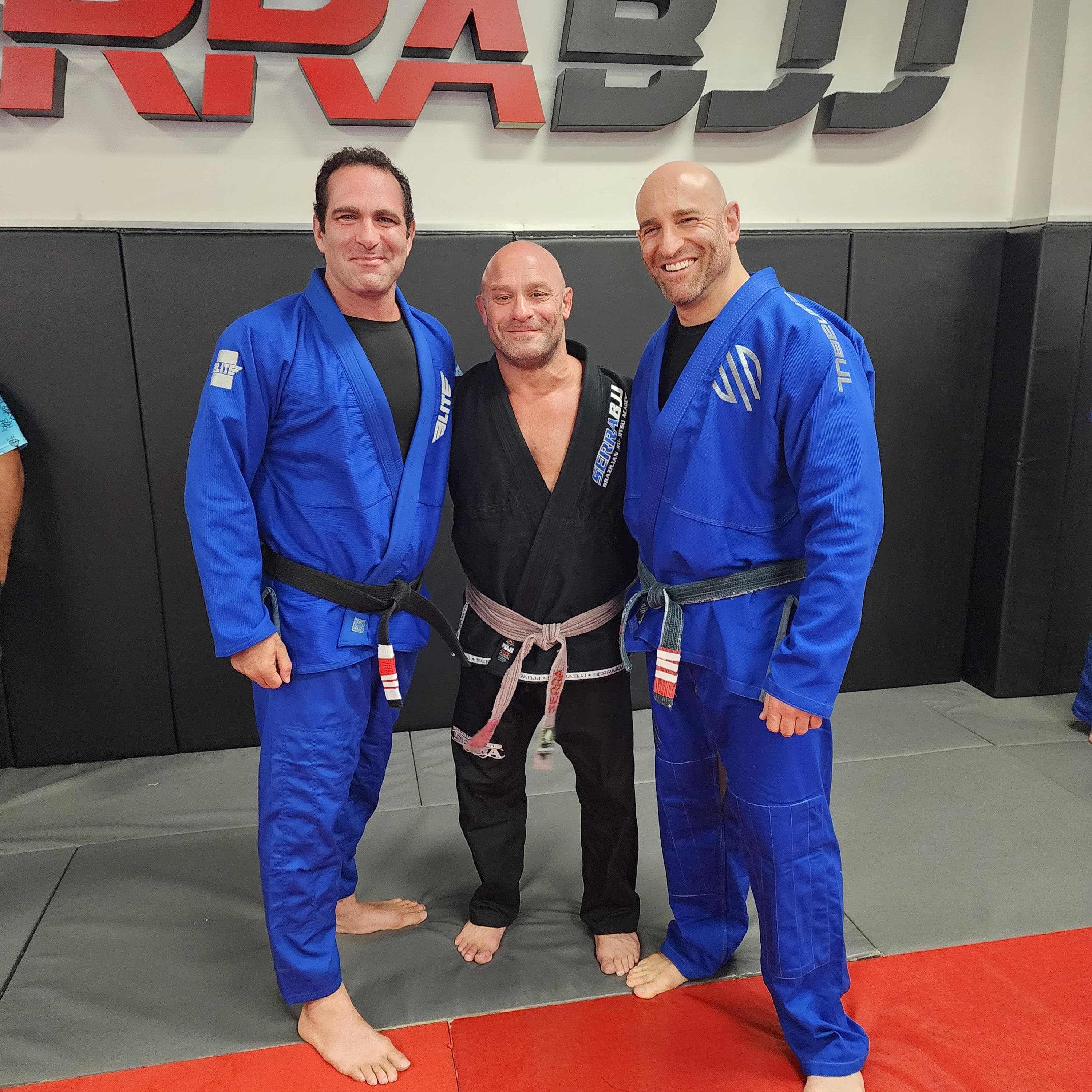
What it takes to get a BJJ black belt — the honest 10-year average, why it's slower than every other martial art, and who actually makes it there.

BJJ brown belt explained — why the belt between purple and black is about refinement not accumulation, its "dangerous belt" reputation, and honest timelines.
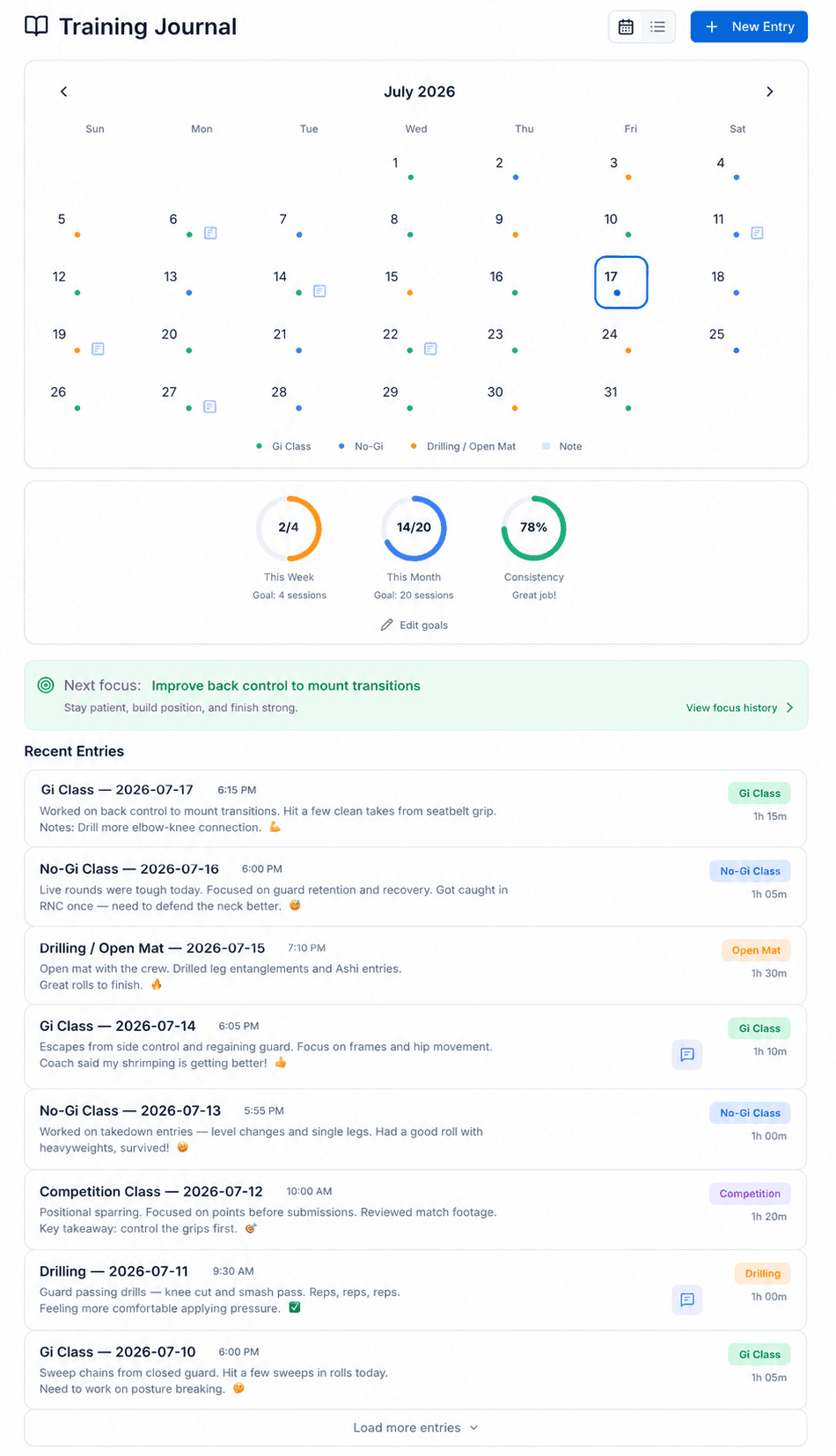
Keep the question you want to ask next class. A practical way to record BJJ training without turning your notebook into another job.
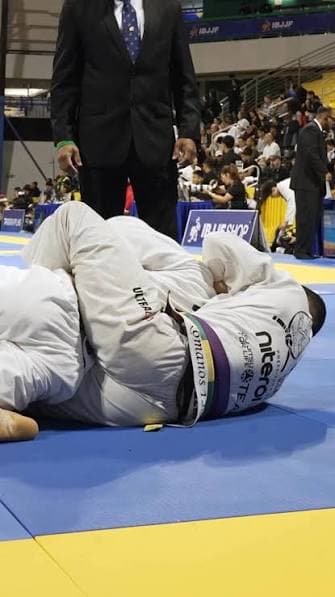
What does it take to earn a BJJ purple belt? An honest look at the purple belt in jiu-jitsu: the typical timeline, what skills it represents, and IBJJF age minimums.
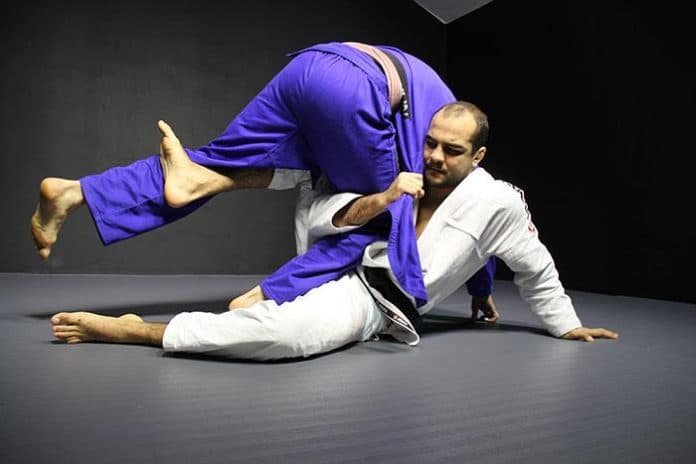
Should you play top or bottom in BJJ? An honest look at the pros and cons of top pressure vs guard play, and how to decide which game fits you as a beginner.
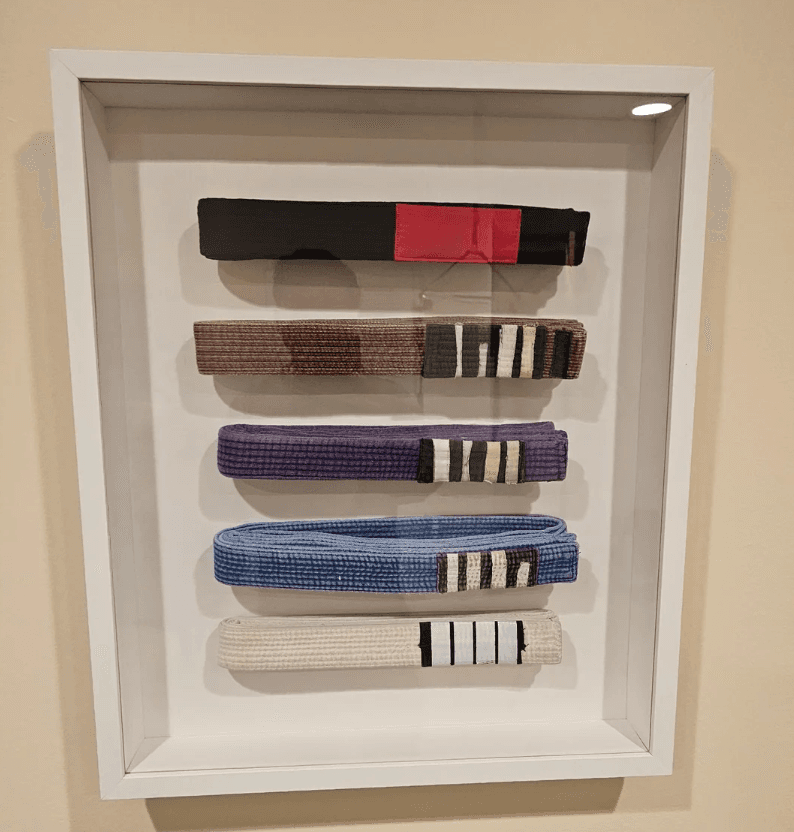
The full BJJ belt order — white to black — with realistic timelines, stripe and degree systems, IBJJF age and time minimums, and the kids' belt ladder. A clear, honest guide.
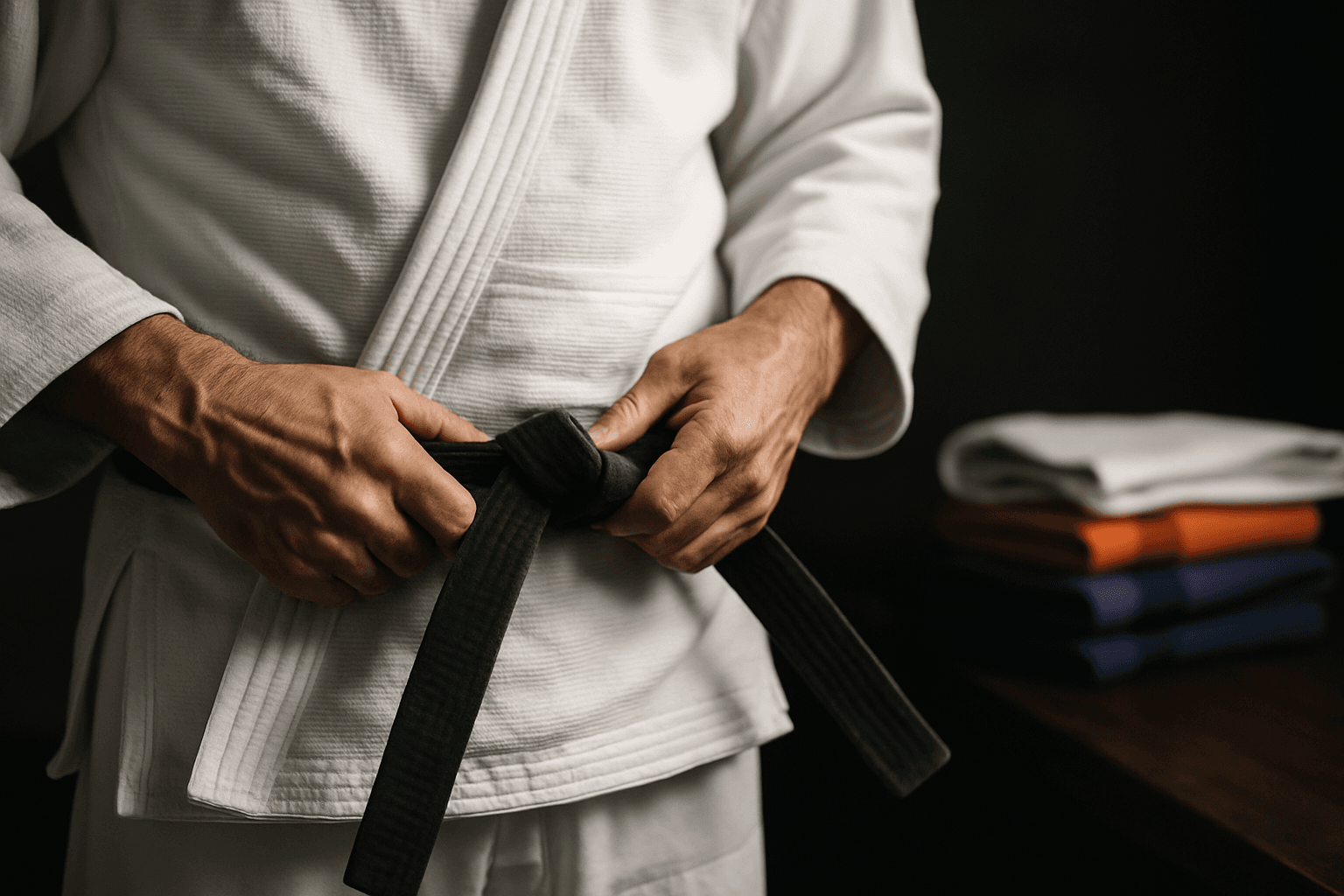
An honest map of the BJJ belt system — how long each belt takes, what stripes signify, and how to think about progression without losing your mind.

A blueprint for picking the positions, transitions, and submissions that become your game — and how to drill them so they actually show up under pressure.

Your BJJ experience helps, but a judo class has its own starting point. Learn the landing, the grips, and the rules before borrowing the throw.
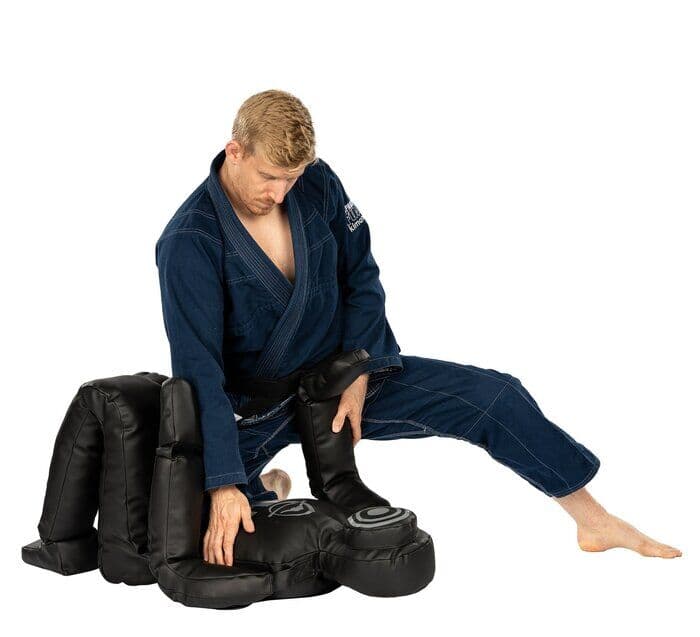
A BJJ dummy can help rehearse familiar movements. Choose one for a specific job, with realistic expectations about what an unresisting partner cannot teach.
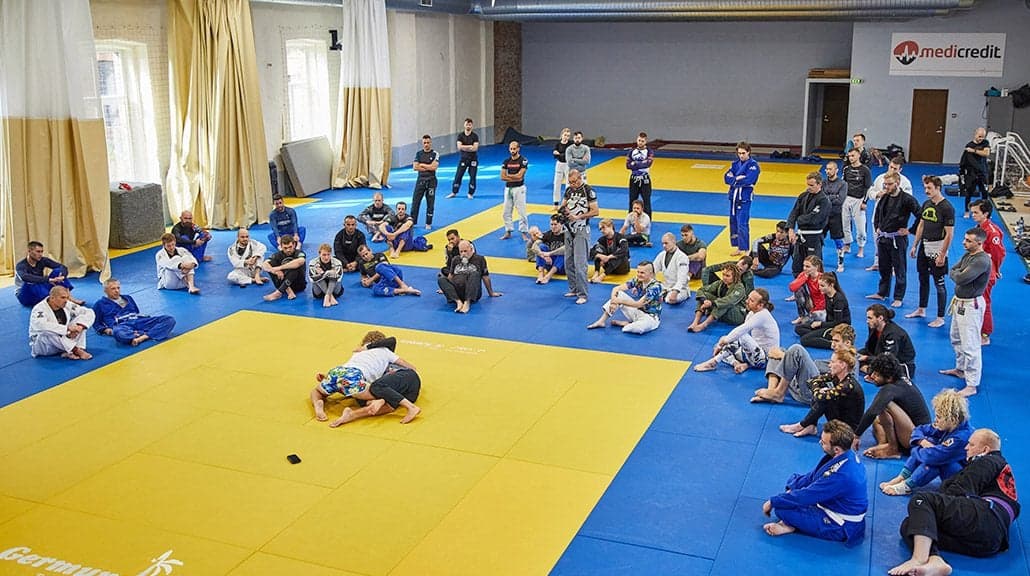
Rotating shifts need a different training calendar. Build a small menu of classes, keep one technical thread, and stop treating every changed roster as failure.