
What to Do After a BJJ Seminar: A One-Week Follow-Up
Quick answer: After a jiu-jitsu seminar, organize one piece of material you can explain, mark what you cannot remember, and arrange time to revisit it with a willing partner. Start from the position the instructor actually taught. A week of focused follow-up is a practical suggestion, not a deadline for mastering the material.
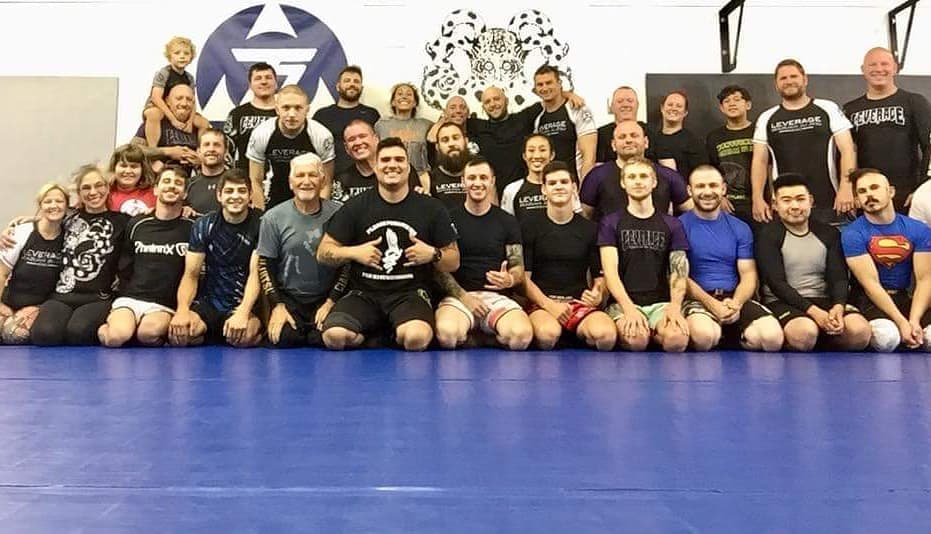
The group photograph is already on your phone. Somewhere below it sits a note containing three grip names, an arrow, and a sentence that seemed obvious while the instructor was standing in front of you.
By Monday, you can remember the finish but not how anybody arrived there. That is a frustrating place to leave a paid seminar, especially if you enjoyed it and want to use what was taught.
The next step does not require buying another instructional. It requires sorting what you have, finding an appropriate place to practice, and resisting the urge to reconstruct missing details with confidence you have not earned. Here is one way to organize the following week.
Separate what you saw from what you guessed
Open your notes while you can still place them in the session. Add the instructor's name, the seminar date, and the main topic. If the page simply says half guard, future you has a detective job waiting.
For each sequence, distinguish the demonstrated start from your own interpretation. Perhaps you clearly remember which leg was trapped but are uncertain about the far hand. Write that uncertainty down. Don't quietly fill the gap with a grip from a different video.
BJJ Fanatics' November 2018 seminar article recommends organizing recall around the central idea rather than treating every technique as an unrelated item. That is useful here: identify the position the seminar kept returning to, then file the branches underneath it.
Preserve the messy original as well as the cleaned-up version. If you later get an answer from your coach, you should be able to tell what changed. A polished page full of invented certainty is less useful than a rough one with two clearly marked questions.
Pick an entry you can reach in ordinary training
Choose one part of the seminar that connects to a position you already encounter. That might be the first grip in a passing sequence, the recovery before a sweep, or the way the instructor established a familiar guard.
You don't have to choose the most spectacular finish. If you cannot reach its starting position without your partner arranging every limb for you, begin earlier. Ask your instructor which part fits your present training rather than declaring that the entire academy should spend next week on your new favorite sequence.
The rest of the seminar is not wasted. Save it for later. One branch can remain interesting even if your current practice question is much smaller.
Write an intention with a visible action: arrive in the demonstrated passing position while the partner maintains an ordinary guard response. That gives you something to attempt. A note saying improve pressure has no clear starting point and will be hard to review at the end of the week.
Ask for practice time without taking over someone's class
A seminar does not give you permission to replace the next scheduled lesson. Follow the class being taught. If you want extra work, ask about an appropriate time and invite a partner who is interested.
Explain the scope before they agree. You might ask for ten minutes revisiting the seminar's first entry, with equal time on each side. That is a hypothetical arrangement, not a required duration. Your partner may want a shorter session or a different day.
Tell them which details you are unsure about. If they attended, compare notes without voting the most confident memory into truth. If they didn't attend, don't present yourself as a certified representative of the visiting instructor after a single afternoon.
Our guide to drilling BJJ covers the broader practice question. For this session, keep the commitment small enough that someone can say yes without sacrificing all the training they came to do. Thank them, and stop when the agreed time is up.
If you plan to use open mat, check the open-mat guide and confirm that the host permits the practice you have in mind.
Rebuild the start before adding resistance
Begin by checking the actual position. Which grips were already in place? Was the bottom player seated or lying down? Did the instructor start before the opponent's reaction or after it?
Those distinctions can explain why a sequence feels different at home. A passing finish demonstrated after the legs were cleared is not automatically an answer to the entire guard. Don't blame the seminar because your partner refuses to supply an entry the instructor never claimed to cover.
Work through the portion you both understand at a pace that permits stopping. Ask your coach to check gaps before adding speed or strong resistance. Tap and stop whenever necessary; a seminar detail is not worth trying to force through discomfort.
A July 2018 BJJ Fanatics seminar piece suggests practicing a movement before making notes about it and respecting the host's recording rules. For follow-up, that same distinction helps: first establish what you can reproduce, then write what you actually did, rather than describing a finish you never reached.
Use one response to expose the missing question
Once the basic sequence is clear, ask the coach how to introduce an appropriate response from your partner. Avoid adding every possible defense immediately. You are trying to identify a specific problem, not stage a demonstration that survives all of jiu-jitsu.
A hypothetical example: the seminar entry worked while the partner stayed seated. When they lay back, your intended grip disappeared. That observation is more useful than announcing that the technique failed against resistance.
Keep a short record:
The starting position you agreed to use.
The response that changed the exchange.
The exact point where your next action became unclear.
The question you want the coach to inspect.
After a few attempts, pause. If you cannot tell what is happening, adding more force will not make your notes more accurate. Return to the setup, get help, or leave that branch for another session. You do not need to manufacture success so the seminar feels worth the fee.
A recording needs a purpose and permission
Check what the instructor and host permitted at the seminar. Permission to keep a personal clip does not automatically mean permission to post the teaching online. If the rules were unclear, ask through an appropriate channel before sharing it.
For a new practice recording, agree with your partner about who will see it and where the phone can go. Keep other students out of frame where possible, and follow the academy's policy. Don't set a tripod where it interferes with people training.
Record the question, not an entire afternoon by default. A short attempt showing the starting grip and the point of confusion may be easier for your coach to assess than twenty minutes without a clear request.
Label your own demonstration as your practice. Avoid attaching the visiting instructor's name as though they approved every movement in it. You can accurately say you are reviewing material from their seminar while acknowledging that you may have missed something. That distinction protects the usefulness of the feedback too.
Ask one answerable follow-up question
If the seminar included a follow-up channel, use it according to the host's instructions. If it didn't, don't assume a visiting athlete owes you an ongoing private lesson through messages.
Start with your own coach or the seminar organizer. Explain the demonstrated position and identify the missing detail. A question about which grip remained when the partner changed posture is answerable. A request to explain the entire system again may not be.
Include a clip only if you have permission to share it and the recipient is willing to review it. A concise written question may be enough. Keep any response with the relevant notes instead of scattering it across unrelated message threads.
If nobody can verify the detail, leave it unresolved. Work on the portion you understand or consult an authorized resource the instructor has actually published. Our guide to learning from instructionals can help you use that additional material without treating another purchase as a substitute for practice.
Decide what deserves another week
At the end of your proposed follow-up period, review the attempt rather than the reputation of the person who taught it. Did you reach the start? Could your partner provide a recognizable response? Is the remaining question specific enough for a coach to help?
You may choose to keep working. You may also decide that the material belongs on the shelf until a prerequisite position becomes familiar. Neither decision requires a public verdict on the seminar.
Keep one brief note about what changed. For example, you might now understand the entry but still need help after the opponent turns toward you. That gives the next session a beginning. A list of five moves you vaguely remember does not.
This one-week format is deliberately flexible. If work or family obligations delay your practice, resume from the note when you return. There is no evidence-based expiration date being claimed here. The calendar is a reminder to revisit the material, not another attendance score to chase.
Main photo: BJJ Fanatics; seminar archive photograph.
The takeaway
Leave the seminar with more than a photograph by making one part of the material usable. Preserve uncertainties, confirm the starting position, and arrange a small amount of practice with someone who agreed to help. Follow the host's rules for any recording or sharing.
After that practice, you should have a clearer question or a repeatable piece to keep working on. Some branches can wait. The useful outcome is knowing exactly which part you understand and where you still need instruction.
Make your follow-up easy to find
Use the approach in our BJJ training journal guide to keep seminar notes, unresolved questions, and later corrections together rather than losing them among unrelated phone screenshots.
FAQ
Should I practice everything from the seminar immediately? You don't have to. Choose a manageable piece that connects to your existing training, keep the other notes, and ask your coach where the unfamiliar material fits.
What if my partner remembers a detail differently? Mark the disagreement and seek clarification. Confidence and belt color do not turn either memory into a verified account of what the visiting instructor demonstrated.
Can I post my seminar notes or video online? Follow the host's and instructor's stated permissions. Ask before sharing uncertain material, and obtain your practice partner's agreement before posting a recording that includes them.
Is one week enough to learn the seminar material? This article proposes a week for organizing follow-up, not a mastery deadline. Some material will need much longer, and some may become useful only after you develop another position.
Related Posts
Covering Your First BJJ Class Without Overteaching
Cover an adult BJJ class with a plan agreed by the head coach. Keep the lesson focused, supervise partners, and leave clear handover notes afterward.

Better BJJ Rounds When Your Partner Is a Different Size
A weight gap changes a BJJ round. Use clear starting positions, agreed tasks, and controlled resets so training partners of different sizes get useful work.
Bring a problem to your first BJJ private lesson
Make a BJJ private lesson useful: choose a specific problem, send relevant footage, confirm booking details, and leave with a focused practice plan.
Comments (0)
Loading comments...