
Training
A substitute BJJ coach can make familiar material feel new
Make a substitute BJJ class useful by comparing setups, asking specific questions, and testing unfamiliar details without turning coaches into opposing sides.
Owen Bellamy8 min read

Training, technique, and the culture of Brazilian Jiu-Jitsu
Showing 25–48 of 66 articles
Make a substitute BJJ class useful by comparing setups, asking specific questions, and testing unfamiliar details without turning coaches into opposing sides.
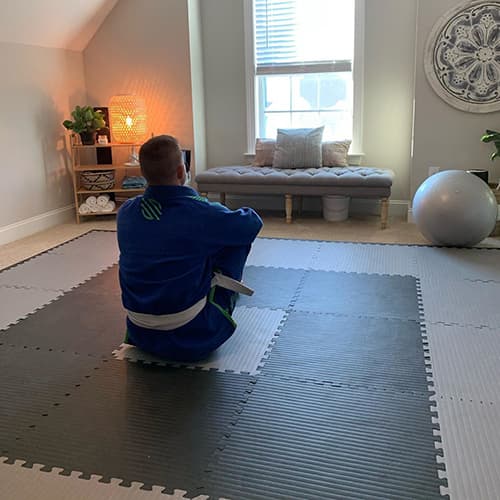
Plan a home BJJ mat area around usable floor space, storage, setup, and specific practice, before buying mats or equipment.

Make morning BJJ practical with the right class, prepared kit, a realistic journey, and a plan for everything that follows the last round.
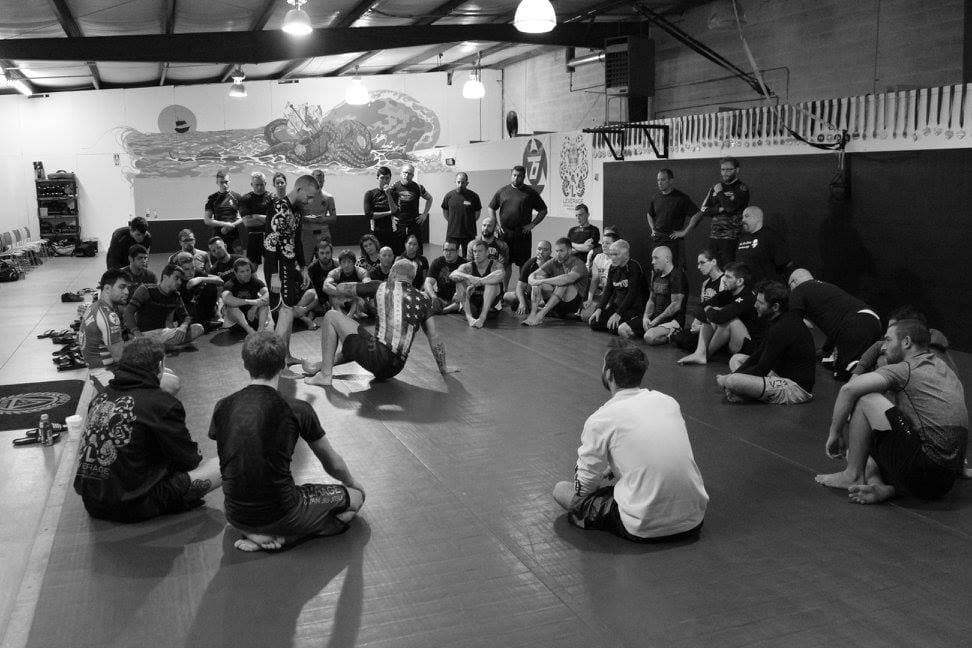
Cover an adult BJJ class with a plan agreed by the head coach. Keep the lesson focused, supervise partners, and leave clear handover notes afterward.

Build an eight-week BJJ project around one useful question, realistic practice, and observations that tell you what to work on next.

Turn a BJJ seminar into a useful week of practice. Organize your notes, mark missing details, choose one task, and follow the host's recording rules.
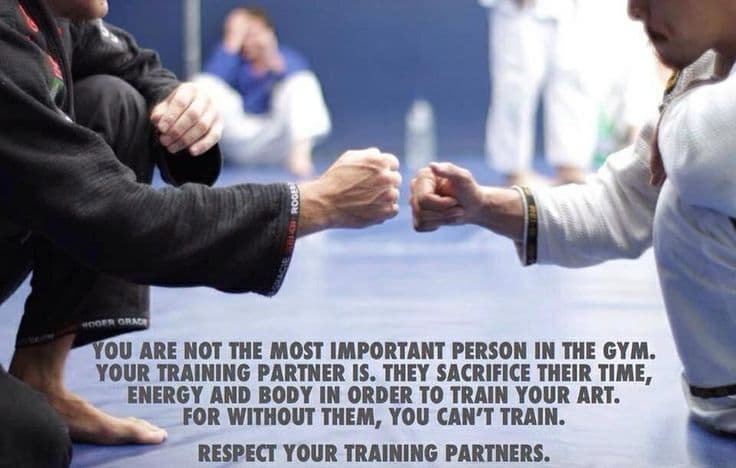
A weight gap changes a BJJ round. Use clear starting positions, agreed tasks, and controlled resets so training partners of different sizes get useful work.
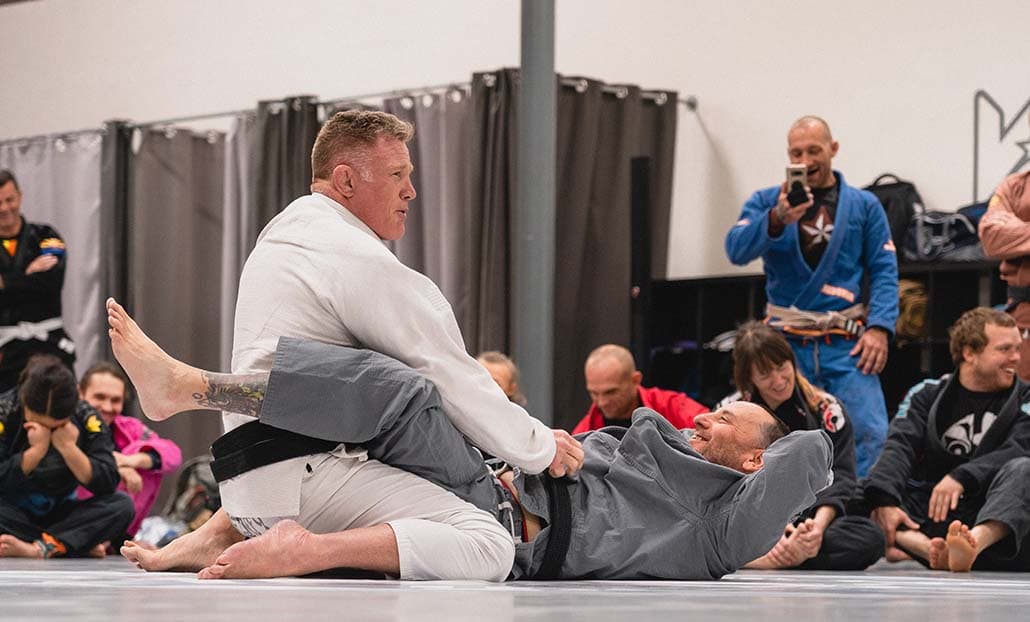
Find the missing piece in your gym's current material, ask a precise question, and return to practice without building a second curriculum.
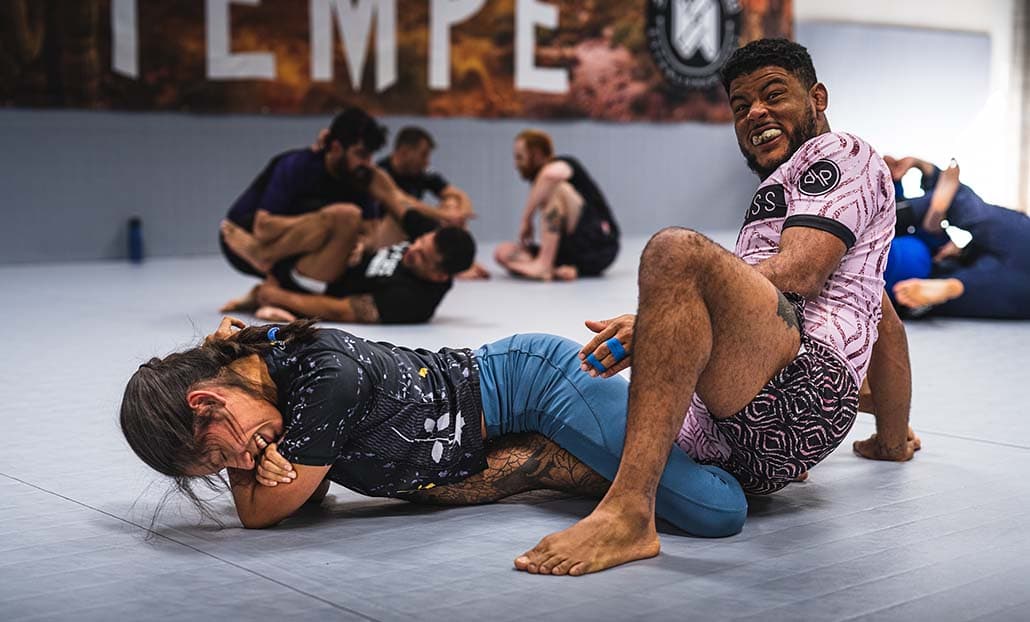
Plan your first month back around the life you have now, with clear expectations, manageable rounds, and a membership that fits.
A secondhand gi can be good value. Check its actual measurements, wear, care history, and intended use before comparing the price.
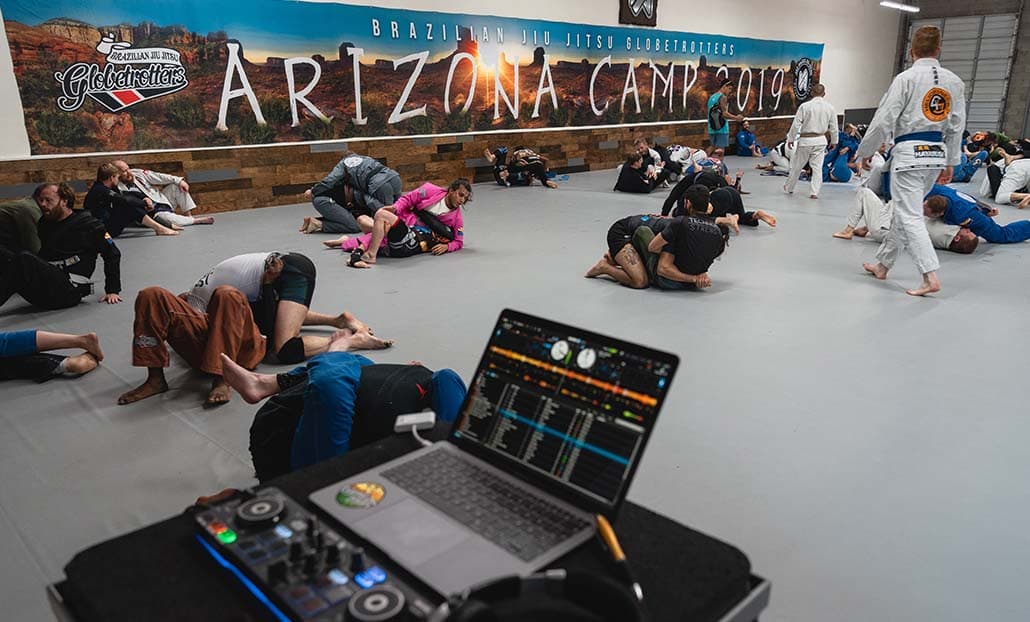
Fit lunchtime jiu-jitsu around the whole trip: class timing, changing, food, transport, and the meeting you still need to make.
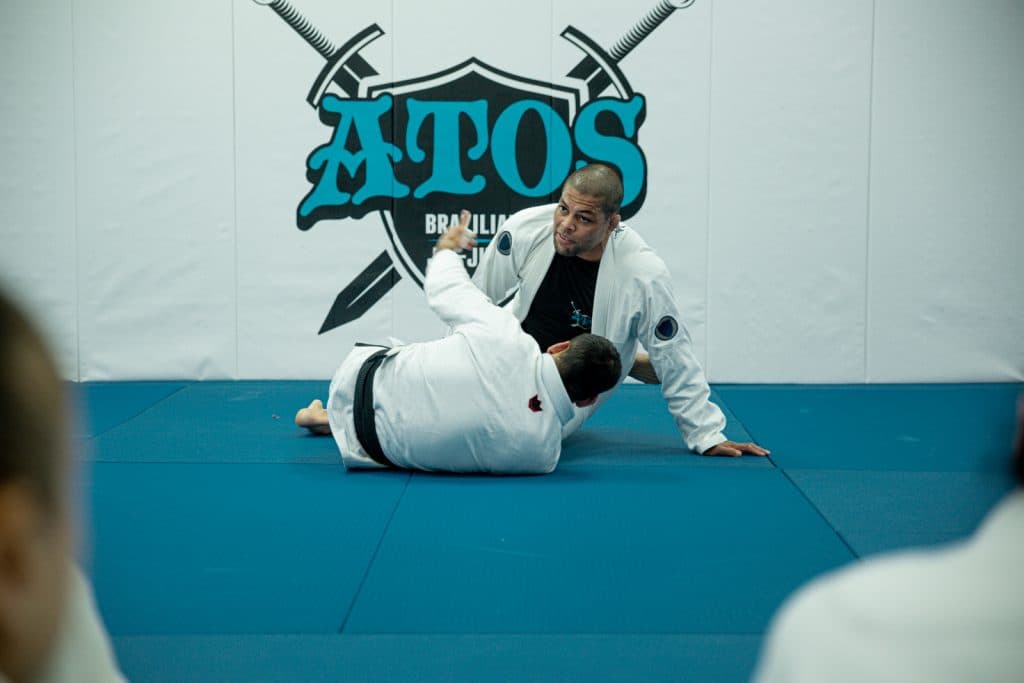
Make a BJJ private lesson useful: choose a specific problem, send relevant footage, confirm booking details, and leave with a focused practice plan.

There are over 3,000 BJJ instructionals and 5,800 hours of them. Most people get worse results from buying more. Here's how to pick one and study it properly.
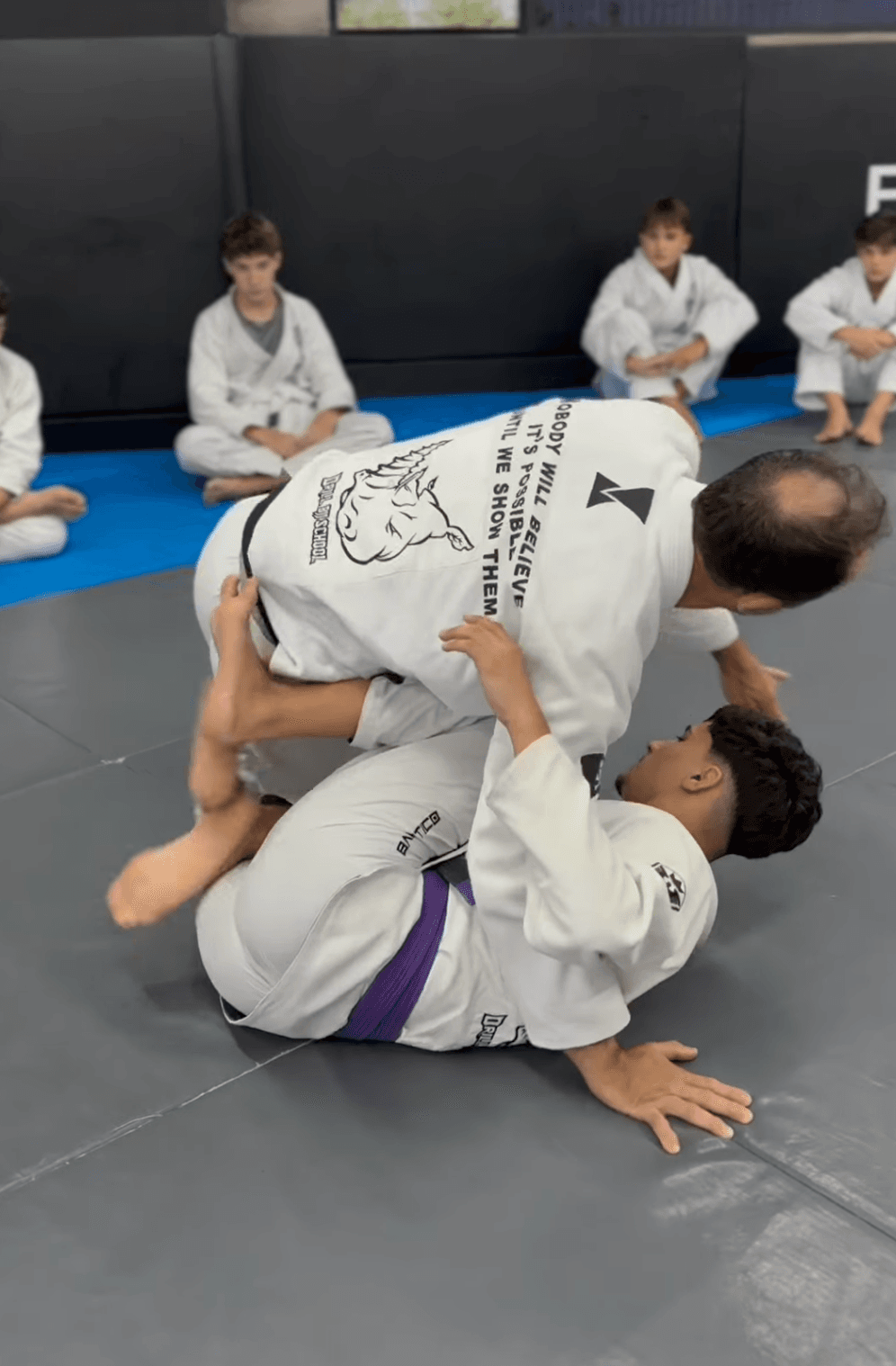
Reps, positional sparring, or constraints-led games? The drilling argument is genuinely unsettled. Both sides, plus what to do in the five minutes after class.
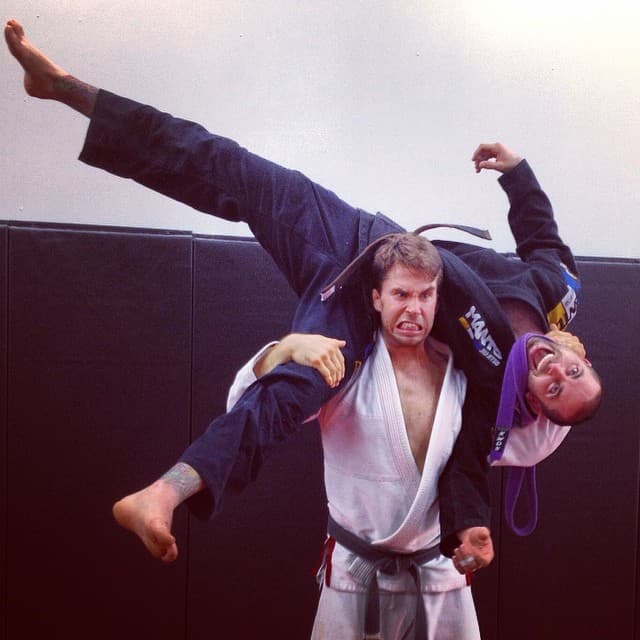
How BJJ promotions really work: who decides, why there's no test, what to do when you get passed over, and why some people quit right after they're promoted.
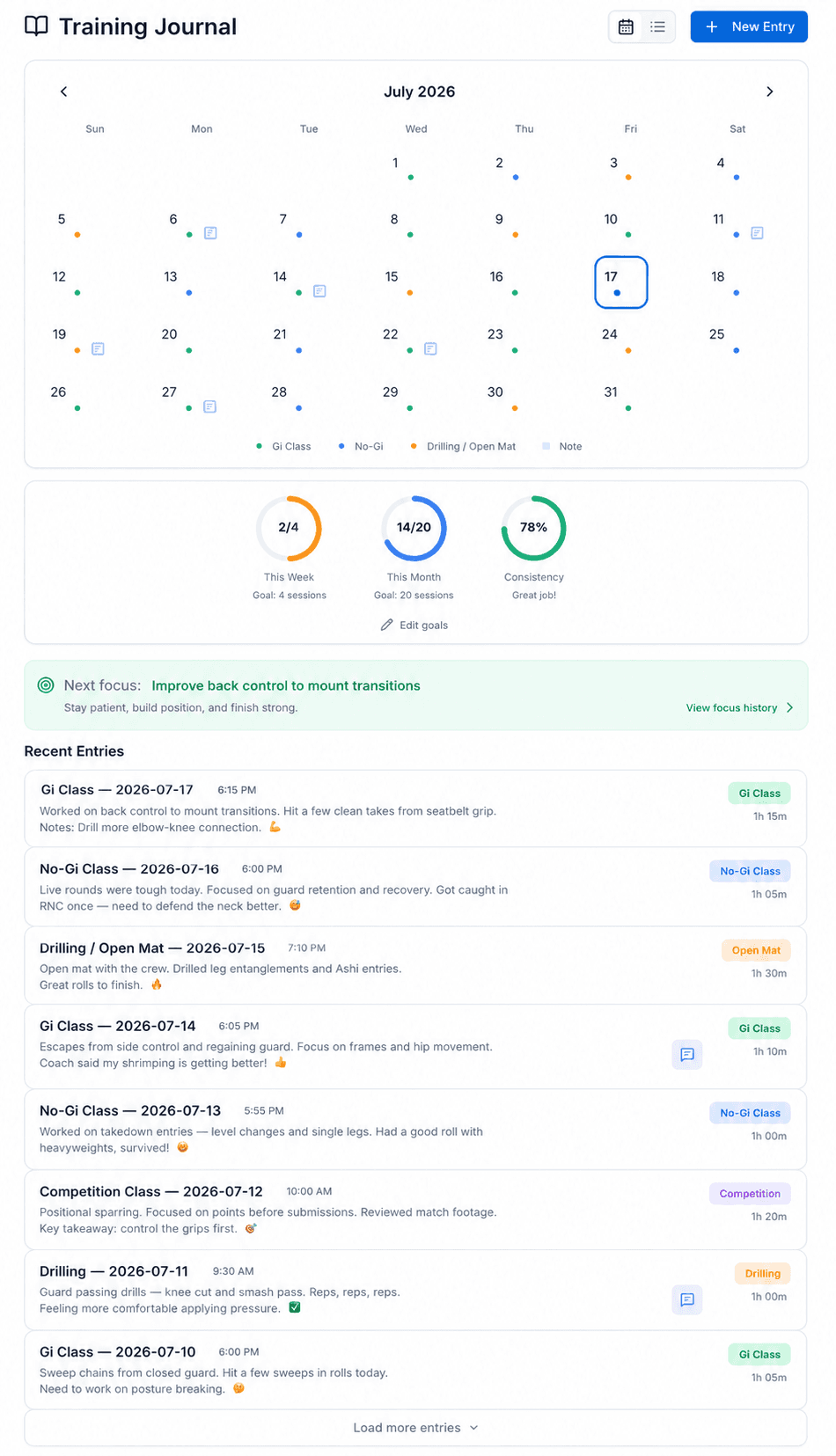
Keep the question you want to ask next class. A practical way to record BJJ training without turning your notebook into another job.
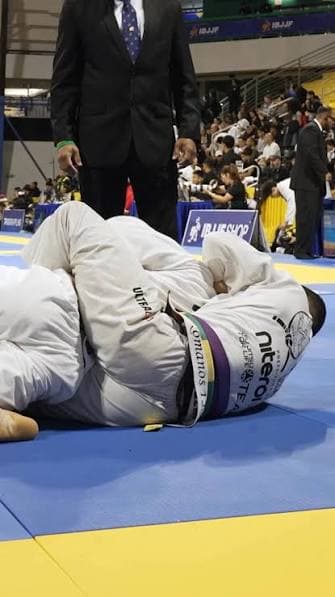
What does it take to earn a BJJ purple belt? An honest look at the purple belt in jiu-jitsu: the typical timeline, what skills it represents, and IBJJF age minimums.
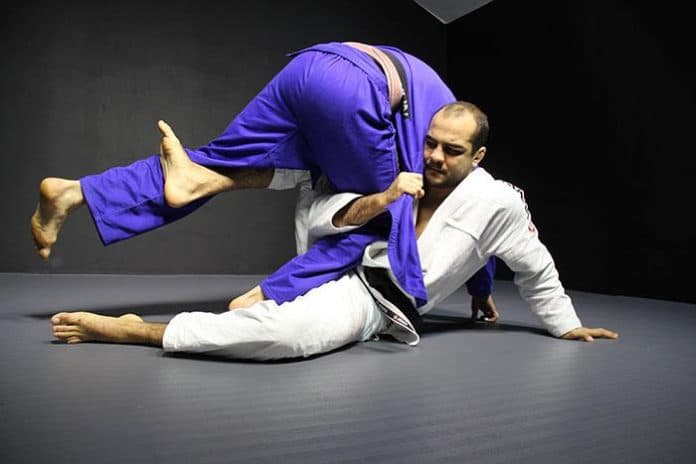
Should you play top or bottom in BJJ? An honest look at the pros and cons of top pressure vs guard play, and how to decide which game fits you as a beginner.
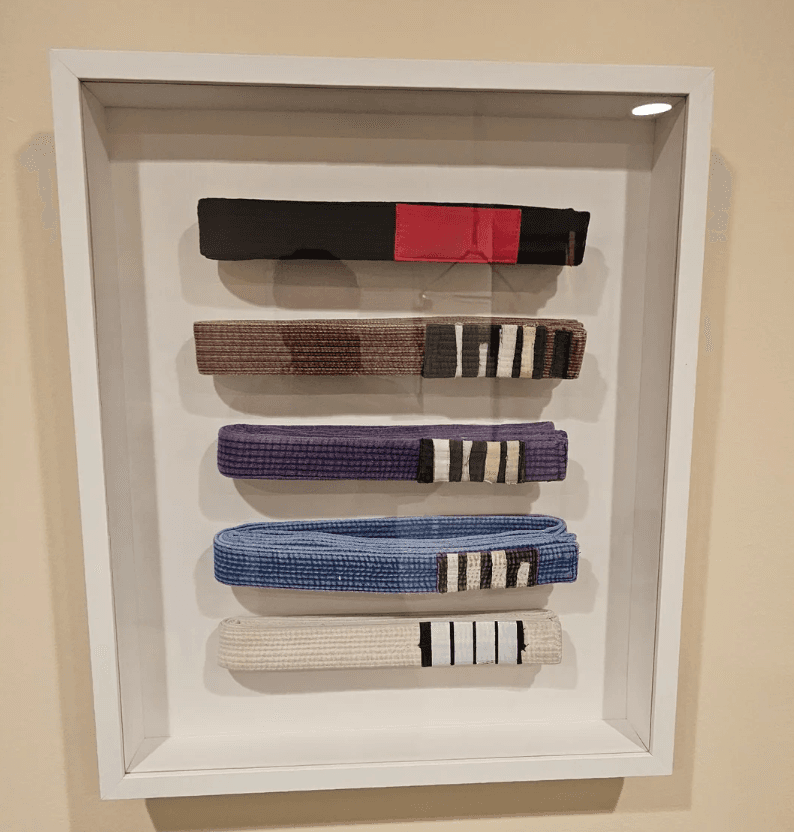
The full BJJ belt order — white to black — with realistic timelines, stripe and degree systems, IBJJF age and time minimums, and the kids' belt ladder. A clear, honest guide.
An honest map of the BJJ belt system — how long each belt takes, what stripes signify, and how to think about progression without losing your mind.
A blueprint for picking the positions, transitions, and submissions that become your game — and how to drill them so they actually show up under pressure.

Your BJJ experience helps, but a judo class has its own starting point. Learn the landing, the grips, and the rules before borrowing the throw.
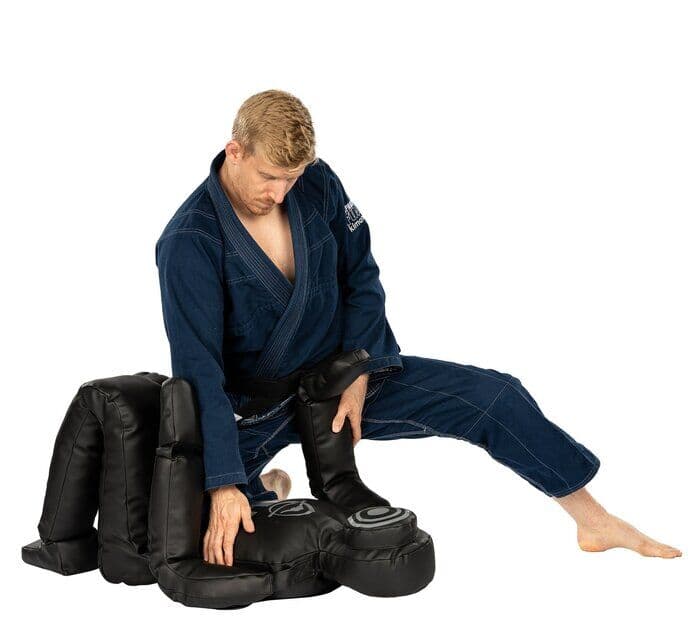
A BJJ dummy can help rehearse familiar movements. Choose one for a specific job, with realistic expectations about what an unresisting partner cannot teach.
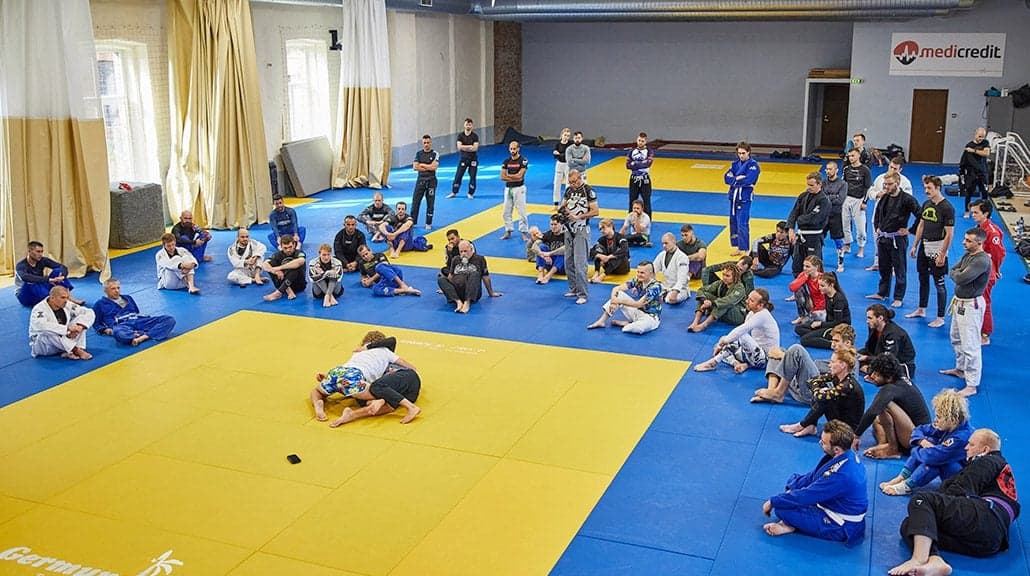
Rotating shifts need a different training calendar. Build a small menu of classes, keep one technical thread, and stop treating every changed roster as failure.