Training
Covering Your First BJJ Class Without Overteaching
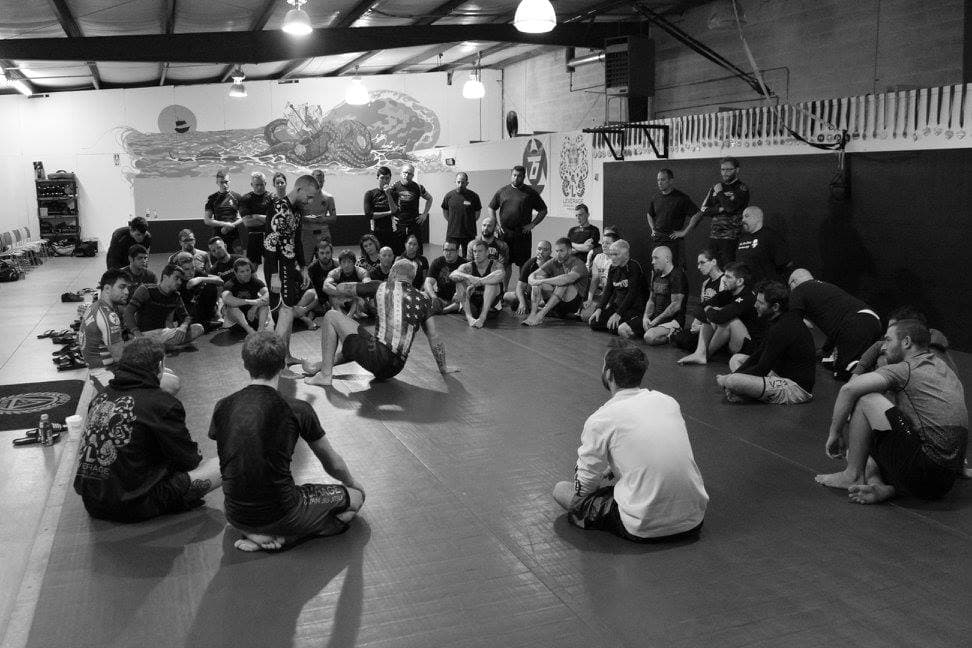
Cover an adult BJJ class with a plan agreed by the head coach. Keep the lesson focused, supervise partners, and leave clear handover notes afterward.
9 min read

Training, technique, and the culture of Brazilian Jiu-Jitsu
292 more articles
Cover an adult BJJ class with a plan agreed by the head coach. Keep the lesson focused, supervise partners, and leave clear handover notes afterward.

Turn a BJJ seminar into a useful week of practice. Organize your notes, mark missing details, choose one task, and follow the host's recording rules.
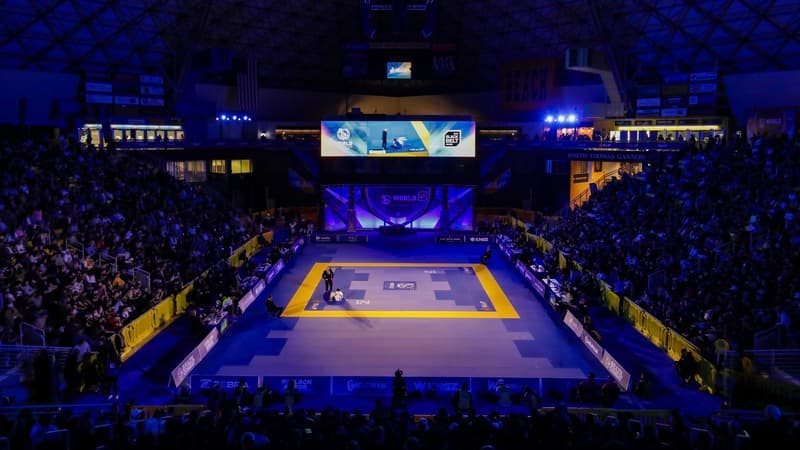
You don't need a black belt to enjoy watching jiu-jitsu. You do need the right mat number, a little context, and a plan for the waiting.
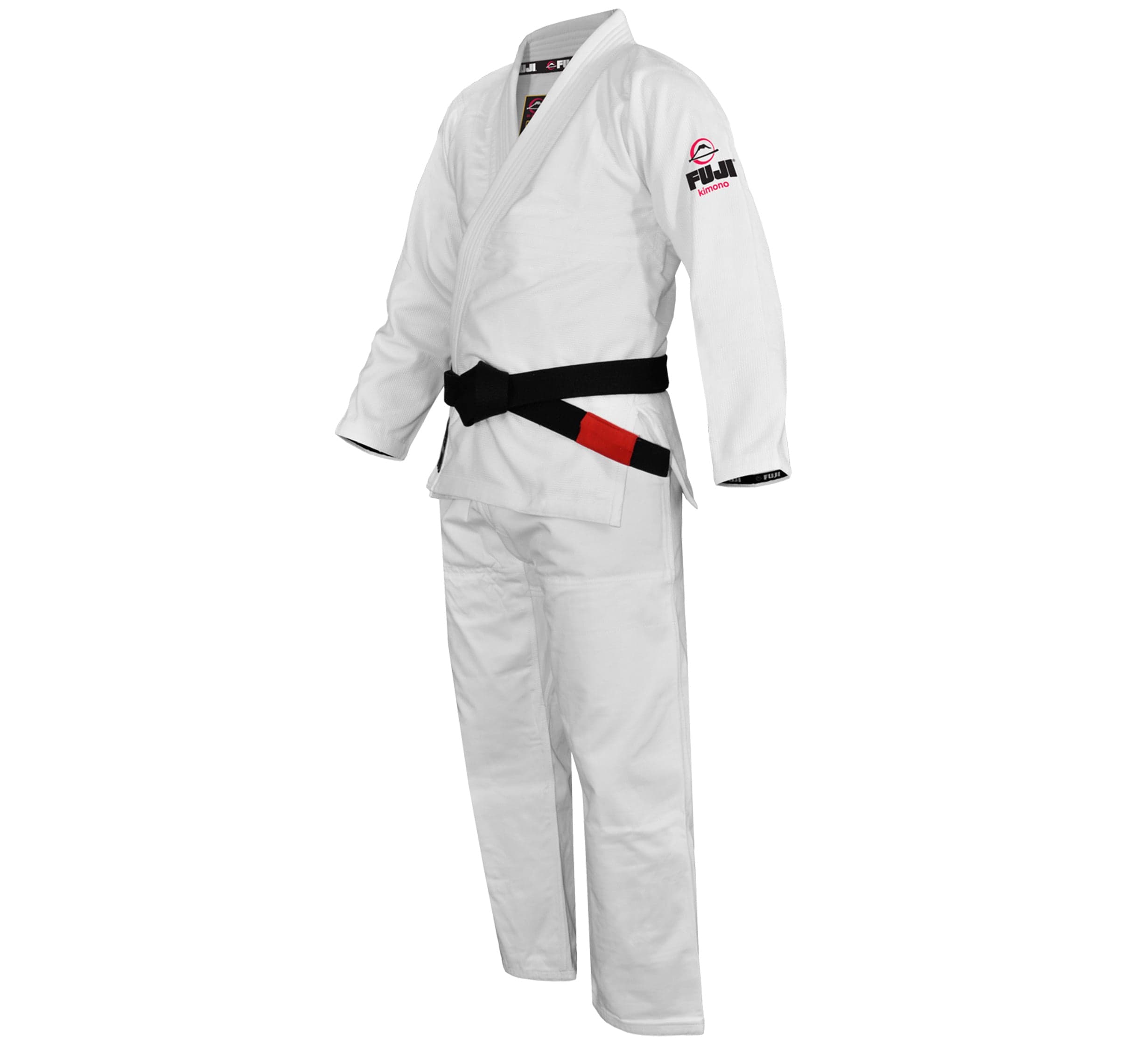
A practical IBJJF gi checklist covering fit, fabric, colors, patches, weigh-in, and the questions to resolve before you pack.
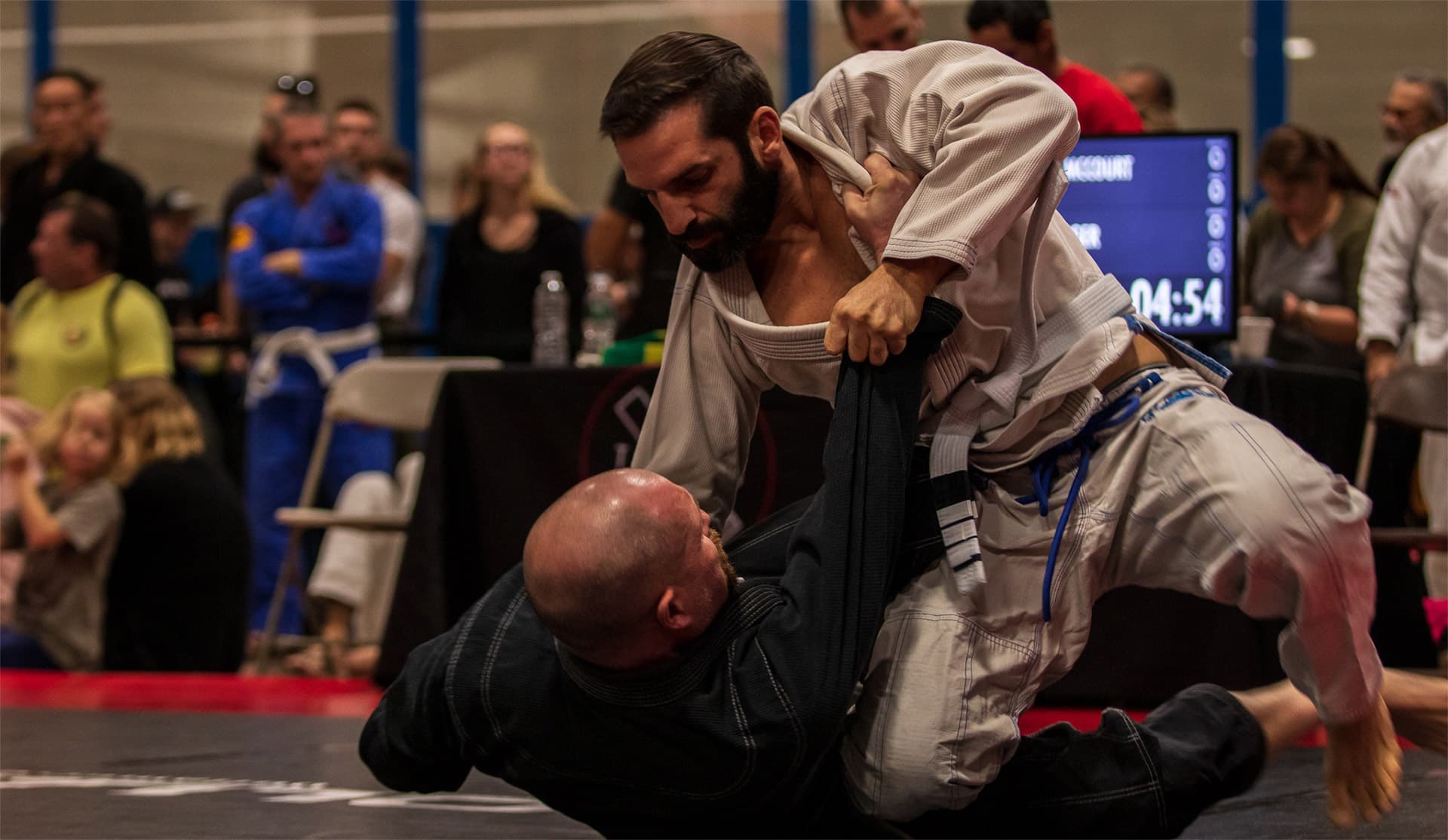
Tap Cancer Out gives a gym team a shared project. A clear purpose, useful roles, and a little organization make the invitation easier to accept.
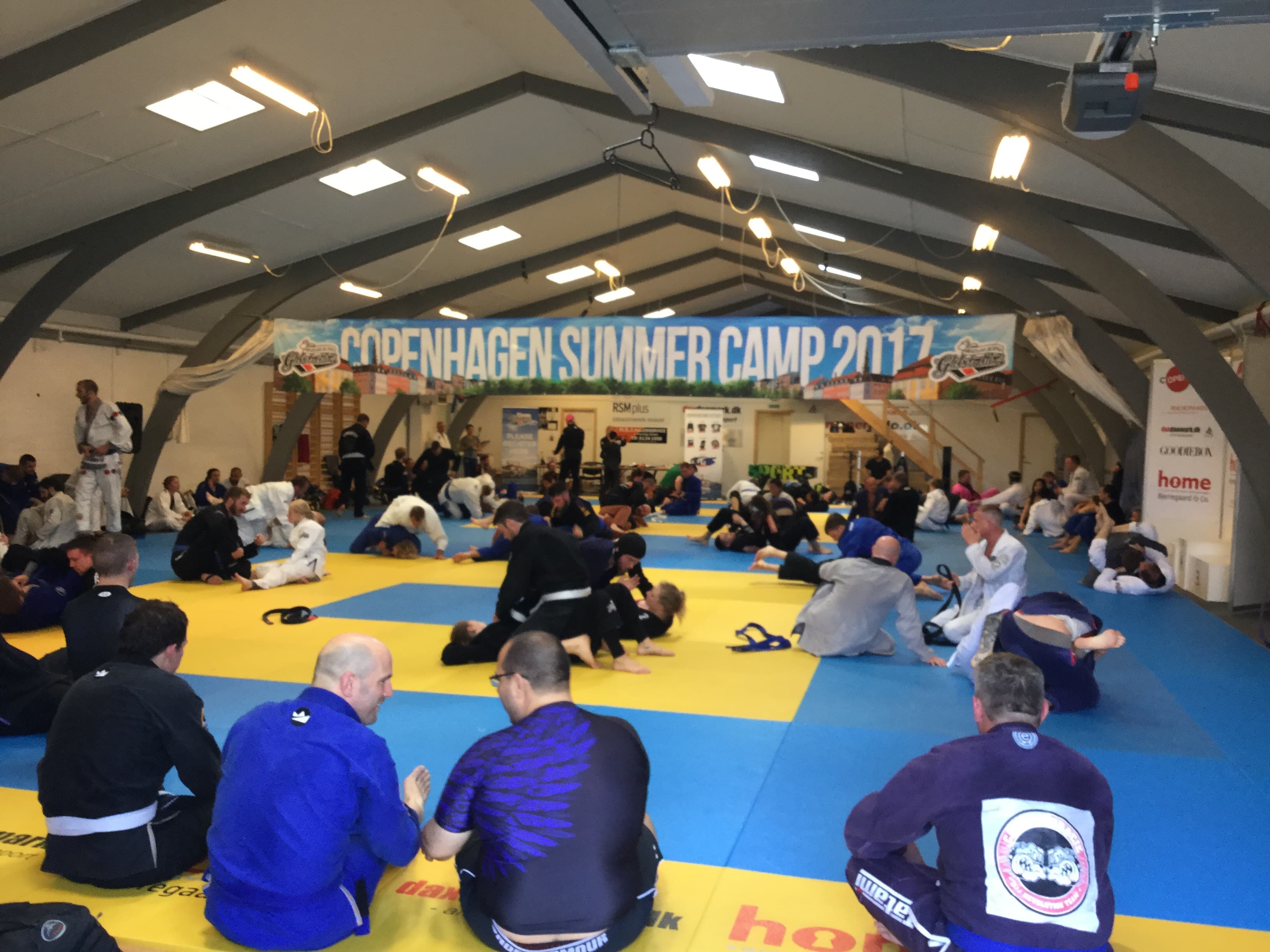
The city-camp format puts training inside a bigger week. Copenhagen offers a useful way to think about classes, new friends, and time away from the mat.
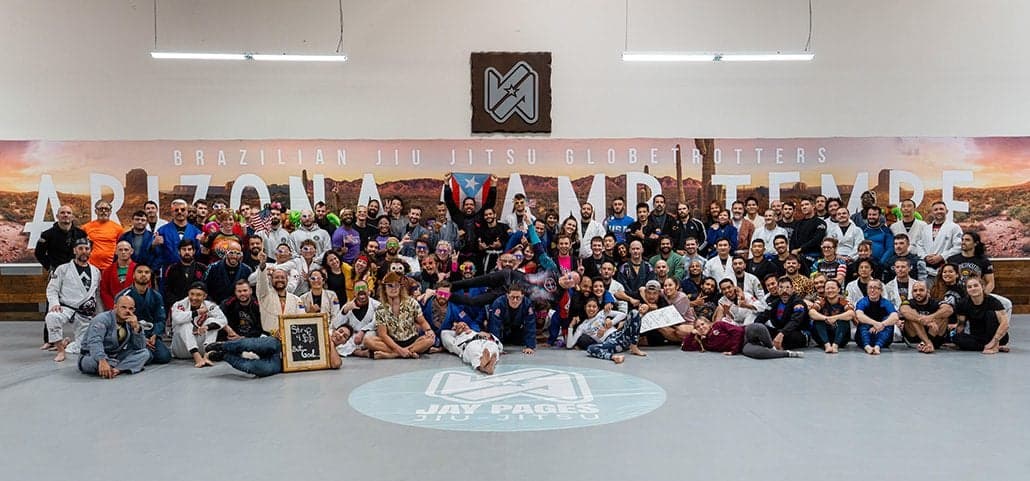
Compare BJJ camps using the whole trip: training, accommodation, transport, meals and the practical cost of spending a week away.
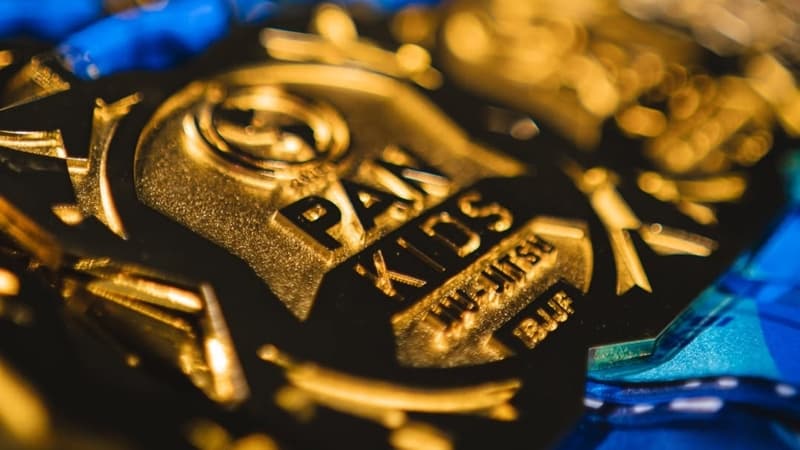
The class time leaves out travel, supervision and somebody else's plans. Build the family training week around the whole commitment.
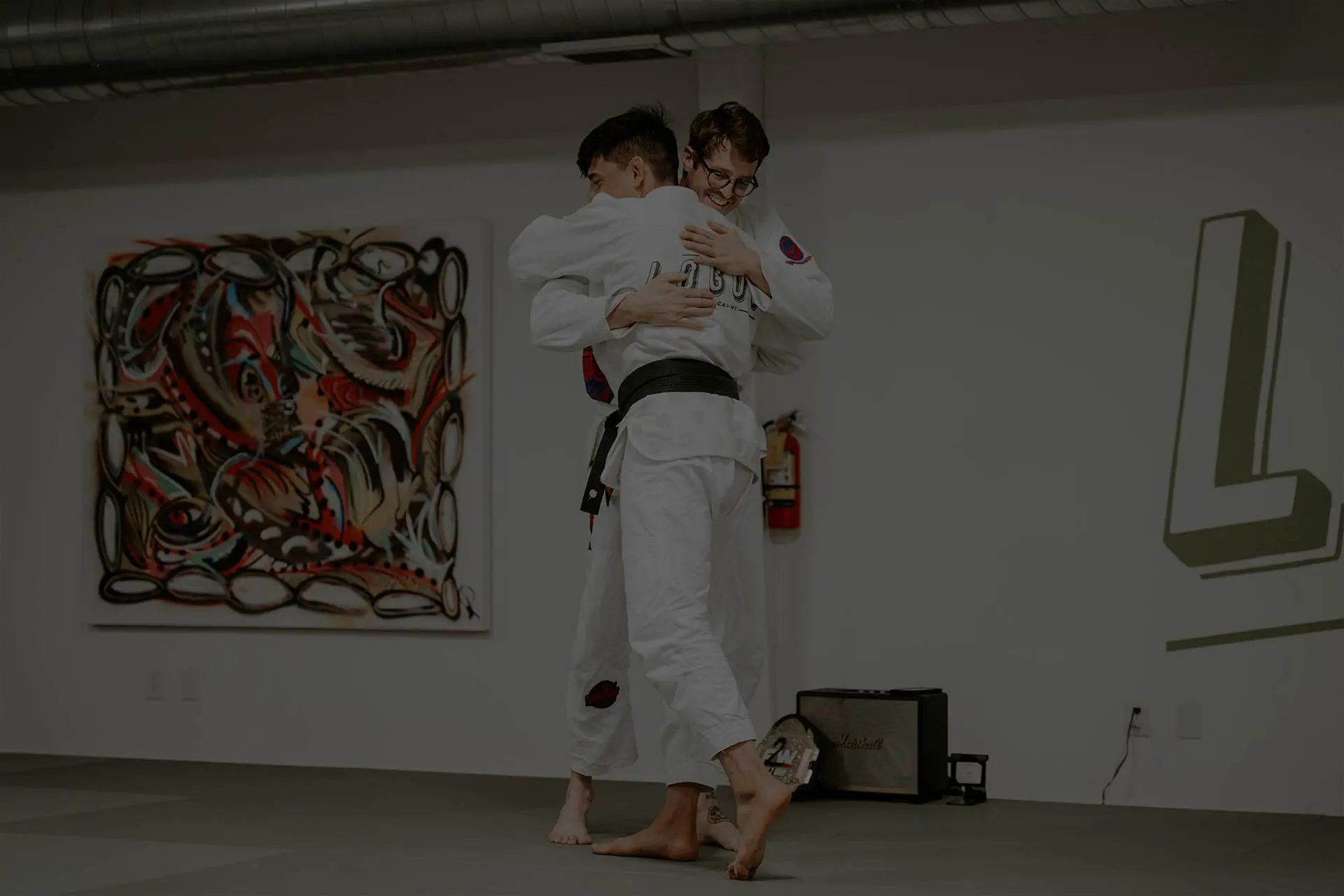
Compare Denver BJJ options by the exact location, class format, and journey you can repeat, with verified starting points for your search.
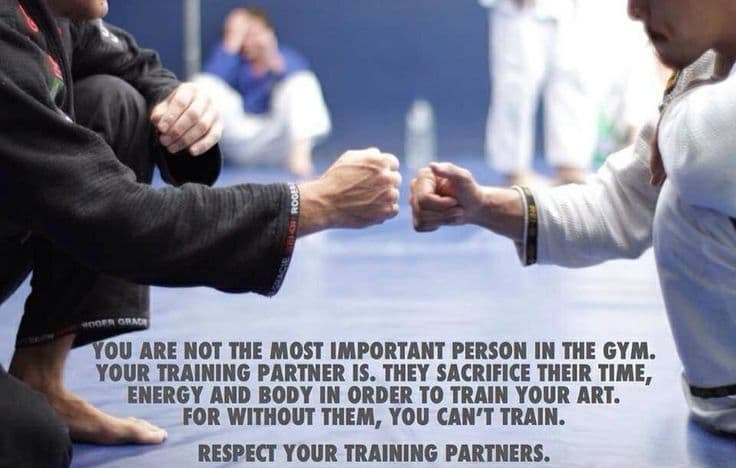
A weight gap changes a BJJ round. Use clear starting positions, agreed tasks, and controlled resets so training partners of different sizes get useful work.
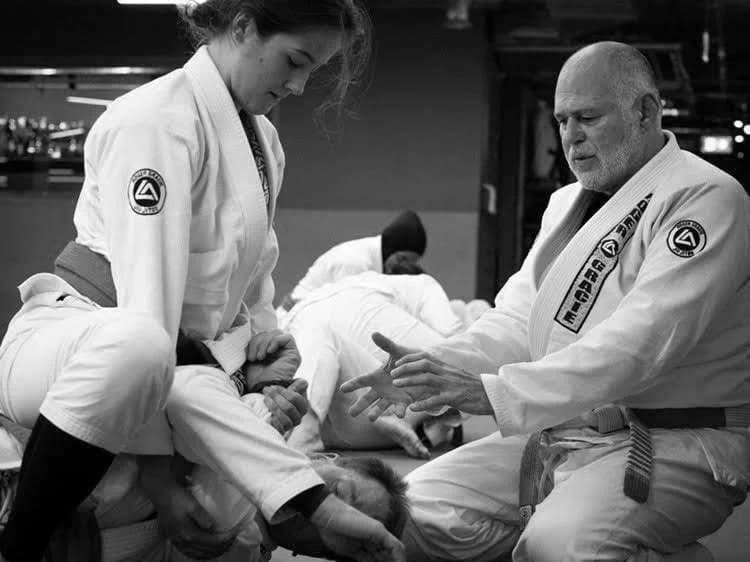
Make a Hammersmith training visit work around your London trip, from booking the right class to packing the small things visitors need.
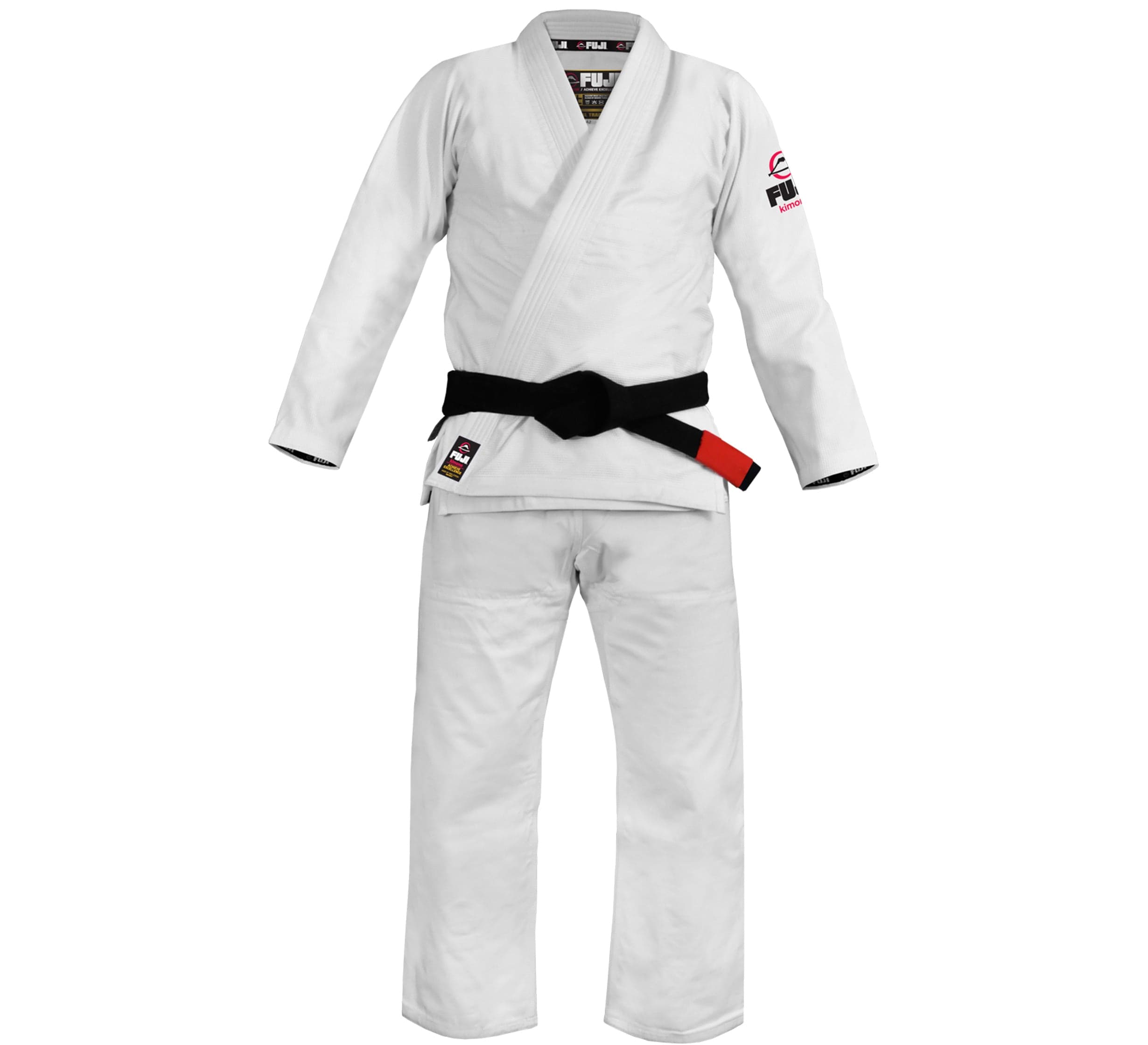
A0 does not mean the same fit across brands. Compare two official charts, understand long cuts, and check the garment before your first wash.
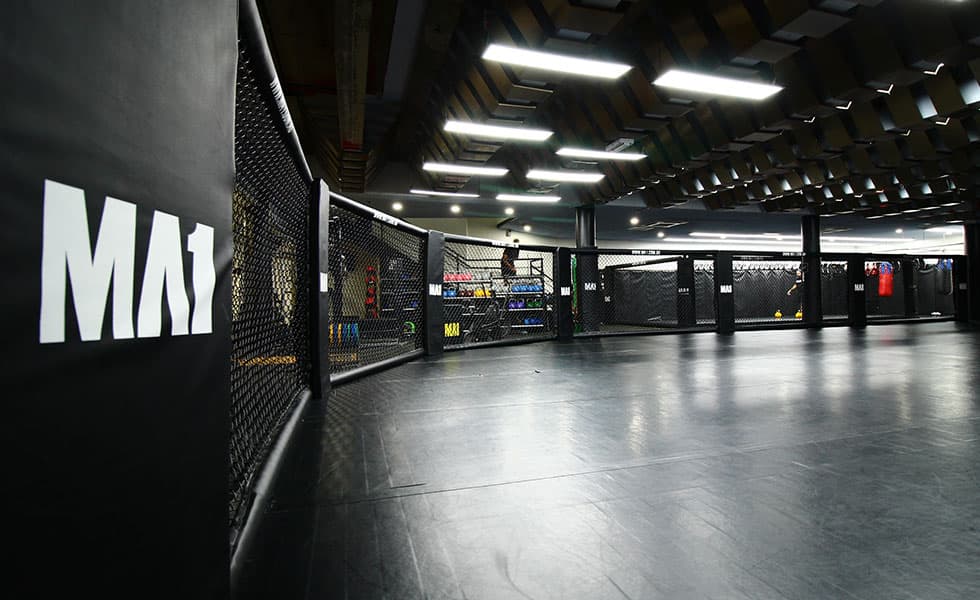
The CBD timetable puts gi, no-gi, and wrestling in one training plan. How to choose a useful visit without trying to do the whole schedule.
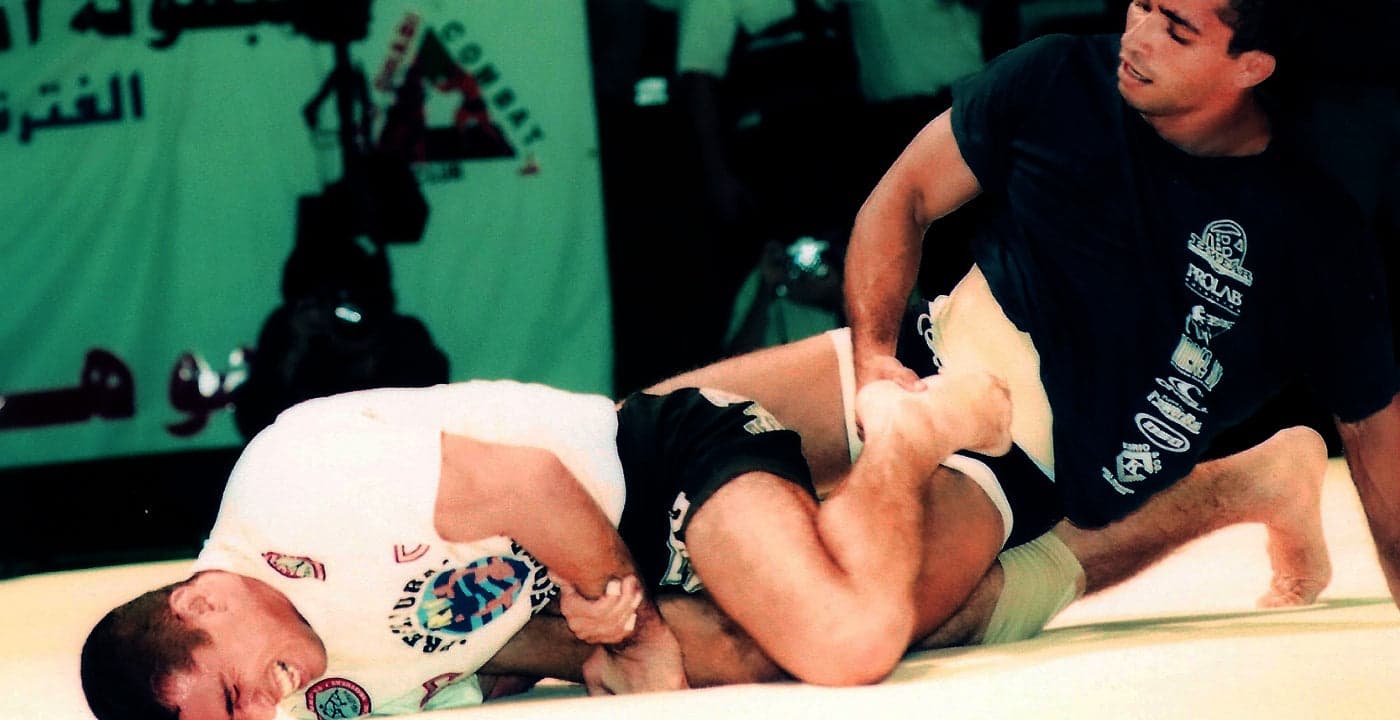
Royler Gracie won four straight featherweight Worlds and three straight ADCC titles. Explore the results, open-class medals, and teaching relationships.
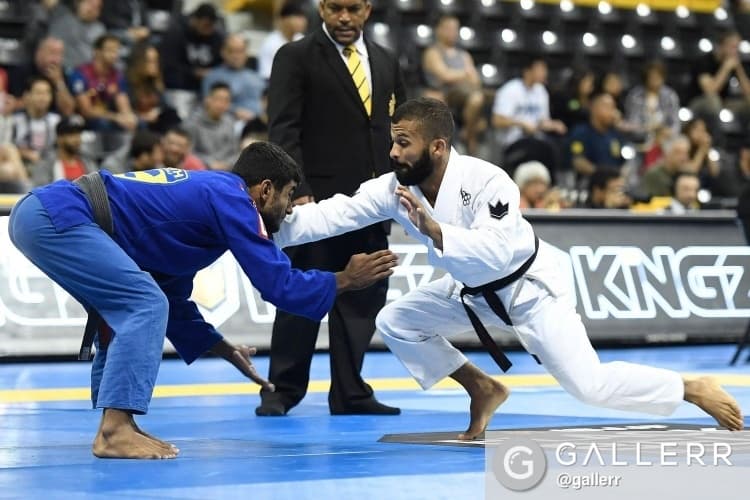
Ten world titles at roosterweight made Bruno Malfacine famous. His moves between competition, MMA, and teaching reveal a wider career.
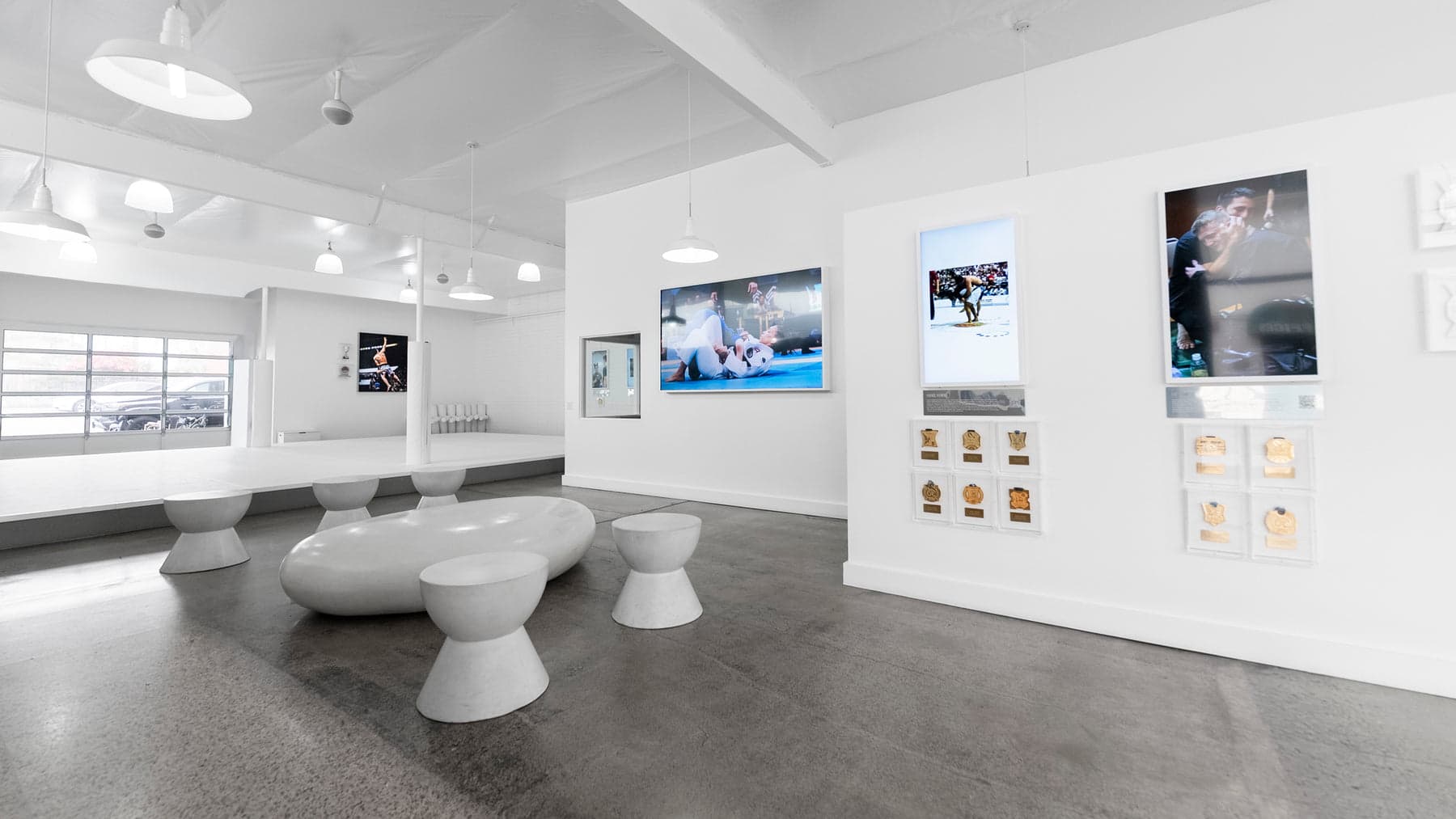
Planning to train at Art of Jiu Jitsu in Costa Mesa? Sort out the location, guest pass, class choice, and packing before building the trip.
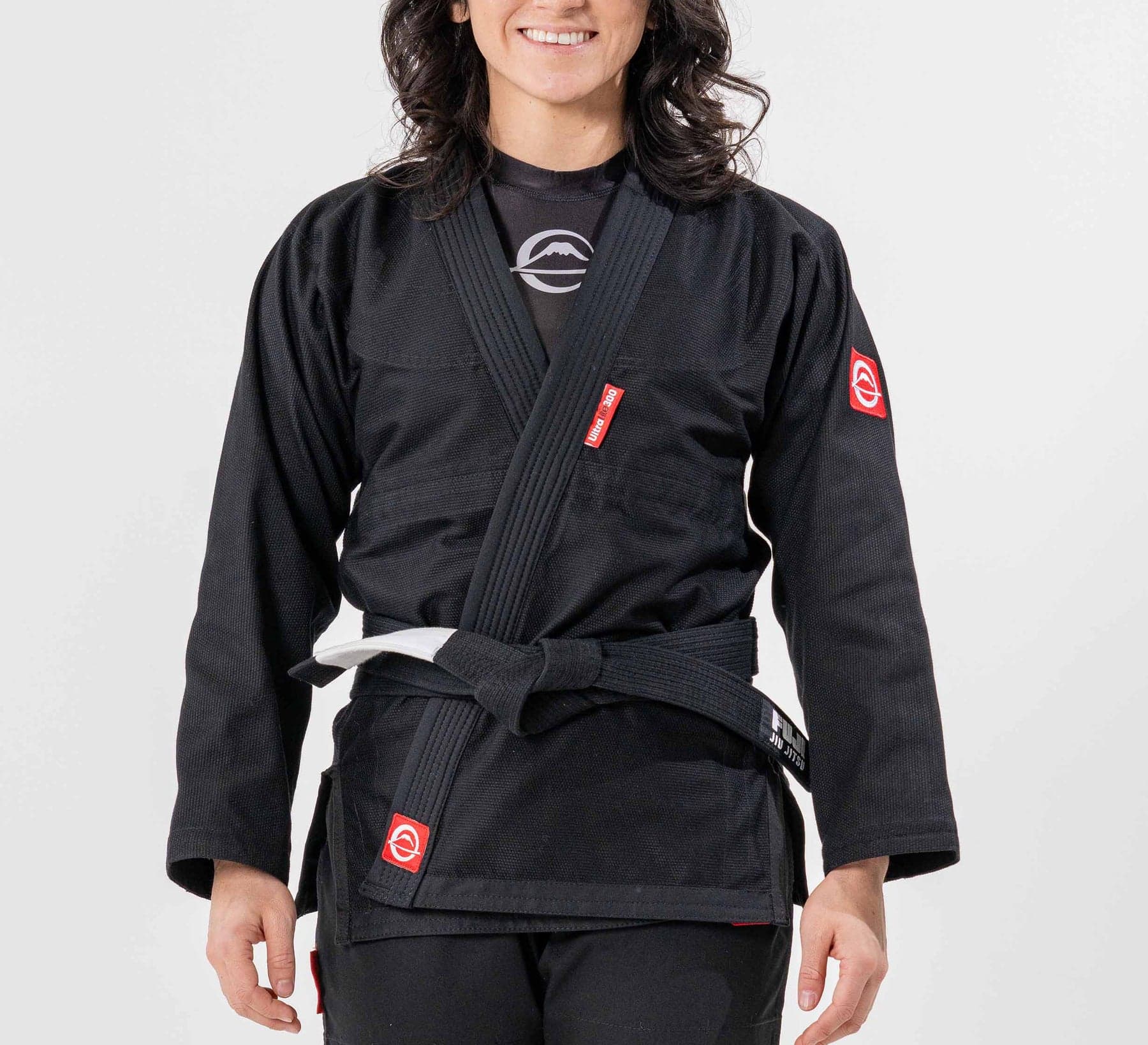
How to choose a women’s BJJ gi using proportions, movement, garment measurements, and a sensible first wash, rather than a size label alone.

Kyra Gracie's record includes three ADCC titles, 2008 Worlds double gold, and teaching at Gracie Kore. Explore the career beyond her famous surname.
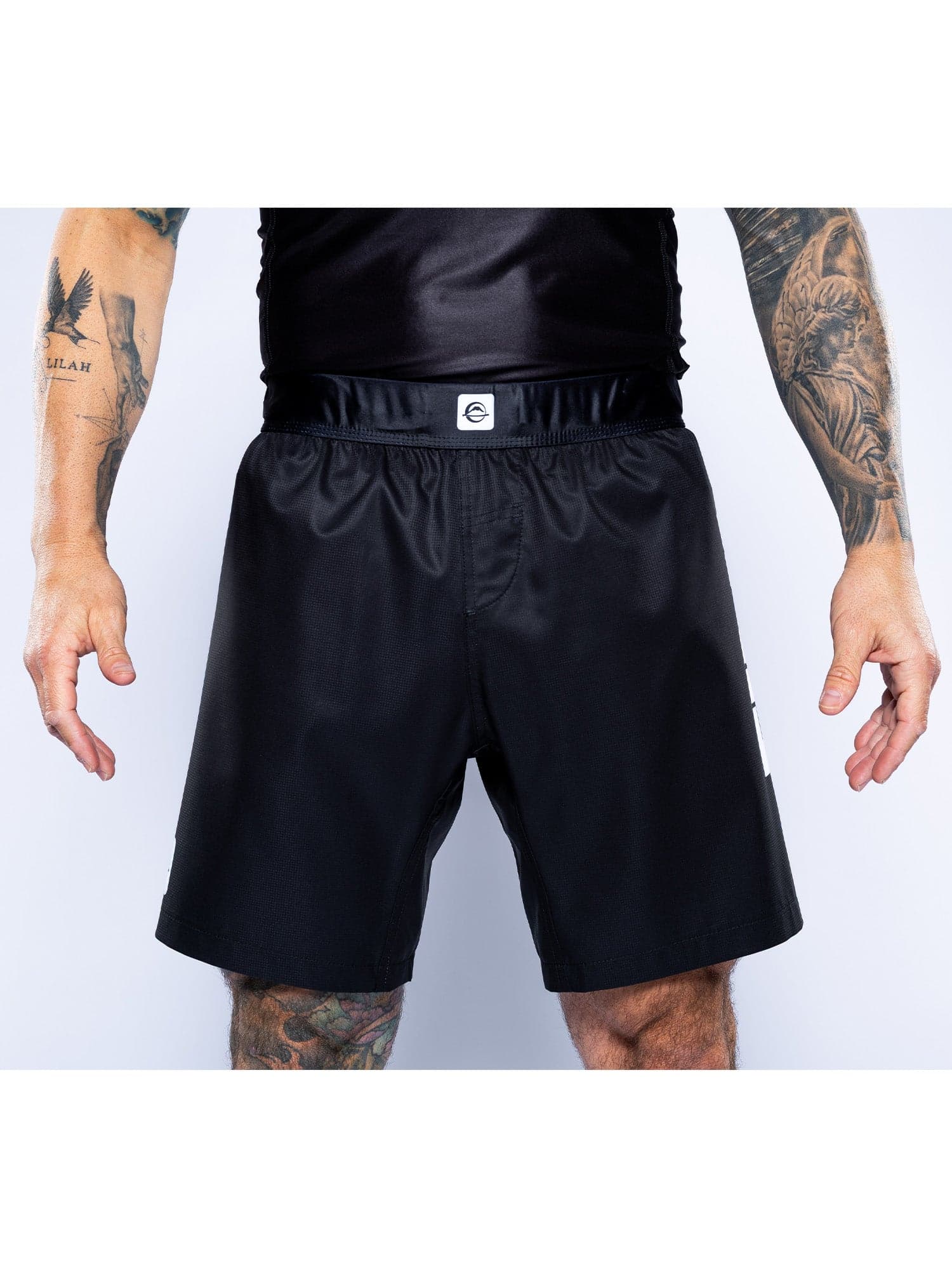
Buy no-gi shorts by checking movement, waistband security, pockets, and event rules before deciding which design belongs in your gym bag.
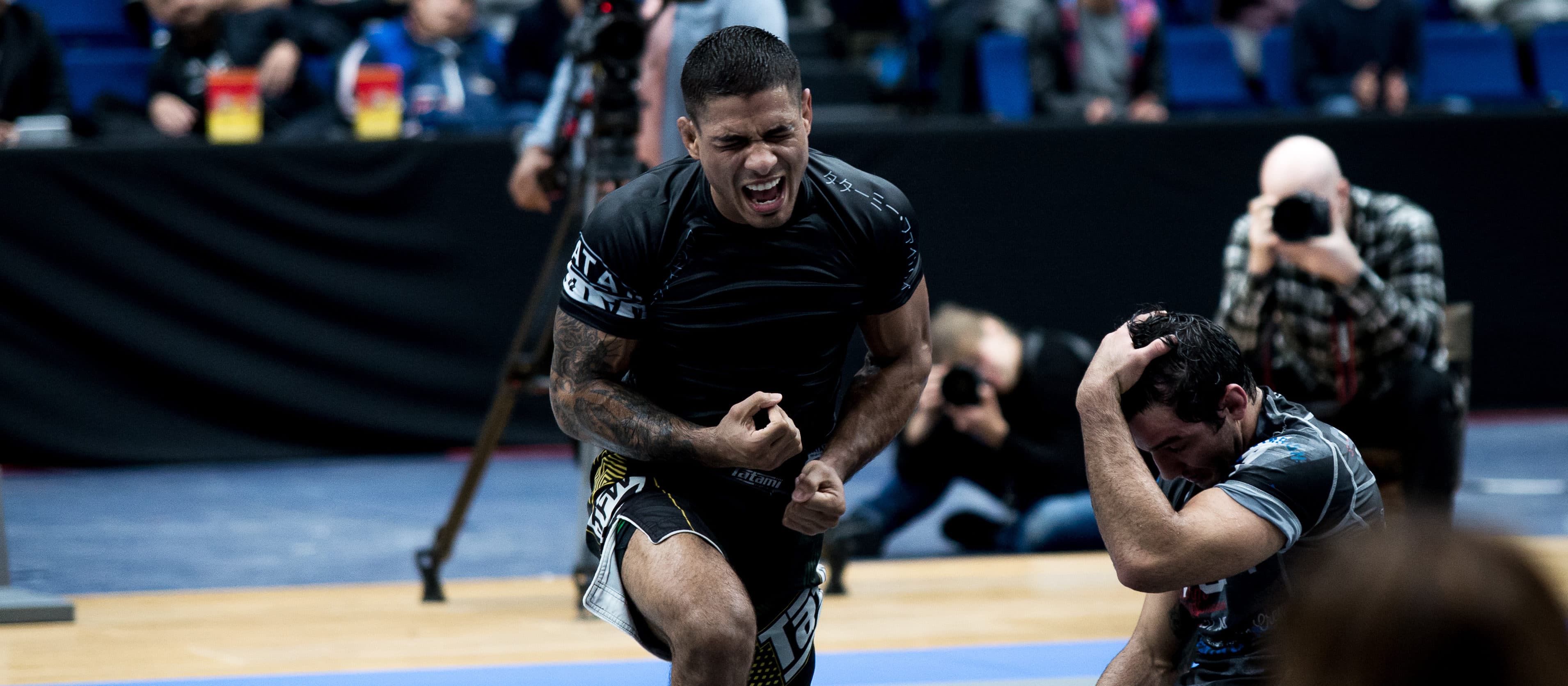
Essential Jiu-Jitsu opened before JT Torres's first ADCC gold. His two-title run offers a different view of the athlete who also teaches.
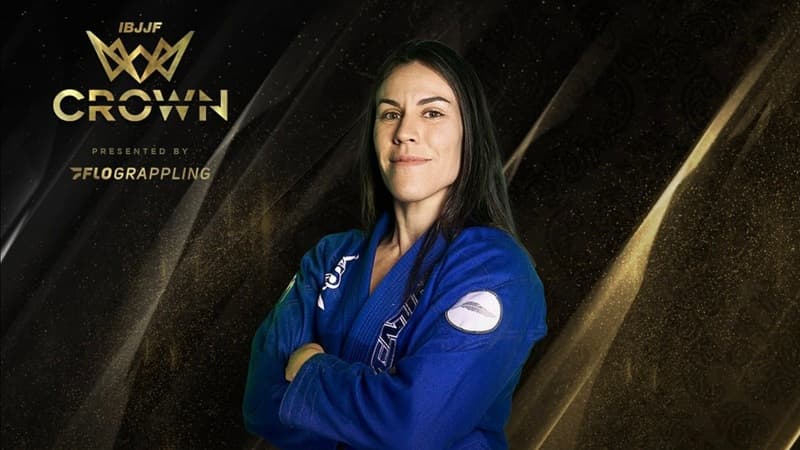
A third world title, four submissions, a retirement announcement, and another Worlds final. Luiza Monteiro's record rewards a longer look.
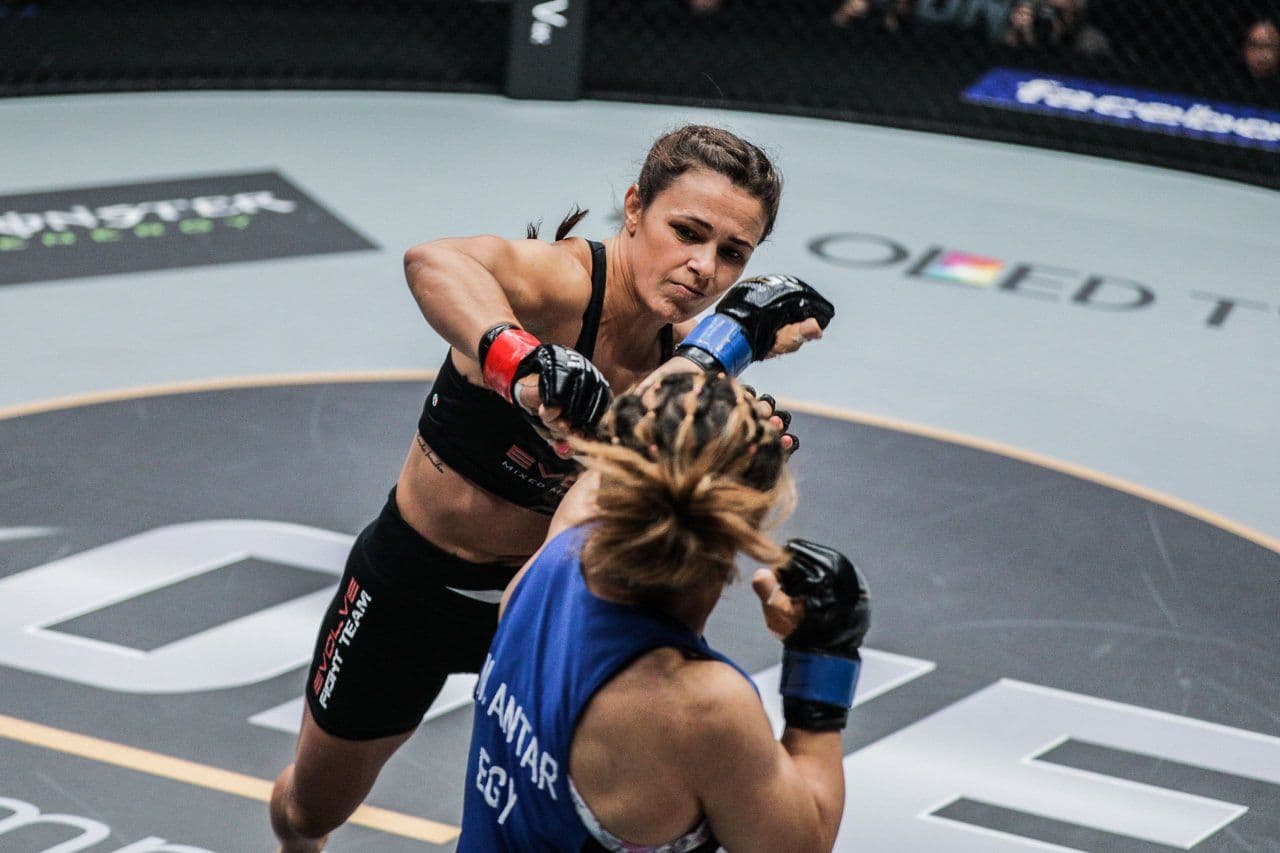
Eight IBJJF world titles, ADCC gold, and a second career in MMA. Michelle Nicolini's story gets interesting between the achievements.
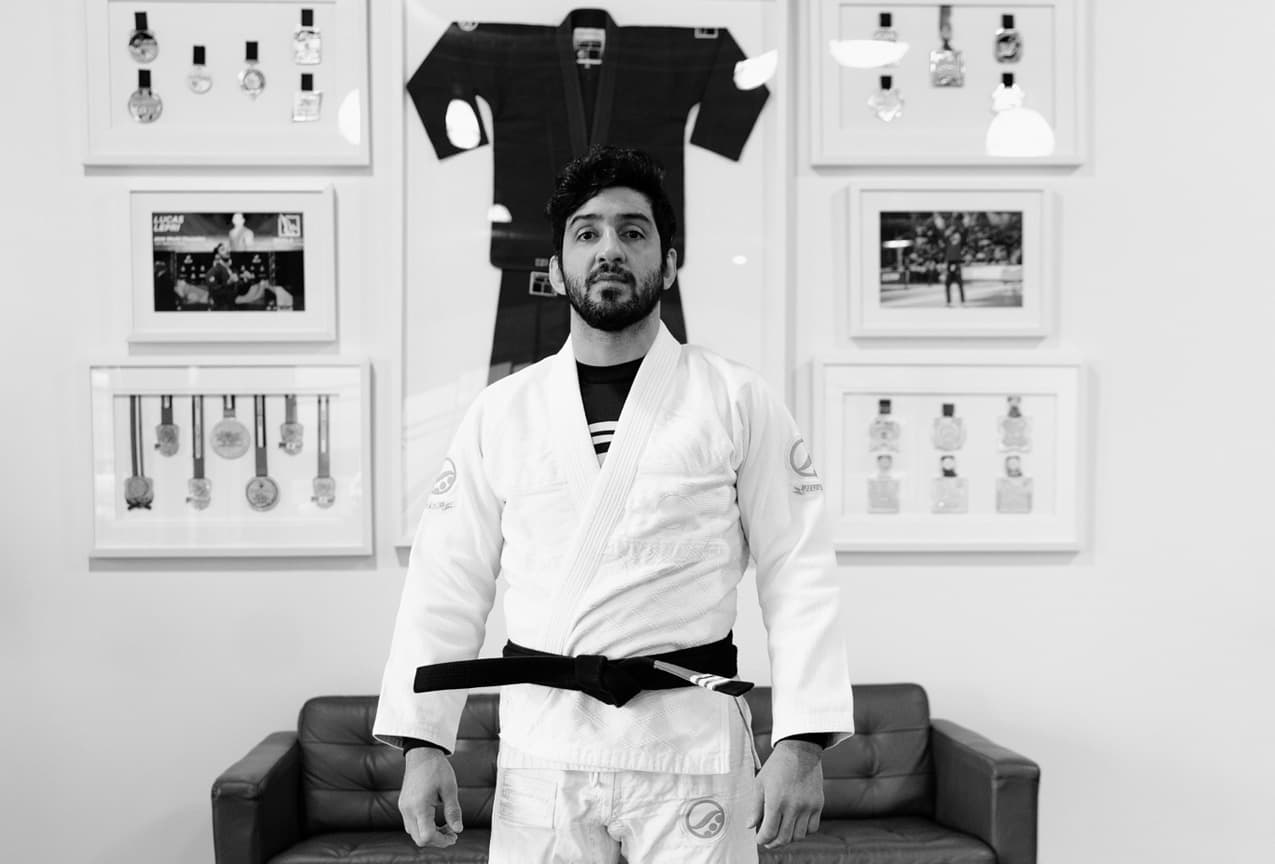
The long gap between Lucas Lepri's first two world titles tells a richer story than the medal count, from teaching early to building a home in Charlotte.
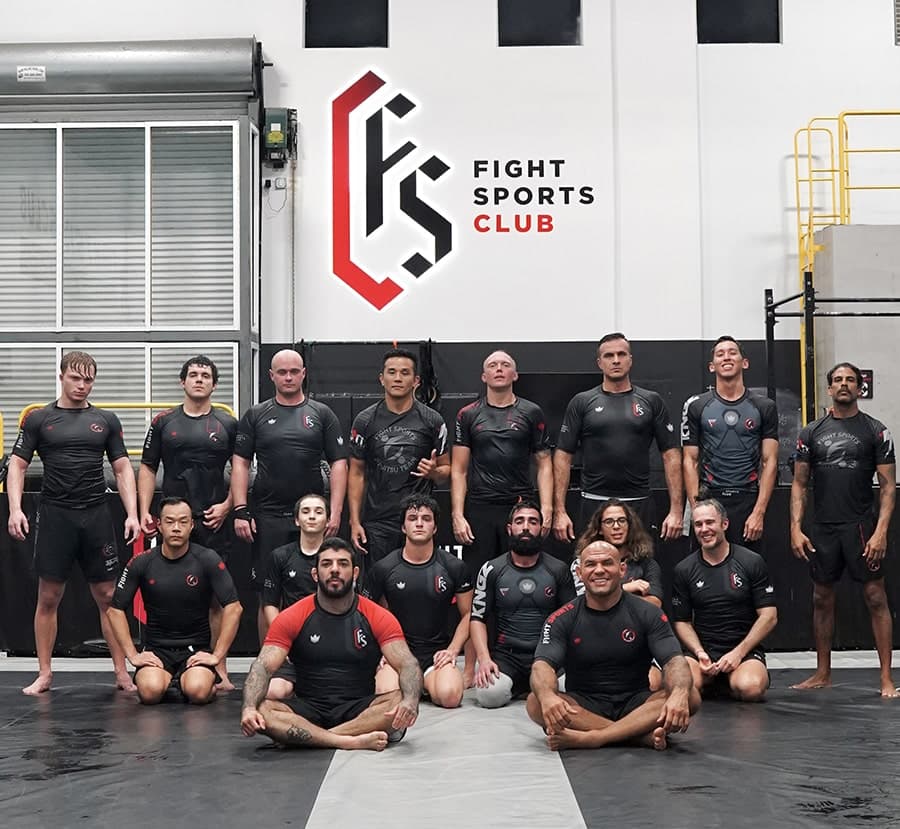
Explore Miami BJJ options through verified school addresses, class formats, and practical visitor planning, without relying on unsupported rankings.