
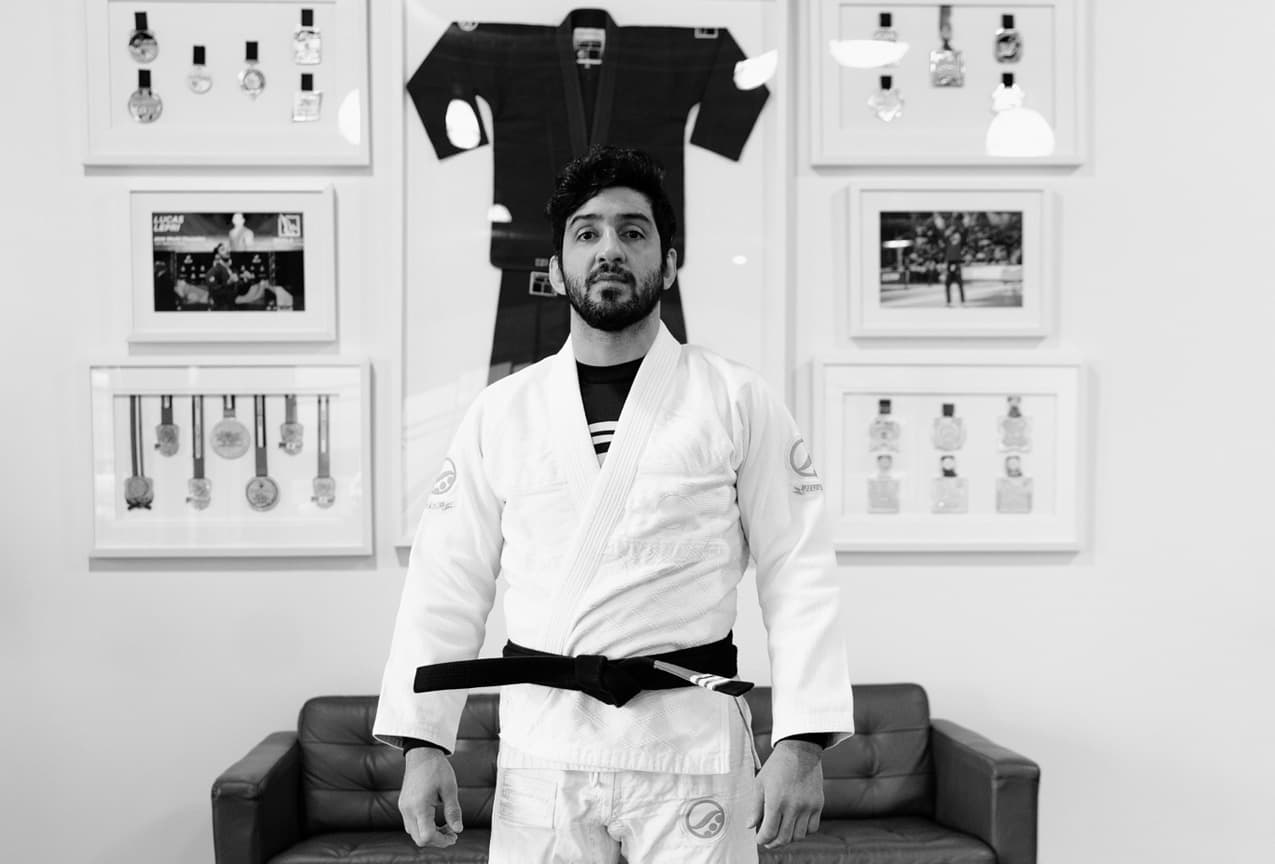
Lucas Lepri won early. The second world title took seven years.
Quick answer: Lucas Lepri is an IBJJF Hall of Fame member whose lightweight career combined world titles with a reputation for difficult-to-score-on jiu-jitsu. He won his first black-belt Worlds in 2007 and his second in 2014, a seven-year gap that included other major successes. His teaching career ran alongside the competition years and eventually took him to Charlotte, North Carolina.
Seven years is a long time to wait for a second version of something you accomplished immediately. Lucas Lepri won the black-belt World Championship in his first year at the rank. Then the event kept returning without another gold for him.
In 2014, the wait ended. What happened between those two titles is worth keeping in the picture. By the time Lepri became a familiar name in discussions of nearly impenetrable passing, he had already spent years living with the difference between being good enough to win Worlds and actually winning it again.
The first title did not provide a timetable
Lepri's early ambition was specific. In a 2011 interview with BJJ Legends, he recalled wanting to become a black-belt world champion after beginning jiu-jitsu at sixteen. He also described balancing training with his studies and getting help from family and friends for competition travel.
The title arrived in 2007. That gave the ambition an unusually quick answer once he reached black belt, but it did not settle what came afterward. Winning at the top level and remaining there are separate undertakings. The next bracket does not contain a reserved route for the previous champion.
For a spectator discovering an athlete years later, the temptation is to read the career backward. The eventual success makes the early success look inevitable, and every intervening season becomes preparation for a known ending. Lepri did not have the benefit of watching his own career as a completed highlight package.
The useful detail is the combination of ordinary responsibilities and a very unusual target. School, travel and support from other people belonged to the same life as the ambition to win a world title. A gold medal can make those surrounding arrangements disappear from the retelling. They were there before the podium.
The years in between were not empty
The gap in gi world titles can be mistaken for a gap in achievement. His academy biography and results page lists no-gi world golds in 2009, 2010 and 2011. That is substantial work inside the years a short account might reduce to waiting.
This is one reason a single tournament can give an incomplete picture of a grappler. The most prestigious target may remain out of reach while the athlete wins elsewhere. An account organized only around that target will keep saying he has not won yet, even when another medal is already in the bag.
Gi and no-gi also require separate attention. The uniform changes the grips available, and the same athlete has to work within what the match permits. The absence of another gi Worlds gold did not mean Lepri had spent those seasons outside serious competition.
For readers following today's lightweight contenders, the distinction is useful. Look at the season around the result that receives the most attention. A finals loss can coexist with an excellent year. A title can arrive after uneven results. The record is more interesting when every event does not have to serve as proof of the same simple story.
Long Beach, 2014: the result changed
Graciemag's June 2014 interview records the breakthrough: five matches and a 12–0 final against JT Torres. Lepri described confidence in his physical, technical and mental preparation, and explained that denying Torres comfortable grips was part of his approach. His second black-belt world title had arrived.
That explanation is striking for how specific it becomes. The broad achievement is winning Worlds again. The competitive problem is an opponent with grips Lepri did not want established. Between those two scales sits the actual match: not a general declaration of confidence, but a succession of choices against somebody capable of stopping him.
There is a good reason to keep the opponent's name attached. Twelve points against an unnamed man can become an empty statistic. Against Torres, it identifies a meeting of two accomplished lightweights, and a result that belongs to that meeting. Their careers would continue beyond it.
A viewer can start with the score and then go back for the exchanges. How did the athletes reach the positions from which points became possible? What had to happen before the pass? Those questions preserve the substance that a final score necessarily leaves out.
The opponent's zero can tell its own story
By 2018, coverage of Lepri was paying close attention to what his opponents were unable to put on the scoreboard. In FloGrappling's account of his 2018 Worlds campaign, Chase Smith described a run of opponents barely scoring across three editions and a final against Renato Canuto that included Lepri's wrestling and Canuto's judo attacks.
That is a different way to follow a champion. A highlight tends to show the move that finally works. Looking at the other side of the scoreboard asks what the champion prevented while pursuing that move. The distinction brings the intervening minutes back into view.
It also makes the standing exchanges worth watching. A grappler remembered for passing still has to reach a position from which passing is available. The beginning of a match is not spare footage before the recognizable technique arrives. It helps determine the work each athlete will have to do next.
Try watching a complete match once without skipping to the decisive sequence. Then return to the moments when either athlete nearly established something useful. The second viewing can be quieter and more revealing. You are looking for changes in opportunity, including the ones that never became a score.
Teaching began before there was a famous academy
Lepri was already teaching at brown belt, according to his BJJ Legends interview. He described having a limited number of hard training partners locally and traveling to São Paulo to work with the team associated with Fernando Terere and Eduardo Telles. Teaching and pursuing his own development occupied the same period.
That overlap matters. It gives the later academy a longer background than a familiar sequence in which a champion collects titles, stops competing and opens a room. Lepri's account includes the practical difficulty of needing good training while being responsible for providing instruction himself.
The roles ask different things of a person. In competition, the immediate problem belongs to the athlete across from you. In a class, several students may be struggling with different pieces of the same explanation. Being able to perform a movement and helping somebody else recognize its purpose require different kinds of attention.
You do not need to claim that one role automatically improves the other to see why the overlap is interesting. A developing competitor was also encountering the questions students ask. Later success did not create those questions. It gave more people a reason to listen to his answers.
Charlotte became part of the record
Lepri's academy account traces an American teaching route through New York and Atlanta before the Charlotte chapter. It also lists team victories at the Charlotte Open in 2016, 2017, 2018, 2019 and 2021. Those are academy results, which deserve their own place alongside his individual competition record.
An athlete's name on a gym carries two audiences toward the same door. A visiting competitor may arrive because of a match they watched. A local beginner may arrive because the address fits the trip from work. The instructor has to teach the person who actually turns up, whatever brought them there.
That makes a local academy a concrete extension of a competition career. There is a timetable, a group of students and another class after the memorable weekend has ended. A team result reflects the efforts of those students as well as the coaching around them. Keeping both in view gives the academy story more people in it.
If a champion's school interests you, use the competition record as a reason to investigate the class rather than a substitute for doing so. Ask which session fits your experience and who is teaching. Our drop-in etiquette guide covers the practical questions that turn that interest into a workable visit.
A career worth watching at full speed and in the pauses
The IBJJF included Lepri among its 2022 Hall of Fame inductees. That recognition places him in the federation's history, but there is still value in looking closely at individual seasons rather than reading the honor as the final word.
A useful starting collection includes:
An early world-title match, to see the athlete before the later reputation.
The 2014 meeting with Torres, with the result and Lepri's published explanation in mind.
The 2018 final against Canuto, paying attention to the standing exchanges as well as the passing.
These are viewing suggestions, not claims that one playlist can teach his game. Notice what you can actually describe, then bring a specific question to your coach if it relates to your training. Our guide to learning from BJJ instructionals can help keep the next step manageable.
Lepri's career gives the spectator several things to follow: an early arrival, a long interval before the next gi world title, success in another format and teaching that continued alongside the results. The medal count is the quickest introduction. The years supply the rest.
Main photo: Lucas Lepri Jiu Jitsu Academy; photographer not identified on source page.
The takeaway
The seven-year gap makes Lepri's career larger, not smaller. It contains other wins, teaching responsibilities and the unresolved task of returning to the top of one particular tournament. Looking at those years keeps the champion from becoming a row of gold medals with nothing happening between them.
Start with a whole match. Keep the opponent in the picture. Then look at the season around it. Lepri rewards that kind of attention because his record contains more than the moment a referee raises his hand.
Take the question to a training room
If studying Lepri's matches has given you something specific to work on, find a suitable class through Let's Roll's gym directory and bring the question to your instructor.
FAQ
When did Lucas Lepri win his first black-belt world title? In 2007, his first year competing at black belt. His next gi world title came in 2014, after a seven-year interval that included success in other events and no-gi competition.
Who did Lepri beat in the 2014 Worlds final? JT Torres. Graciemag's contemporary report records a 12–0 result and includes Lepri's explanation of his preparation and approach to Torres's grips.
Did Lucas Lepri compete successfully without the gi? Yes. His academy's record lists no-gi world titles in 2009, 2010 and 2011. Those results belong to the period between his first two gi world titles.
Why study full Lucas Lepri matches instead of highlights? Full matches let you examine the standing work, denied grips and positional exchanges around the decisive action. That gives you a more specific question to discuss with a coach than copying a finish without its setup.

Miles Serrano
Miles Serrano writes about competitors and the decisions that shaped their careers. He is more interested in the adjustment someone made in the third minute than in the medal count afterward.
Related Posts
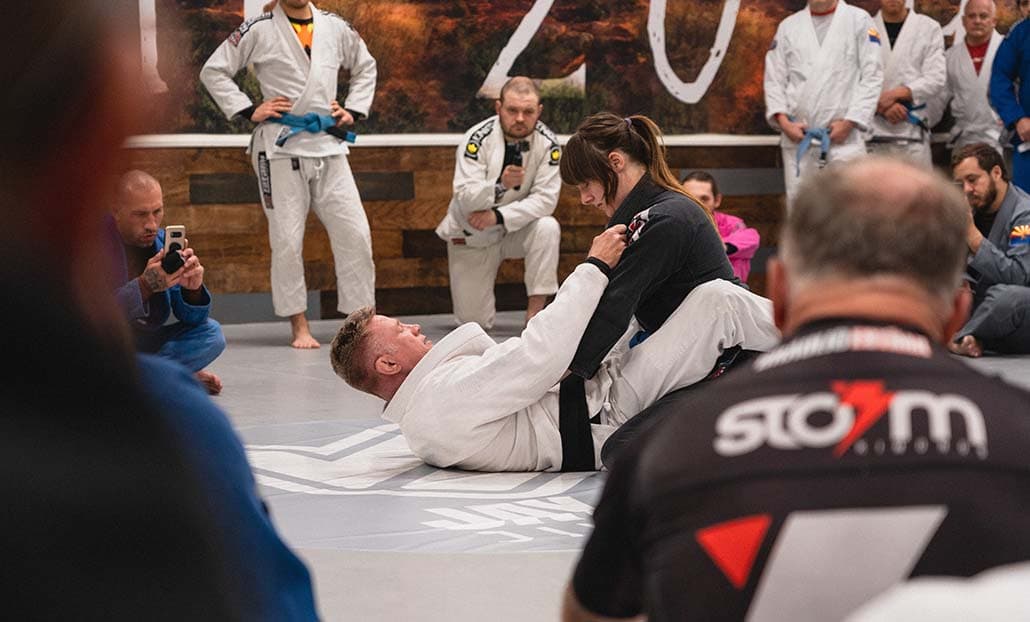
Choosing a BJJ seminar worth your time and travel
Choose a BJJ seminar by the subject, teaching format, access, and total cost. Know what to ask the host before buying a ticket.
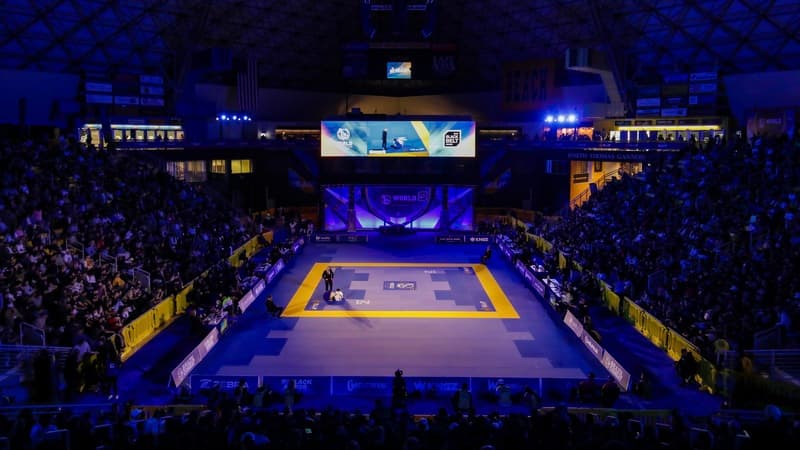
IBJJF membership: finish the paperwork before the deadline
IBJJF membership and tournament entry are separate steps. Plan documents, professor approval, renewals, and junior accounts before registration closes.
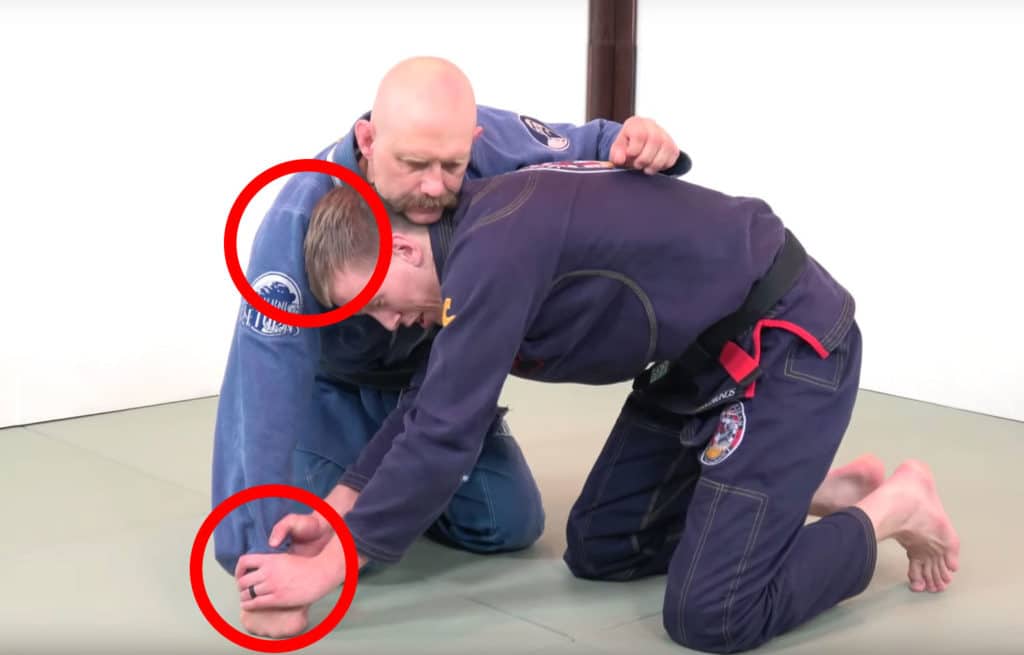
The turtle position needs an exit plan
Turtle can interrupt a pass, but staying there creates another problem. Learn to identify the threat, control a connection, and choose an exit.
Comments (0)
Loading comments...