Technique
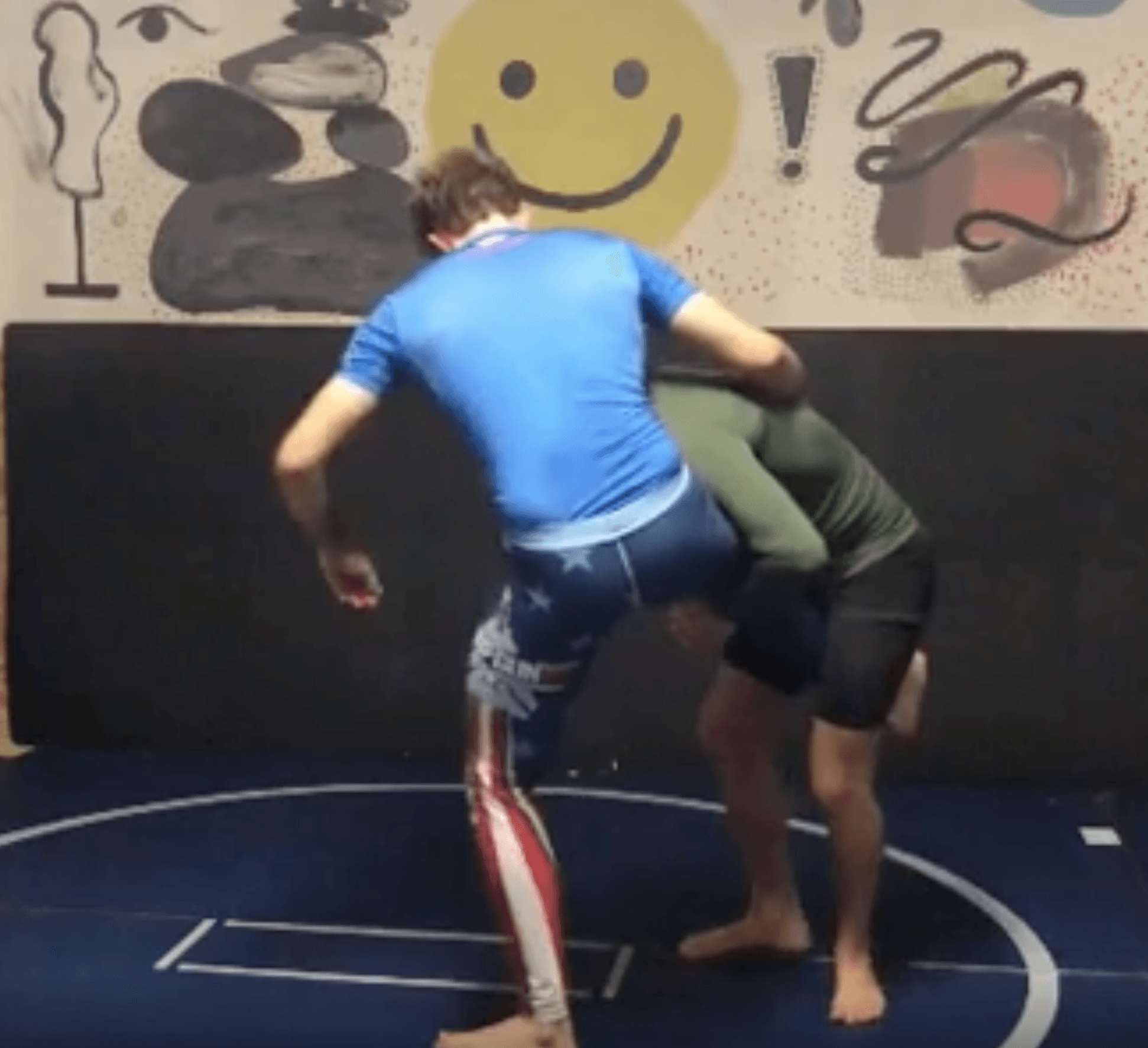
Takedowns for BJJ: Where to Start When You Hate Standup
Takedowns for BJJ when you hate standup — why gyms neglect it, wrestling vs judo entries, three high-percentage options, and honest guard-pulling talk.
5 min read

Training, technique, and the culture of Brazilian Jiu-Jitsu
44 articles
Takedowns for BJJ when you hate standup — why gyms neglect it, wrestling vs judo entries, three high-percentage options, and honest guard-pulling talk.
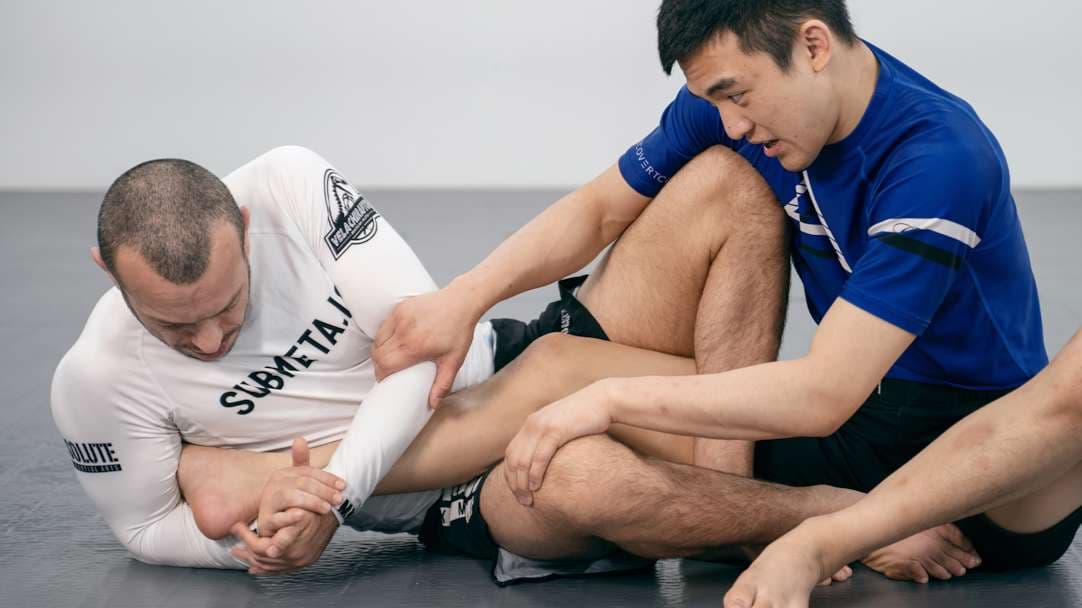
Leg locks in BJJ, honestly — why they were taboo, what changed, where beginners should start, what's legal at your belt, and how to keep partners safe.
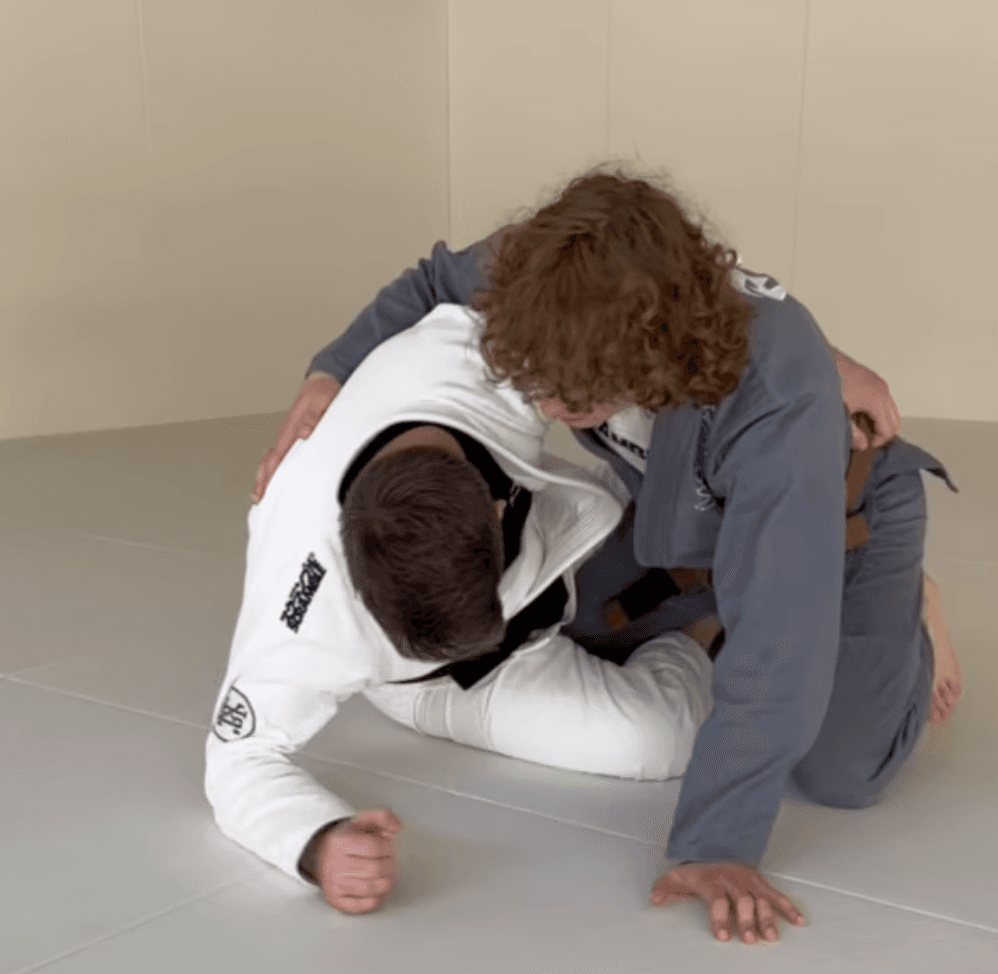
Half guard for beginners — how BJJ's old survival position became real offense, the underhook battle, the knee shield, and what to focus on first.
The armbar explained — its judo lineage, how it works from mount, guard, and back, why control beats extension, and when to tap to protect your arm.
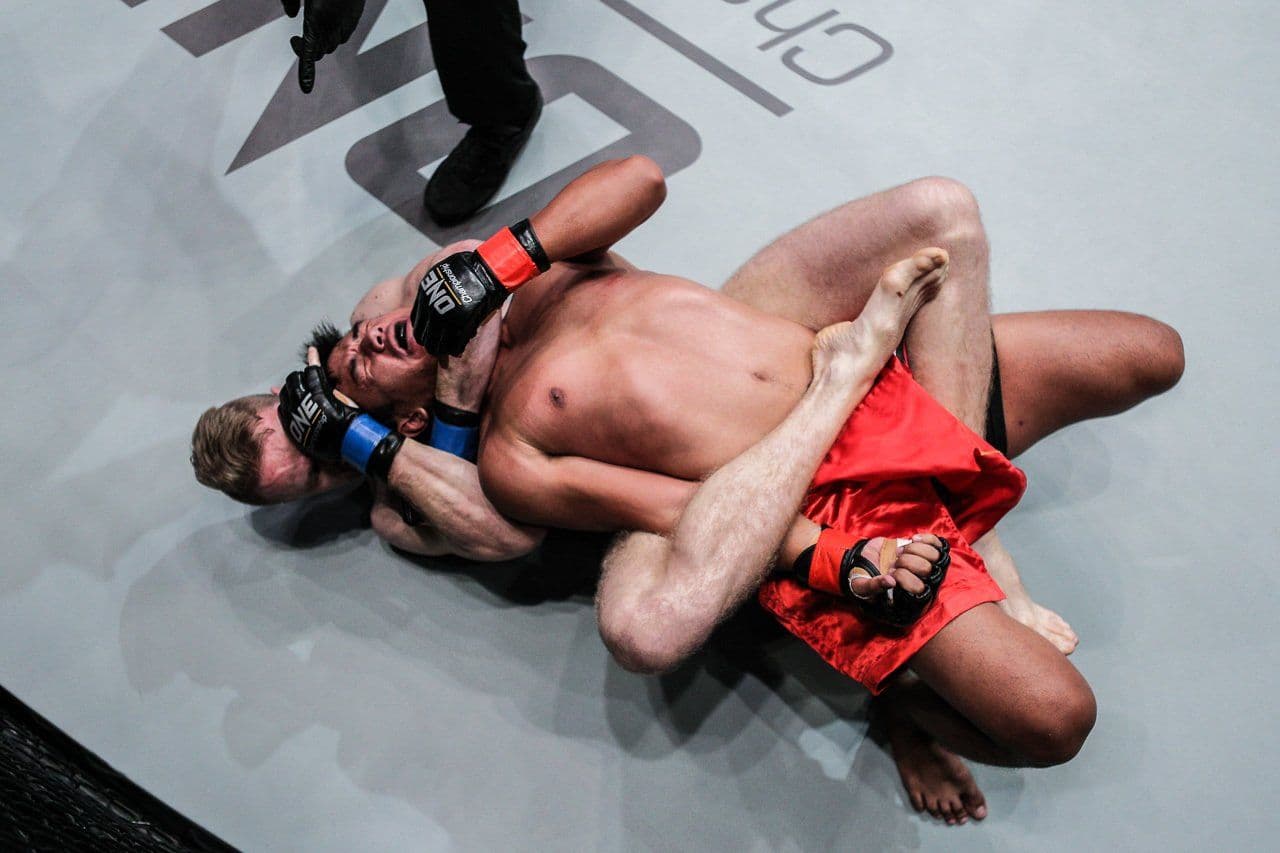
Why the rear naked choke is grappling's highest-percentage submission — back control, the seatbelt and hooks, and blood chokes explained honestly.
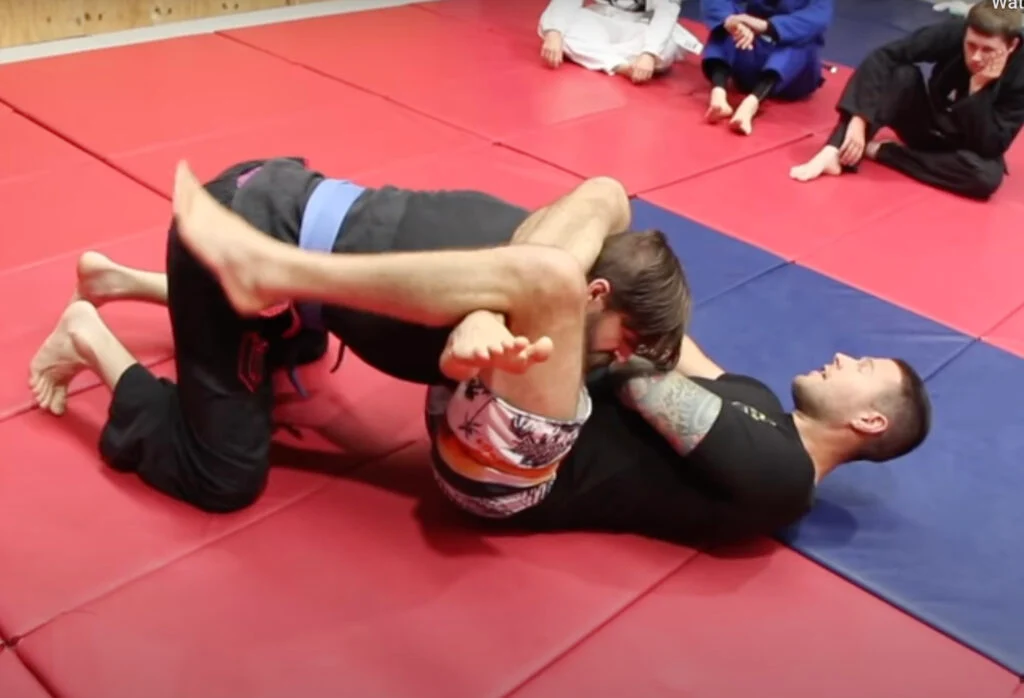
The triangle choke explained — its judo roots, how the mechanics actually work, the mistakes every beginner makes, and how it changes from gi to no-gi.
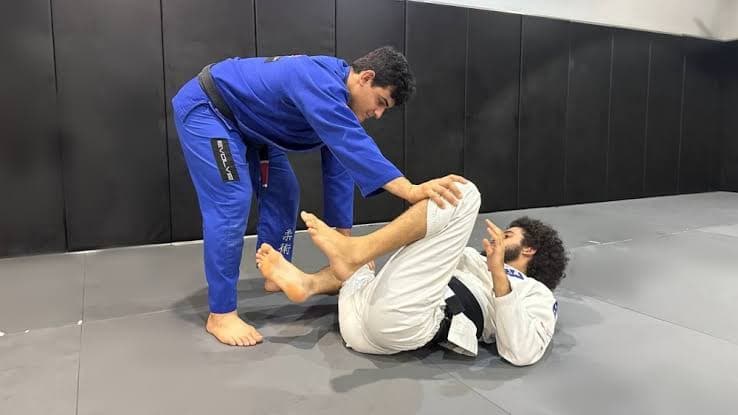
Guard passing is one of the hardest skills in BJJ. Here are the principles that make passing work — pressure, posture, grips, and patience — plus beginner mistakes to fix.
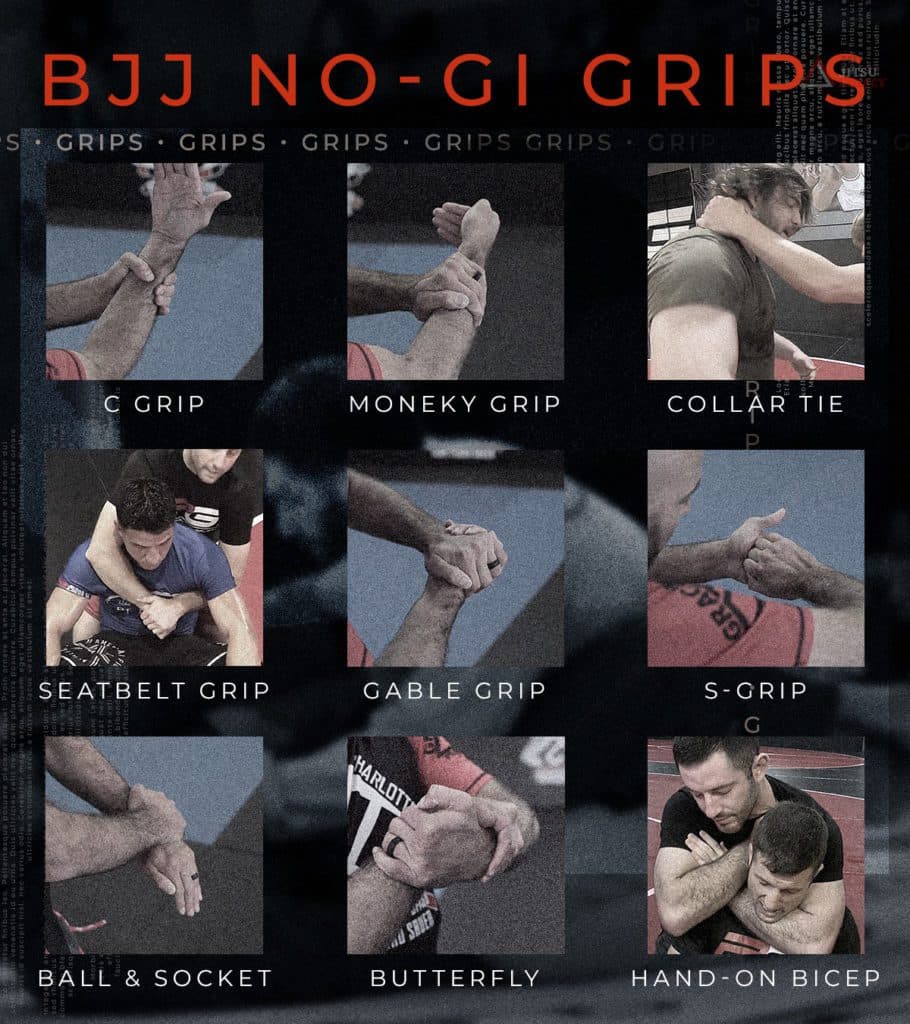
Grip fighting decides most BJJ exchanges. Here's a beginner's guide to the essential gi and no-gi grips, how to break grips, and why winning the grips wins the position.
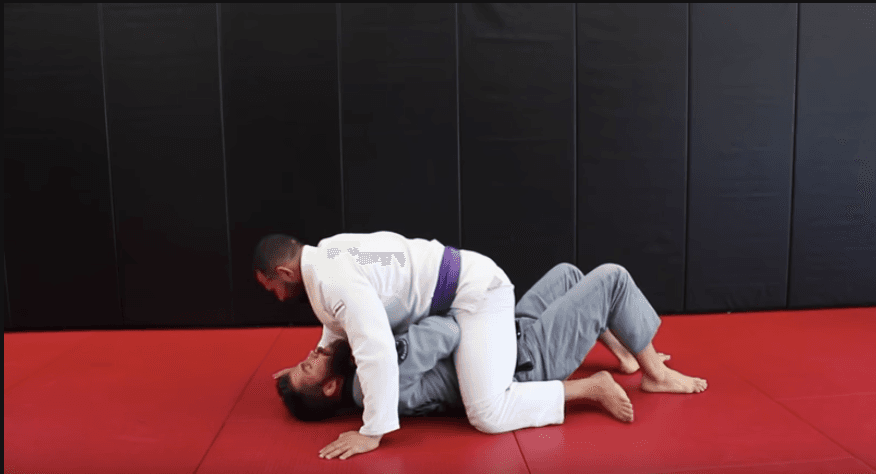
The highest-percentage beginner escapes from mount and side control in BJJ — the bridge-and-roll, elbow-escape, and framing — plus the principles that make them work.
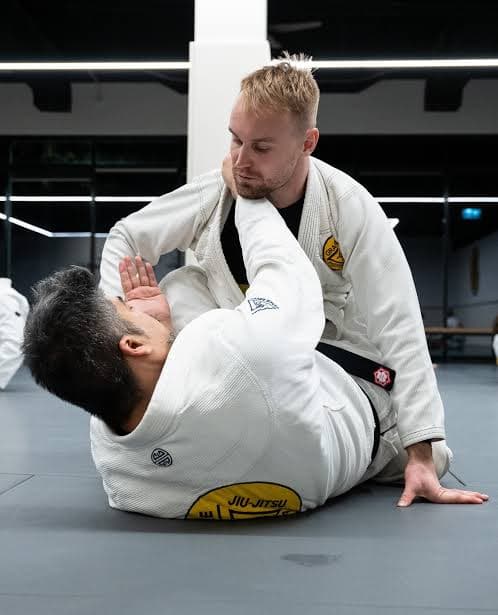
The highest-percentage BJJ submissions for beginners — armbar, rear naked choke, triangle, kimura, guillotine and more — what they are and why to learn them first.
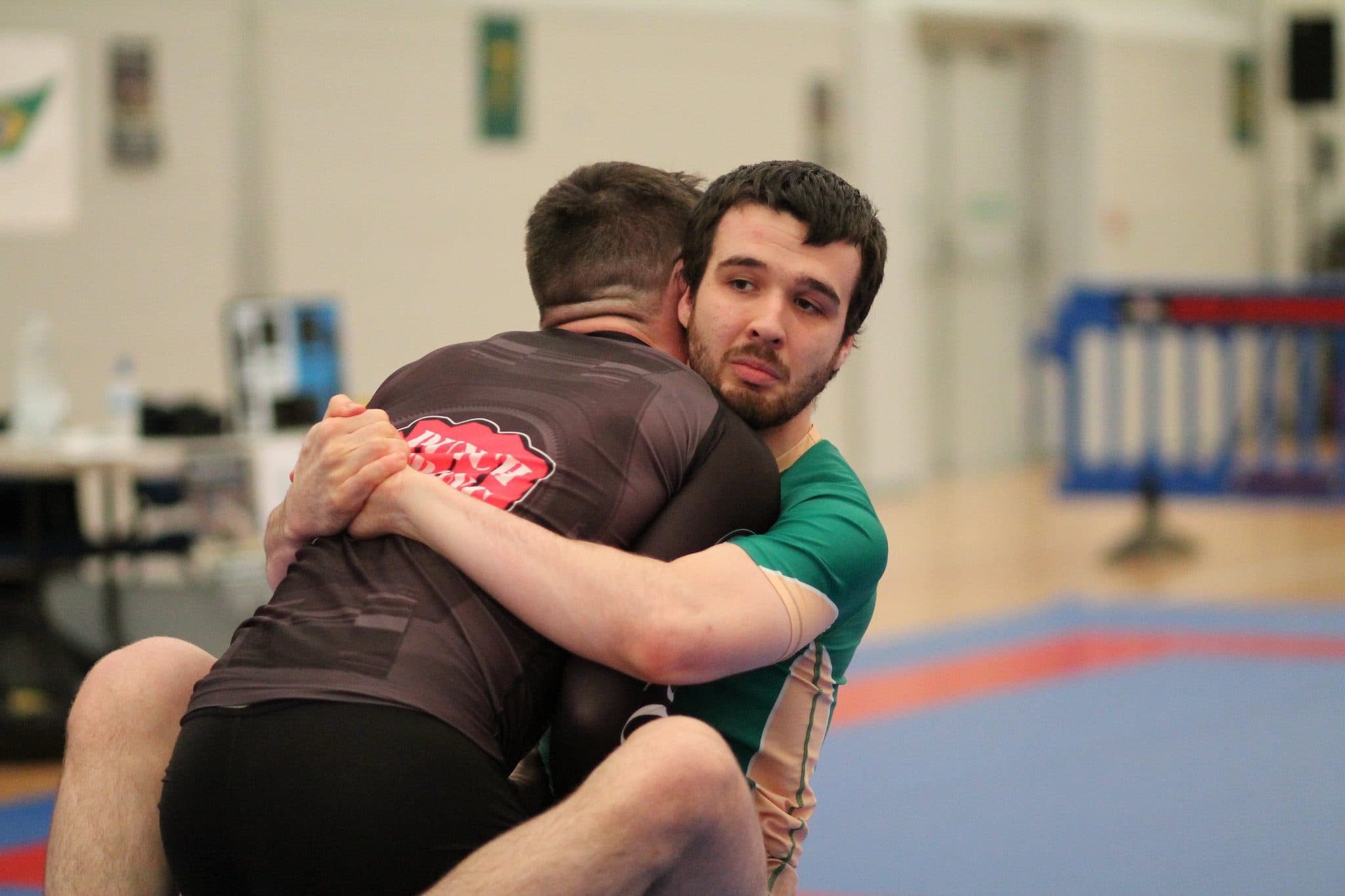
Takedowns are only part of the discussion. Wrestling also changes the choices available when a BJJ athlete gets to a knee, stands, or defends top position.
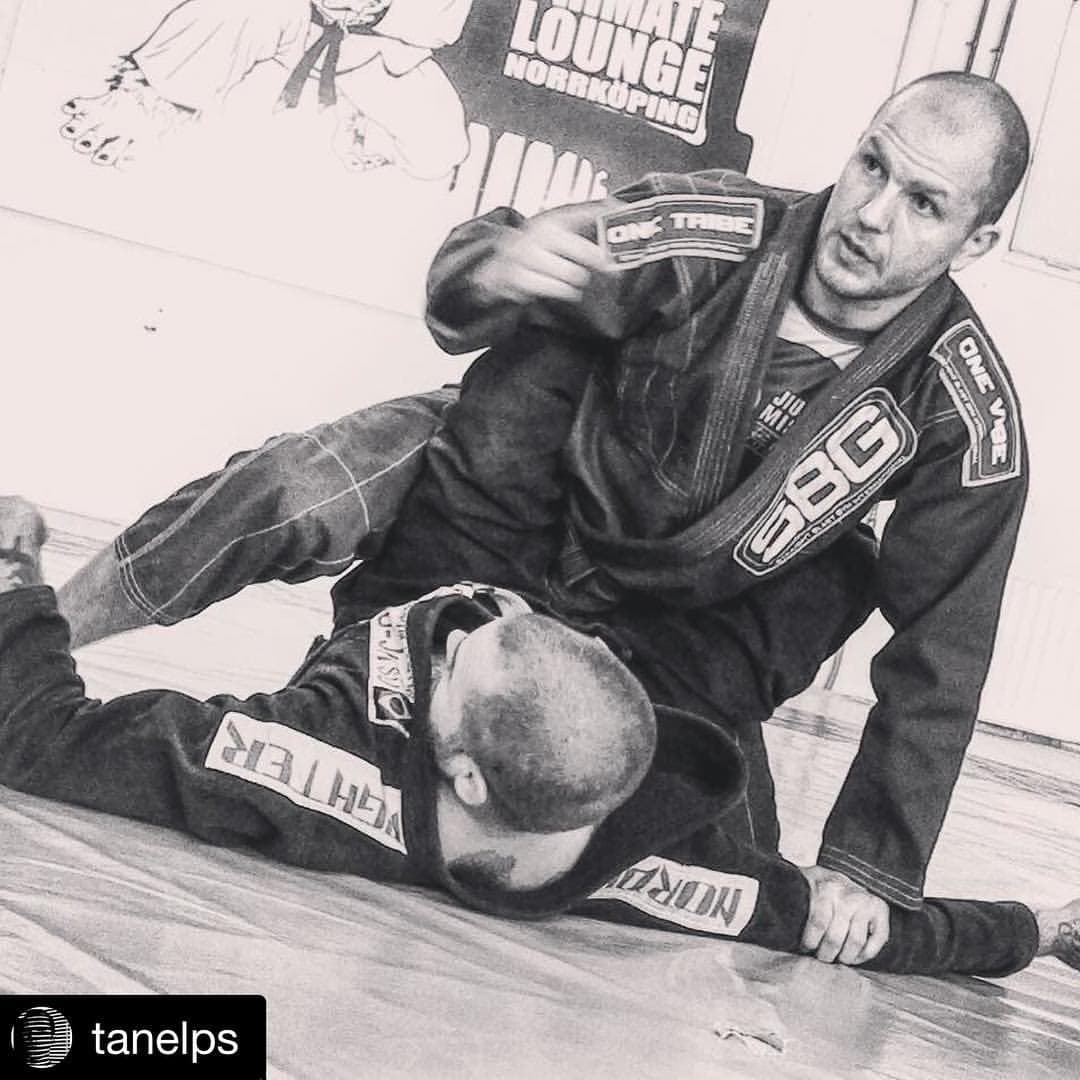
Pressure is about where force goes and what movement it stops. Learn to compare positions without turning practice into a discomfort contest.
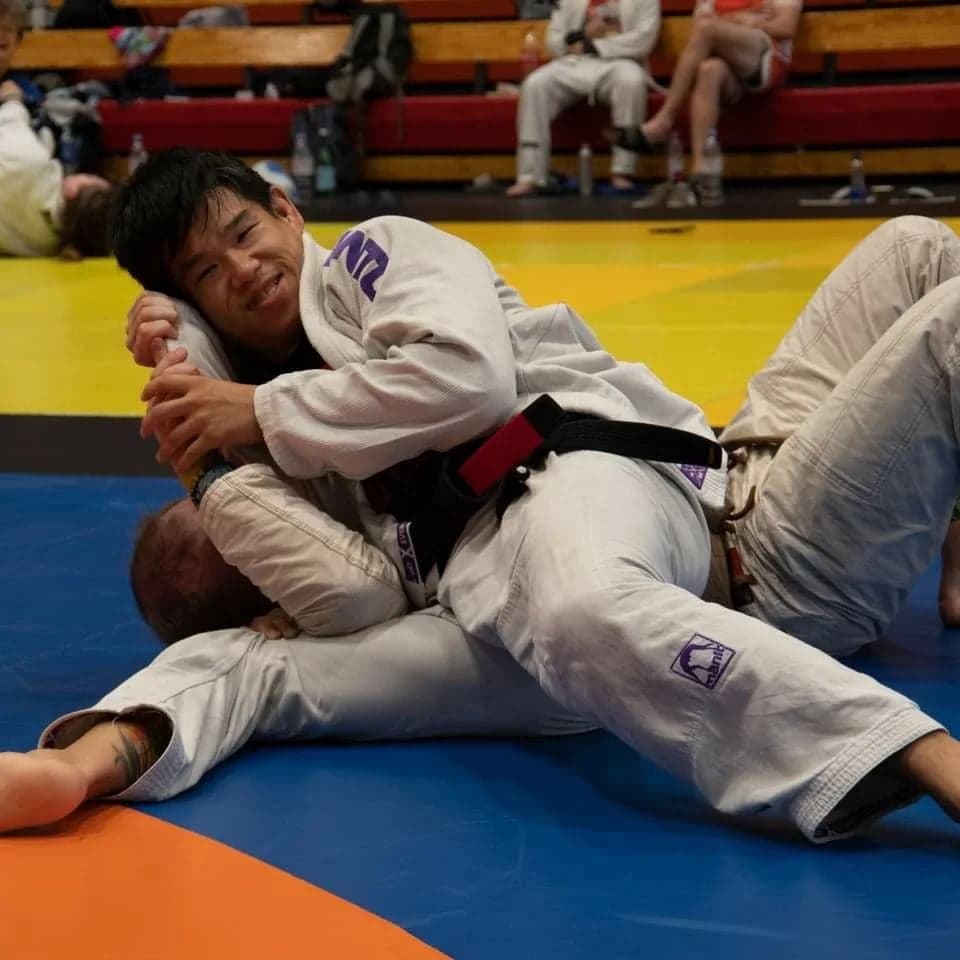
Keep losing position when you attack? Separate the pin, the first transition, and the recovery route in a focused practice block.
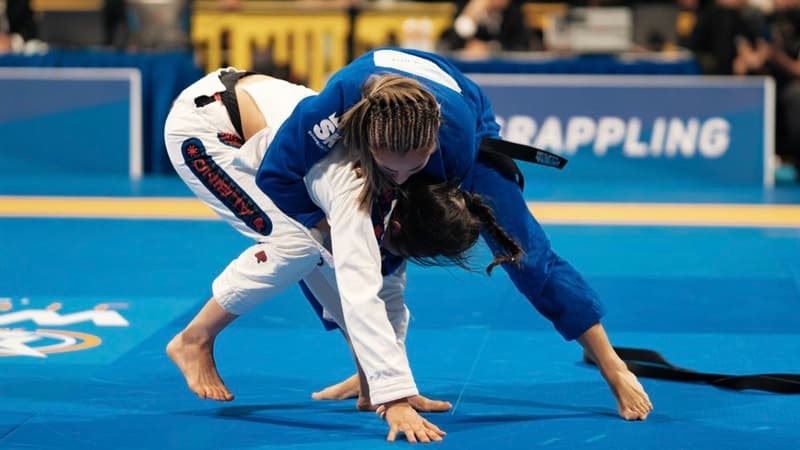
Changing your BJJ lead leg changes the opening exchange. A coach-led approach to comparing stance, movement, distance, and initial grips.
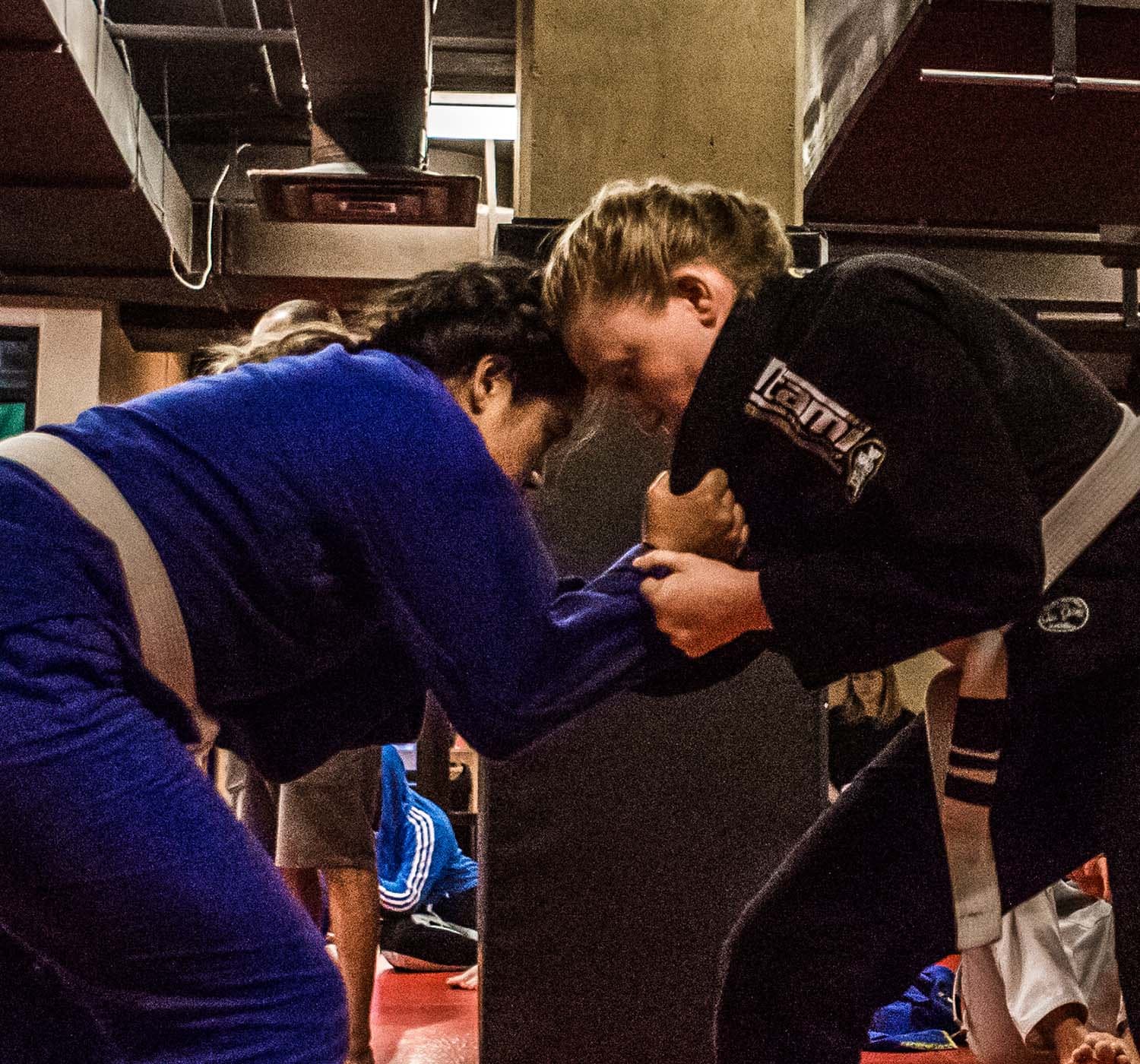
Inside position only helps when it has a job. Connect BJJ hand fighting to stance, angle, and a clear next decision.
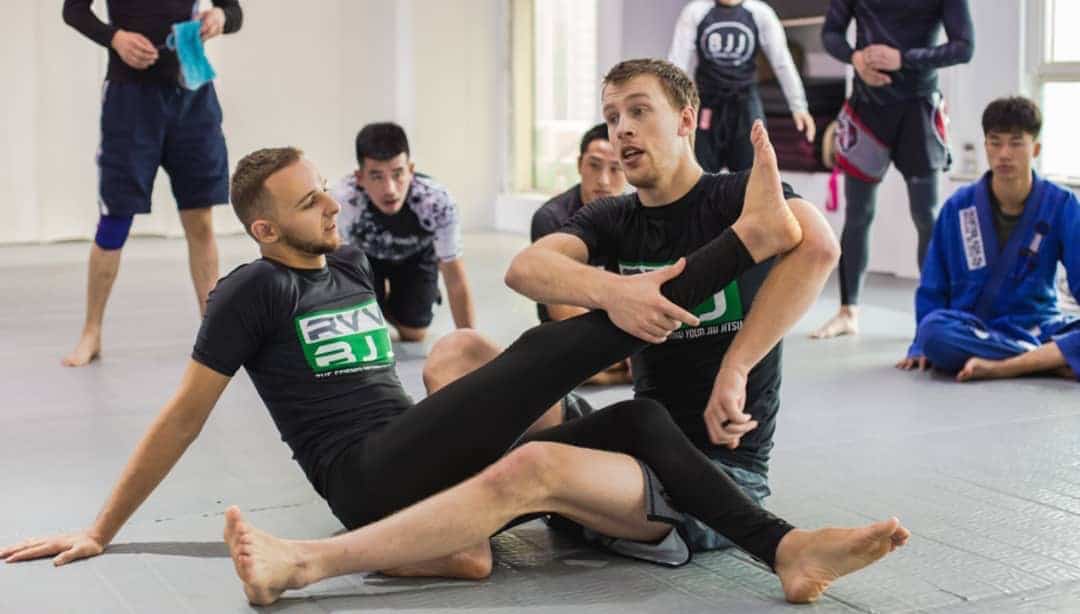
Separate early guard retention from late recovery so your BJJ drills address the point where the pass actually began to work.
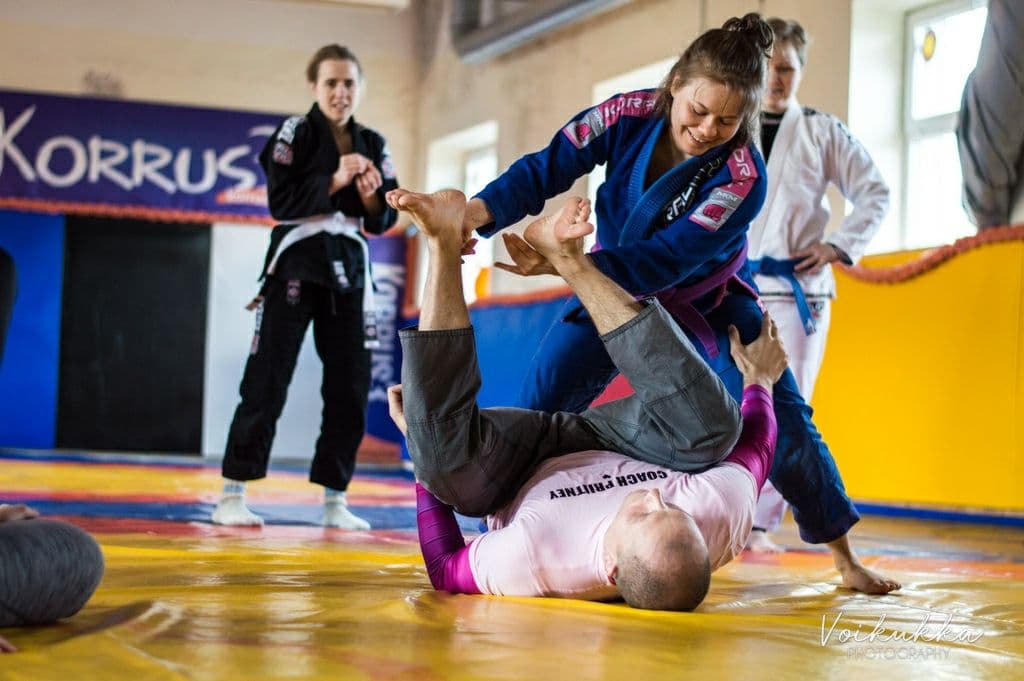
Make BJJ leg pummeling useful by identifying the obstruction, choosing a clear endpoint, and connecting the movement to your guard.
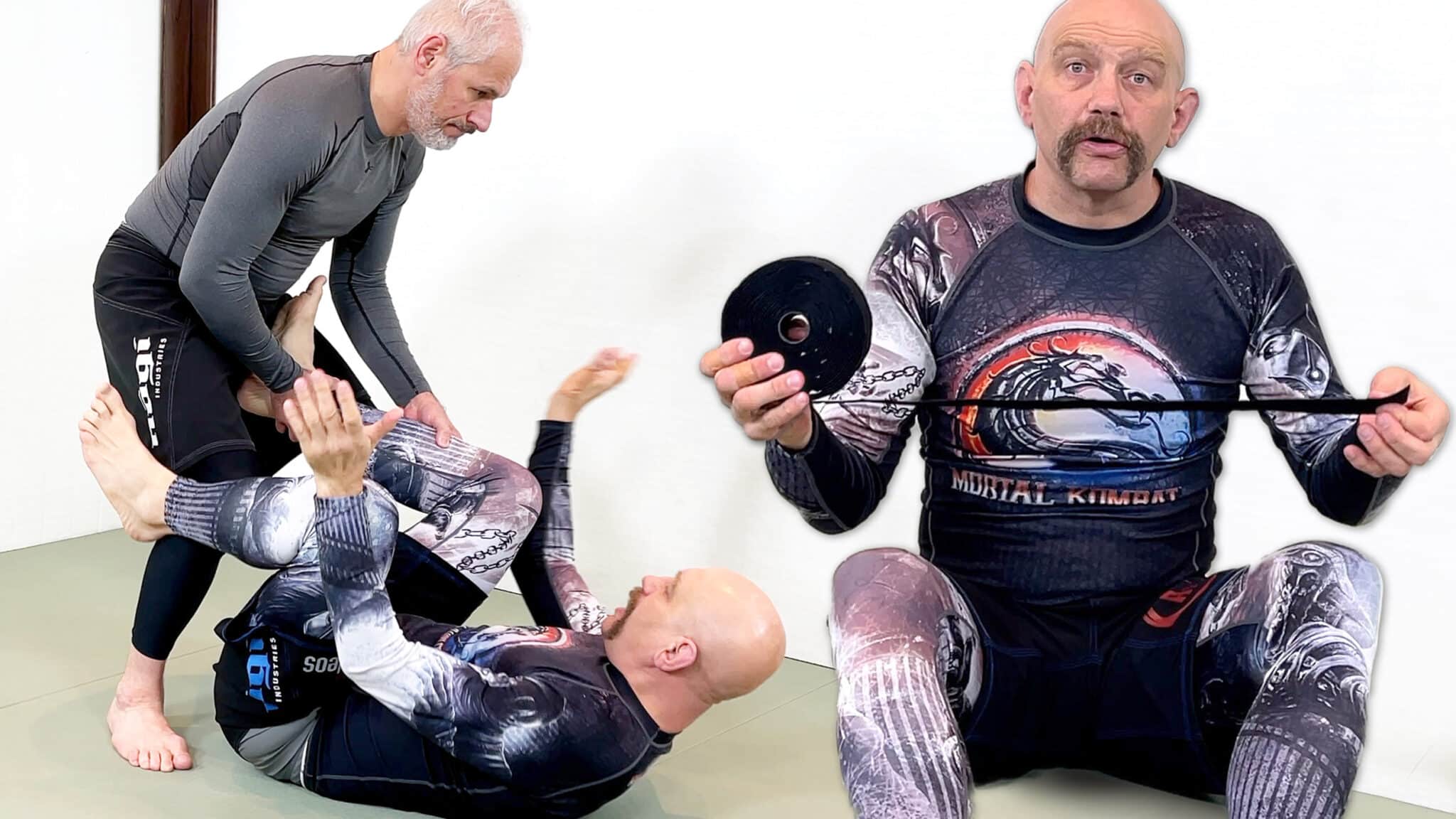
Understand the space elbow-knee connection protects in BJJ, how to practice it, and when a passing problem requires a different response.
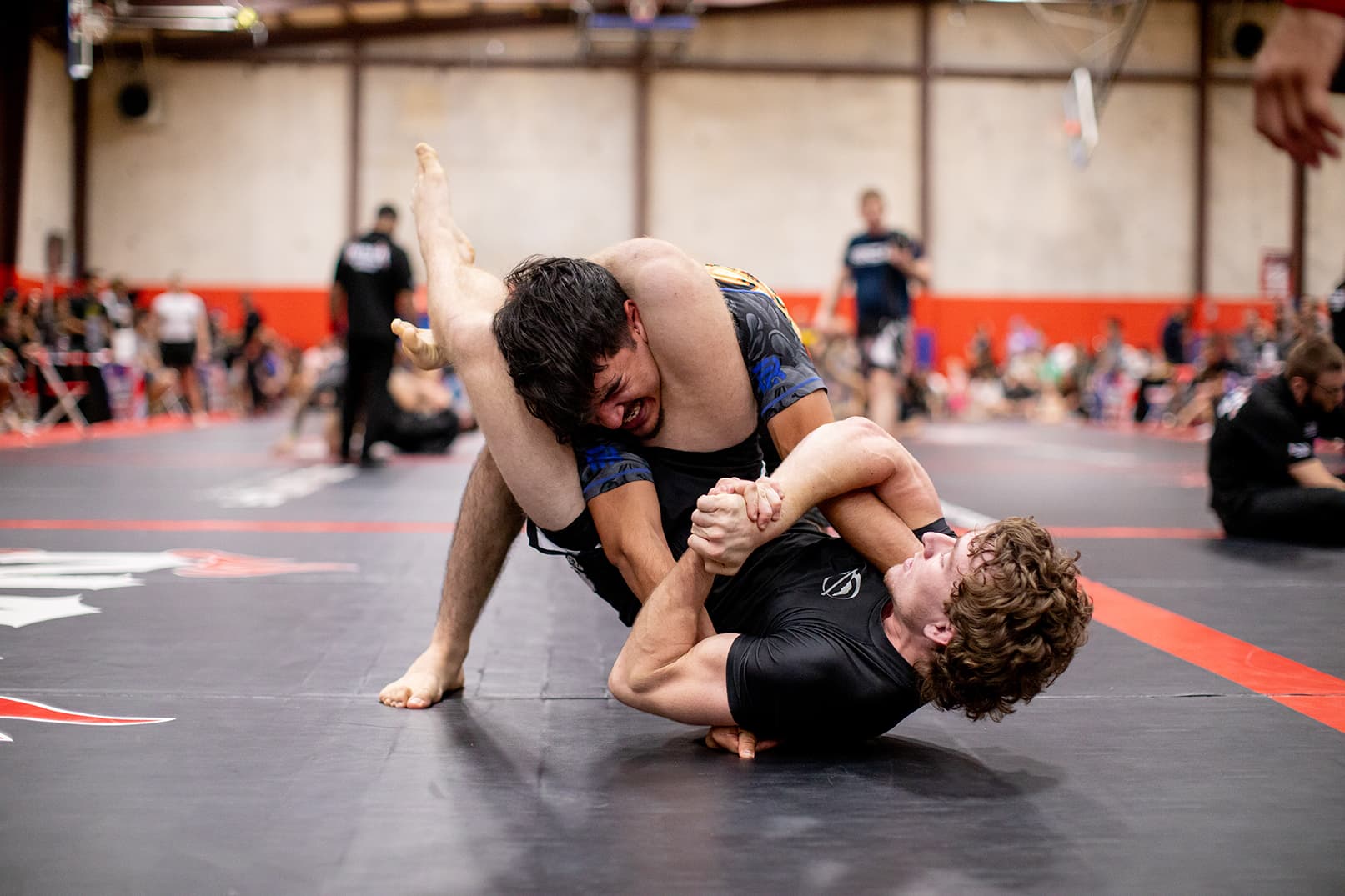
Some techniques define the art. From the triangle choke to the berimbolo, these are the most iconic BJJ techniques — their origins, mechanics, and why they've shaped how the world grapples.
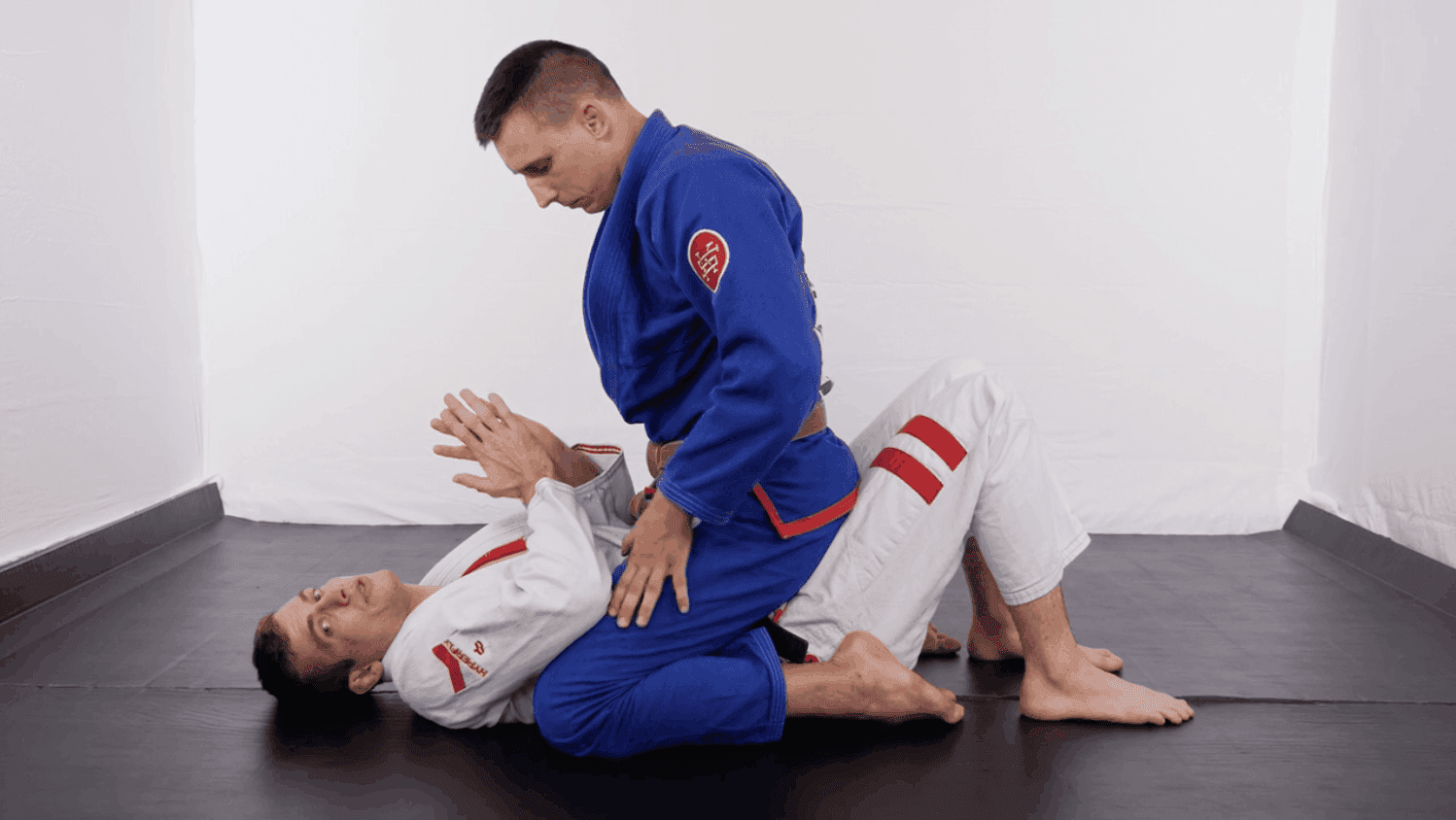
Mastering positions is the foundation of effective BJJ. From closed guard to the back, here are the ten positions that structure every roll — and why understanding them accelerates everything else.