Life & Culture
Good jiu-jitsu in a small town needs more than a famous coach
Evaluate small-town BJJ through teaching, partners, scheduling, and realistic travel options rather than fame or the size of the competition team.
Rafael Moura8 min read

Training, technique, and the culture of Brazilian Jiu-Jitsu
373 articles
Evaluate small-town BJJ through teaching, partners, scheduling, and realistic travel options rather than fame or the size of the competition team.
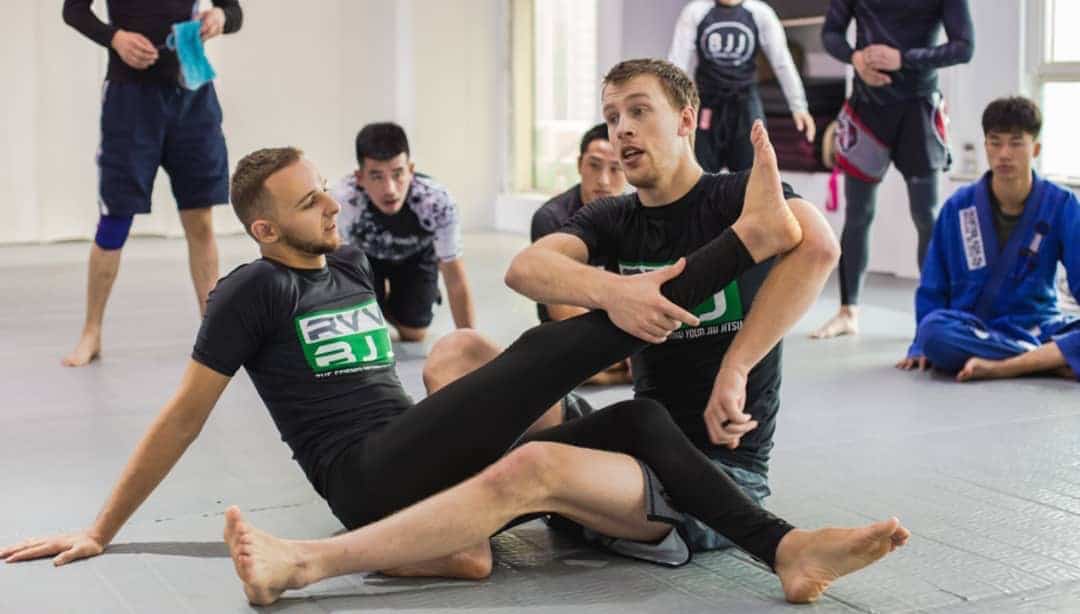
Separate early guard retention from late recovery so your BJJ drills address the point where the pass actually began to work.
Choose Vancouver jiu-jitsu around a real class and a repeatable trip, with local academy leads, visitor questions, and practical gear planning.
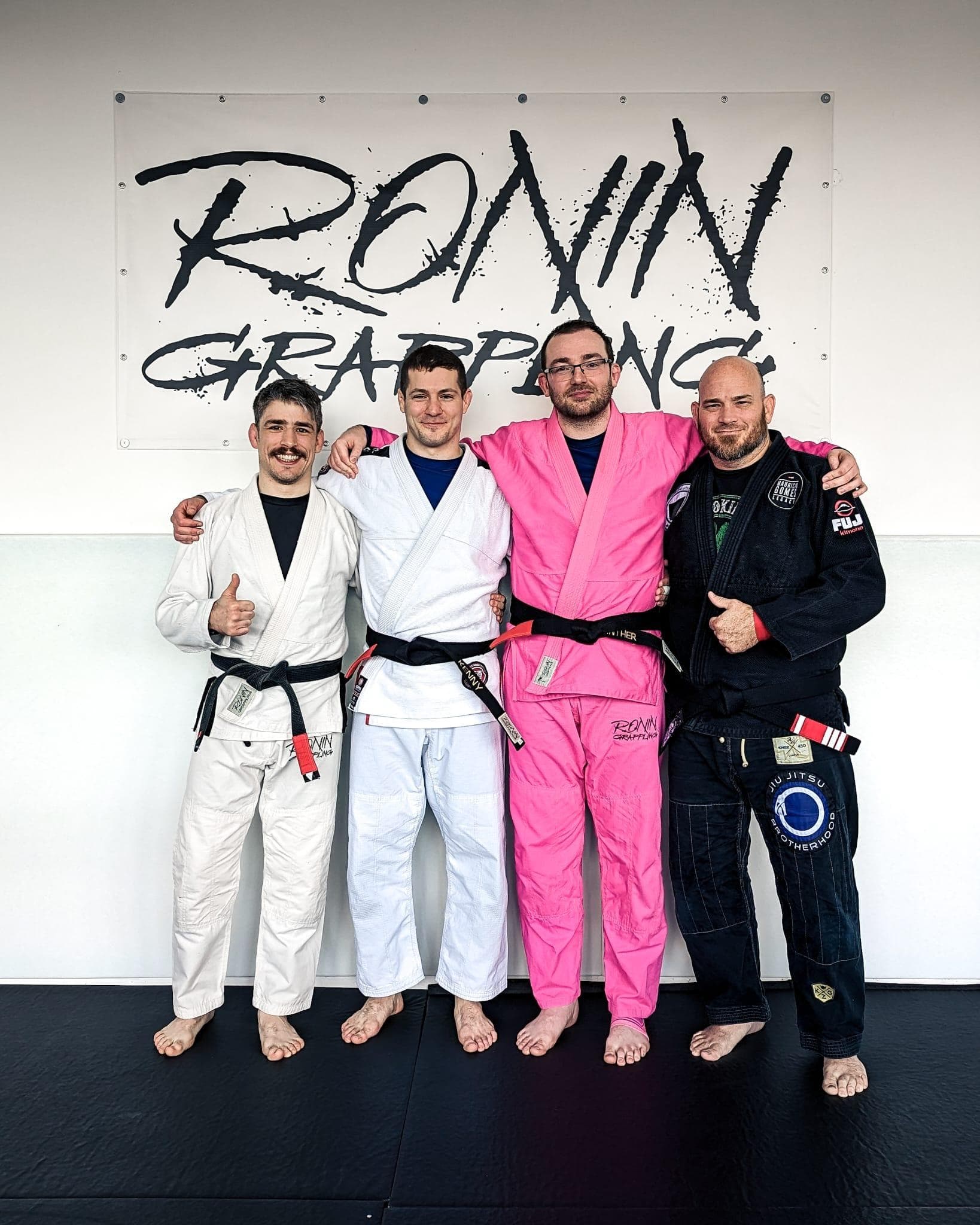
Gi color does not equal belt rank. Check academy policies, tournament requirements, travel needs, and care before choosing your next uniform.
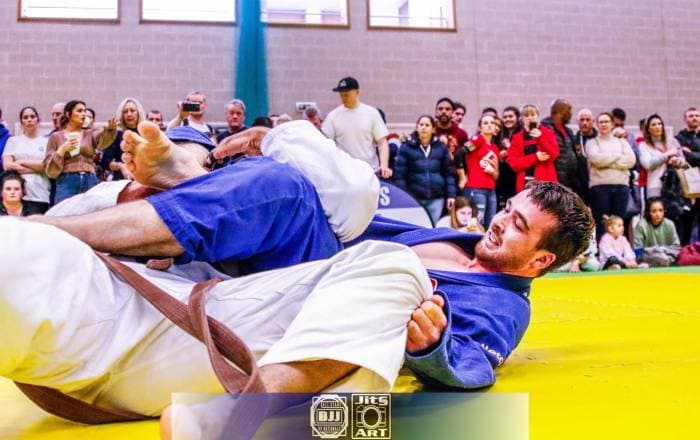
A practical guide to handling a possible BJJ scoring error: identify the issue, follow the review policy, and keep the athlete focused.
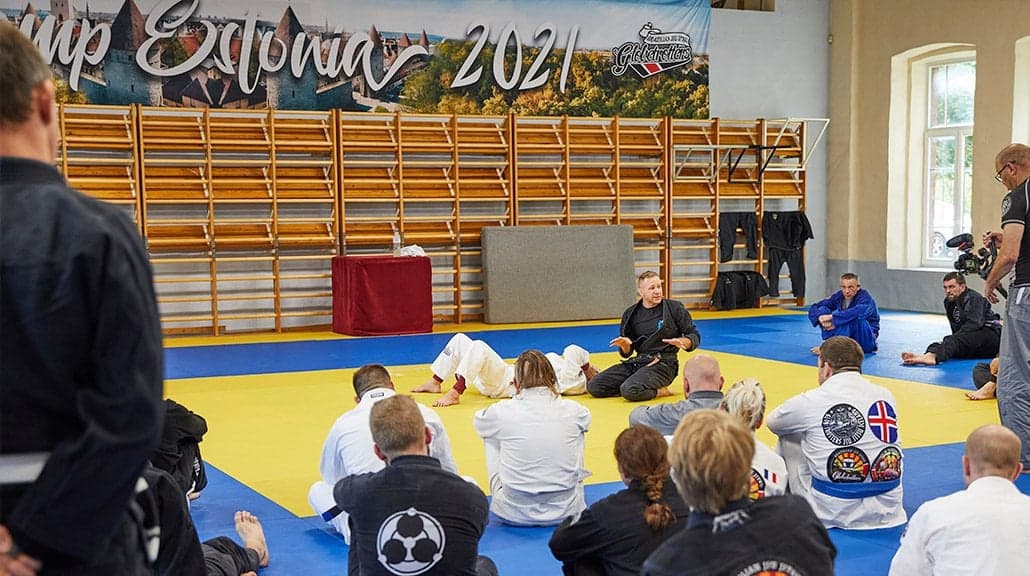
What to notice when watching a BJJ class before joining, from teaching and partner selection to the questions only the front desk can answer.
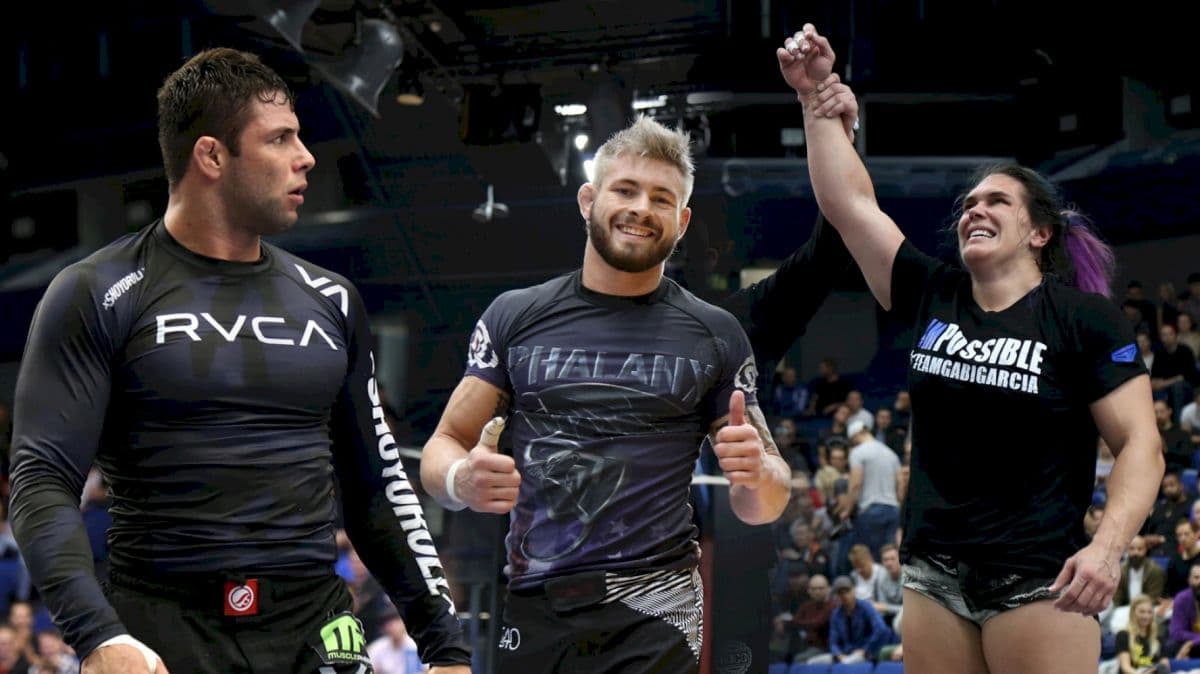
Gabi Garcia’s four ADCC titles deserve a closer look: the years, opponents, and competition details behind a familiar number.
Fit one useful BJJ session around a work trip with realistic travel time, clear visitor arrangements, and a plan for equipment after class.
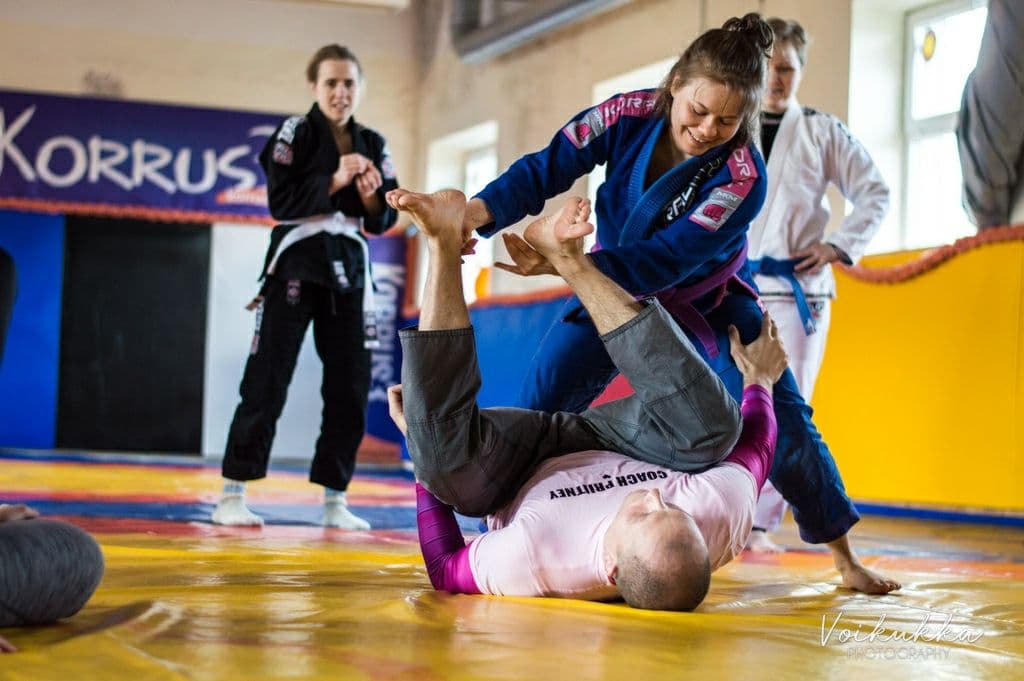
Make BJJ leg pummeling useful by identifying the obstruction, choosing a clear endpoint, and connecting the movement to your guard.
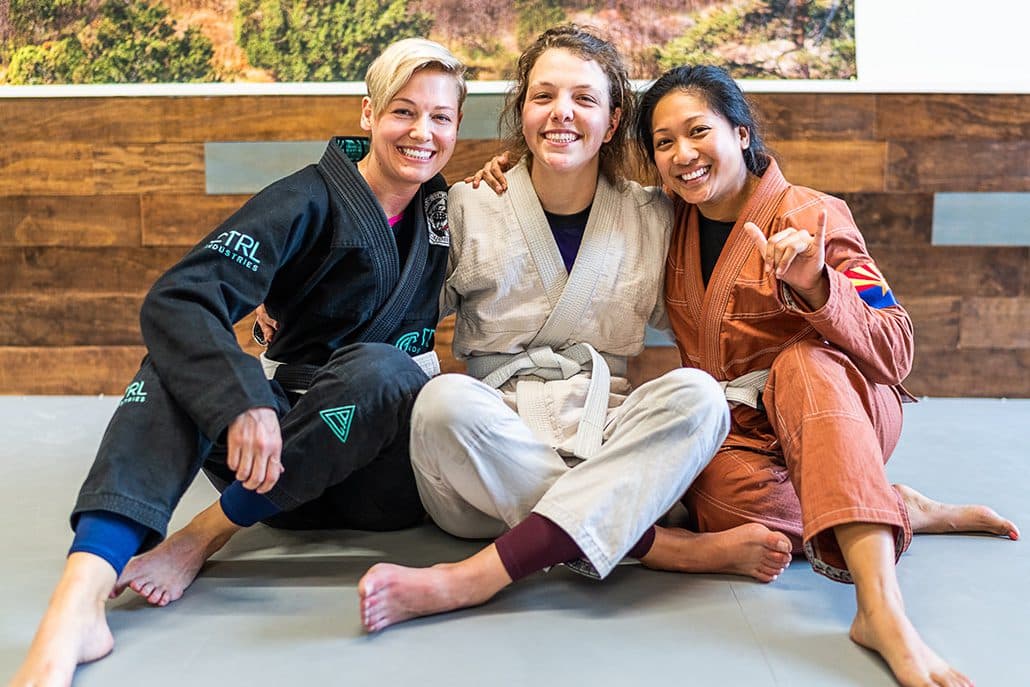
Take BJJ seriously without a tournament calendar: set useful goals, get honest feedback, and find a program that fits your reasons for training.
Plan a Barcelona BJJ visit with confirmed classes, exact academy addresses, language questions, and equipment arrangements before you arrive.
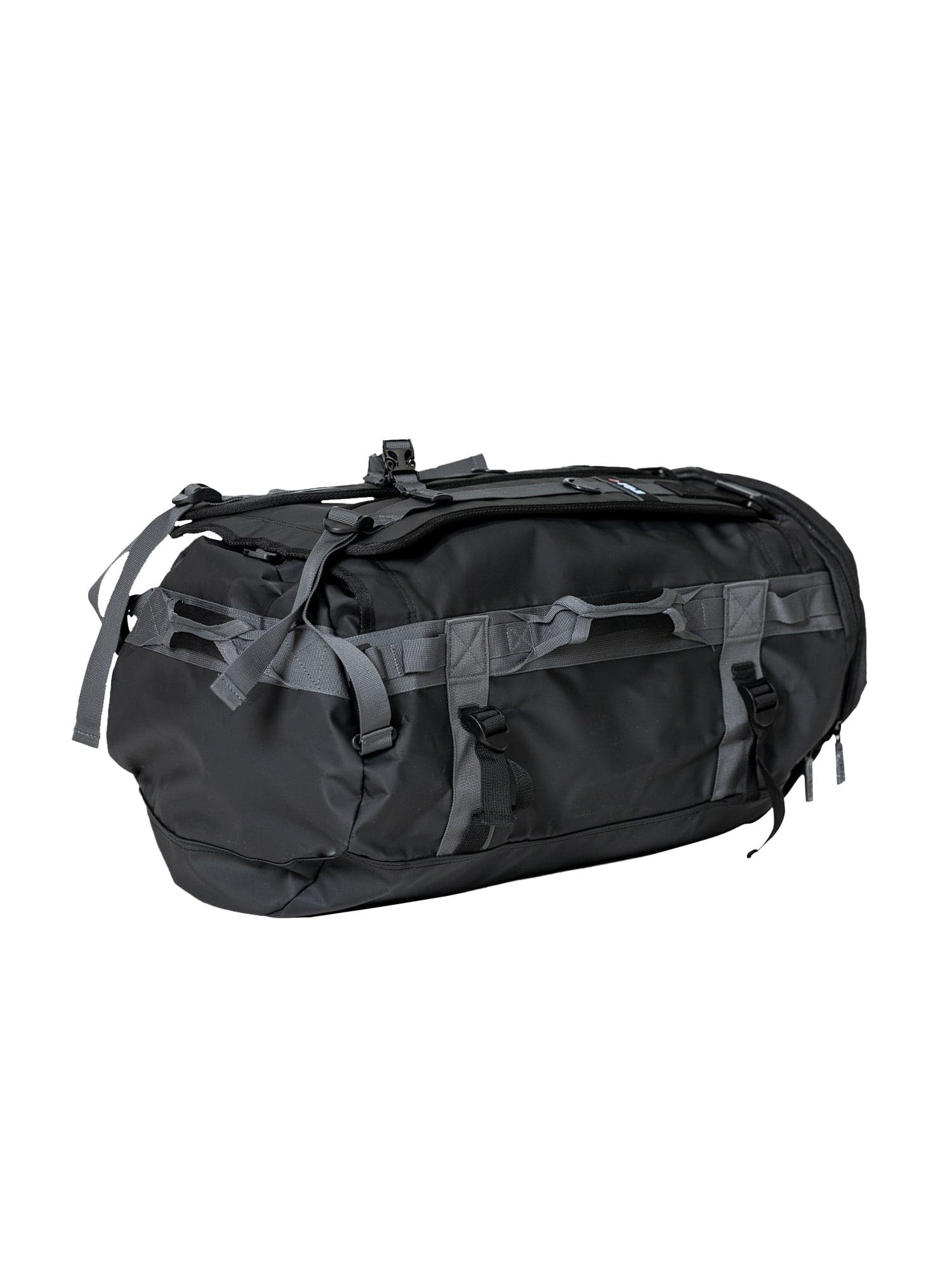
Pack a BJJ gi for a real travel plan: confirm the class, check baggage limits, bring the full outfit, and plan for used kit after training.
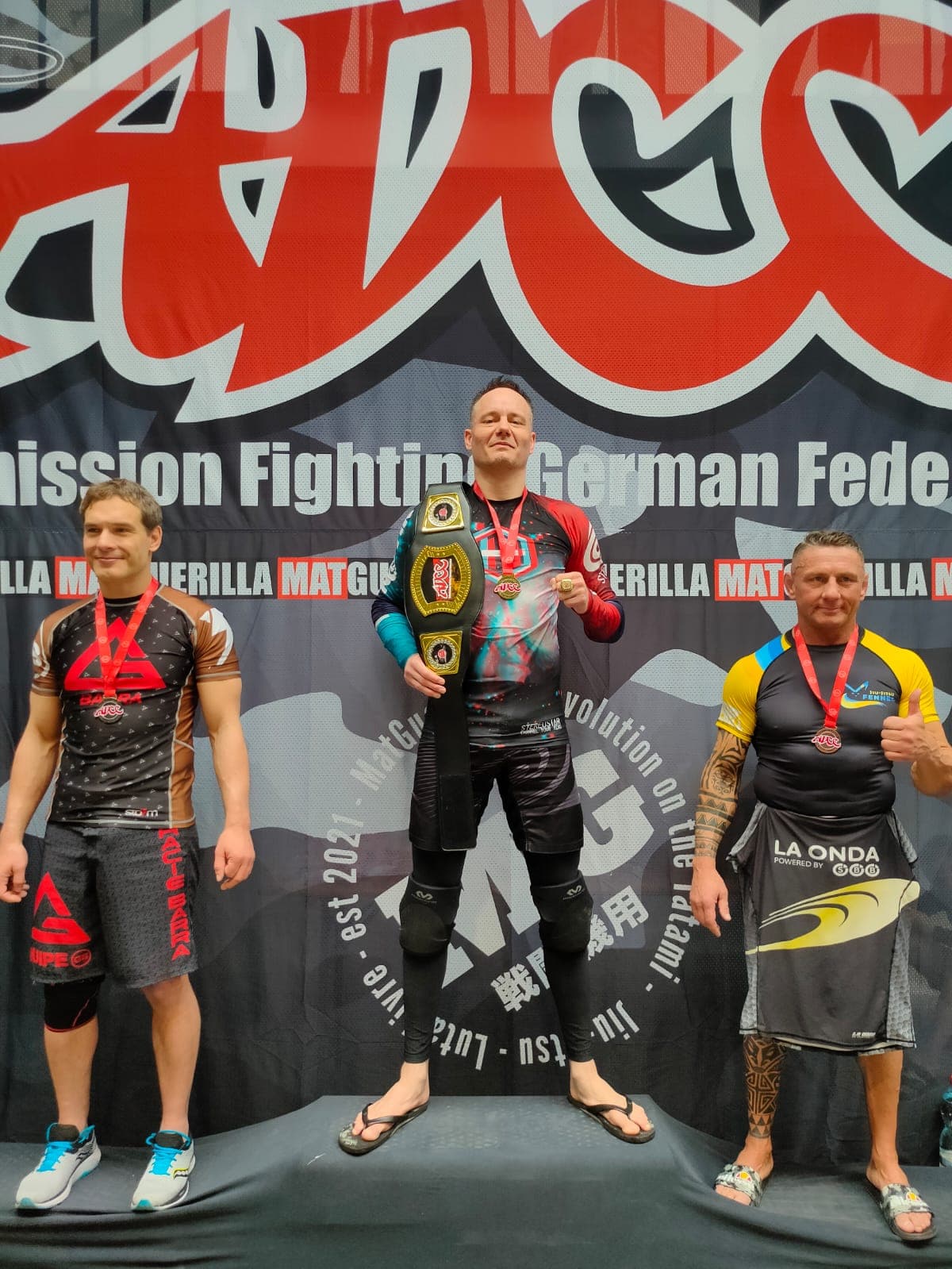
Prepare for your first no-gi tournament with the right division, legal techniques, uniform checks, and a game plan you have actually practiced.
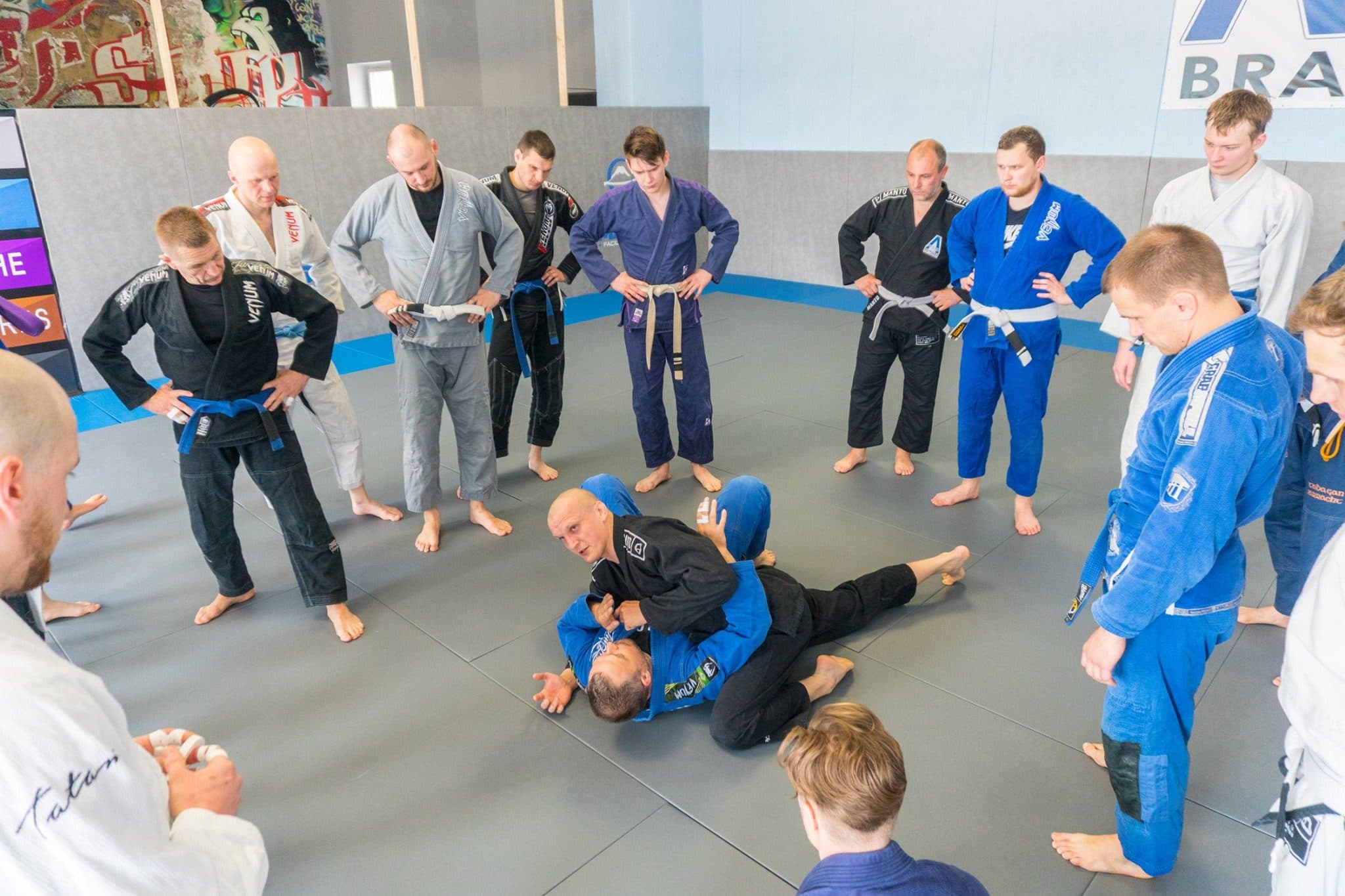
Train BJJ abroad with clearer communication: arrange the visit, agree on stop signals, understand each task, and ask useful questions.
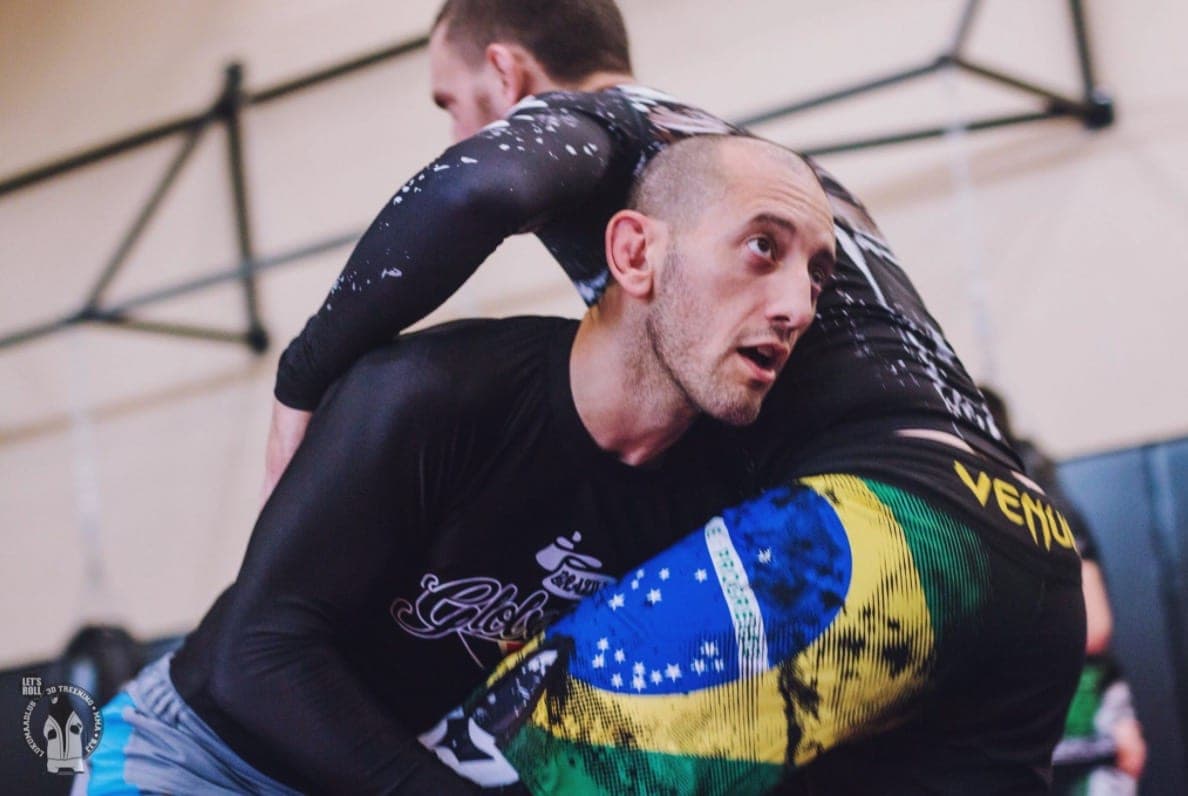
BJJ is often called physical chess. The comparison helps with planning—and gets less reliable once both people start moving at once.
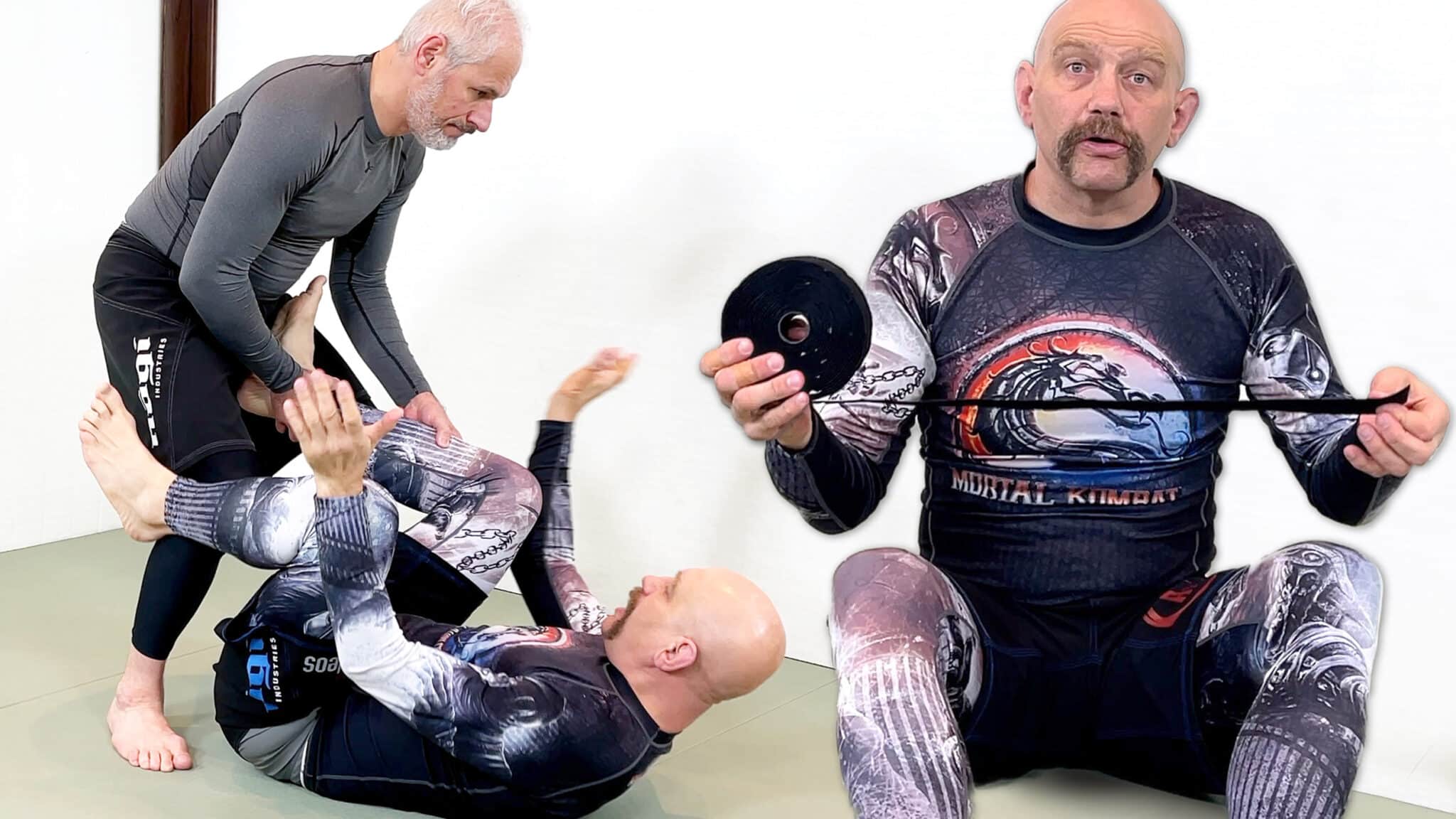
Understand the space elbow-knee connection protects in BJJ, how to practice it, and when a passing problem requires a different response.
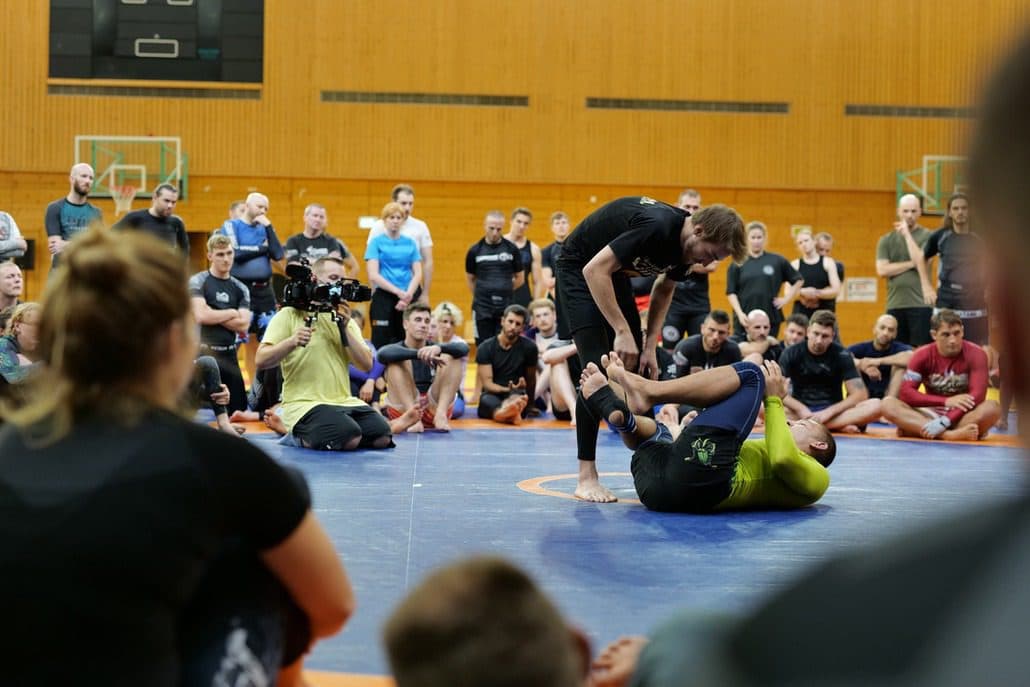
Bridge BJJ drilling and live rounds with clear starting positions, realistic partner responses, and practice focused on the missing decision.
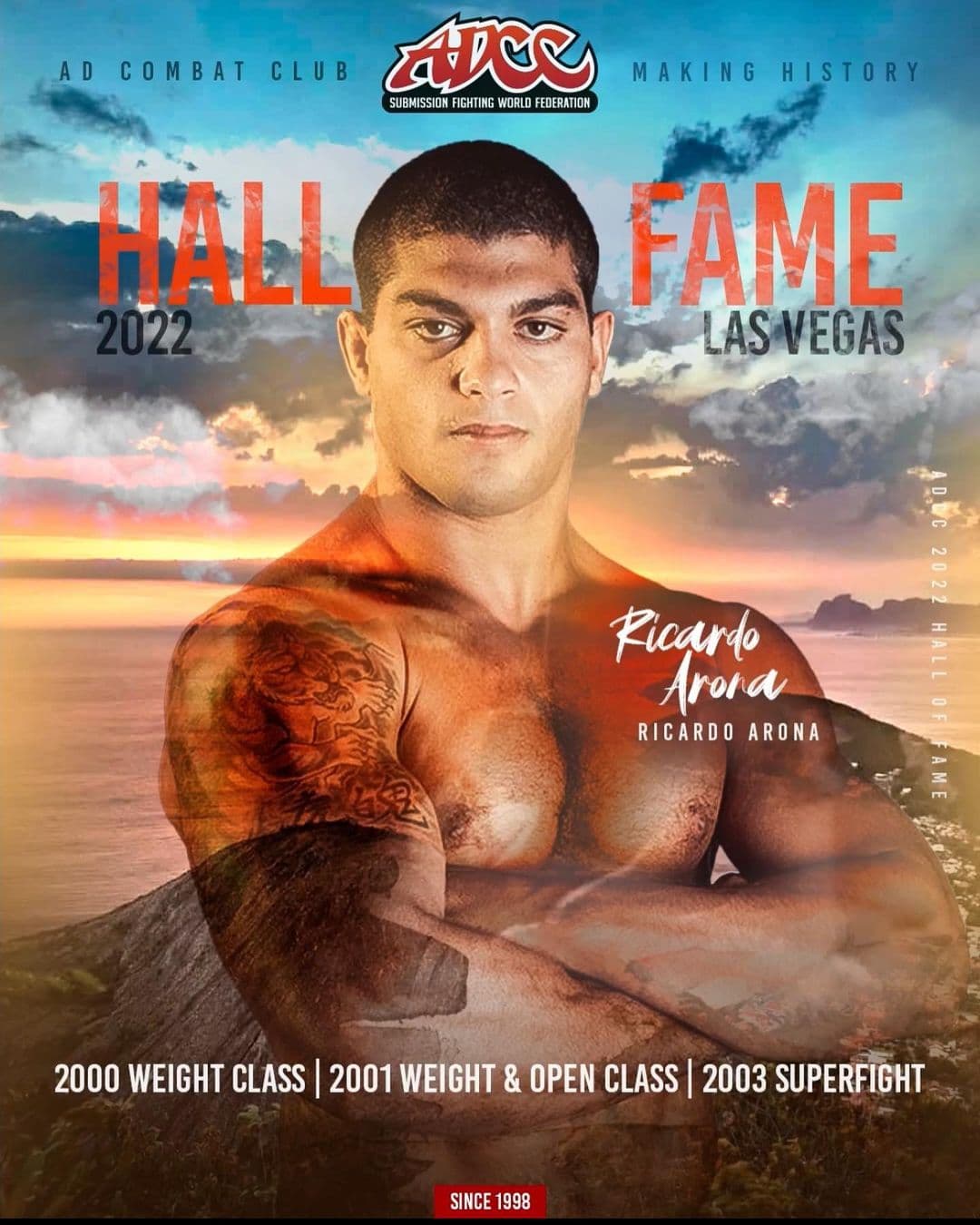
Ricardo Arona’s ADCC titles make more sense when you separate the division, absolute, and superfight results.
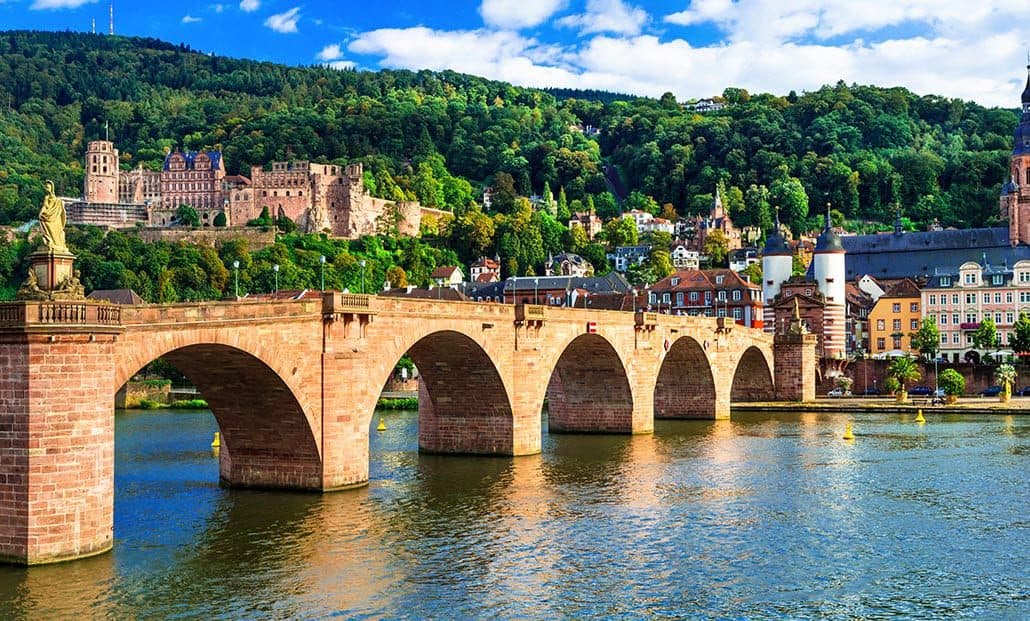
A practical plan for rail travel to BJJ: class confirmation, return trains, a manageable bag, and wet gear on the way home.
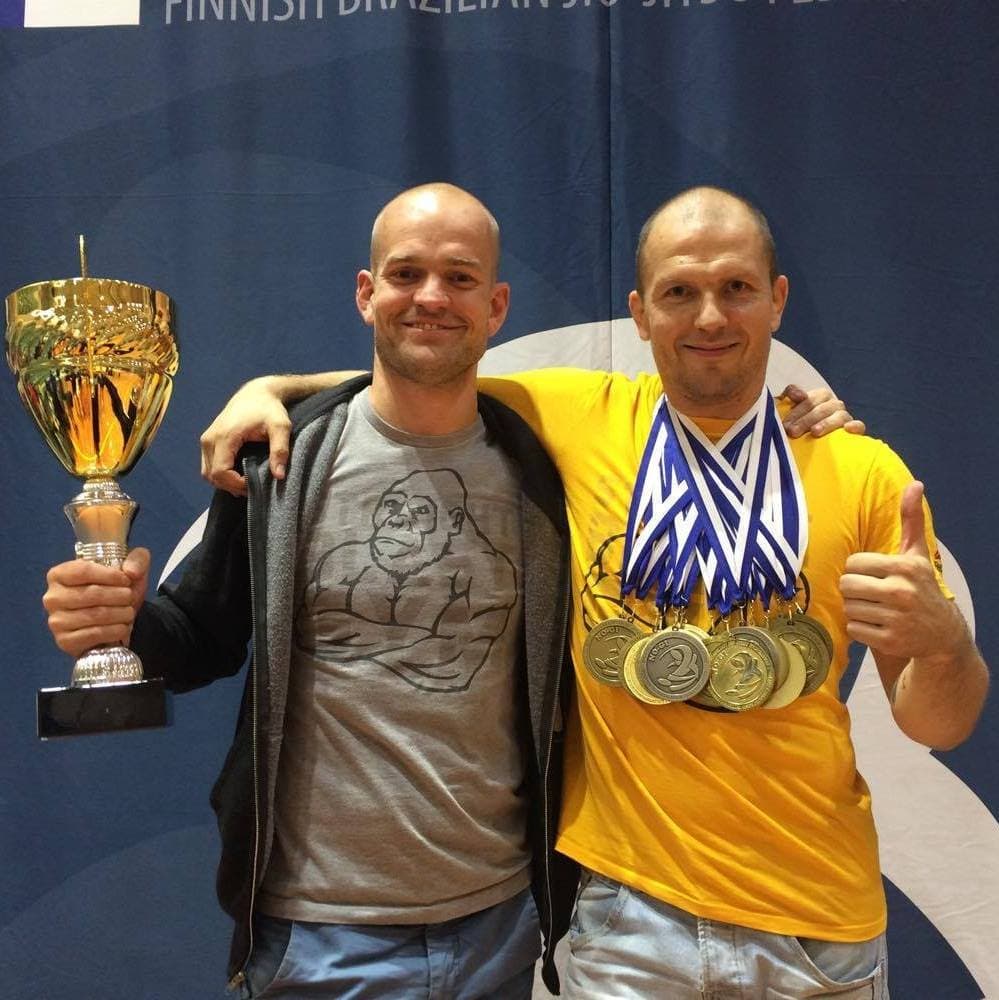
How to read BJJ team standings without confusing medal totals, event trophies, academy names, and season rankings.
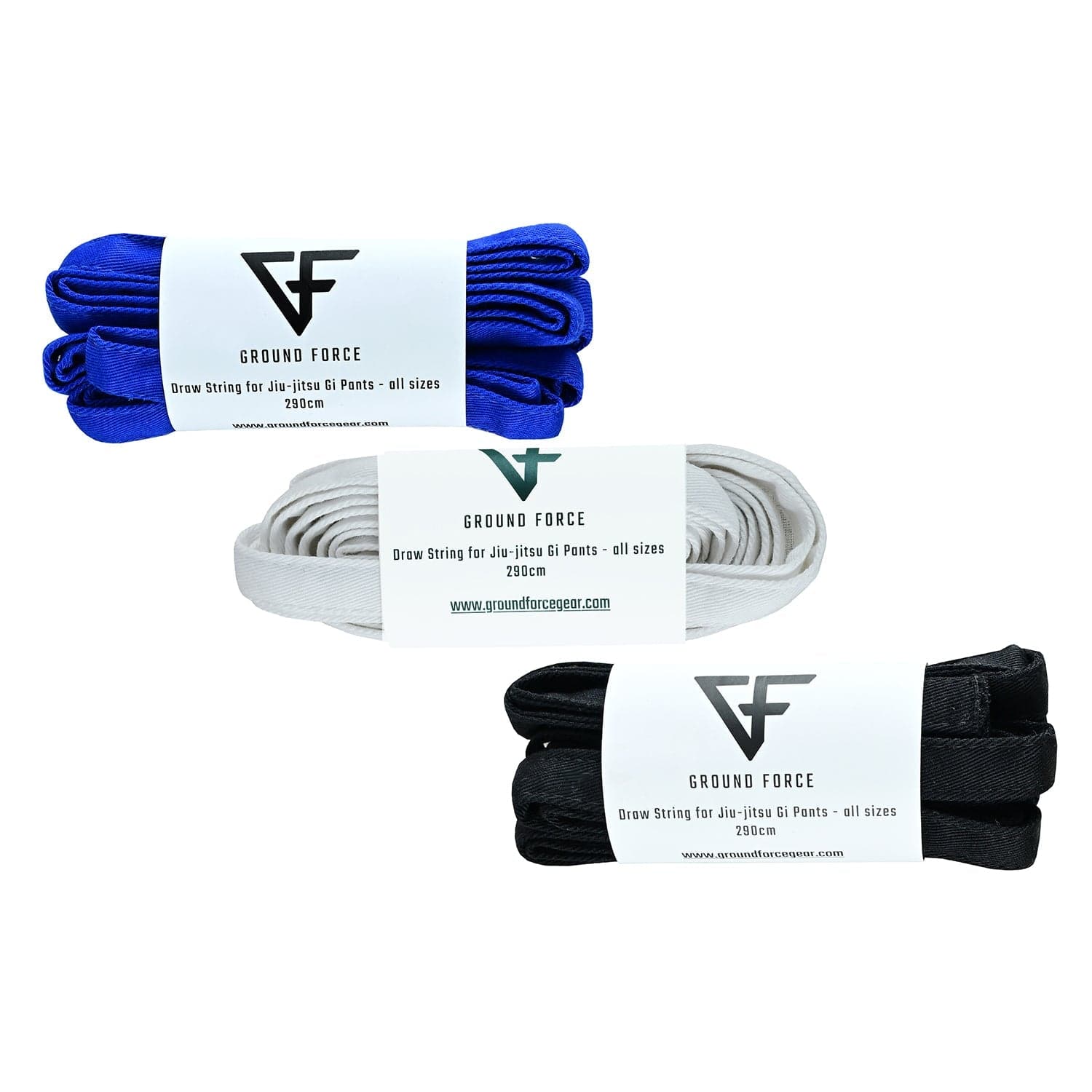
Fix slipping gi pants, awkward knots, and missing drawstrings by checking fit, routing, and compatible replacements first.
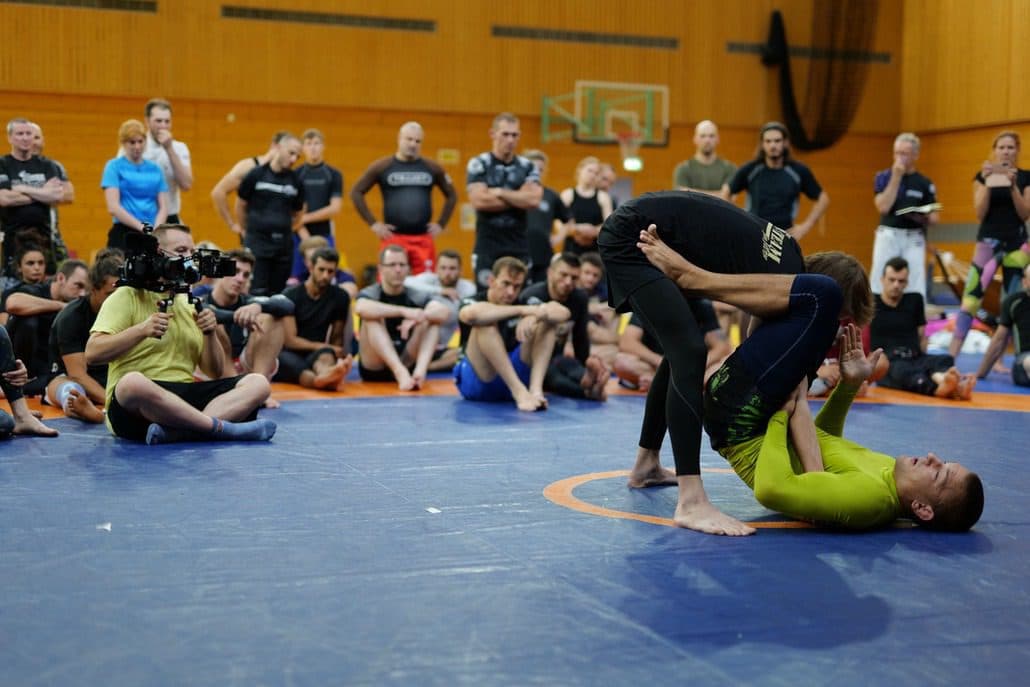
How to help a BJJ demonstration work: useful resistance, clear reactions, safety signals, and room to learn the move yourself.
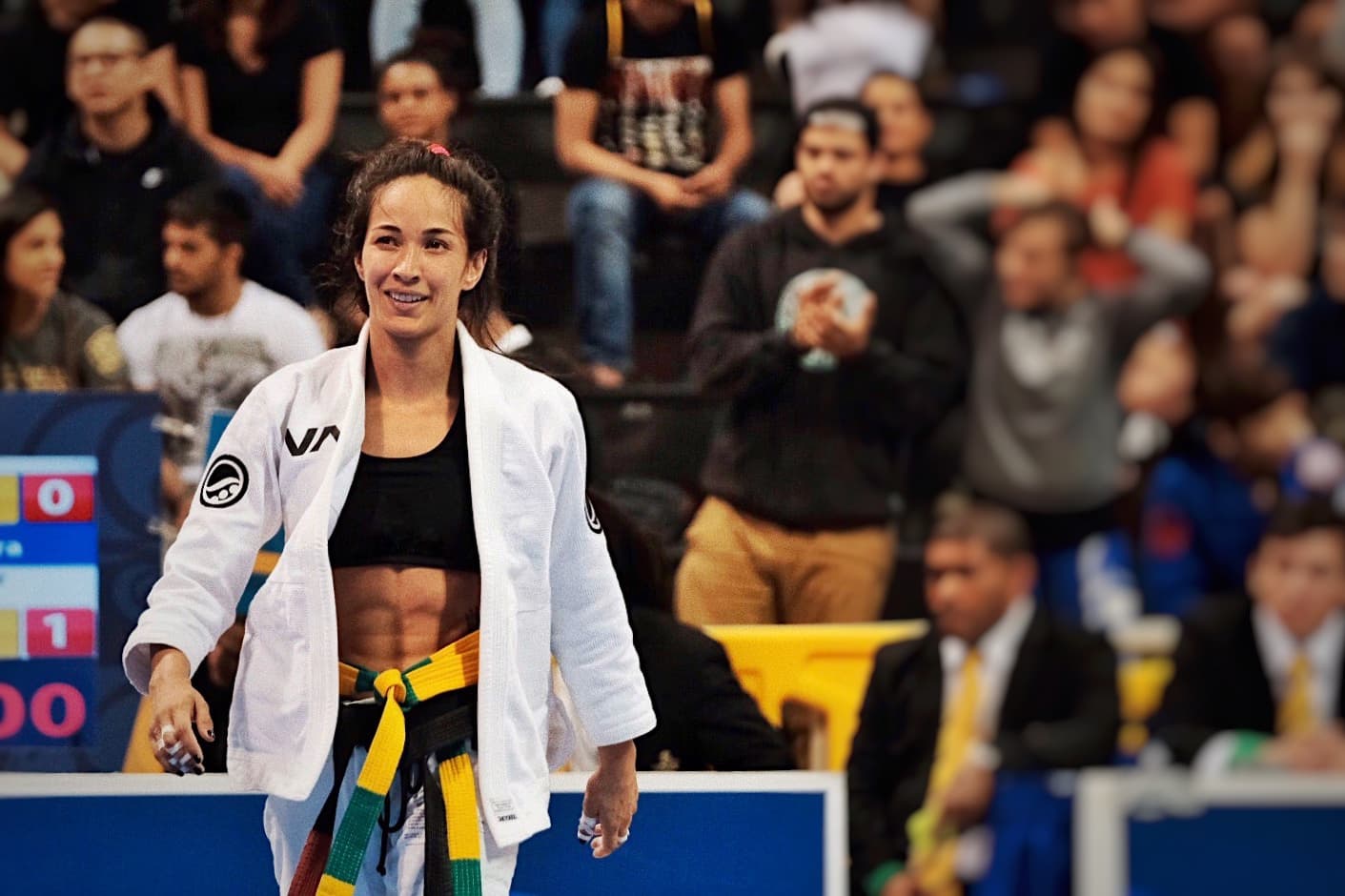
Three world titles, a silver in between, and a famous Polaris armbar: a fuller introduction to Gezary Matuda.
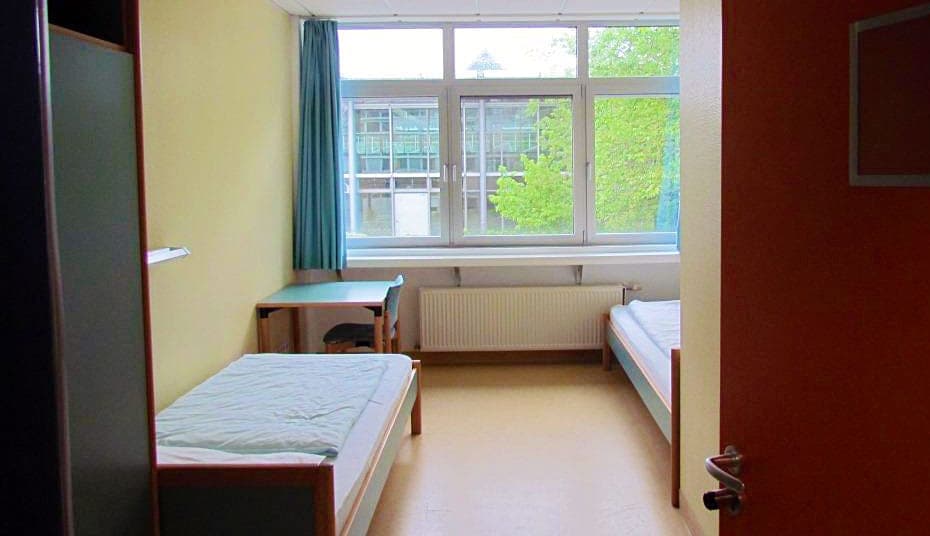
Plan BJJ on vacation around clean, dry gear: hotel laundry questions, laundromat timing, care labels, and the final class before checkout.