
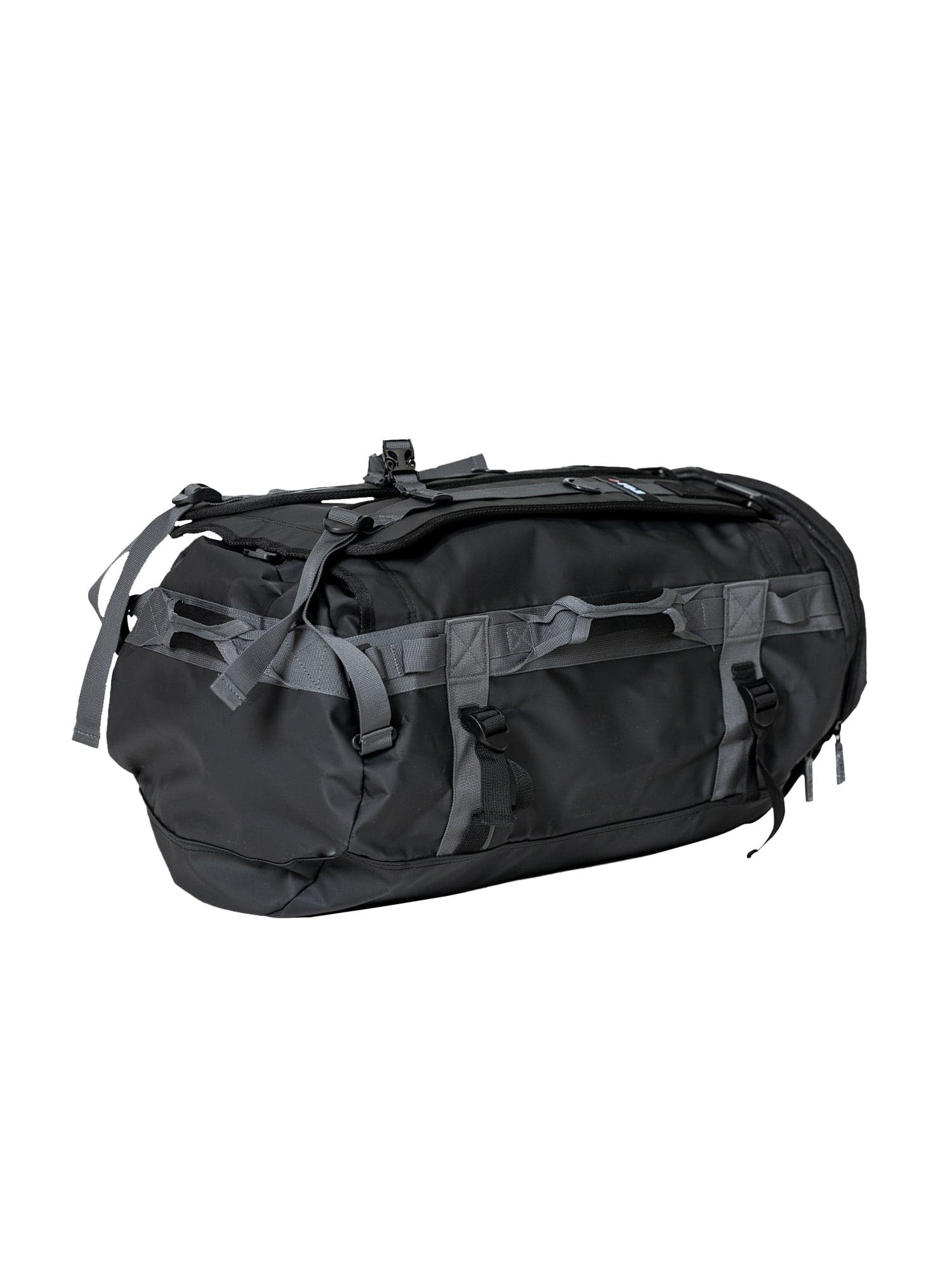
Pack your BJJ gi in a carry-on without packing your whole gym
Quick answer: Pack for the confirmed BJJ session, then work within your airline’s actual cabin-bag allowance. Bring a clean uniform, separate used kit from other belongings, and arrange a realistic washing or drying plan before adding another training day.
A gi takes up a surprisingly persuasive share of a small suitcase. Add a second gi for a class you have not booked and the bag can begin to look like a training plan that has eaten your regular clothes.
Packing well starts before folding anything. Confirm what you will attend, what the host expects you to wear, and what you can do with the used kit afterward. The lightest packing trick is leaving behind equipment for a session that was never going to fit the trip.
Confirm the session before choosing the uniform
Contact the host academy with your dates and experience level. Ask which class you can join and whether it is gi or no-gi. An open mat may allow both, but the title alone does not guarantee that the partners or format you want will be available.
Confirm the uniform policy at the same time. Color, patches, and any requirement to use school equipment can affect what belongs in your bag. If the host offers rental or loan gear, ask about availability, sizing, cost, and booking rather than assuming there will be something suitable when you arrive.
Decide how many sessions are realistic. A trip with one free evening does not need equipment for an imagined week of twice-daily training. You can enjoy the visit more when the plan fits the rest of the schedule instead of competing with every meal and meeting.
If the session is still uncertain, pack with that uncertainty in mind. A compact no-gi outfit may be easier to carry than a gi, but it is useful only if the class permits it. Equipment is not a substitute for getting an answer from the academy.
Check the bag allowance for your actual booking
Airline cabin allowances depend on the carrier, route, ticket, and sometimes the aircraft or connecting service. Check the rules attached to your booking. A bag that worked on the last trip is evidence about the last trip, not a guarantee for this one.
Measure and weigh the packed bag as the airline instructs. Include the things you tend to add at the door: a laptop, charger, water bottle, or jacket. The gi does not travel separately from the rest of the contents merely because it has a more interesting purpose.
Check the personal-item rules as well as the main cabin bag. Do not assume you can solve excess volume by arriving with an extra equipment sack. If another item needs to fit under the seat, make sure it actually fits the published dimensions and your booking permits it.
Leave some margin where practical. You may buy something, repack less neatly, or need to move an item between bags. A suitcase that closes only after a wrestling match with the zipper is giving you useful feedback about the plan.
Pack the complete training outfit once
Lay out what the session requires before putting it into the suitcase. Include the belt for a gi class and the appropriate lower-body clothing for no-gi. A carefully folded jacket cannot compensate for the part of the uniform still hanging beside the washing machine.
A compact checklist might include:
One clean, dry uniform appropriate to the confirmed class.
The belt or required no-gi kit that completes it.
Footwear suitable for moving off the mats.
A separate bag for used training clothing.
Any personal items you normally need and the host cannot supply.
Use the list to remove duplication as well as prevent omissions. You may not need two training bags, several spare rashguards, and a full-sized bottle of every product you use at home for one class.
Keep any necessary personal or medical equipment appropriate to your own circumstances. Check transport restrictions with the carrier and relevant authorities where needed. Do not let a general packing article persuade you to leave behind something you require in order to make a visit workable.
Choose a folding method you can repeat
Rolling, folding flat, and using a packing cube can all be practical ways to organize a gi. The useful method is the one that fits your particular bag and remains manageable when you pack again. There is no need to choose a technique because a short video makes it look like a martial art of its own.
Keep the uniform dry before packing. Separate it from toiletries that could leak and items that could mark the fabric. If you use a packing cube, remember that it organizes volume rather than making the garment weightless.
Try the arrangement at home with the rest of your belongings. Check that you can reach the items you will need in transit without dismantling the entire bag. A perfect gi fold that traps your travel documents at the bottom is not a successful overall system.
Do not force the collar or other structured areas into an arrangement that seems likely to damage the garment. Follow any manufacturer storage guidance. The aim is a usable uniform at the destination, not a photograph of an impossibly small bundle.
Plan the used-kit stage before leaving home
The return journey is the part packing demonstrations often skip. After class, the outfit is used and may be damp. Bring a way to separate it temporarily from clean clothes and other belongings, then remove it for appropriate washing and drying as soon as practical.
A sealed bag is useful for separation during transport. It is not a long-term care plan. Follow the garment’s care instructions and arrange access to laundry if you intend to train again during the trip. Do not count on a hotel sink and a few hours before checkout solving every fabric and drying problem.
Ask your accommodation about laundry options before arrival if they matter to the schedule. Check turnaround times and instructions rather than assuming a service can return the kit before your next class. Some trips are simply better suited to one training session.
The gi-washing guide covers care in more detail. Keep care separate from luggage optimization: a neatly packed dirty gi still needs cleaning, and a second session should not depend on pretending otherwise.
Make room for the host’s arrangements
Ask whether the academy has changing facilities and whether you should arrive already dressed. Confirm what you need for the journey after training, especially if you are going directly to another commitment. These details affect the bag more than another debate about rolling versus folding.
Find out where visitors leave belongings. A small room may have limited storage, and an airport-sized suitcase may be inconvenient even if it complied perfectly with the airline’s rules. You may need to leave luggage at your accommodation and bring only the class kit.
Check the arrival instructions and payment arrangement before leaving for the gym. Keep the address and confirmation easy to access. You should not need to empty your training bag in the entrance while searching for the message that explains which door to use.
If the visit changes, tell the host promptly. A rental gi, reserved trial place, or planned welcome may involve someone else’s preparation. Treat the booking as an actual appointment rather than a possibility that becomes real only if the rest of your day cooperates.
Pack for the trip you are taking
A work trip, family visit, and training holiday give the gi different priorities. On a dedicated camp trip, several uniforms and a laundry plan may be central. On a short business trip, one confirmed class may be the right amount of training to carry.
Avoid using your suitcase to negotiate ambitions you have not discussed with the other people traveling. If training changes shared transport, meals, or luggage arrangements, make that part of the plan early. The equipment is easier to fit when the schedule is already agreed.
Keep a simple record after the trip. Note what you used, what stayed untouched, and which part of the laundry plan worked. That gives the next packing decision a basis in your own experience rather than another person’s idealized minimalist setup.
The goal is not to win at traveling with the fewest belongings. It is to arrive with appropriate clean equipment, attend the session you arranged, and return without creating a second logistical problem for the rest of the trip. A little spare room in the bag is allowed.
Main photo: FUJI Sports; illustrative equipment photo, not a statement that this bag meets an airline’s carry-on limits.
The takeaway
Confirm the class, check the booking’s baggage rules, and pack the complete outfit you actually need. Choose a folding method that works in your bag and include a separate plan for the kit after training.
The return stage deserves as much attention as departure. Clean equipment, realistic laundry access, and an achievable schedule make a travel session easier to enjoy than a suitcase filled with hypothetical rounds.
Find the class before packing
Browse open mats, confirm the visitor arrangements with the host, and build your training kit around the session you have actually booked.
FAQ
Can I take a BJJ gi in a carry-on bag? Check the rules for your airline and booking, including size, weight, and the number of items permitted. Pack and measure the complete bag rather than considering the gi in isolation.
Is rolling a gi better than folding it? Use whichever method fits your bag without damaging the garment and can be repeated easily. Test it with the rest of your luggage instead of judging the gi bundle by itself.
Should I pack two gis for a short trip? Base that decision on confirmed sessions and laundry access. A second uniform may be useful, but it also takes space and weight. One realistic class is preferable to a plan built around unavailable washing facilities.
Can I leave a used gi sealed in a bag until the next trip? Use a separate bag only as temporary transport storage, then clean and dry the garment according to its instructions. Packing it away does not replace proper care before another session.

Kit Langford
Kit Langford covers the louder parts of jiu-jitsu — the marketing claims, the arguments, the gear that promises more than gear can deliver. The jokes are expected to survive a fact-check.
Related Posts
Competing in gi and no-gi on the same day takes two plans
Prepare for gi and no-gi competition on the same day with separate rule checks, complete outfits, schedule coordination, and a realistic second-bracket plan.
Jiu-jitsu in Montreal: build the visit around a real class
Plan BJJ training in Montreal around confirmed classes, language arrangements, winter travel, visitor policies, and equipment that is ready to use.
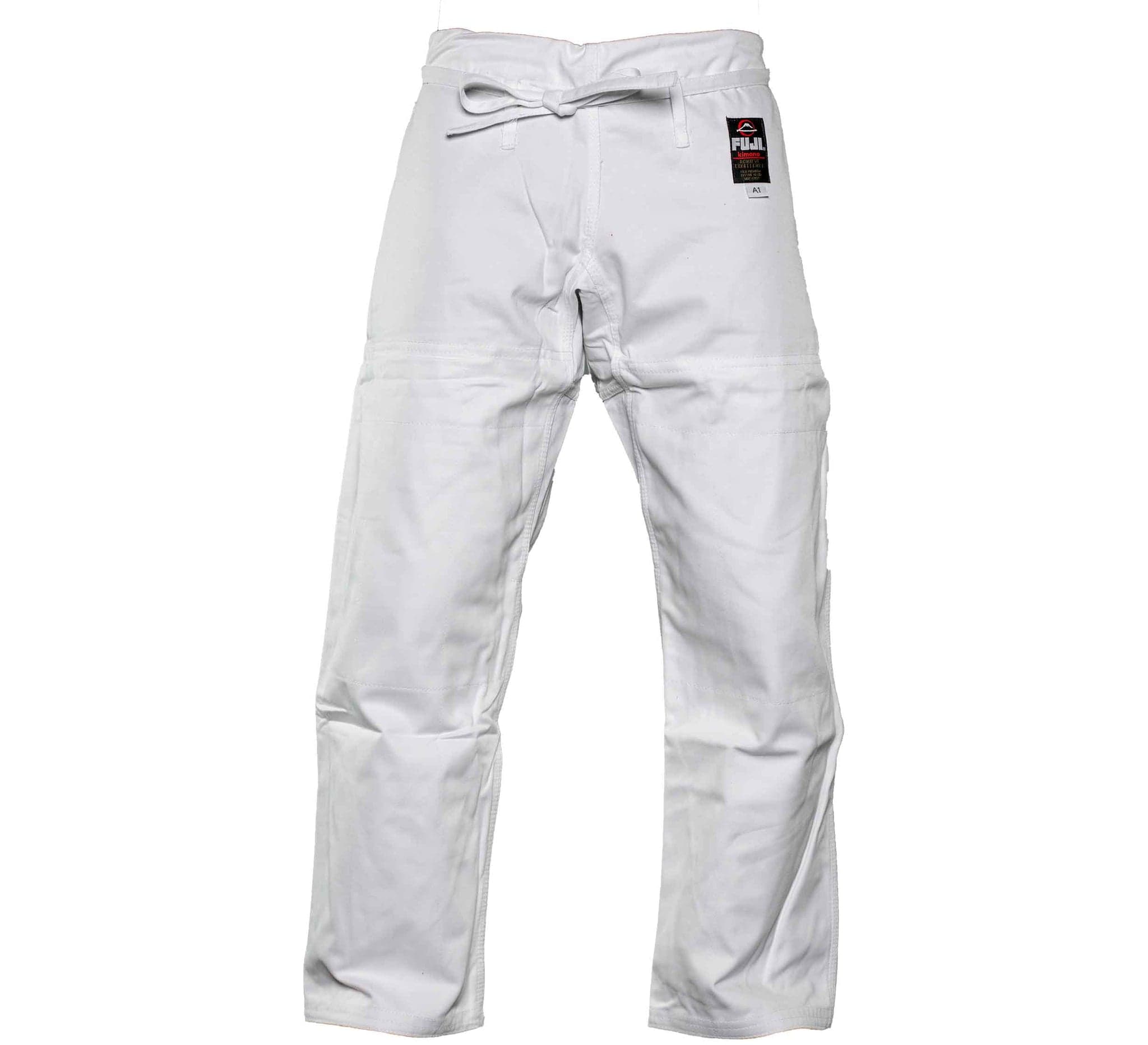
BJJ gi pants that fit standing up can still fail on the mat
Check BJJ gi pants at the waist, rise, knees, and cuffs so a good-looking size label becomes a uniform you can actually move in.
Comments (0)
Loading comments...