Training
The hidden hand in your BJJ match video is still hidden
Slow motion cannot reveal a grip the camera never saw. Read BJJ match footage through visible evidence, competing explanations, and the limits of the angle.
Miles Serrano8 min read

Training, technique, and the culture of Brazilian Jiu-Jitsu
Showing 1–24 of 67 articles
Slow motion cannot reveal a grip the camera never saw. Read BJJ match footage through visible evidence, competing explanations, and the limits of the angle.
Set a start position, score, and short clock to rehearse late decisions in BJJ. Give the observer a simple job and replay the key exchange.

A double session can solve a timetable problem or create one. Check access, define each class’s purpose, and leave room to change the plan.

The receiving partner shapes a BJJ drill through the starting position, agreed response and reset. Cooperation needs more detail than going limp.

Looking for taught BJJ without full sparring? Ask what the actual class includes, how partners practice and whether the session fits your goal.

When filming is off limits, a few well-timed notes can preserve the starting position, the sticking point and the question you need to ask.
A six-turn rotation gives three training partners a clear order, an observation task and a way to keep drilling the coach’s actual lesson.
A useful first session starts with access arrangements, clear explanations, and asking the student what works for them.
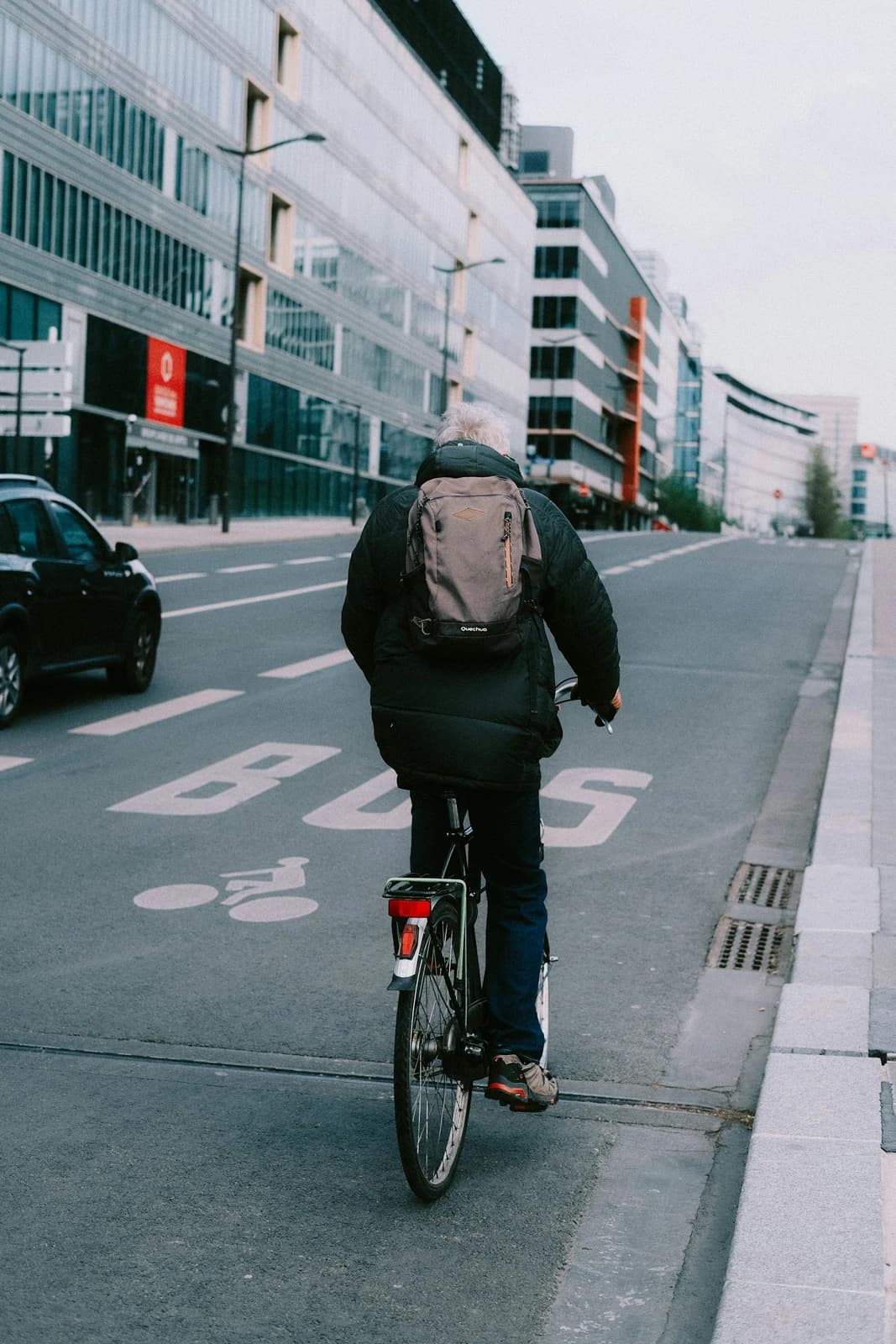
Make riding to jiu-jitsu workable with a route check, secure kit, a parking plan, and an honest decision about the journey home.

Read the right fitting instructions, ask about braces, clean your BJJ mouthguard correctly, and give it a storage routine that survives class night.

Design a supervised BJJ competition rehearsal that tests scheduling, score awareness, corner communication, and specific technical tasks.
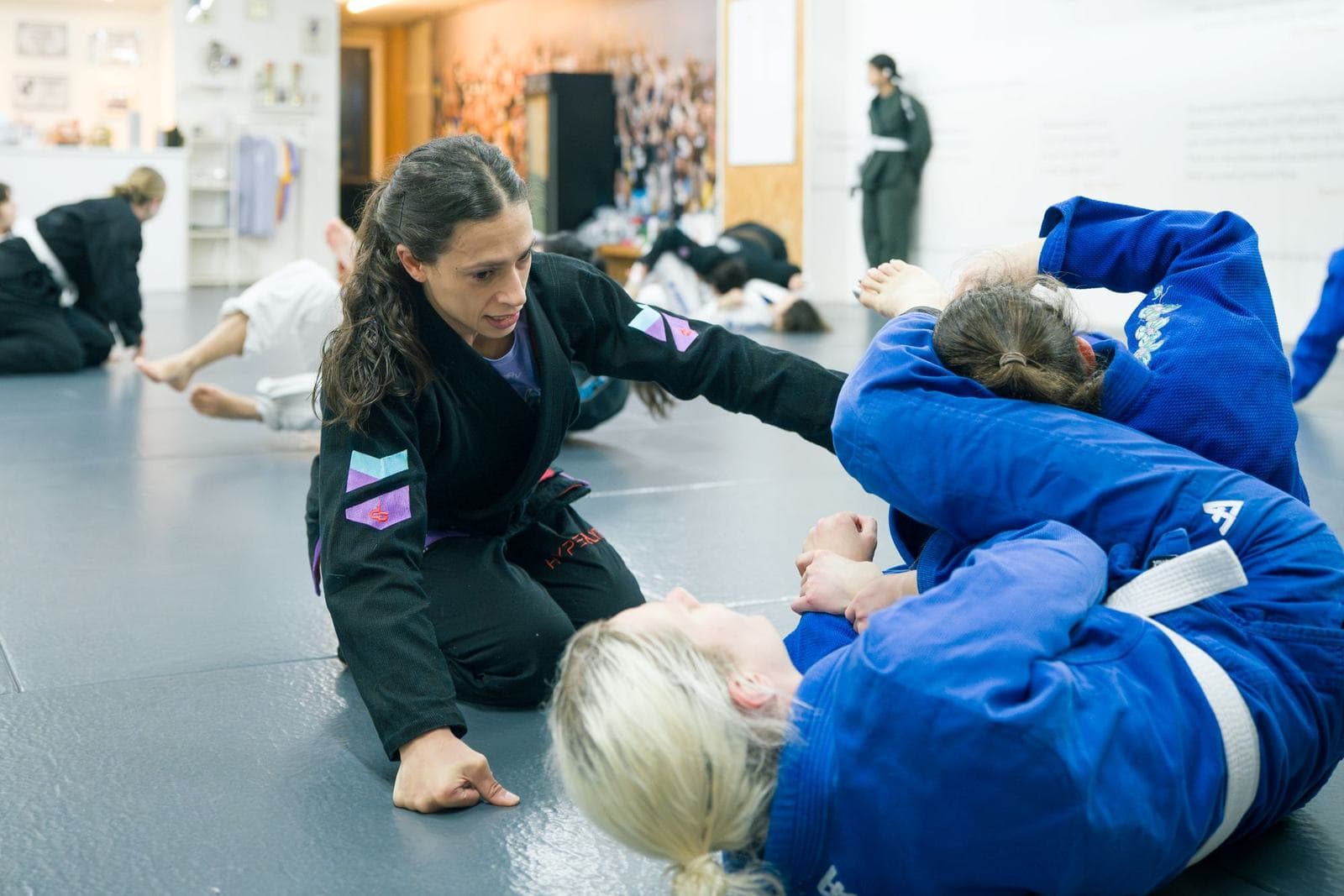
Make catch-and-release rounds useful with an agreed endpoint, clear resets or continuations, and feedback based on observable control.
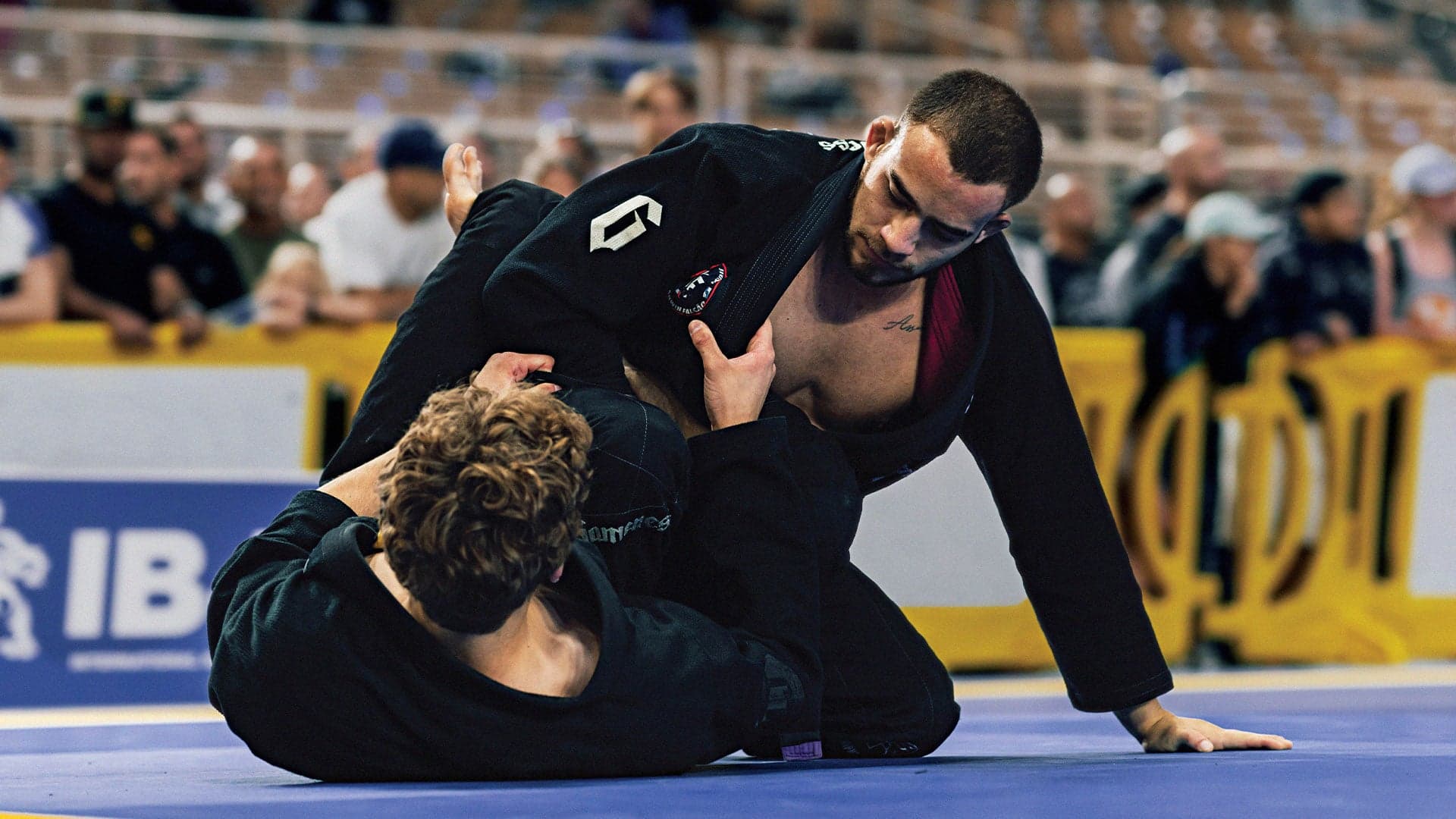
Bring wrestling skills into BJJ with a clear introduction to guard, submissions, rules, and coached positional work.

Give BJJ rounds a clearer beginning with agreed roles, reset conditions, and a practice task that fits the class.
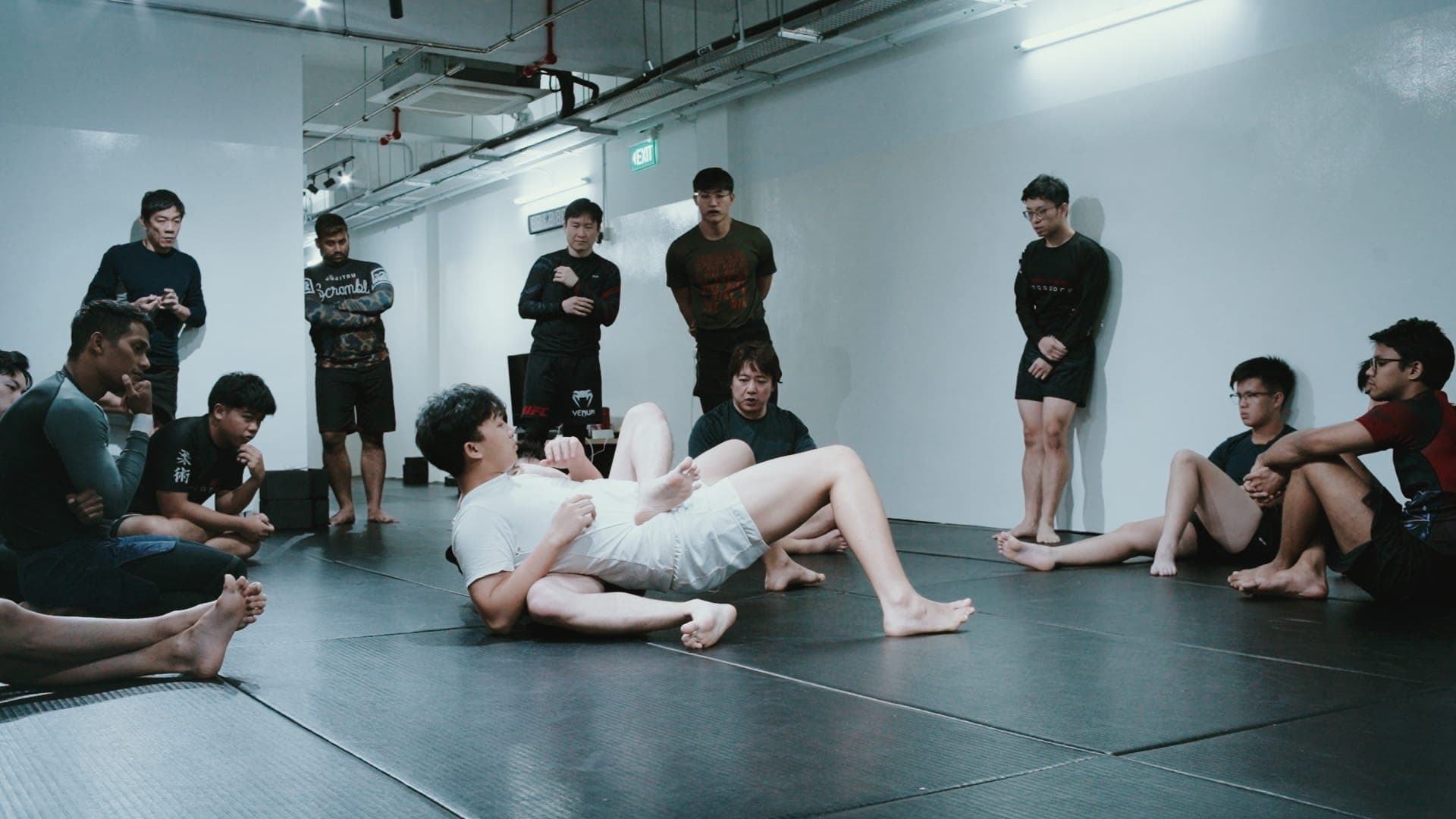
Choose BJJ round length around the practice task, from repeated positional starts to longer sequences and event-specific preparation.

Plan a teenager’s move into adult jiu-jitsu around suitable partners, clear expectations, and the student’s own willingness.

A strong side is useful. A missing response is a problem. Build options in both directions without relearning your entire game.

A shared BJJ lesson can give a beginner and an experienced student different useful tasks. Make the starting point and partner role clear.
Sharing the booking works best when the training problem connects both students. Agree on roles, price, and the next practice before the lesson.

Bring one familiar position, ask the host, and agree with a partner. Open mat can support useful drilling without turning every block into a full round.

Know when a waitlist offer becomes a booking, how cancellation rules apply, and how to release a class place you will not use.
Ask better BJJ questions by showing the position, the response that stopped you, and the detail you need to test next.

A practical way to recover the setup, find the missing step, and get useful drilling done when the demonstration has already escaped you.
Compare online BJJ libraries, structured courses, recorded classes, and feedback options before committing your time or paying for access.