
Technique
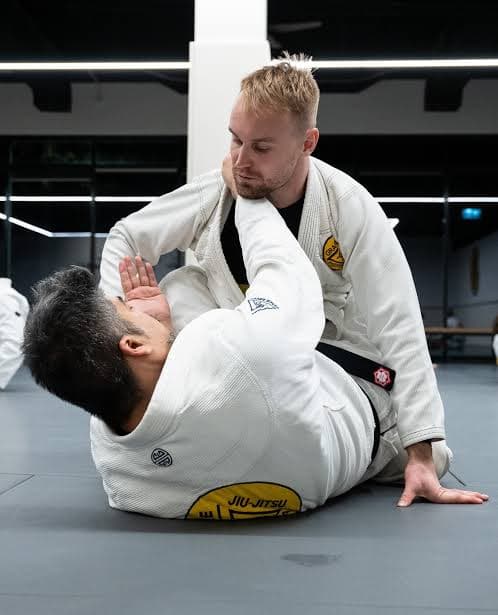
Two-on-one grips: control the arm before choosing the attack
Two hands on one arm are a beginning. Check distance, angle, the free hand, and the grip’s actual purpose before choosing an attack.
Nina Okada8 min read

Training, technique, and the culture of Brazilian Jiu-Jitsu
Showing 25–48 of 62 articles
Two hands on one arm are a beginning. Check distance, angle, the free hand, and the grip’s actual purpose before choosing an attack.

Choose a passing height by reading the guard, grips, and space. The transition between standing and kneeling deserves its own practice.

Getting around the head is only the entry. Learn what to check when north-south control disappears and the opponent recovers guard.

Understand collar-sleeve guard through the jobs of its grips, leg contacts, and hip angle, then practice useful responses when the passer changes position.
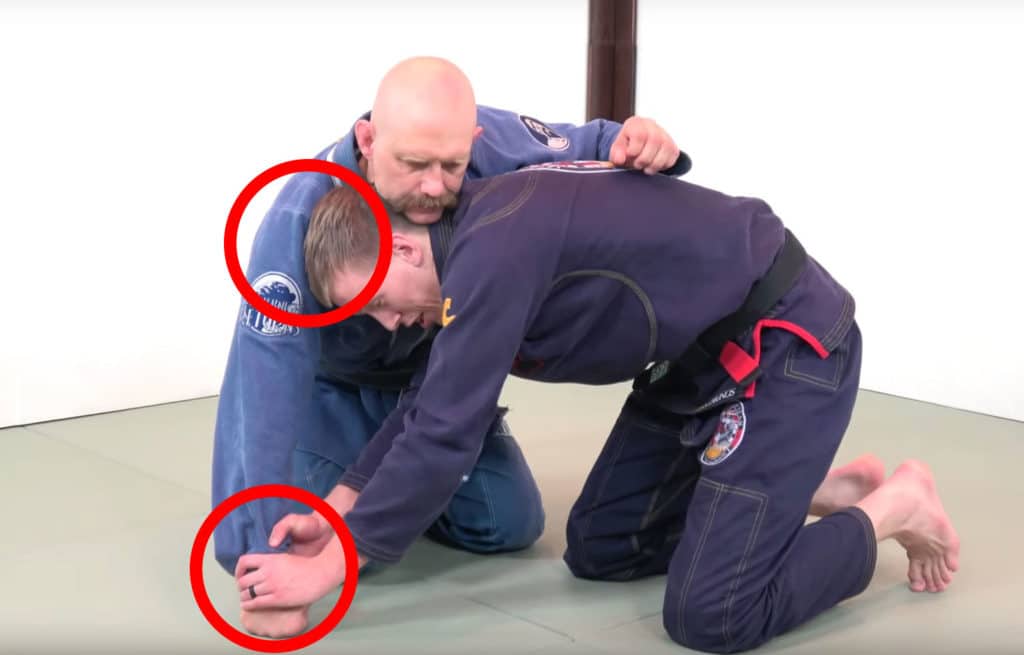
Turtle can interrupt a pass, but staying there creates another problem. Learn to identify the threat, control a connection, and choose an exit.

Study mount balance by tracking support points, controlled movement, and the moment an attack changes your base.
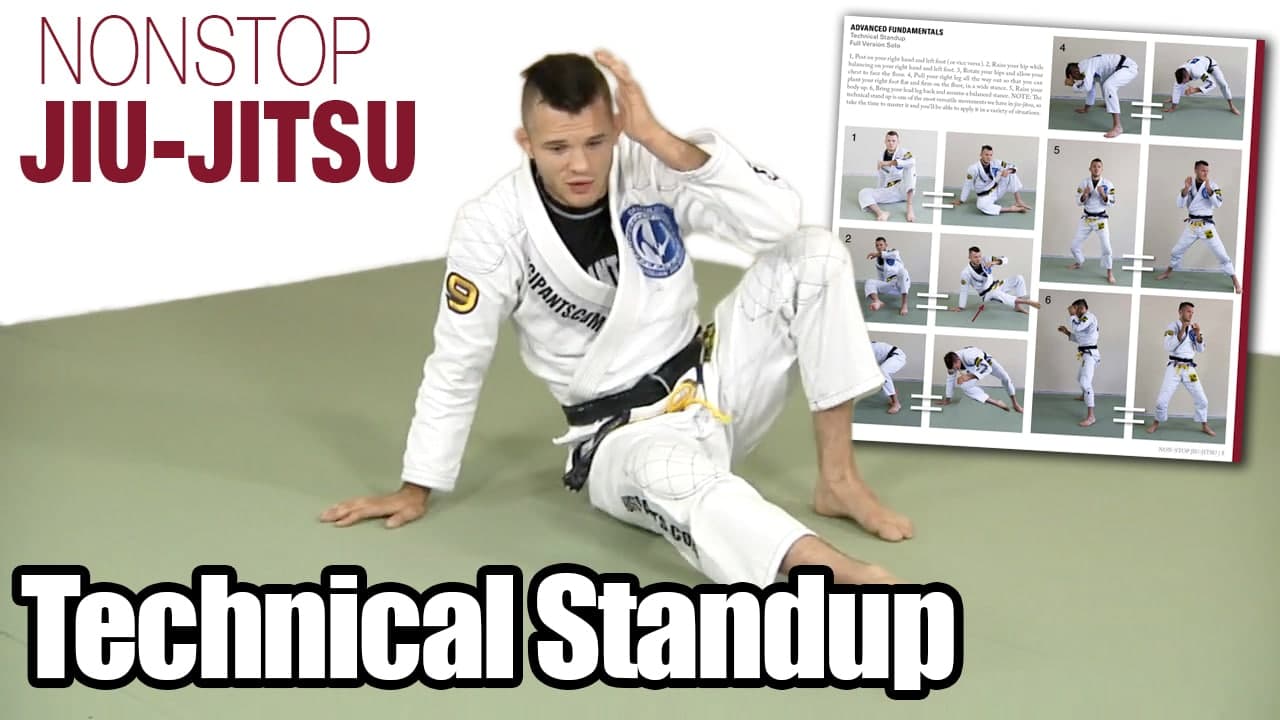
The movement is familiar. Using it in a round means recognizing space, keeping a usable base, and knowing when to stay seated.
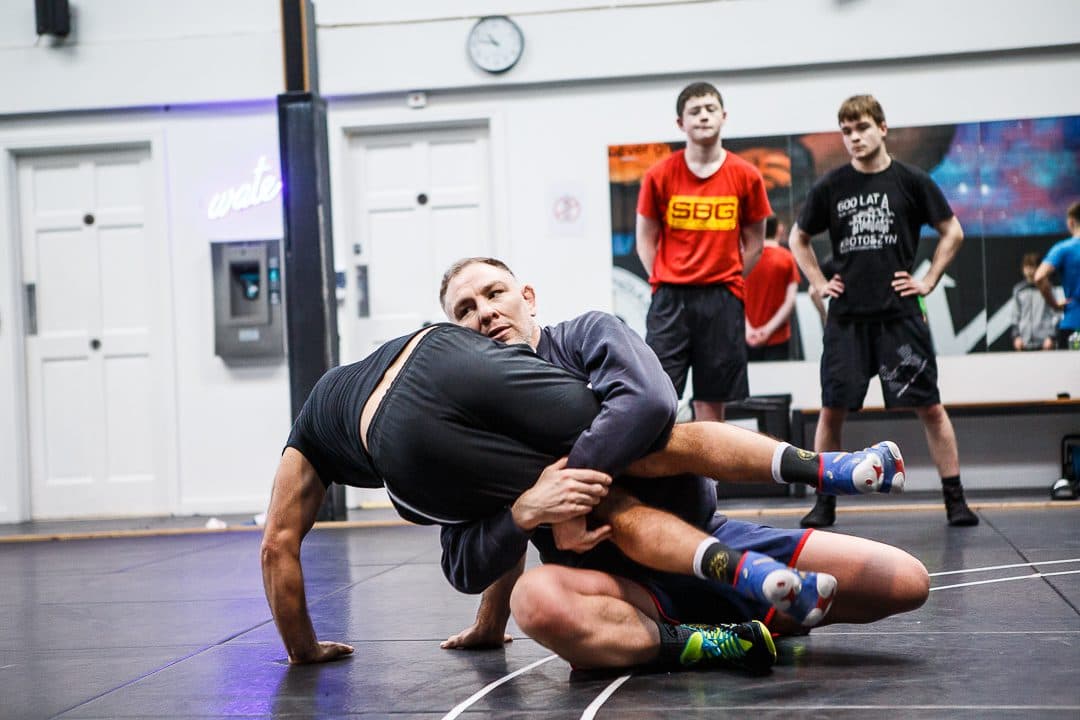
Understand what a BJJ frame does, how it differs from pushing, and how to practice the distinction without turning the drill into a strength test.

Standing from guard can be a deliberate BJJ choice. Learn to read the connections, space, and next position before trying to get up.
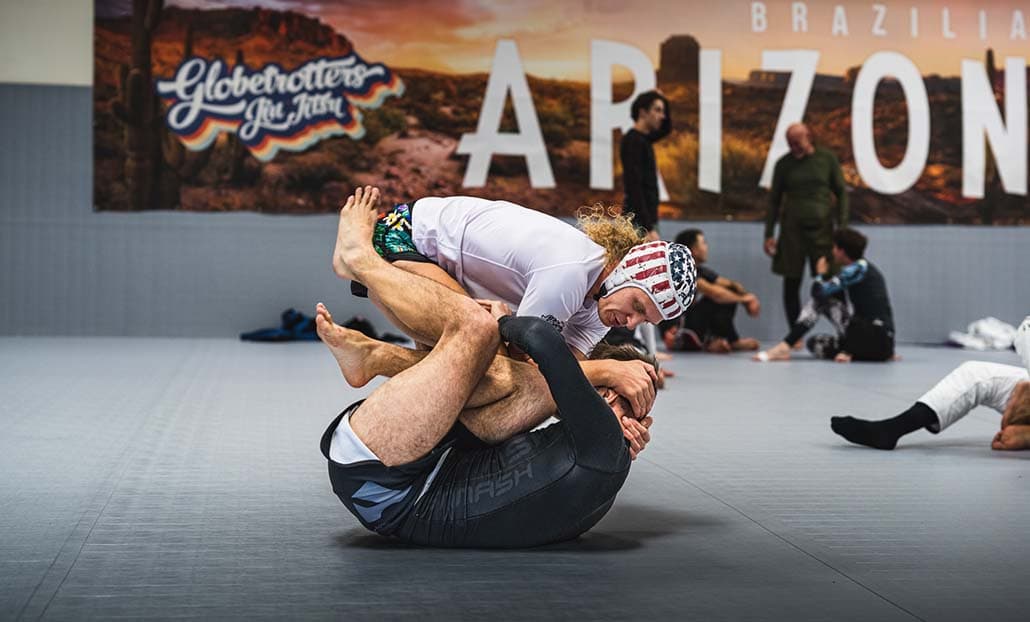
An underhook can help you turn, rise, or connect to an opponent. Learn to judge what it changes instead of treating the grip as a finished position.
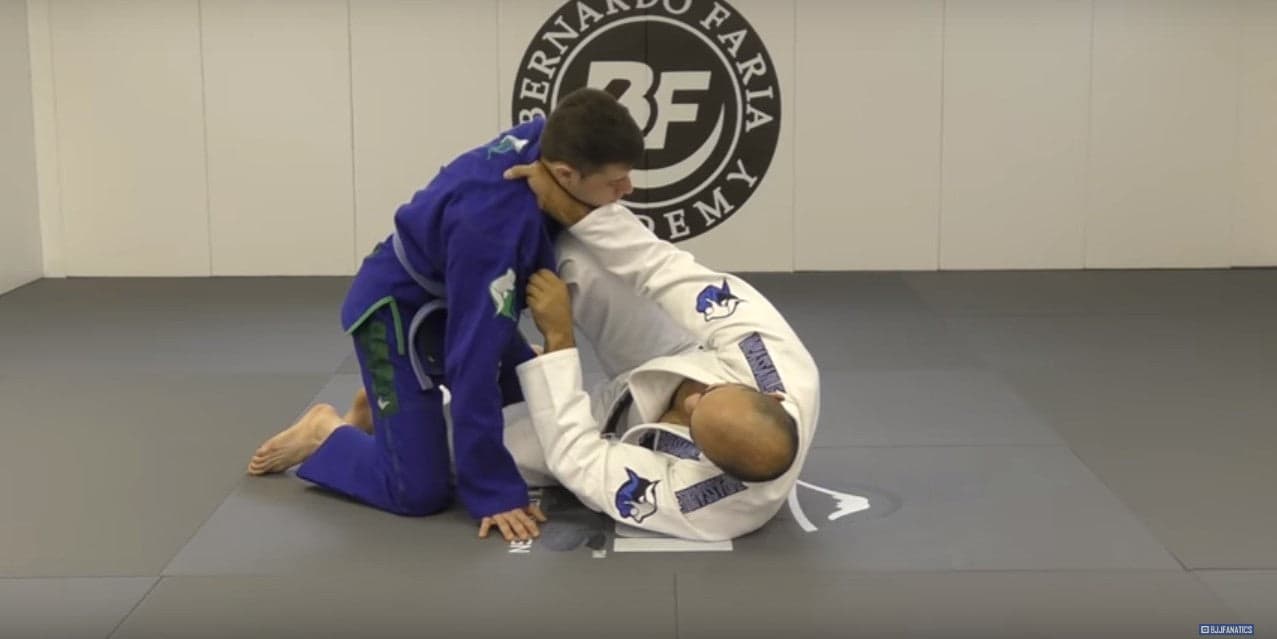
A knee shield should control distance and create your next exchange. Learn what changes with shield height, hand position, and the passer's angle.
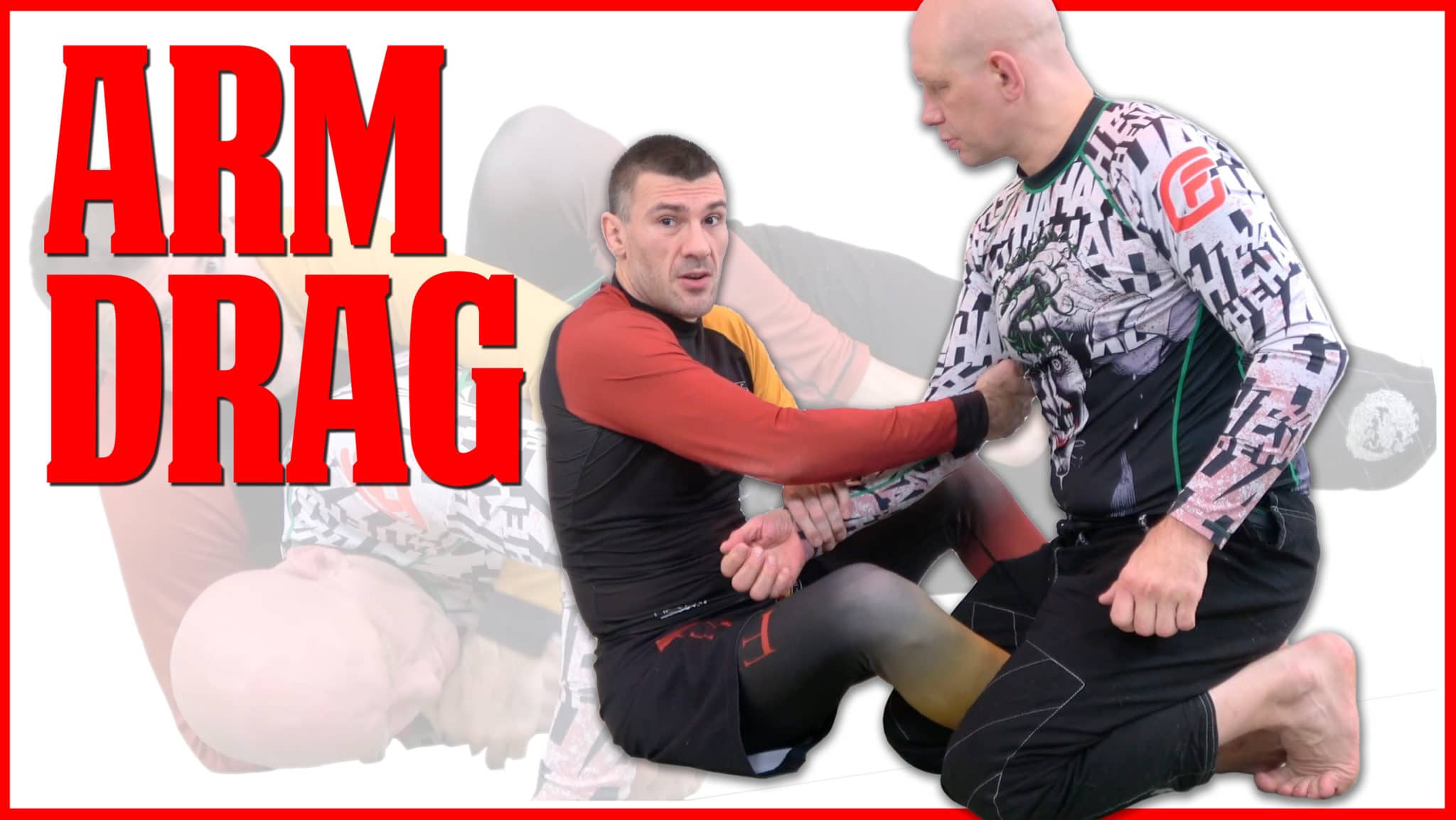
The seated arm drag needs more than a wrist grip. Study the arm connection, hip movement, and reactions that open a back take or a route to top position.
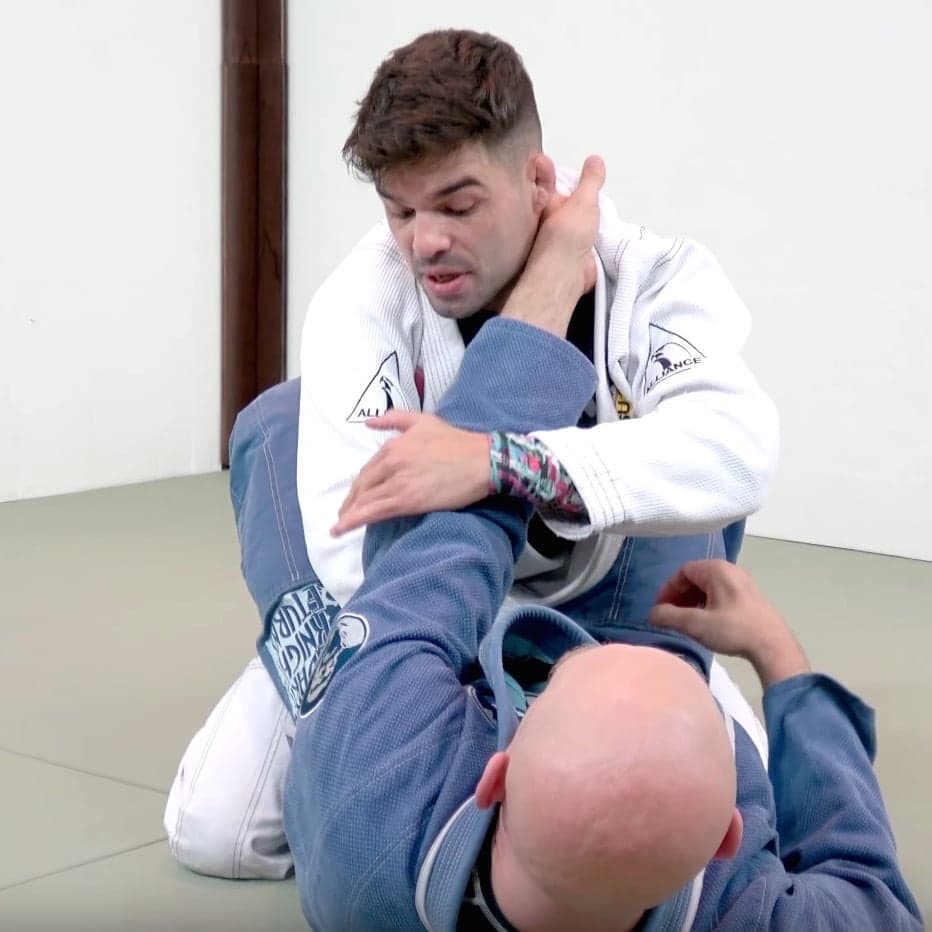
Work on opening closed guard from standing: address controlling grips, understand your first step, and connect the guard break to a passing position.

How the UFC BJJ Bowl changes balance, boundary exchanges, and replay analysis, with documented examples and referee rules.
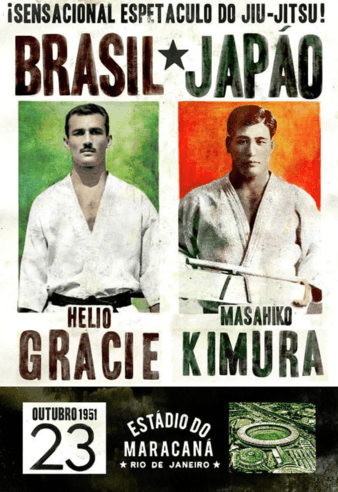
The kimura lock explained — the 1951 Masahiko Kimura vs Helio Gracie story, its double wristlock roots, and why it's a control system, not just a tap.
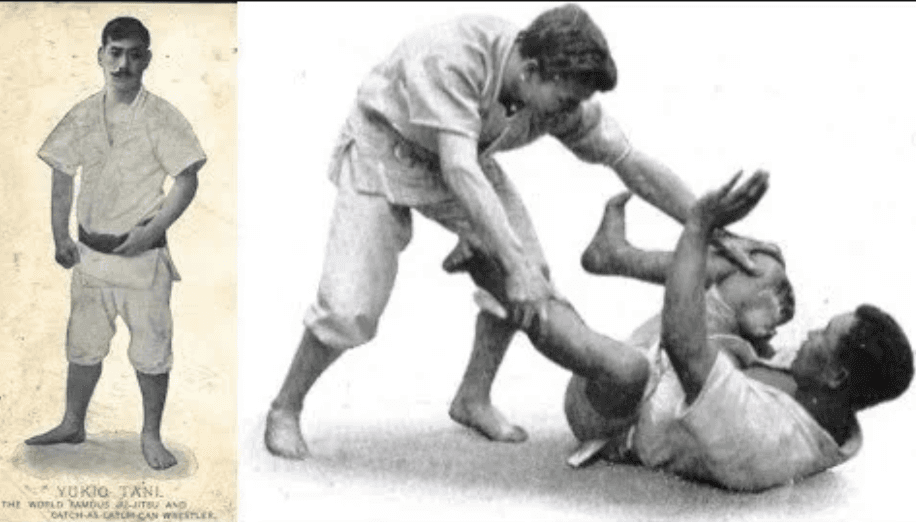
Open guard in BJJ is an umbrella term, not one position. A clear map of spider, de la Riva, butterfly, x-guard, and lasso — and how to pick your first one.
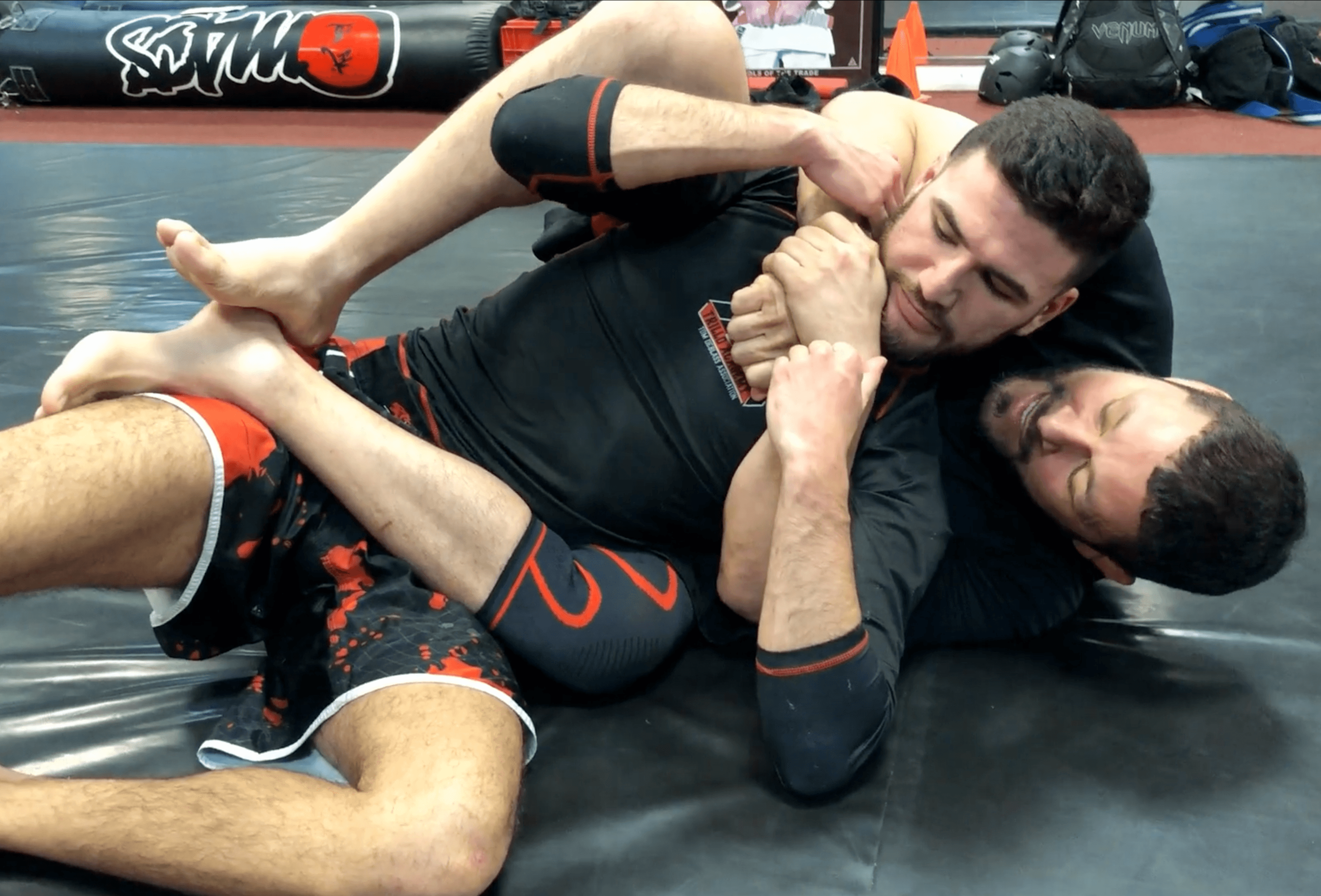
Back control is BJJ's king position — how to take the back, keep it with seatbelt and hooks, and escape it safely by winning the hand fight first.
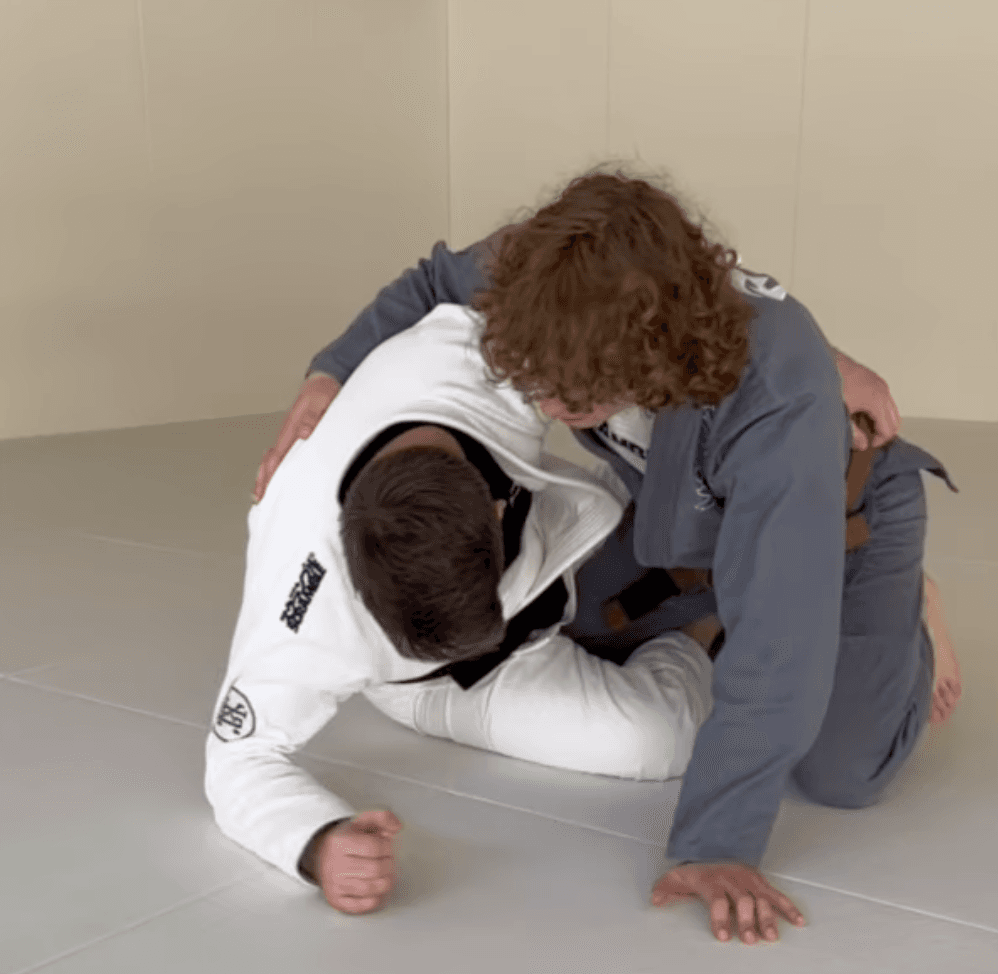
Half guard for beginners — how BJJ's old survival position became real offense, the underhook battle, the knee shield, and what to focus on first.
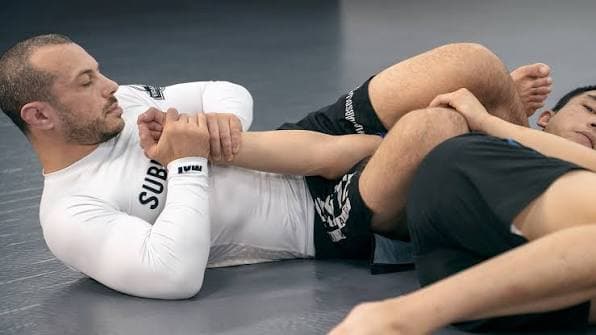
The armbar explained — its judo lineage, how it works from mount, guard, and back, why control beats extension, and when to tap to protect your arm.
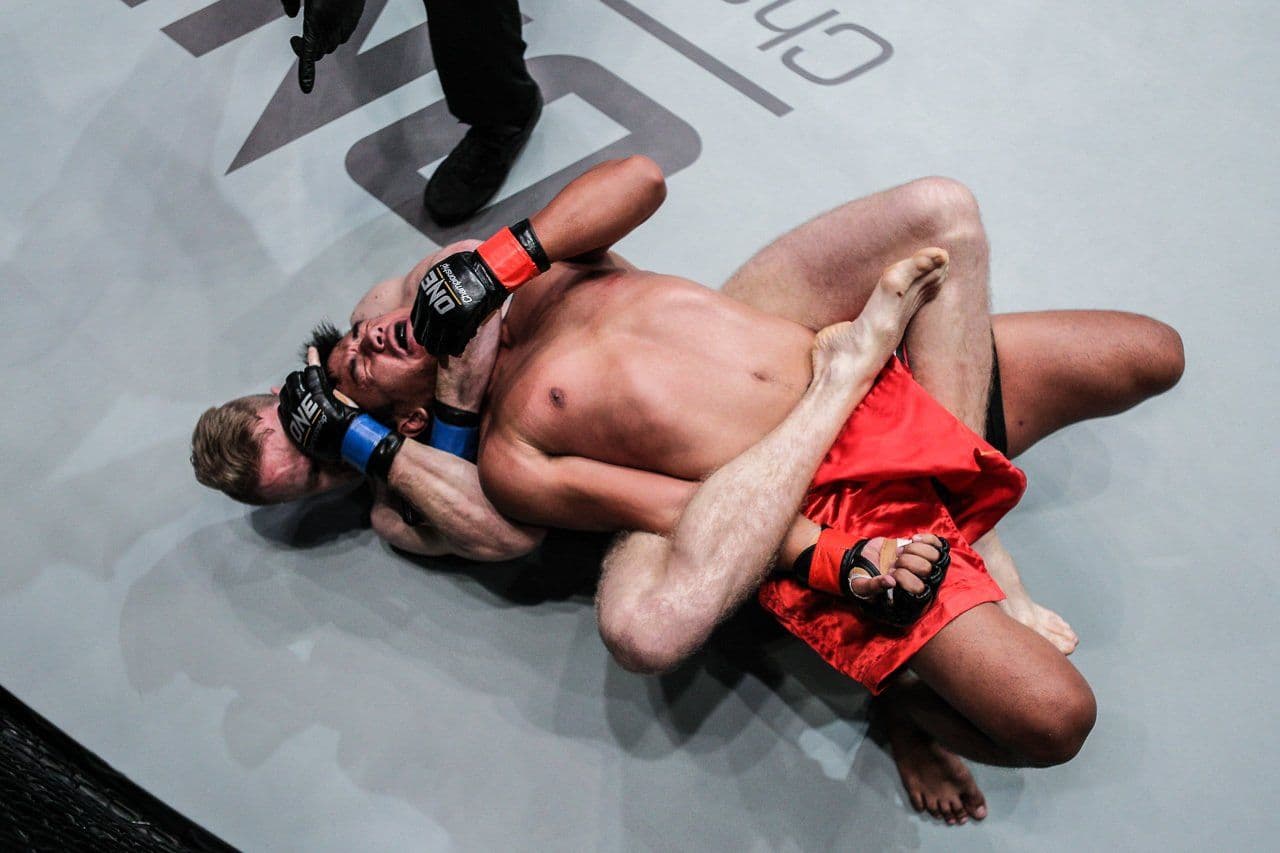
Why the rear naked choke is grappling's highest-percentage submission — back control, the seatbelt and hooks, and blood chokes explained honestly.
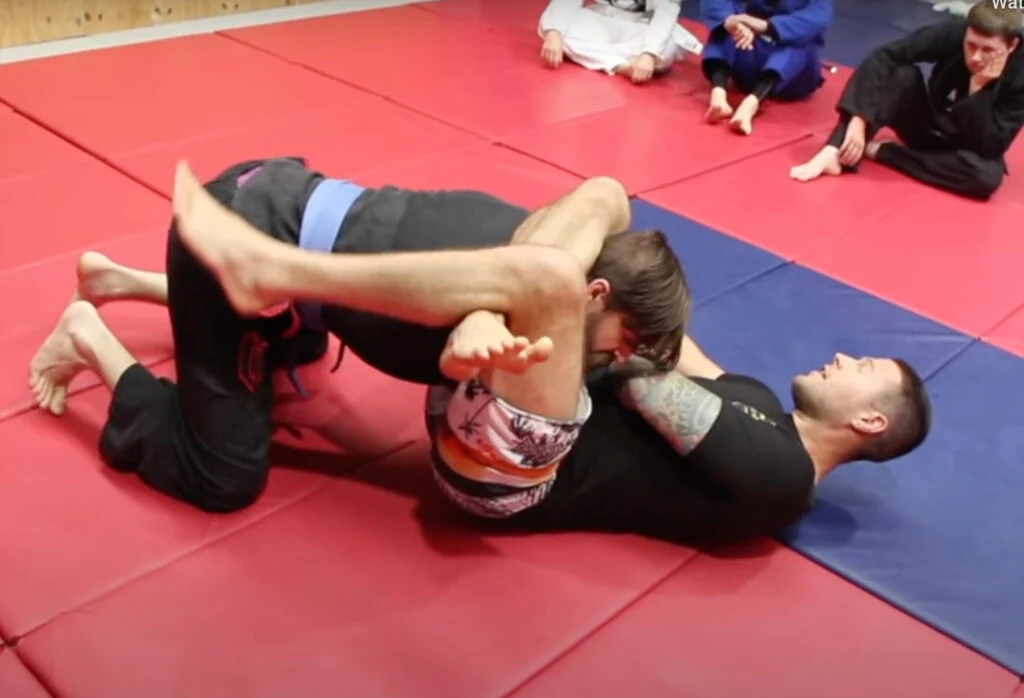
The triangle choke explained — its judo roots, how the mechanics actually work, the mistakes every beginner makes, and how it changes from gi to no-gi.
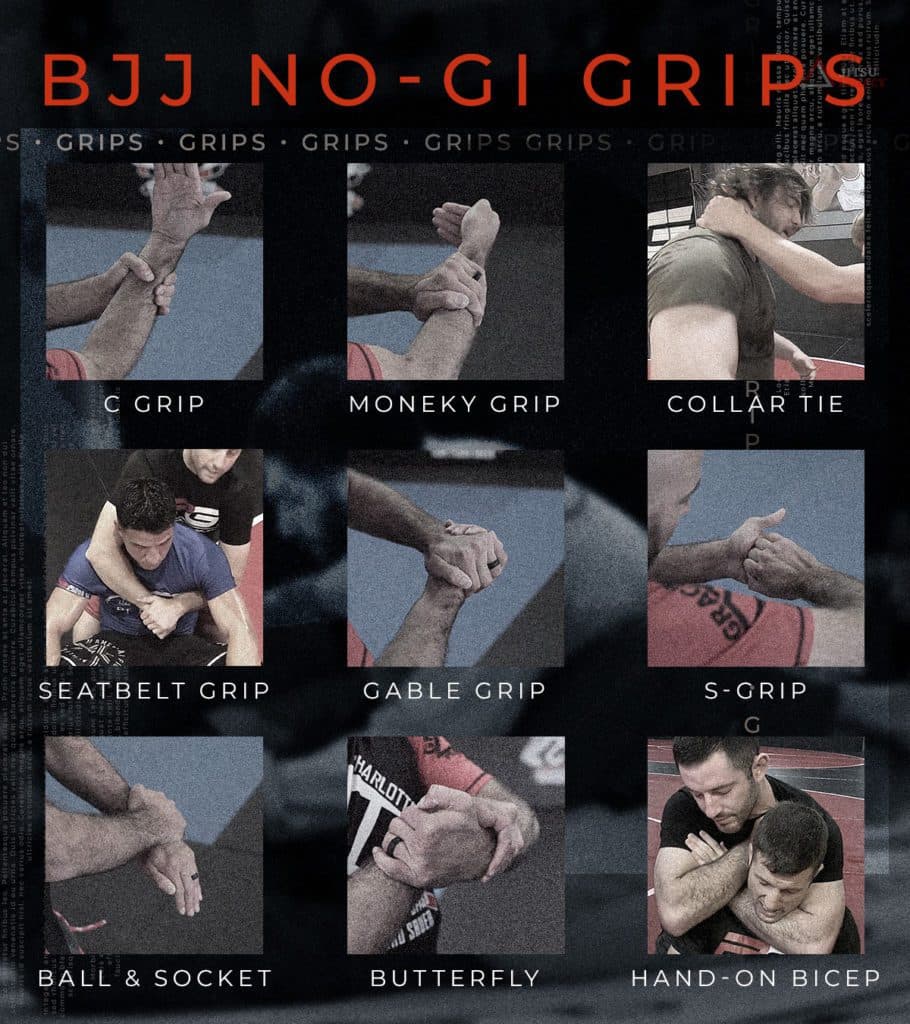
Grip fighting decides most BJJ exchanges. Here's a beginner's guide to the essential gi and no-gi grips, how to break grips, and why winning the grips wins the position.
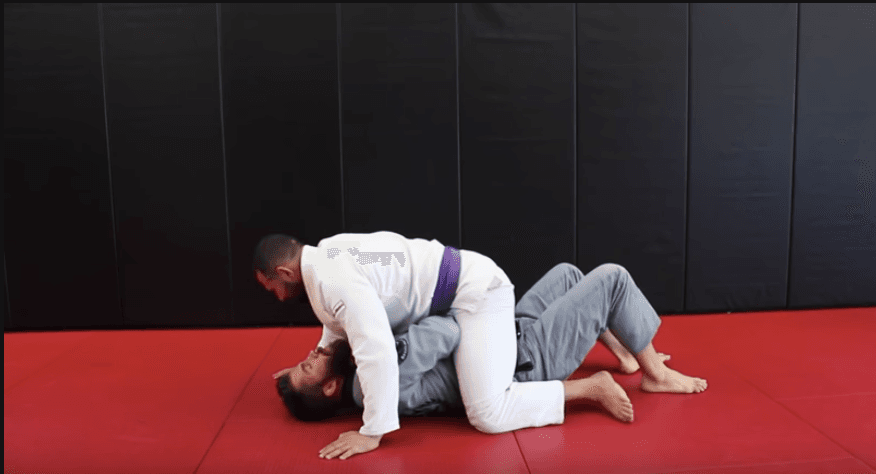
The highest-percentage beginner escapes from mount and side control in BJJ — the bridge-and-roll, elbow-escape, and framing — plus the principles that make them work.
The highest-percentage BJJ submissions for beginners — armbar, rear naked choke, triangle, kimura, guillotine and more — what they are and why to learn them first.