

North-south control: why getting there is only half the pass
Quick answer: North-south control depends on staying connected to the opponent's upper body while keeping their knees from returning between you. Moving around the head is only an entry; you still need a stable position that follows the defender's turn. Learn the control and transitions with your coach before adding a submission.
You clear the legs, circle toward the head, and arrive where north-south is supposed to be. Then the bottom player turns, brings a knee inside, and you are passing guard again.
The route was available. The control wasn't established. That distinction explains why moving farther around an opponent can feel successful for a moment while leaving the same defensive problem unresolved.
Start by separating the location from the task. North-south describes where the bodies are oriented. Holding it requires you to understand what the bottom player can still move, and which connection stops that movement from becoming an escape.
Name the position before judging the control
In north-south, the top player is over the bottom player's upper body, facing toward their legs rather than across the torso as in a common side-control orientation. Exact arm and leg arrangements vary. The important starting point is that the top player's route has moved around the head while the defender's legs remain outside the control.
That description doesn't guarantee a pin. A bottom player whose shoulders and hips can turn freely may follow the movement and recover guard. Conversely, a stable upper-body connection can make the position useful even before the top player begins looking for an attack.
Ask your coach to show the particular version being taught. Where should your torso connect? Which arm position is expected? What is the intended response if the defender turns? Those questions are more useful than trying to copy the general silhouette of a photograph.
A positional name is a shared reference, not a complete instruction. If your partner can move underneath you without changing your balance, the relevant detail may be missing even though both of you agree on what to call the position.
Keep the upper body connected as you move
The transition toward north-south often becomes loose when the passer's feet move faster than their upper-body control. Circling creates an angle, but it can also create separation. If the defender uses that separation to turn and reconnect their knees, the angle alone won't finish the pass.
Think of the movement as changing where your base supports a connection, rather than abandoning one position and landing in another. Your coach can help identify which connection should remain while your legs move. The answer will depend on the entry and the defender's frames.
The Atos north-south lesson collection illustrates that variety in its published topics, including entries from passing and transitions toward the back. Those are different tasks within the same broad position, which is why one frozen pose cannot explain all of them.
During a controlled rep, pause before you finish circling. Can you explain what currently limits the bottom person's turn? If the answer is only that you are moving quickly, slow down and ask for the missing control. Speed can conceal an incomplete connection until the partner starts responding.
Watch the shoulders and hips as separate problems
A defender can begin turning their shoulders before their hips follow, or move the hips while their upper body remains constrained. Watching only one end of the body makes it harder to understand how the escape develops.
For a practical observation, ask a cooperative partner to show the first movement they would use to recover space, at a pace your coach approves. Notice whether they first insert a frame, rotate their torso, or move their hips away. You are trying to identify the beginning, not win an unrestricted round from an unfamiliar position.
The correct response depends on that beginning. A loose upper-body connection may need attention before you worry about the far leg. If the defender already has a knee inside, continuing to circle can ignore the fact that guard recovery has begun.
This is also why the relationship between frames and pushing matters. A frame can preserve useful space without visibly driving you away. Don't wait for a dramatic shove before noticing that the bottom player has built a structure you haven't addressed.
Give the defender's elbows your attention
An elbow positioned between the bodies can become part of a frame that keeps the passer from settling. If you look only for the final pin, you may overlook the small obstruction that prevents the chest-to-upper-body connection from becoming stable.
Ask the coach how the taught entry deals with that elbow. The solution may involve a different angle, a grip adjustment, or choosing another route. Don't assume that pressing harder is the appropriate answer. Pressure applied through a poor position can leave the frame intact while making the exchange less comfortable for both people.
Keep practice controlled around the head, shoulders, and neck. This article is about positional decisions, not instructions for forcing the head into a fixed orientation. If either partner feels pain or cannot comfortably continue, stop and get the instructor's help.
For the bottom player, the elbow is worth observing too. Did it begin inside and get moved, or was it already outside when the pass started? That distinction identifies whether the training question concerns maintaining an existing frame or recovering one after it has been lost. They aren't automatically the same exercise.
Change direction when the position changes
North-south doesn't have to become a place you refuse to leave. If the defender's response makes side control available, returning to the side may preserve the pass more effectively than insisting on a particular orientation.
Imagine a controlled drill where the bottom player turns toward one side as you circle. The useful question is whether following that turn keeps you connected or carries you past the position you could stabilize. Ask your coach to compare the two options slowly. The movement that looks more elaborate may not produce better control.
The same principle applies when a defender turns away. A back exposure may become relevant, but that doesn't mean you should release everything and chase it. First understand which connection is available and what happens if the opponent turns back.
Our guide to switching sides from side control examines a related problem: changing the angle without leaving the body behind. North-south can be part of that transition. It can also be the stable endpoint. Let the response and the training task determine which one you are practicing.
Test the connection before adding the finish
A submission can distract you from a position that was never secure. Reaching for an attack may remove the grip or support that was doing most of the controlling. When the bottom player escapes at that moment, the failure may belong to the transition into the attack rather than the submission itself.
Work through a limited test with your instructor's approval:
Start in the exact north-south configuration the coach has shown.
Give the bottom player one agreed recovery action at low resistance.
Identify which connection keeps that recovery from succeeding.
Reset when control is lost instead of scrambling into a different lesson.
Then switch roles. Feeling the available space from underneath can help you describe what changed, but it doesn't make your interpretation automatically correct. Bring the observation back to the coach.
If a submission is added, learn it under supervision, apply it gradually, and release immediately when your partner taps or asks to stop. You don't need a finish to prove the positional drill was useful. A clear explanation of why the knee could no longer return is already a concrete result from the exercise.
Review the moment before guard returns
When north-south keeps failing in rounds, begin the review before the defender recovers their legs. The final knee insertion is visible, but the space may have appeared earlier. Look for the last grip change, the movement of the passer's base, or a frame that was allowed to remain.
If you have permission to film, choose an angle that shows both upper bodies and the defender's knees. A close shot of faces will do little to answer a question about hip movement. Watch at normal speed before slowing down the part you don't understand.
Describe the sequence without jumping straight to a cause. The defender's elbow entered, then the shoulders turned, then the knee returned. That is a sequence you can show a coach. Saying that you simply weren't heavy enough may hide several different problems under one explanation.
Take one correction into the next controlled session. Keep the entry consistent long enough to find out whether the change addresses the actual failure. If the opponent responds differently, record that as a new situation rather than claiming the original correction never worked. A useful review distinguishes a repeated problem from a changed one.
Main photo: Atos BJJ OnDemand, instructional still.
The takeaway
Reaching the north-south angle doesn't complete the job. Stay connected to the upper body, notice the defender's frames, and understand how their shoulders and hips are beginning to move. The goal is a position you can explain and stabilize under the agreed training conditions.
Practice the transition and the control before adding an attack. If the response makes another position more useful, follow the available control rather than defending the name of the technique. Ask your coach to help identify the exact connection that disappeared when guard returned.
Find a place to work on the position
Explore gyms through Let's Roll, then ask about suitable classes and coached practice for the positions you want to understand.
FAQ
Is north-south the same as side control? They are related top-control positions with different body orientation. North-south places the top player facing toward the bottom player's legs. The grip arrangement and route between positions should be learned with an instructor.
Why does my partner recover guard when I circle around the head? You may be changing the angle without maintaining the connection that limits their turn. Check the frames, shoulder movement, and moment space appears rather than assuming you only need to move faster.
Do I need to attack a north-south choke from this position? No. You can work on control and transitions without adding a submission. Learn any choke separately under qualified supervision, with controlled application and immediate release on a tap.
Should I stay in north-south if side control becomes available? It depends on the response and the drill's purpose. Your coach may want you to retain north-south or may encourage the transition. Choose based on the available control, not a rule that one position must always be kept.

Nina Okada
Nina Okada explains positions the way a good training partner does: one problem at a time, with the limits of the explanation said out loud. She is careful about the difference between what footage shows and what it only suggests.
Related Posts
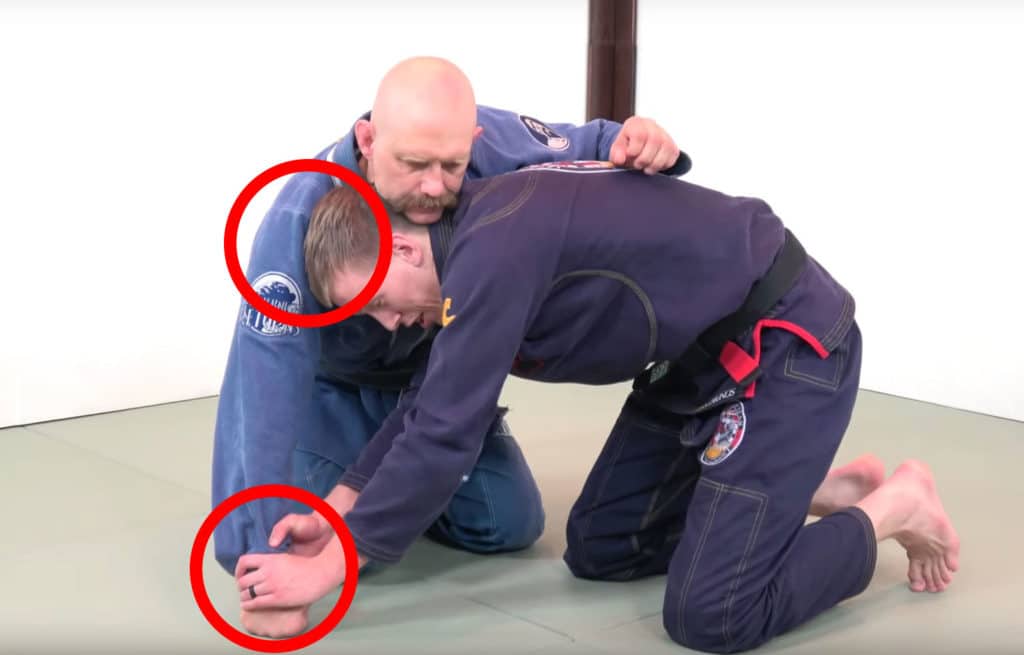
The turtle position needs an exit plan
Turtle can interrupt a pass, but staying there creates another problem. Learn to identify the threat, control a connection, and choose an exit.

Staying in mount means having somewhere for your weight to go
Study mount balance by tracking support points, controlled movement, and the moment an attack changes your base.
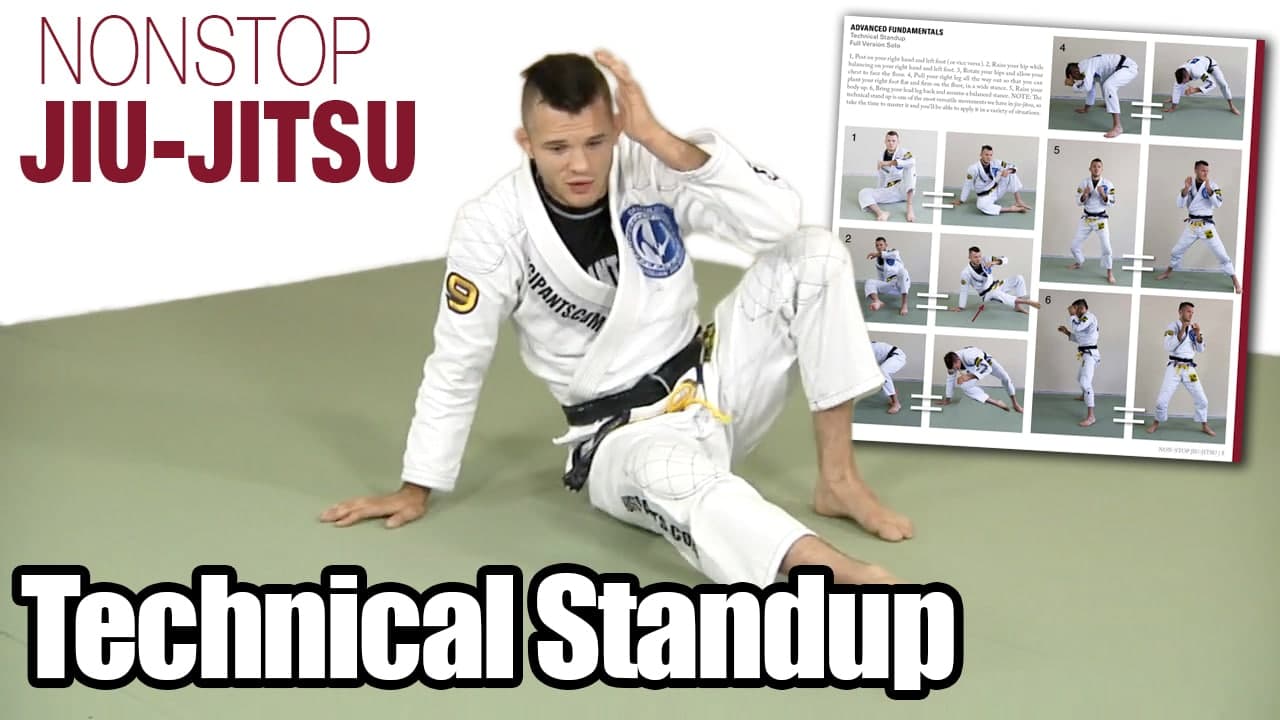
A technical stand-up starts before you lift your hips
The movement is familiar. Using it in a round means recognizing space, keeping a usable base, and knowing when to stay seated.
Comments (0)
Loading comments...