
Training
Adding judo to BJJ without skipping the first lesson
Your BJJ experience helps, but a judo class has its own starting point. Learn the landing, the grips, and the rules before borrowing the throw.
Nina Okada8 min read

Training, technique, and the culture of Brazilian Jiu-Jitsu
371 articles
Your BJJ experience helps, but a judo class has its own starting point. Learn the landing, the grips, and the rules before borrowing the throw.
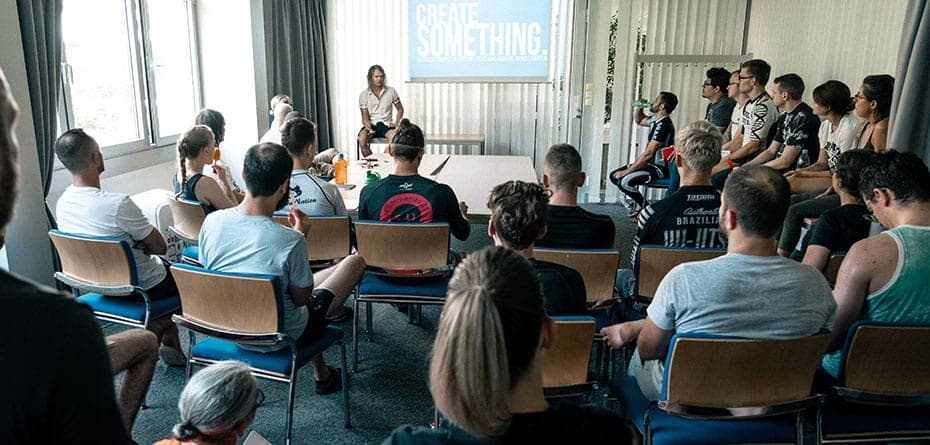
A clear BJJ membership starts with the whole agreement: included classes, total cost, renewal, pauses, and the exact process for leaving.
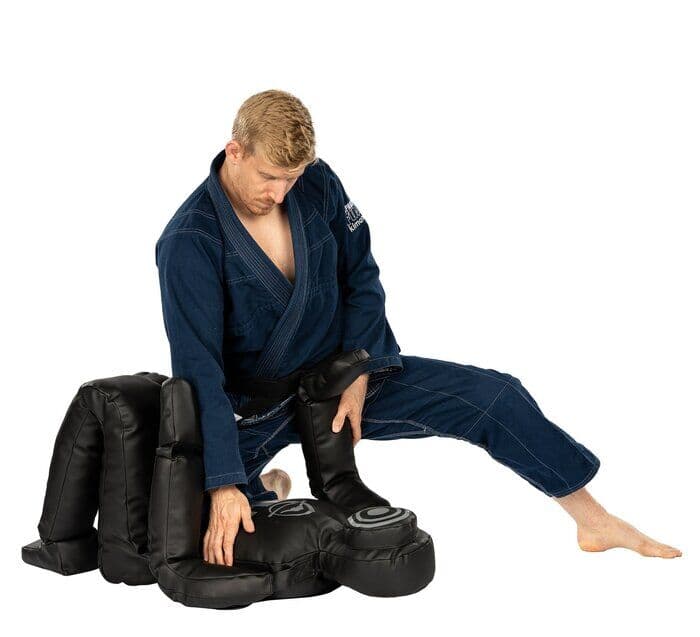
A BJJ dummy can help rehearse familiar movements. Choose one for a specific job, with realistic expectations about what an unresisting partner cannot teach.
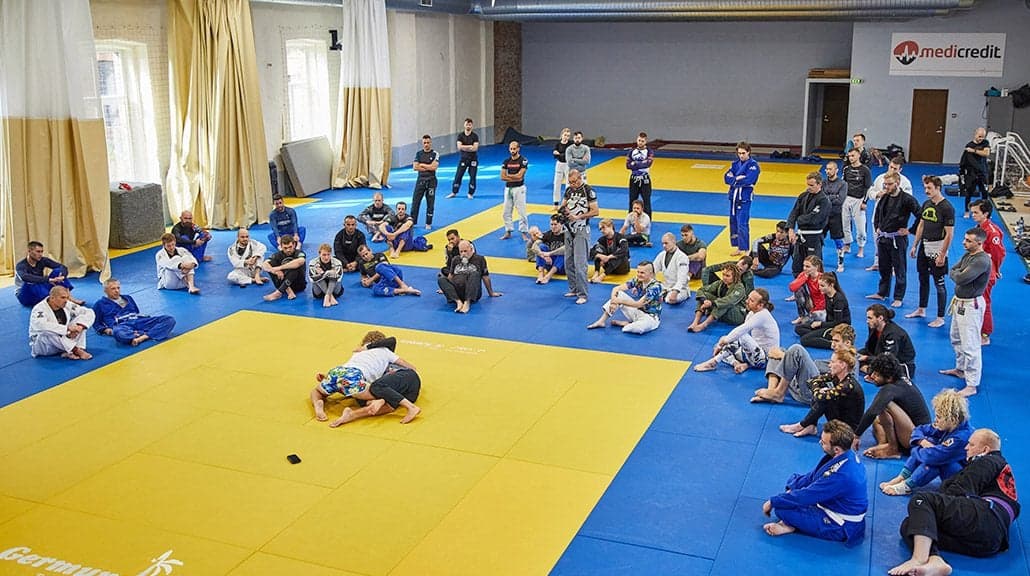
Rotating shifts need a different training calendar. Build a small menu of classes, keep one technical thread, and stop treating every changed roster as failure.
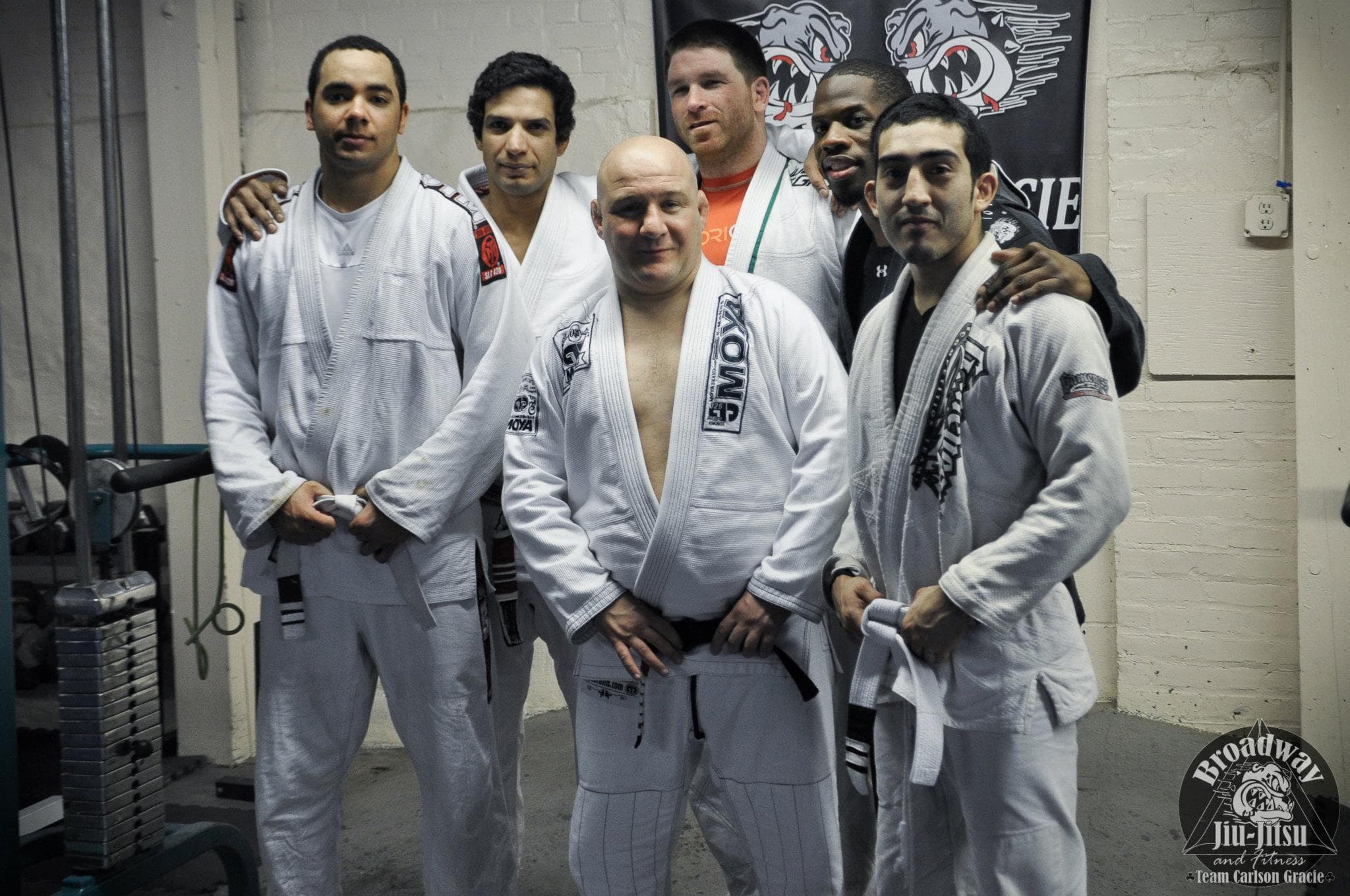
Three Boston academy starting points, the questions to ask before visiting, and a training plan built around the trip you actually make.
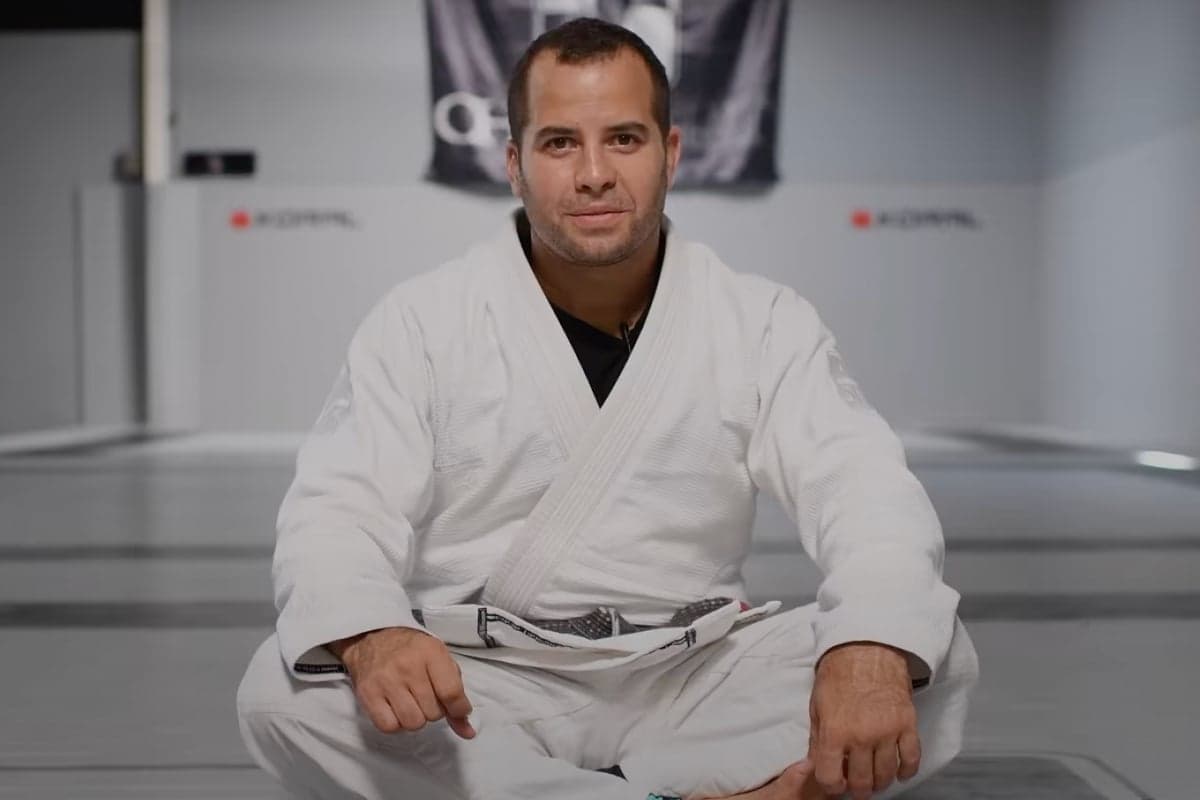
Two ADCC titles explain part of Leo Vieira's influence. The rest involves teaching, Checkmat, and the move from winning matches to shaping the sport.
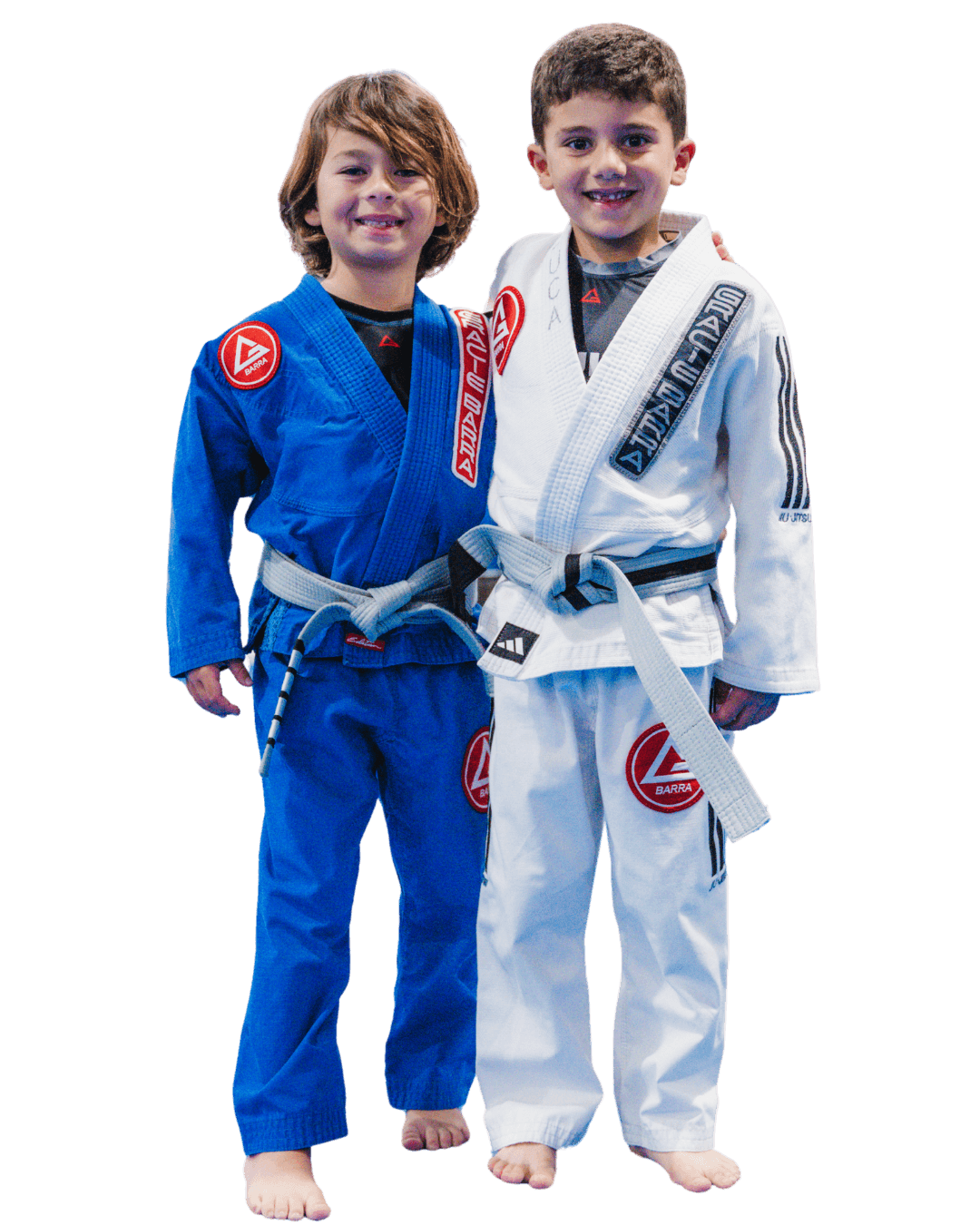
Sharing a ride to jiu-jitsu does not mean sharing a pace, a belt schedule, or a reason to train. A practical approach for families with two students.
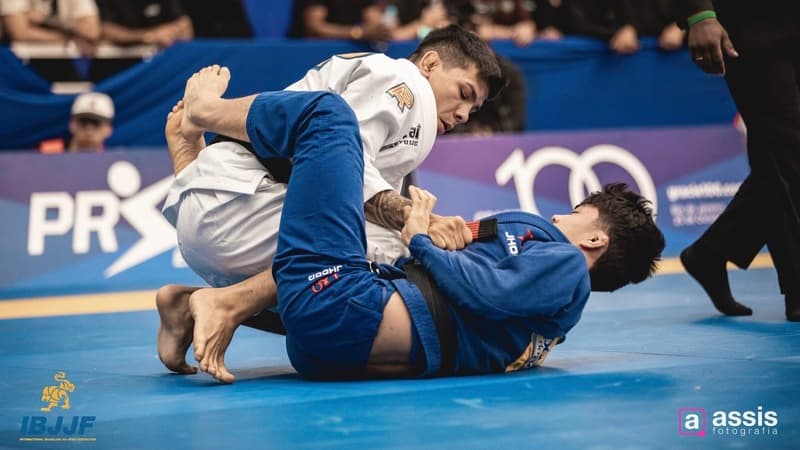
Guard pulling is a tactical choice with different costs under different rules. Separate competition strategy, training habits, and spectator preference.
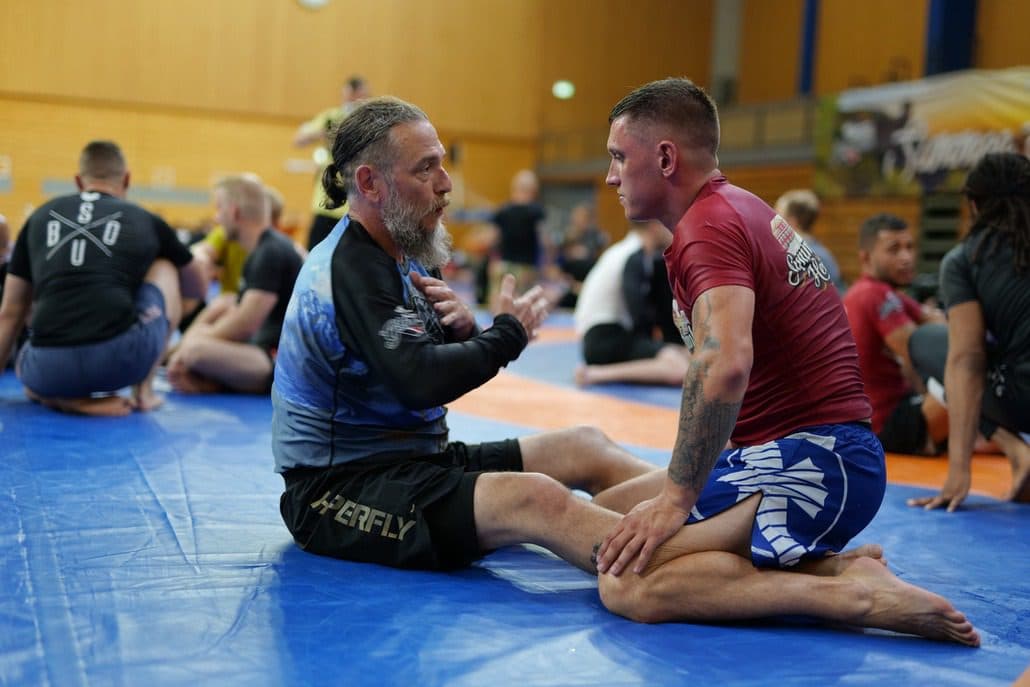
Remove the colored fabric and the room still needs trust, teaching, and a way to recognize progress. A thought experiment about rank in BJJ.
Philadelphia BJJ options span different neighborhoods and training formats. Build a useful shortlist around the branch, class, and trip that fit you.
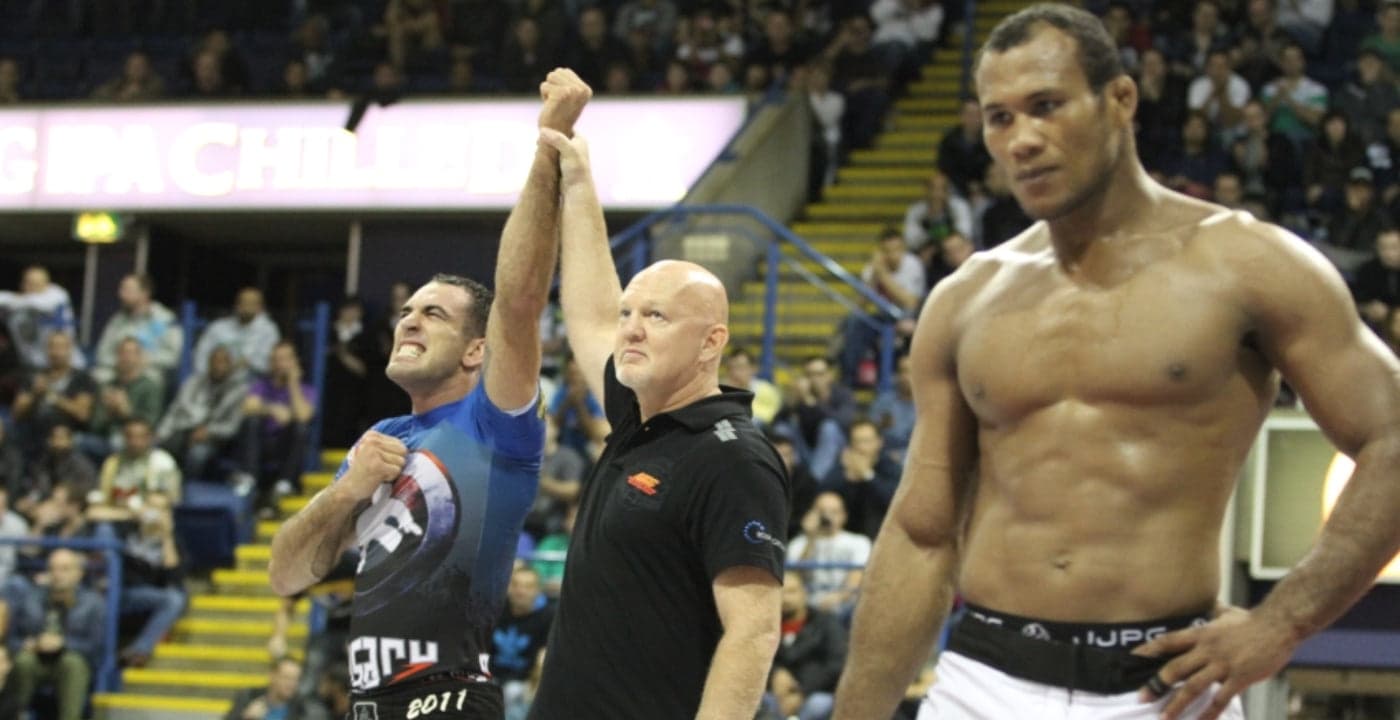
Braulio Estima's 2009 ADCC double gold was more than a medal count. Two brackets show the different problems a complete tournament run has to solve.
What a bye means, how to read your route through a BJJ bracket, and why an empty first-round slot does not give you a fixed start time.
Knowing your regular partners is useful. Find out which parts of your game still work when the familiar reaction does not arrive.
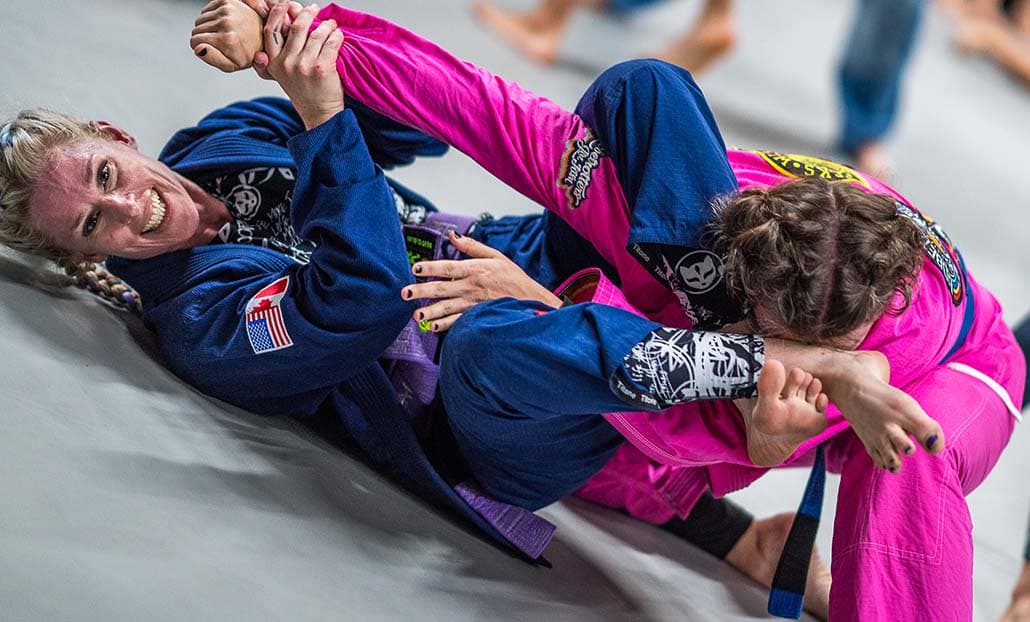
A smaller training partner does not need your excuses or your permission to be good. Keep the tap simple and make the next question useful.
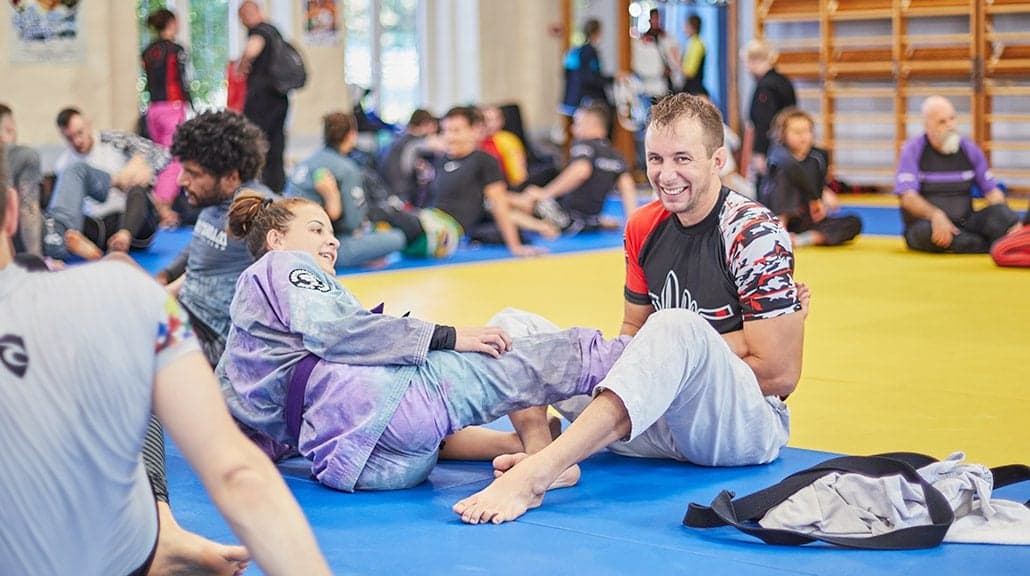
The quiet technician, the enthusiastic beginner, the useful skeptic: seven familiar training roles and how to make the most of each pairing.
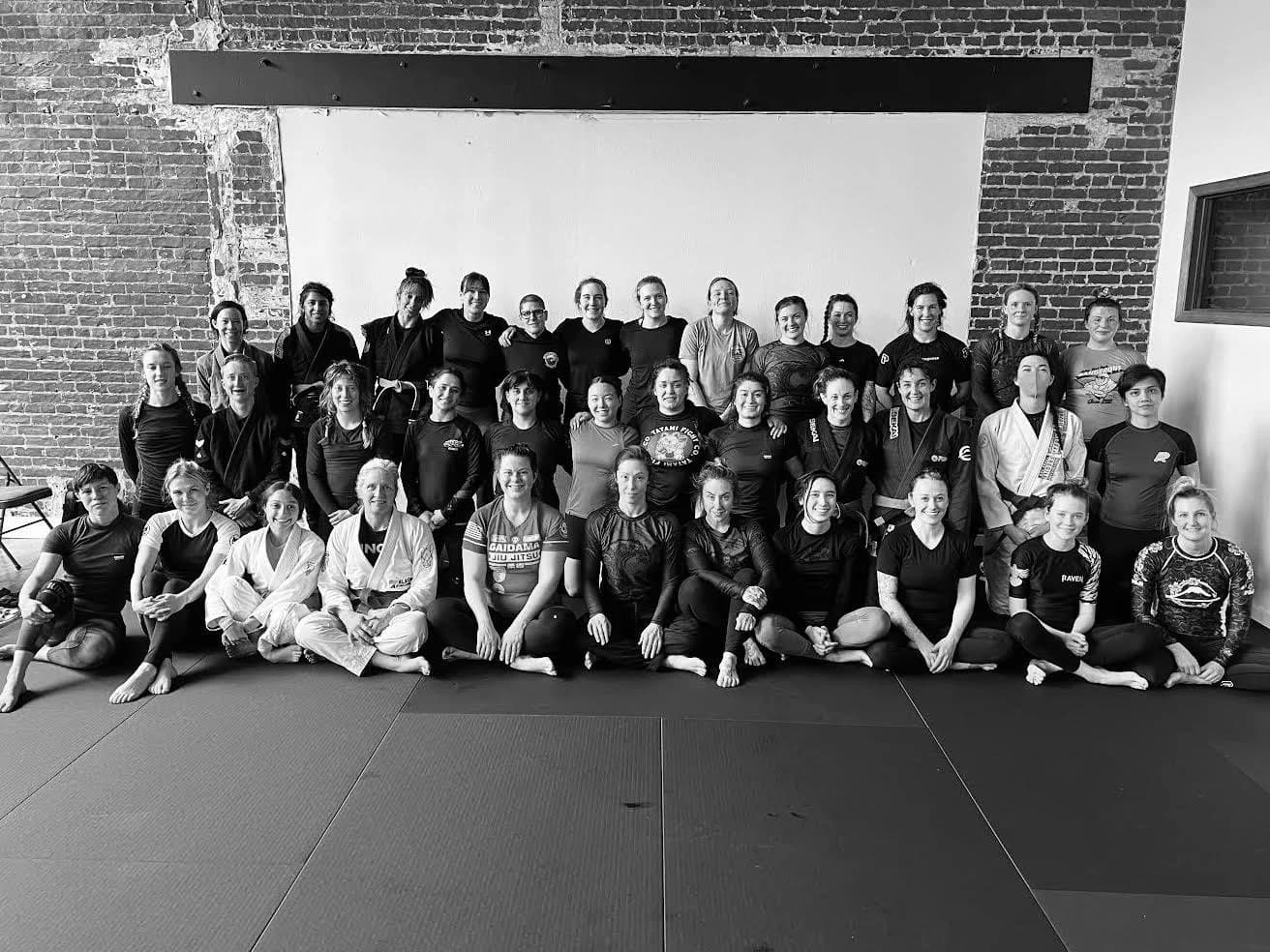
A Portland BJJ shortlist should separate gi, no-gi, regular classes, and special open mats. Start with the program you want and a workable route.
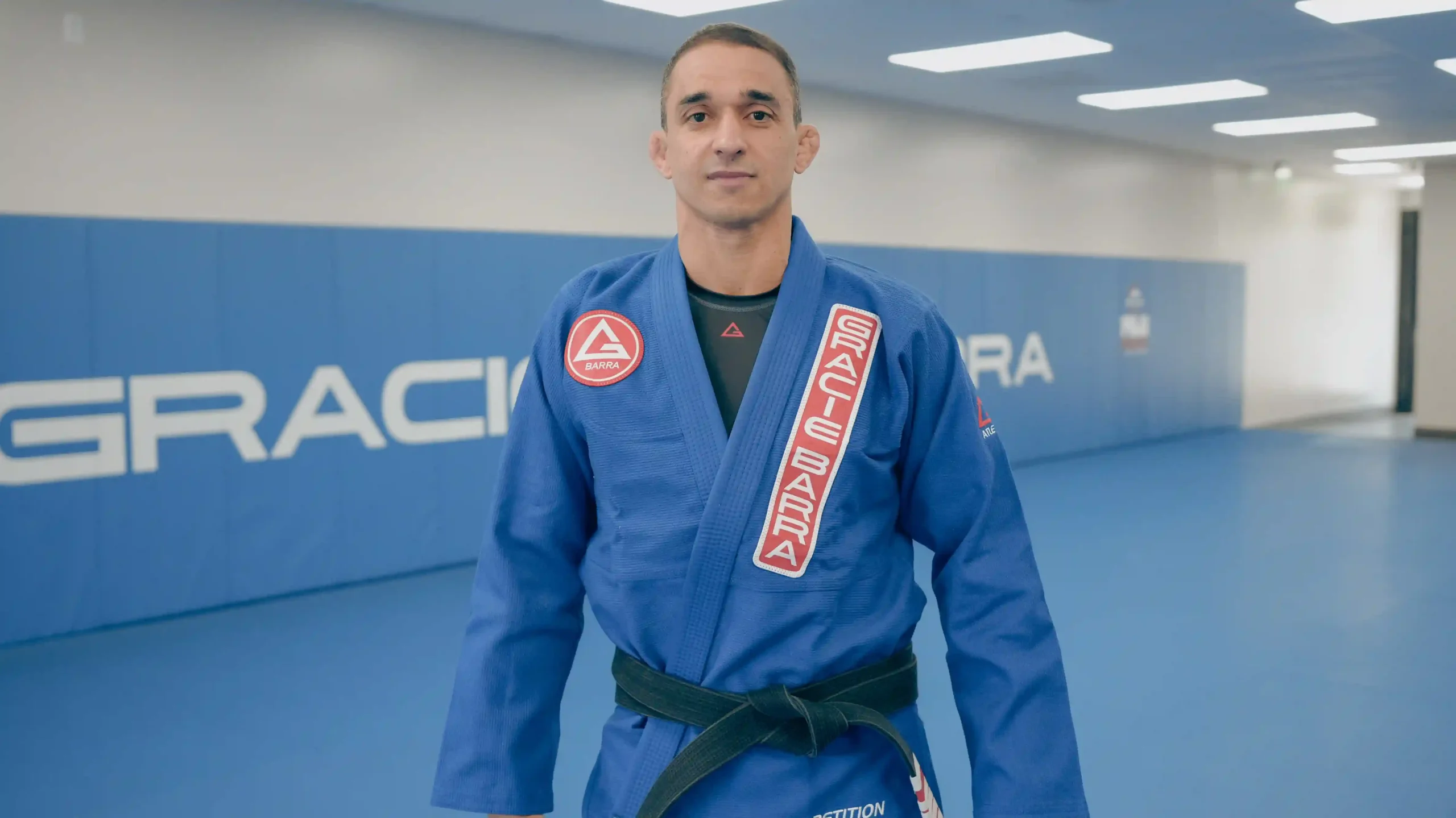
Romulo Barral's career connects elite gi guard work, an ADCC title, and academy life. The interesting part is how those achievements differ.
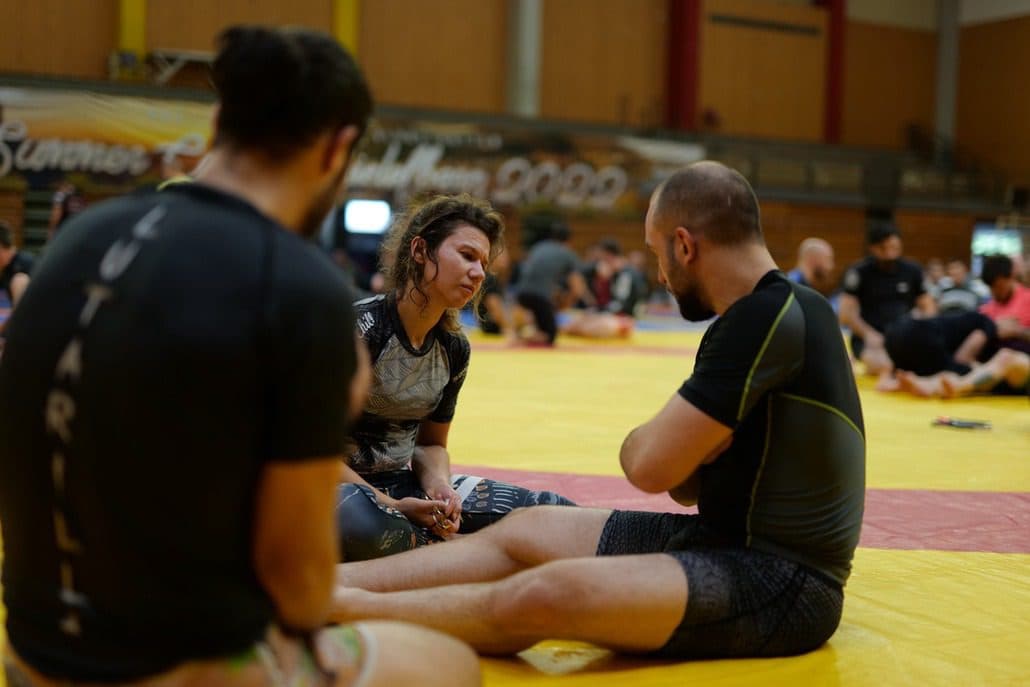
A boundary, collision, or drill objective can stop a round. Use a clear reset so both partners know which position and task they are returning to.
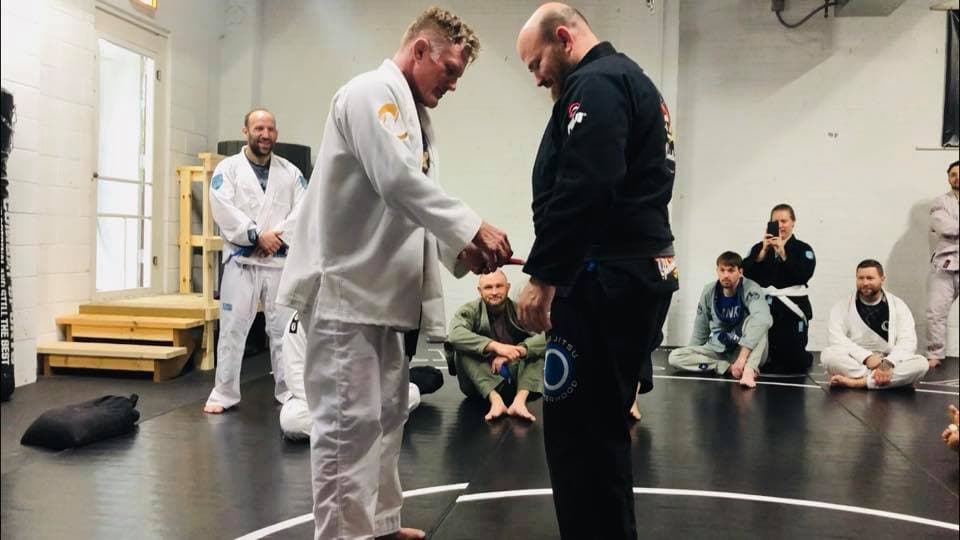
Separate recurring tuition from optional spending before trying to price the years between your first class and a BJJ black belt.
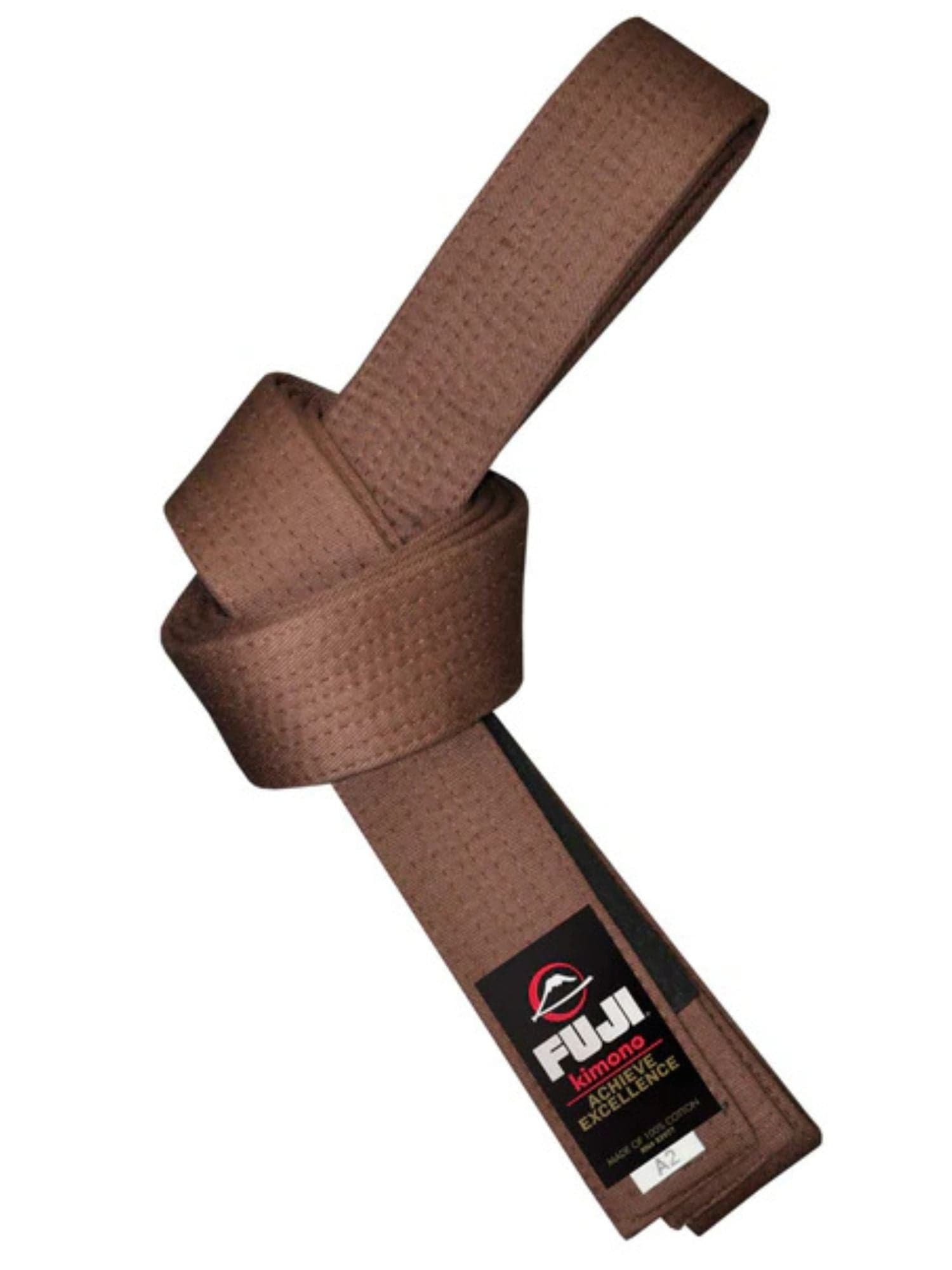
Experienced recreational grapplers can train with ambition without accepting every round as an invitation to prove they still belong.
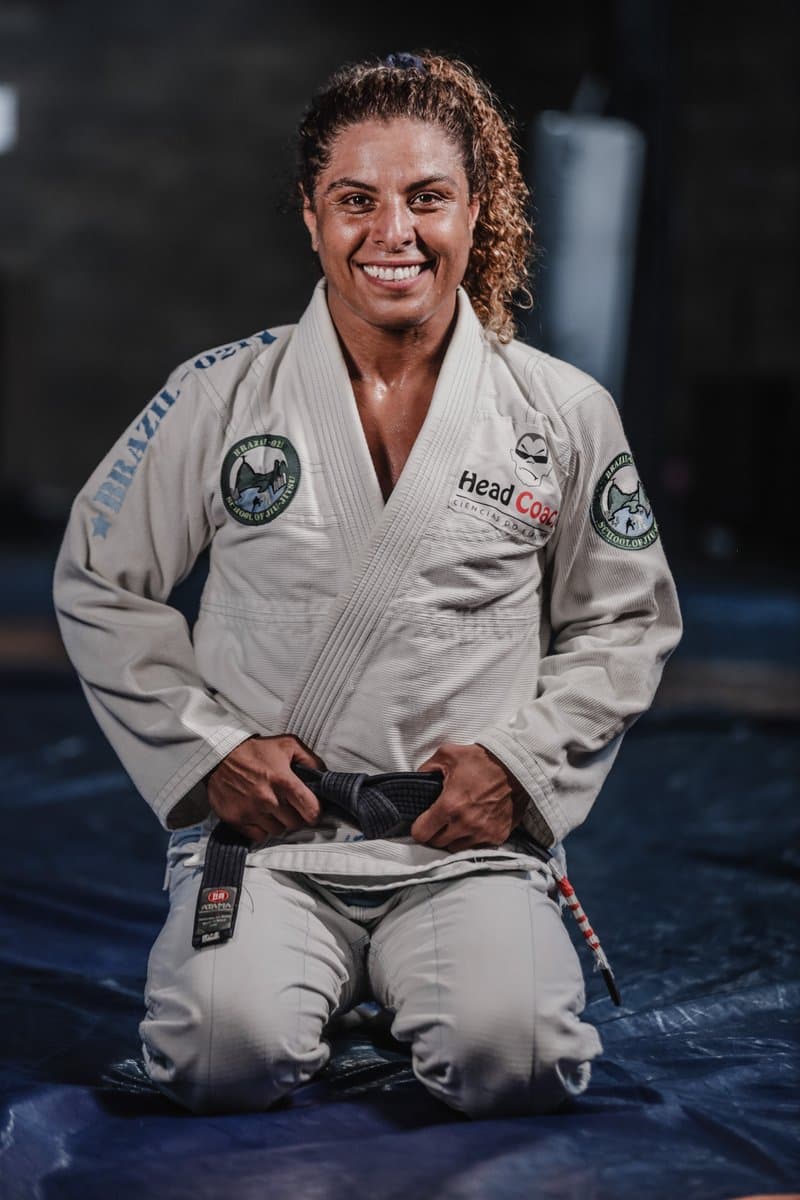
Hannette Staack's record includes ADCC double gold, but her own interviews reveal an equally persistent commitment to students and teaching.
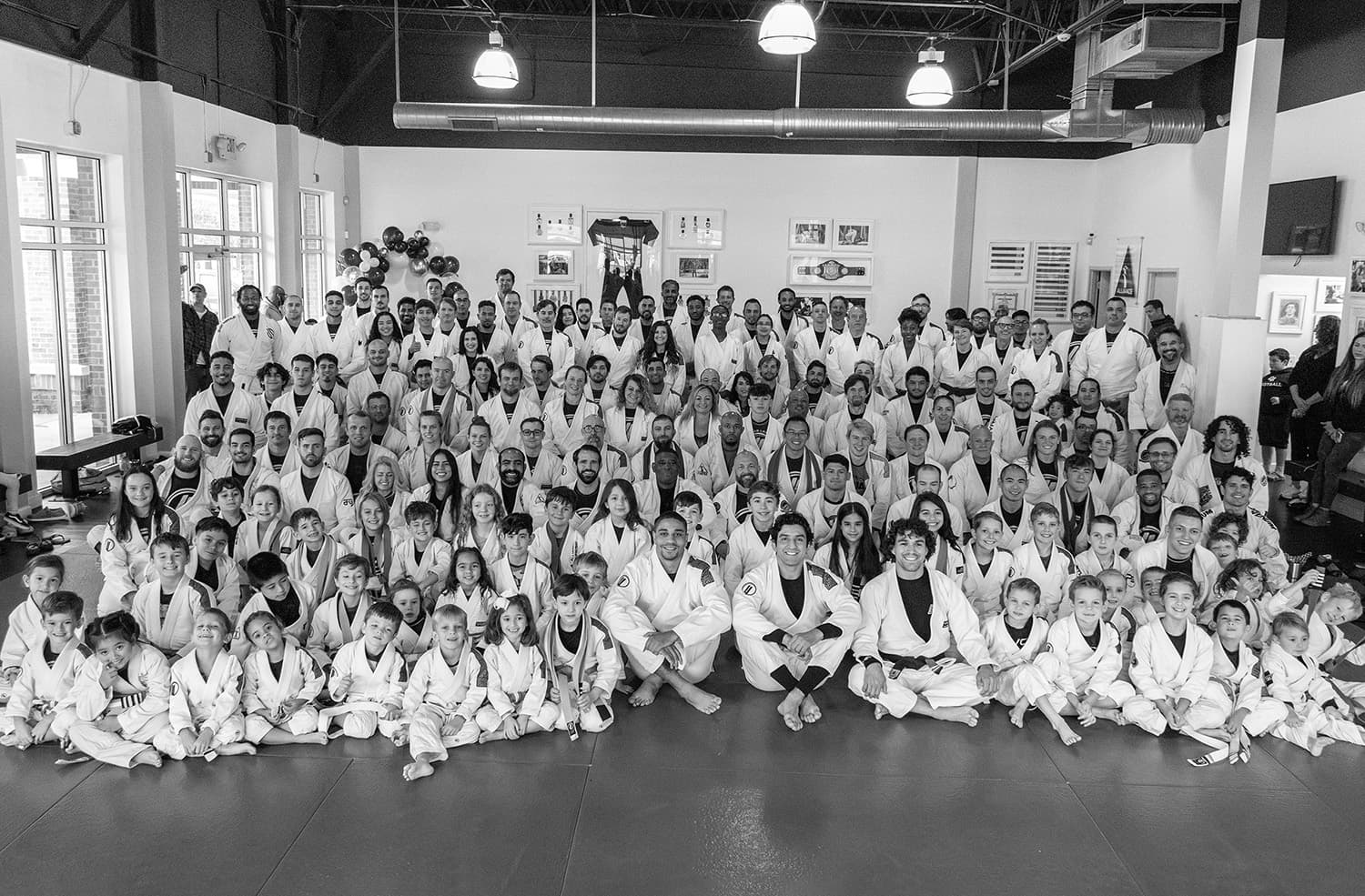
Compare Charlotte and Fort Mill training options by location, beginner access, and the session you can actually attend each week.
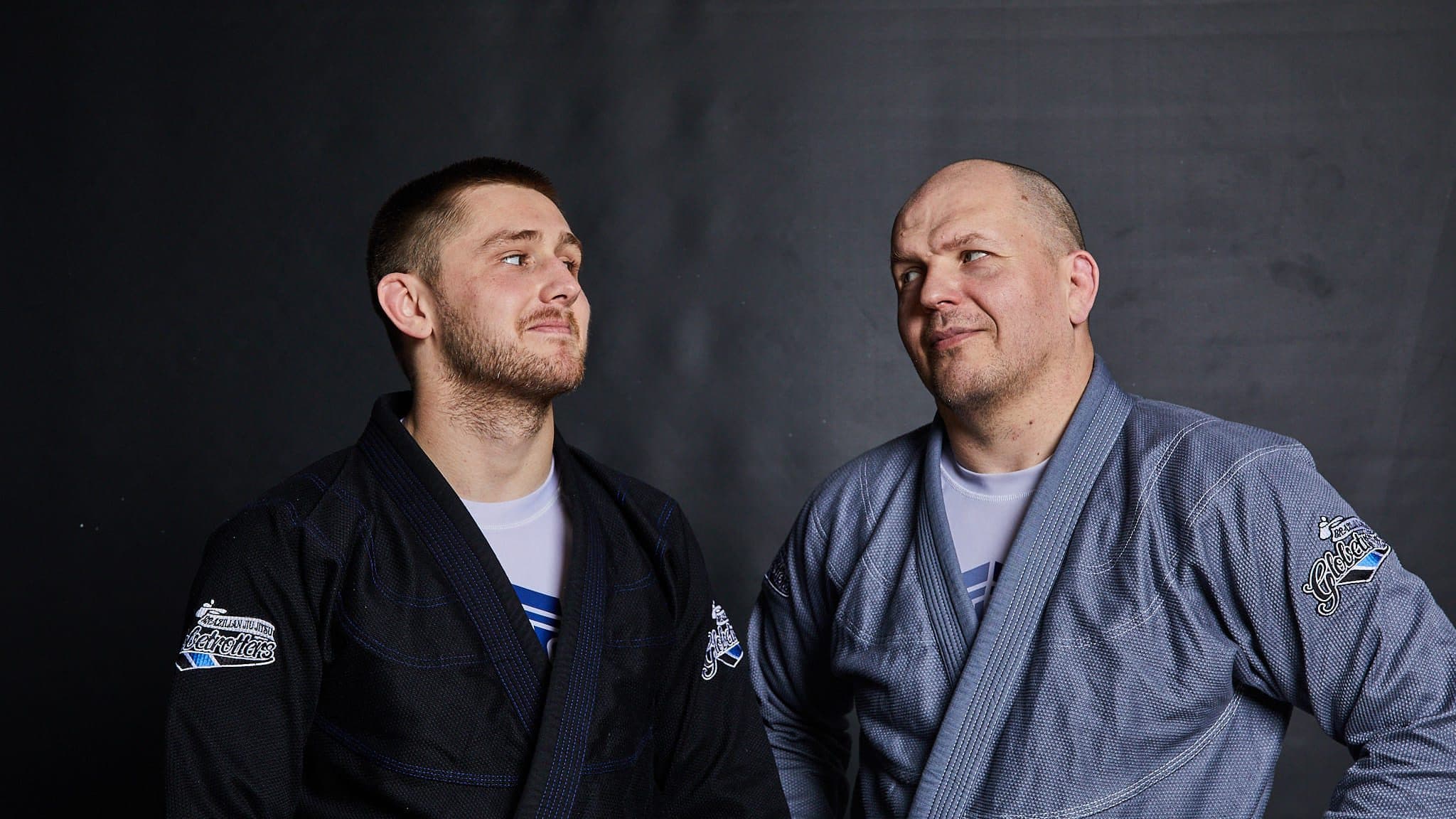
A gi patch can mark your team or a favorite trip. Check academy policy, competition placement, and the attachment before making it permanent.
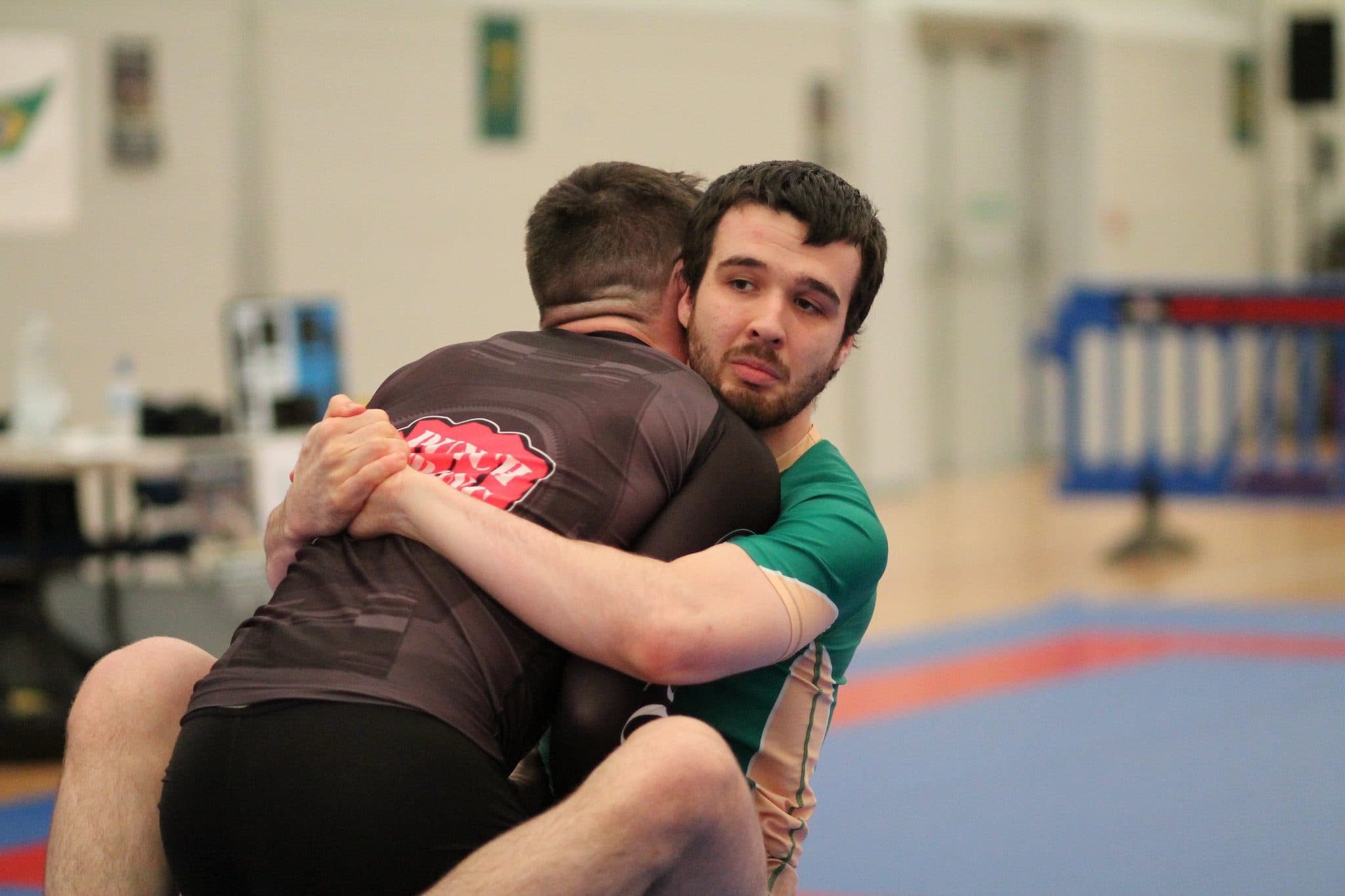
Takedowns are only part of the discussion. Wrestling also changes the choices available when a BJJ athlete gets to a knee, stands, or defends top position.