
Romulo Barral: the guard player who became a teacher
Quick answer: Romulo Barral is an IBJJF world champion, the 2013 ADCC under-88kg champion, and the founder of Gracie Barra Northridge. His career is worth studying through both competition and teaching, with particular attention to the guard work associated with his gi game. A famous competitive identity can be a starting point for understanding an athlete, but it is rarely the whole career.
Romulo Barral reached the 2009 Worlds open-class final against Roger Gracie with a guard that already had a reputation. He lost that match. He also won his own weight division that year.
Both facts belong in the introduction. One shows the limit he encountered against an extraordinary opponent; the other prevents a famous loss from swallowing the rest of the tournament. A career is not always well served by the match that appears most often in someone else's highlight reel.
Barral's story becomes more interesting when the frame widens again, from gi competition to ADCC and from the competition mat to an academy. Each setting asks something different of a person with the same name on the door or the bracket.
The 2009 results contain more than the Roger match
The IBJJF's official 2009 Worlds results place Barral first in adult black-belt medium-heavy and second in the open class. That is the cleanest starting point for reading the weekend: a weight title and an open-class silver.
The result resists the habit of sorting athletes into whoever won the most famous final and everyone else. Barral had already completed a championship assignment in his own division. The open class added another test rather than retroactively deciding whether the first title counted.
For students, this is a useful way to read any tournament. Identify the divisions, the matches, and the results separately. A single clip can introduce an athlete, but it cannot carry the whole account of what that athlete did at the event.
It also makes comparison more honest. You can discuss a loss precisely without using it to dismiss the competitor. The winner's excellence and the runner-up's achievement can coexist on the same results page without either needing to be explained away.
Spider guard describes a problem, not a personality
In its retrospective on Roger Gracie's 2009 performance, the IBJJF identifies Barral with elite spider-guard play. Its account describes him beginning the final in closed guard before opening into spider guard, with Gracie eventually passing, mounting, and finishing a cross choke.
That sequence gives a technical study somewhere concrete to begin. The guard is not simply a photograph of feet placed against arms. It involves maintaining useful contact while the passer tries to alter distance, angle, and control.
A student studying the position should ask what each connection is accomplishing. Which movement is being limited? What changes when a grip is lost? When does the guard player need to transition rather than insist on restoring the exact shape that existed a moment earlier?
These are questions to investigate with an instructor, not a claim that a written description reproduces Barral's method. A reputation can tell you which footage to seek. It cannot replace the work of understanding what is happening inside the position.
A famous loss can be useful film
Watching a successful attack tells you what happened when the necessary conditions came together. Watching a skilled athlete encounter resistance can show where those conditions became difficult to maintain.
The 2009 open final is useful in that second sense. It is possible to study Barral's choices and Gracie's answers without turning the match into an argument that one entire category of guard is valid or invalid. One elite contest is evidence about that contest, not a universal experiment performed for the internet.
Pause before a major positional change. Identify what each athlete controls and which options remain. If the exchange is unclear, say so in your notes. Uncertainty is more useful than a confident explanation built around the fact that you already know who won.
The aim is to become a better observer. A loss does not make the losing athlete a poor subject for study. It can make the interaction easier to examine because the opponent has forced adjustments that a one-sided highlight might never require.
ADCC supplied a separate championship answer
The 2013 ADCC results list Barral first at under 88kg, with Rafael Lovato Jr. second. The event took place in Beijing. That result adds no-gi championship evidence to a career often introduced through gi guard play.
It matters because a gi reputation does not automatically explain a no-gi result. Sleeve grips are unavailable in that setting. The athlete must find other ways to create and maintain the control required by the exchange.
Do not read this as proof that every gi technique transfers unchanged. The more useful interpretation is that an athlete can adapt beyond the most familiar description of their game. A profile that stops at spider guard leaves a major championship outside the frame.
ADCC also preserves a video entry for the Barral–Lovato final. Pairing that match with gi footage offers a defined viewing project: compare how control is established under different gripping conditions, rather than assuming the visible differences mean the underlying decisions have nothing in common.
The academy gives the career another setting
Gracie Barra Agoura's official biography identifies Barral as the founder of Gracie Barra Northridge and credits him with five black-belt world titles. That academy identity belongs beside the results, though it should not be treated as an automatic measure of every class or every student.
A competitor can solve a problem through timing and experience that are difficult to explain. A teacher has to make at least part of that understanding available to someone else. The student's body, schedule, and ambitions may differ substantially from the instructor's.
That is why academy work deserves its own attention. The question is no longer only whether the champion can perform the action. It is whether a student can understand the assignment well enough to practice it, receive feedback, and return with a more precise question.
This is an editorial distinction between roles, not a claim to have observed Barral's classes personally. His documented academy connection makes the teaching question relevant. Assessing the experience of a particular class still requires current information and direct observation of that class.
A training room has more contributors than the name on the wall
A well-known instructor gives an academy a visible point of reference. The daily work also involves the other instructors and the students who provide one another with repetitions, resistance, and feedback.
That should change how a reader thinks about visiting any famous room. Do not reduce the appointment to whether the headline instructor personally gives you a revelation. Find out who teaches the session, how the class is organized, and whether it suits your experience.
The gym directory can help begin that search, but the host should confirm the actual arrangements. A reputation built through competition is a reason for interest; it does not tell you the visitor policy, the timetable, or the right entry point for a beginner.
Nor should every successful student be described as the product of one person alone. Coaches, partners, prior training, and individual effort all belong in a serious account. Recognizing the academy founder does not require making everyone else disappear from the training room.
Build a viewing project small enough to finish
Barral's career offers plenty of possible starting points. Choose one question instead of trying to absorb a whole competitive history at once. A focused comparison can produce a much better conversation with your coach than an evening of loosely connected highlights.
For example, compare one gi sequence with one no-gi sequence and note:
How the initial connection is established.
What the opponent does to change or remove it.
How the athlete responds when the preferred position is no longer available.
Do not assume that every difference is deliberate evidence of a grand system. Some details may remain unclear from the camera angle or the available clip. Keep those limits visible rather than filling them with a story.
Then select one question relevant to your own training. Perhaps you need to understand why a grip prevents a particular movement, or when to switch to another guard. The useful outcome is a clearer practice assignment. You do not need to reproduce a champion's entire style to learn something from a single exchange.
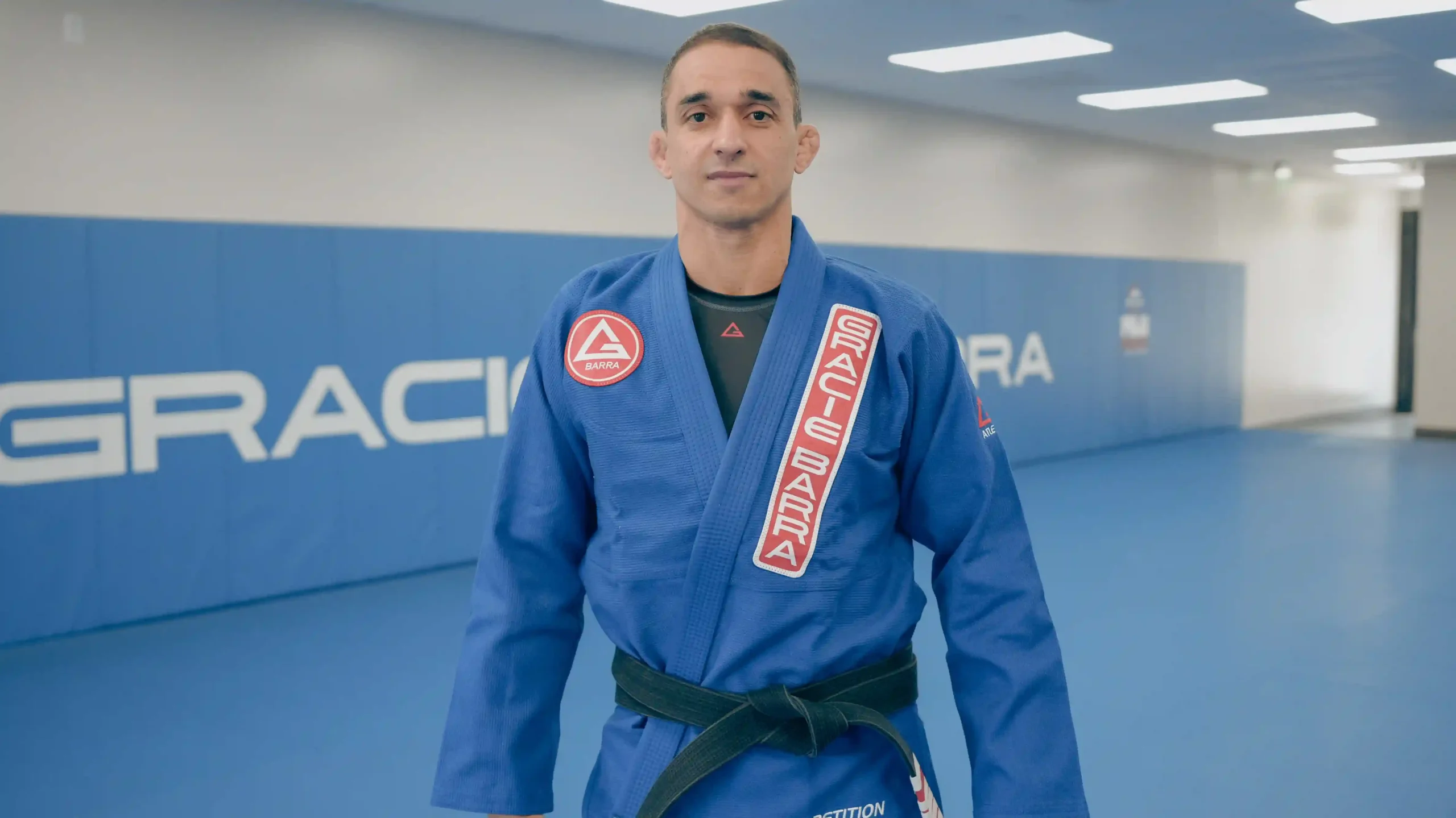
Main photo: Gracie Barra Agoura.
The takeaway
Barral's career is broader than one guard or one famous final. The 2009 Worlds results, the 2013 ADCC title, and the academy connection give three distinct reasons to study him. Keeping them separate makes the profile more informative than a string of honors.
Begin with a match and a question. Watch what the opponent changes, then look at how control is rebuilt or lost. That is where a recognizable competitive style becomes something a student can discuss, rather than simply admire from a distance.
Turn match study into a question for class
Explore upcoming seminars and check the instructor, subject, and entry requirements before choosing an event that fits your training.
FAQ
What did Romulo Barral win at ADCC? He won the under-88kg division at the 2013 world championship in Beijing. The official results list Rafael Lovato Jr. as runner-up.
Did Barral win a title at the 2009 gi Worlds? Yes. He won adult black-belt medium-heavy and finished second in the open class. His loss to Roger Gracie in the open final should not obscure the weight-division title.
Why is Barral associated with spider guard? The IBJJF's retrospective describes his reputation for that position and its use in the 2009 open final. The association is a useful viewing lead, not a complete account of his competitive game.
Does a famous instructor's name tell me which class to visit? No. Confirm the current teacher, schedule, visitor arrangements, and suitable level with the academy. A competitive biography cannot supply those practical details.

Miles Serrano
Miles Serrano writes about competitors and the decisions that shaped their careers. He is more interested in the adjustment someone made in the third minute than in the medal count afterward.
Related Posts
Mikey Musumeci gives up the belt to make room for MMA
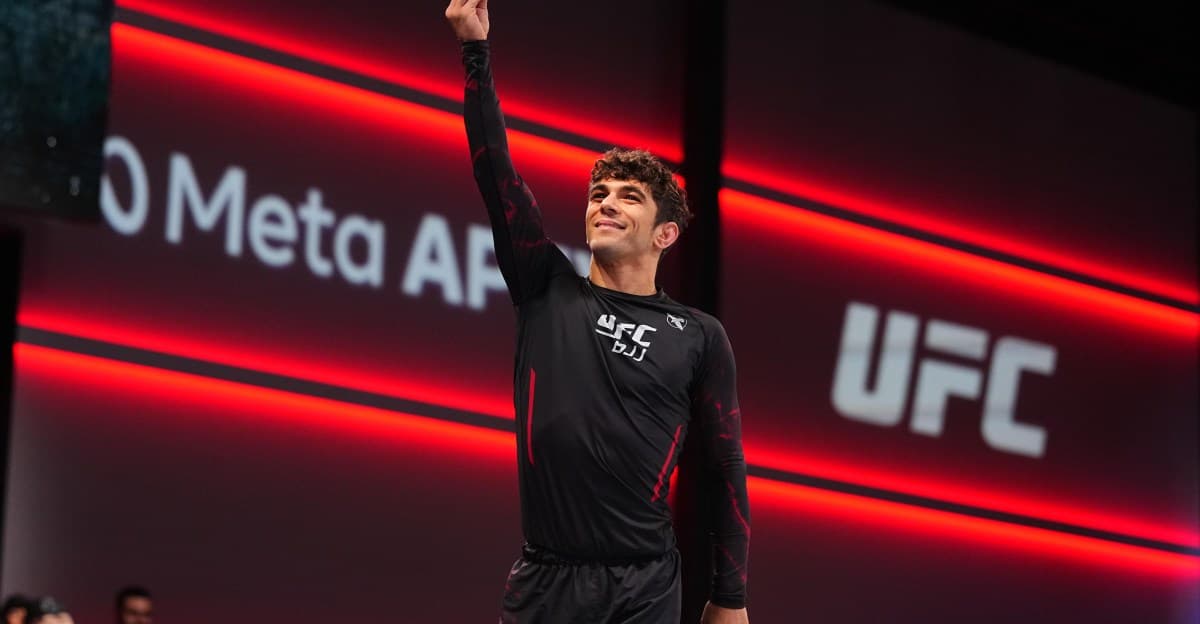
Musumeci is vacating his UFC BJJ title to focus on MMA training. What he is leaving, what continues, and why the transition matters.
IBJJF membership: finish the paperwork before the deadline
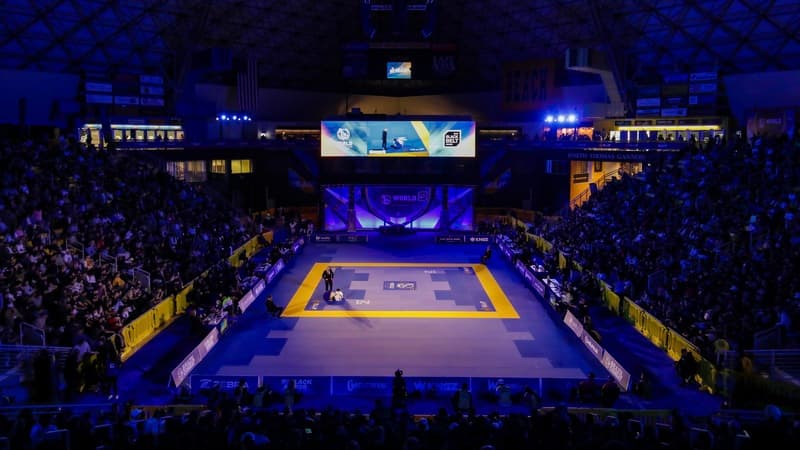
IBJJF membership and tournament entry are separate steps. Plan documents, professor approval, renewals, and junior accounts before registration closes.
Choosing a BJJ seminar worth your time and travel
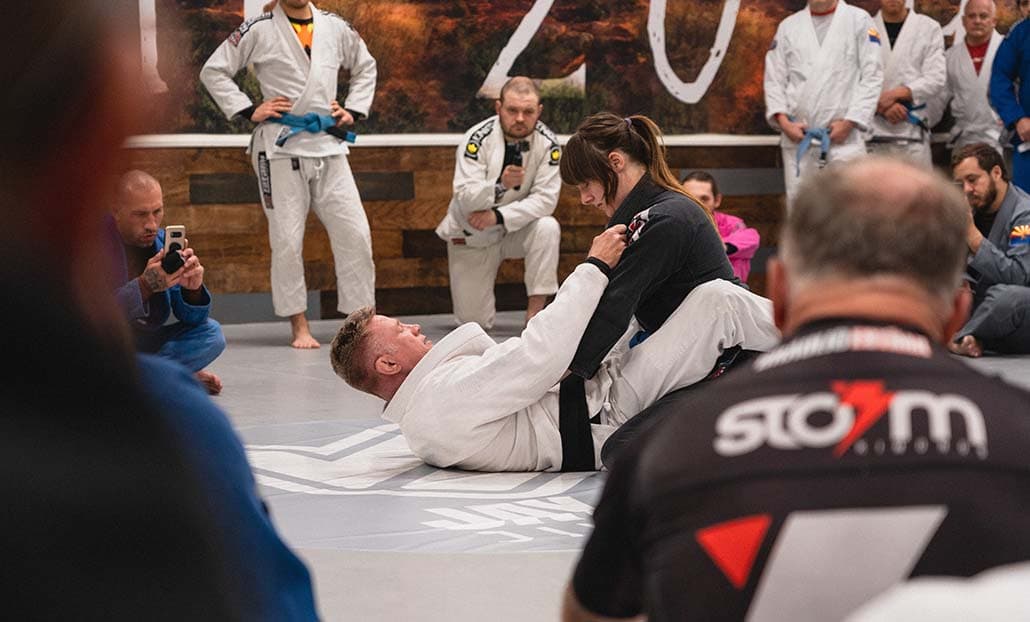
Choose a BJJ seminar by the subject, teaching format, access, and total cost. Know what to ask the host before buying a ticket.
Comments (0)
Loading comments...