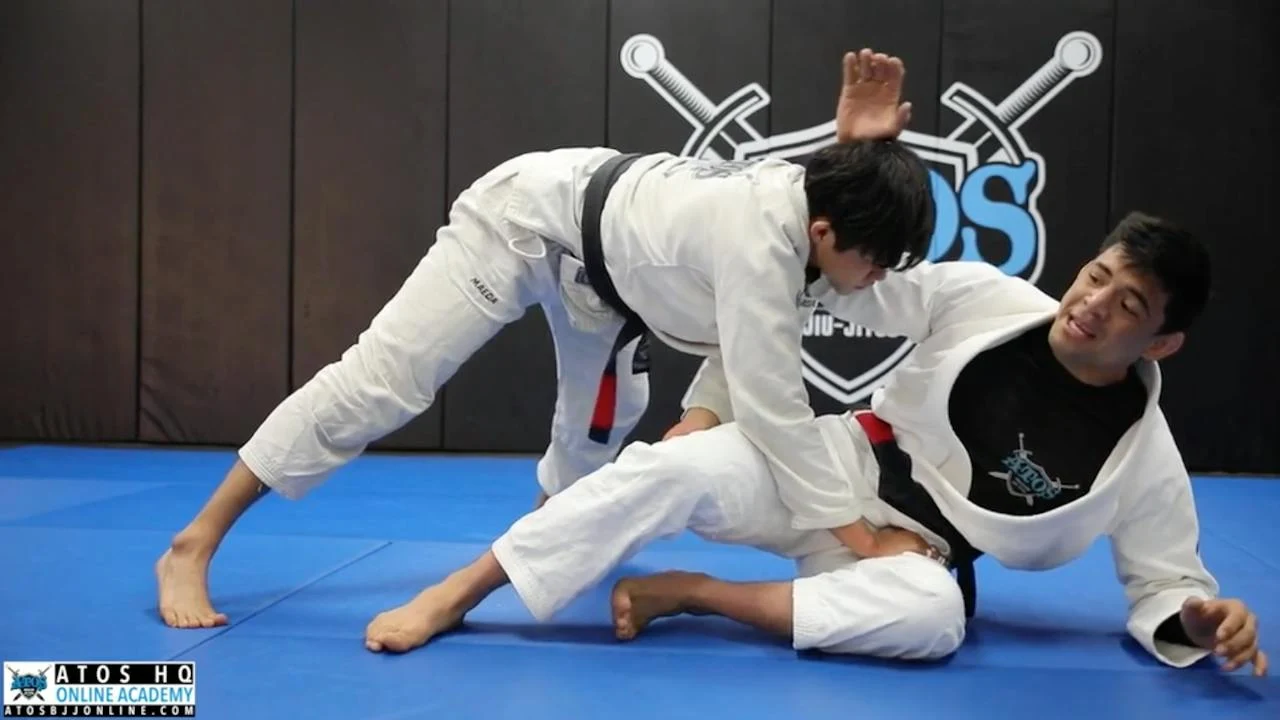
Technique
A half Granby needs a guard to recover when the turn ends
The half Granby is a guard-recovery movement with a destination. Learn to read the passer, the turning space, and the position you regain afterward.
Nina Okada7 min read

Training, technique, and the culture of Brazilian Jiu-Jitsu
Showing 1–24 of 34 articles
The half Granby is a guard-recovery movement with a destination. Learn to read the passer, the turning space, and the position you regain afterward.
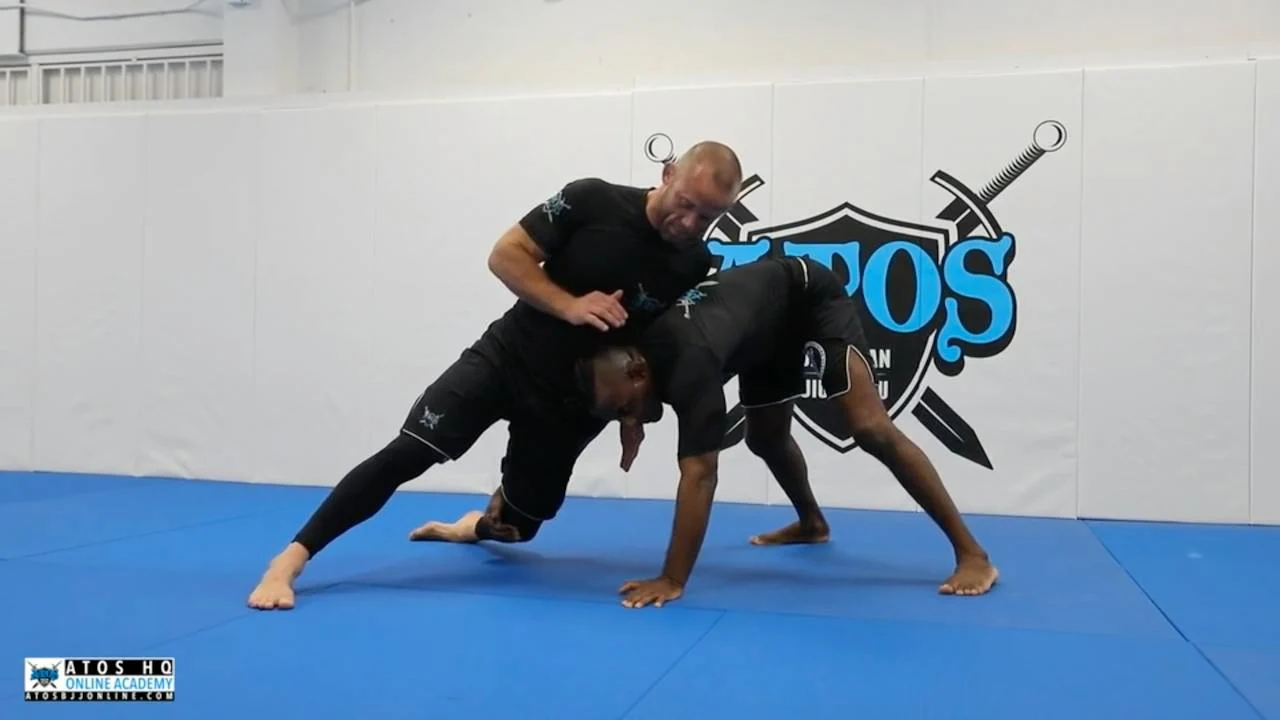
Sitout and switch movements can connect wrestling to BJJ, but the starting grip matters. Learn the angle change without treating every headlock alike.
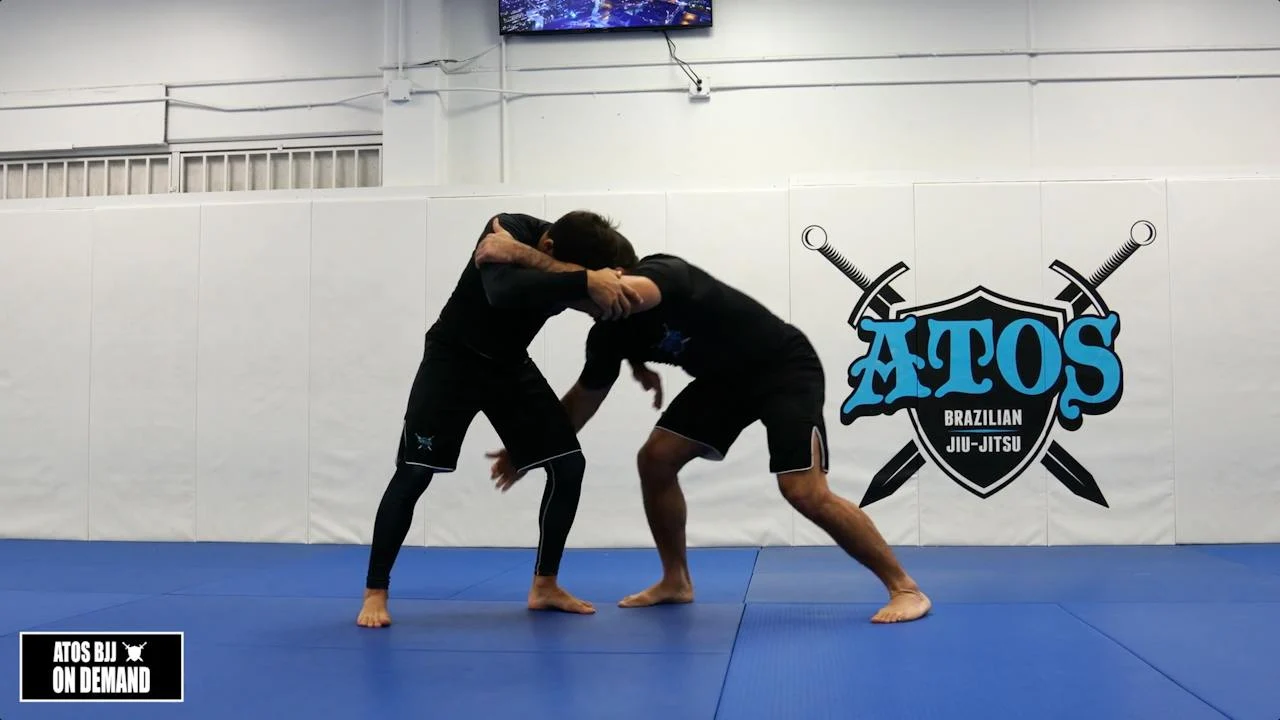
The knee tap connects an upper-body setup with a lower target. Compare its starting positions before treating a touch behind the knee as a takedown.
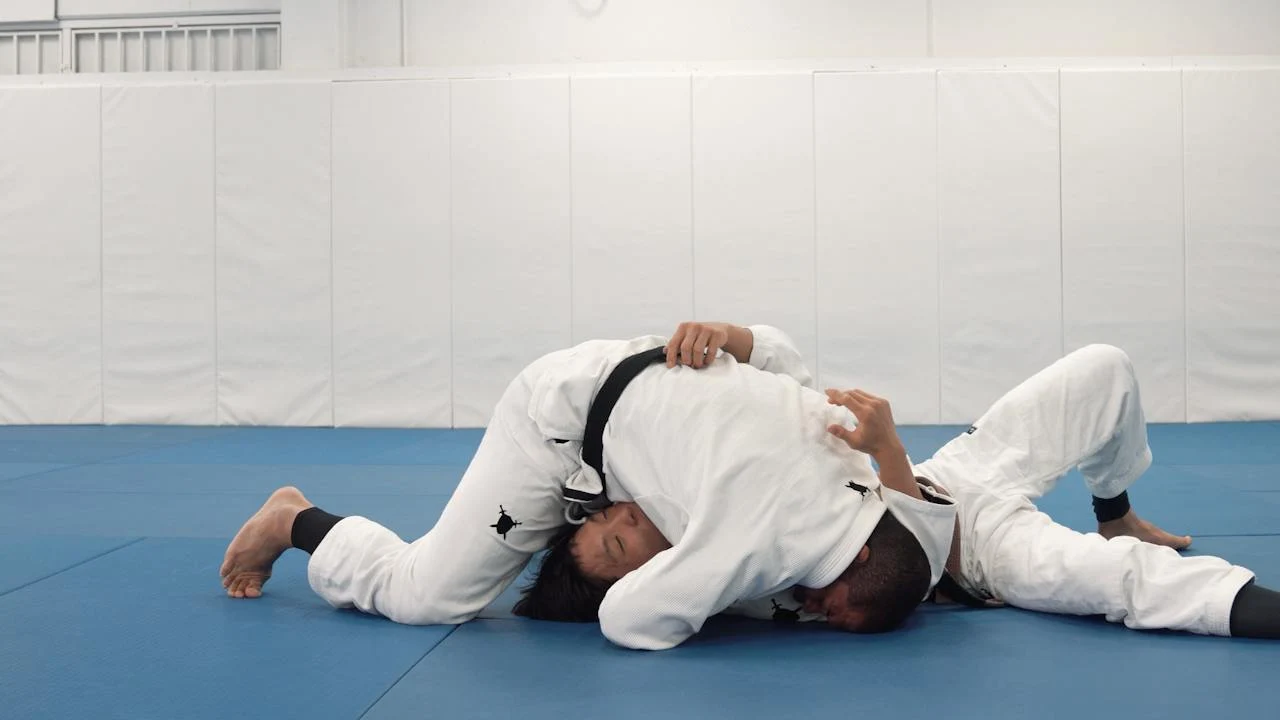
Study the paper-cutter choke by following the controlling arm, the collar connection, and the defender's frame before the finishing pressure.
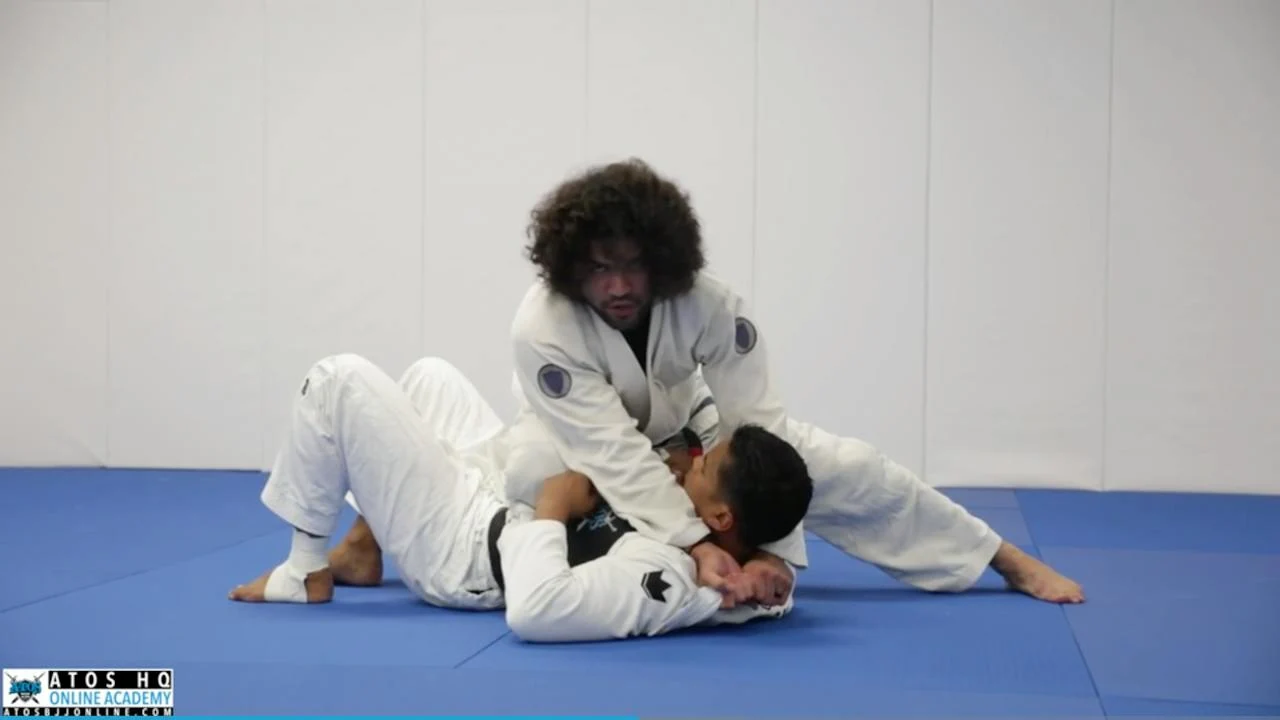
Two collar grips make the baseball-bat choke recognizable. The surrounding control explains whether the attack survives the turn.

The BJJ loop choke uses the collar around a changing head position. Learn the setup, recognize when it disappears, and avoid clinging to a lost grip.
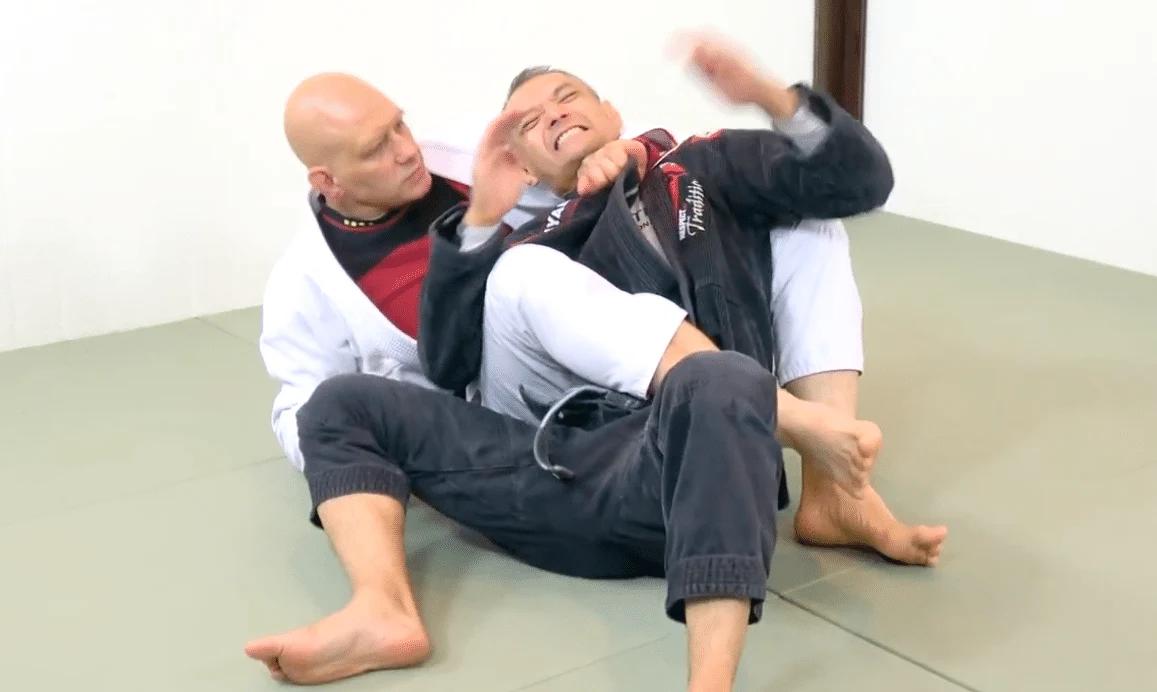
A collar grip is only part of the bow-and-arrow choke. Study the shift from back control to the finishing angle and what the defender can recover.

The BJJ arm triangle depends on the trapped shoulder and the attacker's body position. Learn what to inspect before adding finishing pressure.

Gift-wrap control changes what a mounted defender can do with one arm. Study that control before chasing the back-take highlight.

S-mount changes the base above a defender's shoulders. Study the arm isolation, the transition, and the point where control actually disappears.

Scarf hold changes how top and bottom players connect. Study kesa gatame through the trapped shoulder, the hip position, and the available exits.

Octopus guard can put the bottom player beside the passer's back. Learn to identify the actual hip, arm, and leg relationships before attacking.

Half butterfly guard combines a trapped leg with a lifting hook. Learn what the upper body must contribute before treating it as a sweep.

Practise the next beat after breaking a collar grip in gi BJJ. Try a controlled re-grip drill standing and a separate version in closed guard.

Read the stance, hand post, and recovery after a BJJ snap-down, with a coached comparison and a wrestling go-behind example.

Follow the hook, knee, and trapped foot through the BJJ body lock pass, then identify which control takes over when the hands separate.
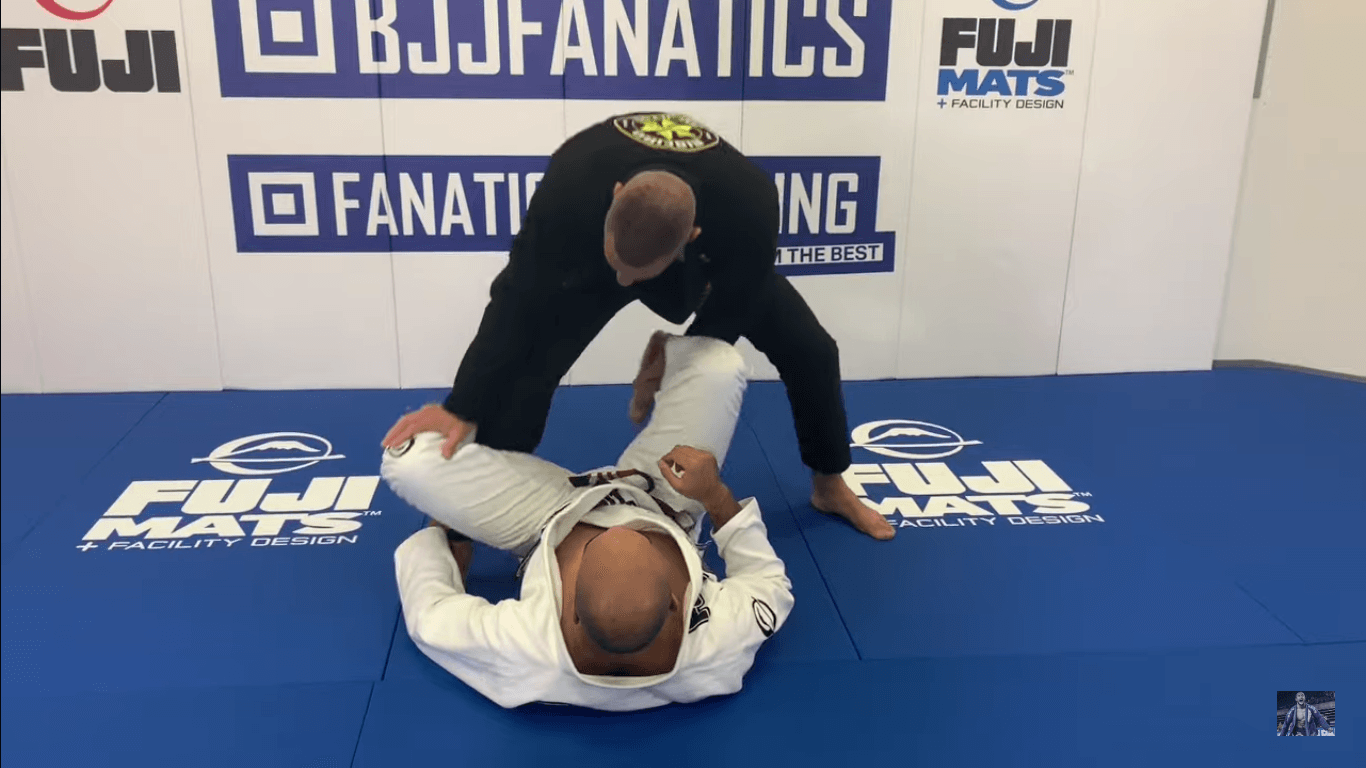
Build a headquarters passing position around leg control and balance. Recognize the guard player's reactions and practice choosing the next pass.
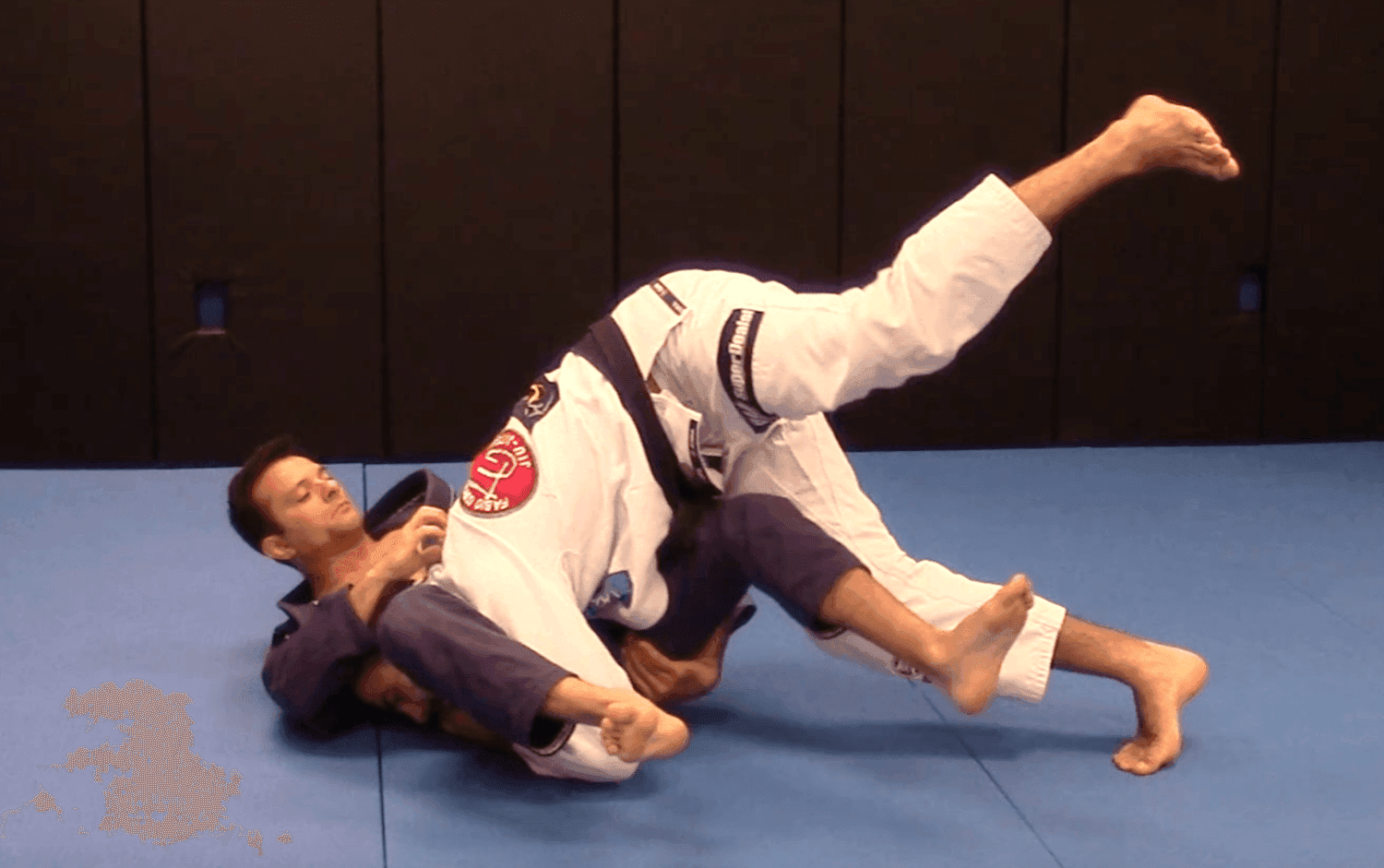
Troubleshoot the BJJ over-under pass through the entry, arm position, leg control, and transition to a pin. Improve the connection before adding pressure.
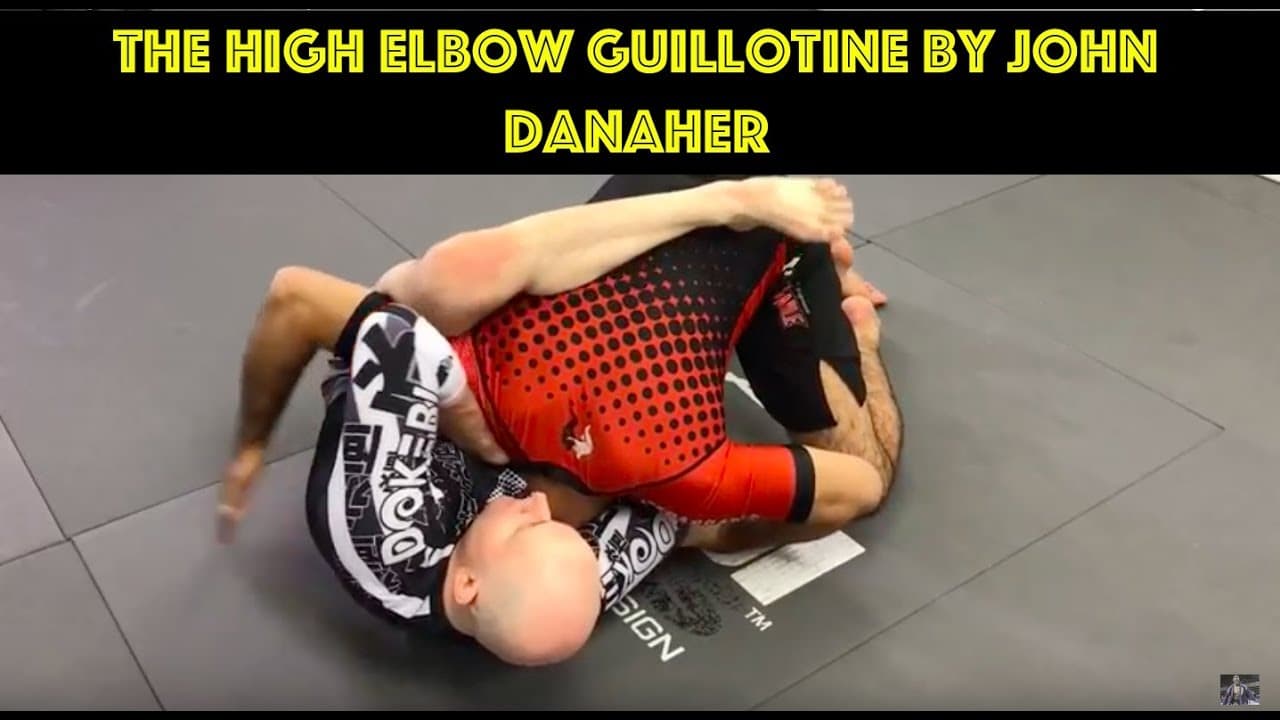
A guillotine grip is only part of the finish. Identify the variation, then study how your hands, elbows, and legs support the position before adding force.
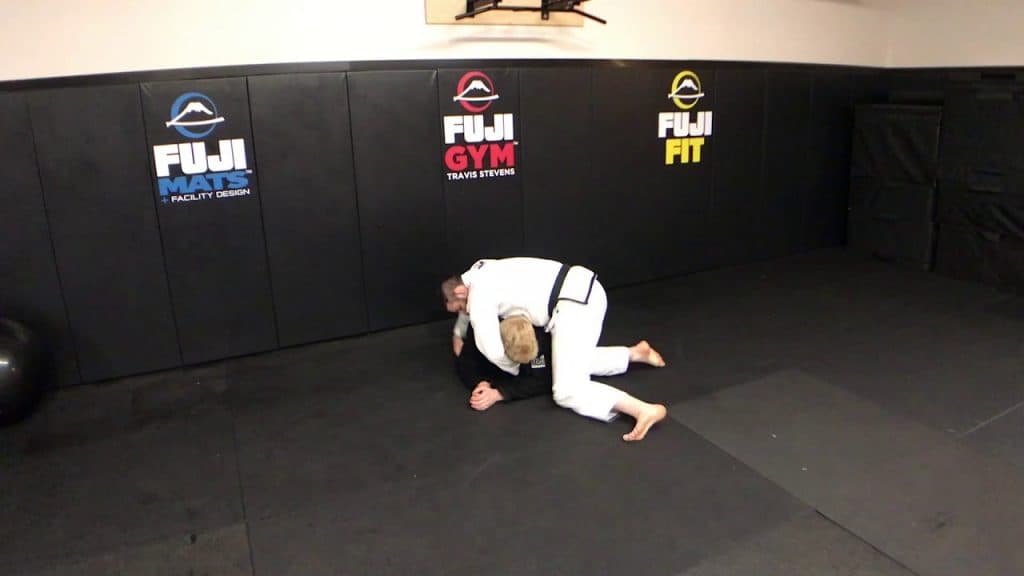
A head under your arm is an opening, not a finished attack. Check front-headlock control before choosing a choke, a go-behind, or a positional reset.
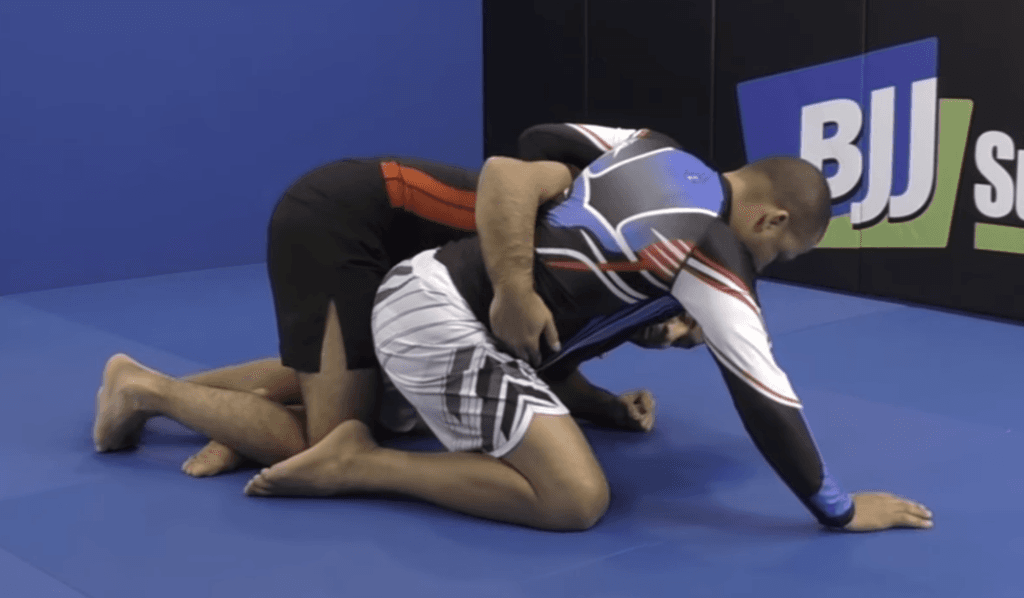
An underhook gets you toward the half guard dogfight. Leg control and the opponent's reaction decide the next exchange; study both before forcing a sweep.
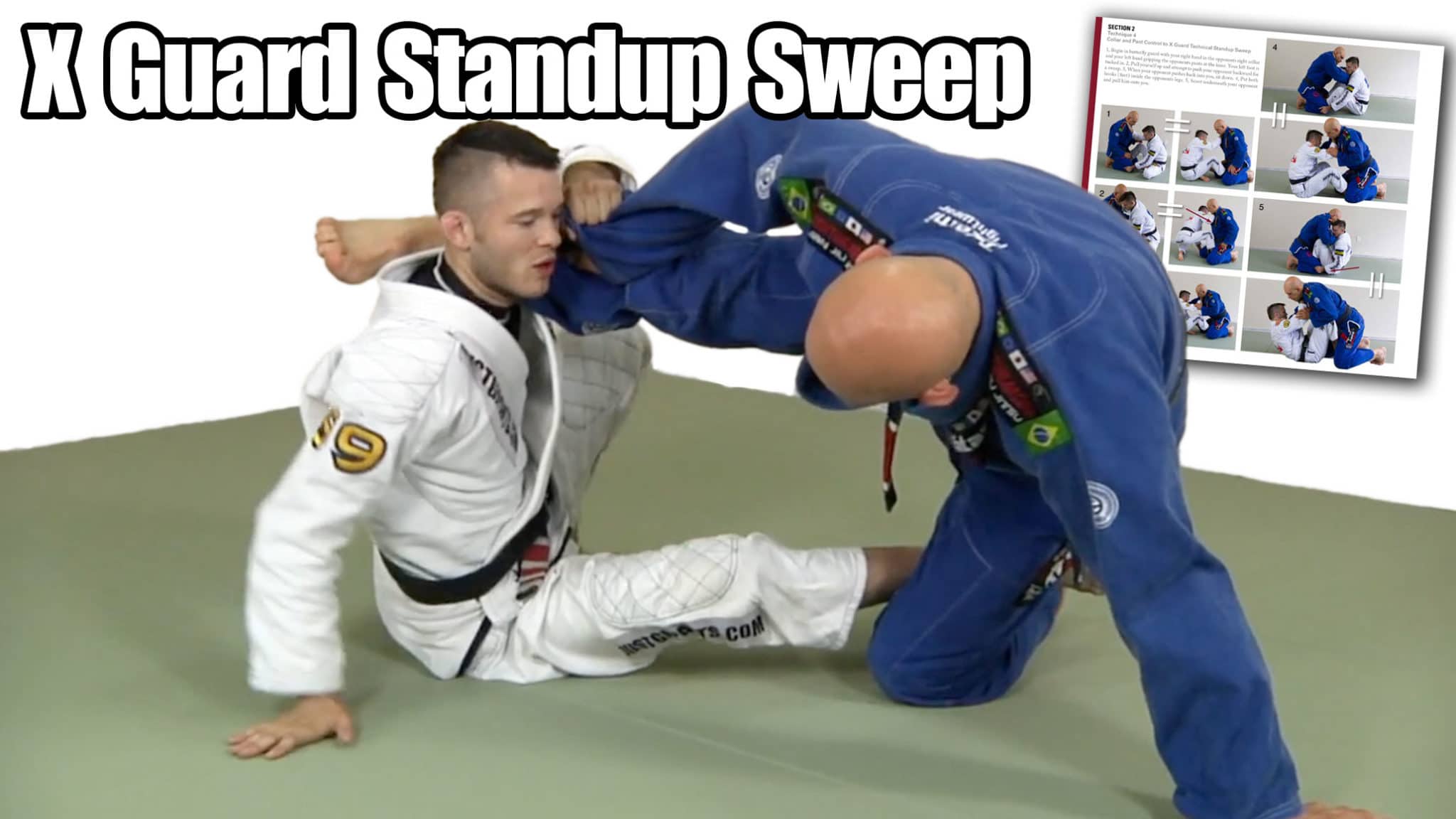
Build an X-guard standup sweep around a clear balance reaction. Study the leg on your shoulder, the opponent's hand post, and the moment to get up.
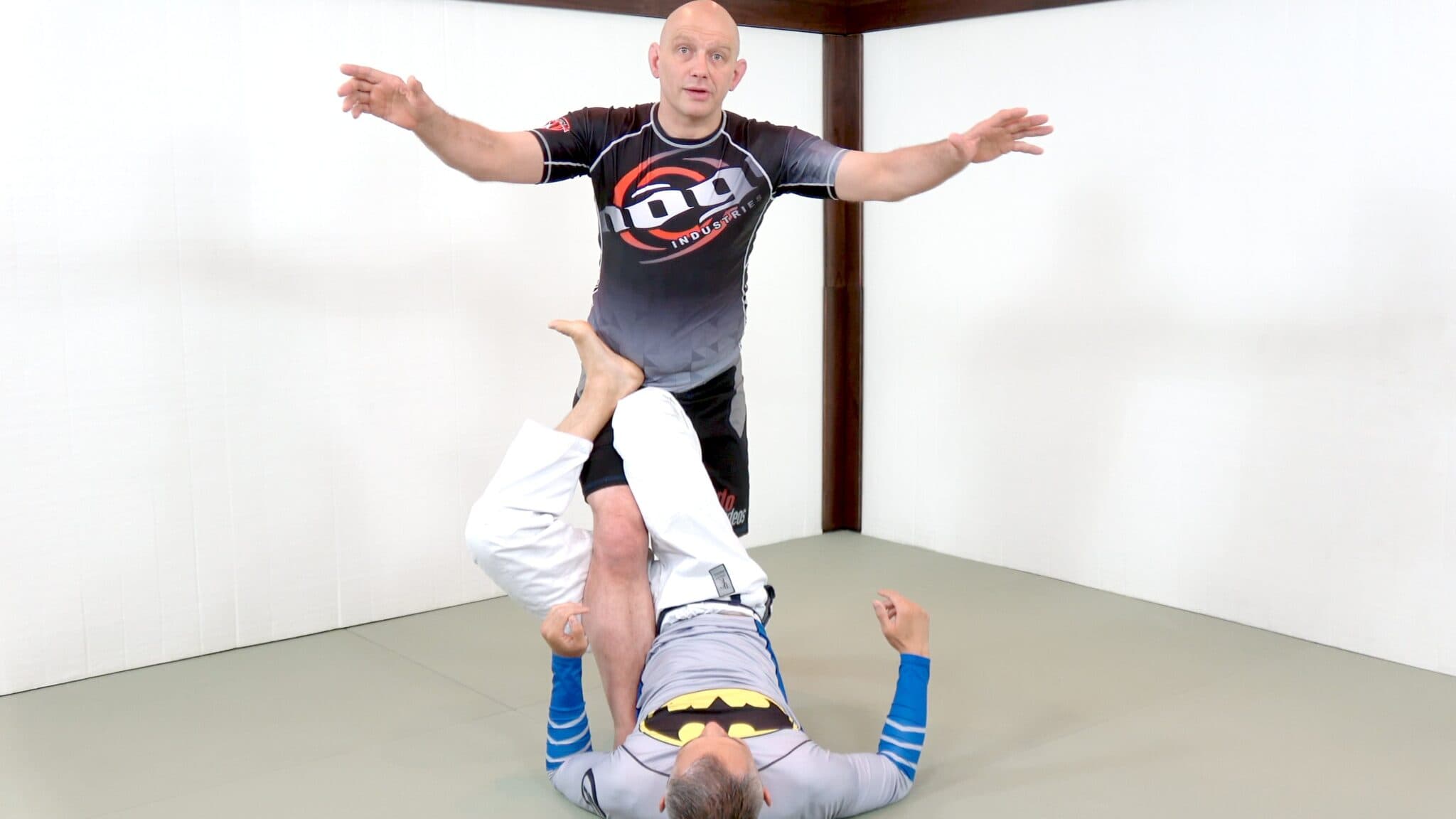
Single-leg X is a sweeping guard as well as a route to leg attacks. Read the far leg, create a balance reaction, and practice arriving on top.
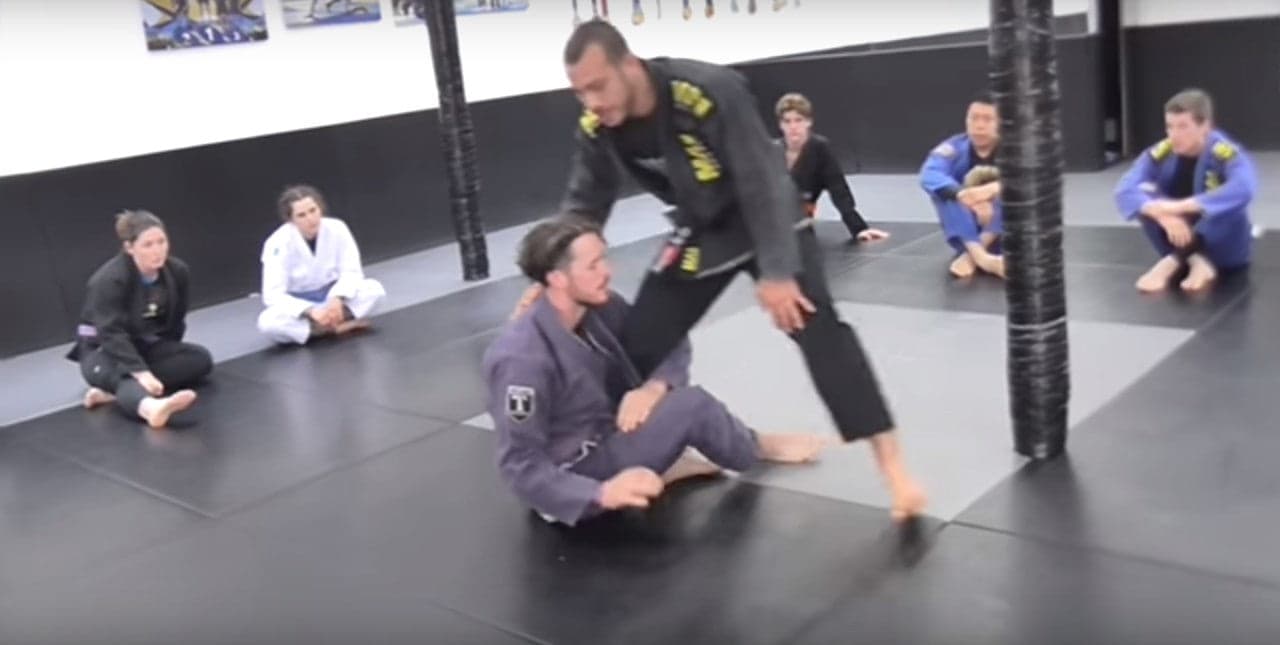
A shin-to-shin entry should bring the opponent with you. Study the seated connection, free knee, and weight shift before moving into single-leg X.