
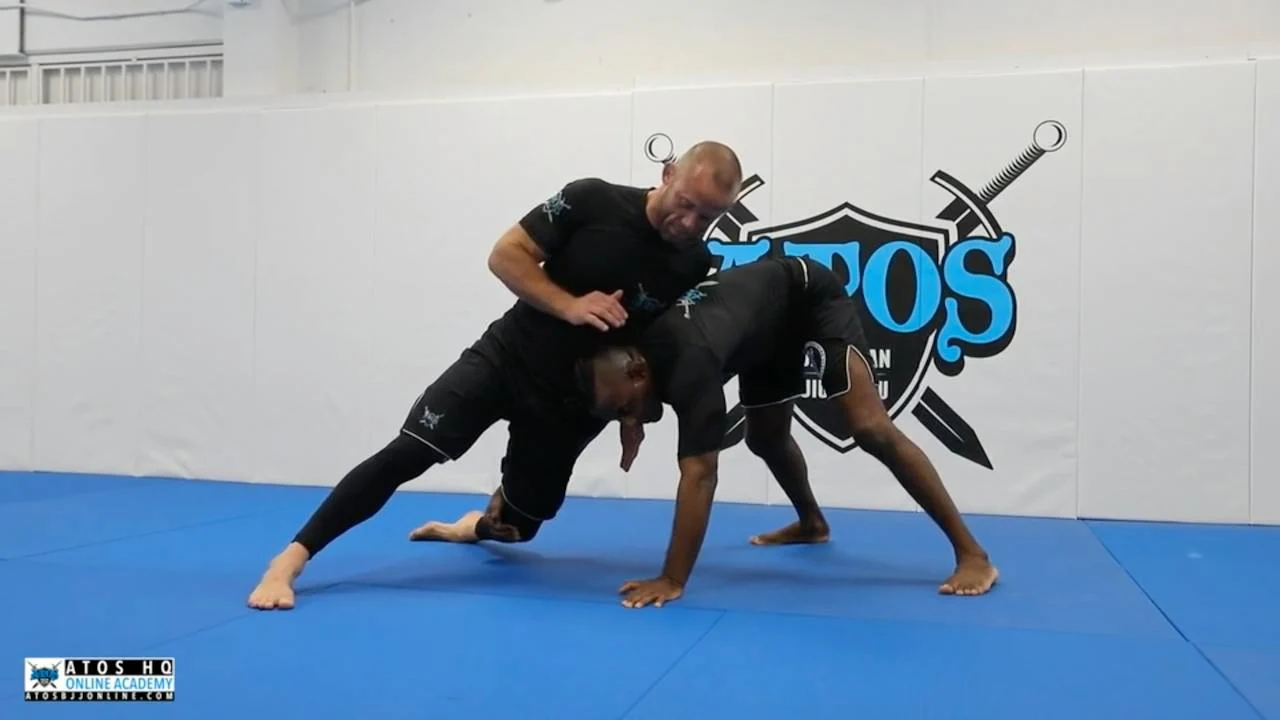
A sitout changes the angle before a switch changes control
Quick answer: Sitout and switch movements can change a grounded grappling exchange by moving the hips and creating a new angle. Their usefulness depends on the opponent's actual grip and position. Learn the particular coached entry rather than treating a remembered sitout as a universal escape from any control around the head or waist.
The hips move, the bodies turn, and the person who seemed to be controlling the exchange suddenly has to follow. A sitout-and-switch demonstration can look almost casual when the partner performing it understands the starting grip.
That last condition is the important one. A movement borrowed from wrestling does not need a new name to become useful in BJJ. It does need the correct starting position and the surrounding submission context. I would begin by identifying what the opponent actually holds before deciding that a sideways movement is the answer.
Start with the opponent's hands
A person holding around the legs, a person controlling the waist, and a person with a connected head-and-arm grip present different problems. The body may look similarly bent forward in all three exchanges. The relevant escape can change completely.
Stephan Kesting's sitout-and-switch lesson features Dave Scholten teaching a counter to a double-leg context. Kesting also discusses its relevance to a guard-passing situation. That is a specific instructional starting point, not proof that the same movement answers every front headlock.
Ask your coach to show the hands before the movement begins. Identify which connection must be cleared, which can remain during the turn, and what would make the planned route inappropriate. Learning those limits is part of learning the technique.
The hip movement should create a new relationship
A sitout is more than dropping a leg through a gap. Its usefulness comes from changing the relationship between the bodies. If the top person can follow easily without losing their control, the movement may have changed your posture without improving your position.
Have the instructor demonstrate a small, clear version before adding a full reversal. Watch which way the bottom player's chest faces before and after the movement. Then inspect what the opponent has to do to remain attached.
The receiving partner can describe that change. Did they need to move their knees? Did a grip become difficult to retain? Could they simply turn with the bottom player? Those observations help locate the point of the technique. They do not require the receiver to fall over so the drill resembles the successful demonstration.
A switch needs a connection after the angle changes
Creating an angle can make a new control available. That control still has to be established. The bottom player can sit out correctly and fail to complete the switch because the opponent clears the relevant connection before the next action.
Treat those stages separately. Ask the coach for the last recognizable checkpoint in the hip movement, then the first recognizable checkpoint in the new control. If you cannot name the space between them, keep the repetition slow enough to inspect it.
Our two-on-one grip article examines controlling an arm for a specific job. The same reading skill applies here. A hand reaching over or around the opponent is only useful if it limits the movement the switch needs to prevent. The route of the hand is not a substitute for its function.
Keep front-headlock threats separate
A locked submission configuration changes the problem. Do not assume that a movement taught against a leg attack can be performed unchanged while someone has secured a choke around your head. Ask the instructor to identify the control and demonstrate the appropriate response.
The front-headlock article explains why recognizing the arm and head relationships comes before selecting an attack or escape. Use it to name the question, not to diagnose an unfamiliar submission from a sentence. If the position is unclear or uncomfortable, stop and release rather than experimenting through pressure.
This boundary is particularly useful for students who have practised the sitout as a solo warm-up. The floor movement can become familiar long before they understand which partner configurations permit it. Coordination is one skill. Selecting an appropriate response to a live grip is another.
The receiver should learn to follow honestly
A cooperative partner can help you trace the movement. They can also accidentally turn the technique into theatre by leaving the old control in place after it would naturally have moved. Eventually, the receiving role needs a limited but meaningful task.
Here is a proposed exercise to discuss with the instructor. It is an editorial example rather than a prescribed routine.
Begin from the exact leg or waist connection being taught.
Permit the top person one agreed way to follow the hip movement.
Stop at the new control, a recovered square position, or either person's signal.
The bottom player learns whether the angle has a consequence. The top player learns which connection remains useful as the hips move. Neither person needs to add a surprise choke or a sudden lift to make the exercise count as resistance.
Reaching behind you can hide the lost position
The switch often encourages attention to an arm travelling around the opponent. Meanwhile, the lower-body relationship may already have changed. A reaching hand can keep looking purposeful long after the opponent has moved beyond the configuration you intended to control.
Ask the coach to watch the hips while you watch the hand. Then reverse those roles in the next demonstration. The comparison can reveal whether the arm and body movement are arriving together or whether one is trying to rescue the other.
If the opponent has already returned squarely in front, acknowledge it. You may need to rebuild the starting position or choose another taught response. Continuing to reach behind yourself because the planned sequence has an unfinished step can make the position harder to understand. A technique is allowed to end before its most dramatic outcome.
Keep the landing and the end of the drill clear
Some versions change who is on top. Others create a chance to face the opponent or recover a neutral arrangement. Agree on the intended destination before beginning, and learn the receiving role for any reversal the lesson includes.
A narrow practice can stop after the angle change. Another can include the new control. A later version may allow both partners to continue into a short positional round. Those are different tasks, and the receiver should know which one is happening before their base begins to move.
If you use an open-mat session for the work, confirm that the host is comfortable with the exercise and that there is room. A transition that includes a reversal still involves two people landing in a changing space. The apparent smoothness of an instructor's demonstration does not remove the need to learn your own receiving role.
Make the reset visible too. The top player should know when to release the old grip, and the bottom player should know whether to remain seated or return to the starting base. Those small agreements prevent the receiver from continuing a different exchange after the practice question has already been answered. The coach can then compare repetitions from the same recognizable start.
Main photo: live.atosbjjondemand.com (source publisher; photographer not identified). Atos instructional still from Shot to Sit Out, recorded February2020.
The takeaway
Study the sitout and switch through the starting grip, the hip angle, and the connection established afterward. Those stages explain when the movement is appropriate and where an unsuccessful attempt stopped. The borrowed wrestling skill becomes more useful when its limits remain visible.
For the next supervised practice, ask to pause after the hips change but before the new control is completed. Can the opponent still follow freely? If so, identify the connection that has not yet changed. That question gives the coach something precise to correct without turning every bent-over exchange into the same supposed escape.
Find a suitable practice session
Use the open-mat directory to locate a possible session, then confirm access and the host's practice arrangements. Ask whether agreed positional drilling fits the room before arriving with a specific exercise and an unconfirmed partner.
FAQ
Is a sitout the same thing as a switch? They can connect within a sequence, but the hip movement and the change of control are distinguishable tasks. Ask the instructor to identify both checkpoints. You can perform part of the movement without completing the intended switch.
Can I use it against any front headlock? No general movement label can establish that. A leg or waist control and a connected submission around the head present different problems. Identify the actual grip with your instructor, and stop rather than improvising through an unclear choke configuration.
Does practising the solo sitout teach the partner version? It can improve familiarity with the movement pattern. It cannot test the opponent's grip, follow, or defensive response. Bring those questions to supervised partner practice and keep the task narrow enough for both people to understand.
What should the top partner do during the drill? Follow the instructor's agreed response and pace. An honest limited follow makes the angle change meaningful. Unexpected submissions or a new finishing condition change the exercise, so discuss them before adding them to the repetition.

Nina Okada
Nina Okada explains positions the way a good training partner does: one problem at a time, with the limits of the explanation said out loud. She is careful about the difference between what footage shows and what it only suggests.
Related Posts
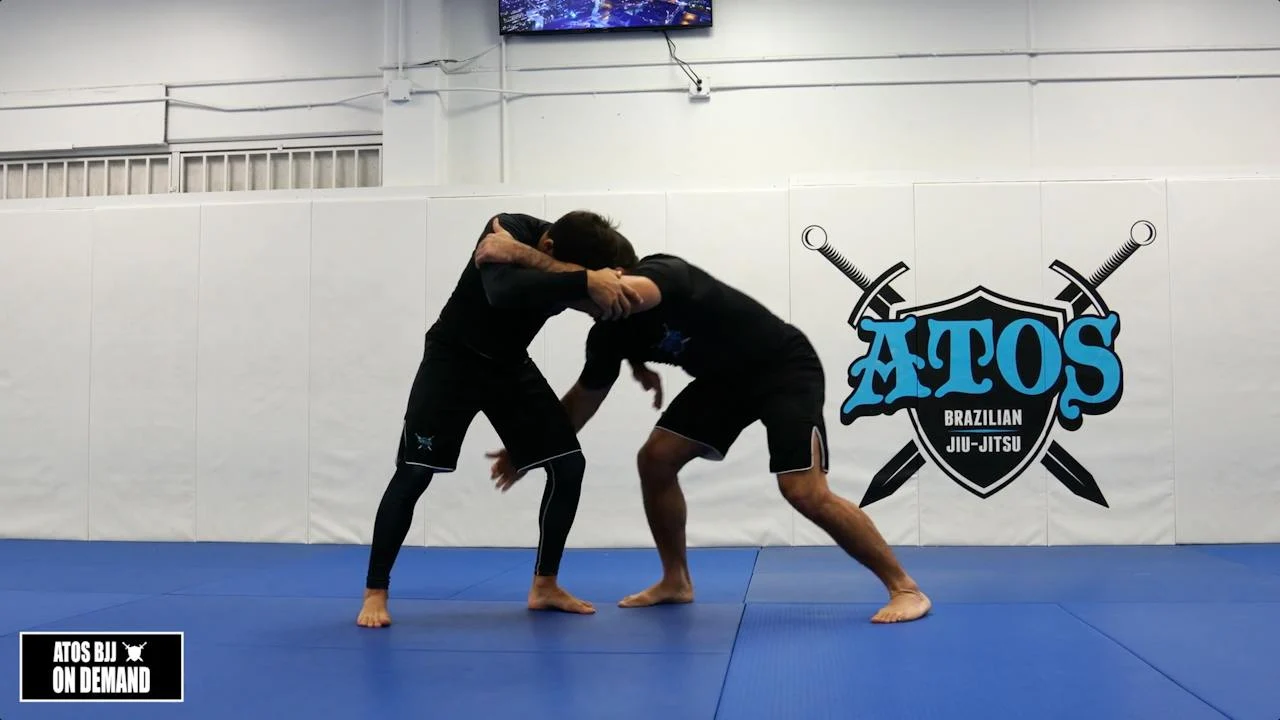
A knee tap needs an upper body that is already moving
The knee tap connects an upper-body setup with a lower target. Compare its starting positions before treating a touch behind the knee as a takedown.
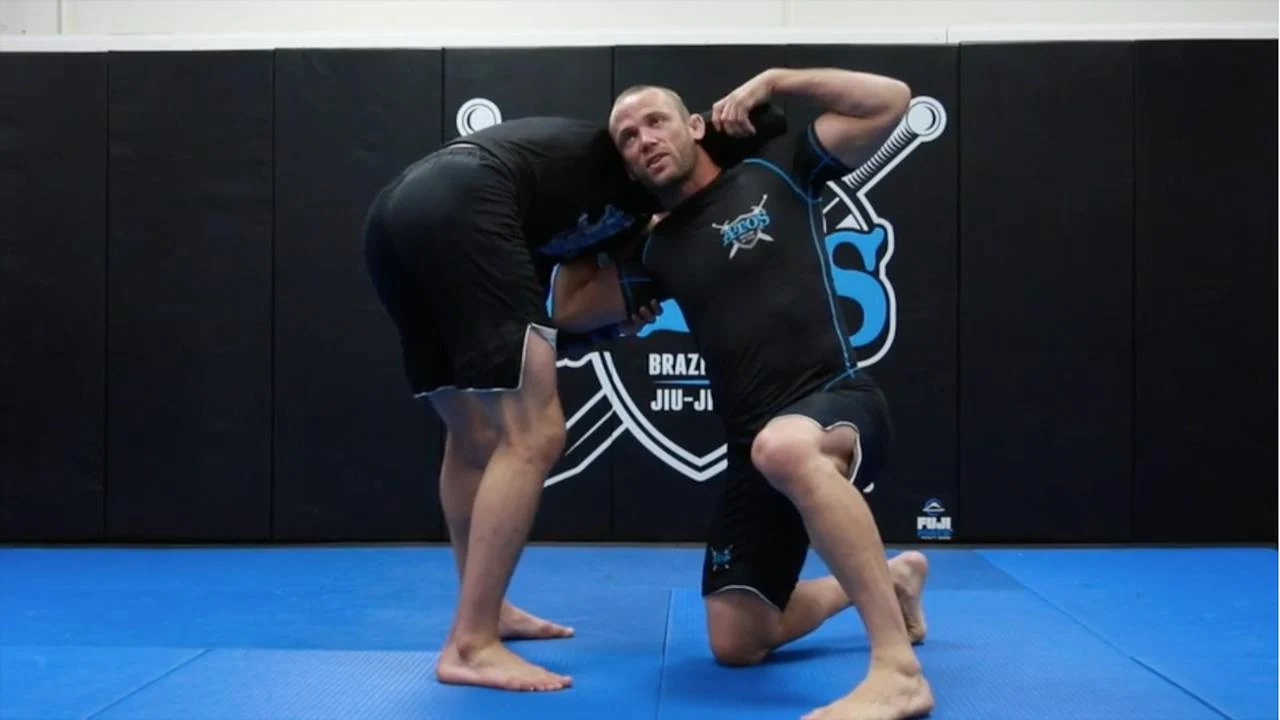
A duck under needs you to arrive somewhere useful
Getting your head beneath an arm is only part of a standing duck under. Study the setup, the angle, and the connection you need on the other side.
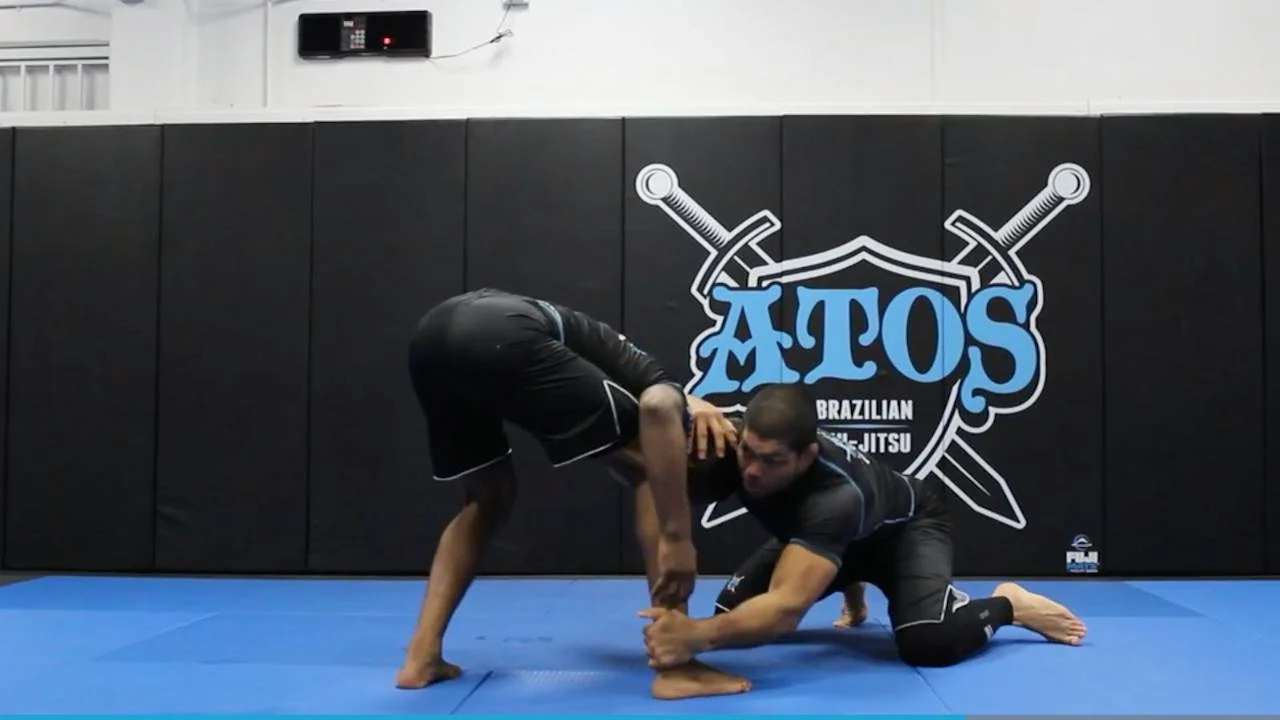
The ankle pick starts above the ankle
An ankle pick is a balance problem before a low reach. Study the upper-body connection, the available step, and the controlled arrival on the mat.
Comments (0)
Loading comments...