
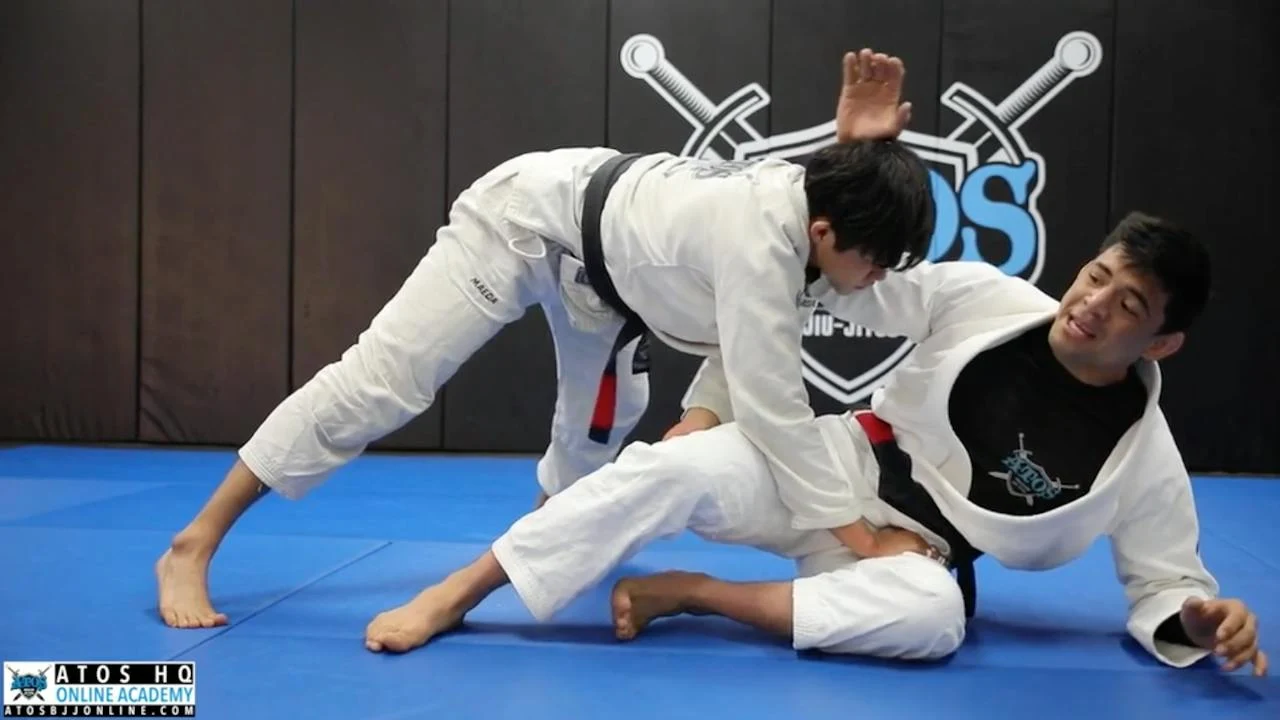
A half Granby needs a guard to recover when the turn ends
Quick answer: A half Granby is a shoulder-turning movement used in some guard-retention and recovery situations. Its purpose is rebuilding a usable relationship to the passer, rather than completing a roll for its own sake. Learn the movement and its limits with an instructor, and do not force an unfamiliar inversion or continue through discomfort.
A guard player turns, their feet return between the bodies, and the passer has to begin again. In a short clip, the rotation gets the credit. The frame that allowed it and the guard that appeared afterward can pass almost unnoticed.
I would study those quieter parts first. A half Granby becomes useful when it answers a specific passing problem and arrives somewhere the guard player can use. A tidy shoulder movement on an empty mat answers a different question. Both deserve a name, but they should not be mistaken for the same achievement.
Separate the half turn from a full inversion
Granby terminology can cover related rolling movements across grappling contexts. A BJJ lesson may use a partial shoulder turn for guard recovery, while another teaches a fuller inversion or a wrestling escape from a different starting position. Identify the movement your instructor is actually demonstrating.
Kesting's half-Granby lesson presents the half Granby alongside high-leg and full-inversion movements as distinct parts of a short teaching sequence. That distinction is useful. Needing one of those skills does not mean every recovery should become the largest possible roll.
Ask the coach to show where the movement begins and ends. The endpoint should be recognizable without the technique's name. You have turned to face the passer, restored a leg frame, or reached the particular guard arrangement the lesson is teaching.
Find the passing problem before choosing the movement
A passer moving around the legs, a passer pinning the hips, and a passer settling upper-body control create different situations. A half Granby that addresses one does not automatically answer the others. The presence of a turning space matters as much as your ability to perform the turn.
Have the coach contrast an appropriate opening with a position in which the movement is unavailable. This makes the limitation visible. If your shoulders or hips are held in a way the demonstration did not include, the next task may be recovering a frame or choosing another response.
Our guard-retention and recovery article separates stages that are often collapsed into one vague instruction to keep the legs in front. Use the same discipline here. Identify how far the pass has progressed before deciding that a familiar recovery movement is still present.
The frame can matter more than the roll
A guard player needs enough space and the appropriate relationship to the passer for the turn to serve its purpose. A frame can limit the passer's ability to close that space while the legs reorganize. Its exact placement belongs to the coached version.
If the frame disappears, repeating the same body motion may produce a different position. The passer may follow close enough to prevent the intended recovery, or the guard player may turn without bringing a useful leg connection back into the exchange.
Ask the receiving partner to describe when they can approach and when the frame makes them change direction. The instructor can compare that account with the actual alignment. You are studying what buys the movement time and space. The roll is the conspicuous action, but it may depend on a quieter connection established before the feet leave their old position.
Learn the movement before adding another person's weight
A solo demonstration can help an instructor assess whether you understand the movement being requested. It cannot establish that the same action is appropriate under every partner's pressure. Those are separate questions, and neither needs to be rushed.
Kesting's broader inversion discussion distinguishes several applications and drills. It is a reference for understanding the family, not an individual assessment of whether a particular movement is suitable for you. Ask your coach for a progression and an alternative when a movement is unfamiliar or uncomfortable.
Do not force a range or load because a video makes the action look routine. Stop through discomfort and obtain appropriate advice if you have a physical concern. You can study guard recovery with other coached responses while leaving an inversion out. A complete personal game does not require reproducing every movement in an instructional catalogue.
Give the turn a clear destination
The end of the roll should create a position you recognize. If the passer is still around your legs and you have no frame or connection, the movement may have changed your orientation without solving the original problem.
Ask the instructor to name the intended recovery. Is the goal to face the passer with the legs between you, rebuild a specific guard, or create room to sit up? Learn one destination before treating the movement as a general escape from everything near the hips.
The BJJ positions guide can help you name the larger arrangement. For the actual exercise, use the coach's narrower checkpoint. A successful repetition might stop as soon as the useful frame returns. You can add the next guard attack later, after both partners can identify what the recovery has restored.
Add a passer who has one honest job
The passer should eventually offer a meaningful response, without changing a first learning exercise into unrestricted pressure. Agree on the passing direction and the point at which they may follow. The guard player's task includes recognizing when the route has disappeared.
Here is an editorial exercise outline for discussion with an instructor.
Start from the precise passing situation shown in the lesson.
Give the passer one permitted direction at the agreed pace.
Stop at the restored guard, a completed pass, or either partner's signal.
The top player should not stop moving simply because the bottom player has begun the turn. They should follow within the stated limits. Equally, they should not add a sudden new control that was outside the task. The goal is an honest answer to one recovery question, with both people able to recognize the endpoint.
Review what happened after the feet came back
A recovery clip can look successful because the legs move impressively through space. Watch the next few seconds. Does the passer have to restart the exchange? Does the guard player obtain a usable connection? Or does the top player continue the same pass without much interruption?
Those outcomes give the movement context. The half Granby can be coordinated correctly while the timing or final guard remains unresolved. A note that says the roll worked would hide that distinction. Write the restored connection, or the connection that never returned.
If your video angle obscures the frame, leave that part uncertain. A later recovery cannot prove exactly what happened behind the passer's body. Bring the visible sequence to your coach and rebuild the unclear checkpoint slowly. That is more useful than turning a spectacular movement into an explanation for details the camera never showed.
Keep the receiving role consistent while you examine that endpoint. A passer who stops earlier on every repetition can make the recovery look better without the guard player changing anything. Ask the coach to define one honest continuation, and use that same permission long enough to understand what the turn actually restores.
Main photo: live.atosbjjondemand.com (source publisher; photographer not identified). Illustrative instructional still from Atos BJJ OnDemand’s Open Guard Recovery Drills — Frame & Granby lesson.
The takeaway
The half Granby belongs to a recovery task with a beginning and a destination. Identify the passing problem, the frame that preserves room, and the position the turn is meant to restore. The rotation becomes easier to understand when it is placed between those recognizable relationships.
For the next supervised lesson, ask the coach to compare one appropriate opening with one position where another response is needed. Practise recognizing the difference before adding more resistance. A movement you can choose accurately is more useful than a larger roll you attempt whenever the passing exchange becomes confusing.
Find suitable supervised guard practice
Use Find gyms to locate an academy, then ask which session fits your experience and the movement you want to study. Confirm visitor access and the coach's practice arrangements before attending.
FAQ
Is a half Granby the same as a full inversion? No single terminology system covers every lesson, but instructors often distinguish the partial shoulder-turning recovery from a fuller inversion. Ask the coach to identify the actual movement and endpoint. Do not add a larger roll merely because the names seem related.
Can I learn it from a solo drill alone? A solo drill can rehearse coordination. It cannot test the passer's pressure, the available frame, or the guard recovered afterward. Bring those questions to supervised partner practice and use a progression appropriate to the participants.
Should I keep rolling if the passer pins my hips? The original route may no longer be available. Stop and ask the instructor to inspect the control and show an appropriate response. Forcing an unfamiliar rotation under a changed position is not a useful way to diagnose the missing space.
How do I know whether the recovery actually worked? Name the position and connection you regained. The passer having to restart is different from the legs moving while the same pass continues. Review the seconds after the turn and ask the coach to identify the intended checkpoint.

Nina Okada
Nina Okada explains positions the way a good training partner does: one problem at a time, with the limits of the explanation said out loud. She is careful about the difference between what footage shows and what it only suggests.
Related Posts
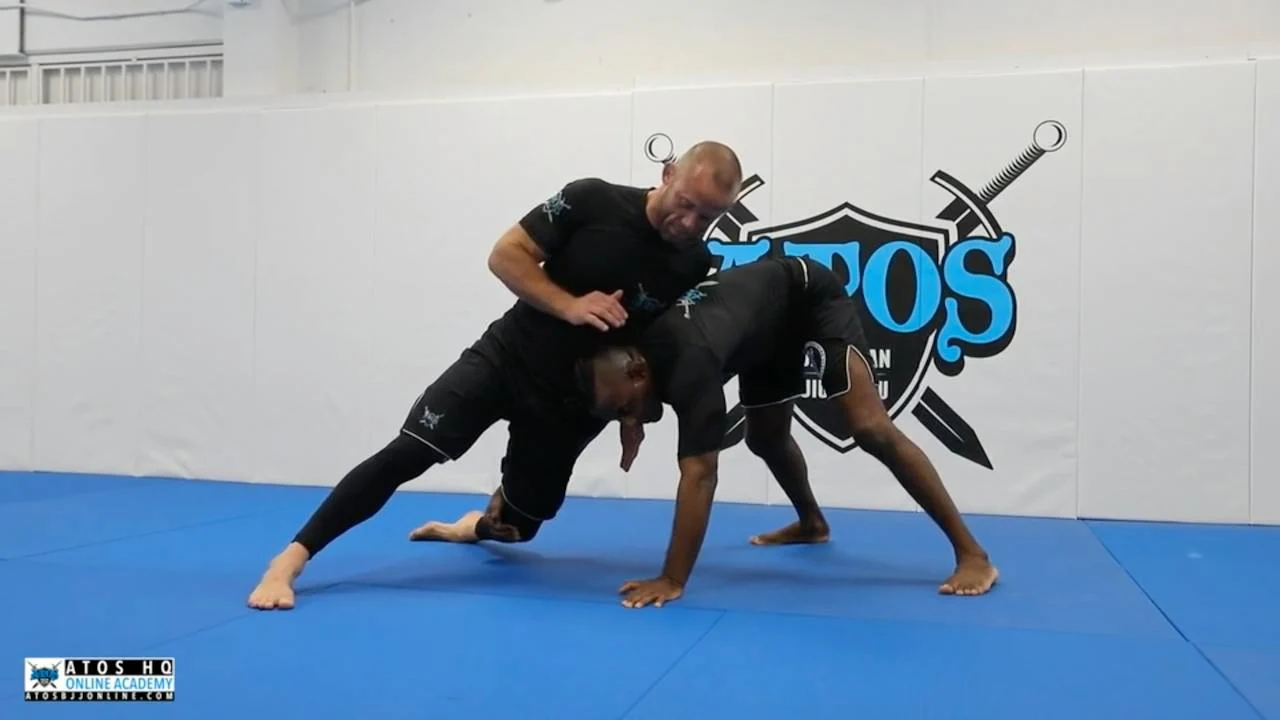
A sitout changes the angle before a switch changes control
Sitout and switch movements can connect wrestling to BJJ, but the starting grip matters. Learn the angle change without treating every headlock alike.
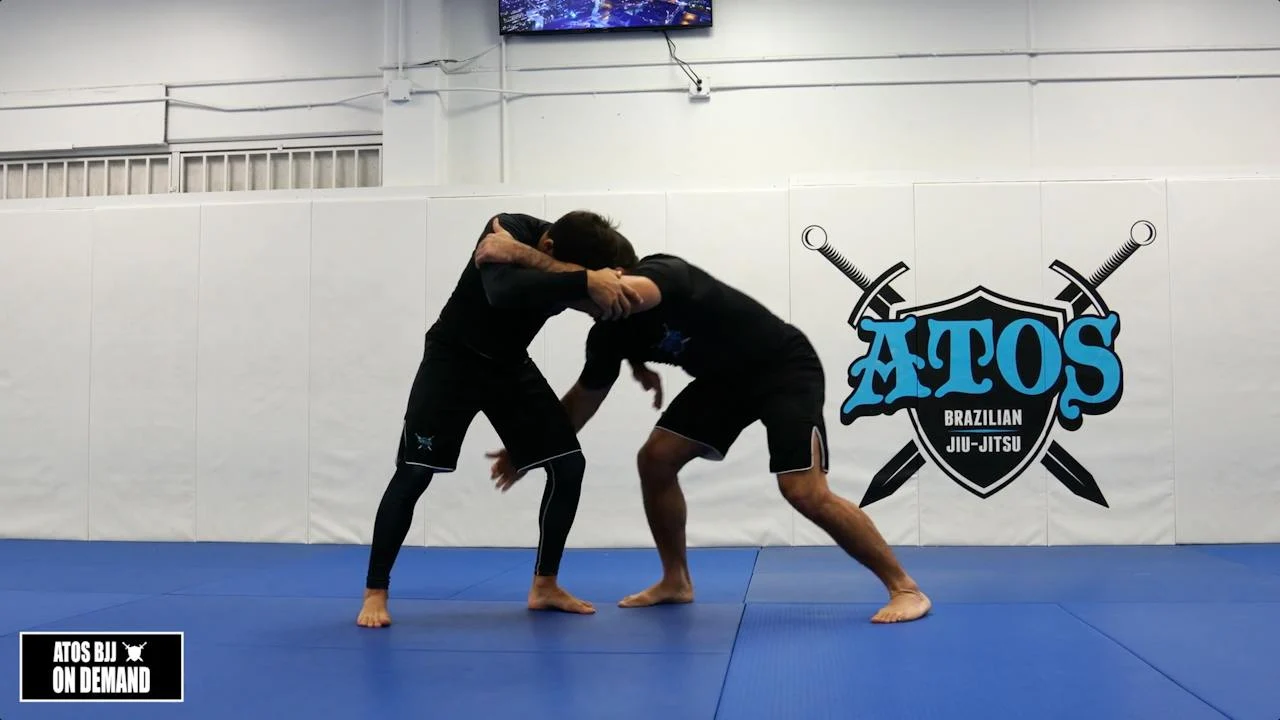
A knee tap needs an upper body that is already moving
The knee tap connects an upper-body setup with a lower target. Compare its starting positions before treating a touch behind the knee as a takedown.
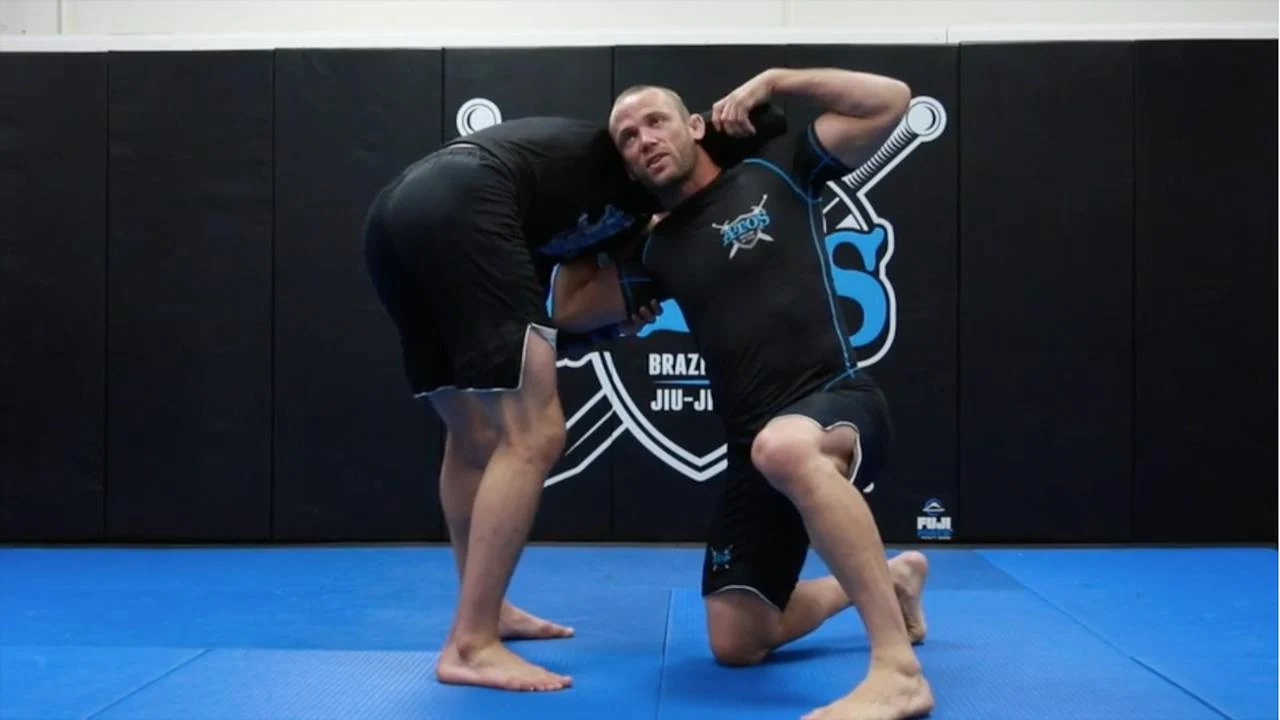
A duck under needs you to arrive somewhere useful
Getting your head beneath an arm is only part of a standing duck under. Study the setup, the angle, and the connection you need on the other side.
Comments (0)
Loading comments...