
Technique
The Americana starts with control of the shoulder line
Study the Americana through the pin, shoulder control, and a supervised practice plan that separates the entry from finishing pressure.
Nina Okada8 min read

Training, technique, and the culture of Brazilian Jiu-Jitsu
Showing 25–48 of 70 articles
Study the Americana through the pin, shoulder control, and a supervised practice plan that separates the entry from finishing pressure.

The hands can stay locked while the back slips away. Learn what your seatbelt connection needs to preserve as a defender moves.

The crossface has a directional job. Understand the head connection, supporting controls, and first defensive movement before adding pressure.

Read the arm connection, posture, and hip movement before the finish. A clearer way to study the omoplata and its possible transitions.

Two hands on one arm are a beginning. Check distance, angle, the free hand, and the grip’s actual purpose before choosing an attack.

Choose a passing height by reading the guard, grips, and space. The transition between standing and kneeling deserves its own practice.

Getting around the head is only the entry. Learn what to check when north-south control disappears and the opponent recovers guard.

Understand collar-sleeve guard through the jobs of its grips, leg contacts, and hip angle, then practice useful responses when the passer changes position.
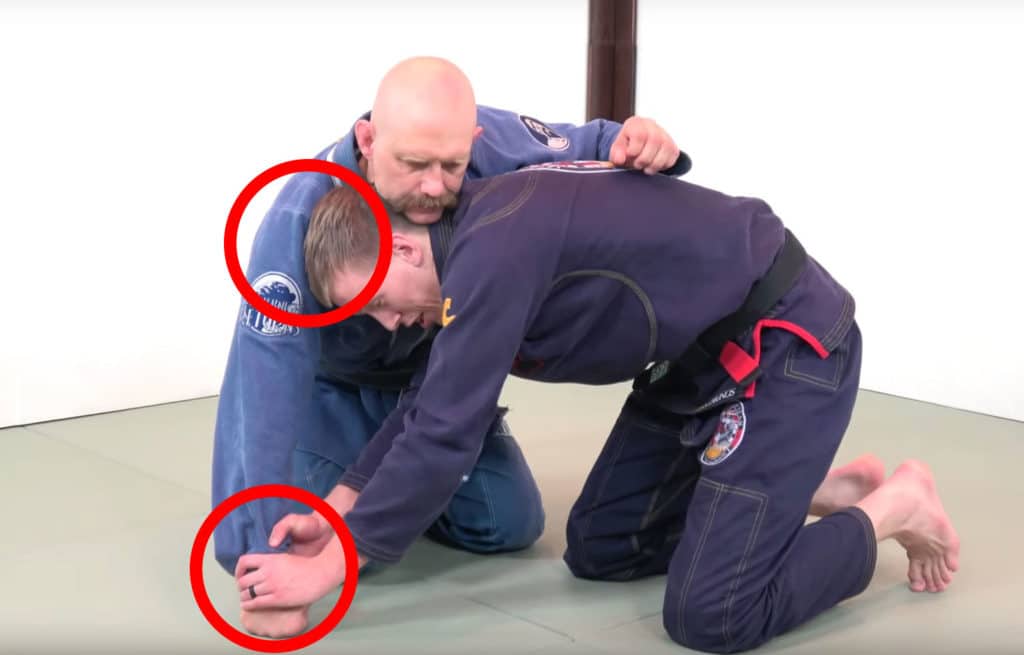
Turtle can interrupt a pass, but staying there creates another problem. Learn to identify the threat, control a connection, and choose an exit.

Study mount balance by tracking support points, controlled movement, and the moment an attack changes your base.
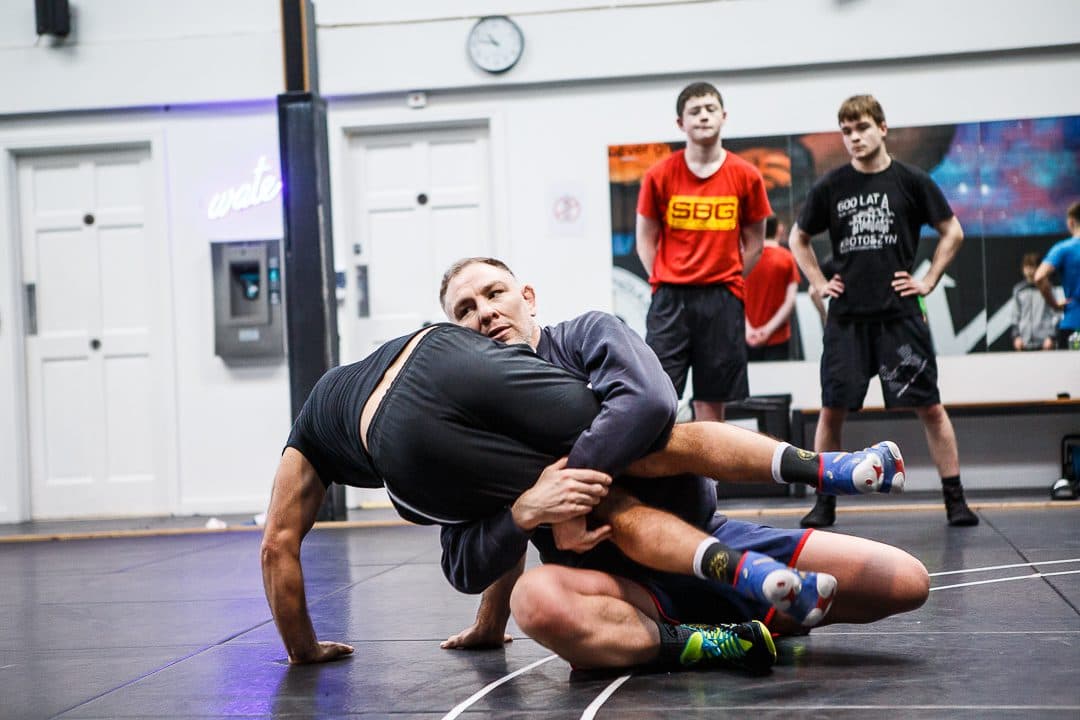
Understand what a BJJ frame does, how it differs from pushing, and how to practice the distinction without turning the drill into a strength test.

Standing from guard can be a deliberate BJJ choice. Learn to read the connections, space, and next position before trying to get up.
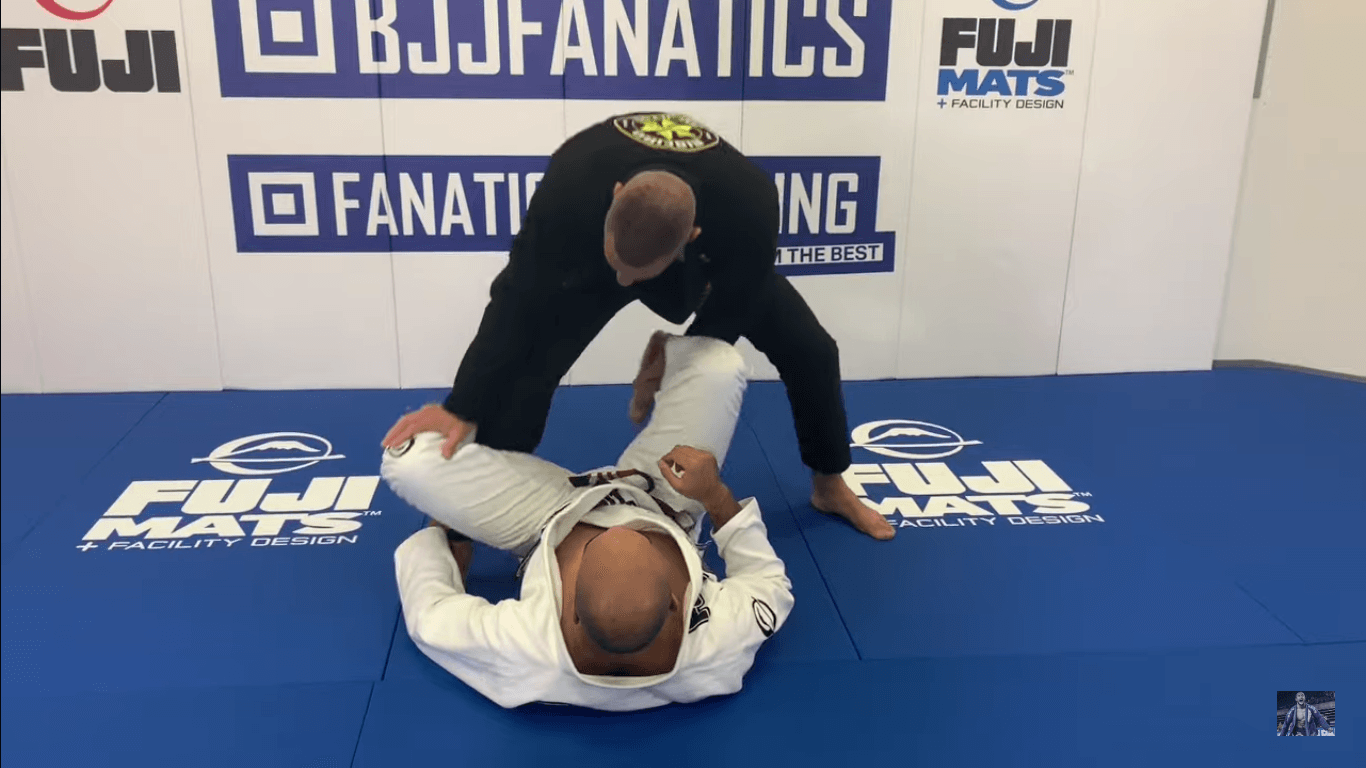
Build a headquarters passing position around leg control and balance. Recognize the guard player's reactions and practice choosing the next pass.
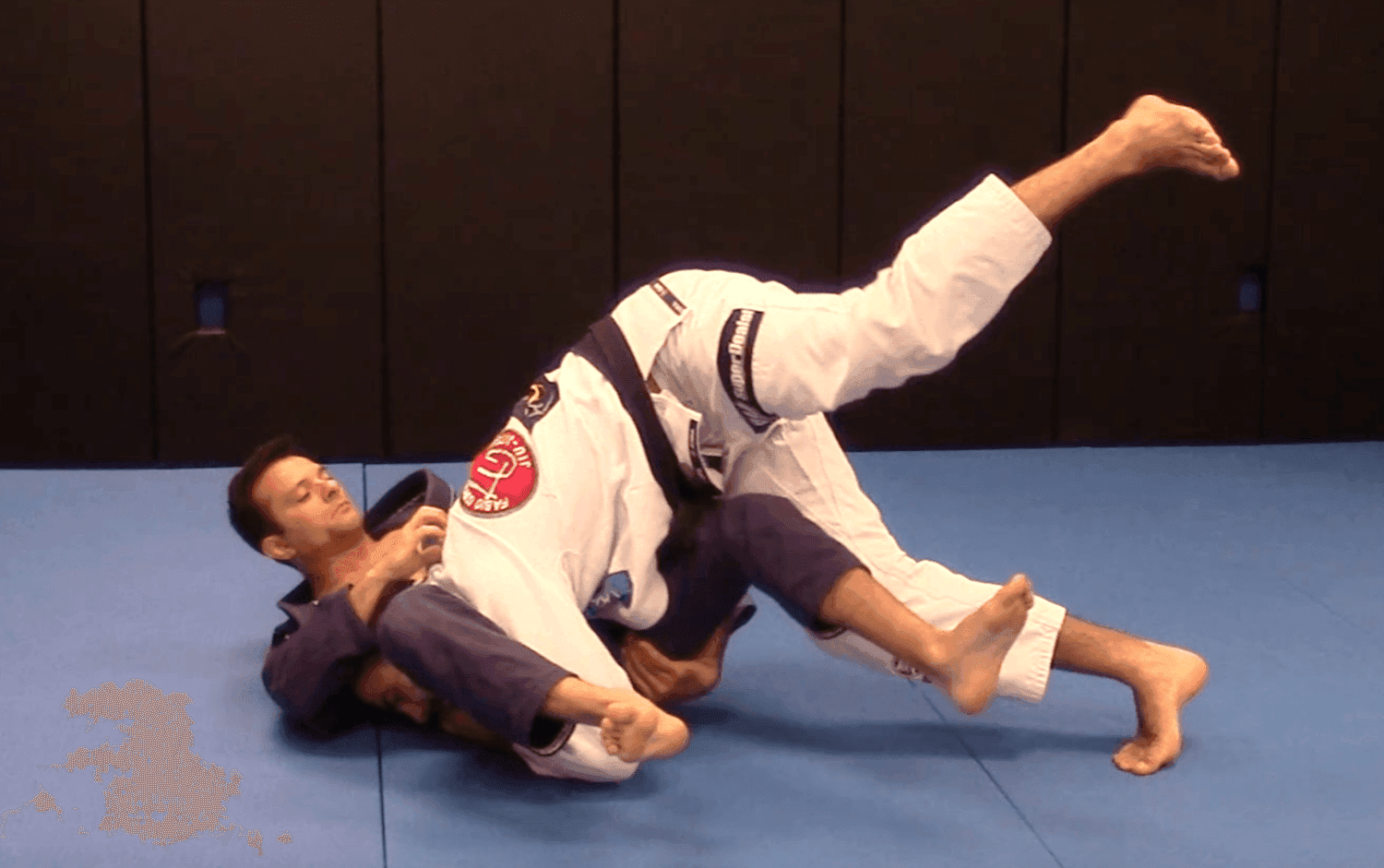
Troubleshoot the BJJ over-under pass through the entry, arm position, leg control, and transition to a pin. Improve the connection before adding pressure.
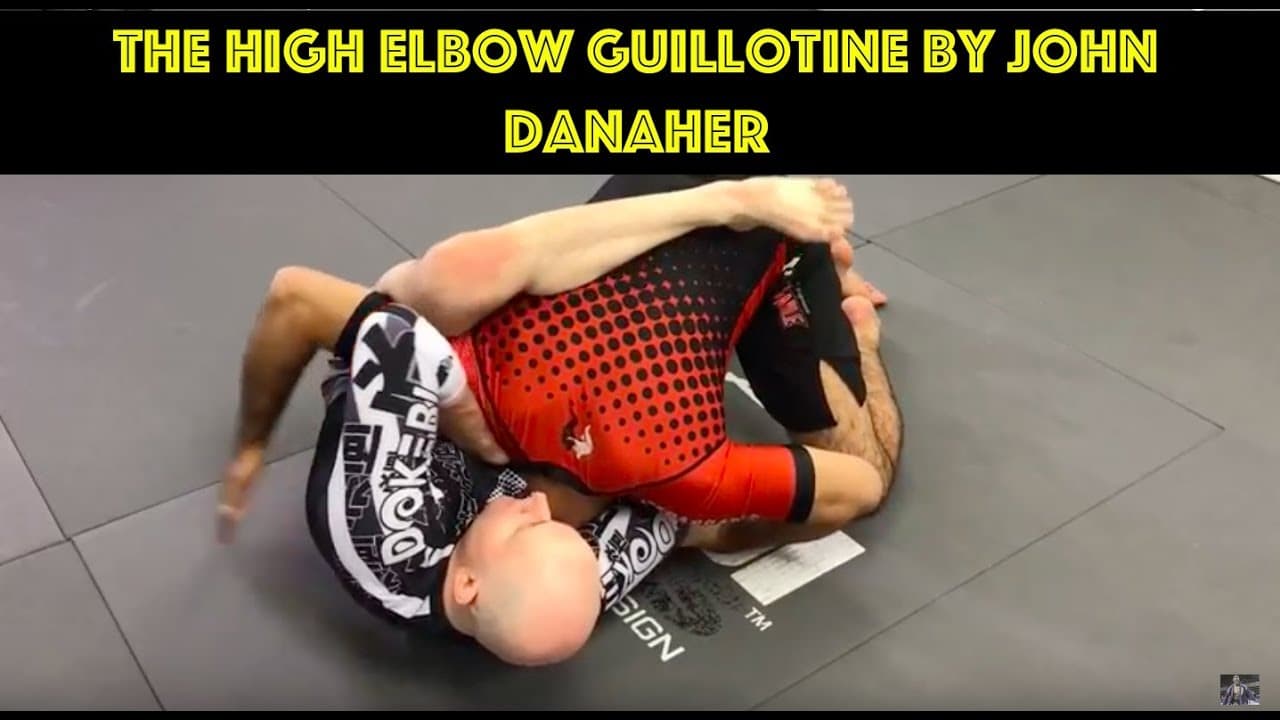
A guillotine grip is only part of the finish. Identify the variation, then study how your hands, elbows, and legs support the position before adding force.
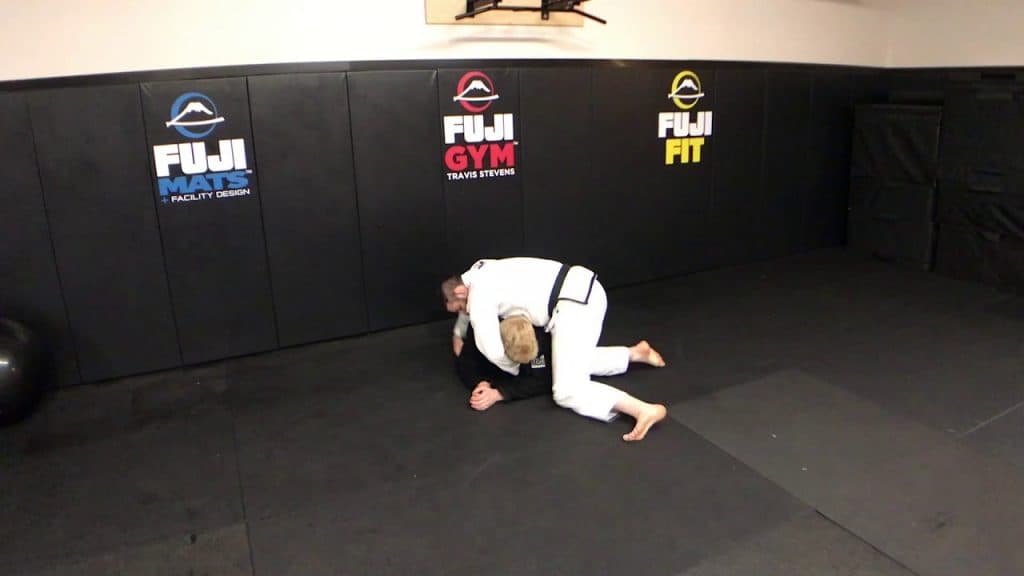
A head under your arm is an opening, not a finished attack. Check front-headlock control before choosing a choke, a go-behind, or a positional reset.
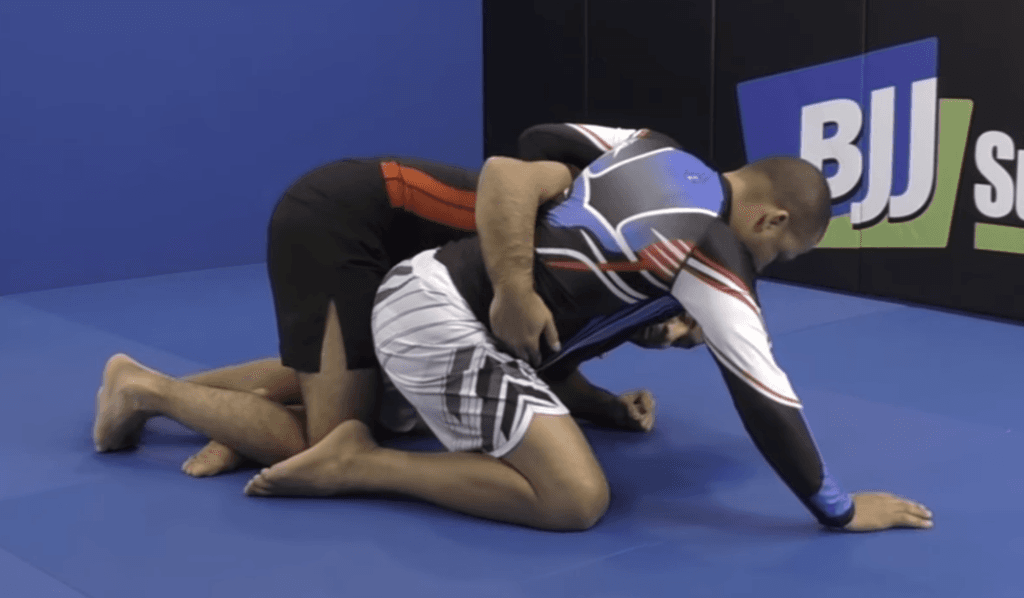
An underhook gets you toward the half guard dogfight. Leg control and the opponent's reaction decide the next exchange; study both before forcing a sweep.
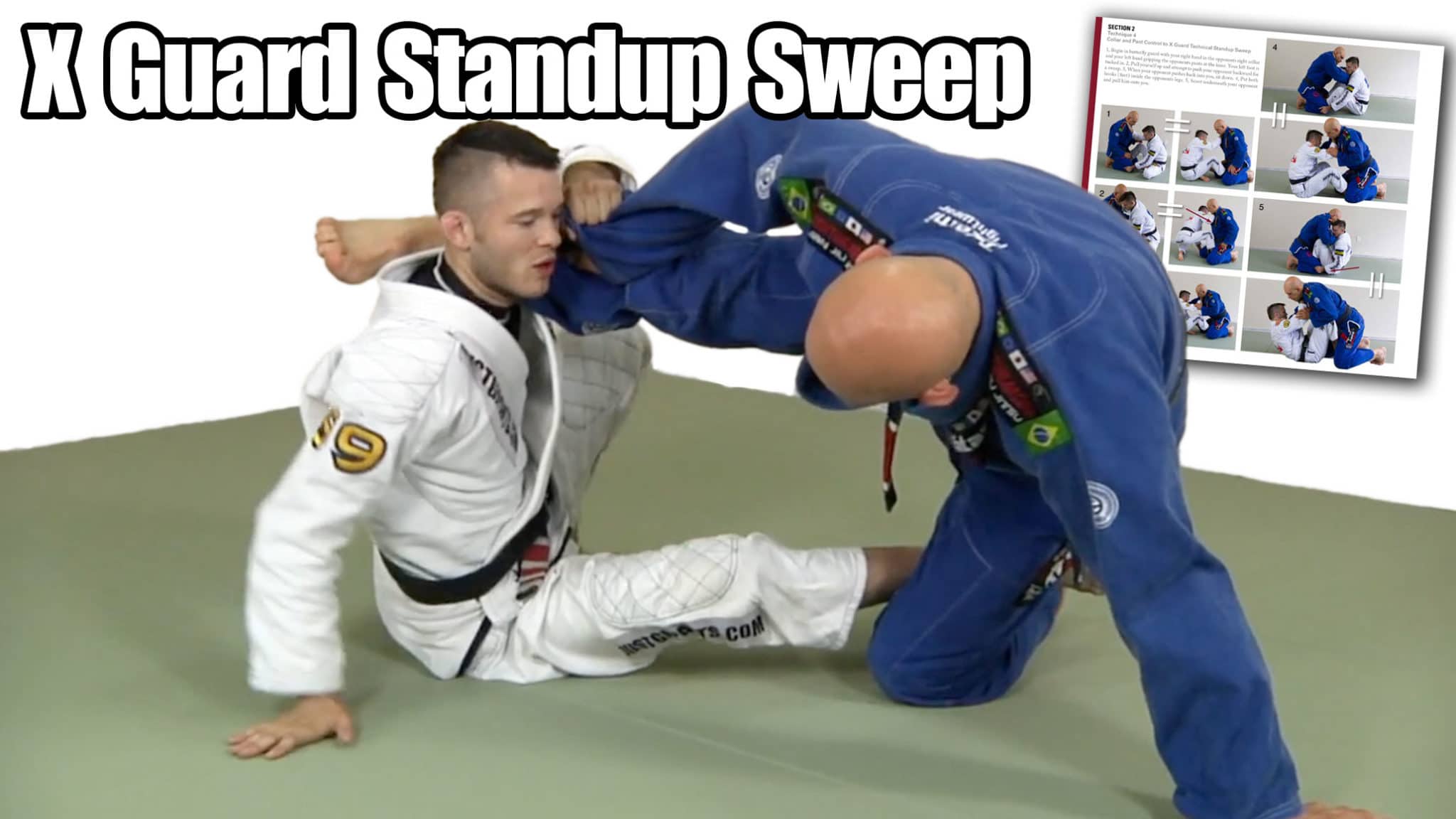
Build an X-guard standup sweep around a clear balance reaction. Study the leg on your shoulder, the opponent's hand post, and the moment to get up.
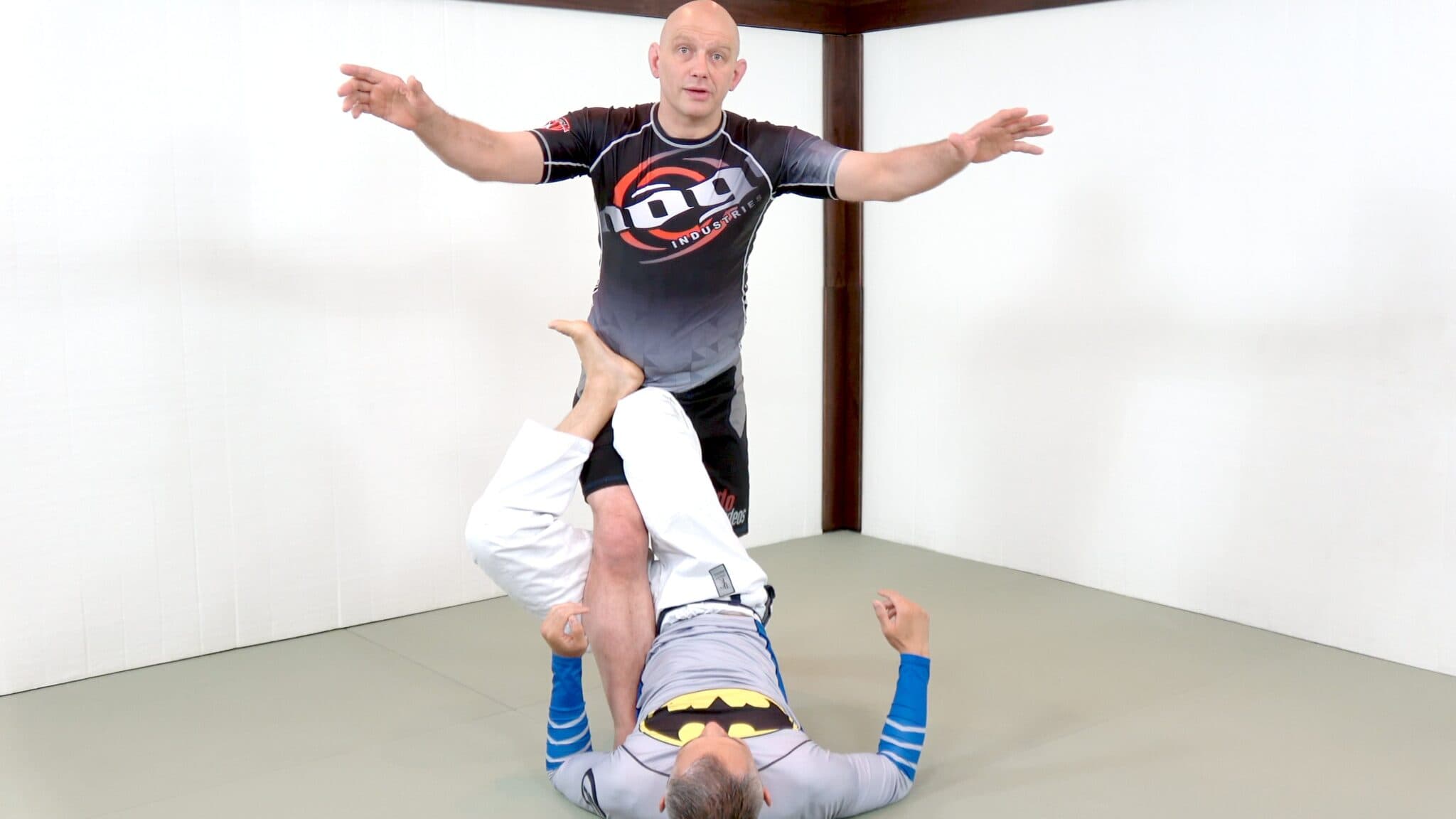
Single-leg X is a sweeping guard as well as a route to leg attacks. Read the far leg, create a balance reaction, and practice arriving on top.
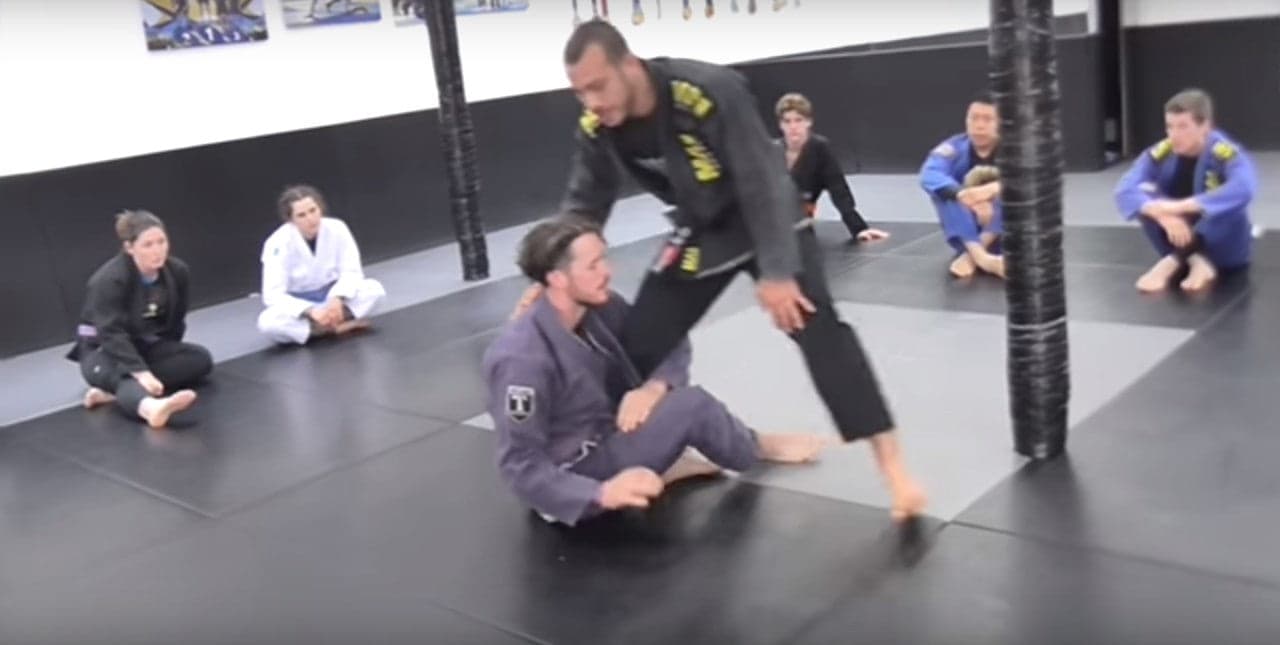
A shin-to-shin entry should bring the opponent with you. Study the seated connection, free knee, and weight shift before moving into single-leg X.
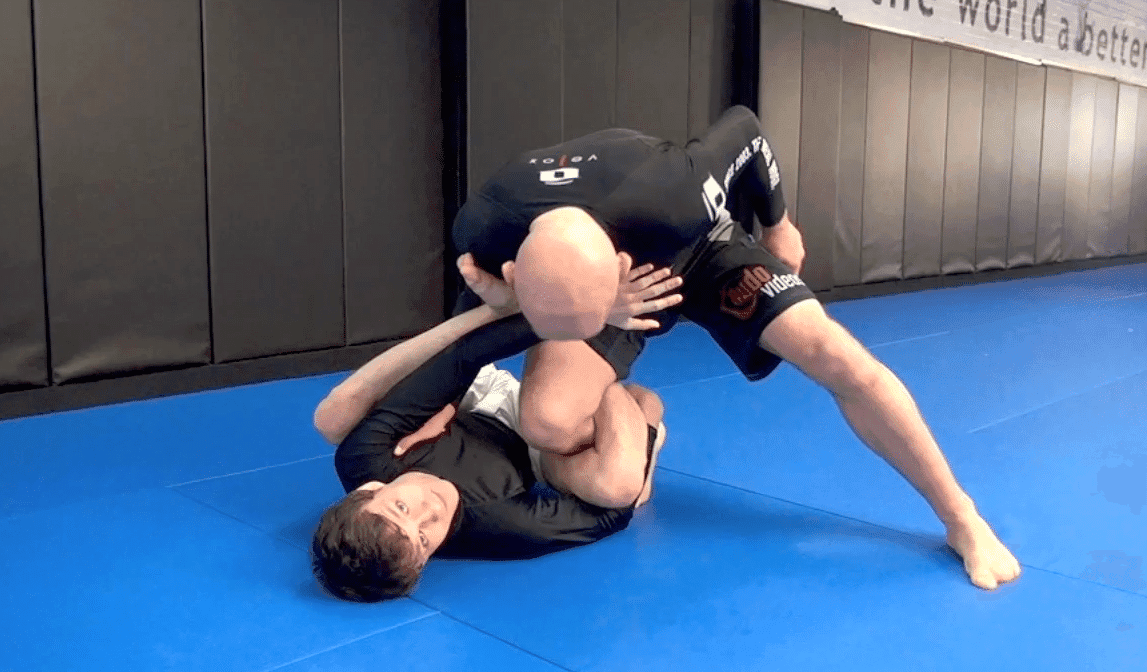
Use reverse de la Riva to study guard recovery against the knee cut. Understand the inside hook and supporting frames before chasing a spinning back take.
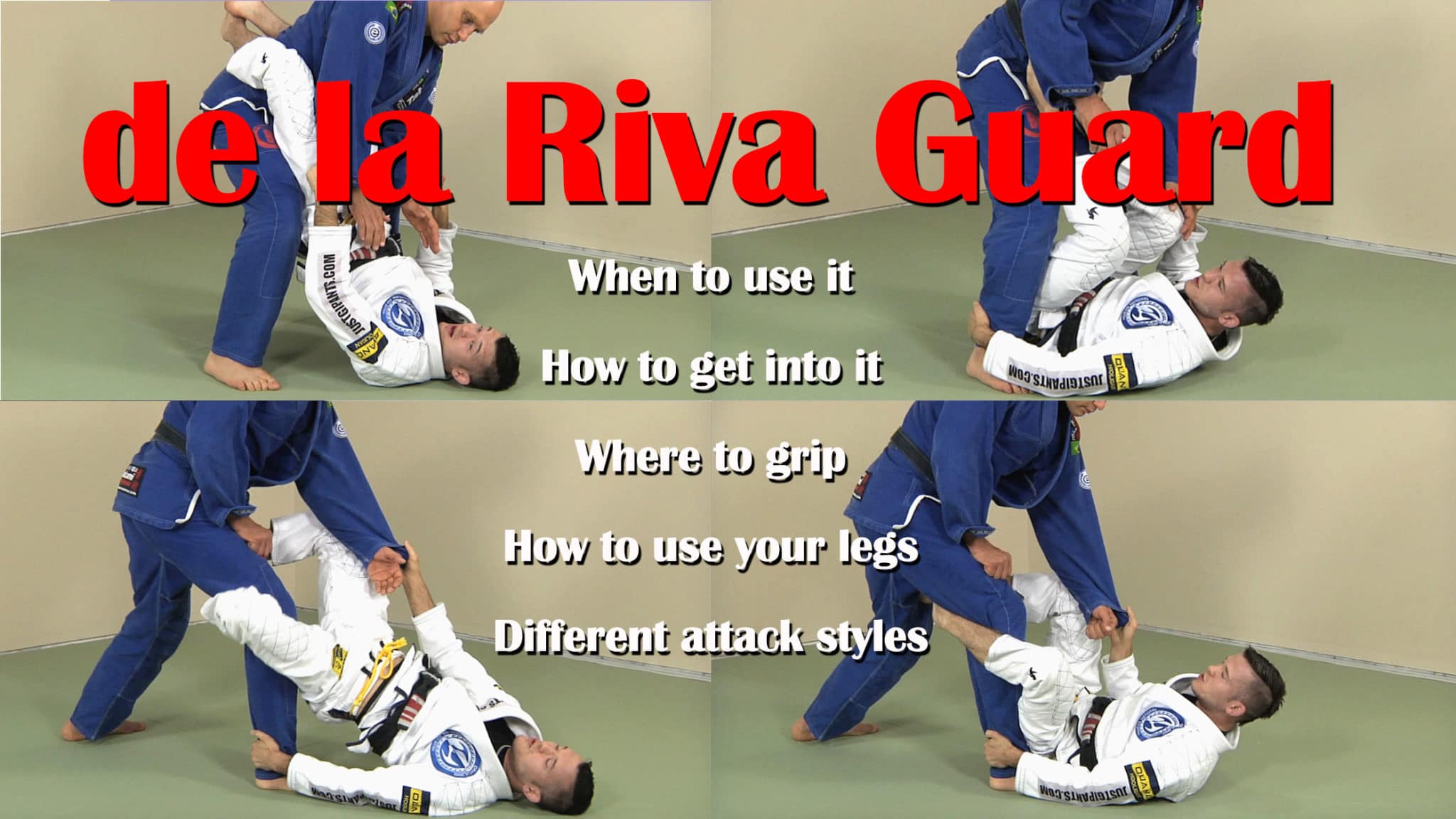
Your de la Riva hook is in, but the passer is comfortable. Study ankle control, the free leg, and the balance reaction that makes an attack possible.
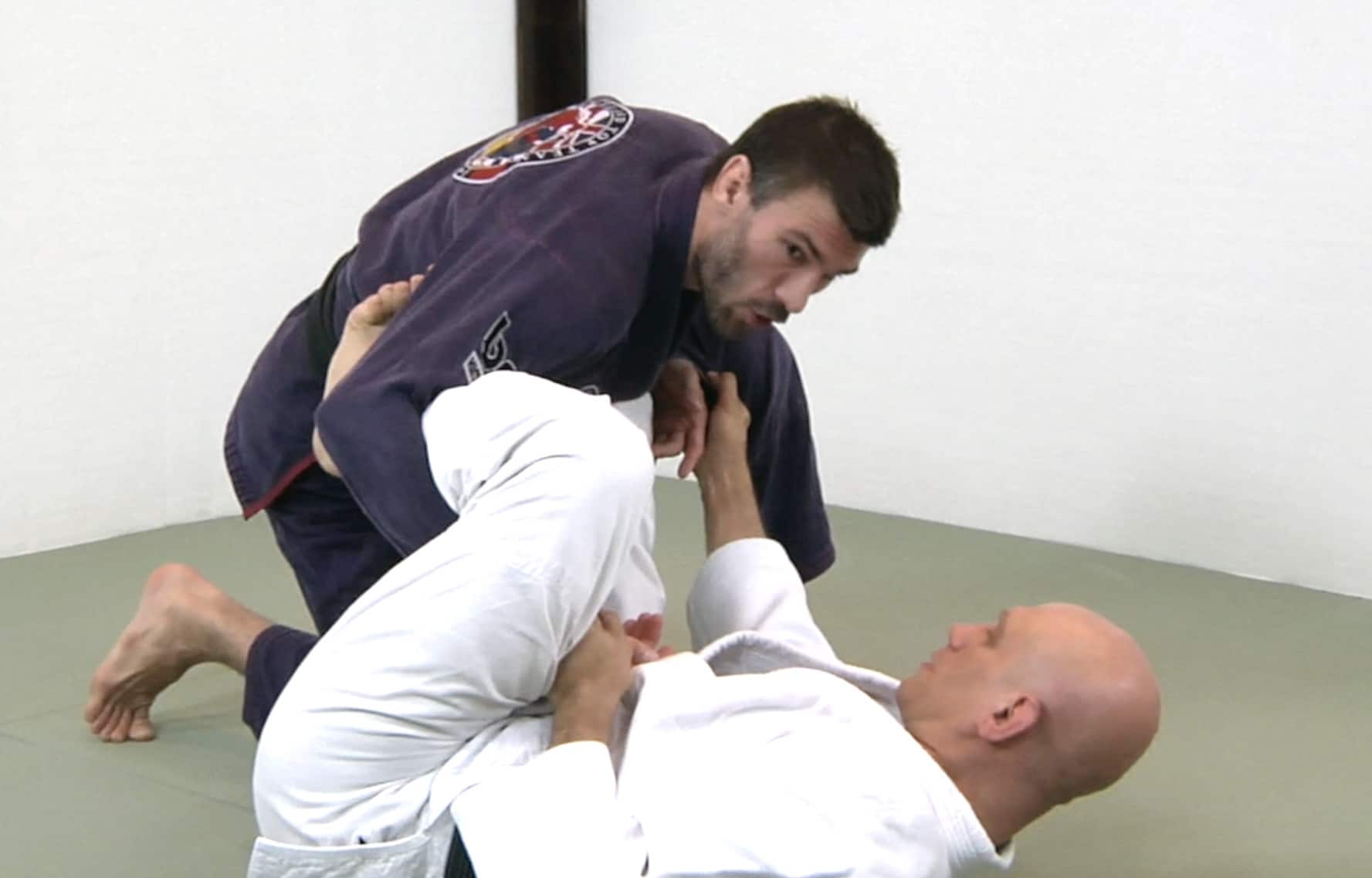
A lasso hook can buy time or trap you in a grip battle. Give the free leg a purpose, keep useful sleeve control, and recognize when to change guards.
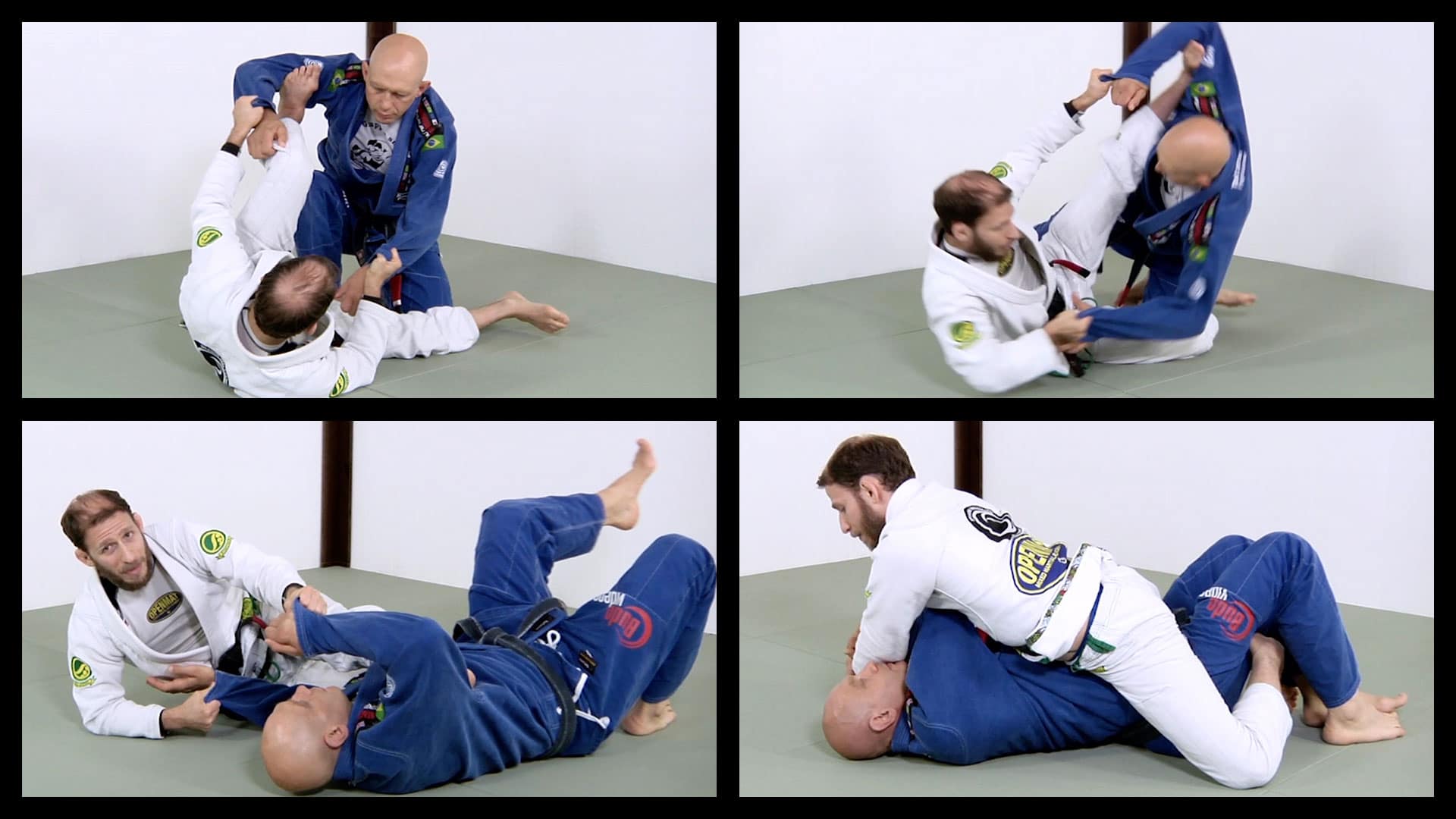
Make spider guard easier to read. Learn how sleeve tension, different foot positions, and the passer's posture shape your next sweep or transition.