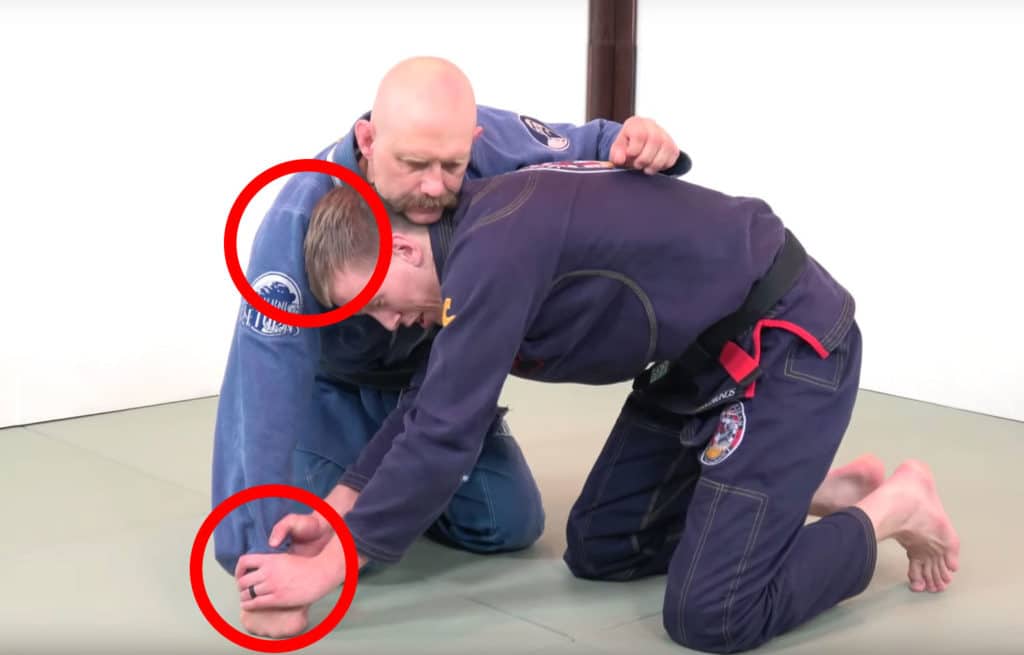
The turtle position needs an exit plan
Turtle can interrupt a pass, but staying there creates another problem. Learn to identify the threat, control a connection, and choose an exit.
Nina Okada


Nina Okada
Nina Okada explains positions the way a good training partner does: one problem at a time, with the limits of the explanation said out loud. She is careful about the difference between what footage shows and what it only suggests.
Turtle can interrupt a pass, but staying there creates another problem. Learn to identify the threat, control a connection, and choose an exit.
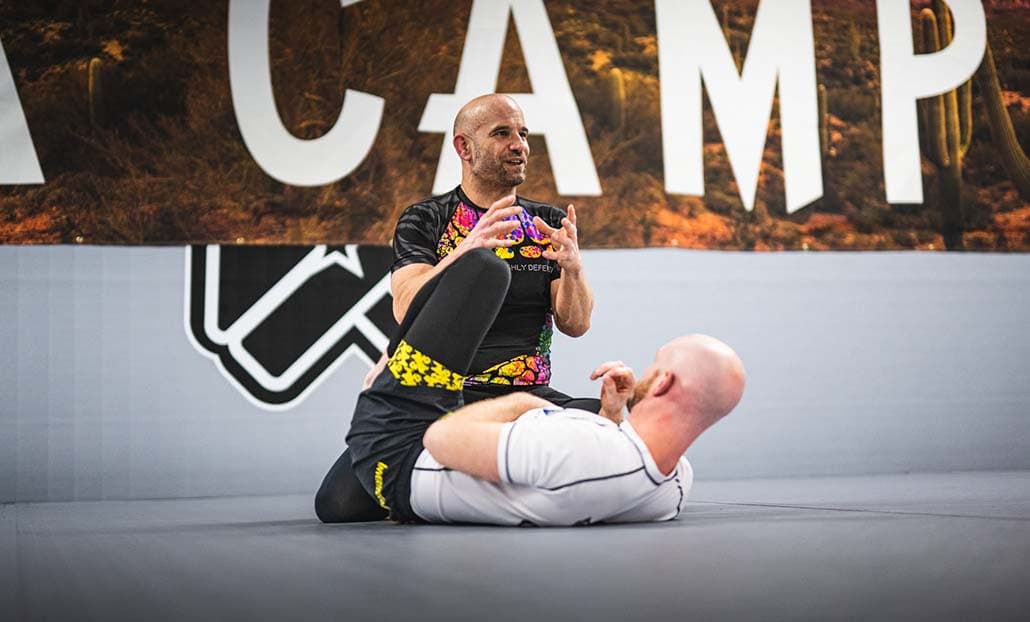
Compare online BJJ libraries, structured courses, recorded classes, and feedback options before committing your time or paying for access.
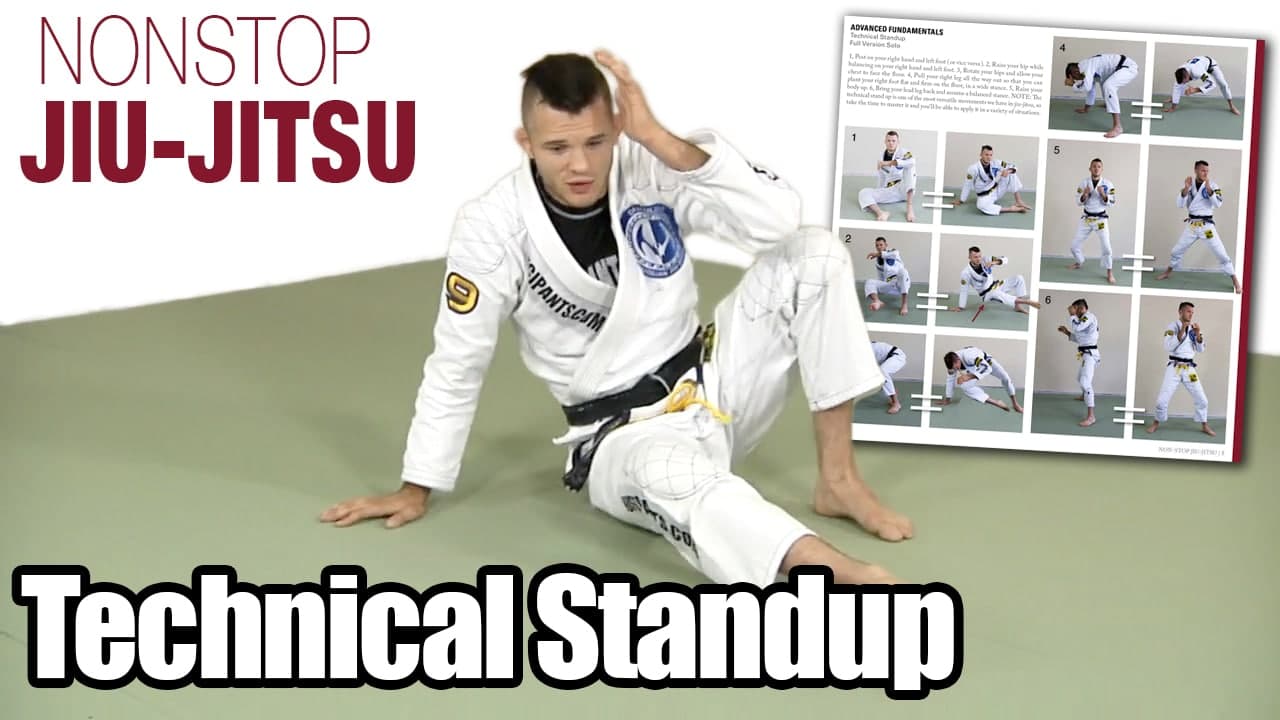
The movement is familiar. Using it in a round means recognizing space, keeping a usable base, and knowing when to stay seated.
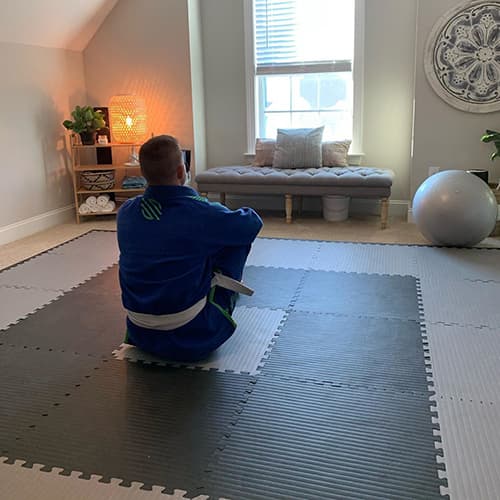
Plan a home BJJ mat area around usable floor space, storage, setup, and specific practice, before buying mats or equipment.
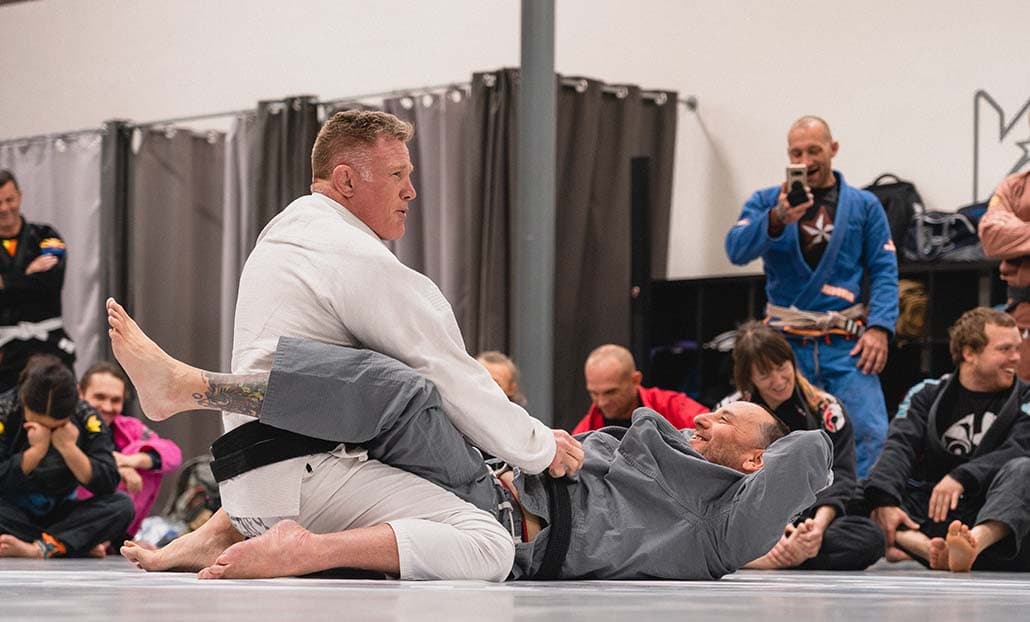
Find the missing piece in your gym's current material, ask a precise question, and return to practice without building a second curriculum.
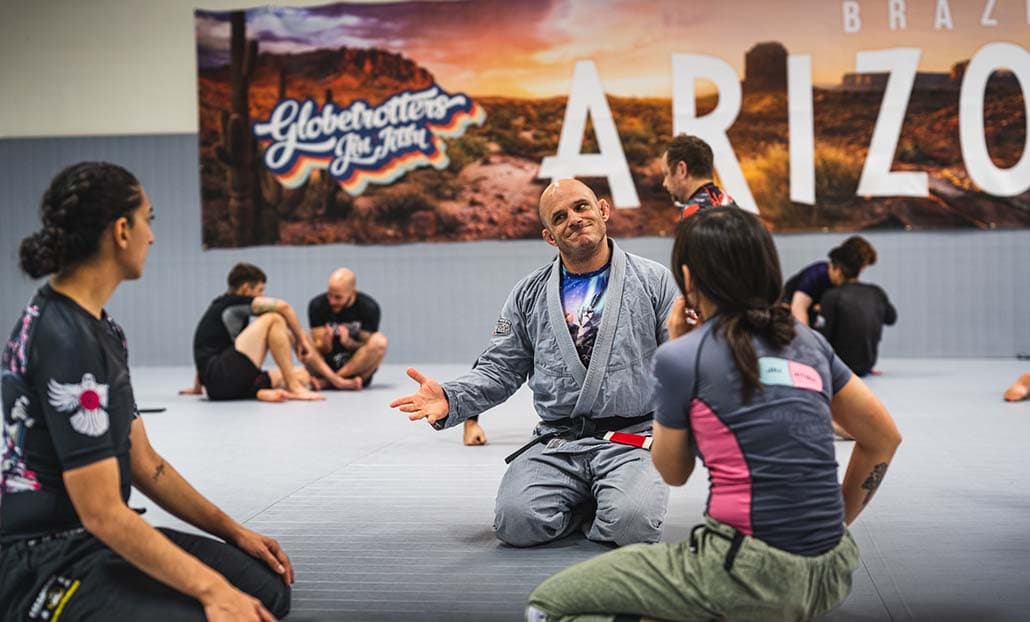
Good cornering starts before the match: agree on useful cues, confirm access rules, and give accurate information without a running commentary.
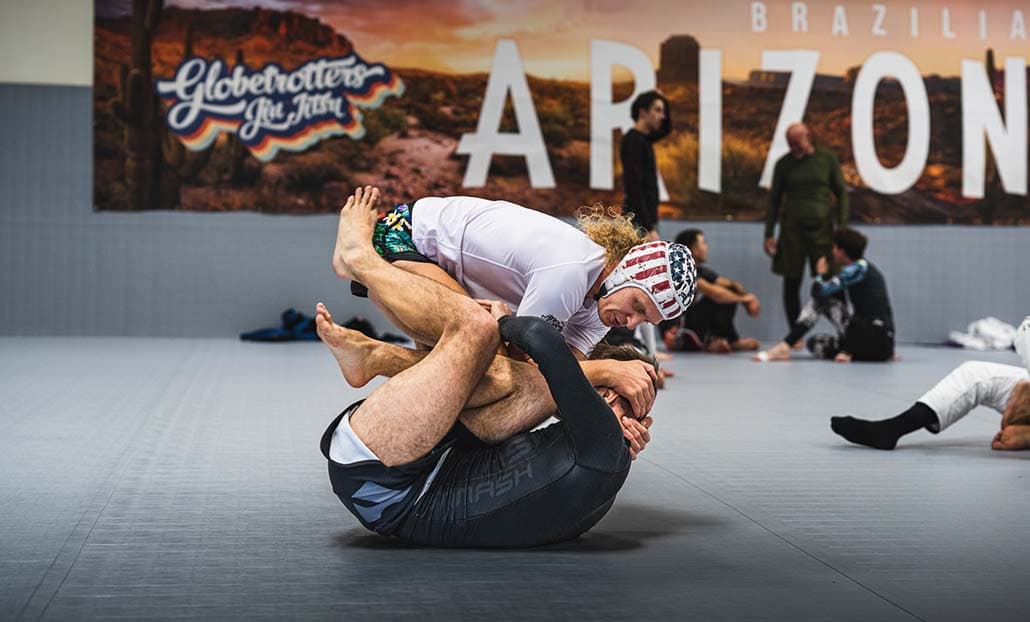
An underhook can help you turn, rise, or connect to an opponent. Learn to judge what it changes instead of treating the grip as a finished position.
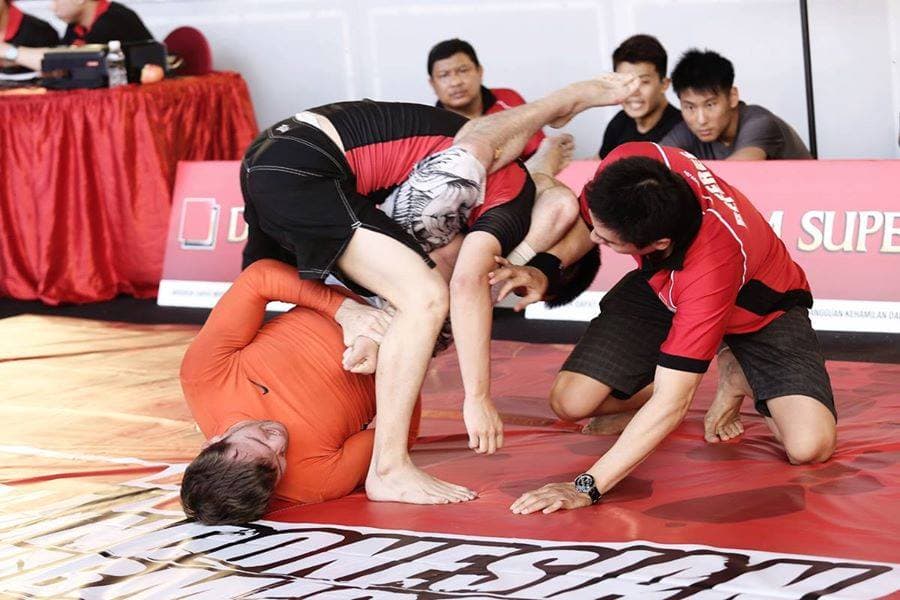
Separate visible evidence from memory, trace one exchange backward, and turn a BJJ match review into a specific practice question.
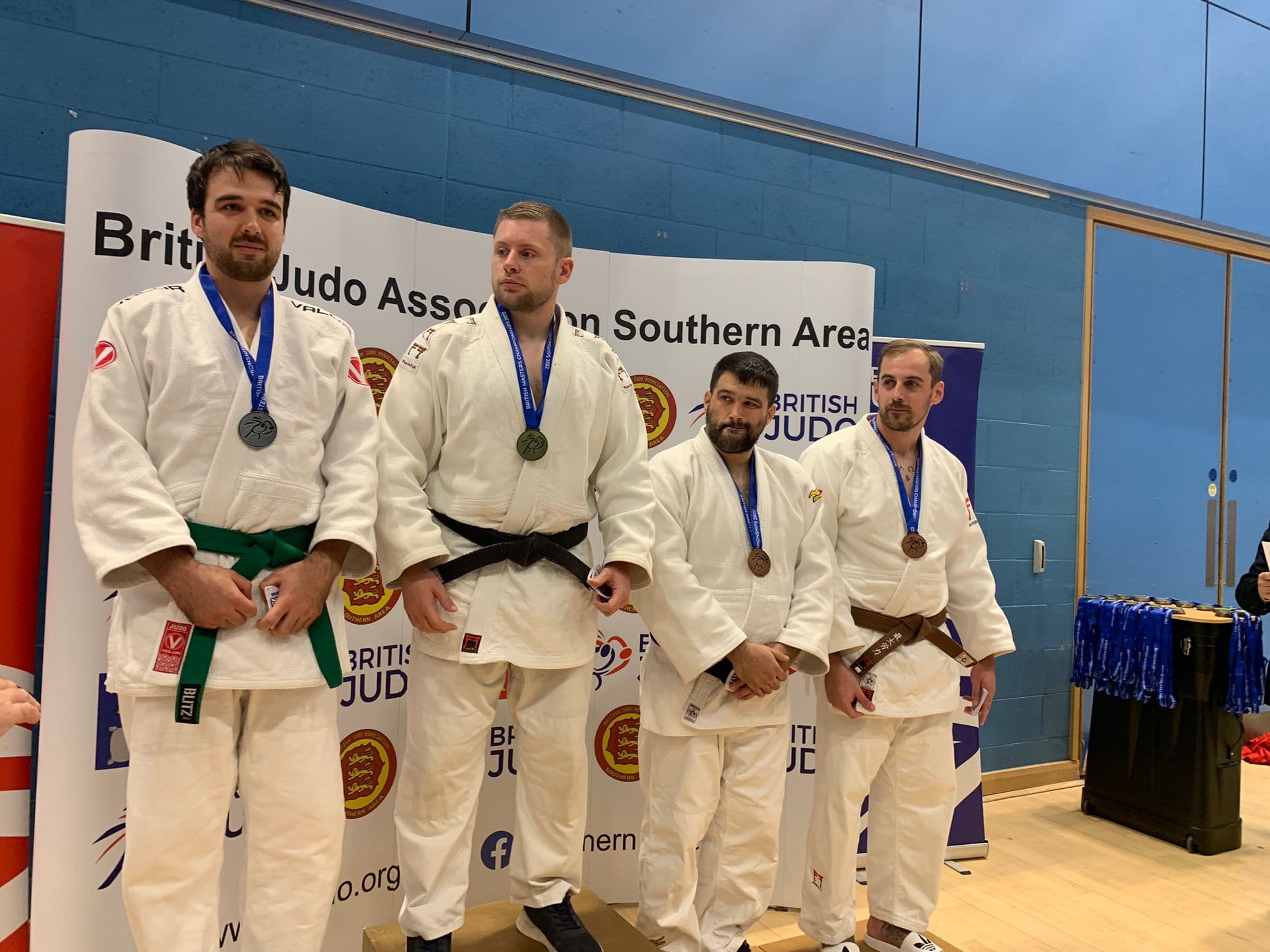
Your BJJ experience helps, but a judo class has its own starting point. Learn the landing, the grips, and the rules before borrowing the throw.
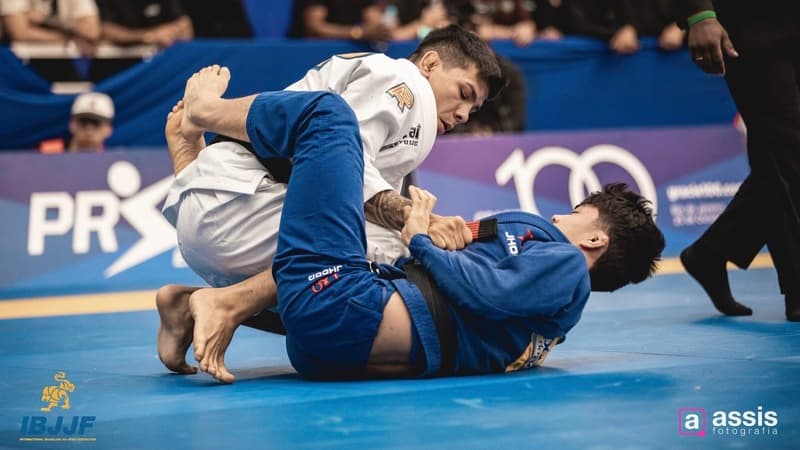
Guard pulling is a tactical choice with different costs under different rules. Separate competition strategy, training habits, and spectator preference.
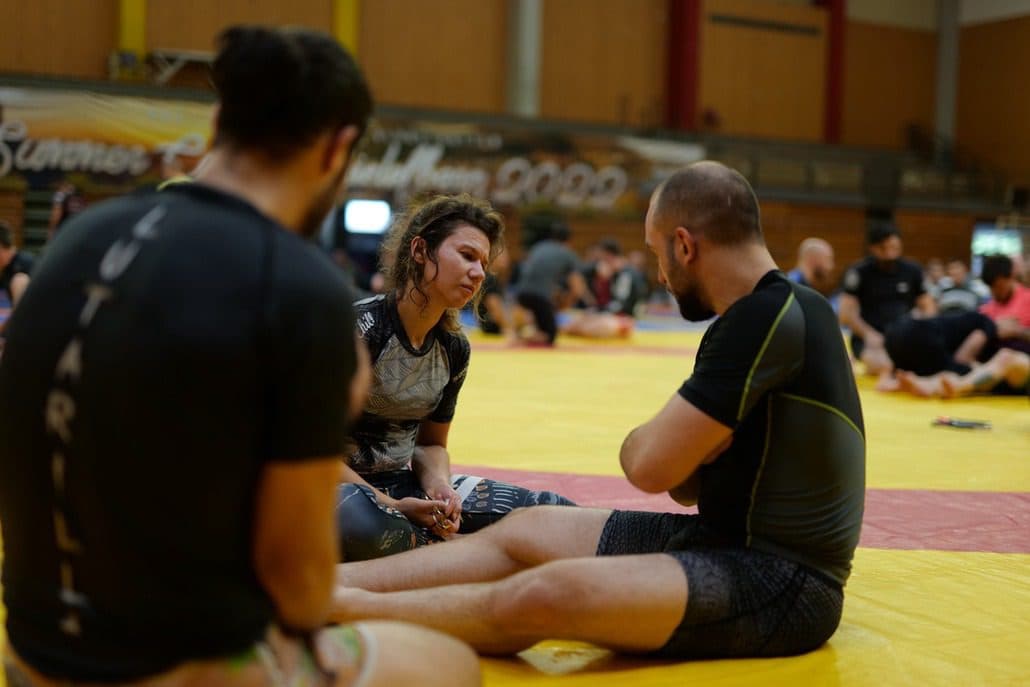
A boundary, collision, or drill objective can stop a round. Use a clear reset so both partners know which position and task they are returning to.
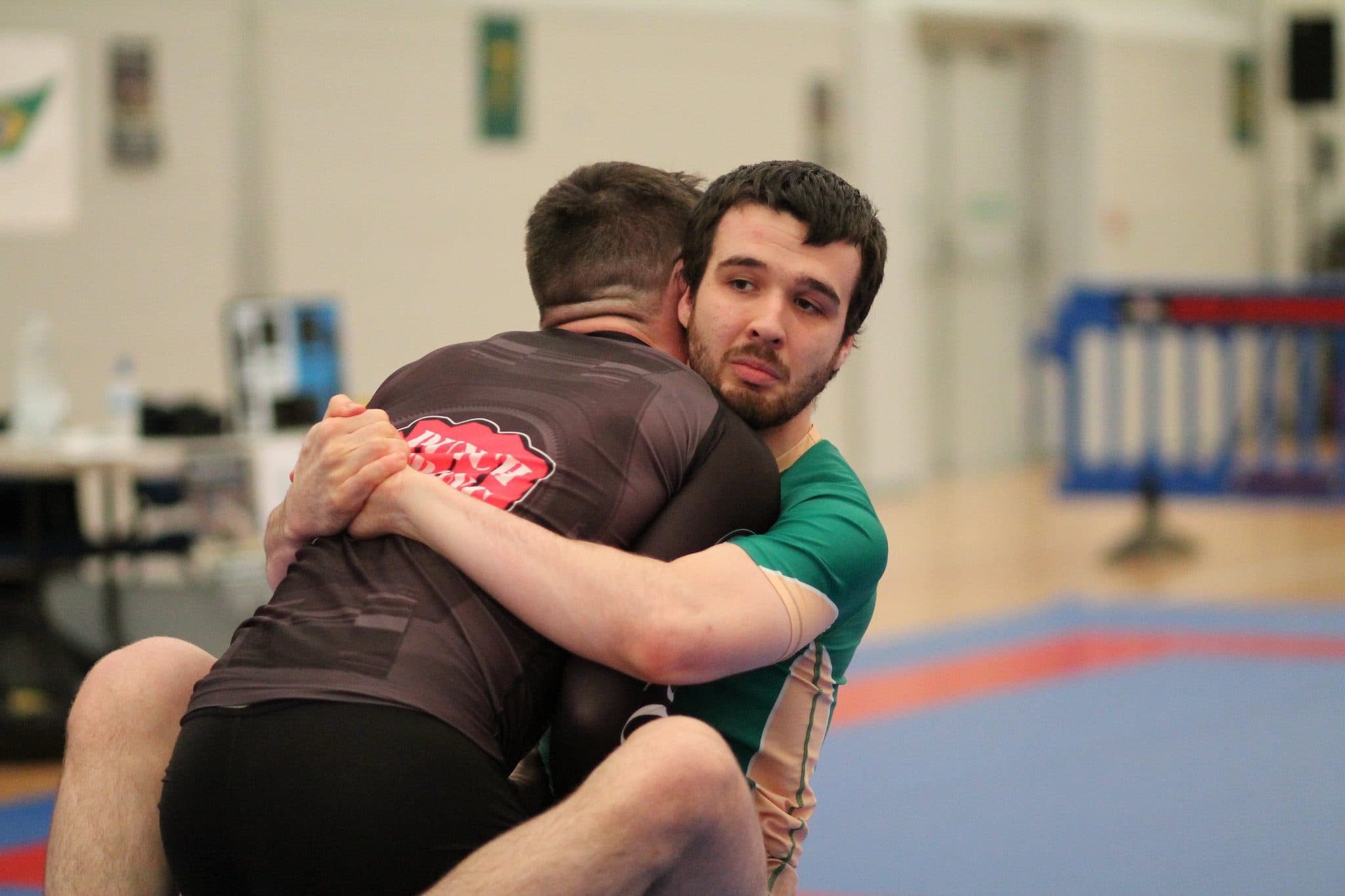
Takedowns are only part of the discussion. Wrestling also changes the choices available when a BJJ athlete gets to a knee, stands, or defends top position.
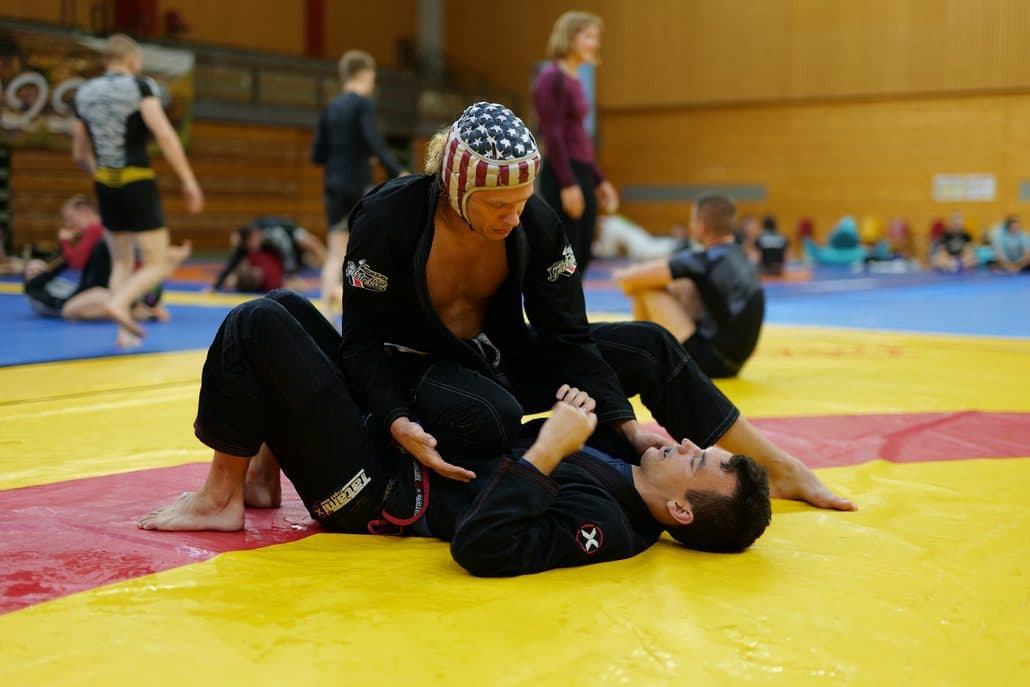
Before abandoning a reliable technique, find the first part of the exchange that changed. A different grip or response may be the real problem.
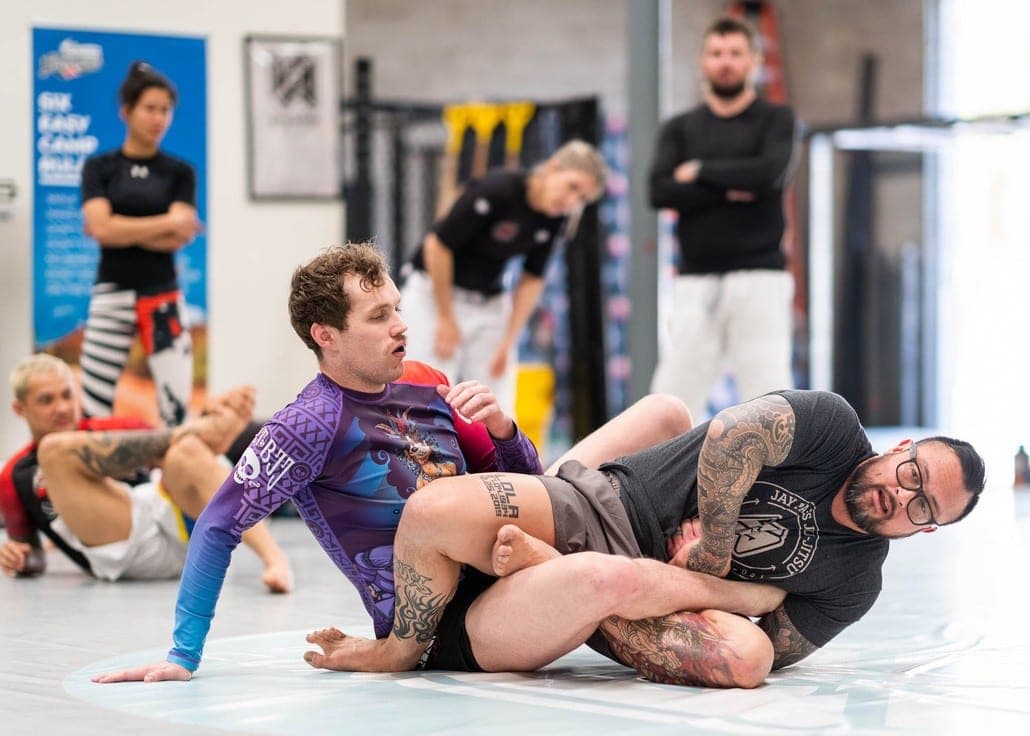
Design BJJ training games around a clear problem, meaningful tasks, and a useful reset—then check what happens when the rules open up.
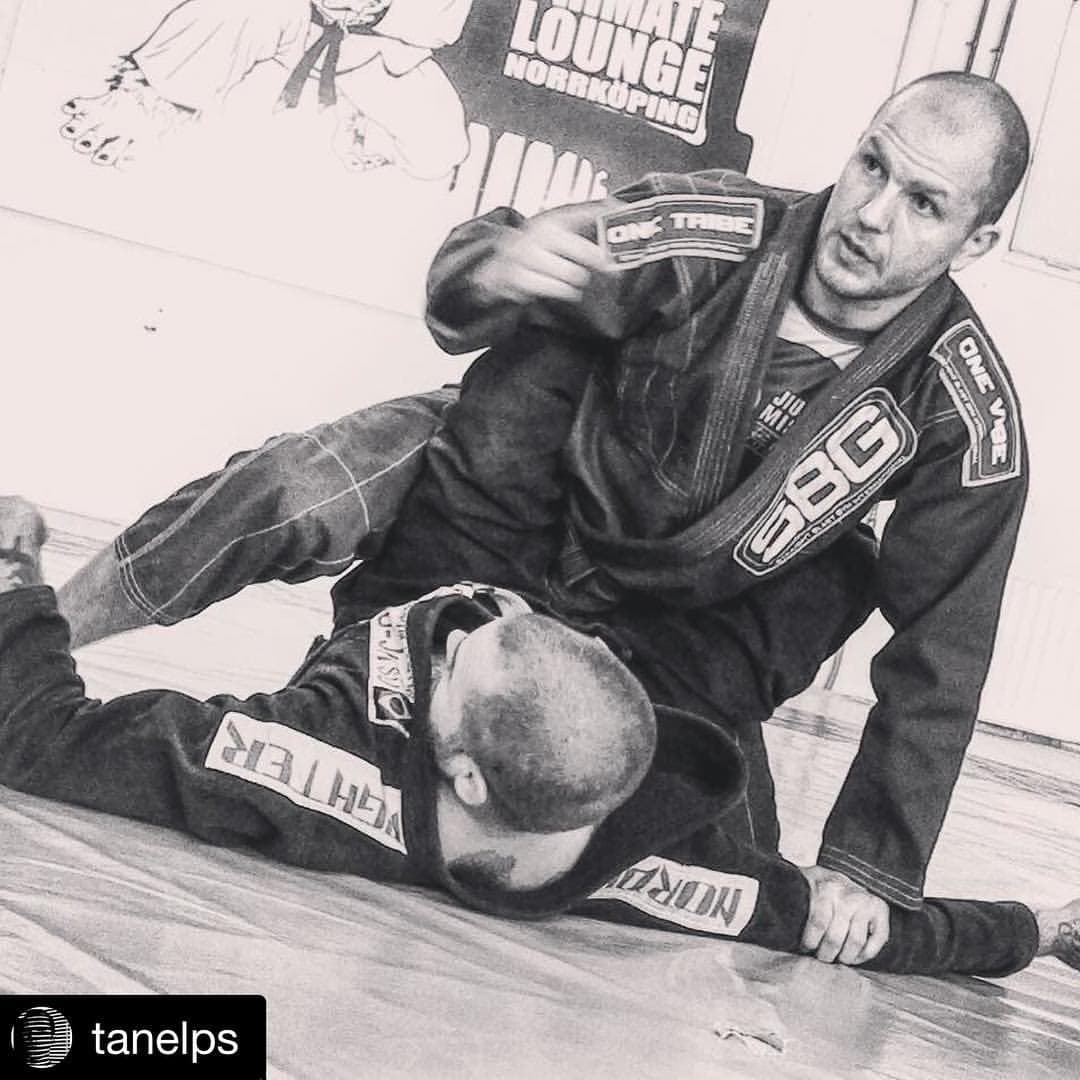
Pressure is about where force goes and what movement it stops. Learn to compare positions without turning practice into a discomfort contest.
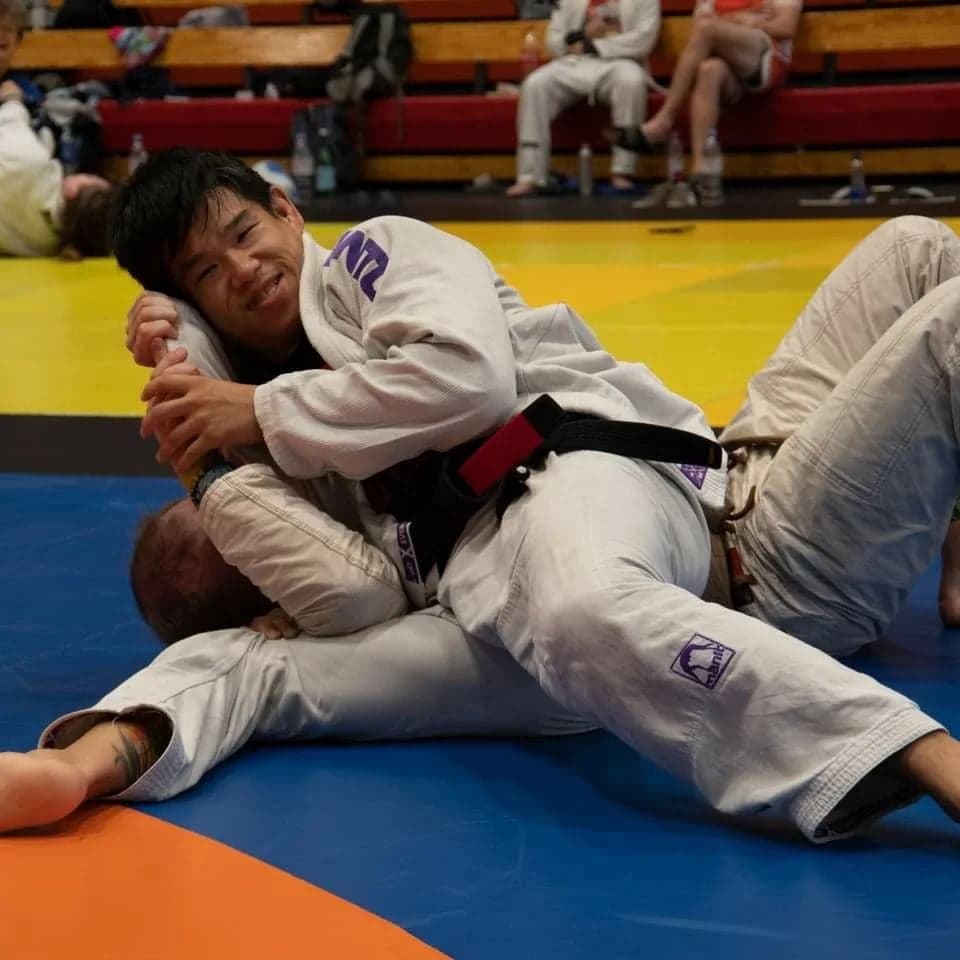
Keep losing position when you attack? Separate the pin, the first transition, and the recovery route in a focused practice block.
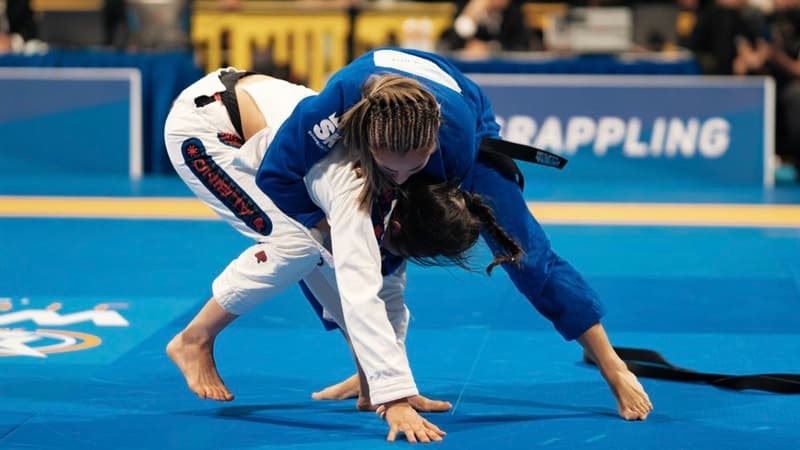
Changing your BJJ lead leg changes the opening exchange. A coach-led approach to comparing stance, movement, distance, and initial grips.