Life & Culture
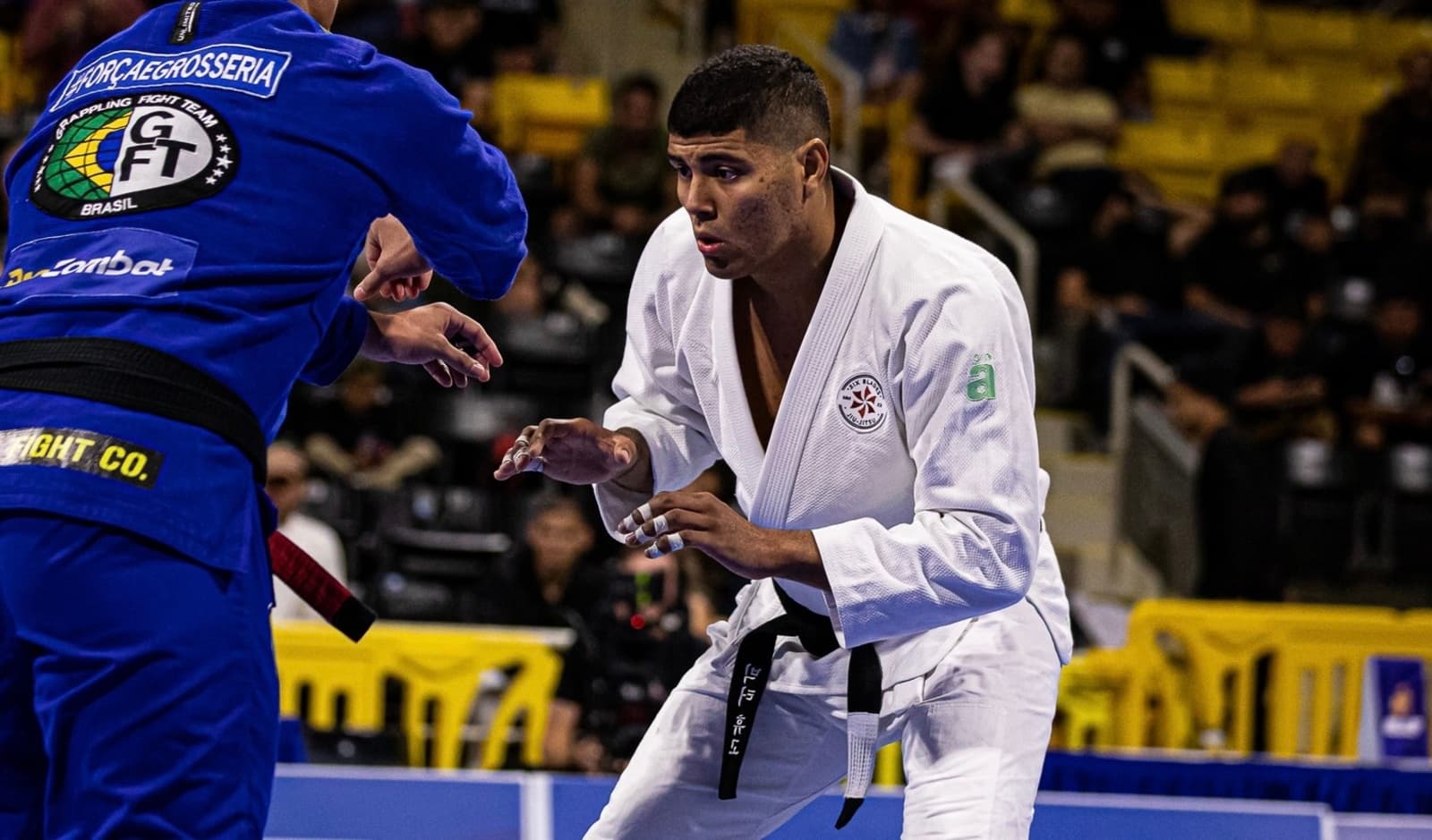
Victor Hugo: the 2019 double that announced a heavyweight
Victor Hugo’s 2019 brown-belt double began a distinct chapter: no-gi gold, a Worlds comeback, and a later double at black belt.
Miles Serrano9 min read

Training, technique, and the culture of Brazilian Jiu-Jitsu
114 articles
Victor Hugo’s 2019 brown-belt double began a distinct chapter: no-gi gold, a Worlds comeback, and a later double at black belt.
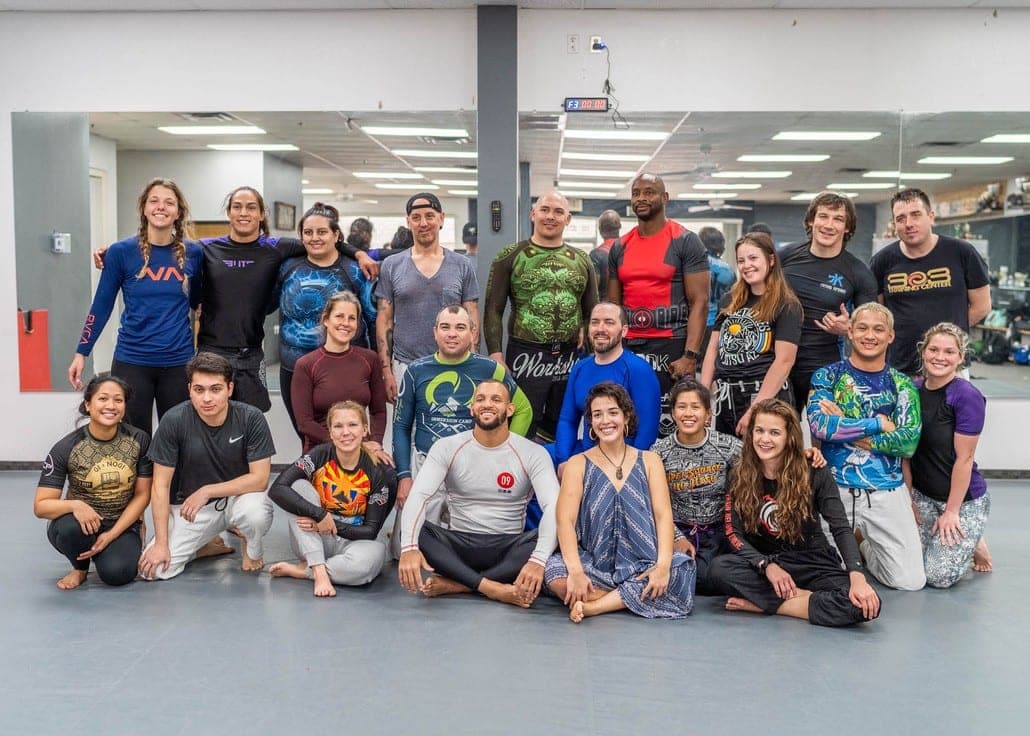
A BJJ gym’s history includes more than belts and medals. How to acknowledge ordinary contributions without creating another popularity contest.
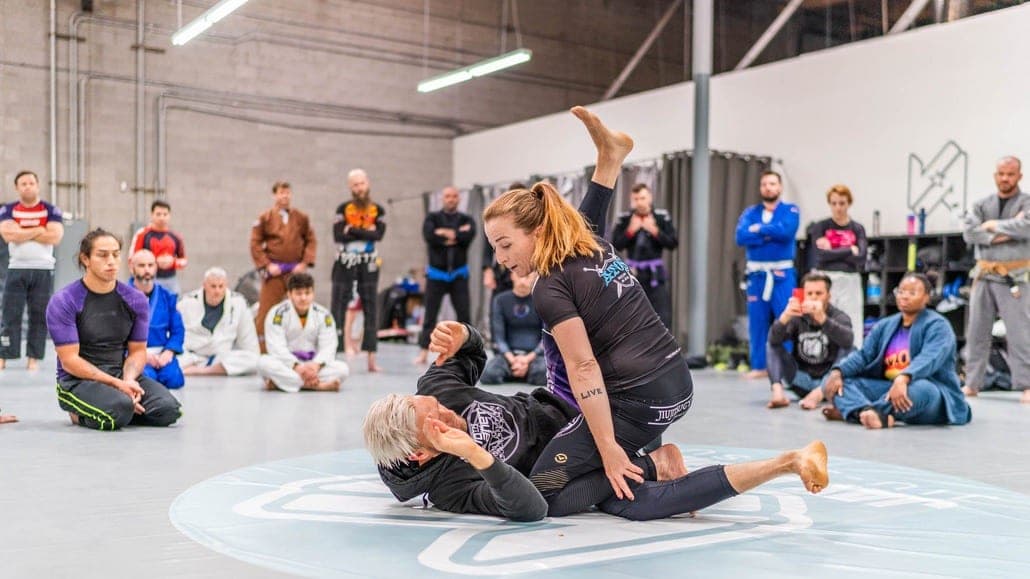
Side control, side mount, cross side: how to make sense of BJJ names without confusing a familiar label with a complete explanation.
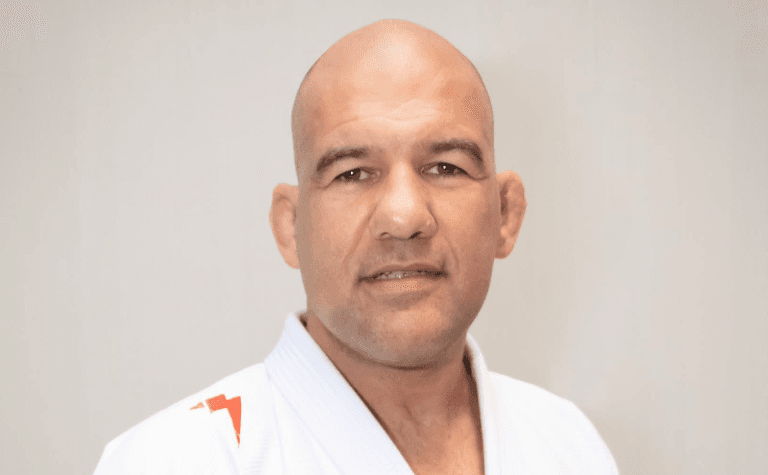
Fabio Gurgel won four World titles. His coaching career asks a different question: what does it take to make a whole team better?
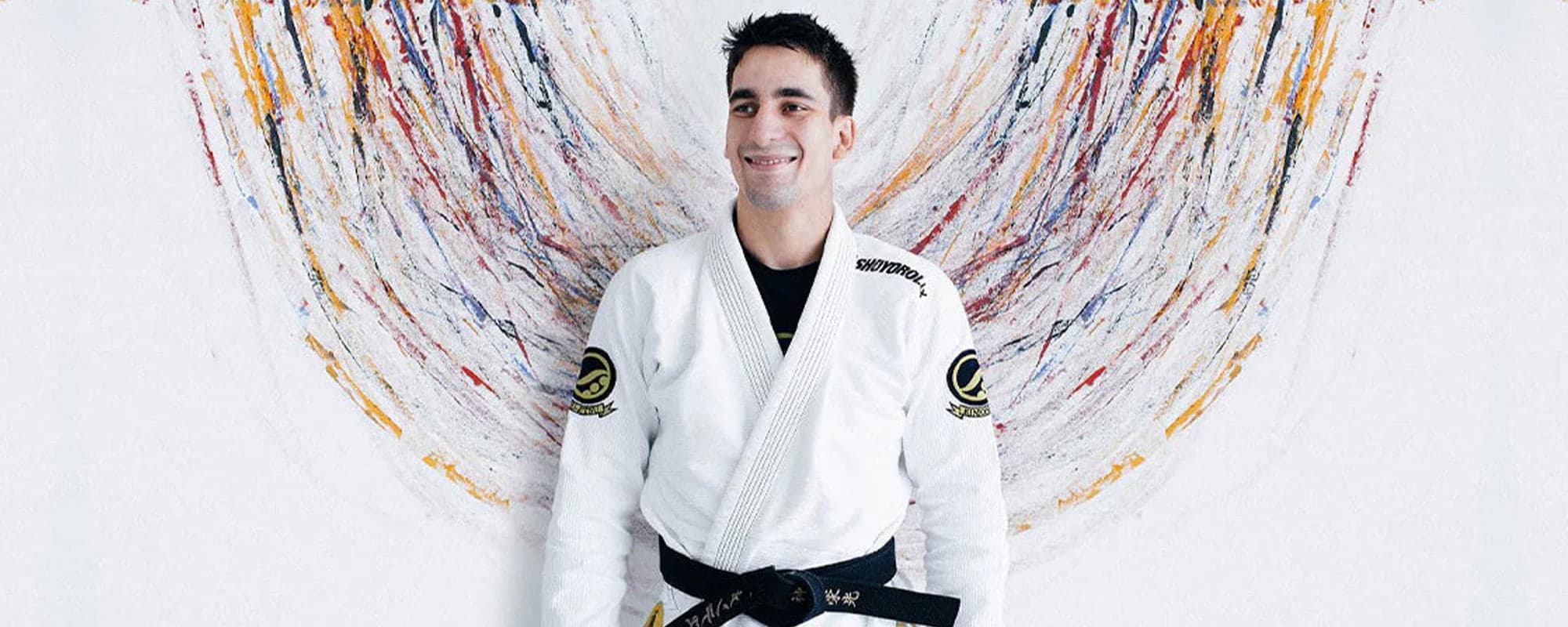
Four World titles, then a different kind of work: how to understand Gui Mendes as both a competitor and a teacher.
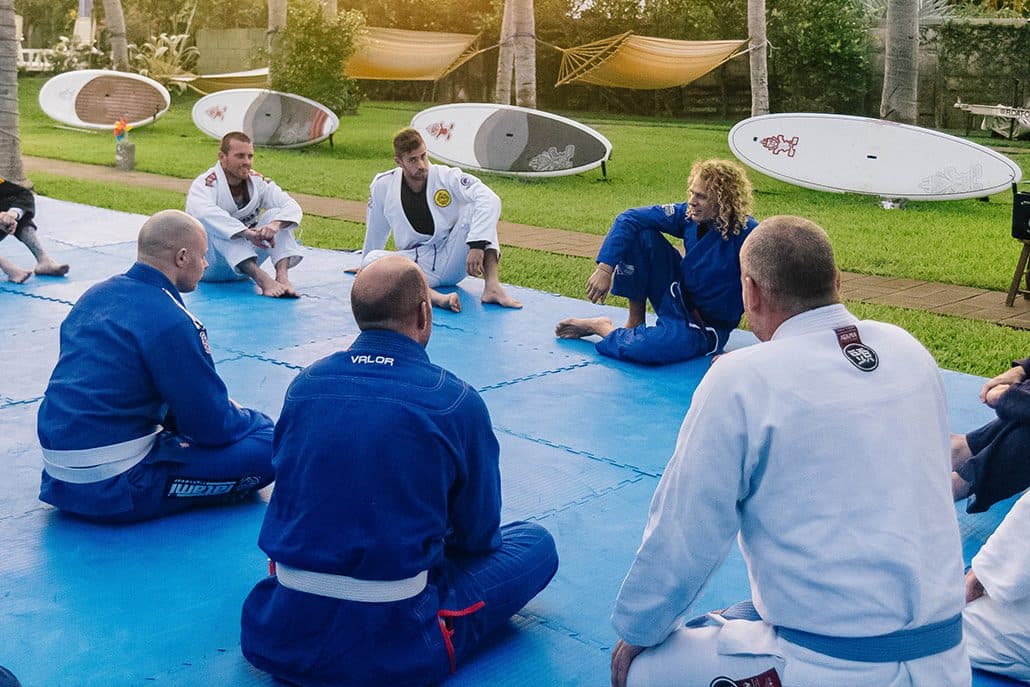
Prize money is only one part of professional BJJ. Understand teaching, seminars, instructionals, sponsorships, and the difference between revenue and income.
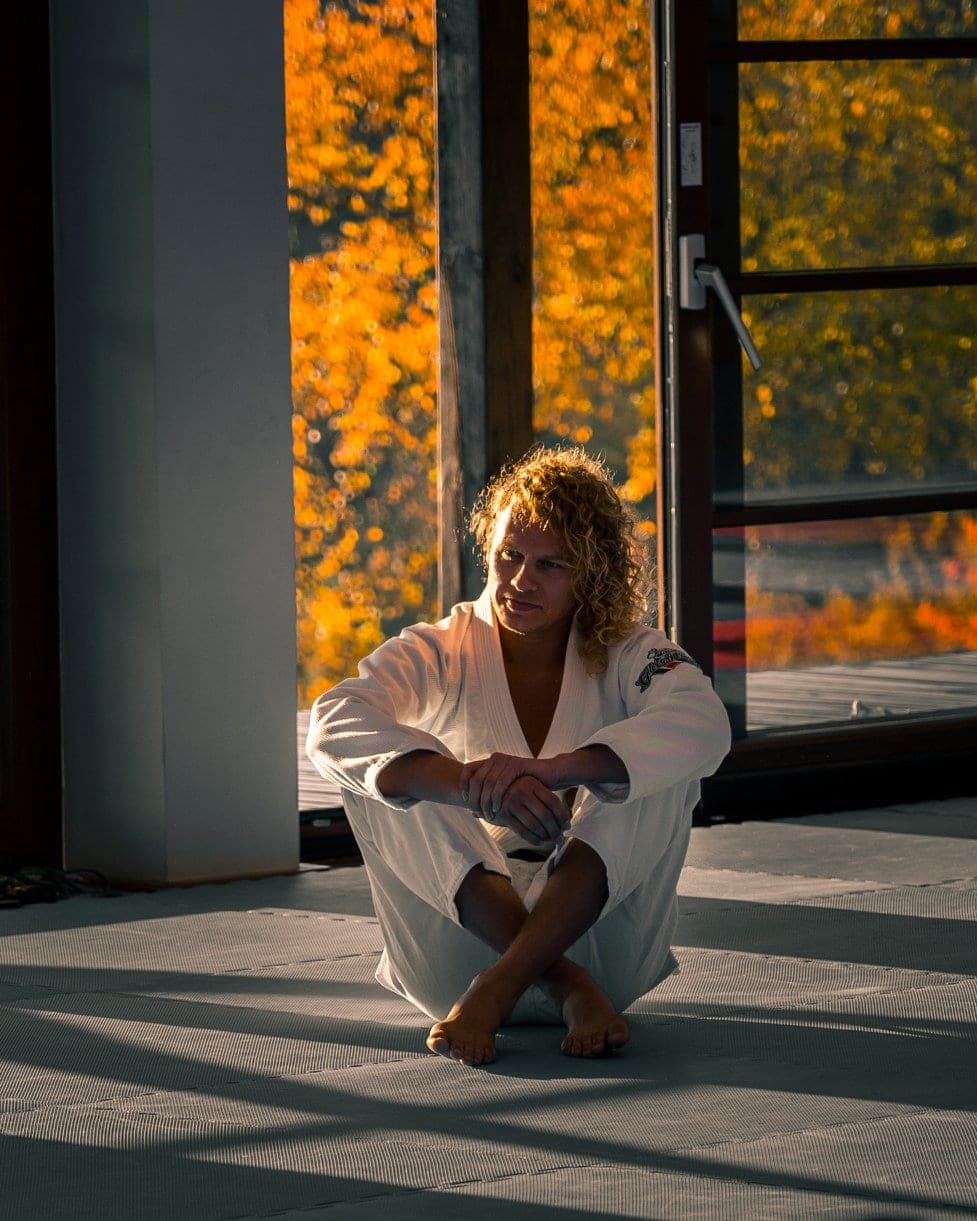
How to decline a BJJ round clearly, stop mid-round when needed, and respect a training partner’s boundaries without making it awkward.
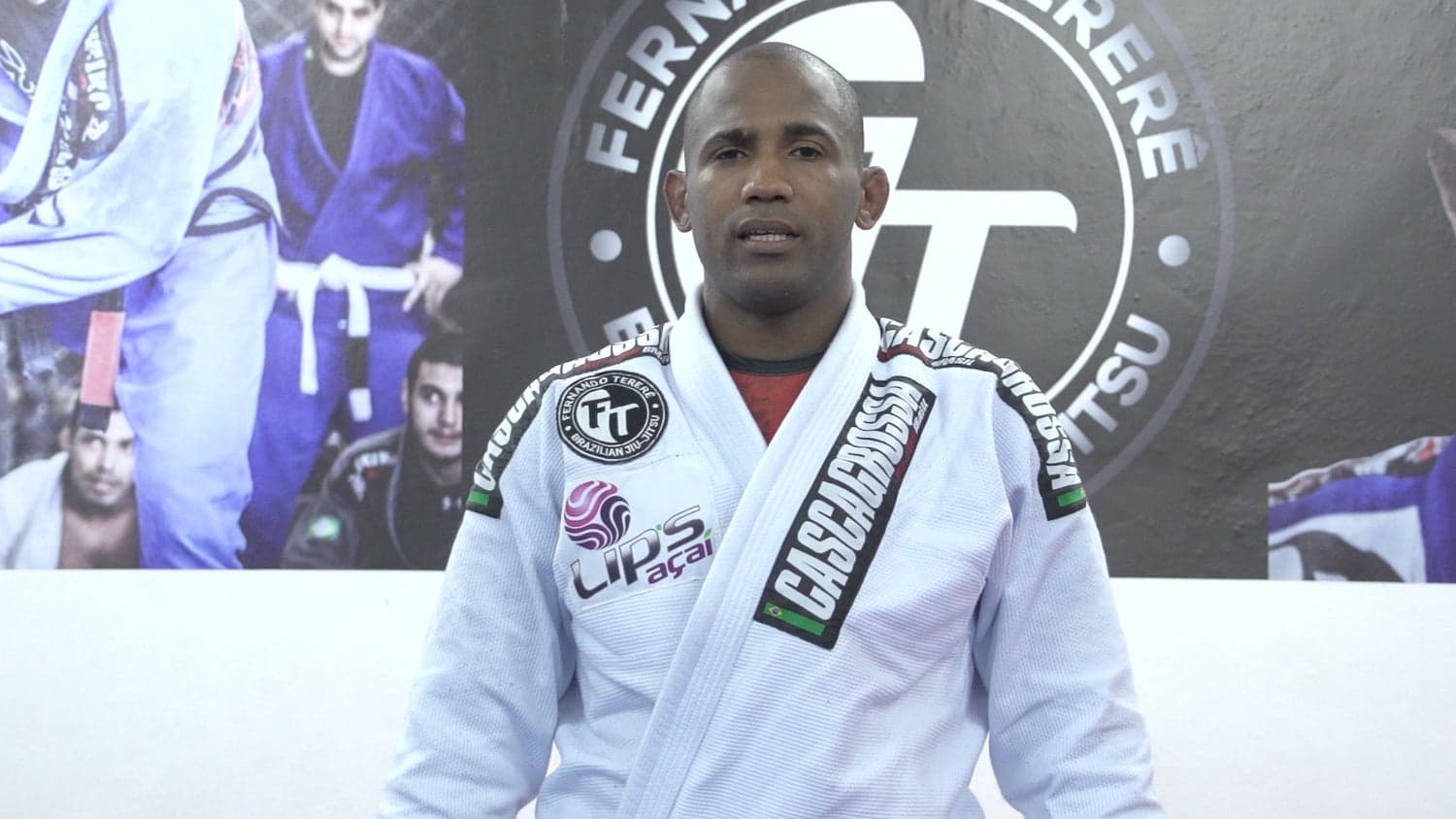
Fernando Tererê deserves more than a highlight reel. Start with the results, then study the grips and decisions the edits leave out.
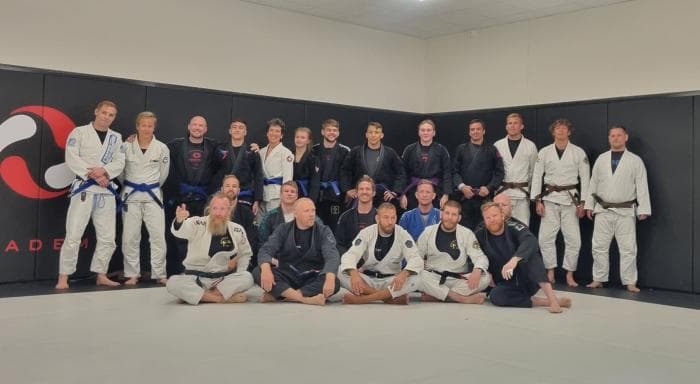
Evaluate small-town BJJ through teaching, partners, scheduling, and realistic travel options rather than fame or the size of the competition team.
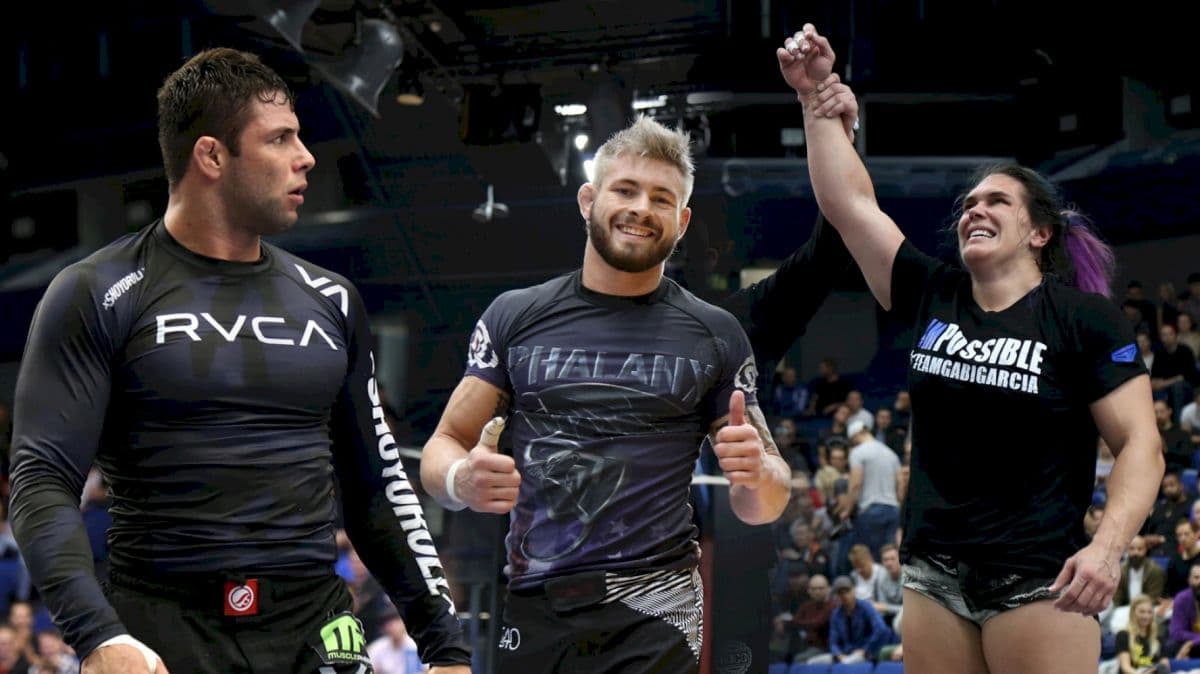
Gabi Garcia’s four ADCC titles deserve a closer look: the years, opponents, and competition details behind a familiar number.

Fit one useful BJJ session around a work trip with realistic travel time, clear visitor arrangements, and a plan for equipment after class.
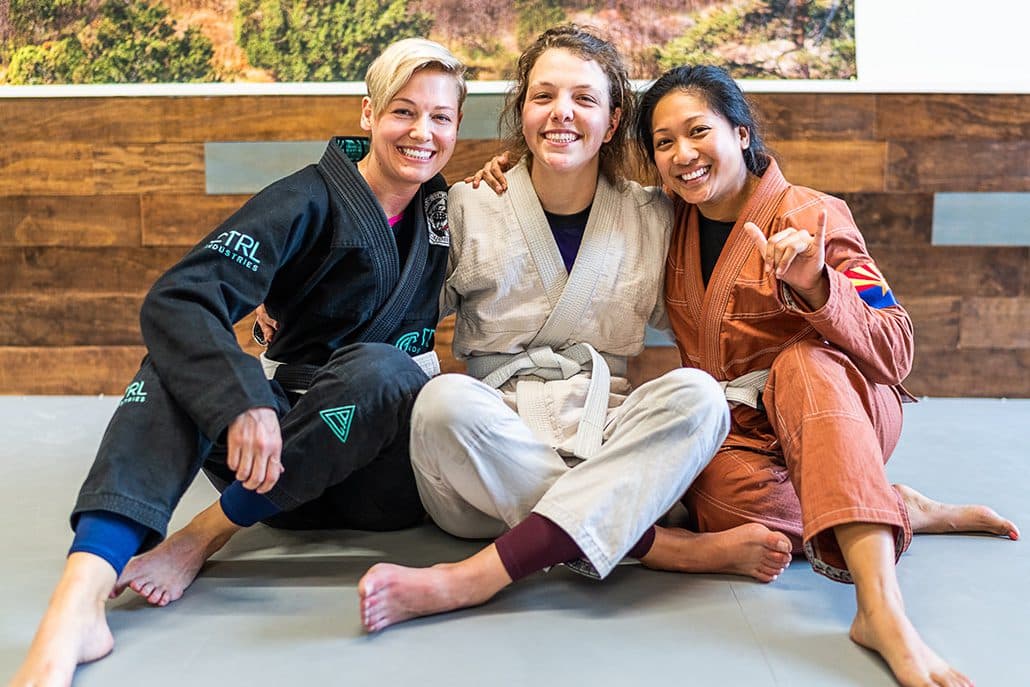
Take BJJ seriously without a tournament calendar: set useful goals, get honest feedback, and find a program that fits your reasons for training.
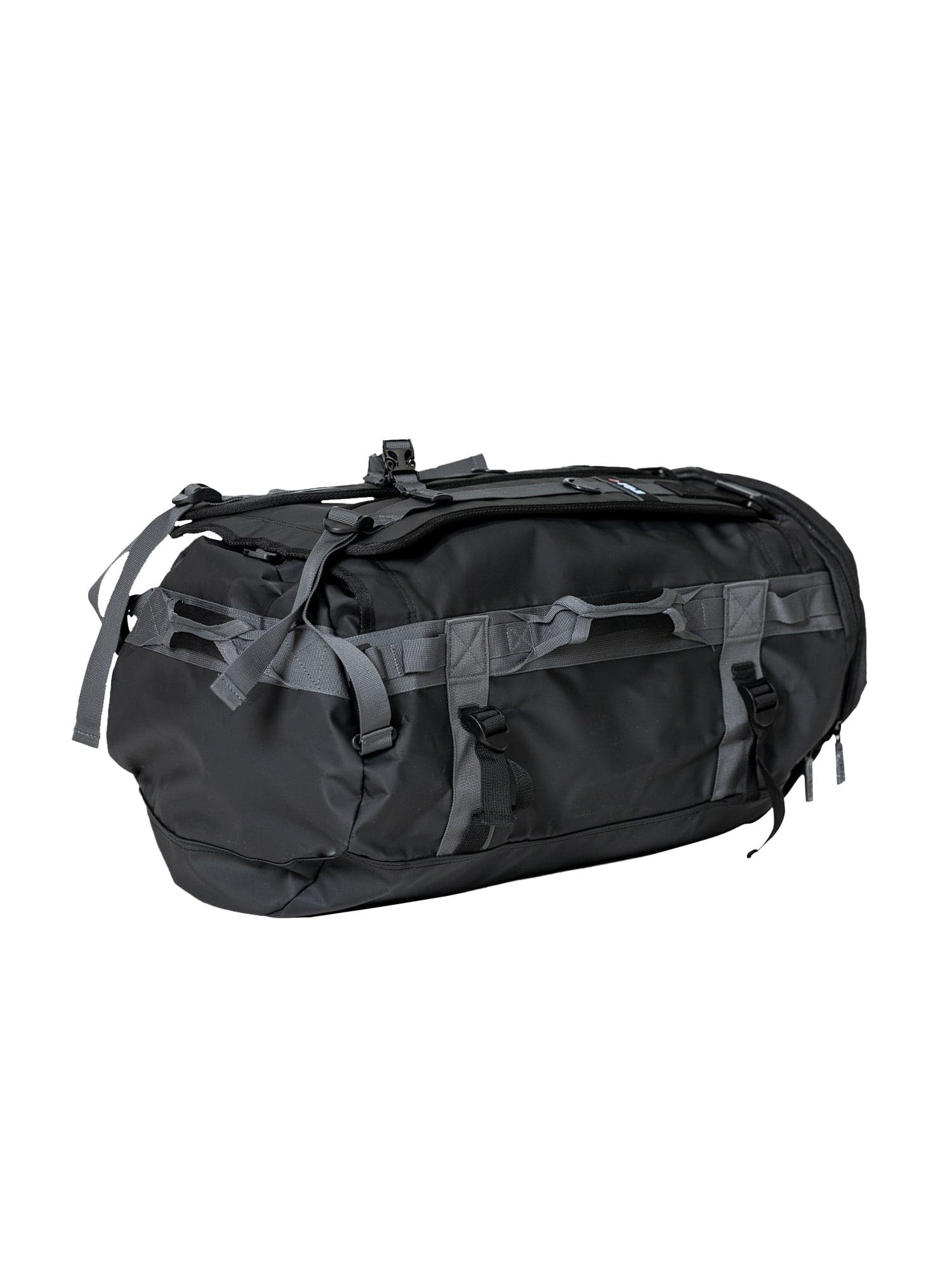
Pack a BJJ gi for a real travel plan: confirm the class, check baggage limits, bring the full outfit, and plan for used kit after training.
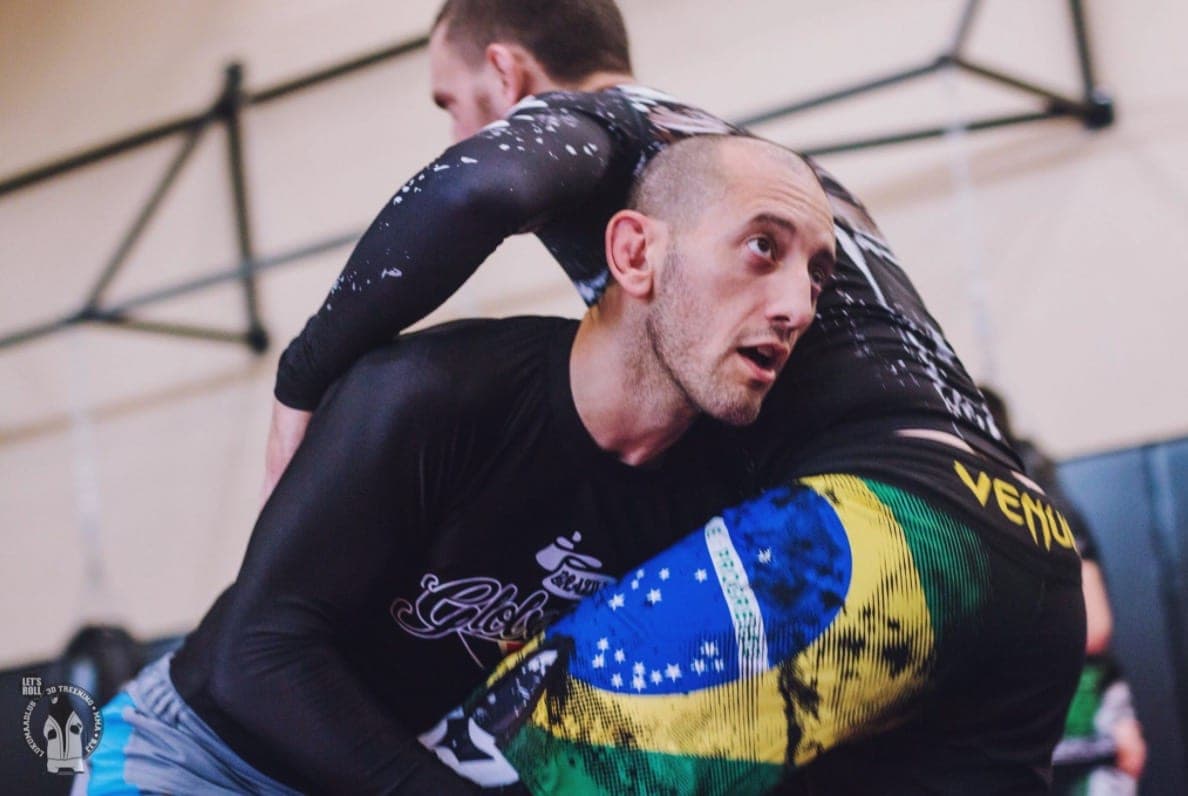
BJJ is often called physical chess. The comparison helps with planning—and gets less reliable once both people start moving at once.
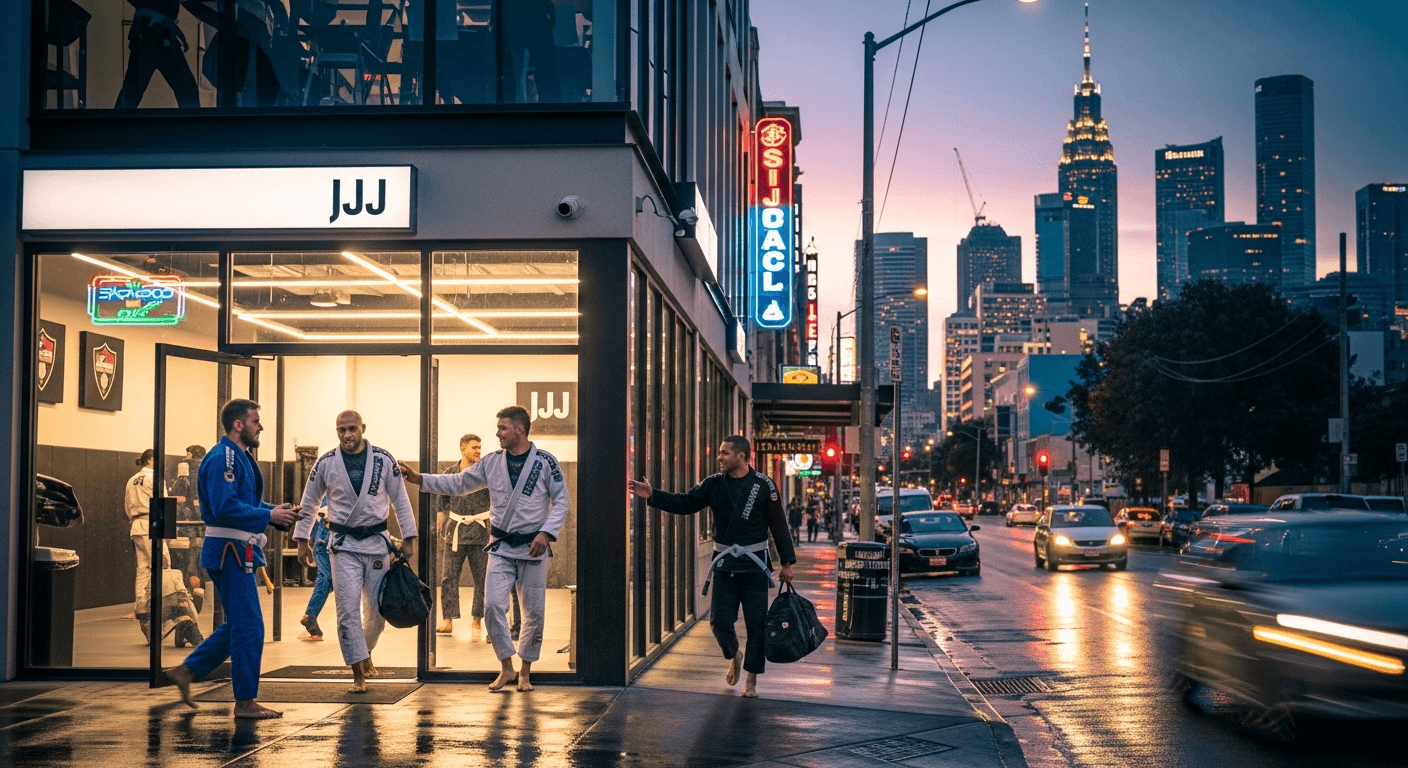
Some cities just have better BJJ. Higher gym density, more open mats, deeper talent pools, and a culture that treats grappling as a way of life. These are the best U.S. cities for training.
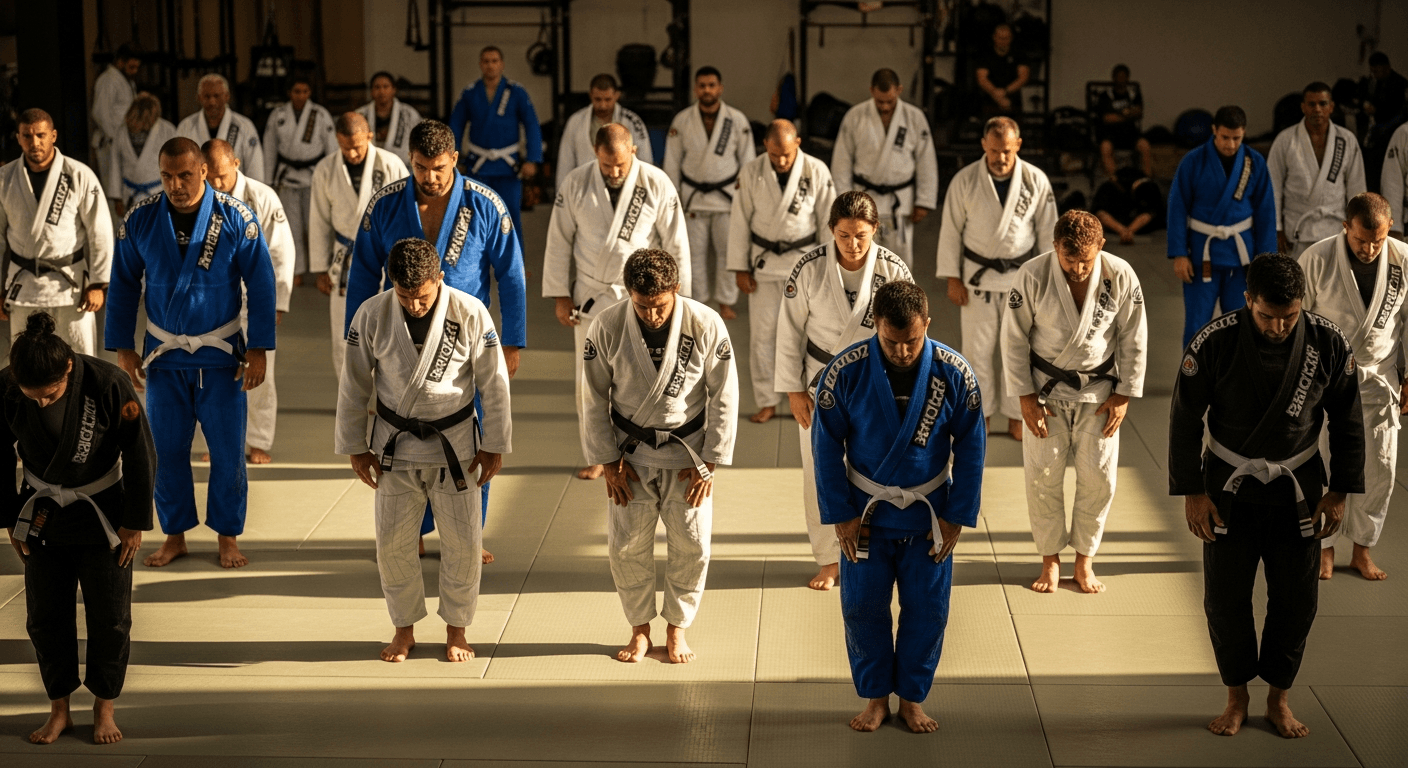
Beyond technique and competition, BJJ carries a rich culture shaped by Brazilian heritage, martial arts philosophy, and the unique bonds formed through shared struggle on the mats.
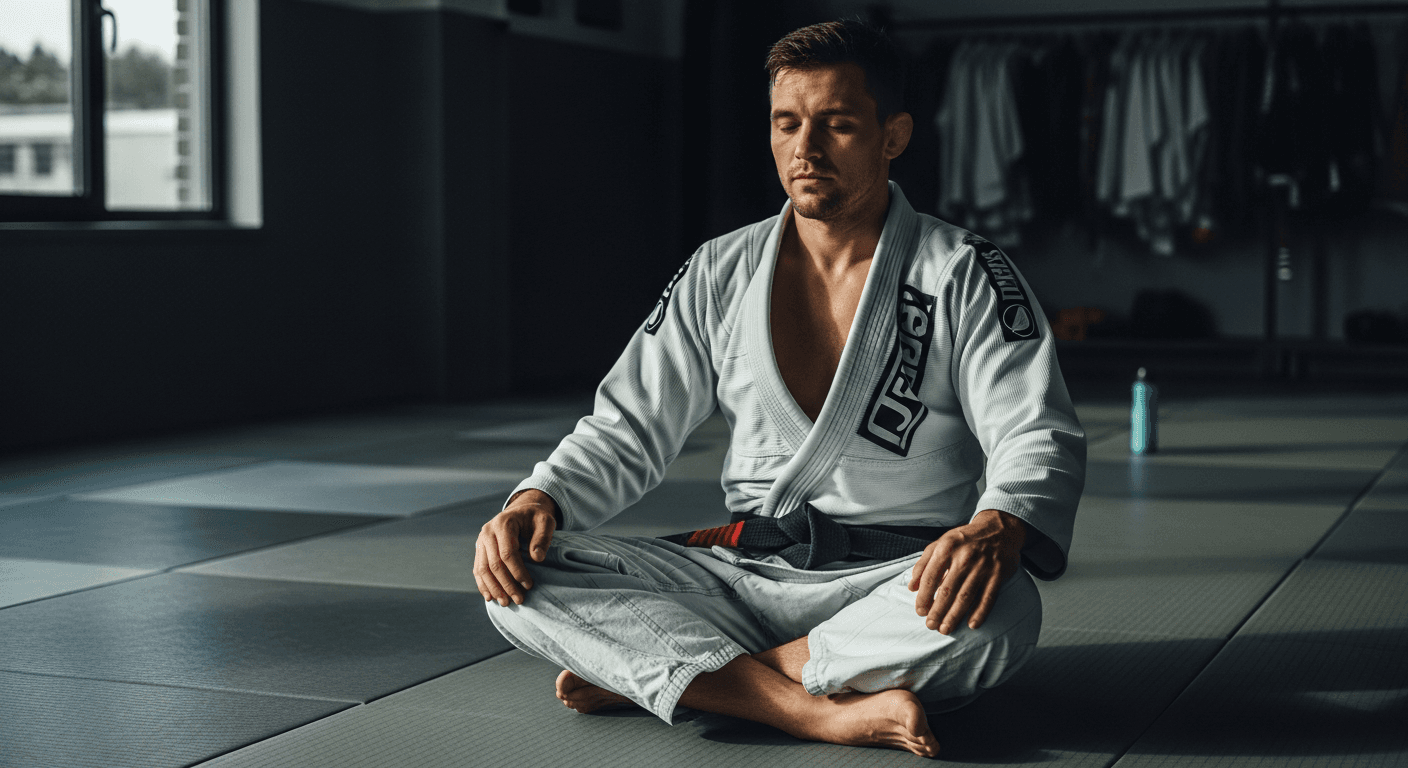
BJJ is more than a martial art — it's a full-body workout, a stress reliever, and a mental health practice wrapped in a community. Here's what the research and real-world experience reveal.
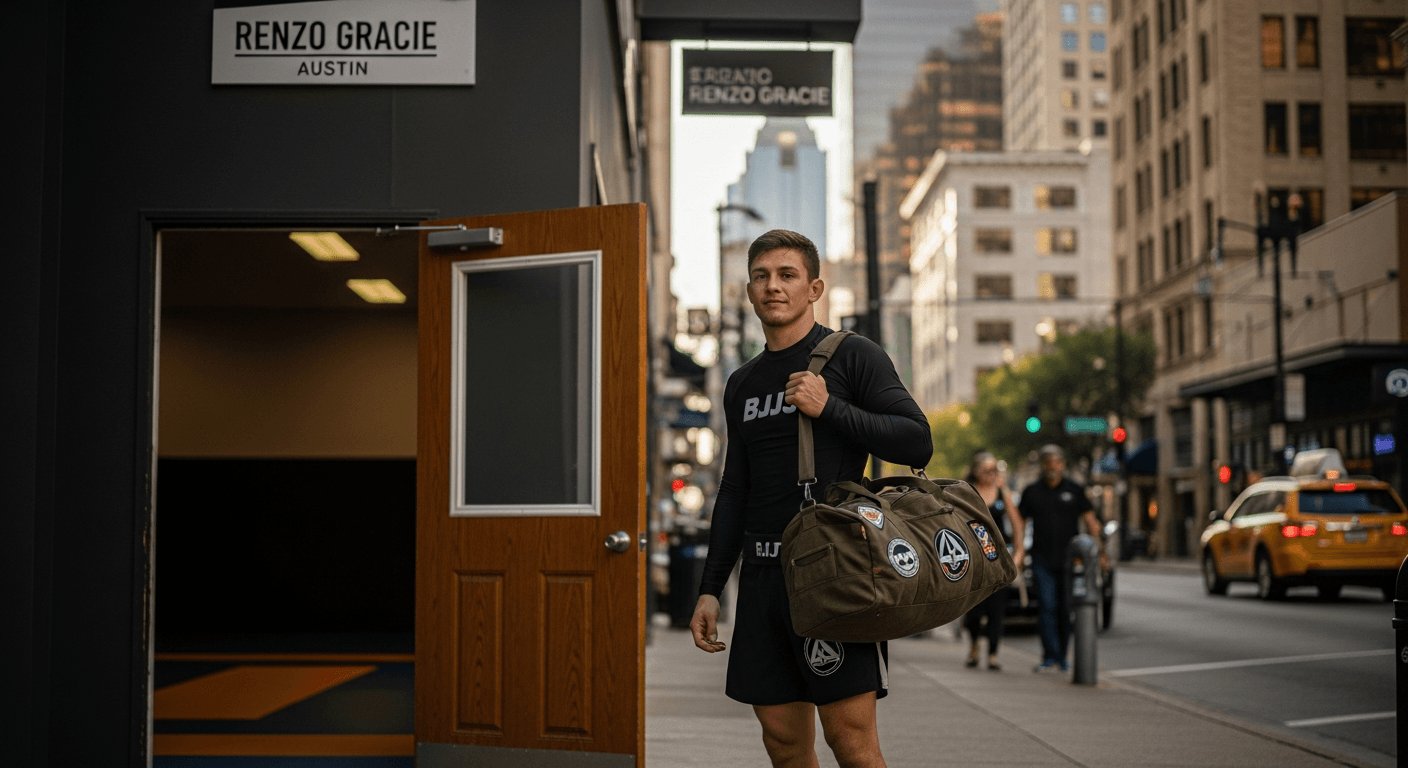
Loyalty to your home gym is admirable. But training exclusively in one place limits your development. Here's why visiting different academies is one of the best things you can do for your BJJ game.