Technique
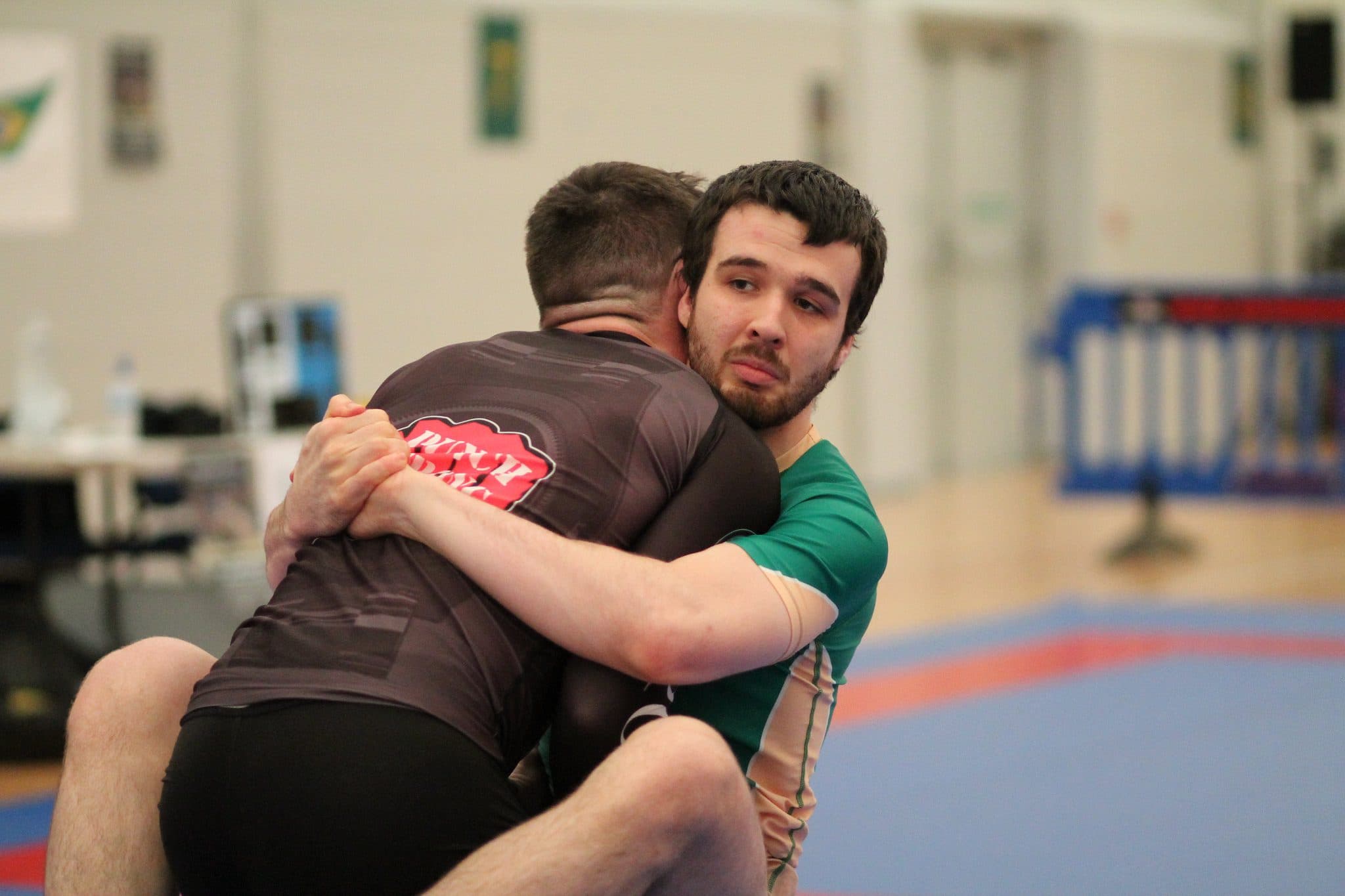
Is wrestling taking over BJJ, or giving it more options?
Takedowns are only part of the discussion. Wrestling also changes the choices available when a BJJ athlete gets to a knee, stands, or defends top position.
Nina Okada8 min read

Training, technique, and the culture of Brazilian Jiu-Jitsu
Showing 49–62 of 62 articles
Takedowns are only part of the discussion. Wrestling also changes the choices available when a BJJ athlete gets to a knee, stands, or defends top position.
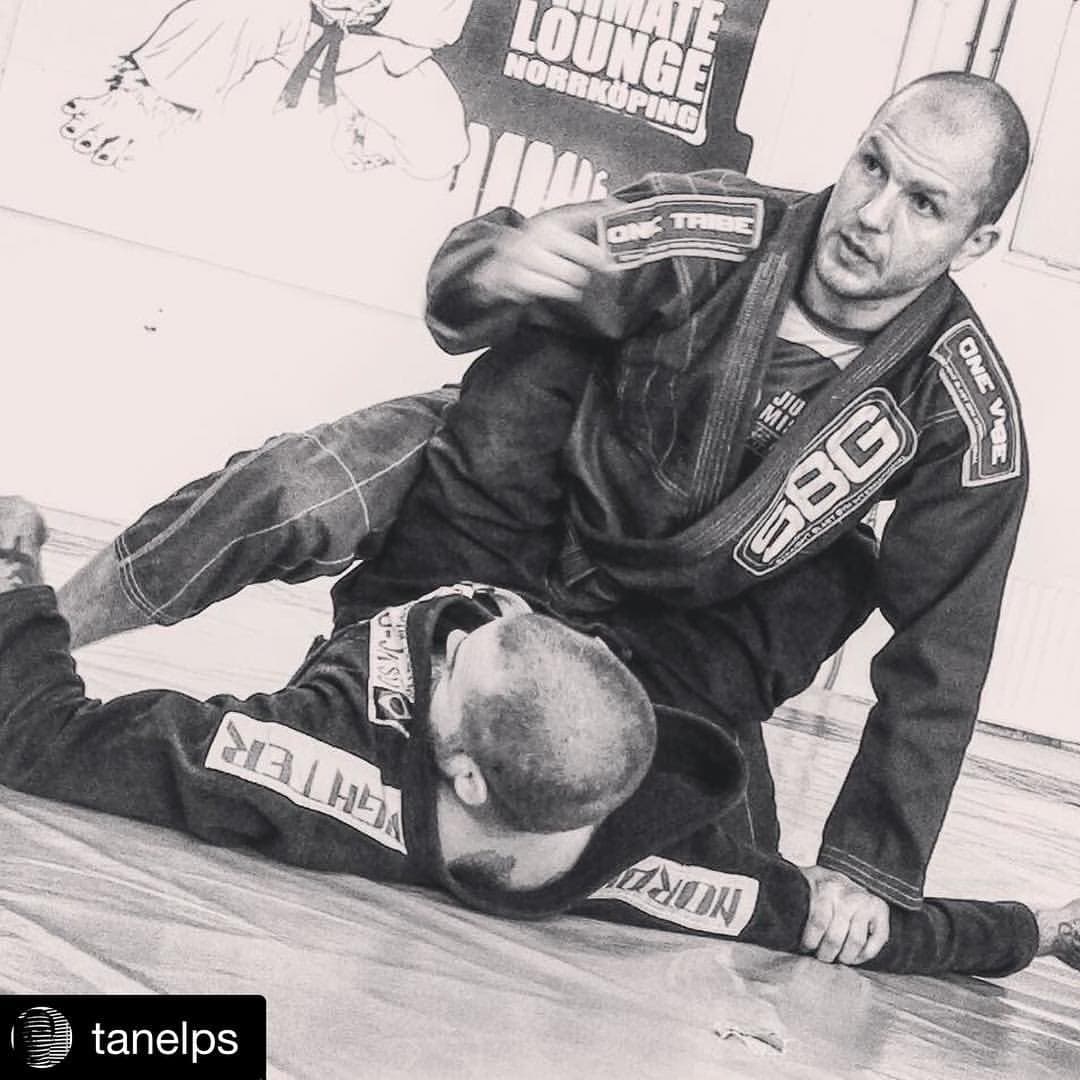
Pressure is about where force goes and what movement it stops. Learn to compare positions without turning practice into a discomfort contest.
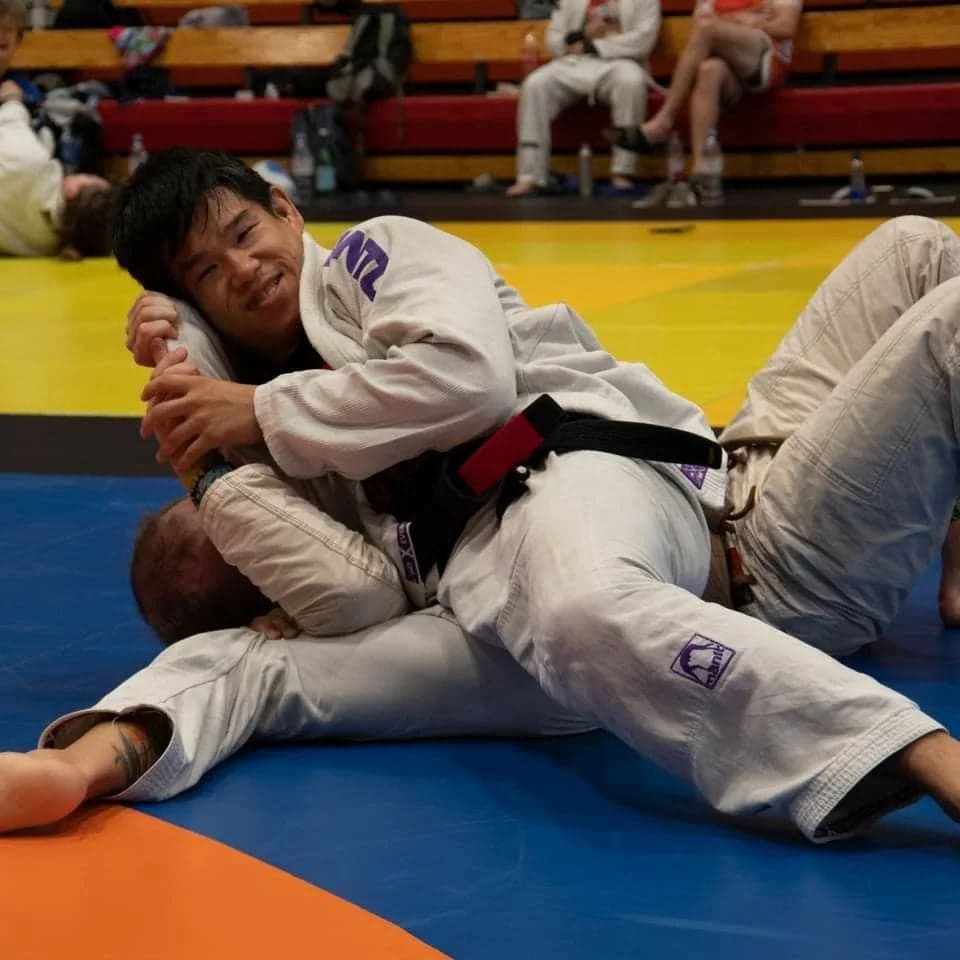
Keep losing position when you attack? Separate the pin, the first transition, and the recovery route in a focused practice block.
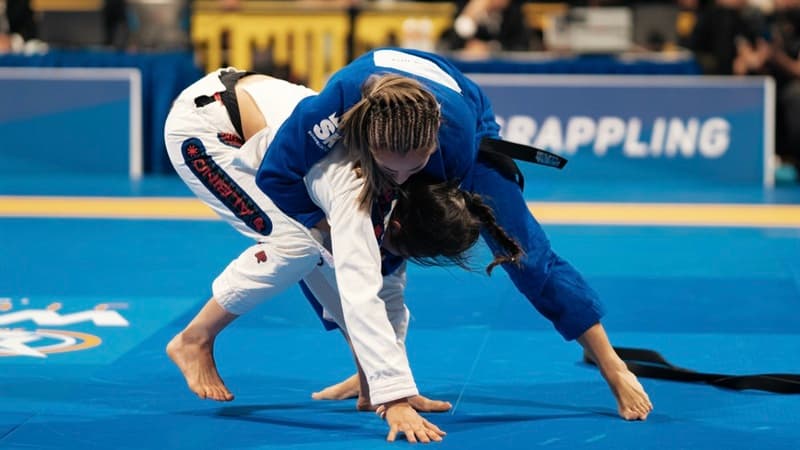
Changing your BJJ lead leg changes the opening exchange. A coach-led approach to comparing stance, movement, distance, and initial grips.
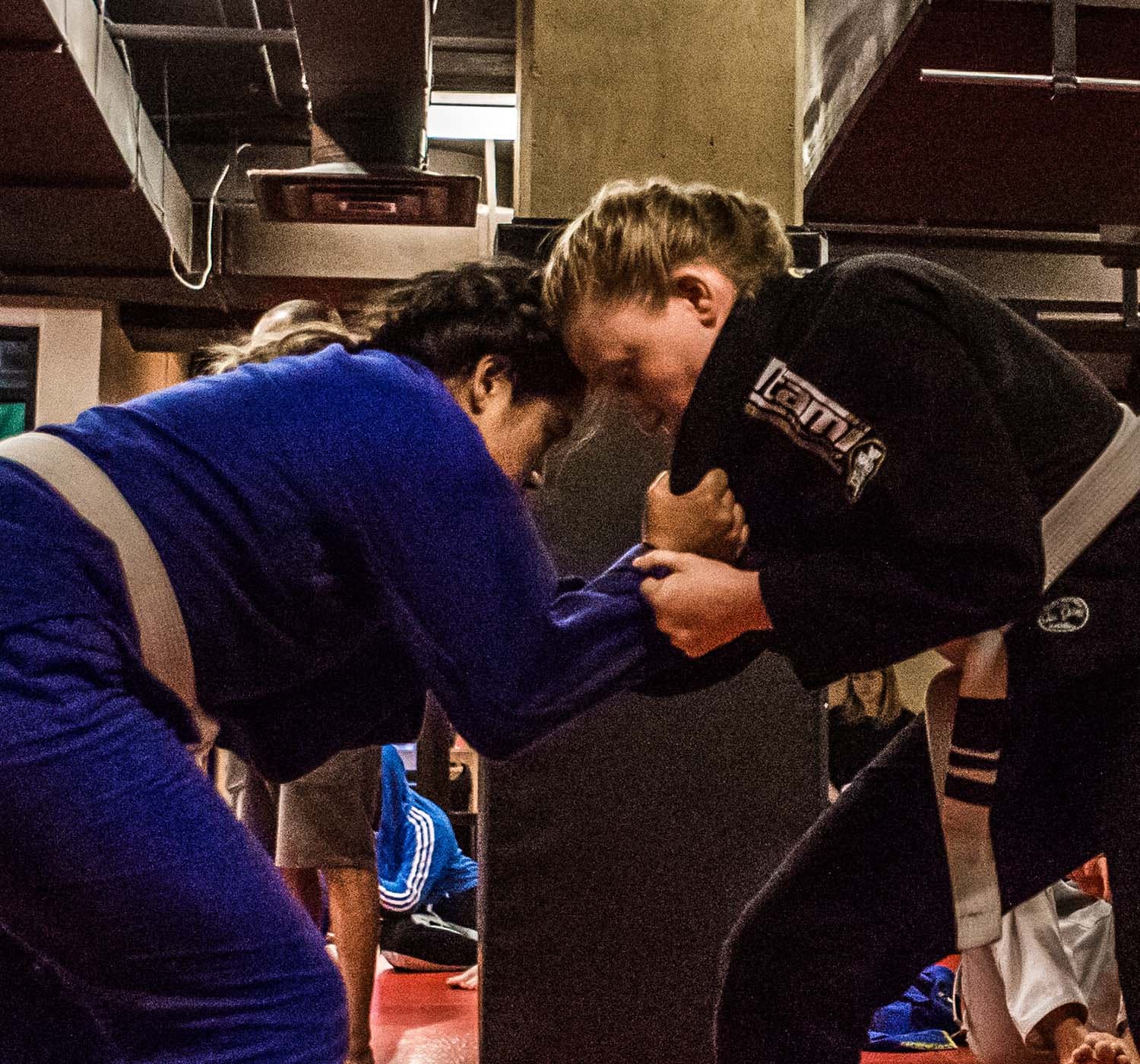
Inside position only helps when it has a job. Connect BJJ hand fighting to stance, angle, and a clear next decision.
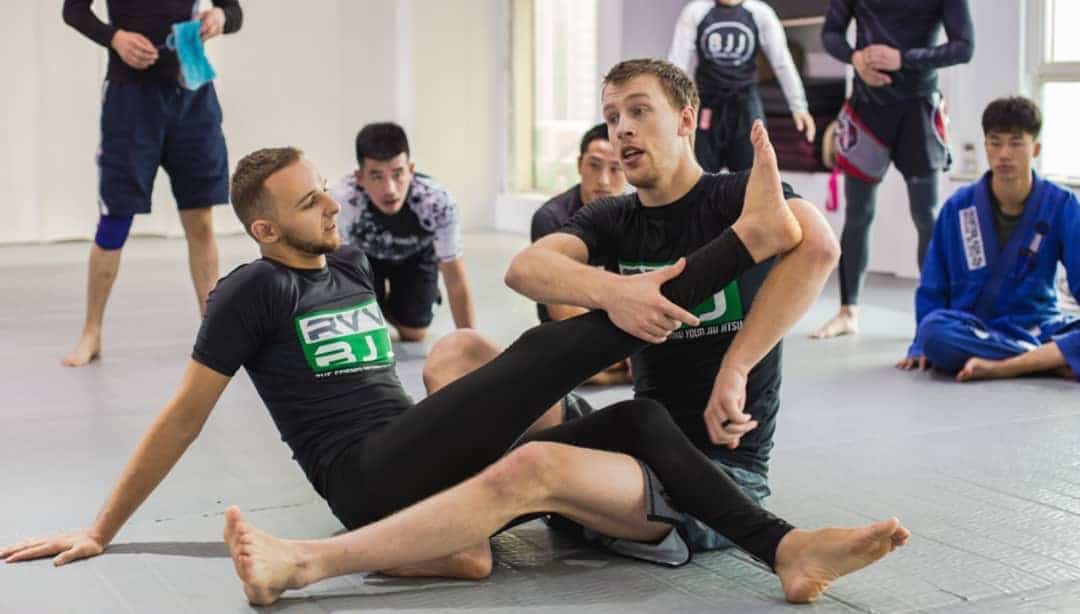
Separate early guard retention from late recovery so your BJJ drills address the point where the pass actually began to work.
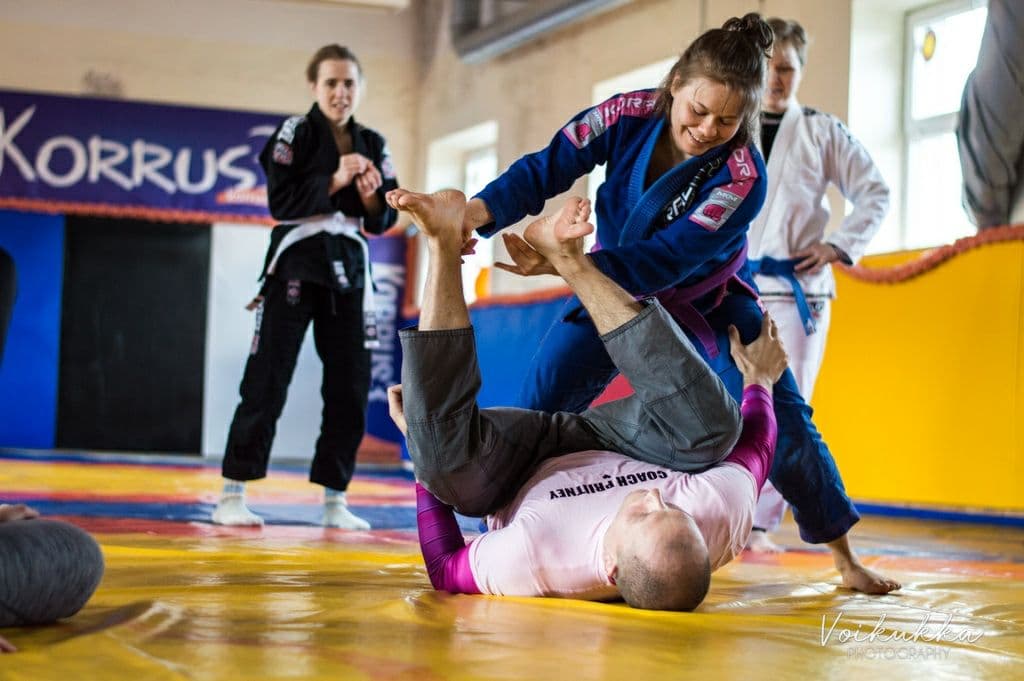
Make BJJ leg pummeling useful by identifying the obstruction, choosing a clear endpoint, and connecting the movement to your guard.
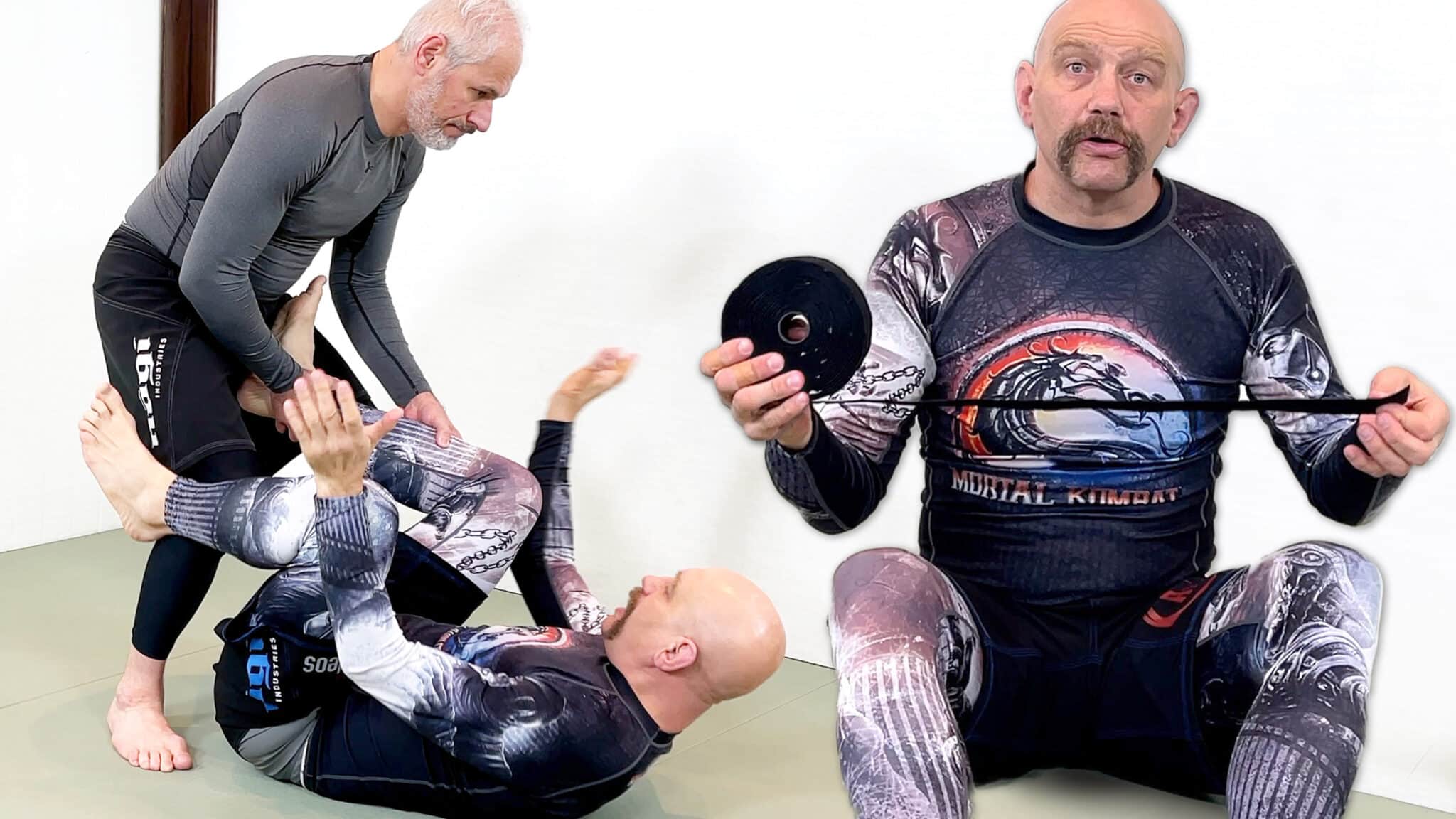
Understand the space elbow-knee connection protects in BJJ, how to practice it, and when a passing problem requires a different response.
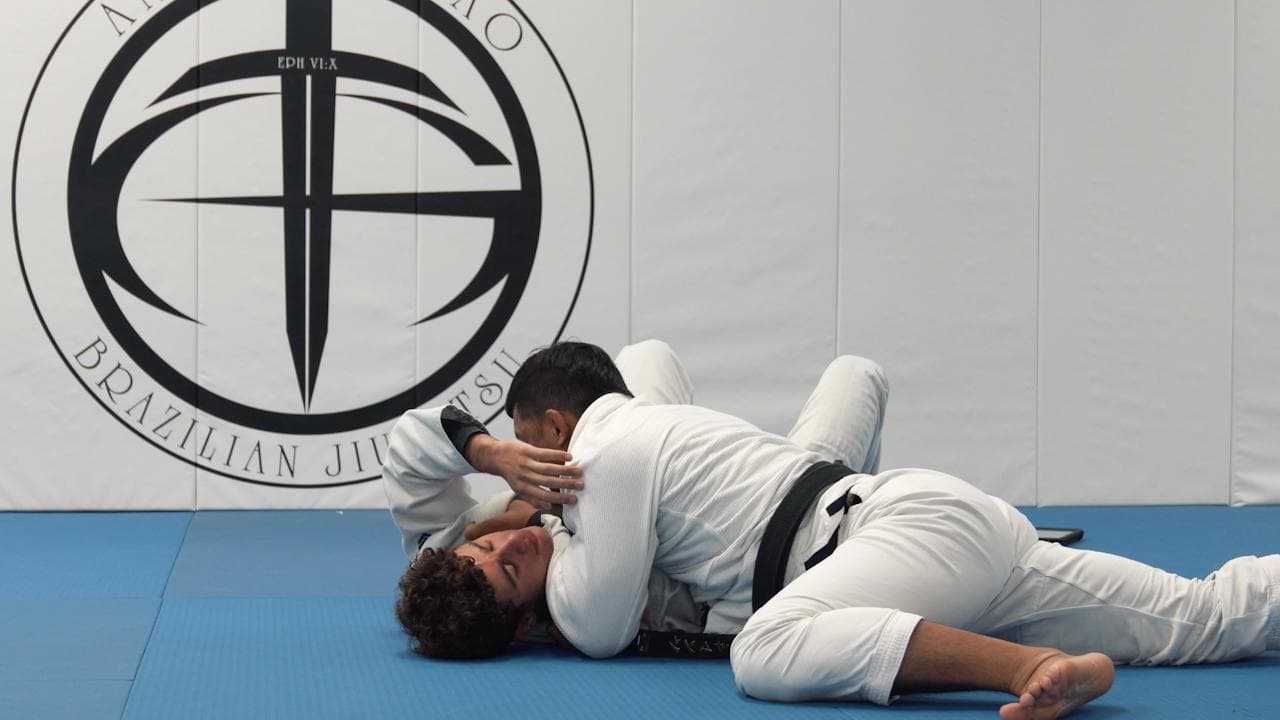
Keep control through a side-control switch by studying the starting hold, the space in between, and the position you arrive in.
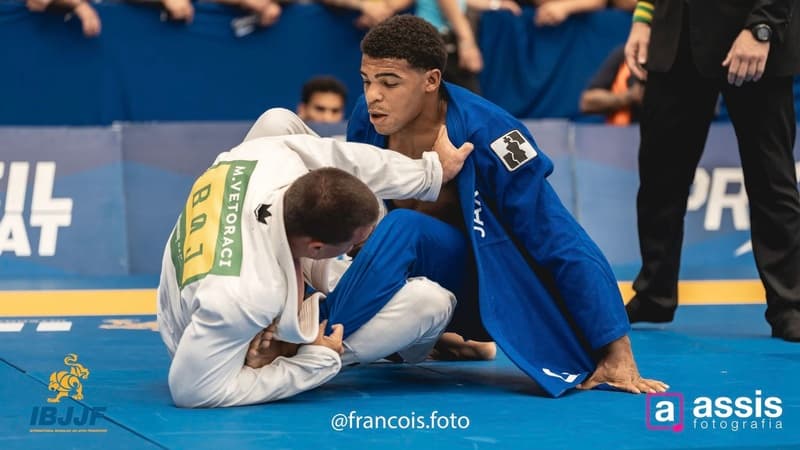
Make the toreando more than a race around the feet: learn its distance, grips, angle, and controlled finish against guard recovery.
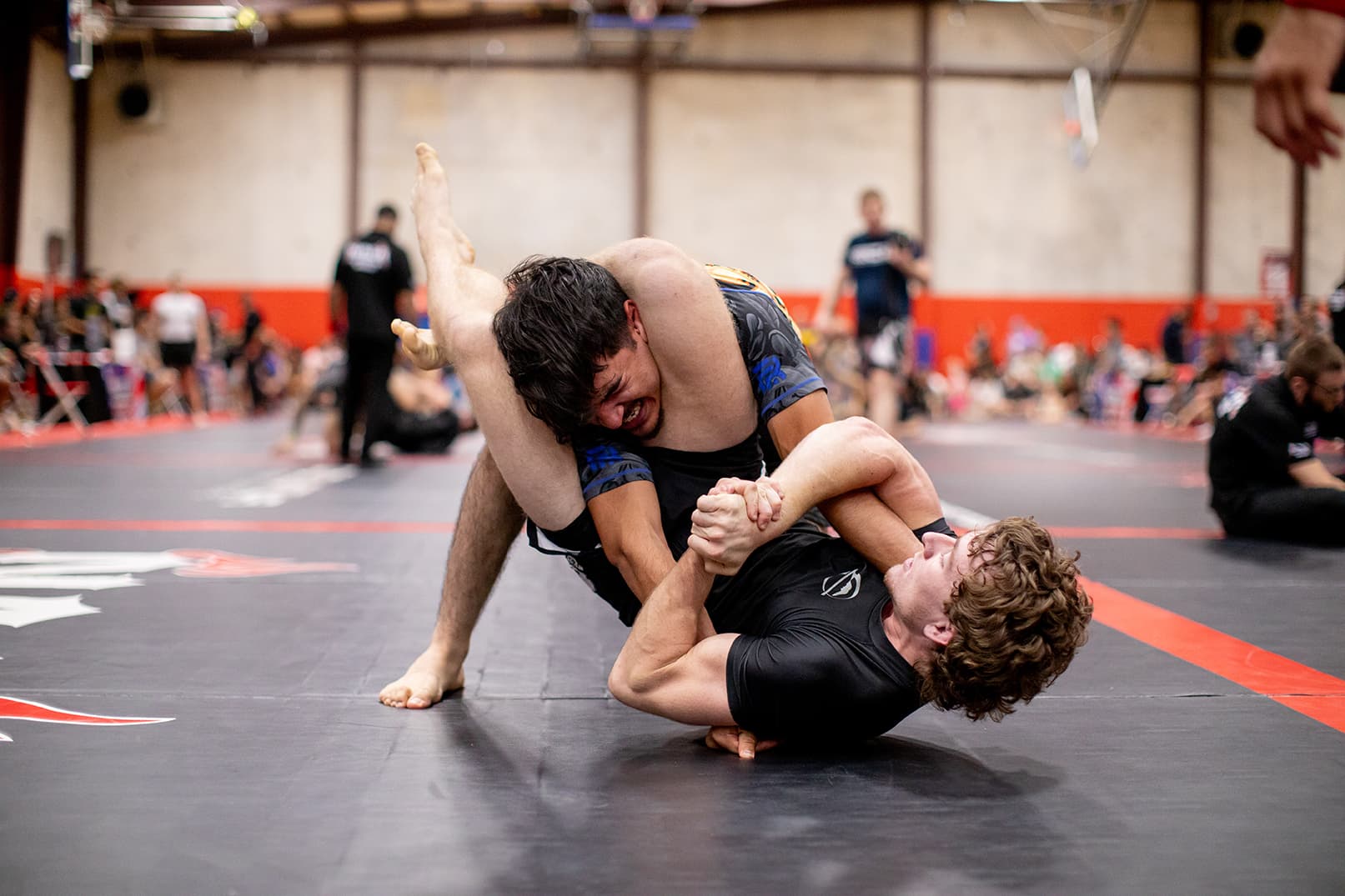
Some techniques define the art. From the triangle choke to the berimbolo, these are the most iconic BJJ techniques — their origins, mechanics, and why they've shaped how the world grapples.
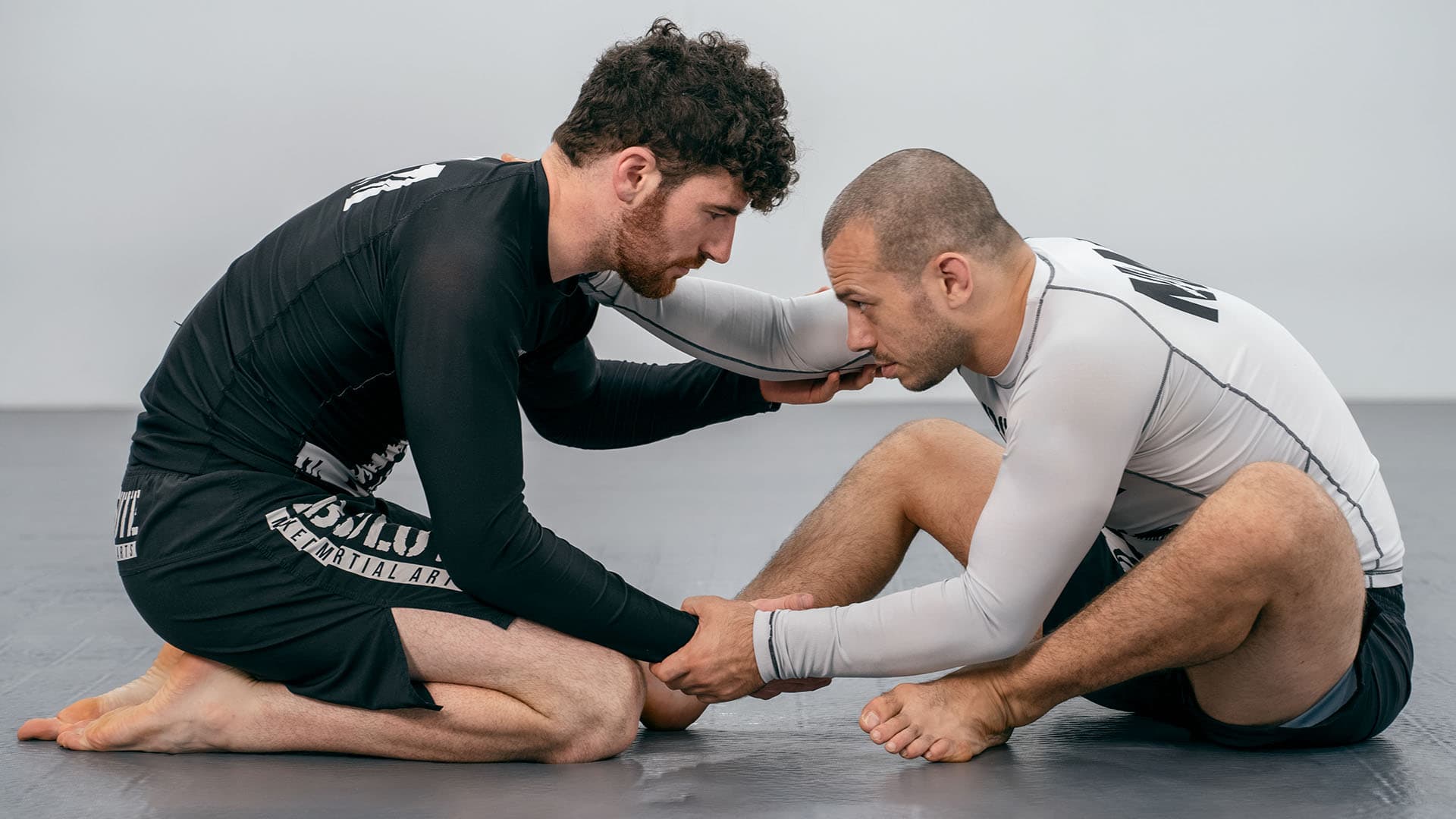
Seated or supine guard in BJJ depends on distance and connections. Learn what to notice before changing posture and how to practice the transition.
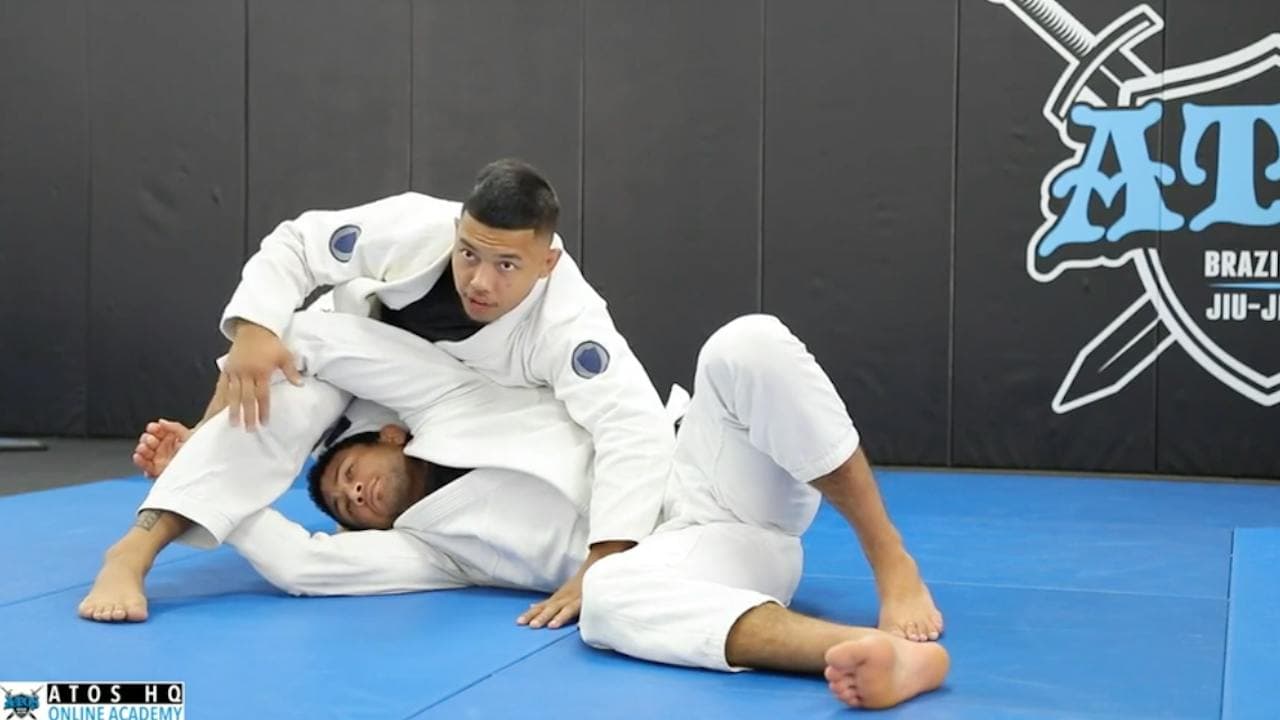
Make knee on belly part of a connected top game: balance, useful contacts, readable reactions, and controlled transitions with your training partner.
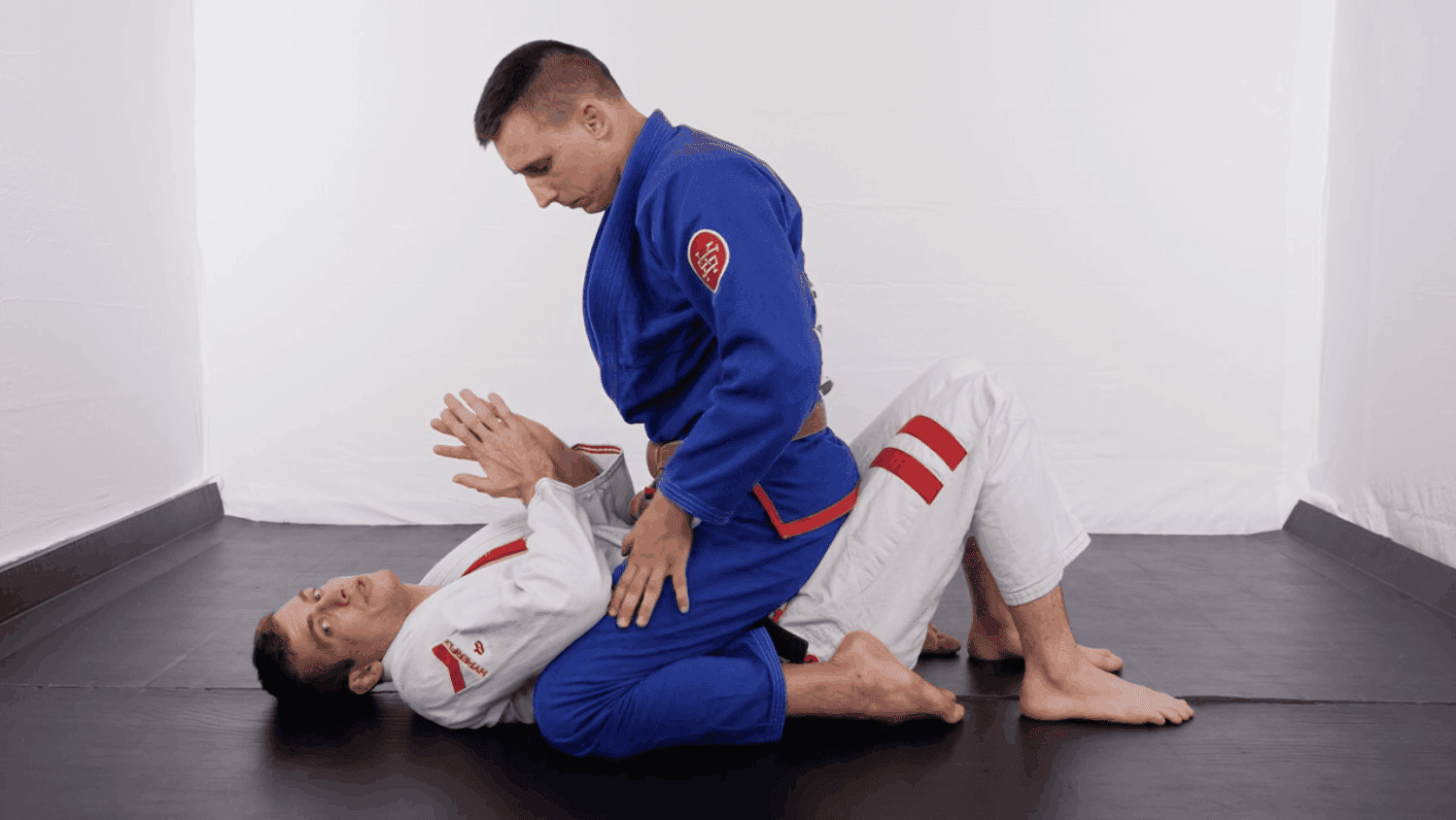
Mastering positions is the foundation of effective BJJ. From closed guard to the back, here are the ten positions that structure every roll — and why understanding them accelerates everything else.