Training
What It Really Takes to Get a BJJ Black Belt
What it takes to get a BJJ black belt — the honest 10-year average, why it's slower than every other martial art, and who actually makes it there.
5 min read

Training, technique, and the culture of Brazilian Jiu-Jitsu
332 articles
What it takes to get a BJJ black belt — the honest 10-year average, why it's slower than every other martial art, and who actually makes it there.

BJJ brown belt explained — why the belt between purple and black is about refinement not accumulation, its "dangerous belt" reputation, and honest timelines.
Competition is one way to organize your training. Choose the commitment you want now, without turning that choice into a permanent identity.
Cardio for BJJ, honestly — why you gas out in year one (it's panic, not fitness), what zone 2 really does, and when intervals are actually worth adding.
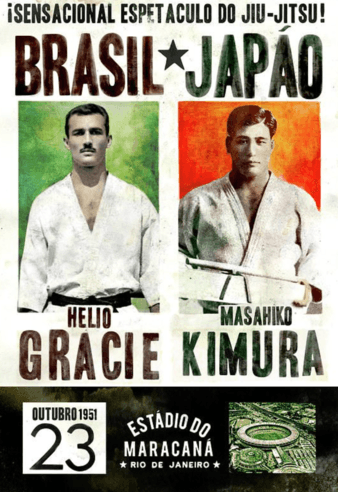
The kimura lock explained — the 1951 Masahiko Kimura vs Helio Gracie story, its double wristlock roots, and why it's a control system, not just a tap.
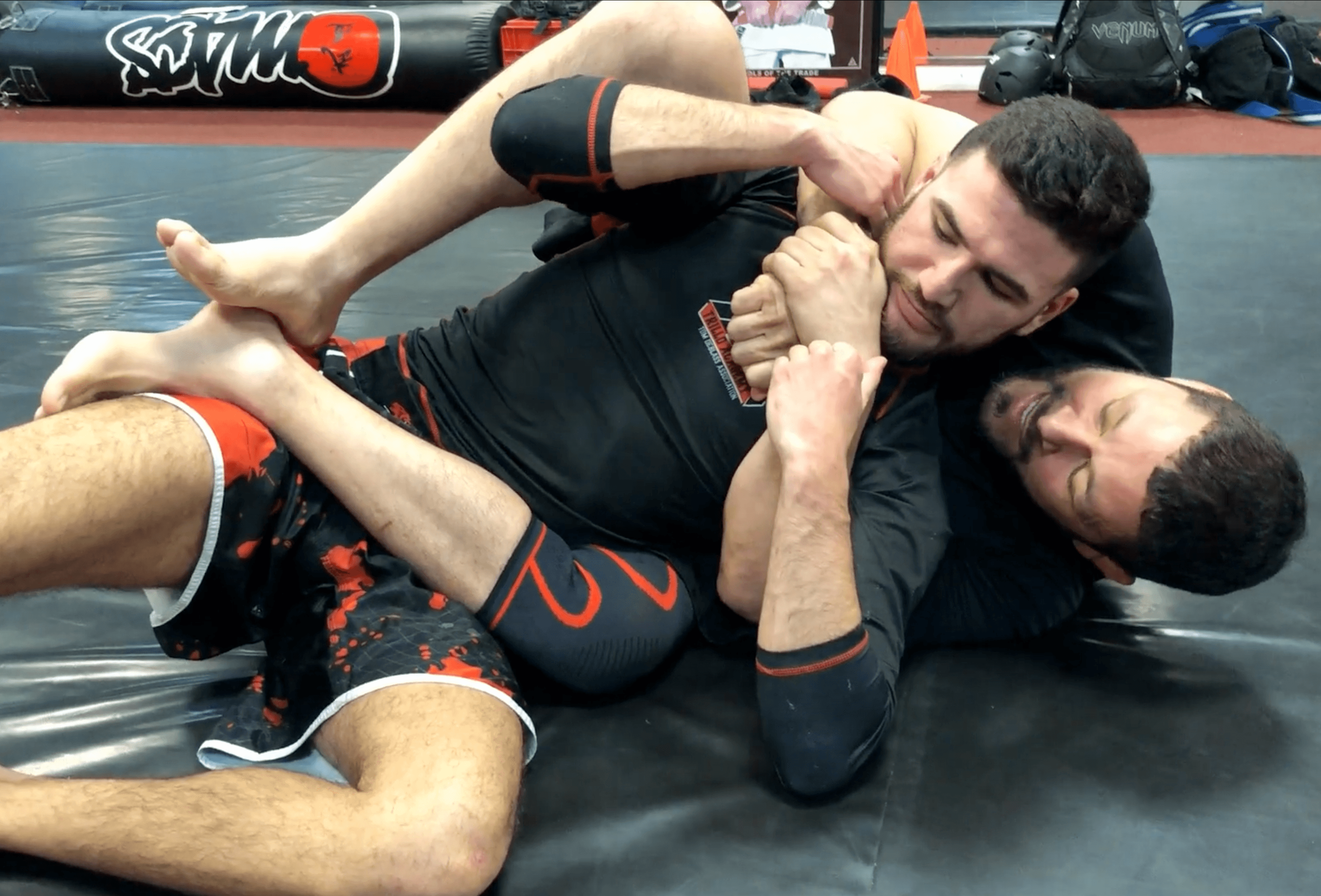
Back control is BJJ's king position — how to take the back, keep it with seatbelt and hooks, and escape it safely by winning the hand fight first.

Keep the question you want to ask next class. A practical way to record BJJ training without turning your notebook into another job.

Overtraining in BJJ shows up as bad sleep, nagging injuries, and plateaus. How many rest days you actually need, and why sleep beats every recovery gadget.
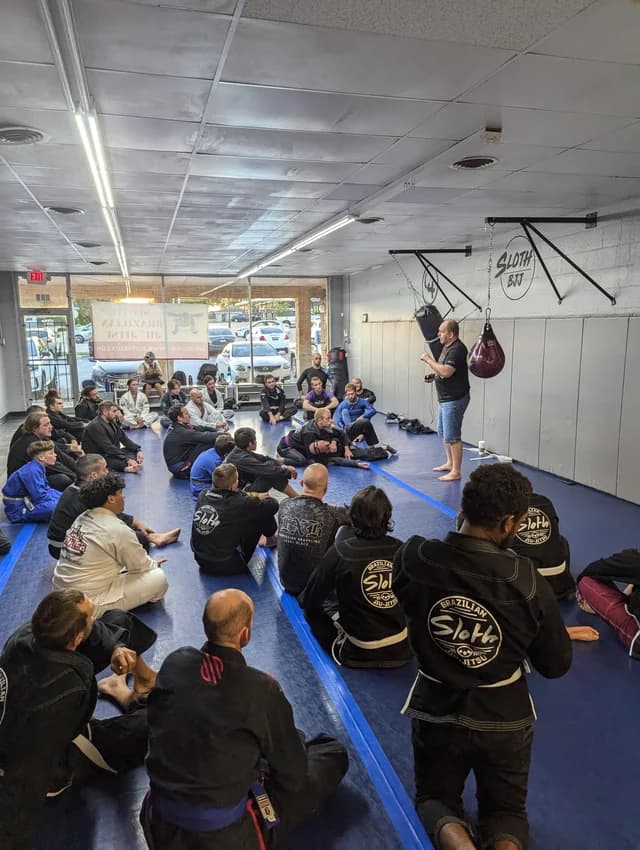
How to train BJJ while traveling — finding a gym in a new city, drop-in etiquette, mat fees, what to pack, and why open mats are a traveler's best friend.

IBJJF rules in plain English — how points and advantages work, which techniques are legal at your belt, and the DQs that surprise first-time competitors.
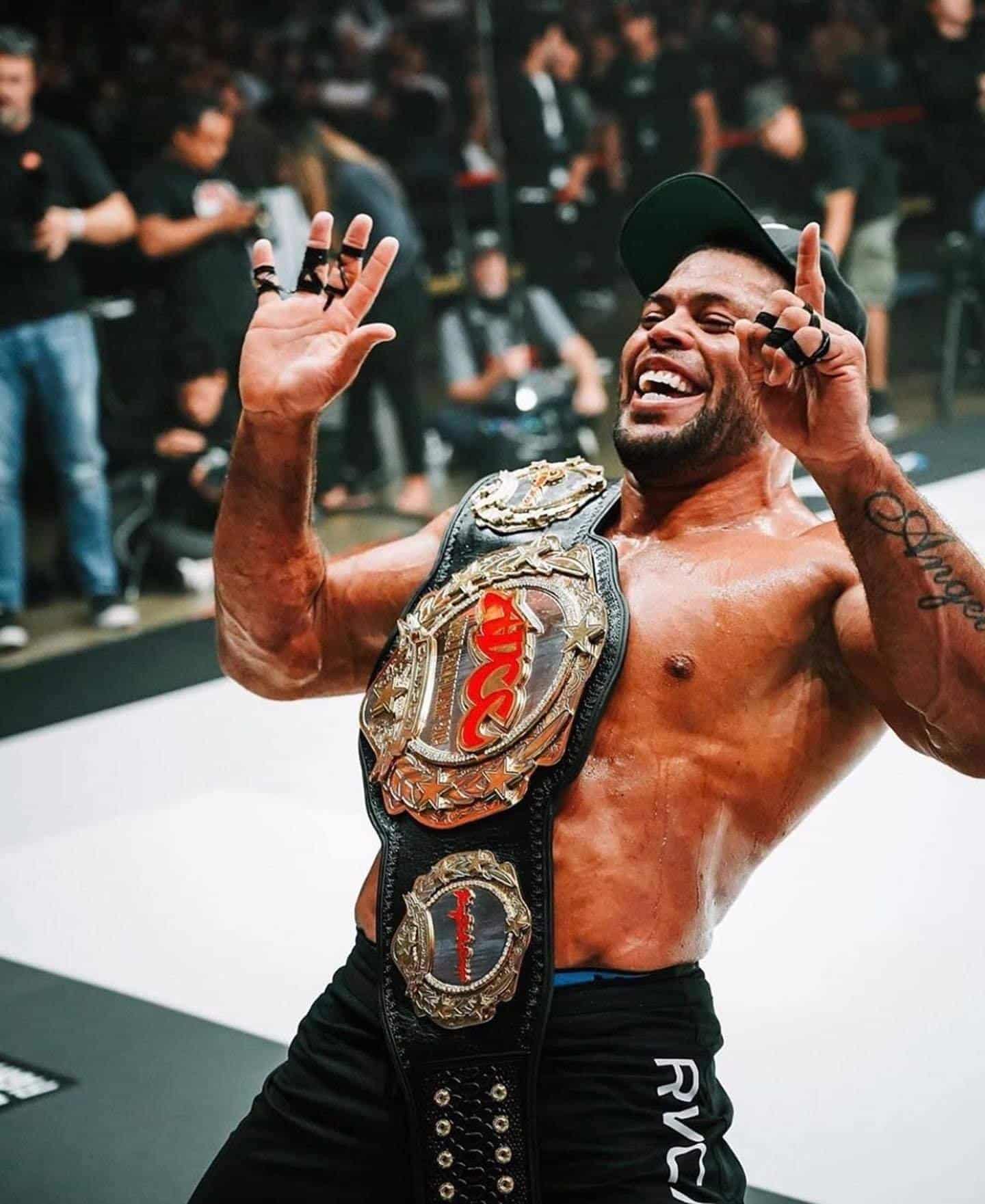
ADCC is the world championship of no-gi grappling, held every two years. Its history, unusual ruleset, and why winning it matters more than money.
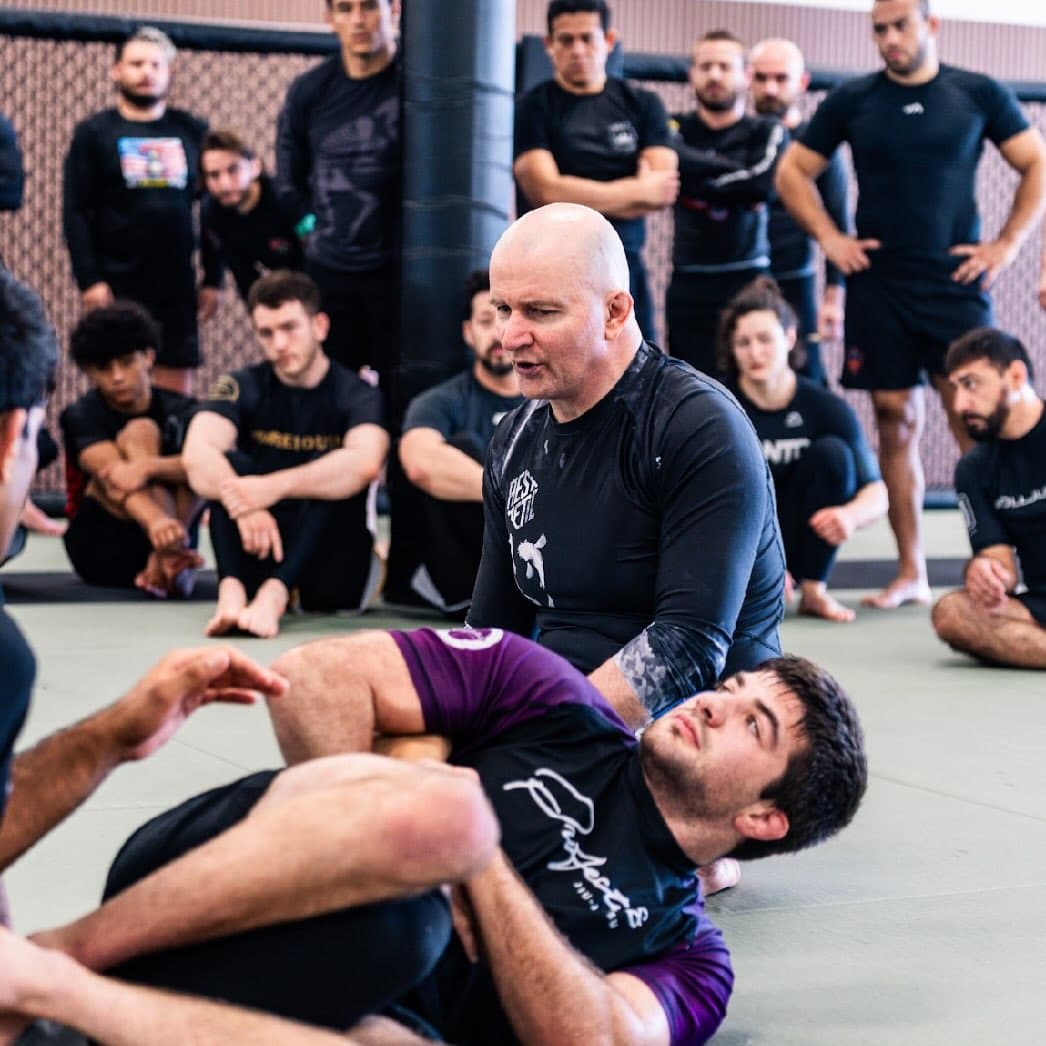
John Danaher went from philosophy PhD student to the most influential coach in grappling. How his systems, leg locks, and squad changed BJJ.
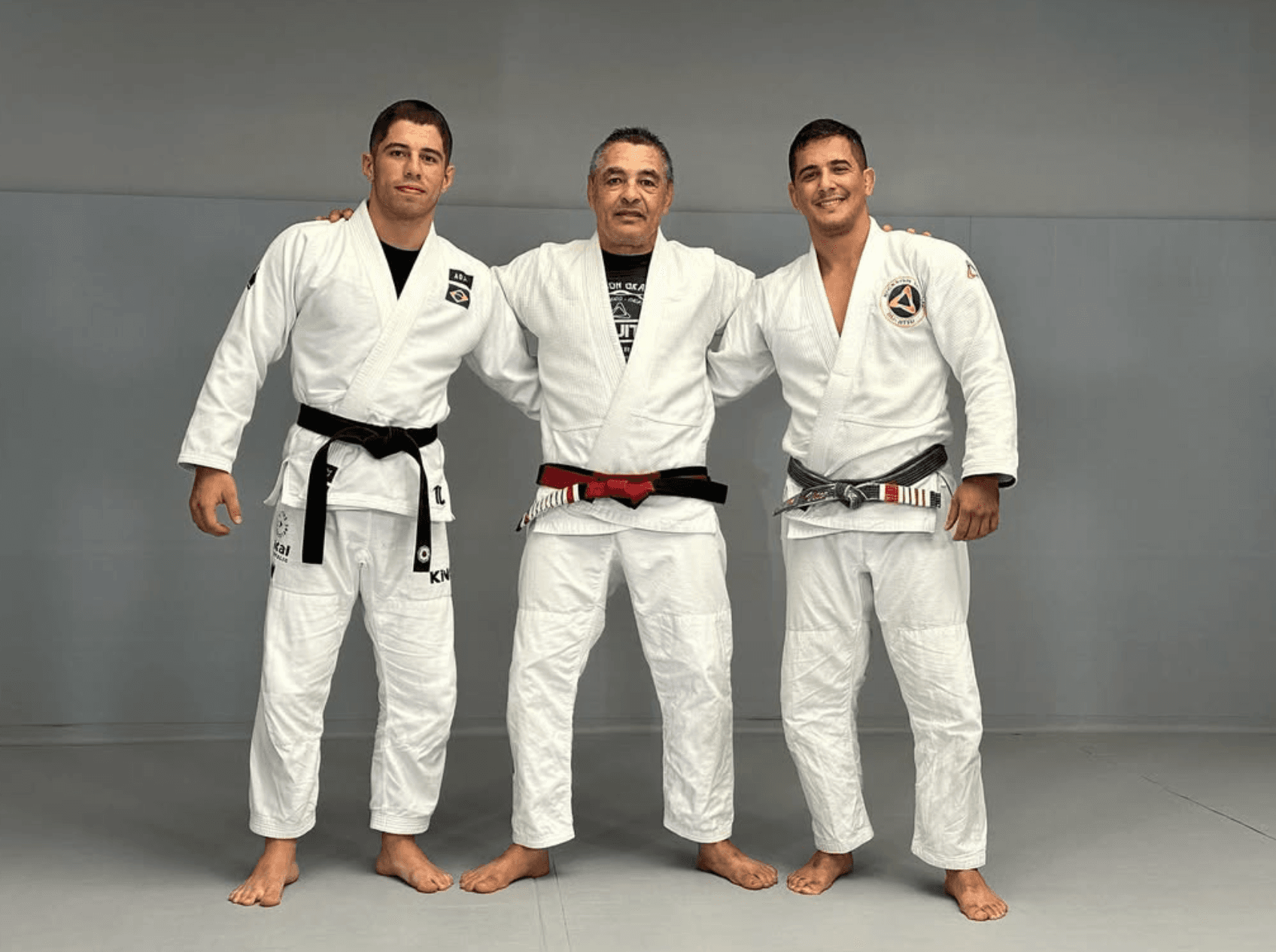
Rickson Gracie is the Gracie family's most mythologized fighter — invisible jiu-jitsu, Japan vale tudo, and why his ideas still shape how BJJ is taught.
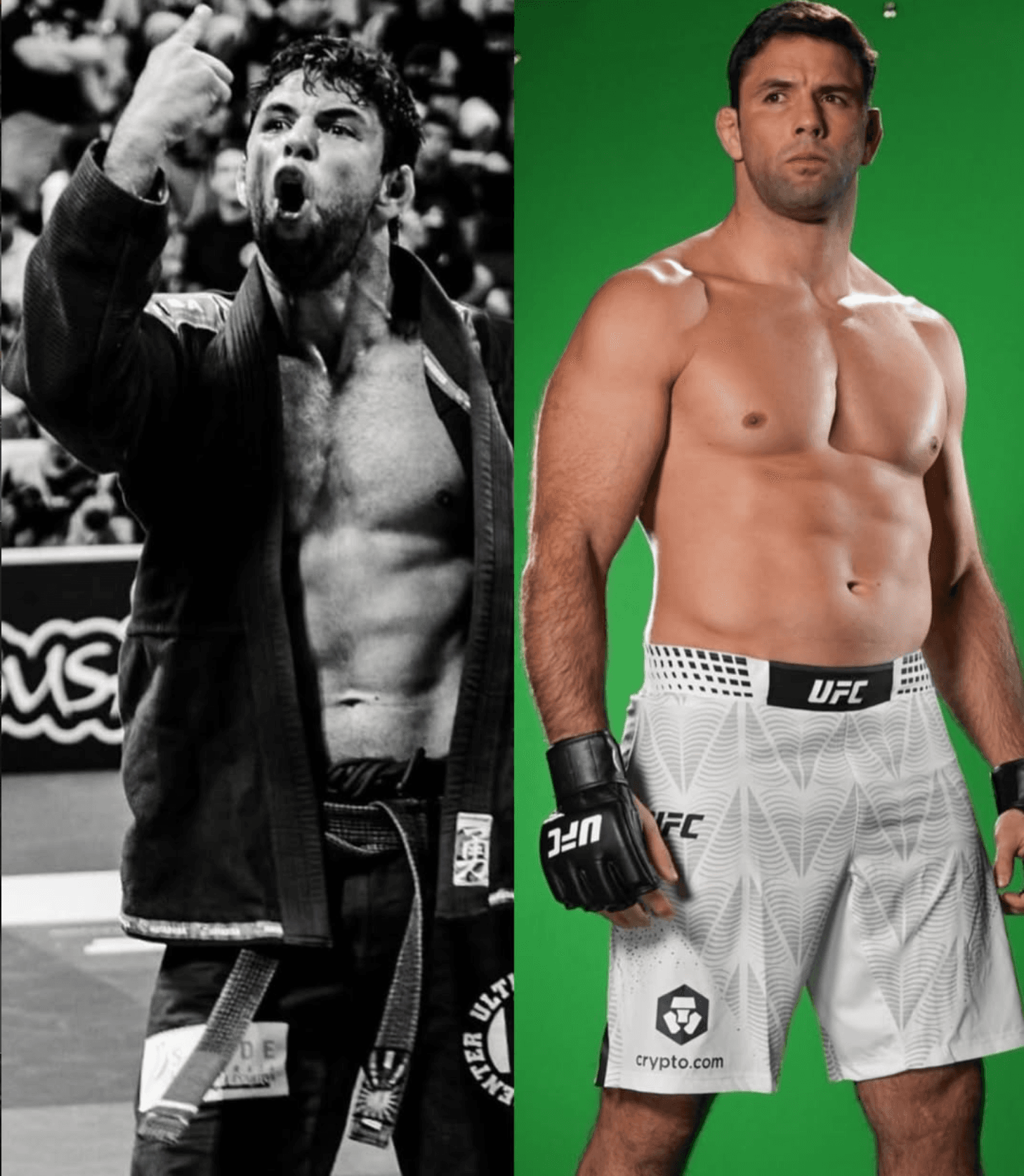
Marcus 'Buchecha' Almeida won more IBJJF world titles than anyone before him — here's how a kid from São Paulo became the greatest heavyweight ever.
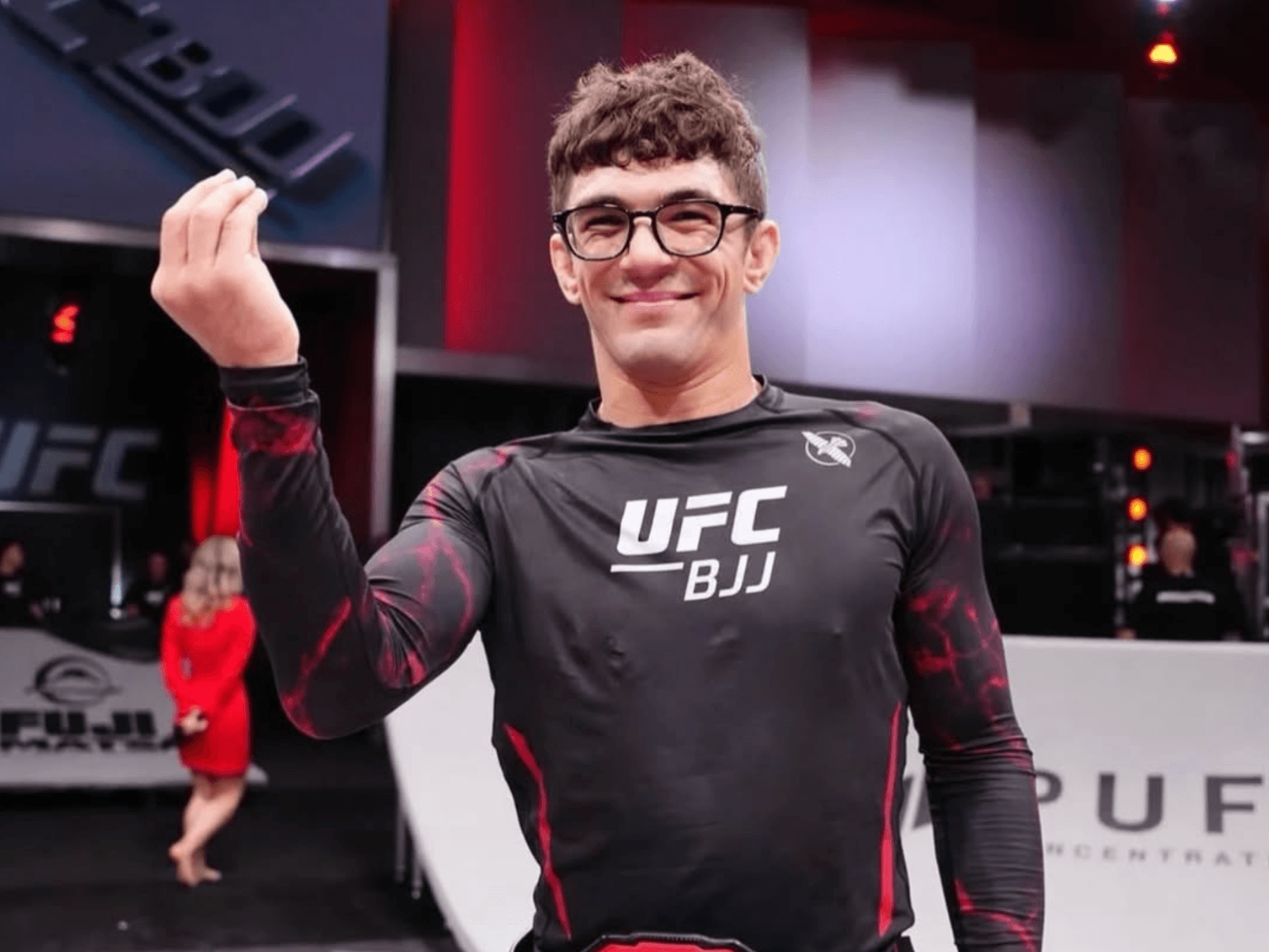
Mikey Musumeci — first American-born male IBJJF black belt world champion, the famous pizza diet, the footlock game, and his rise to no-gi stardom.
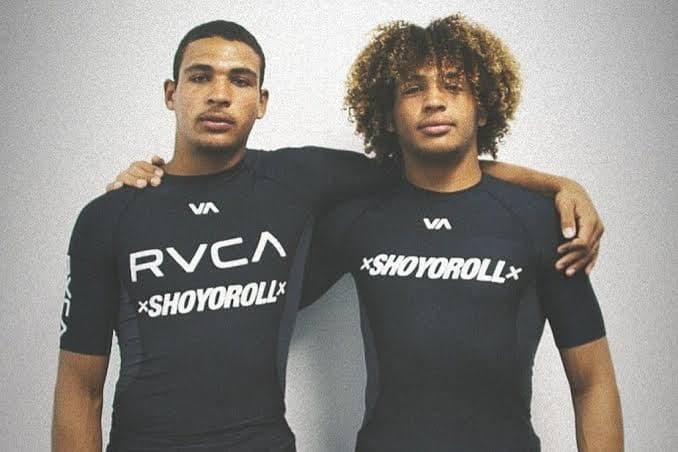
A factual profile of the Ruotolo brothers, Kade and Tye: twin American grapplers and ADCC, ONE Championship, and Craig Jones Invitational champions redefining modern jiu-jitsu.
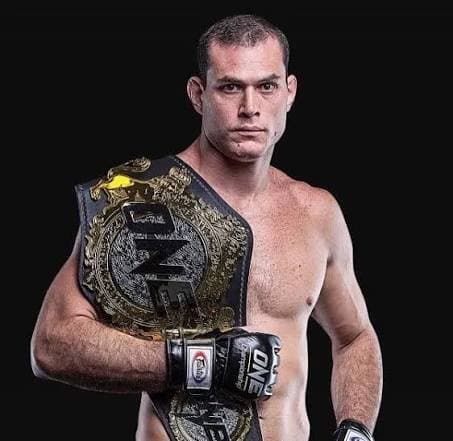
A factual profile of Roger Gracie, the 10-time IBJJF World Champion widely regarded as the greatest gi competitor in BJJ history: his record, ADCC titles, lineage, and MMA career.
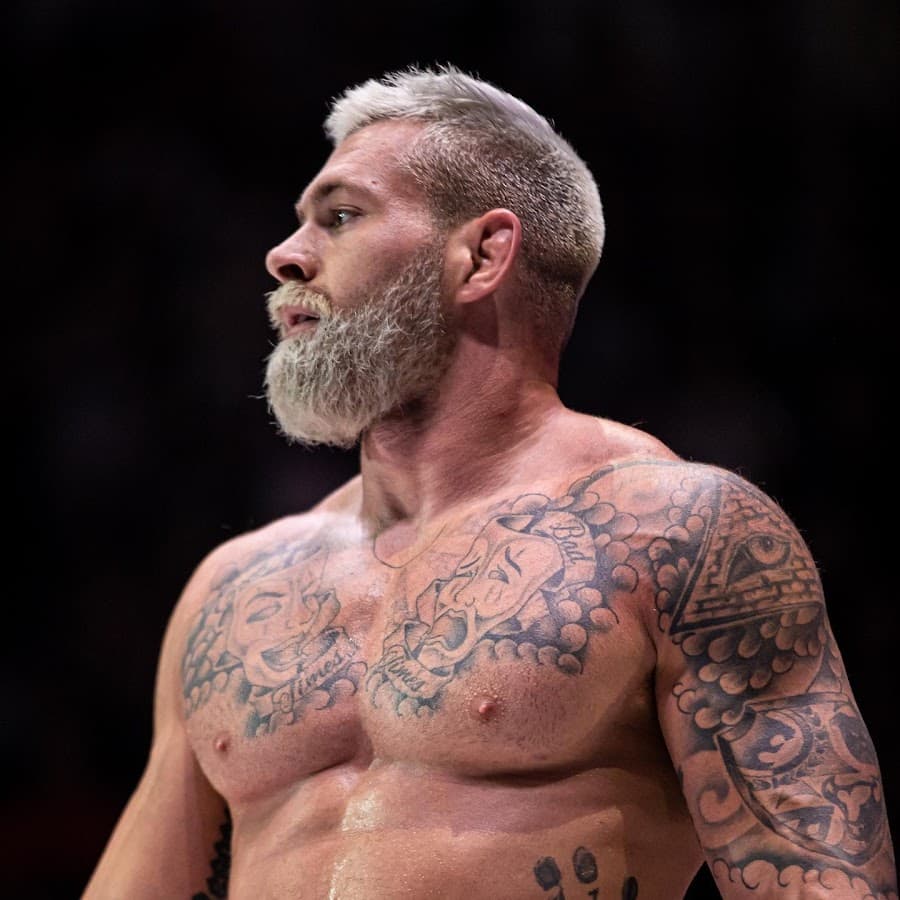
A factual profile of Gordon Ryan, the American submission grappler widely called the greatest no-gi competitor of all time: his record, ADCC titles, team, and legacy.
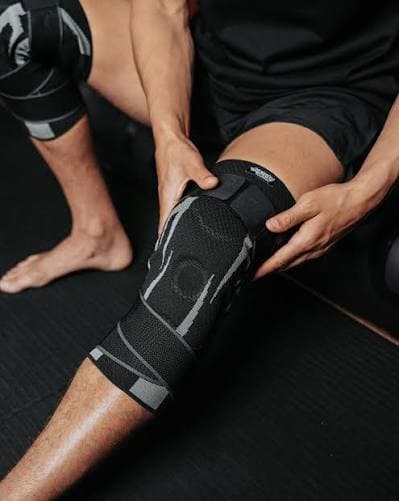
Injured but don't want to quit BJJ? Here's how to keep training safely around common injuries, when to rest, how to communicate with partners, and how to come back smart.
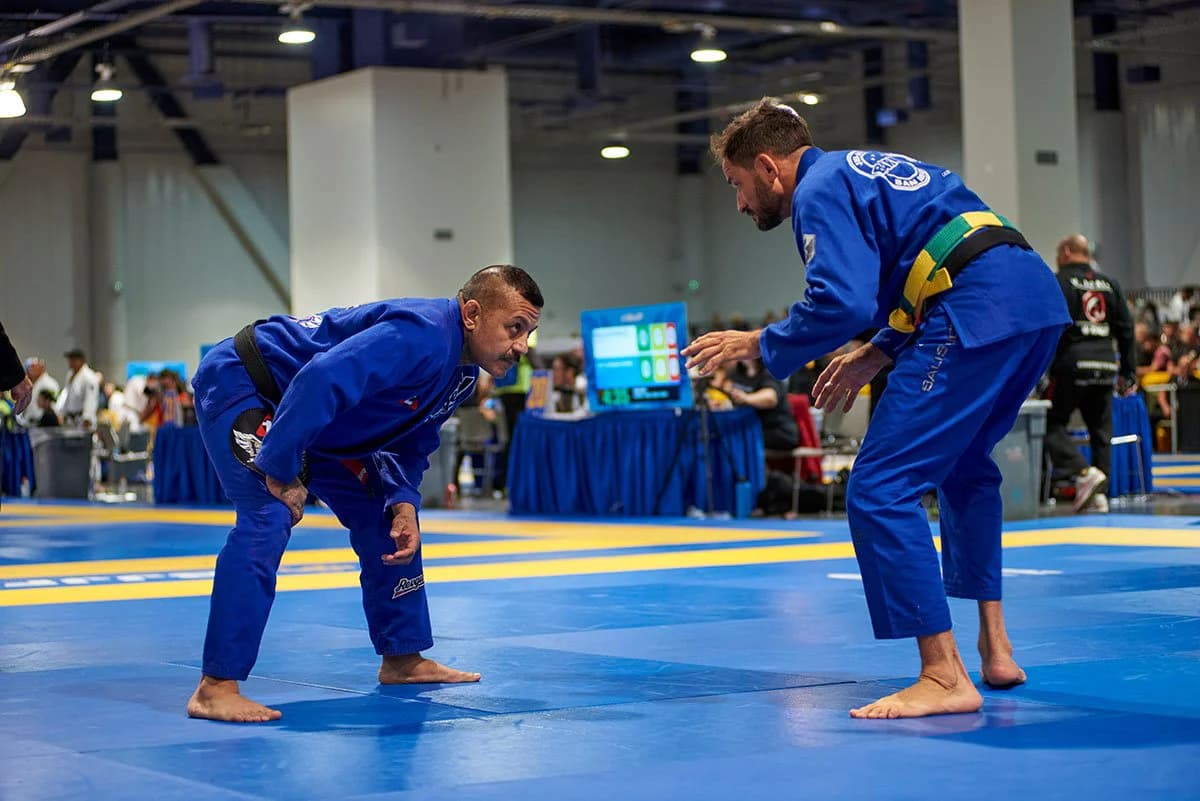
Should you compete in BJJ? An honest look at the pros and cons of competing in jiu-jitsu, what you gain, what holds people back, and how to decide if it's for you.
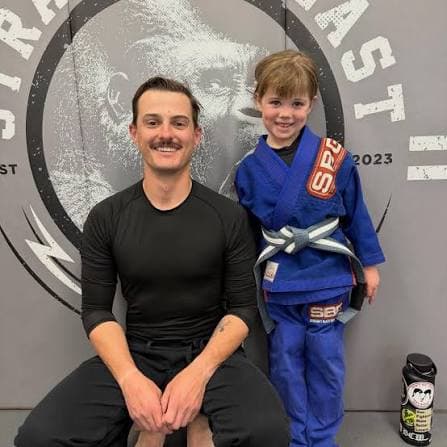
Choose classes your real week can support, make a backup plan, and return after a missed session without creating training debt.

Which supplements actually help your jiu-jitsu? An honest look at the supplements worth considering for BJJ — protein, creatine, electrolytes — and the ones to skip.
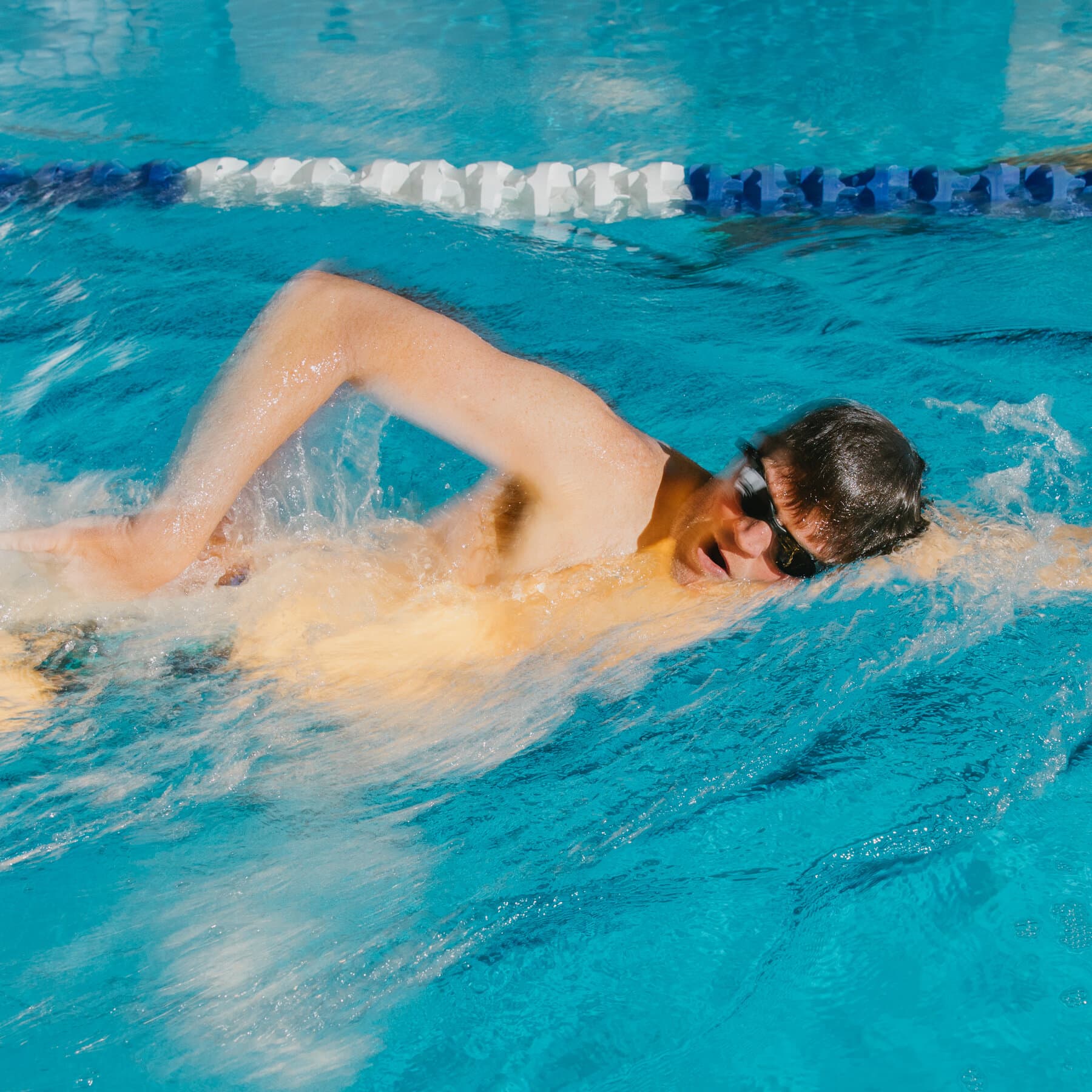
Recovery is what lets you train BJJ hard, often, and injury-free. A practical guide to recovering after jiu-jitsu: sleep, nutrition, hydration, mobility, and soreness.
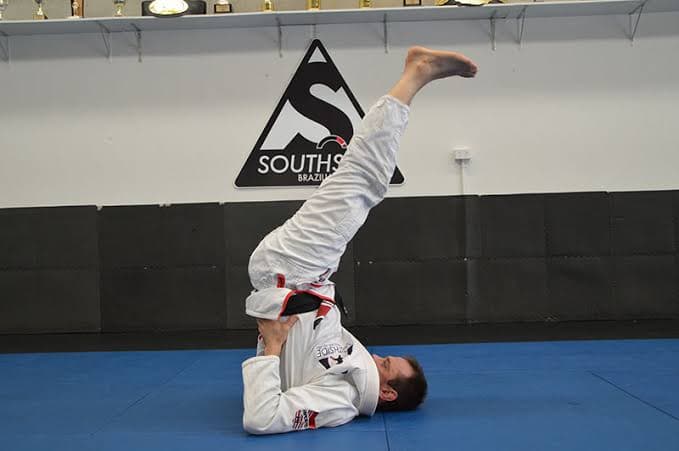
Mobility makes your jiu-jitsu better and keeps you injury-free. A practical guide to stretching and mobility for BJJ: what to focus on, when to do it, and key areas.