
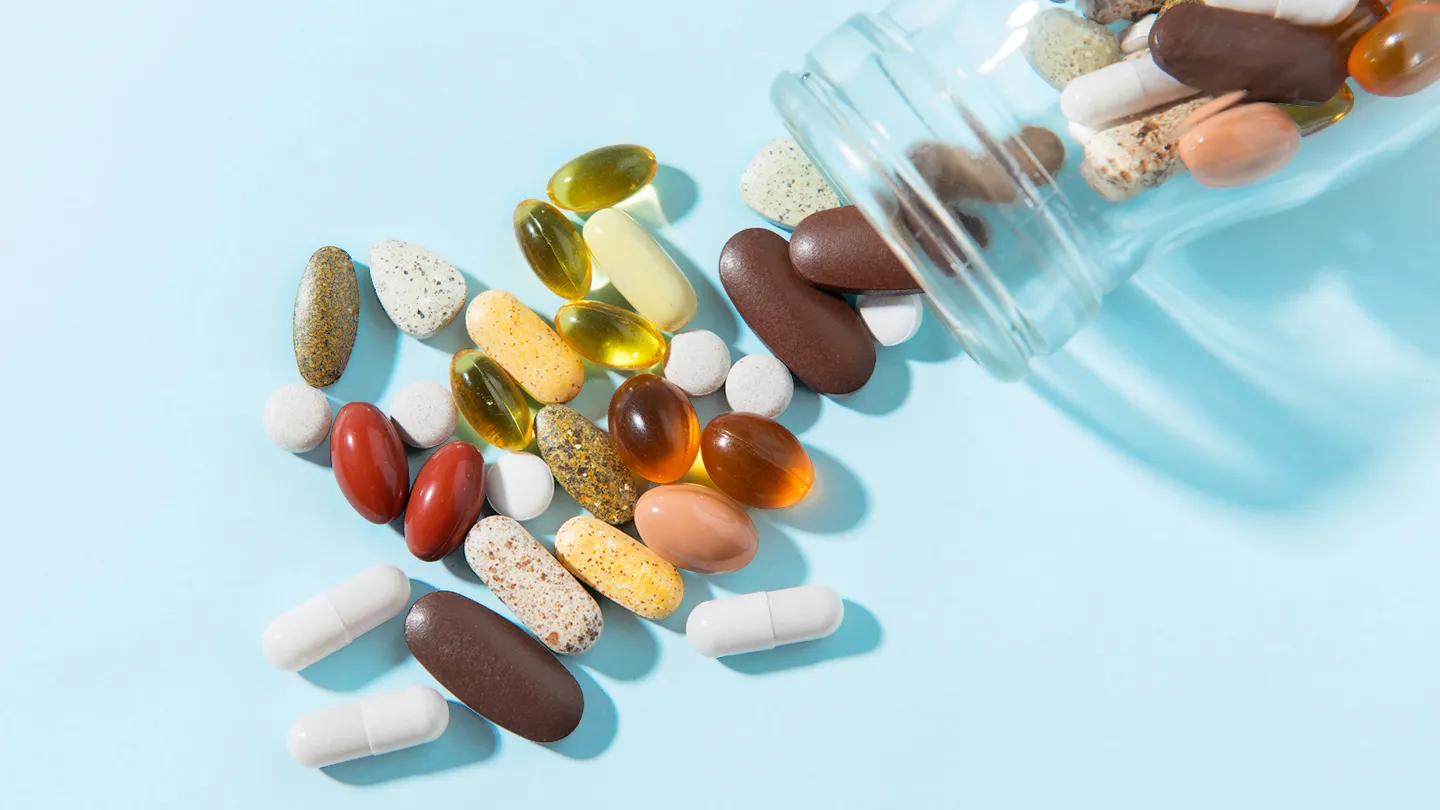
The Best Supplements for BJJ (and Which to Skip)
Quick answer: The only supplements worth most grapplers' money are the boring, well-proven ones: a protein supplement if you struggle to eat enough protein, creatine for recovery and power, electrolytes for sweaty sessions, and vitamin D or fish oil if your diet or sun exposure is lacking. Everything else is optional, and none of it replaces sleep, food, and water.
Walk into any supplement shop and you'll be sold a dozen products promising to transform your training. The truth is far less exciting: a handful of supplements have real evidence behind them, and the rest are mostly marketing. Here's an honest rundown for BJJ — what's worth considering and what to skip. (None of this is medical advice; check with a doctor if you have health conditions.)
First: supplements supplement a good diet
The word "supplement" means in addition to — not instead of. No pill or powder will outwork poor sleep, under-eating, or chronic dehydration. Nail your recovery basics first; supplements only matter at the margins once the fundamentals are solid.
The ones actually worth considering
Protein powder. Not magic — just a convenient way to hit your protein target if whole food alone falls short. If you already eat plenty of protein, you don't need it; if you struggle to, a scoop is an easy, cost-effective fix for recovery.
Creatine monohydrate. One of the most studied and reliable supplements in existence. It supports strength, power, and recovery for the hard, repeated efforts grappling demands, and it's cheap and safe for most people. A small daily dose is the standard approach.
Electrolytes. BJJ makes you sweat heavily. If you train in heat, sweat a lot, or feel crampy and flat, replacing sodium and other electrolytes alongside water can help you feel and perform better.
Vitamin D and fish oil (omega-3s). Not BJJ-specific, but many people are low in vitamin D (especially with little sun), and omega-3s support general health and may help with inflammation. These fill common dietary gaps rather than boosting performance directly.
The ones to be skeptical of
Fat burners and "test boosters" — overhyped, often underdosed, and not worth your money.
Exotic pre-workouts — mostly caffeine plus filler; a coffee does the same job for less.
Recovery "miracle" blends — proprietary mixes that rarely outperform protein, creatine, and sleep.
Anything promising dramatic results fast — if it sounds too good to be true, it is.
A note on caffeine
Caffeine (from coffee or a sensible pre-workout) genuinely can sharpen focus and energy for a hard session or competition. It's fine in moderation — just don't rely on it to paper over a lack of sleep, and avoid it too close to bedtime, since sleep matters far more.
How to think about it
A reasonable, money-conscious approach for most grapplers: eat well, sleep well, hydrate, and consider creatine plus protein if your diet needs it, with electrolytes for sweaty days. That covers the evidence-based bases. Everything beyond that is optional and unlikely to move the needle much.
The takeaway
The best supplements for BJJ are the unglamorous, well-proven ones — protein if you need it, creatine, electrolytes, and basic health support like vitamin D or fish oil. Skip the hyped fat burners and miracle blends, and never let any supplement distract you from sleep, food, and water, which do the real work of recovery.
A sensible, money-conscious approach
If you want a simple plan rather than a cabinet full of tubs, here's a reasonable one for most grapplers. Eat enough real food with protein at most meals, sleep well, and drink water through the day — that's the foundation, and it's free. Then, if your diet still falls short on protein, add a protein supplement for convenience. Consider a small daily dose of creatine, which is cheap, safe for most people, and one of the few supplements with strong evidence behind it. Keep electrolytes on hand for your sweatiest sessions and hot days. That's genuinely all most people need. Resist the urge to chase the latest hyped powder; the boring basics, done consistently, outperform any exotic stack, and your wallet will thank you for it too.
Fuel the training, not the hype
Find a BJJ gym near you on Let's Roll → — consistent training plus solid basics beats any supplement stack.
FAQ
What supplements should I take for BJJ? The evidence-based options are protein (if your diet is short on it), creatine, electrolytes for sweaty sessions, and basic health support like vitamin D or fish oil. None replace sleep, food, and water.
Is creatine good for jiu-jitsu? Yes — it's one of the most studied, safe, and reliable supplements, supporting strength, power, and recovery for grappling's repeated hard efforts.
Do I need protein powder for BJJ? Only if you struggle to eat enough protein from food. It's a convenient tool, not a requirement. Whole-food protein works just as well.
Are pre-workouts worth it for BJJ? They're mostly caffeine. A coffee does much the same for less money. Use moderate caffeine if it helps your focus, but don't rely on it to replace sleep.
Related Posts

Mikey Musumeci gives up the belt to make room for MMA
Musumeci is vacating his UFC BJJ title to focus on MMA training. What he is leaving, what continues, and why the transition matters.
IBJJF membership: finish the paperwork before the deadline
IBJJF membership and tournament entry are separate steps. Plan documents, professor approval, renewals, and junior accounts before registration closes.
Choosing a BJJ seminar worth your time and travel
Choose a BJJ seminar by the subject, teaching format, access, and total cost. Know what to ask the host before buying a ticket.
Comments (0)
Loading comments...