
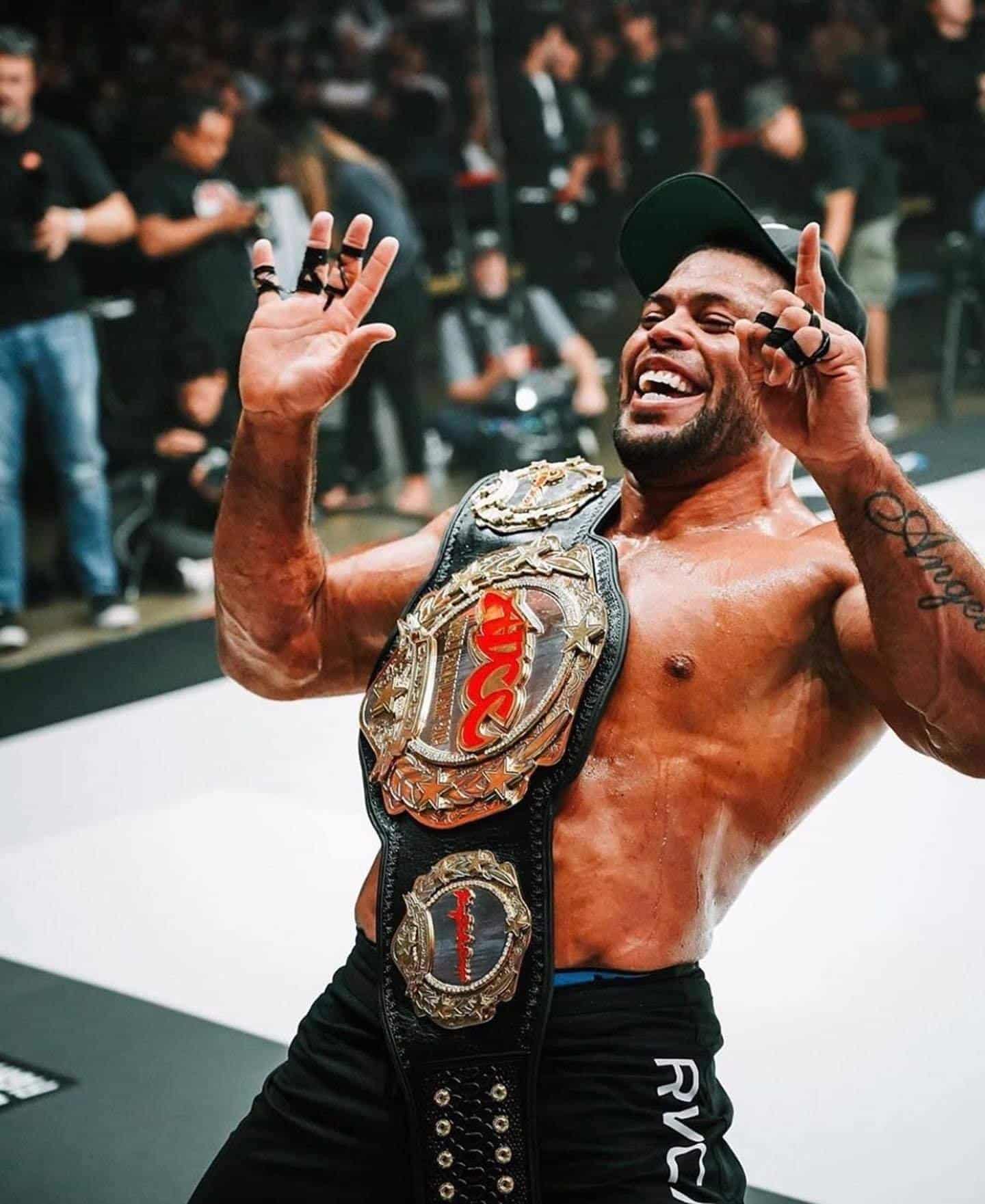
What Is ADCC? Grappling's Most Prestigious Tournament, Explained
Quick answer: ADCC (Abu Dhabi Combat Club) is the world championship of no-gi submission grappling, founded by Sheikh Tahnoon Bin Zayed Al Nahyan of Abu Dhabi and first held in 1998. It runs roughly every two years, with invited athletes and trials winners competing under a ruleset that rewards submissions and punishes stalling — no points at all in the first half of a match. The prize money has historically been modest; the prestige is not. Winning ADCC is the single biggest line on a grappler's resume.
If you're new to jiu-jitsu, you'll hear people say a competitor "won ADCC" in the same hushed tone reserved for Olympic gold. Fair question: what is it, and why does everyone care so much?
Here's the plain-English version.
Where ADCC came from
The origin story is genuinely unusual. Sheikh Tahnoon Bin Zayed Al Nahyan, a member of Abu Dhabi's royal family, discovered Brazilian jiu-jitsu while studying in the United States in the 1990s and fell hard for it. Back home, he founded the Abu Dhabi Combat Club and, in 1998, bankrolled a world championship of submission grappling that would pull in the best from every style — BJJ, wrestling, judo, sambo, catch wrestling.
That cross-style ambition shaped everything: no gi, rules designed to force action, and invitations that went to the best grapplers on earth regardless of affiliation. The early events were held in Abu Dhabi; the championship has since traveled the world, including a sold-out arena show in Las Vegas in 2022 that marked the sport's mainstream moment.
The every-two-years format
ADCC runs on a roughly two-year cycle, and the scarcity is a feature. A Worlds title comes around annually; an ADCC title comes around at Olympic-ish intervals, so a single loss can cost an athlete years.
The event itself is:
Men's and women's weight divisions, run as knockout brackets over one weekend.
An absolute (open-weight) division, where legends get made by beating giants.
A superfight, traditionally pitting the reigning superfight champion against a marquee challenger — winning it is its own lineage.
The rules, in plain English
ADCC's ruleset is built on one idea: make stalling a losing strategy. The mechanics that matter:
No points for the first half of the match. Early on, positions score nothing — only submissions count, which encourages attacking instead of point-hunting.
Points switch on late. In the second half, takedowns, sweeps, guard passes, and dominant positions like mount and back control start scoring.
Negative points for inaction. Stalling gets penalized, and pulling guard without engaging costs you — a rule aimed squarely at removing the sport's most boring habits.
Nearly everything is legal. Heel hooks and other leg attacks are allowed in the adult divisions, which historically made ADCC feel like the deep end compared to gi competition.
The result is a distinctive rhythm: cagey, high-stakes grappling early, then a scramble-heavy sprint once points go live. Ties can go to overtime and, eventually, referee decision.
Why winning it matters more than money
Here's the honest part: for most of its history, ADCC paid its champions less than a good instructional filming deal. People don't chase it for the check. They chase it because:
Everyone great is in the bracket. Invitations plus worldwide trials mean there's no soft route — a champion beat murderers' row to get there.
It happens so rarely. Two-year cycles mean careers only contain a handful of chances. Scarcity makes legends.
History is watching. The names on the trophy — Roger Gracie, Marcelo Garcia, André Galvão, Gordon Ryan — are the sport's pantheon. Winning writes you into that list permanently.
Ask a professional grappler to trade every other title for one ADCC gold, and a scary number would take the deal.
The trials system
You don't have to be famous to get in — you can fight your way in. ADCC runs open trials events across regions (North America, Europe, South America, Asia and beyond), and winning a trials bracket earns an invitation to the world championship.
Trials brackets are enormous and brutal — often well over a hundred entrants fighting through a single day for one golden ticket. Some of the sport's best stories started exactly there: an unknown wins trials, then shocks a seeded name on the big stage. It keeps the championship honest.
Famous moments
Every edition adds folklore: absolute-division runs by smaller athletes, superfights that settled decade-long arguments, upsets of invincible champions, and Gordon Ryan's era of dominance across multiple divisions and cycles. The 2022 edition filling an arena in Las Vegas signaled something bigger — grappling as a spectator sport, not just a participant one.
If you're newer to watching, start with any recent absolute division. It's the fastest way to understand why people plan their weekends around this thing.
The takeaway
ADCC is no-gi grappling's world championship and its hardest test: every style welcome, stalling punished, submissions rewarded, and only one chance every couple of years. The money has never been the point. The name on the list is.
If someone in your gym says their coach "medaled at ADCC" — that's why their voice changed when they said it.
Watch one, then compete in something
Nothing improves your jiu-jitsu like having a date on the calendar — even if your first event is a local tournament, not Las Vegas. Find grappling tournaments near you on Let's Roll → and pick one a few months out.
FAQ
How often is ADCC held? Roughly every two years, with worldwide trials events running in between to fill the brackets. That scarcity is a big part of why an ADCC title carries more weight than annual championships.
Is ADCC gi or no-gi? No-gi only. It was founded to test grapplers from every style — BJJ, wrestling, judo, sambo — on neutral ground, so there's no gi and the ruleset allows most submissions, including heel hooks in the adult divisions.
How do you qualify for ADCC? Two routes: a direct invitation based on your record, or winning one of the regional trials events held around the world. Trials are open-entry, which means anyone good enough can grapple their way onto the sport's biggest stage.
Why is ADCC considered more prestigious than money events? Because the field is the deepest in grappling, chances are rare, and the champions' list reads like the sport's hall of fame. Bigger paydays exist elsewhere, but no other title changes how a grappler is remembered the way ADCC gold does.
Related Posts
Mikey Musumeci gives up the belt to make room for MMA
Musumeci is vacating his UFC BJJ title to focus on MMA training. What he is leaving, what continues, and why the transition matters.
IBJJF membership: finish the paperwork before the deadline
IBJJF membership and tournament entry are separate steps. Plan documents, professor approval, renewals, and junior accounts before registration closes.
Choosing a BJJ seminar worth your time and travel
Choose a BJJ seminar by the subject, teaching format, access, and total cost. Know what to ask the host before buying a ticket.
Comments (0)
Loading comments...