
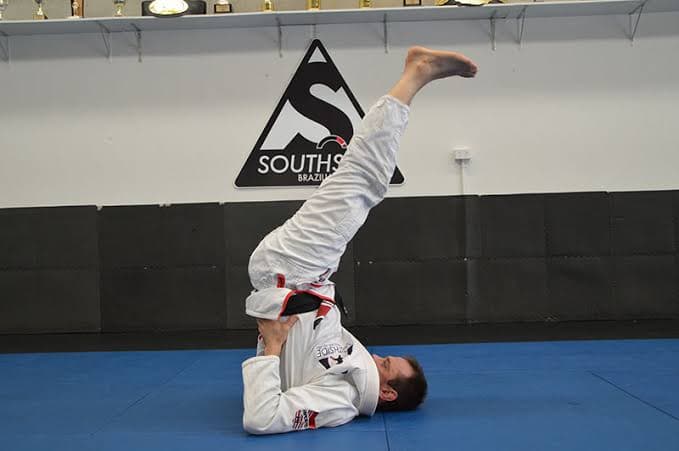
BJJ Stretching and Mobility: Move Better and Stay Healthy
Quick answer: For BJJ, prioritize mobility in your hips, spine, shoulders, neck, and knees — the areas grappling stresses most. Do dynamic movements as a warm-up before training and longer static stretches afterward or on rest days. You don't need to be a contortionist; better mobility just means smoother movement and far fewer injuries.
Jiu-jitsu puts your body into positions daily life never does — deep hip flexion, twisting, bridging, and defending joints near their end range. Good mobility makes all of that easier and safer. Here's a practical guide to stretching and mobility for grapplers, without the fluff.
Why mobility matters in BJJ
Mobility is your usable range of motion — how freely your joints move under control. In BJJ, better mobility means:
Smoother technique. A flexible guard, hips that move freely, and shoulders that rotate let you play positions that stiff bodies can't.
Fewer injuries. Most BJJ injuries hit joints forced past their comfortable range. The more range you own, the more buffer you have before something tweaks.
Faster recovery. Supple muscles and mobile joints bounce back better between sessions.
You don't need to do the splits. You need enough mobility to move well and absorb the demands of grappling.
The key areas for grapplers
Focus your time where BJJ stresses you most:
Hips — the single most important area. Hip mobility powers your guard, bridges, sweeps, and escapes. Work flexion, rotation, and opening.
Spine — rotation and extension for twisting, bridging, and posture. A mobile, strong back is gold in BJJ.
Shoulders — for posture, frames, and surviving shoulder locks; shoulder mobility also protects you when arms get controlled.
Neck — gentle neck strength and mobility help you handle chokes and the constant pressure on your head.
Knees and ankles — important for leg-lock-heavy games and for safely loading positions.
Dynamic warm-ups before training
Before you train, do dynamic movements that take joints through their range and raise your temperature — leg swings, hip circles, shrimping, bridging, arm circles, and the gym's standard warm-up drills. Save deep static stretching for after; stretching cold muscles hard before explosive training isn't ideal.
Static stretching after training or on rest days
After class — when you're warm — or on rest days, longer static stretches help build range: hip openers, hamstring and quad stretches, spinal twists, and shoulder stretches. Hold them comfortably and breathe; never force a stretch to the point of pain. Consistency beats intensity — a little most days outperforms one brutal session a week.
Mobility, strength, and recovery together
Mobility works best alongside strength training and good recovery. Strength gives you control of your range, mobility gives you the range, and sleep and rest let it all stick. For older or recreational grapplers especially, ten minutes of daily mobility is some of the best injury insurance there is.
The takeaway
You don't need extreme flexibility to be good at BJJ — you need enough mobility to move smoothly and stay healthy. Warm up dynamically before training, stretch the key areas (hips, spine, shoulders, neck, knees) statically afterward, and do a little consistently. Better mobility quietly makes your jiu-jitsu cleaner and your training career a lot longer.
A 10-minute daily routine
You can cover the essentials in about ten minutes a day. Spend the first few minutes on dynamic movement — hip circles, leg swings, shrimping, and bridges — then hold a handful of stretches for your hips, hamstrings, spine, and shoulders, breathing slowly into each. On training days, do the dynamic part before class and the static holds after. On rest days, do the whole thing while you watch TV. It's unglamorous and easy to skip, but ten consistent minutes does far more for your movement and longevity than an occasional hour-long session you do once a month.
Make it a habit, not a chore
The best mobility routine is the one you'll actually do, so attach it to something you already do daily — stretch while your coffee brews, during a show, or right after you brush your teeth. Consistency beats perfection: a quick, slightly sloppy routine done every day will transform how you move far more than an elaborate plan you do twice and abandon. Treat mobility like brushing your teeth, and your body will thank you for the rest of your training career.
Train smart, train long
Find a BJJ gym near you on Let's Roll → — the best gyms build mobility into their warm-ups and care about keeping students healthy.
FAQ
Do I need to be flexible to do BJJ? No. You only need enough mobility to move comfortably; flexibility improves with training. Plenty of stiff beginners become excellent grapplers.
Should I stretch before or after BJJ? Do dynamic movements as a warm-up before training, and save longer static stretches for afterward when you're warm, or for rest days.
What's the most important area to stretch for BJJ? The hips — they power your guard, bridges, sweeps, and escapes, and hip mobility is central to nearly every position.
How often should I do mobility work? A little most days beats one long session a week. Even ten minutes daily noticeably improves movement and reduces injuries over time.
Related Posts

Mikey Musumeci gives up the belt to make room for MMA
Musumeci is vacating his UFC BJJ title to focus on MMA training. What he is leaving, what continues, and why the transition matters.
IBJJF membership: finish the paperwork before the deadline
IBJJF membership and tournament entry are separate steps. Plan documents, professor approval, renewals, and junior accounts before registration closes.
Choosing a BJJ seminar worth your time and travel
Choose a BJJ seminar by the subject, teaching format, access, and total cost. Know what to ask the host before buying a ticket.
Comments (0)
Loading comments...