
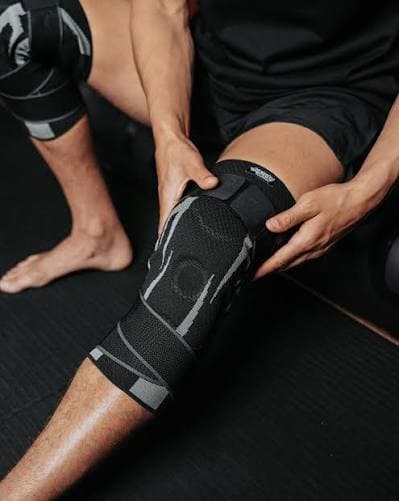
Training BJJ With an Injury (Without Making It Worse)
Quick answer: You can often keep training BJJ around a minor injury by communicating it to partners and coaches, choosing positions that protect it, flow rolling or drilling instead of hard sparring, and avoiding anything that causes sharp pain. But some injuries require real rest — see a professional, never train through joint pain, and prioritize a full recovery over a short-term ego boost.
Jiu-jitsu is hard on the body, and most people who train long enough will deal with an injury at some point. The good news: an injury doesn't always mean stopping completely. The skill is knowing when you can train smart around it and when you genuinely need to rest. Here's how to navigate it without making things worse.
First: get the right diagnosis
Before anything else, figure out what you're dealing with. Sharp, joint, or worsening pain — or anything that limits normal movement — deserves a professional opinion, not a guess. "Training through it" a serious injury is how a two-week problem becomes a six-month one. When in doubt, see a doctor or physio and follow their guidance over any advice from a blog or training partner.
Communicate with partners and coaches
If you do train, tell your partners and coach about the injury before you roll. A good partner will happily avoid your bad shoulder or cranky knee and roll accordingly. This single habit prevents most re-injuries. Pick trusted, controlled training partners while you're compromised, and skip the spazzy ones.
Train around it, not through it
You can often stay on the mat by adjusting how you train:
Drill instead of spar. Technique and light drilling keep you learning with minimal risk.
Flow roll at low intensity rather than going hard.
Play positions that protect the injury — for example, a bad knee might mean avoiding certain guards; a bad shoulder might mean tapping early to any arm attack.
Tap extra early to anything near the injured area. There's zero upside to testing it.
The rule of thumb: soreness you can train around, sharp or joint pain you can't. If a movement causes sharp pain, stop doing it.
Know when to rest completely
Sometimes the right call is to fully rest, and that's not weakness — it's how you protect your long-term training. If training meaningfully worsens the injury, if you can't protect it even with adjustments, or if a professional tells you to stop, then stop. A few weeks off to heal properly beats months off because you rushed back.
Stay connected while you heal
A layoff is hard mentally. Stay engaged so you don't drift away: watch class, study instructional content, keep up gym friendships, and do any rehab and mobility work your professional recommends. Staying connected makes the return far easier and protects against quitting altogether during the downtime.
Come back smart
When you return, ease in. Start with drilling and light rolls, rebuild your conditioning gradually, and resist the urge to immediately test the healed area at full intensity. A patient comeback prevents the re-injury cycle that traps so many grapplers.
The takeaway
An injury doesn't have to end your jiu-jitsu, but it does demand honesty and care. Get a real diagnosis, communicate with your partners, train around the injury with drilling and flow rolling, rest fully when you need to, and come back gradually. Protecting your body is what lets you keep training for decades — the goal is longevity, not winning today's roll.
Use the time to fix weaknesses
A forced change of pace can actually make you better if you use it well. If a lower-body injury keeps you off your feet, it's a perfect excuse to live in your guard and develop the bottom game you usually avoid. If a shoulder is hurt, lean into positions and movements that don't stress it. Many grapplers come back from a managed injury with a sharper, more well-rounded game precisely because they were forced out of their comfortable habits. And the downtime is a great chance to study — watching how higher belts solve the positions you struggle with builds your understanding even when your body can't drill. Reframed this way, training around an injury isn't just damage control; it's an opportunity to round out the parts of your jiu-jitsu you'd otherwise keep neglecting.
Find partners who'll train smart with you
Find a BJJ gym near you on Let's Roll → — a controlled, respectful gym culture is what makes training safely around an injury possible.
FAQ
Can I train BJJ with an injury? Often yes, around minor injuries — by communicating with partners, drilling or flow rolling instead of hard sparring, and protecting the injured area. But serious or joint injuries need rest and a professional's guidance.
How do I avoid re-injuring myself in BJJ? Tell partners about the injury, choose controlled training partners, tap extra early near the injured area, avoid movements that cause sharp pain, and ease back in gradually after time off.
When should I stop training BJJ due to injury? When training worsens it, you can't protect it even with adjustments, or a professional advises rest. Sharp or joint pain is a stop signal, not something to push through.
How do I stay motivated while injured? Stay connected — watch class, study technique, keep gym friendships, and do your rehab and mobility work. Staying engaged makes the comeback easier and prevents quitting during downtime.
Related Posts

Mikey Musumeci gives up the belt to make room for MMA
Musumeci is vacating his UFC BJJ title to focus on MMA training. What he is leaving, what continues, and why the transition matters.
IBJJF membership: finish the paperwork before the deadline
IBJJF membership and tournament entry are separate steps. Plan documents, professor approval, renewals, and junior accounts before registration closes.
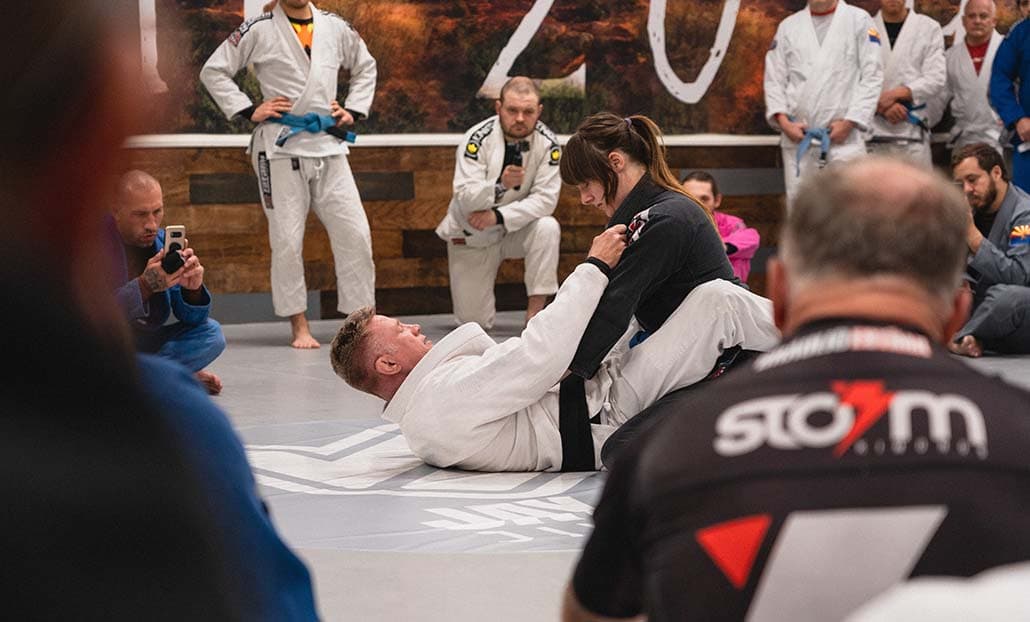
Choosing a BJJ seminar worth your time and travel
Choose a BJJ seminar by the subject, teaching format, access, and total cost. Know what to ask the host before buying a ticket.
Comments (0)
Loading comments...