
How to Recover After BJJ Training (So You Can Train Hard Again)
Quick answer: The best BJJ recovery isn't fancy — it's sleep, food, water, and movement. Prioritize 7–9 hours of sleep, eat enough protein and overall calories, rehydrate after sweaty sessions, do light movement and mobility on off days, and manage soreness with rest rather than pushing through it. Consistency in these basics beats any gadget or supplement.
Brazilian jiu-jitsu is demanding on the body — sweaty, full-contact, and often done several times a week. How well you recover determines how hard you can train, how fast you improve, and whether you stay healthy or get hurt. Here's a practical, no-hype guide to recovering after jiu-jitsu.
Sleep is the foundation
Nothing on this list matters more than sleep. It's when your body repairs muscle, consolidates the skills you drilled, and restocks your energy. Aim for 7–9 hours a night, and treat it as part of your training, not an afterthought. If you train hard but sleep five hours, you're leaving most of your progress and recovery on the table. Protect your sleep the way you protect your mat time.
Eat enough — especially protein
Recovery runs on food. After hard training your body needs:
Adequate total calories — under-eating slows recovery and saps your energy on the mat.
Protein spread through the day to repair muscle (a portion at most meals is a simple rule of thumb).
Carbohydrates to refill the energy you burned, especially around training.
You don't need a complicated diet — eat real food, enough of it, with protein at most meals. A post-training meal with protein and carbs is a great habit.
Rehydrate after sweaty sessions
BJJ makes you sweat buckets, and you train in close contact, so fluid loss adds up fast. Drink water through the day and rehydrate after class; if you sweat heavily or train in heat, replacing electrolytes helps too. Chronic dehydration leaves you flat, cramp-prone, and slow to bounce back.
Move on your off days
Counterintuitively, gentle movement often beats total rest for recovery. On non-training days, light activity — a walk, easy cycling, or a mobility routine — increases blood flow, eases stiffness, and helps you feel fresh for your next session. Save full rest for when you're genuinely beat up.
Manage soreness sensibly
Some soreness is normal, especially when you're new or after a hard week. To handle it:
Light movement and stretching loosen sore muscles better than lying still.
Don't train through sharp or joint pain — that's an injury signal, not soreness.
Take a rest day when your body asks for one. Backing off for a day protects weeks of training.
The skill is telling the difference between ordinary muscle soreness (train around it) and pain that signals injury (back off and assess).
Don't ignore little injuries
The grapplers who train for decades are the ones who address tweaks early. A cranky knee or sore shoulder that you "train through" can become a months-long layoff. Tap early, communicate injuries to partners, and rest or see a professional when something isn't right. Strength and mobility work also build resilience over time — see our guide to strength training for BJJ.
What about ice baths, massage, and gadgets?
Cold plunges, massage guns, foam rollers, and the like can feel good and may help you feel fresher, but they're the cherry on top — not the cake. None of them substitute for sleep, food, water, and sensible rest. Use them if you enjoy them, but nail the basics first.
The takeaway
Recovering well after BJJ comes down to unglamorous fundamentals: sleep 7–9 hours, eat enough with plenty of protein, rehydrate, move gently on off days, and respect the line between soreness and injury. Get those right and you'll train harder, improve faster, and stay on the mat for years.
A simple post-class routine
Recovery gets easier when it's automatic, so build a short ritual you repeat after every session. As soon as class ends, change out of your sweaty gear and rehydrate while you're still at the gym. On the way home or once you're back, eat a real meal with protein and carbohydrates rather than skipping food because you're tired. Spend a few minutes on light stretching for whatever feels tight — usually hips, shoulders, and neck. Then prioritize sleep that night, because that's when the bulk of the repair actually happens. None of this is complicated or expensive, and a consistent five-minute routine plus good sleep will do more for your recovery than any gadget, supplement, or recovery "hack" you can buy.
Train, recover, repeat
Find a BJJ gym near you on Let's Roll → — a sustainable training schedule plus good recovery is how people keep rolling for the long haul.
FAQ
How long does it take to recover after BJJ? It varies, but with good sleep, food, and hydration most people are ready to train again within a day or two. Persistent exhaustion usually means you need more sleep or food, or a rest day.
Why am I so sore after BJJ? Soreness is normal, especially for beginners or after hard sessions, as your body adapts to new movements. Light activity, stretching, and good sleep ease it; sharp joint pain is different and means you should rest.
What should I eat after BJJ training? A meal with protein and carbohydrates is ideal — it repairs muscle and refills the energy you burned. Hydrate too, especially after a sweaty session.
Do I need recovery supplements for BJJ? No — sleep, food, and water do the heavy lifting. Supplements are optional extras at best and never replace the basics.
Related Posts

Mikey Musumeci gives up the belt to make room for MMA
Musumeci is vacating his UFC BJJ title to focus on MMA training. What he is leaving, what continues, and why the transition matters.
IBJJF membership: finish the paperwork before the deadline
IBJJF membership and tournament entry are separate steps. Plan documents, professor approval, renewals, and junior accounts before registration closes.
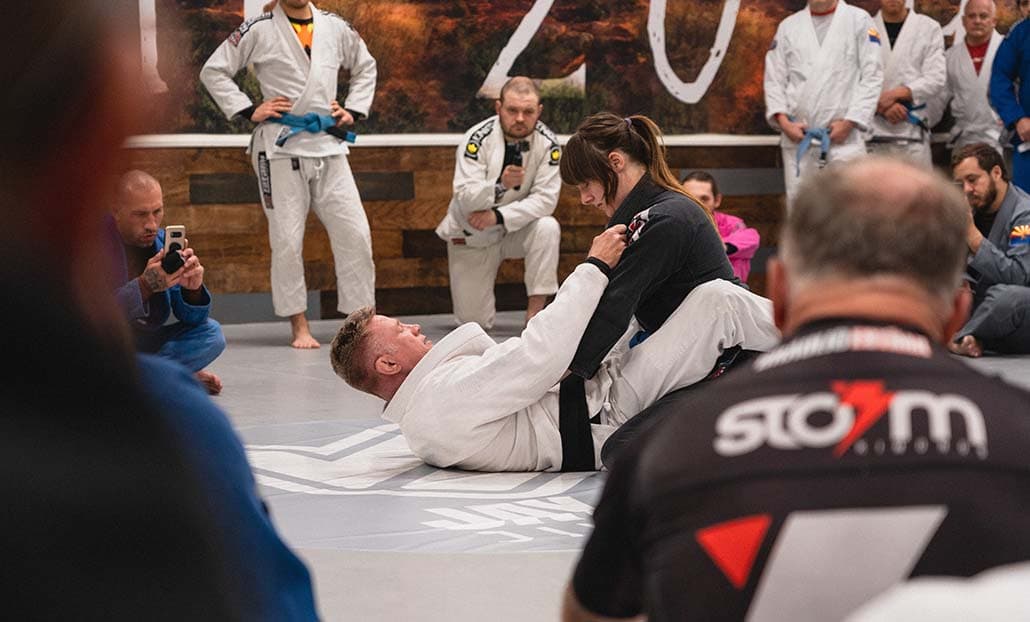
Choosing a BJJ seminar worth your time and travel
Choose a BJJ seminar by the subject, teaching format, access, and total cost. Know what to ask the host before buying a ticket.
Comments (0)
Loading comments...