Technique
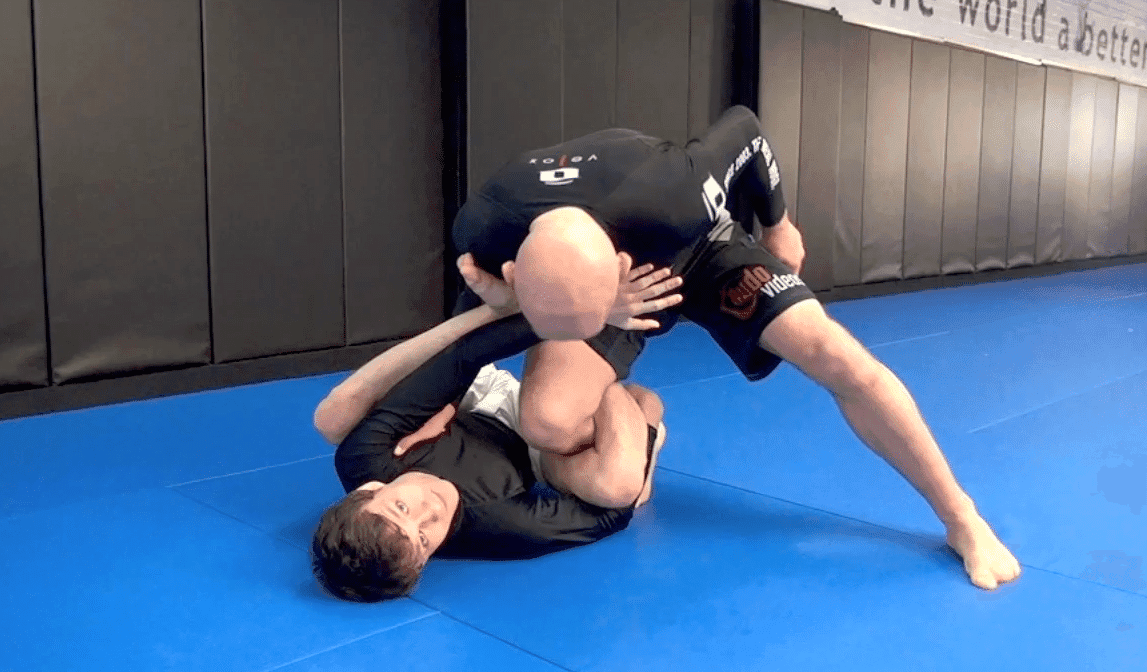
Reverse de la Riva: stop the knee cut before chasing the back
Use reverse de la Riva to study guard recovery against the knee cut. Understand the inside hook and supporting frames before chasing a spinning back take.
8 min read

Training, technique, and the culture of Brazilian Jiu-Jitsu
Showing 25–34 of 34 articles
Use reverse de la Riva to study guard recovery against the knee cut. Understand the inside hook and supporting frames before chasing a spinning back take.
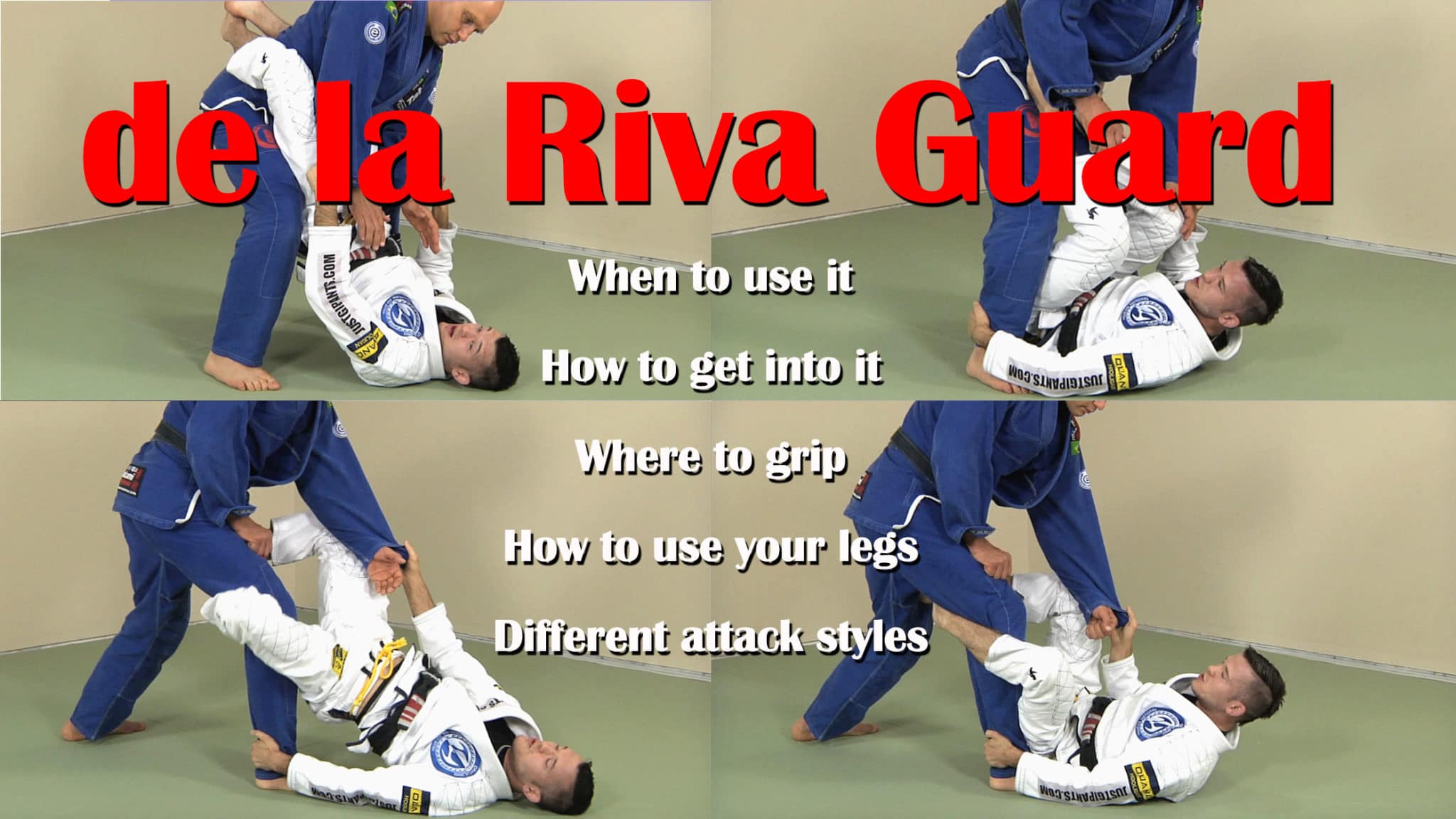
Your de la Riva hook is in, but the passer is comfortable. Study ankle control, the free leg, and the balance reaction that makes an attack possible.
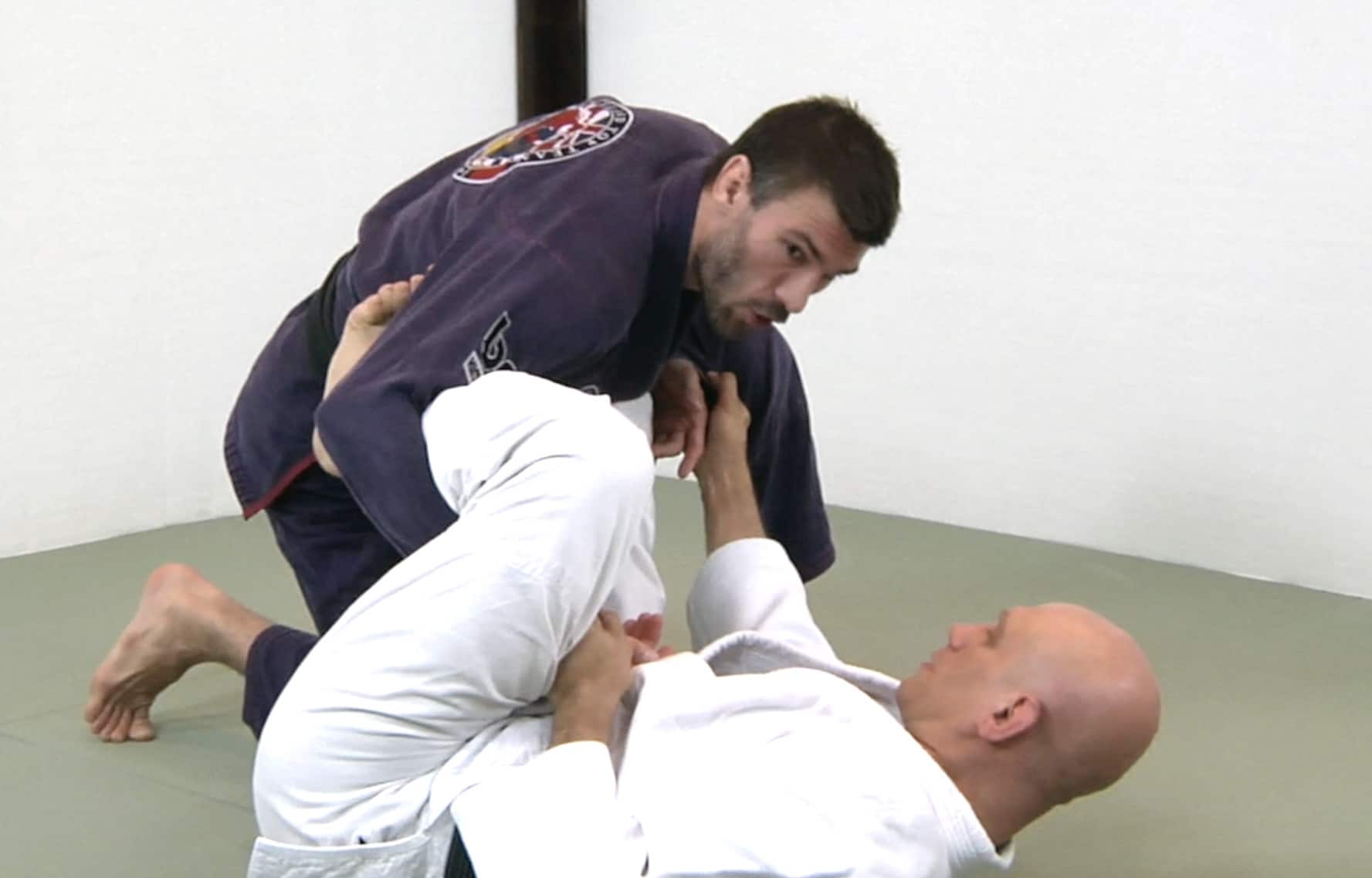
A lasso hook can buy time or trap you in a grip battle. Give the free leg a purpose, keep useful sleeve control, and recognize when to change guards.
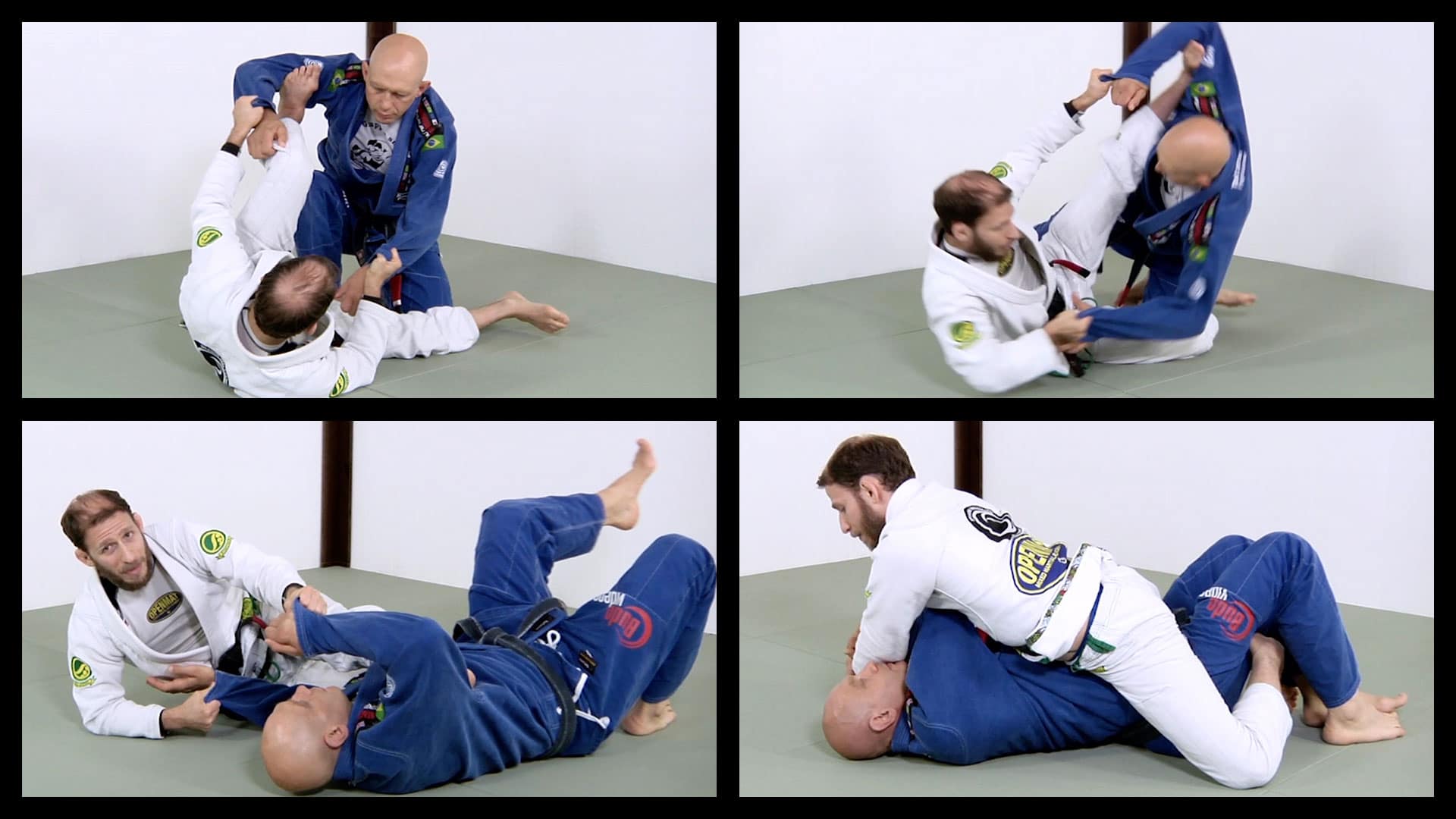
Make spider guard easier to read. Learn how sleeve tension, different foot positions, and the passer's posture shape your next sweep or transition.
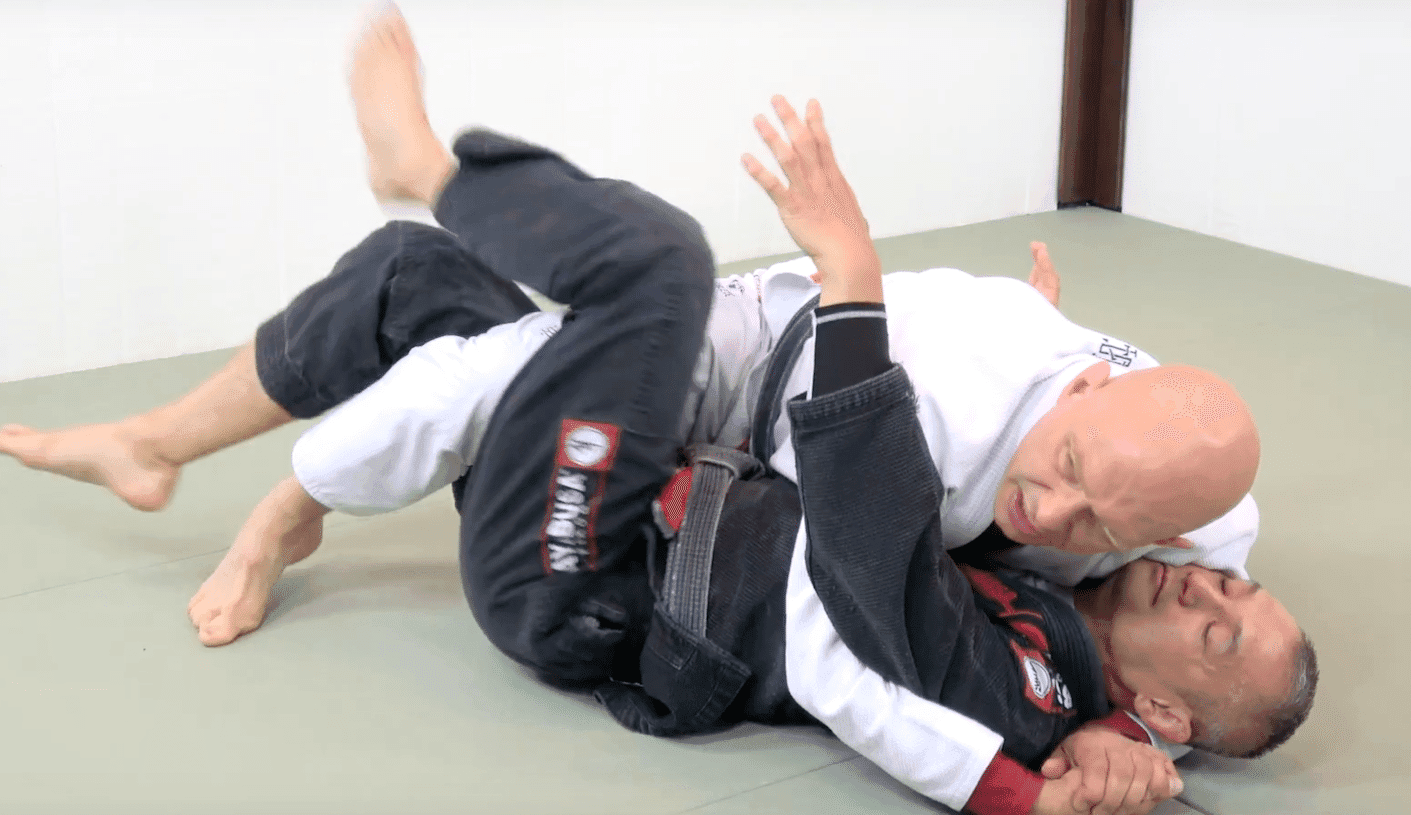
Stuck at the end of a knee cut pass? Separate ankle control from the upper-body position and practice finishing without giving back the guard.
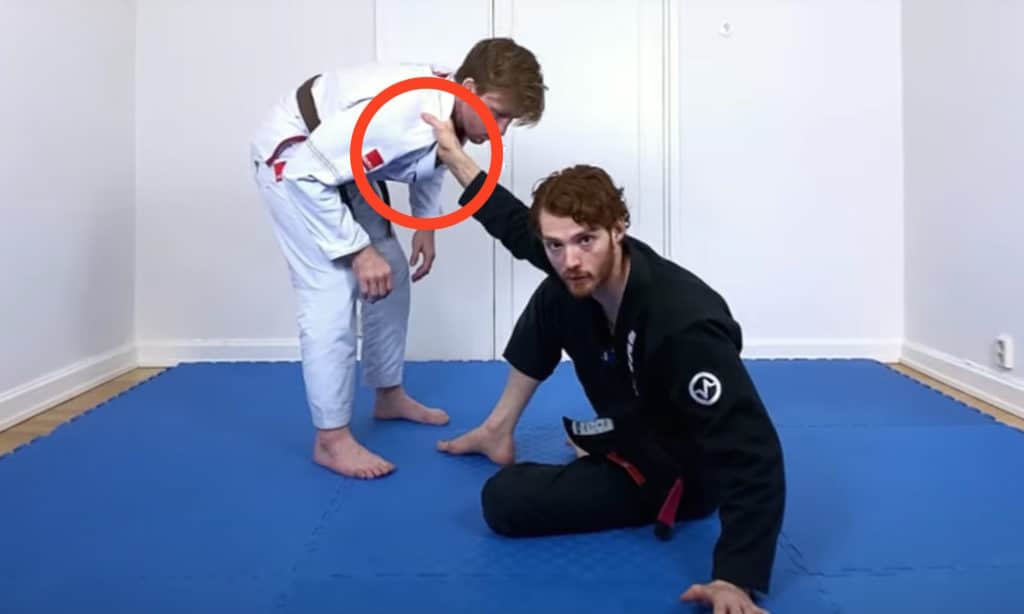
Your collar drag did not finish the sweep. Learn to recognize the single-leg or back-take opening and recover guard when the connection disappears.
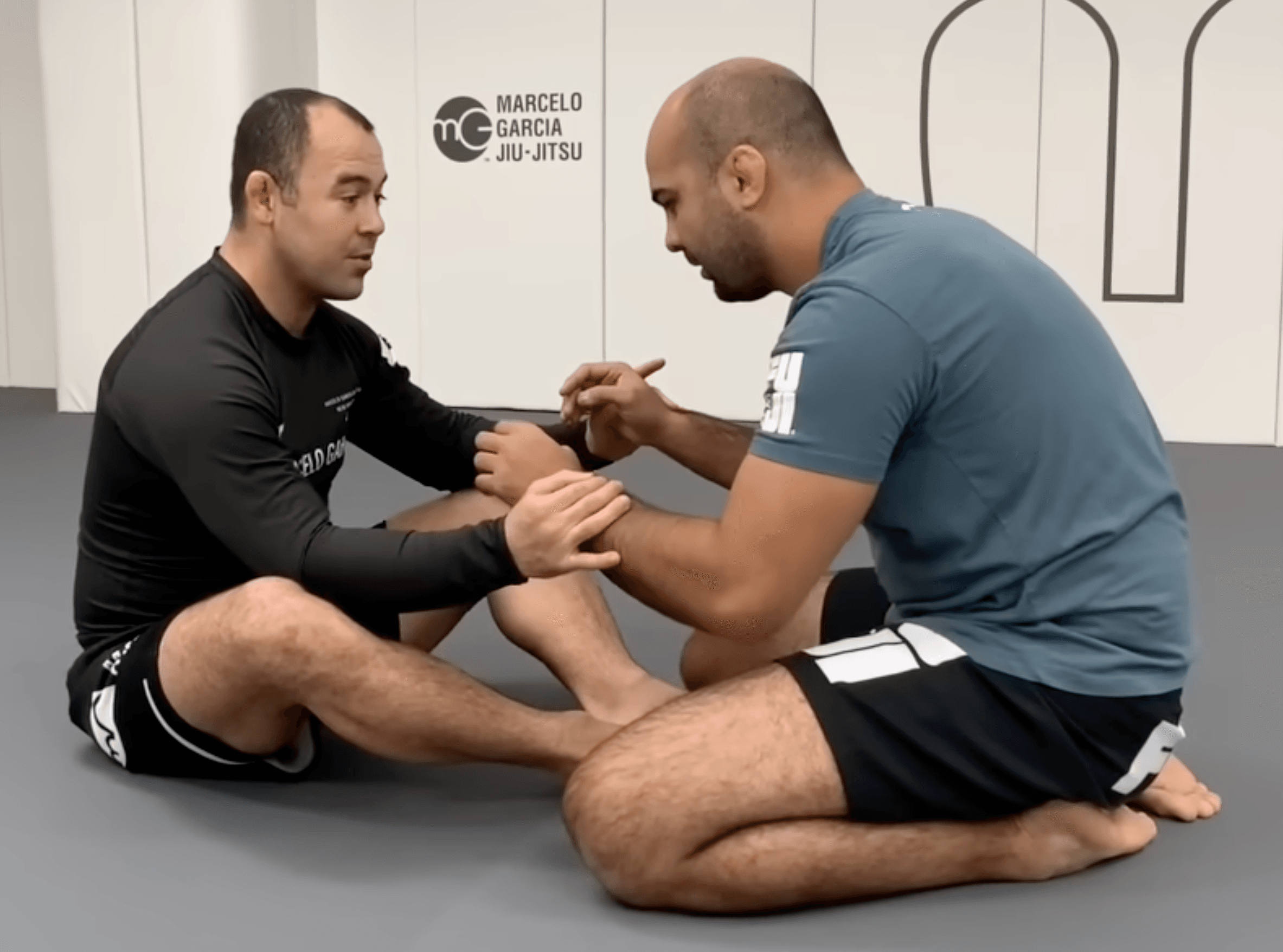
Butterfly guard explained — why this unglamorous seated guard ages better than any other, how hooks and elevation work, and when beginners should learn it.
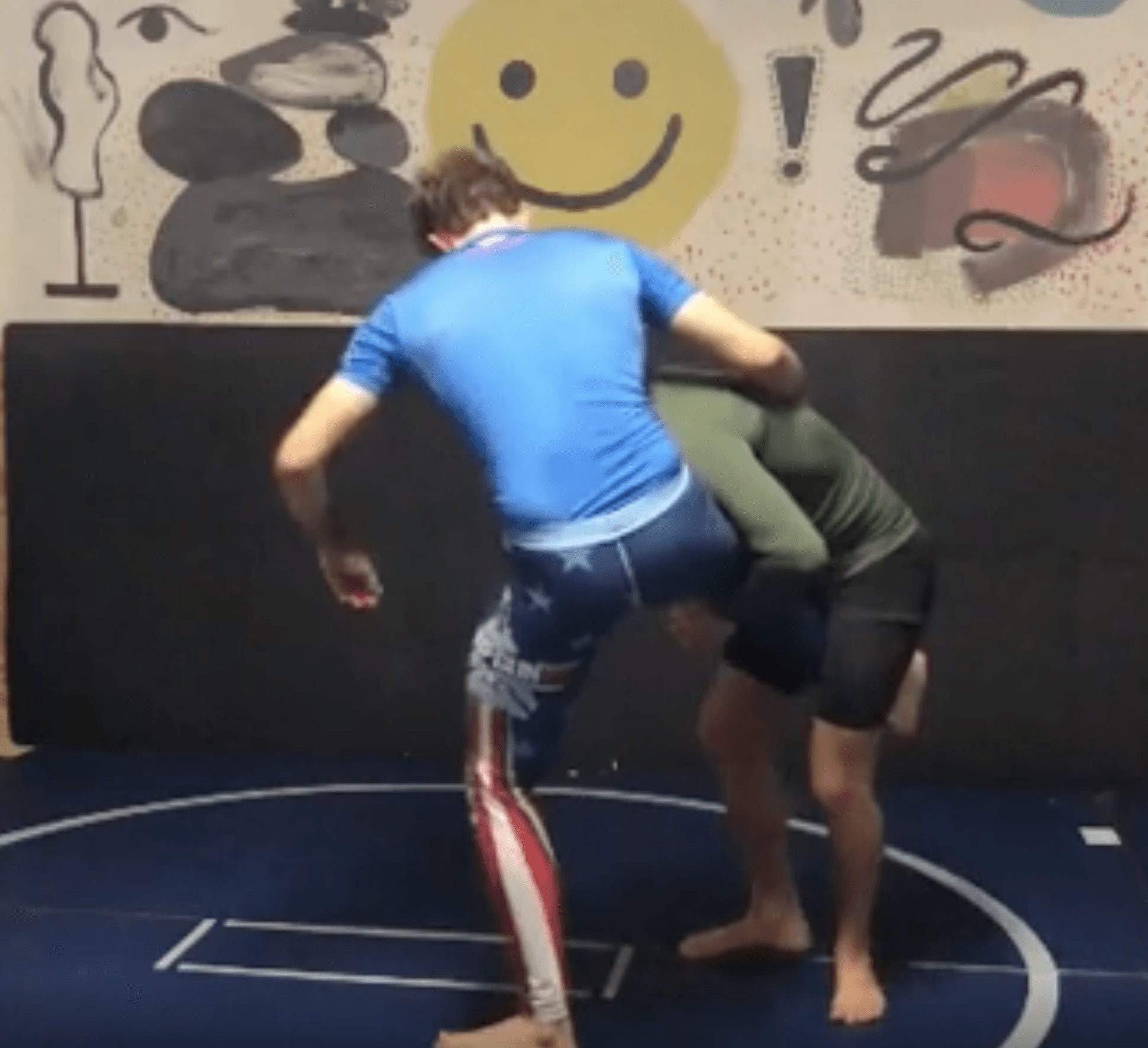
Takedowns for BJJ when you hate standup — why gyms neglect it, wrestling vs judo entries, three high-percentage options, and honest guard-pulling talk.
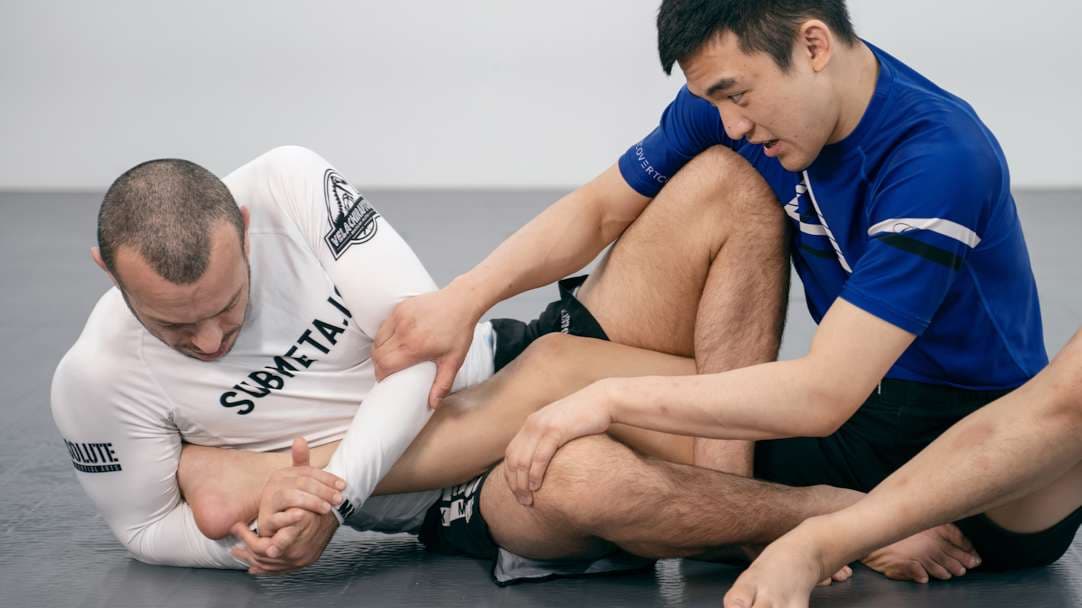
Leg locks in BJJ, honestly — why they were taboo, what changed, where beginners should start, what's legal at your belt, and how to keep partners safe.
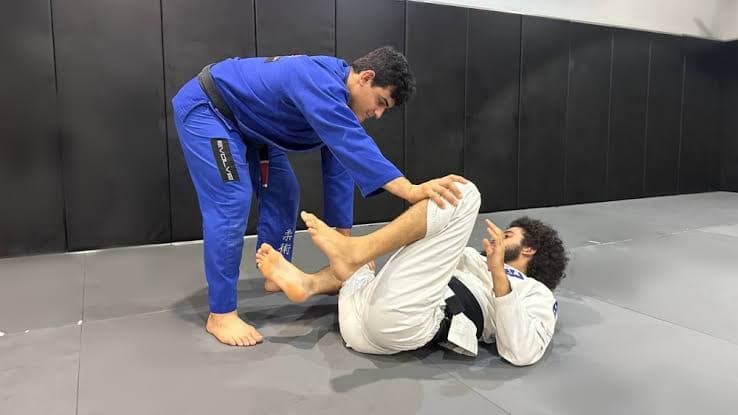
Guard passing is one of the hardest skills in BJJ. Here are the principles that make passing work — pressure, posture, grips, and patience — plus beginner mistakes to fix.