Training
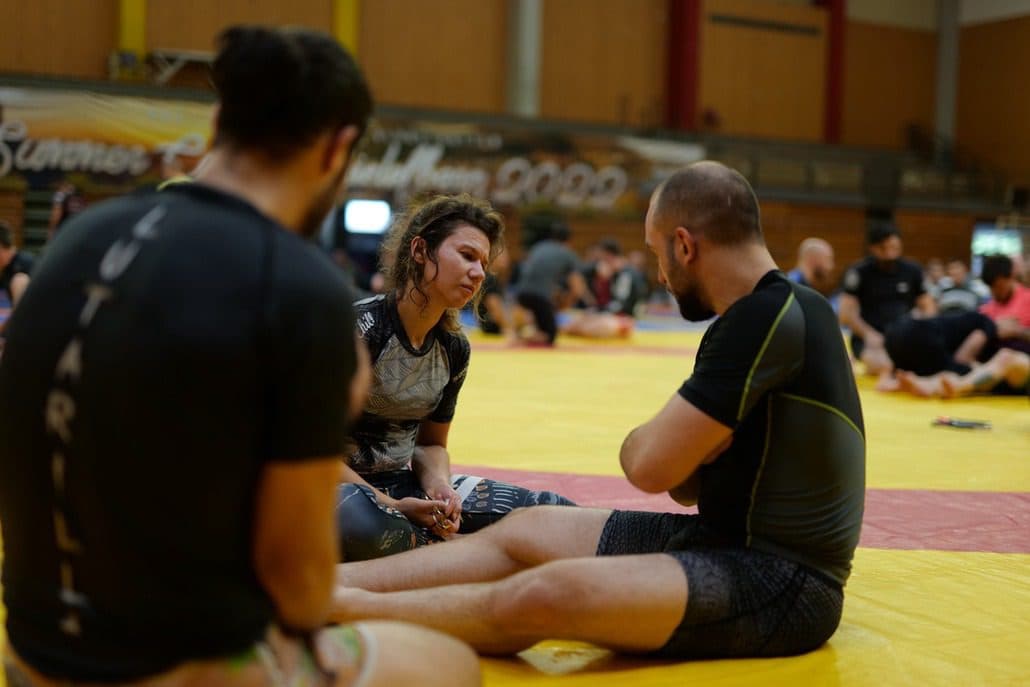
When a BJJ round needs a reset, agree on what restarts
A boundary, collision, or drill objective can stop a round. Use a clear reset so both partners know which position and task they are returning to.
Nina Okada8 min read

Training, technique, and the culture of Brazilian Jiu-Jitsu
34 articles
A boundary, collision, or drill objective can stop a round. Use a clear reset so both partners know which position and task they are returning to.
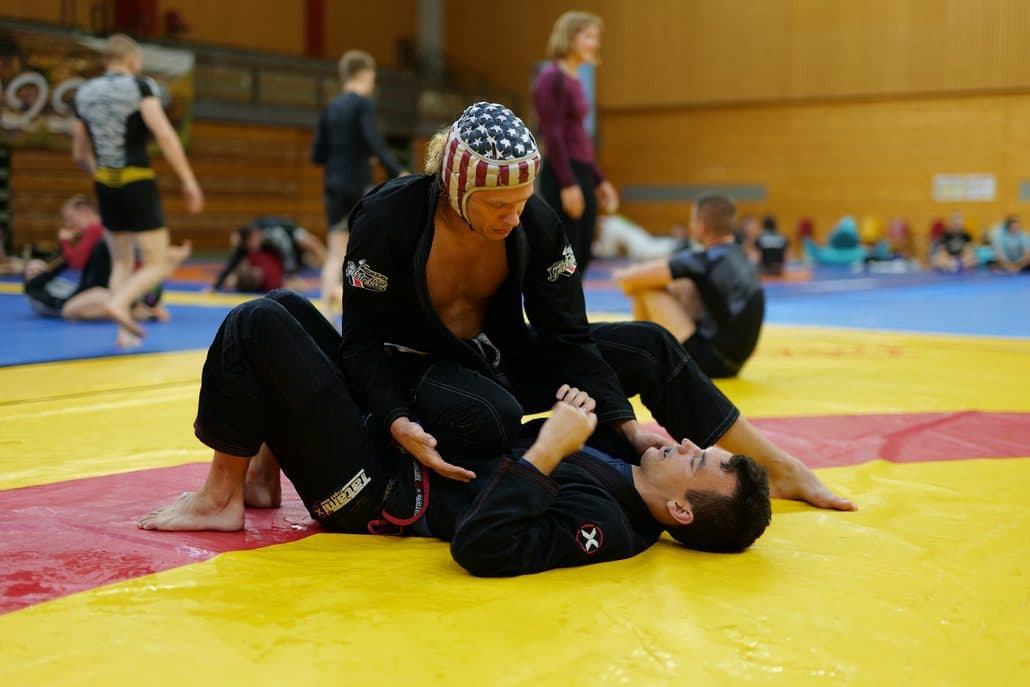
Experienced recreational grapplers can train with ambition without accepting every round as an invitation to prove they still belong.
Before abandoning a reliable technique, find the first part of the exchange that changed. A different grip or response may be the real problem.
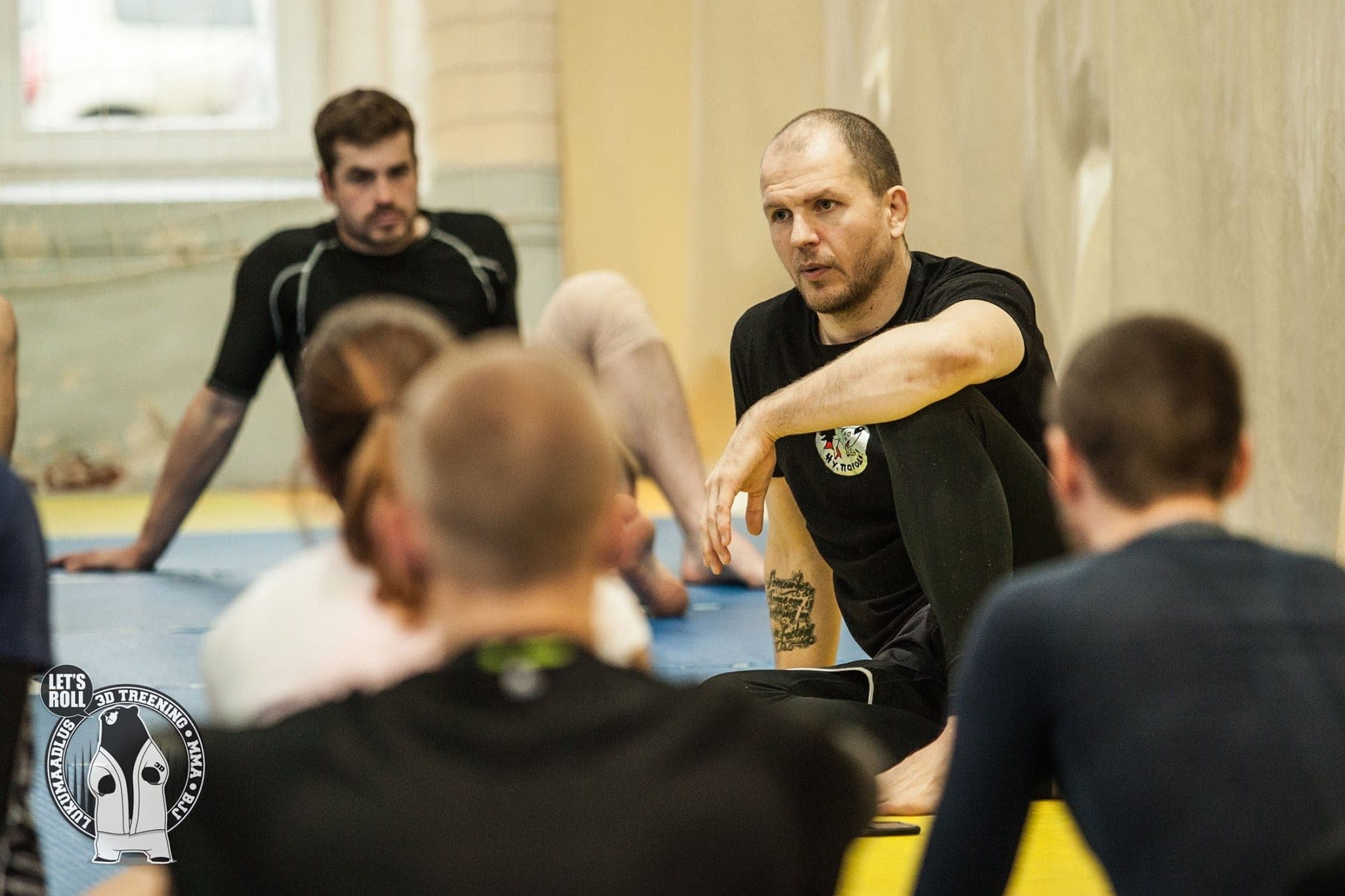
Two coaches, two different details. Learn to compare the position and purpose before treating BJJ advice as a contradiction.
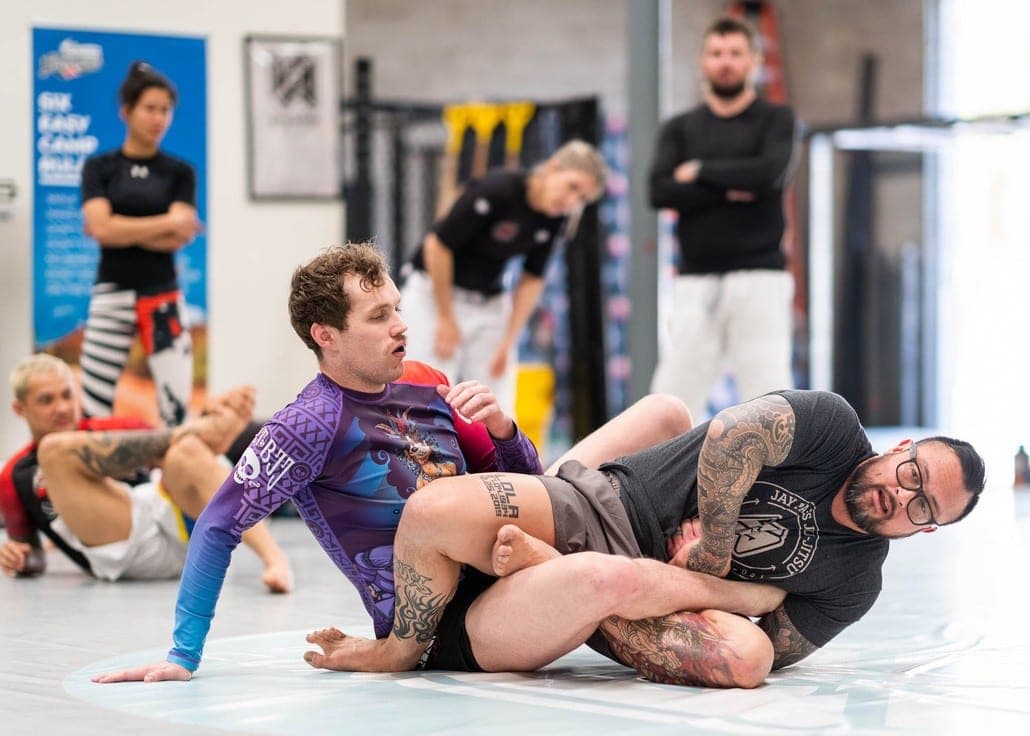
Design BJJ training games around a clear problem, meaningful tasks, and a useful reset—then check what happens when the rules open up.
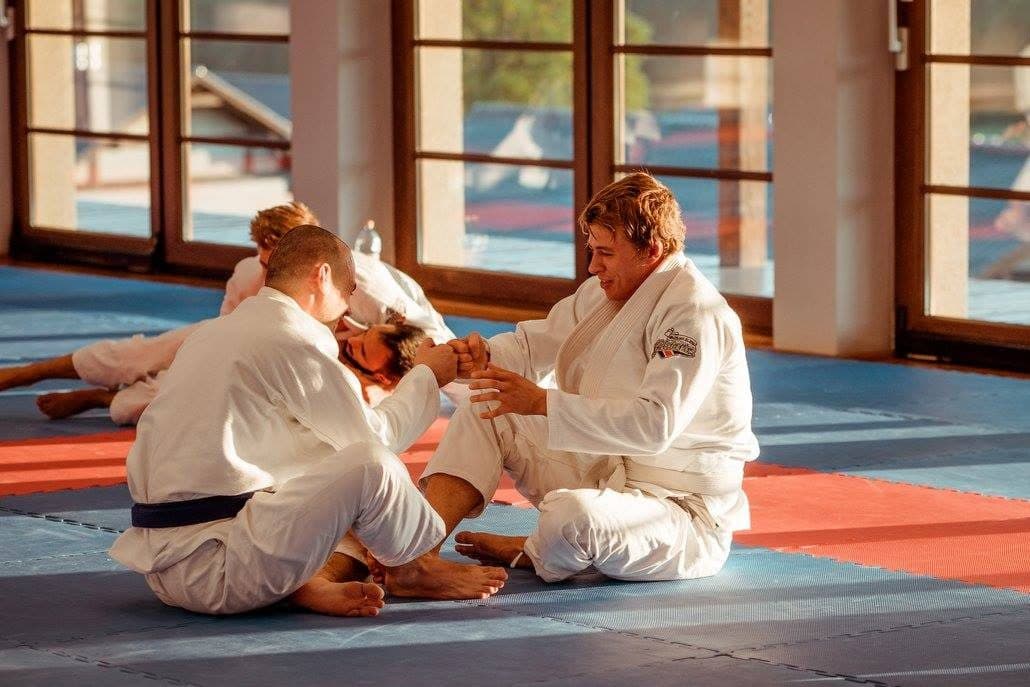
Give BJJ feedback that helps: describe one exchange, ask first, separate observations from guesses, and test a change without taking over the class.
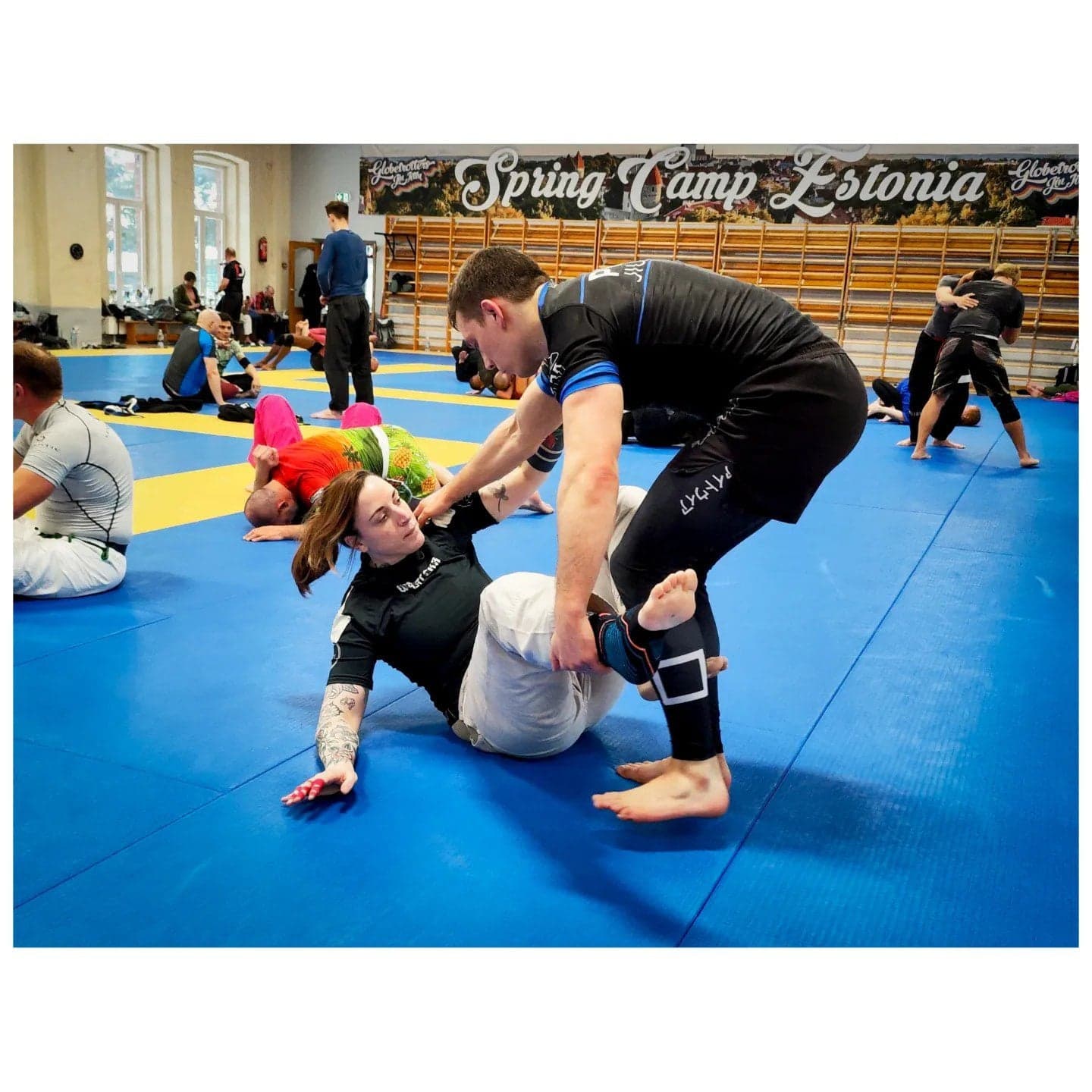
Use repeated BJJ starting positions to examine a specific problem, share useful practice with a partner, and test what carries into freer rounds.

Finding the right training frequency balances progress with recovery. Whether you're training twice a week or six days straight, here's how to dial in your schedule for sustainable growth.
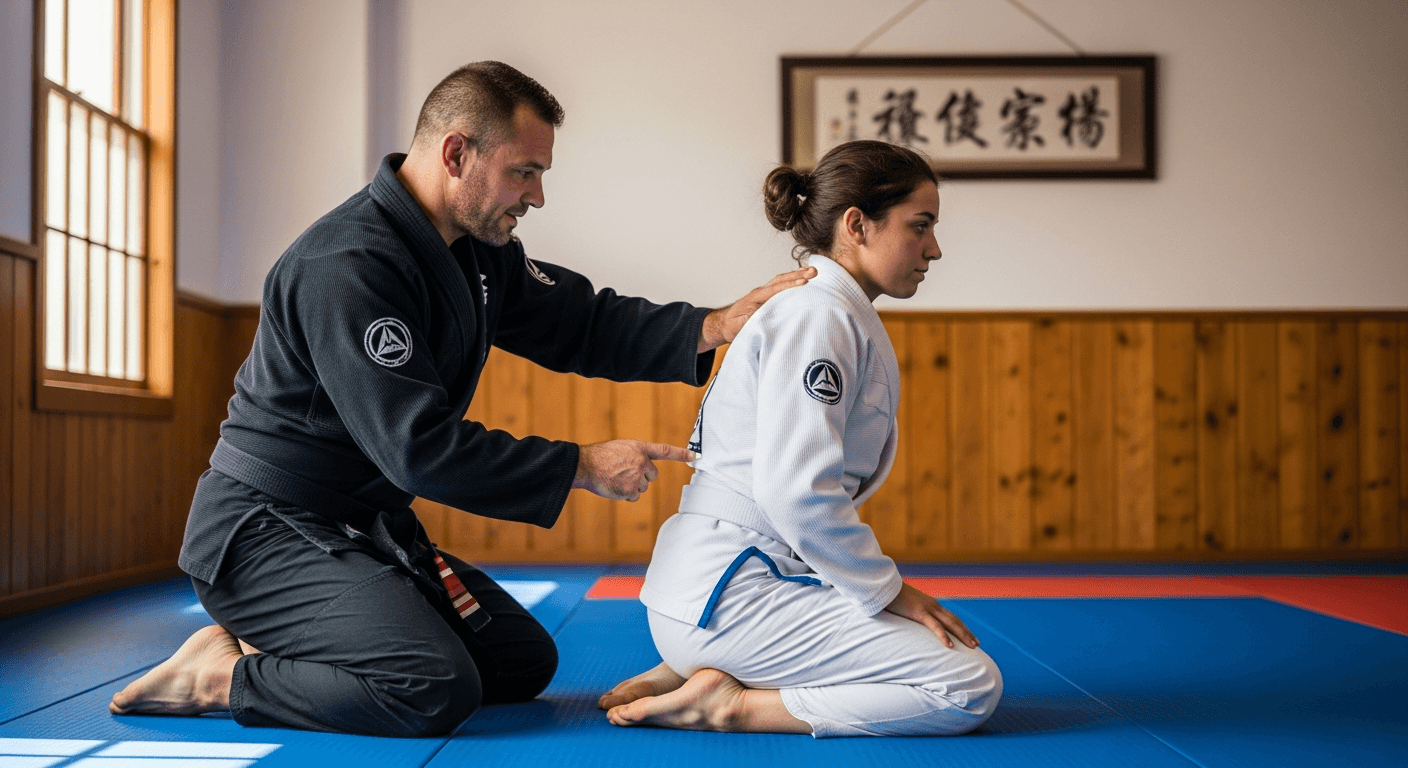
Every new BJJ student makes the same mistakes — relying on strength, holding breath, ignoring defense. Here are fifteen of the most common errors and practical fixes for each one.
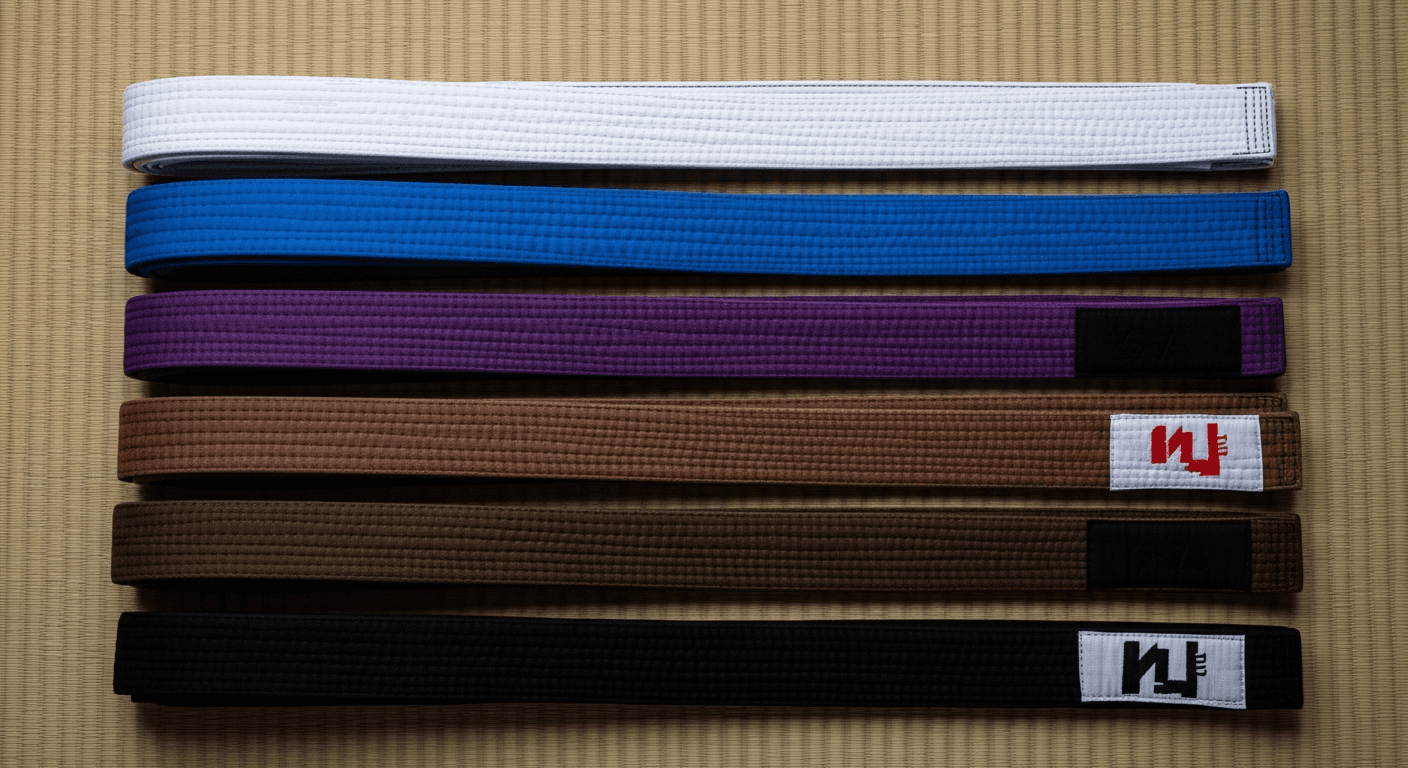
White to black — what each belt level means in Brazilian Jiu-Jitsu, how promotions work, and why chasing your next belt might be the wrong mindset entirely.