Technique
An overhook is an arm relationship, not the whole position
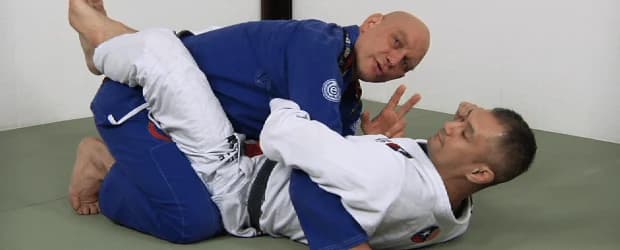
The overhook appears in closed guard and stand-up, but its name leaves out the legs, posture, and next movement that make it useful.
Nina Okada7 min read

Training, technique, and the culture of Brazilian Jiu-Jitsu
Showing 1–24 of 36 articles
The overhook appears in closed guard and stand-up, but its name leaves out the legs, posture, and next movement that make it useful.
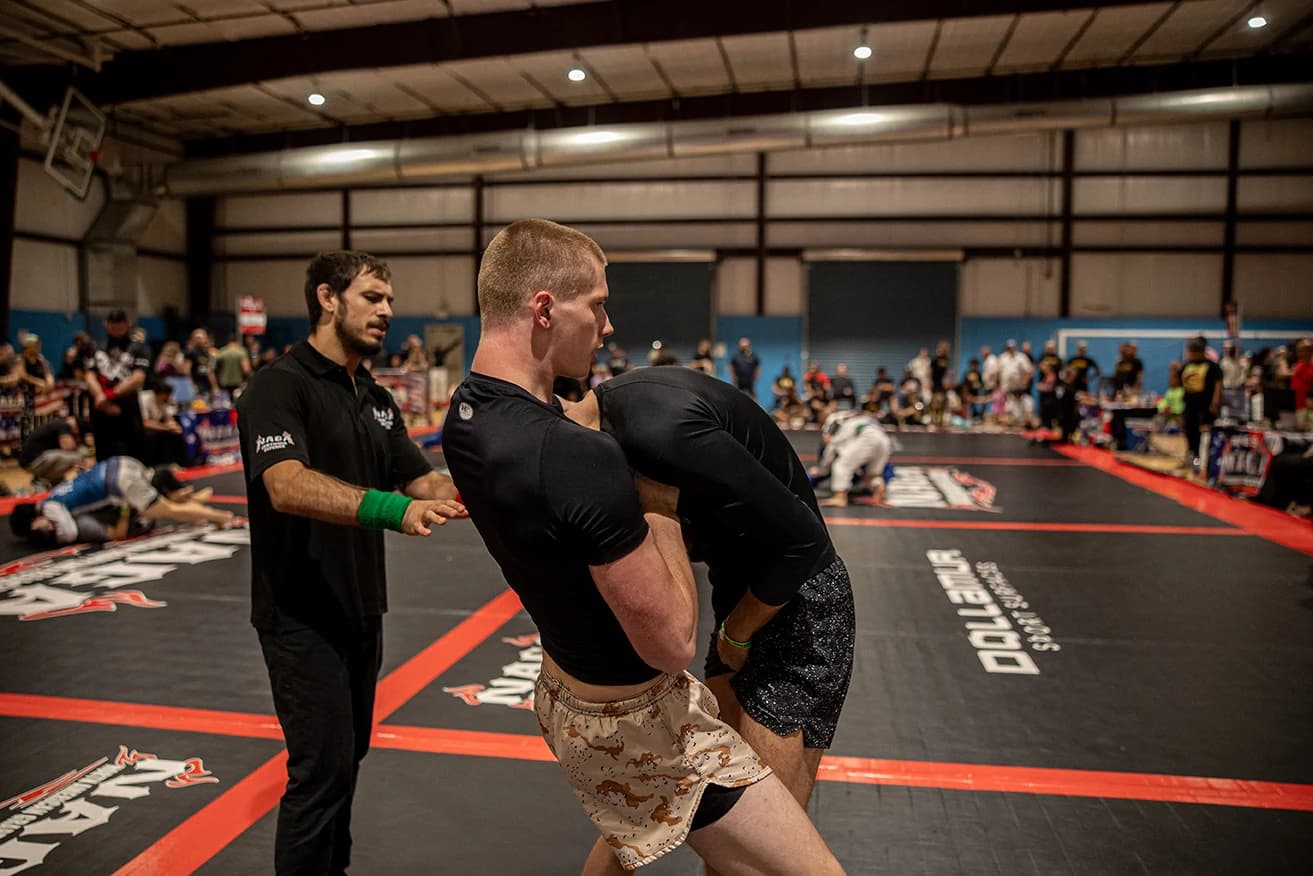
Head position is easier to study when you name its contact, the space it occupies, and the movement that changes when it moves.
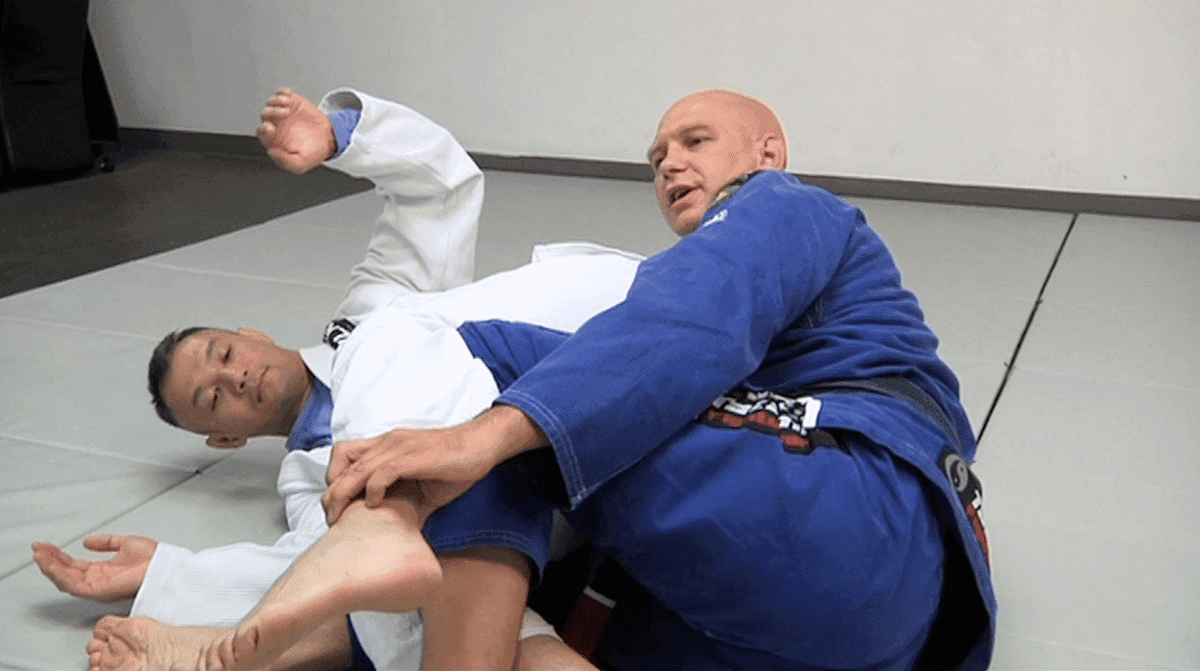
Study the berimbolo from guard connections to the final transition, with the inversion treated as one stage rather than the whole technique.

Study the BJJ crab ride through hooks, upper-body connection, and tracking the hips before completing a back take or top transition.

Follow the leg drag from outside control to hip control, with attention to the handoff that often lets the guard return.

Understand the anaconda’s head-and-arm connection, turning route, and controlled practice before chasing the visible roll.

Study the Ezekiel through the starting pin, sleeve or no-gi connection, and controlled entry, with a supervised practice structure.

Learn the D’Arce through the trapped arm, threading route, and top position before adding finishing pressure or resistance.

Study the Americana through the pin, shoulder control, and a supervised practice plan that separates the entry from finishing pressure.

The hands can stay locked while the back slips away. Learn what your seatbelt connection needs to preserve as a defender moves.

The crossface has a directional job. Understand the head connection, supporting controls, and first defensive movement before adding pressure.

Read the arm connection, posture, and hip movement before the finish. A clearer way to study the omoplata and its possible transitions.

Two hands on one arm are a beginning. Check distance, angle, the free hand, and the grip’s actual purpose before choosing an attack.

Choose a passing height by reading the guard, grips, and space. The transition between standing and kneeling deserves its own practice.

Getting around the head is only the entry. Learn what to check when north-south control disappears and the opponent recovers guard.

Understand collar-sleeve guard through the jobs of its grips, leg contacts, and hip angle, then practice useful responses when the passer changes position.
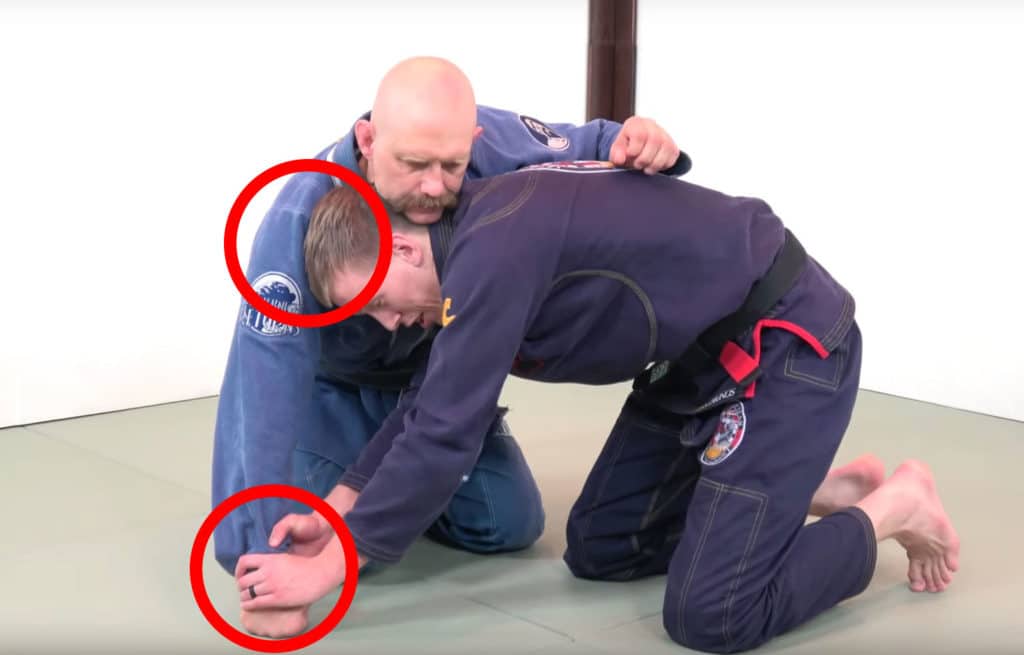
Turtle can interrupt a pass, but staying there creates another problem. Learn to identify the threat, control a connection, and choose an exit.

Study mount balance by tracking support points, controlled movement, and the moment an attack changes your base.
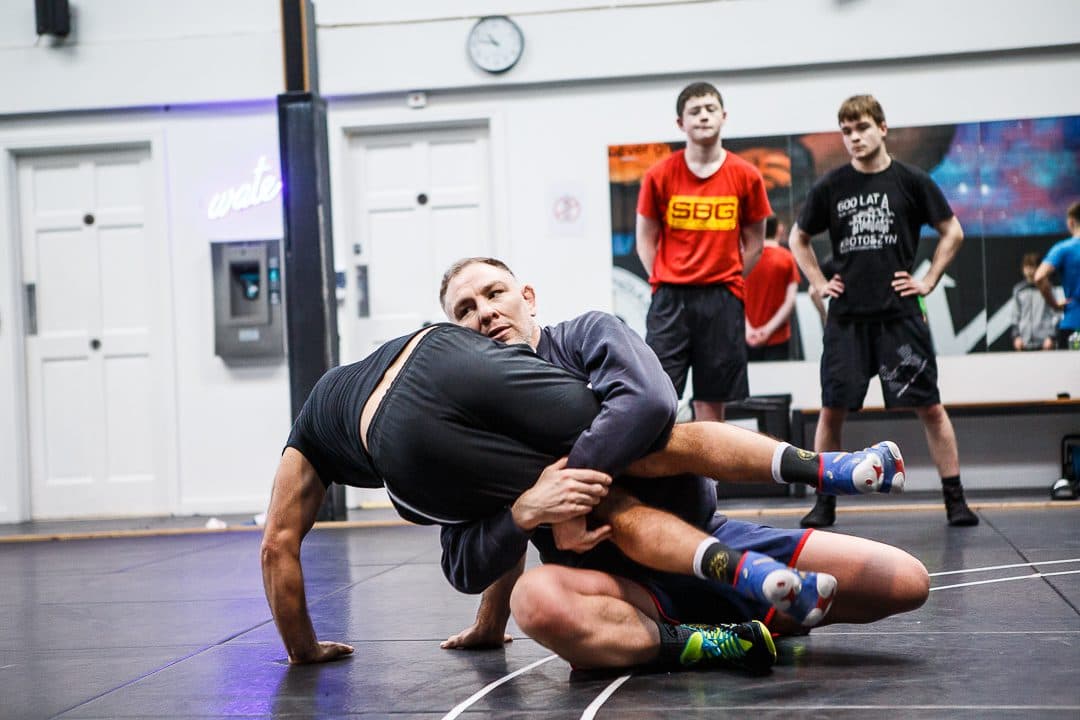
Understand what a BJJ frame does, how it differs from pushing, and how to practice the distinction without turning the drill into a strength test.

Standing from guard can be a deliberate BJJ choice. Learn to read the connections, space, and next position before trying to get up.

How the UFC BJJ Bowl changes balance, boundary exchanges, and replay analysis, with documented examples and referee rules.
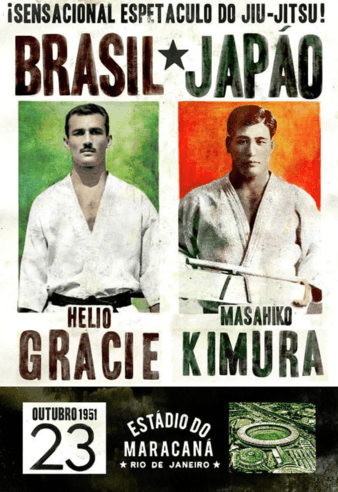
The kimura lock explained — the 1951 Masahiko Kimura vs Helio Gracie story, its double wristlock roots, and why it's a control system, not just a tap.
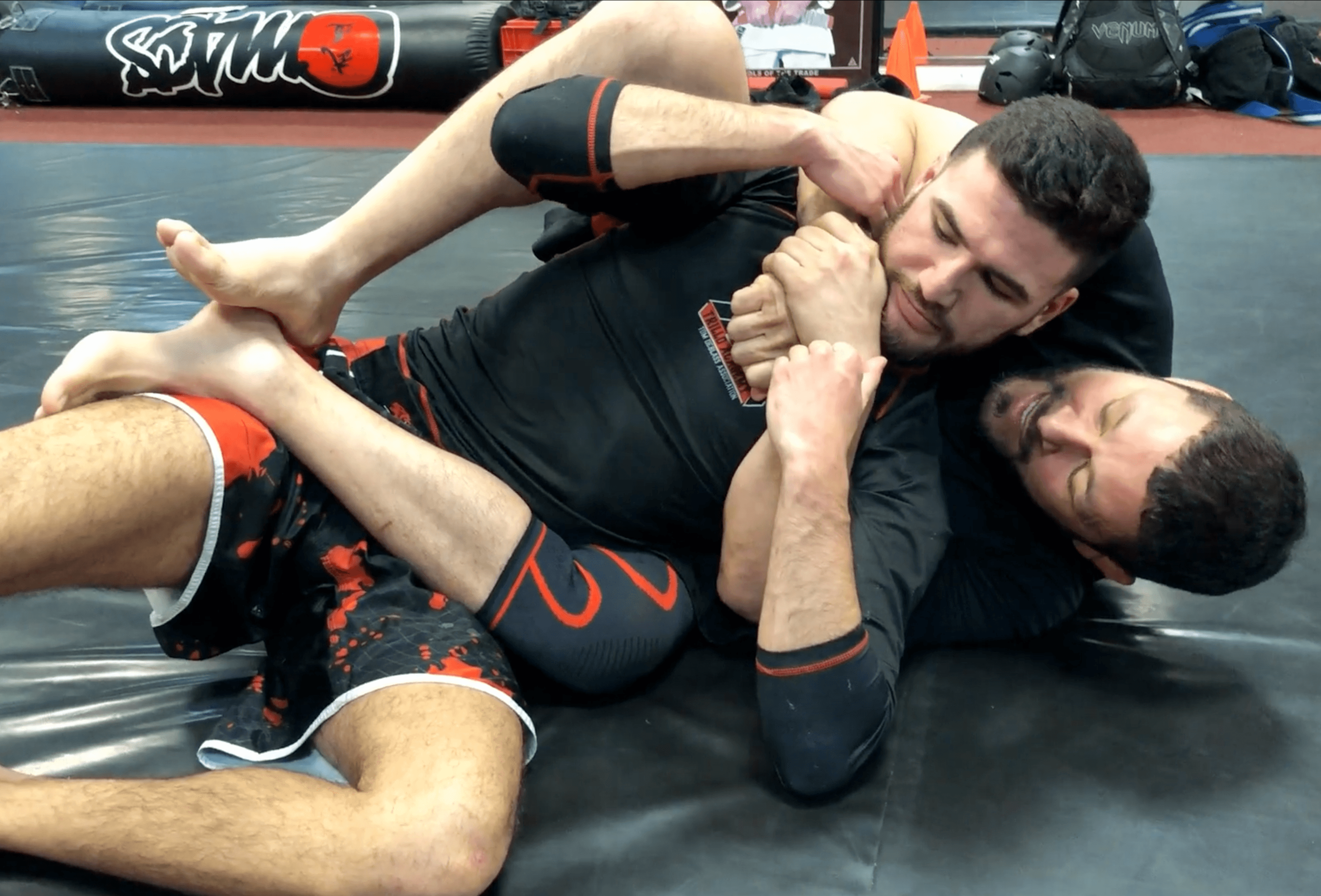
Back control is BJJ's king position — how to take the back, keep it with seatbelt and hooks, and escape it safely by winning the hand fight first.
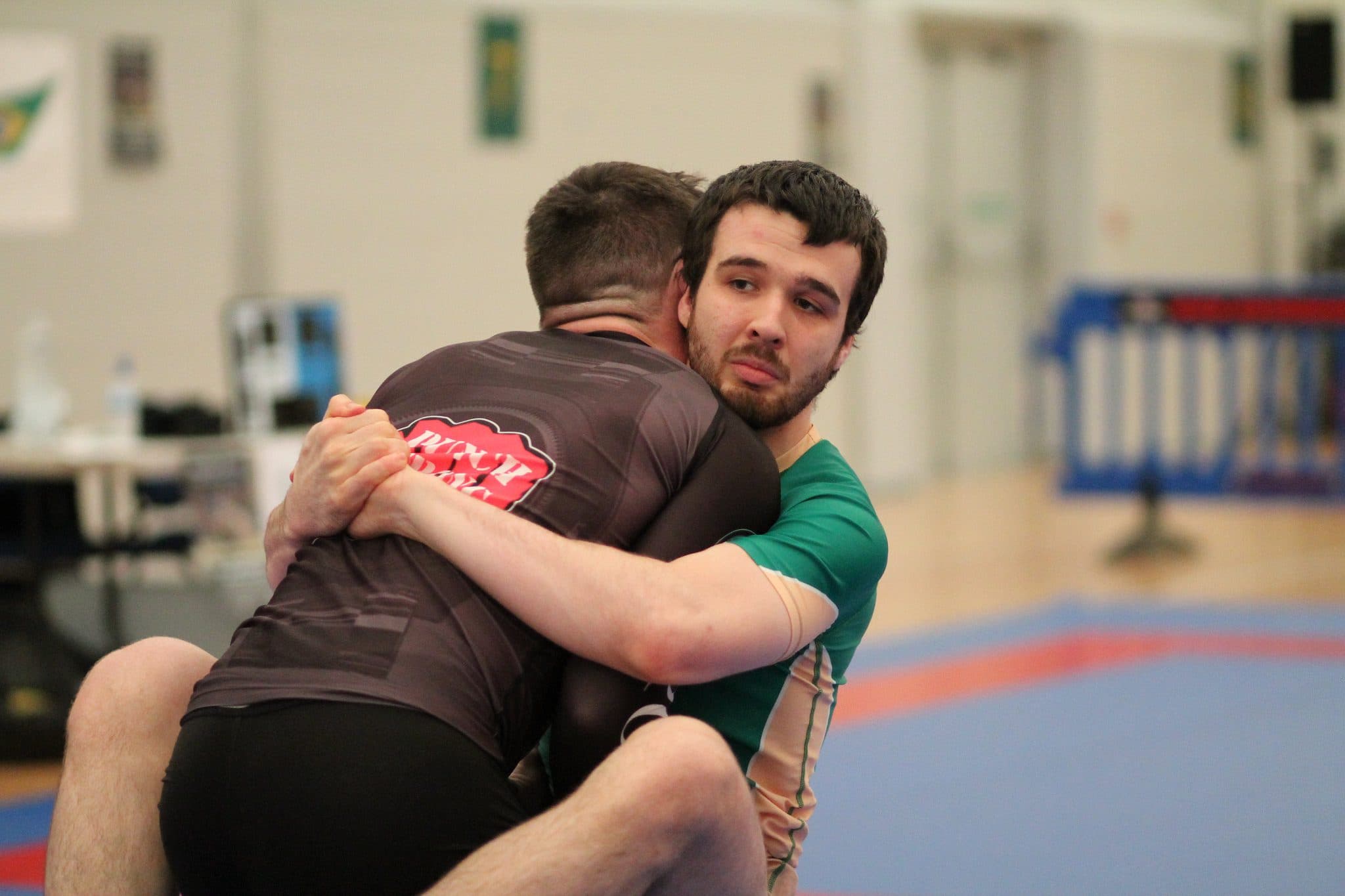
Takedowns are only part of the discussion. Wrestling also changes the choices available when a BJJ athlete gets to a knee, stands, or defends top position.