Technique
The Armbar: The First Submission Every Grappler Learns
The armbar explained — its judo lineage, how it works from mount, guard, and back, why control beats extension, and when to tap to protect your arm.
5 min read

Training, technique, and the culture of Brazilian Jiu-Jitsu
32 articles
The armbar explained — its judo lineage, how it works from mount, guard, and back, why control beats extension, and when to tap to protect your arm.
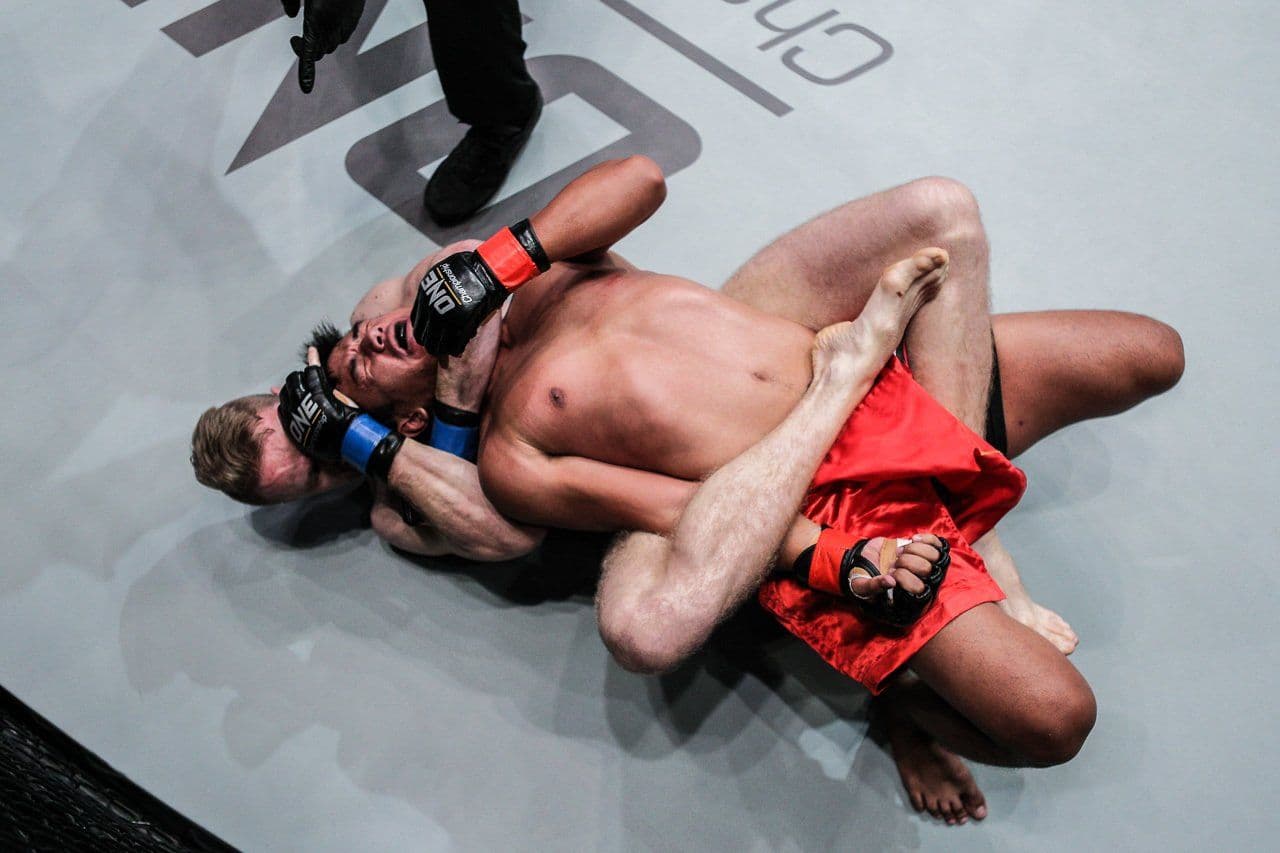
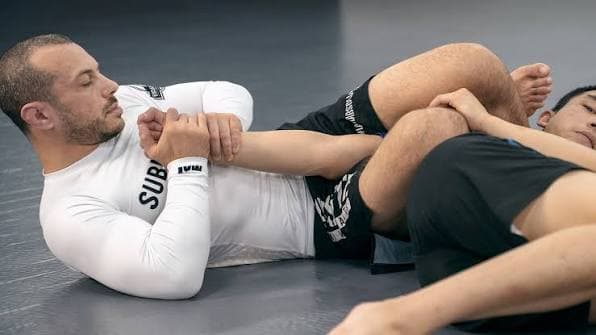
Why the rear naked choke is grappling's highest-percentage submission — back control, the seatbelt and hooks, and blood chokes explained honestly.
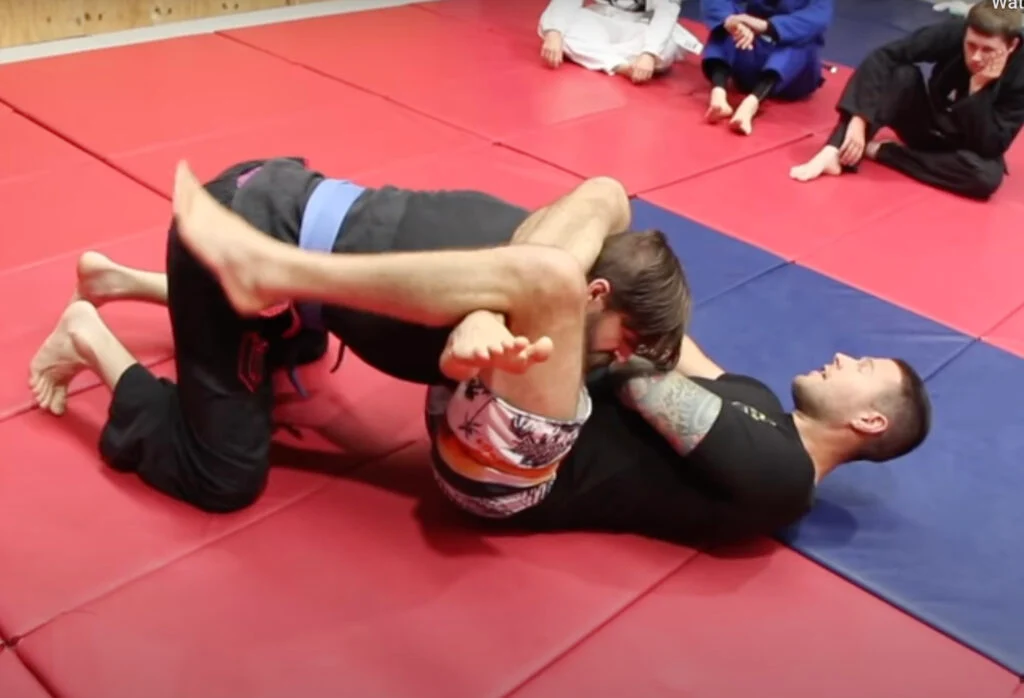
The triangle choke explained — its judo roots, how the mechanics actually work, the mistakes every beginner makes, and how it changes from gi to no-gi.
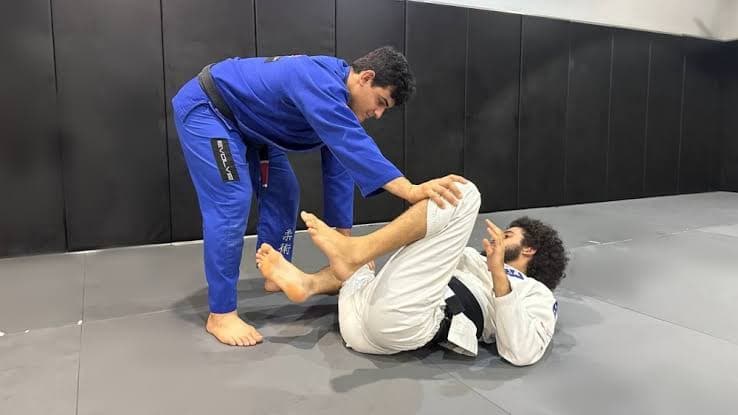
Guard passing is one of the hardest skills in BJJ. Here are the principles that make passing work — pressure, posture, grips, and patience — plus beginner mistakes to fix.
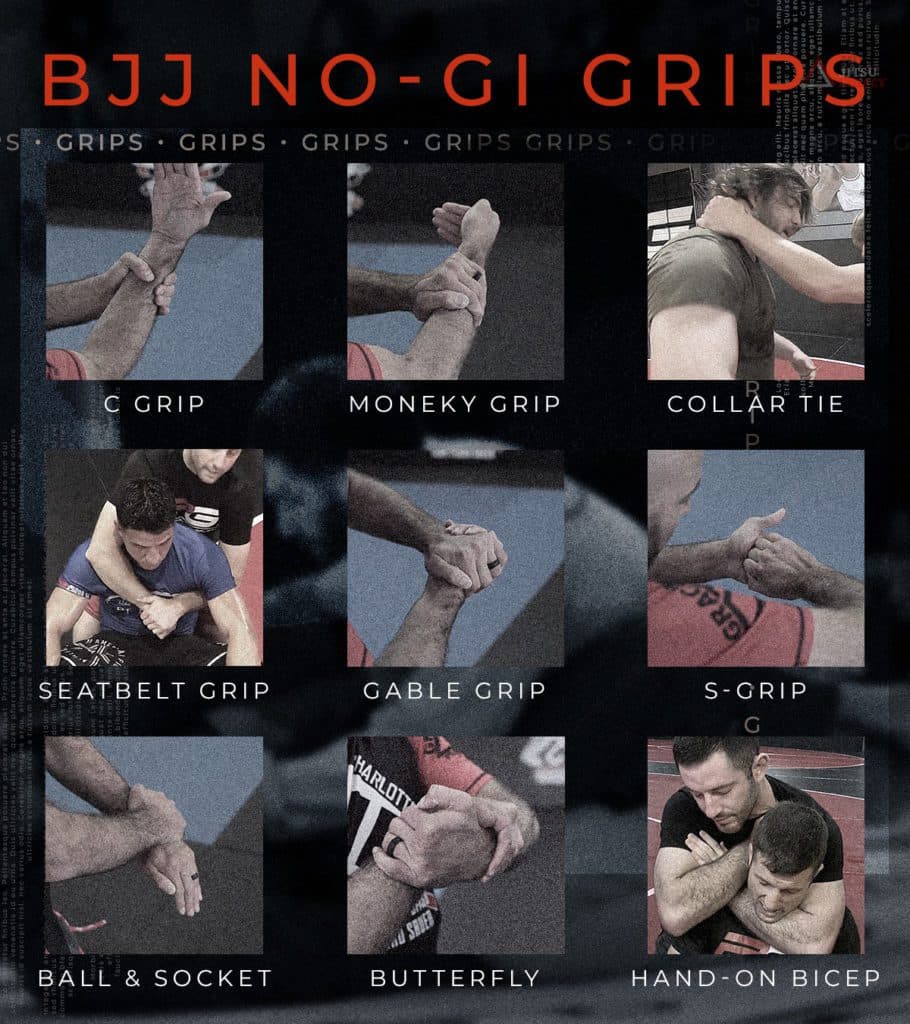
Grip fighting decides most BJJ exchanges. Here's a beginner's guide to the essential gi and no-gi grips, how to break grips, and why winning the grips wins the position.
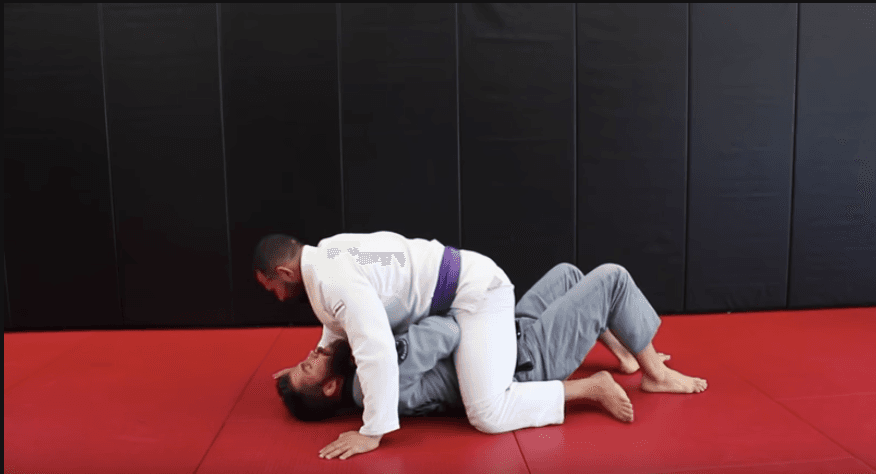
The highest-percentage beginner escapes from mount and side control in BJJ — the bridge-and-roll, elbow-escape, and framing — plus the principles that make them work.
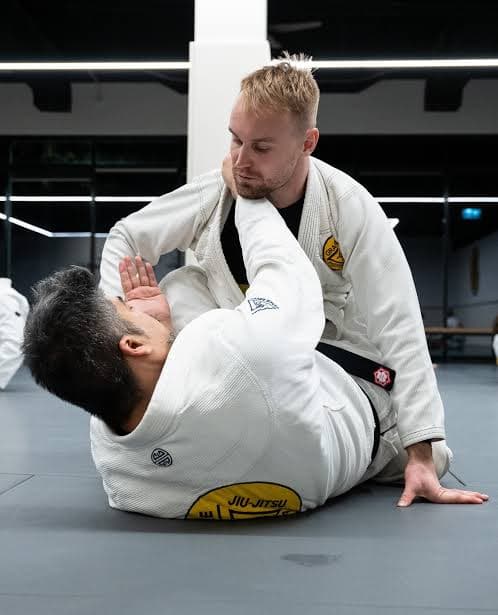
The highest-percentage BJJ submissions for beginners — armbar, rear naked choke, triangle, kimura, guillotine and more — what they are and why to learn them first.
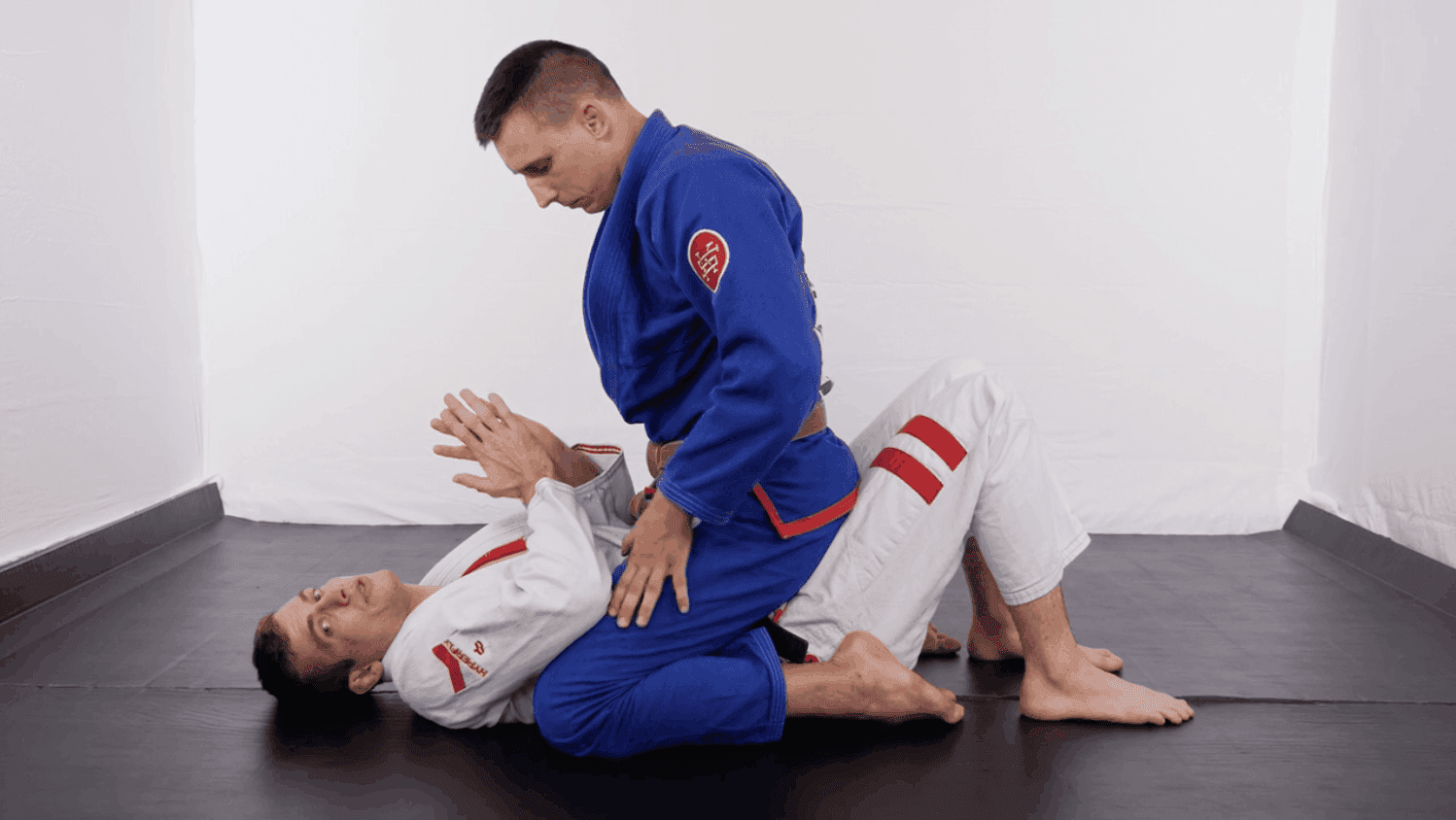
Mastering positions is the foundation of effective BJJ. From closed guard to the back, here are the ten positions that structure every roll — and why understanding them accelerates everything else.