
Competition
IBJJF Rules Explained: Points, Advantages, and What Gets You DQ'd
IBJJF rules in plain English — how points and advantages work, which techniques are legal at your belt, and the DQs that surprise first-time competitors.
5 min read

Training, technique, and the culture of Brazilian Jiu-Jitsu
36 articles
IBJJF rules in plain English — how points and advantages work, which techniques are legal at your belt, and the DQs that surprise first-time competitors.
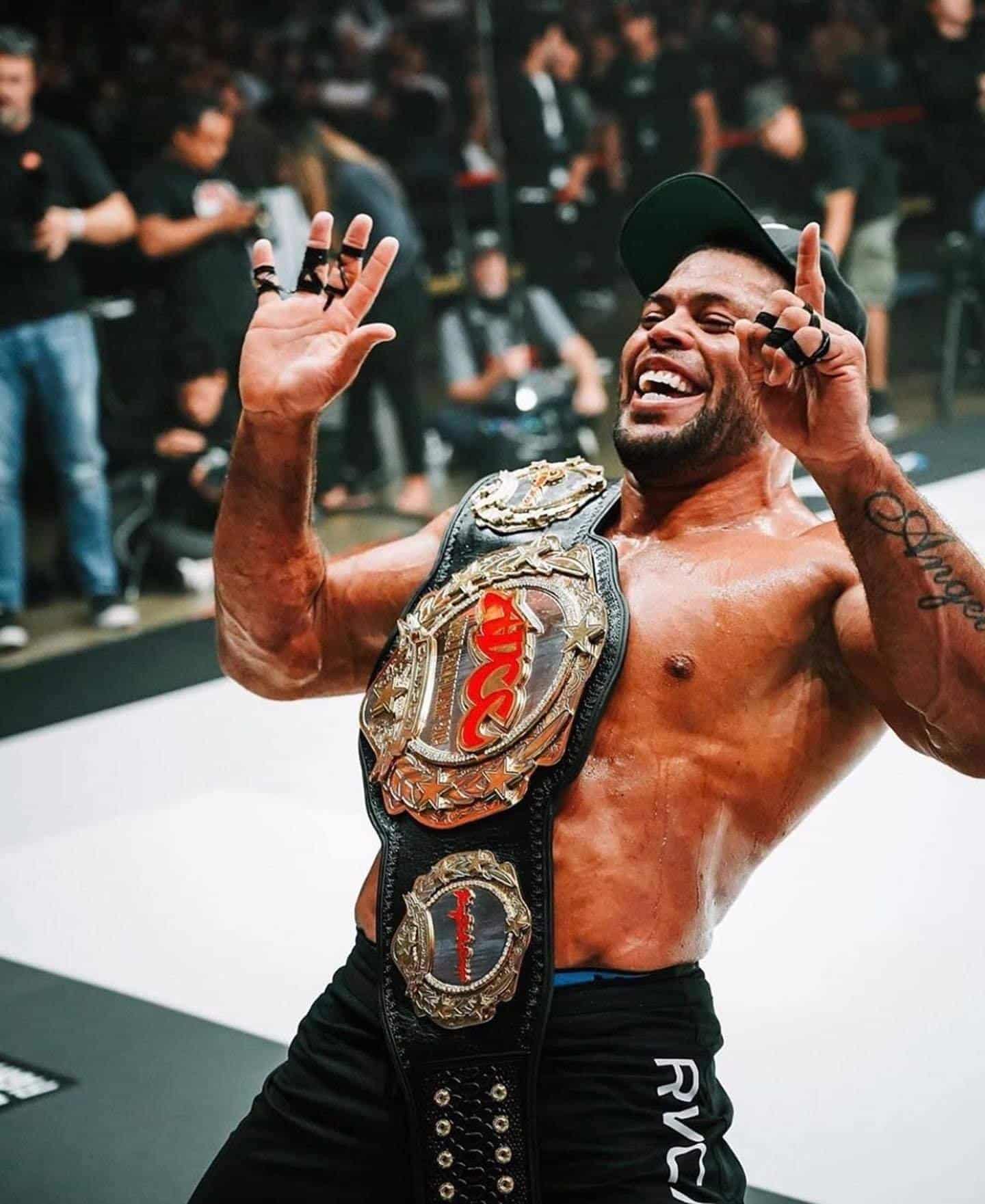
ADCC is the world championship of no-gi grappling, held every two years. Its history, unusual ruleset, and why winning it matters more than money.
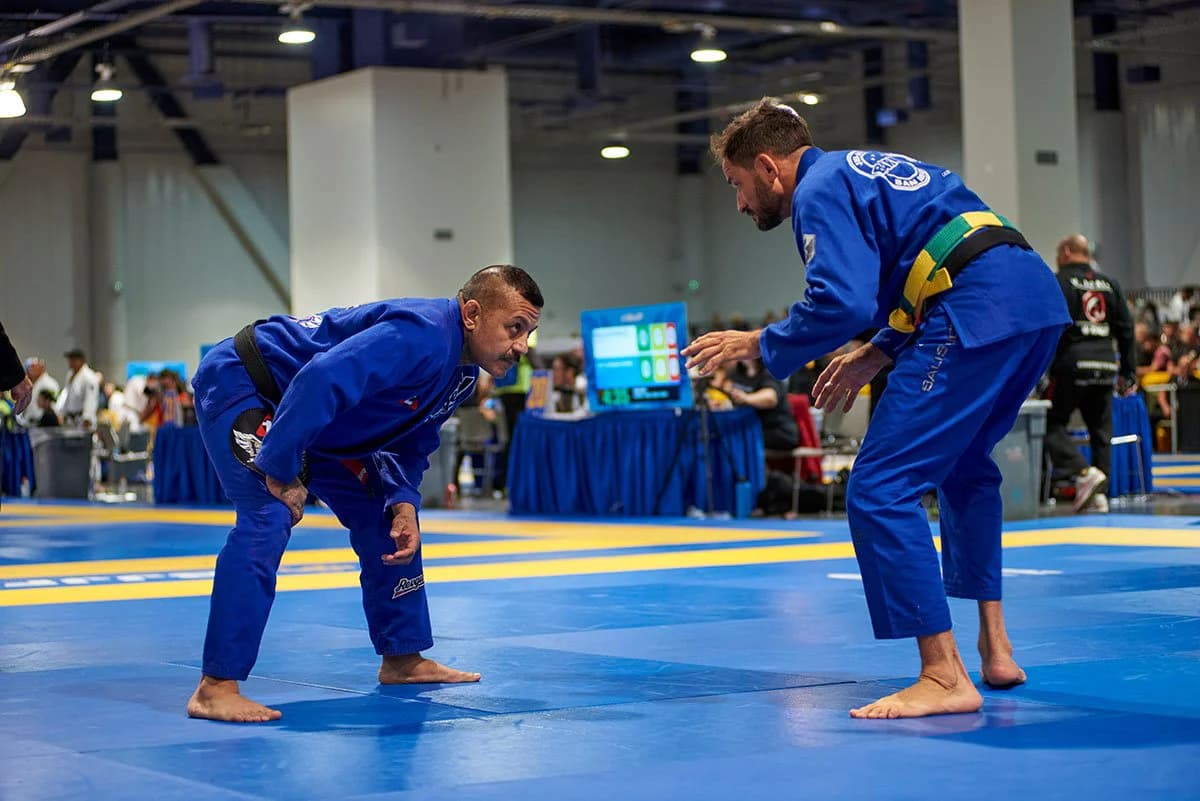
Should you compete in BJJ? An honest look at the pros and cons of competing in jiu-jitsu, what you gain, what holds people back, and how to decide if it's for you.
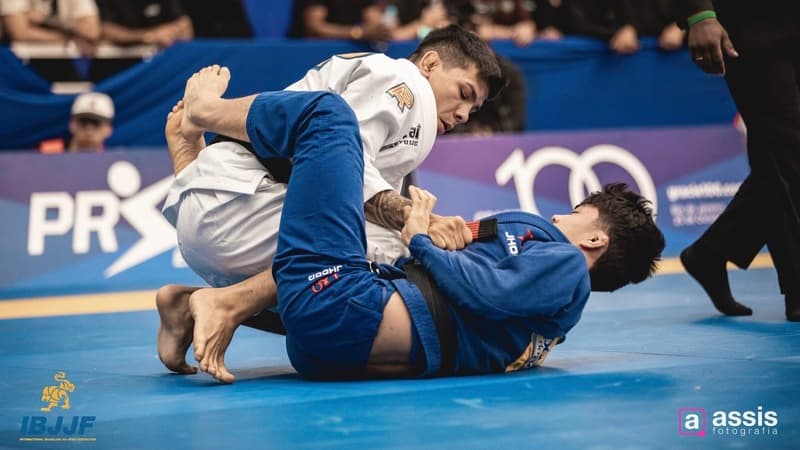
Guard pulling is a tactical choice with different costs under different rules. Separate competition strategy, training habits, and spectator preference.
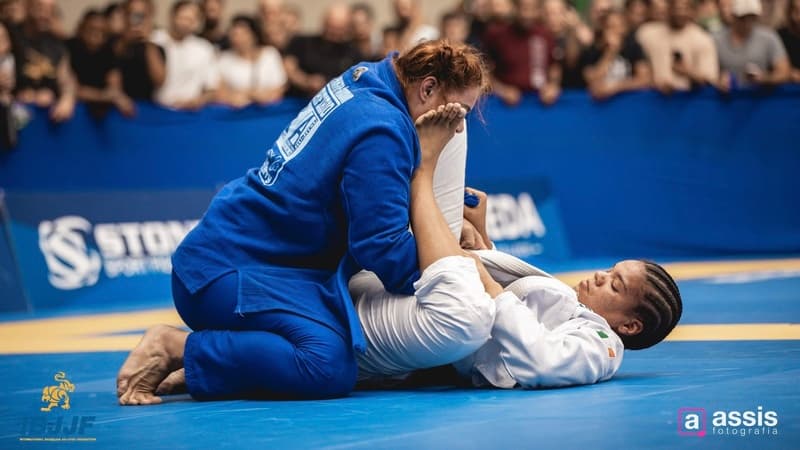
What a bye means, how to read your route through a BJJ bracket, and why an empty first-round slot does not give you a fixed start time.
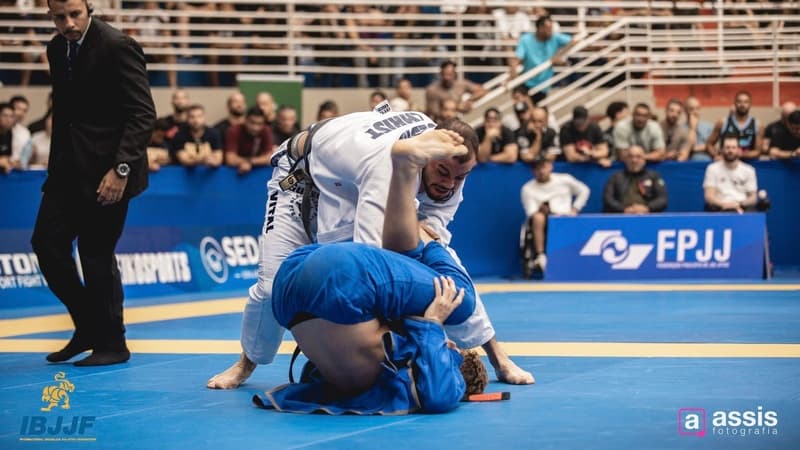
Wrong division on your BJJ entry? Find the correction deadline, use the right process, and verify the change before tournament day.
Coach admission, matside access, athlete coverage, and clear corner communication: what to arrange before a BJJ tournament starts.

Facing a teammate at a BJJ tournament? Settle the bracket policy, coaching plan, and expectations before either athlete reaches the mat.
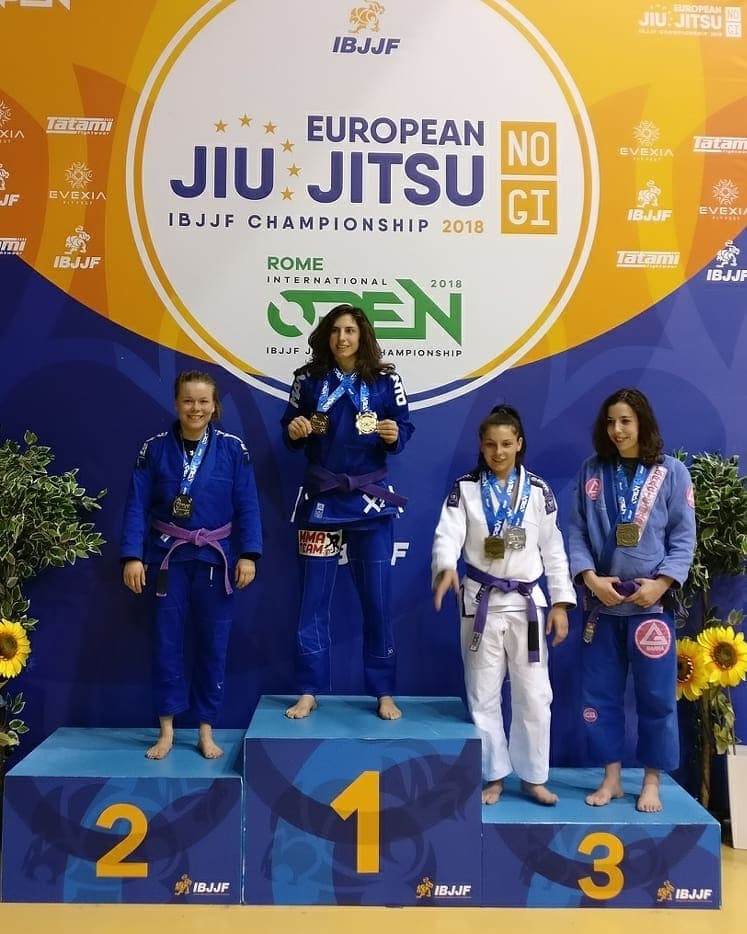
Manage changing BJJ match times with a practical plan for arrival, check-in, warm-ups, waiting, and communication with your coach.

A practical guide to handling a possible BJJ scoring error: identify the issue, follow the review policy, and keep the athlete focused.

Prepare for your first no-gi tournament with the right division, legal techniques, uniform checks, and a game plan you have actually practiced.
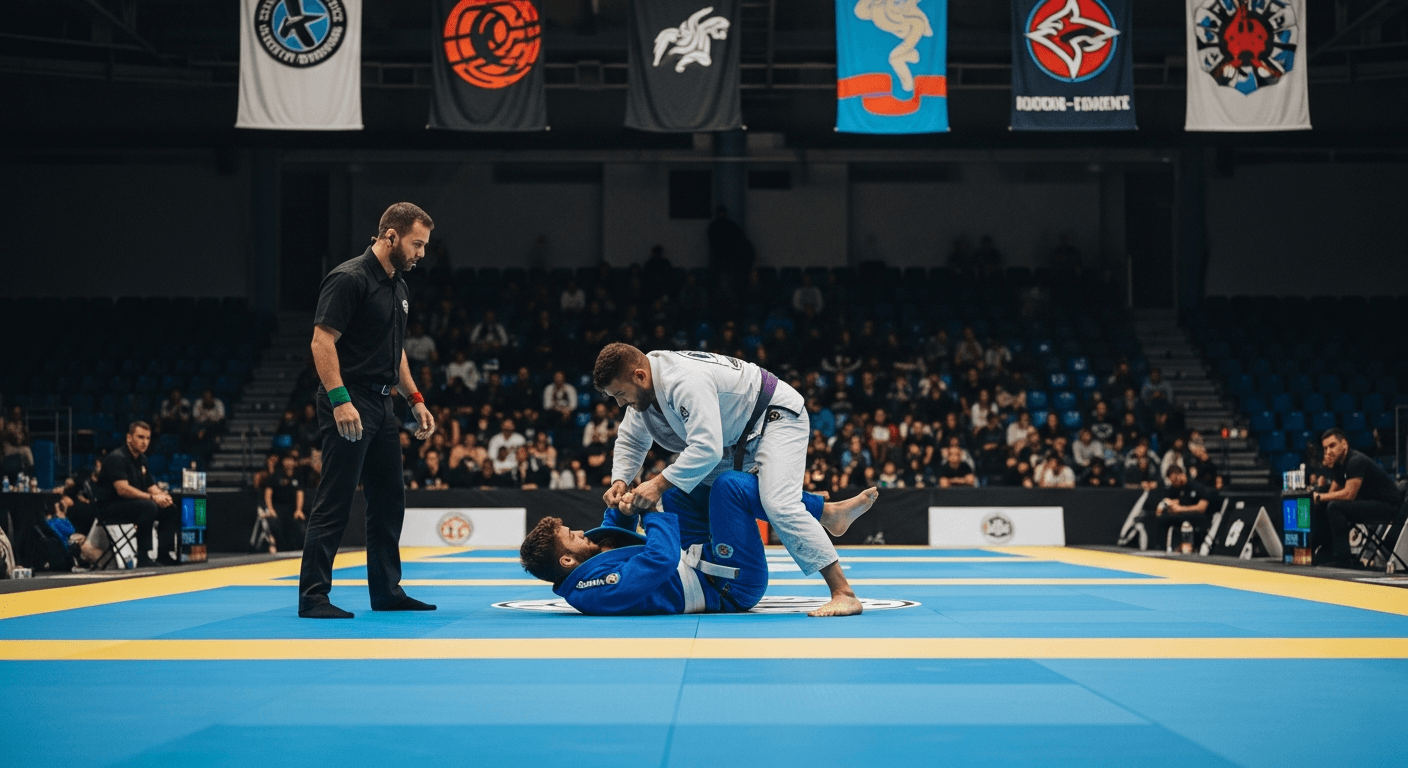
Competing in BJJ transforms your training. From registration to match strategy, here's everything you need to know about entering your first tournament and beyond.