

Luanna Alzuguir’s career took a route through the classroom
Quick answer: Luanna Alzuguir is a black belt under Marco Barbosa, a five-time gi world champion, and the 2009 ADCC women’s under-60 kg champion. Her gi titles include the 2010 absolute division as well as weight-category wins. Her competitive history also connects to university teaching and a later school founded with Ana Carolina Vieira.
Luanna Alzuguir finished second in her weight division at the 2010 Worlds and first in the absolute. The two results belong to the same athlete and the same championship. Together they make a more interesting introduction than a straight line of gold medals.
Kyra Gracie won lightweight that year, while Alzuguir headed an open-class podium with Gabrielle Garcia second. Changing brackets changed the field and the result. The lightweight silver did not describe everything she did that weekend.
There is a similar reason to keep more than the medals in view across her career. Before the major black belt titles, Alzuguir’s path included university, a return to organized training, and teaching while she was still a brown belt.
University became part of the training history
BJJ Heroes’ biography describes Alzuguir studying journalism during a period away from consistent training. The university competition circuit brought her back into contact with the sport and with Marco Barbosa’s team. She subsequently taught jiu-jitsu at Anhembi Morumbi while still a brown belt.
That route deserves space because a competitive career can otherwise look like a continuous series of preparations for the next championship. Here, a different institution was part of reconnecting the athlete to training. Education and sport occupied the same account without one being only a distraction from the other.
Barbosa awarded her black belt in December 2007. The following year, she moved into the Alliance training environment after Worlds. Those were concrete changes in the people and setting around the work.
The later titles did not erase the earlier classroom. Teaching had appeared before the best-known black belt results, rather than beginning only after a medal count had made the athlete famous.
The 2009 lightweight title put Kyra Gracie on the other step
The official 2009 Worlds results list Alzuguir first in the women’s adult combined brown-and-black belt lightweight division. Gracie took silver, with Juliana Borges and Ana Carolina Vidal in the bronze places. Alzuguir was already a black belt; the historical division itself combined the ranks.
That is the specific competitive setting behind the first of her five highlighted gi world titles. Keeping the actual category visible also gives readers an entry into how the women’s championship program was organized at the time.
The opponents make a useful viewing map. Gracie had her own accomplished career, and Alzuguir’s title belongs beside that resistance rather than in a summary that makes the other competitors anonymous.
For someone beginning with older footage, identify the event and division before looking for a famous finish. The world-championship guide explains why names such as Worlds can refer to different competitions. Alzuguir’s 2009 result is a good reason to keep the labels attached.
ADCC gave the same year a no-gi championship
Alzuguir also won the women’s under-60 kg division at ADCC in 2009. The official event results list Sayaka Shioda second and Hillary Williams third. The gold places Alzuguir’s success beyond a single gi championship circuit.
Comparing the two settings gives a spectator a practical technical question. Which parts of controlling an opponent remain available without jacket grips, and which connections have to change? The answer belongs to a particular exchange rather than a general claim that one format is more real than another.
An athlete can retain a recognizable preference for playing guard while using different attachments to solve the immediate problem. Watch the setup before the sweep or attack, then keep the opponent’s response in view. The first denied option can matter as much as the final movement.
The year’s two major golds are useful because they supply different competitive settings for that comparison. They do not require the viewer to imagine that the training or tactics were identical across both events.
The 2010 absolute deserves its own line
At the 2010 Worlds, Alzuguir took lightweight silver behind Gracie. In the absolute, she finished first, with Garcia second and Beatriz Mesquita and Gracie in the bronze places. Her open-class title is the second world gold in the commonly listed five-title sequence.
The two podiums complicate the idea of an entirely good or entirely bad championship day. A result in one division can be followed by another set of opponents and another competitive outcome. The athlete still has work to do after the first bracket is settled.
I find the split result a useful place to slow down. It asks the viewer to look at what changed between contests, rather than assuming that a medal color tells the whole story about someone’s form that weekend.
It also prevents an inaccurate summary in which all five of Alzuguir’s titles become lightweight wins. The absolute was a different entry. The career becomes easier to follow when a familiar total retains the varied results that produced it.
The later gi titles included middleweight
The 2013 Worlds results list Alzuguir first in adult black belt middleweight, ahead of Vanessa Oliveira, with Ida Hansson and Shanti Abelha taking bronze. She also took open-class bronze at that event. The weight title and the absolute placing add another pair of different results to the record.
Her own Aviv Experience teaching biography lists gi world titles in 2009, 2010, 2011, 2012, and 2013, identifying 2010 as absolute. It also records a later No-Gi Worlds title in 2018. The span extends beyond one short championship run.
A later victory can draw a reader back toward the earlier years, but it does not make every gap a retirement or comeback. The events establish where she competed and won. The time around those competitions contains a larger training and teaching life.
For a viewing project, choose one of the later gi matches beside the 2009 material. Compare the starting positions before deciding what stayed recognizable and what changed. The opponent and weight category are part of that comparison.
A 2013 ADCC silver keeps another competitor in view
The ADCC 2013 results put Michelle Nicolini first in the women’s under-60 kg category and Alzuguir second. Seiko Yamamoto took bronze. Alzuguir’s earlier championship remained part of her history while another athlete won that edition.
That gives the competitive story a useful limit. A champion’s technique can remain worth studying in a match they lose. The opponent’s successful work may show which route was closed or which control became difficult to recover.
Nicolini’s own career is covered in our profile of her competitive and teaching work. Reading the two accounts together can help a spectator begin with two athletes who each have a substantial history, rather than treating one as the obstacle in the other’s story.
Keep enough of the exchange to see how the winner reaches the decisive position. The result is the starting point for that inquiry. It does not remove the need to inspect the work that produced it.
Teaching became a shared school project
The academy’s AJP club entry records Aviv Jiu Jitsu as founded by Alzuguir and Ana Carolina Vieira in July 2018 in Florida. That places a shared teaching project within the later period of Alzuguir’s competitive career.
A school asks a different kind of consistency from an athlete. Classes recur for people who may not be following the founder’s next event. A student needs an explanation of the position in front of them, a suitable partner, and a session they can attend regularly.
The earlier university teaching makes this part of the career feel less like an afterthought. Instruction was already present before the championship run that made Alzuguir a familiar name. The school gave that work another setting and a co-founder with her own competitive history.
For a prospective visitor, useful questions include:
Who will teach the class on the day you can attend?
What experience and equipment does that session expect?
How should an established visitor arrange entry and payment?
The founders’ records can make the inquiry interesting. The answers make the visit workable.
The takeaway
Luanna Alzuguir’s five gi world titles contain different divisions and a championship weekend with both silver and gold. Her ADCC record adds another format, while the university history and later school keep teaching inside the career rather than outside it.
Begin with the 2010 pair of podiums or one clearly named match. Keep the opponent and competition setting attached, then follow the part of the story that interests you: the guard work, a different division, or the teaching project that continued alongside the results.
Find a class that fits the question
Use Let’s Roll’s gym directory to compare schools and confirm the instructor and experience level of the session you want to attend.
FAQ
Who awarded Luanna Alzuguir her black belt? Marco Barbosa awarded it in December 2007, according to her published biography. She later competed with Alliance.
Were all five of her gi world titles lightweight wins? No. The 2010 title was absolute, and the official 2013 results list her as middleweight champion. Keep the division with each result.
Did she win ADCC? Yes. She won the women’s under-60 kg championship in 2009. In 2013, she took silver in that category behind Michelle Nicolini.
Did she teach before founding Aviv? Her biography records university teaching while she was a brown belt. The AJP club entry dates Aviv’s founding with Ana Carolina Vieira to July 2018 in Florida.

Miles Serrano
Miles Serrano writes about competitors and the decisions that shaped their careers. He is more interested in the adjustment someone made in the third minute than in the medal count afterward.
Related Posts
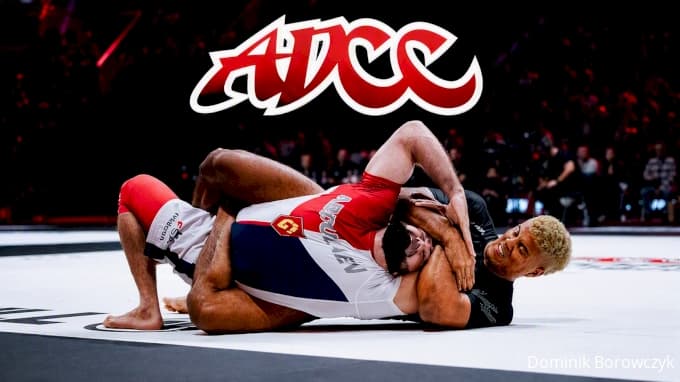
ADCC 2026 results: the stories that survived the predictions
ADCC 2026 results from Krakow: Jaworski, Maciel, Crevar, Pena, the women's champions, and the superfight outcome, with official podiums and match context.
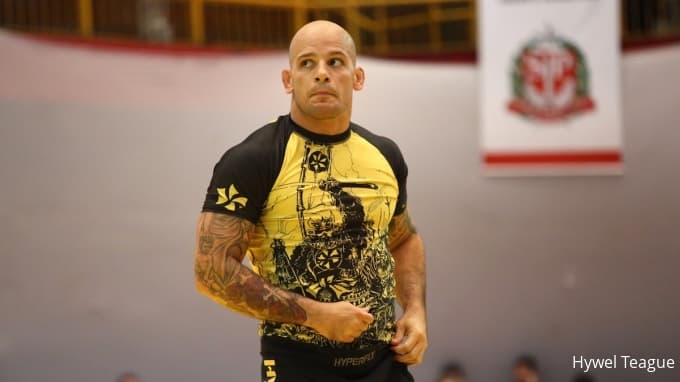
Xande Ribeiro: from absolute titles to the masters mat
Explore Xande Ribeiro's absolute Worlds victories, two ADCC titles, Six Blades, and the distinction between his 2022 Worlds farewell and later masters gold.
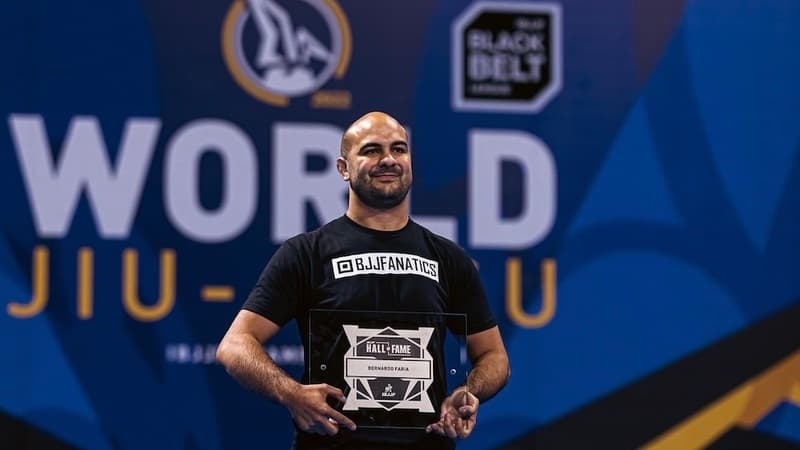
Bernardo Faria: the champion who kept asking questions
Follow Bernardo Faria from Juiz de Fora and Alliance to the 2015 Worlds and BJJ Fanatics, with context on his competition game and move into teaching.
Comments (0)
Loading comments...