
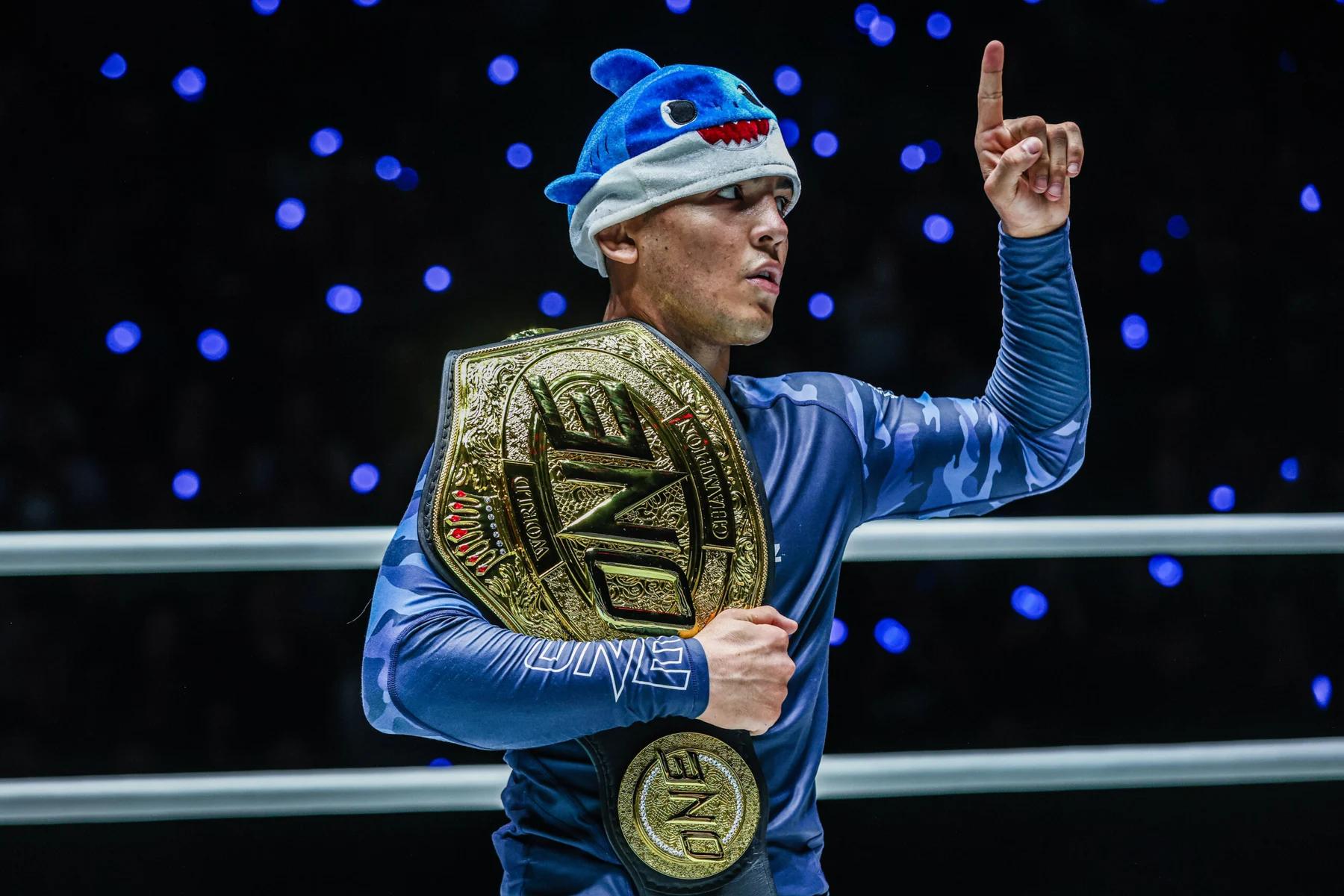
Diogo Reis carried the pressure from ADCC into ONE
Quick answer: Diogo Reis won ADCC’s under-66-kilogram title in 2022 and retained it in 2024 before becoming ONE’s flyweight submission-grappling champion. His title match against Daiki Yonekura lasted the full ten minutes despite repeated attacks. The career connects passing, submission threats, and the ability to restart an attack after a strong defender recovers.
Daiki Yonekura escaped the arm triangle. He recovered his guard, stayed in the match, and made Diogo Reis keep working. Ten minutes later, Reis had the unanimous decision and ONE’s vacant flyweight submission-grappling title.
The December 2025 match is a good answer to anyone who treats Baby Shark’s game as speed with a nickname. The pressure needed continuation. Yonekura kept interrupting the easy ending, so Reis had to find the next connection instead.
Yonekura made the title match last
The ONE title-match account describes Reis pursuing top position from the opening exchanges. A knee-slice pass led to side control and an arm-triangle attack, but Yonekura escaped. The final phase included leg entanglements and a guillotine attempt before the judges awarded Reis the match.
That sequence explains why a decision can contain a substantial technical story. Reis reached strong positions; Yonekura repeatedly preserved a way to continue. The match was not ten minutes spent waiting for something meaningful to happen. The recoveries were meaningful because they forced the attacker to make another choice.
An arm-triangle attempt also commits the upper body to a particular relationship. Once a defender clears the immediate danger, the attacker has to decide whether that connection still supports useful control or whether the position needs rebuilding. The finish cannot be separated from the ability to keep the next exchange organized.
I find that part more impressive than the familiar description of constant motion. Plenty of people move quickly. Keeping an opponent under a sequence of connected problems, after they have solved the first one, is a more demanding description of pressure.
The debut supplied a different ending
Reis’s first ONE opponent was Shoya Ishiguro at ONE Fight Night 29. In its 2025 grappler-of-the-year feature, the promotion describes passing pressure followed by a head-scissor attack and a kimura finish at 6:05.
The progression matters more than the submission name alone. Threatening one part of the body can make a defender move another part into reach. A combination of attacks asks the defender to maintain several responsibilities, and that is a different task from resisting a single isolated grip.
The two ONE appearances therefore ended differently without belonging to different versions of the athlete. Ishiguro was submitted. Yonekura carried his defensive answers to the final bell. Reis had to continue applying his game in both situations, rather than relying on the first attempt to settle the match.
The debut also set up the title opportunity on a new platform. An ADCC record had introduced him, but the promotional match still required its own performance. Reis did not arrive with a scoreboard credit for everything he had won elsewhere. He had to turn a reputation into control against the opponent in front of him.
Two ADCC championships established the smaller division
Reis won ADCC’s under-66-kilogram title in 2022 and retained it in 2024, a sequence recorded in ONE’s athlete biography and the official 2024 ADCC results. The defense put him back at the top of another edition’s field.
A smaller weight division can be visually busy. Fast changes of orientation make it tempting to call the whole contest a scramble. That word becomes less helpful when it conceals who has maintained the connection that matters.
Reis’s later ONE performances give a useful point of comparison. The bursts are easier to understand when attention stays on the contact that survives them. A defender may move dramatically while the attacker remains attached to a shoulder, hip, or leg. If that attachment continues to limit the next escape, the movement has not reset the match completely.
The ADCC titles also required an athlete to progress through a tournament rather than prepare for only one opponent on a card. Each successful match left another one to manage. The repeat title makes the achievement larger without making its individual exchanges automatic. Opponents still supplied the resistance that had to be solved.
Curitiba showed the gi and no-gi connections
The IBJJF’s 2023 Curitiba Summer Open report gives a particularly revealing weekend. Reis competed five times across gi and no-gi featherweight, winning both divisions and submitting three opponents.
In the gi final, the account follows a sweep into a guard pass. When the opponent tried to escape side control, Reis moved to an armbar with just over twenty seconds remaining. The late finish depended on the escape creating a new problem for the defender, rather than ending the sequence.
That is a recognizable feature of the game across the different settings. Passing does not need to end with a long period of static side control. The defender’s turn or frame can open the next route if the passer remains connected and recognizes the change.
The no-gi final supplied another chain. Reis pulled guard, swept, and scored two passes. After a standing reset, he reached the back and finished a rear-naked choke. The gi-versus-no-gi comparison concerns real grip differences, but Curitiba also shows the repeated larger task, arriving on top and keeping the offense connected when the position changes.
Manaus was part of the practical route
Reis grew up in Manaus. ONE’s biography describes him beginning jiu-jitsu at ten after watching his brother train, receiving a scholarship, and later selling raffle tickets to help fund competition travel. His youth record included an IBJJF juvenile Grand Slam.
Those details give the early competition a practical scale. A title campaign begins before the athlete reaches the warm-up area. Travel has to be funded, an entry has to be arranged, and people have to make the time available. The distances involved do not appear beside the name on a finished bracket.
The juvenile Grand Slam also means the adult titles followed a substantial period of competition. The public arrival of a young champion can look sudden to an audience that did not see those earlier events. The athlete was already accumulating experience against different opponents and in different settings.
That does not make the later results inevitable. It makes them less mysterious. The quickness visible in a match belongs to a competitor with years of exposure to the situations he is entering. The scholarship and raffle tickets are part of how access to those situations was made possible, not decorative details added to the medal count.
Pressure has to survive the opponent’s answer
The most interesting common thread is the second attack. In Curitiba, an escape from side control led into an armbar. Against Ishiguro, the attacking chain ended at the arm. Against Yonekura, the first dangerous position failed to finish and Reis continued across the remaining minutes.
These are different events, but they make the same simplistic description inadequate. Pressure cannot mean merely holding a person still, and pace cannot mean merely spending energy. Both become effective when the next action still addresses the opponent’s available movement.
Three places to start with Reis’s record are:
The 2023 Curitiba gi final, for the change from passing to an arm attack.
The Ishiguro debut, for the relationship between successive upper-body threats.
The Yonekura title match, for offense that has to continue after recoveries.
The match-watching guide can help a newer spectator identify the changing positions. The compelling part of these matches is already there, an attacker creating a problem and a defender refusing to let the first answer be the last. Reis’s record contains finishes and decisions because those opponents did different work, not because only one ending would have counted as a successful performance.
Main photo: www.onefc.com. Archive image published by onefc.com. The photograph is not an image of every event discussed in the profile.
The takeaway
Reis reached ONE with two ADCC titles and then won his promotional matches in different ways. The Ishiguro submission and Yonekura decision show why his offense deserves a more concrete description than speed. The attacks had to remain useful after an opponent changed the position.
Curitiba supplies an earlier view of that connection across gi and no-gi. The career is easiest to understand through those linked tasks, getting on top, retaining contact through a recovery, and presenting the next threat before the opponent can settle into a comfortable answer.
Find more competition to follow
Explore the Let’s Roll tournament directory for official event links and the divisions you want to watch.
FAQ
Which ADCC division did Diogo Reis win? Reis won the men’s under-66-kilogram title in 2022 and retained it in 2024. Those tournament results established a major no-gi record before his ONE flyweight title win.
How did he win ONE’s flyweight submission-grappling belt? He defeated Daiki Yonekura by unanimous decision in December 2025 after the full ten-minute match. The contest included passing, an arm-triangle attempt, defensive recoveries, and late submission exchanges.
How did his ONE debut end? Reis submitted Shoya Ishiguro with a kimura at 6:05. ONE’s account connects the finish with the passing pressure and upper-body threats that preceded the final attack.
Did Reis also compete successfully in the gi? Yes. IBJJF’s 2023 Curitiba Summer Open account describes featherweight gold in both gi and no-gi, with five matches and three submissions across the weekend. The gi final ended with an armbar after a passing sequence.

Miles Serrano
Miles Serrano writes about competitors and the decisions that shaped their careers. He is more interested in the adjustment someone made in the third minute than in the medal count afterward.
Related Posts
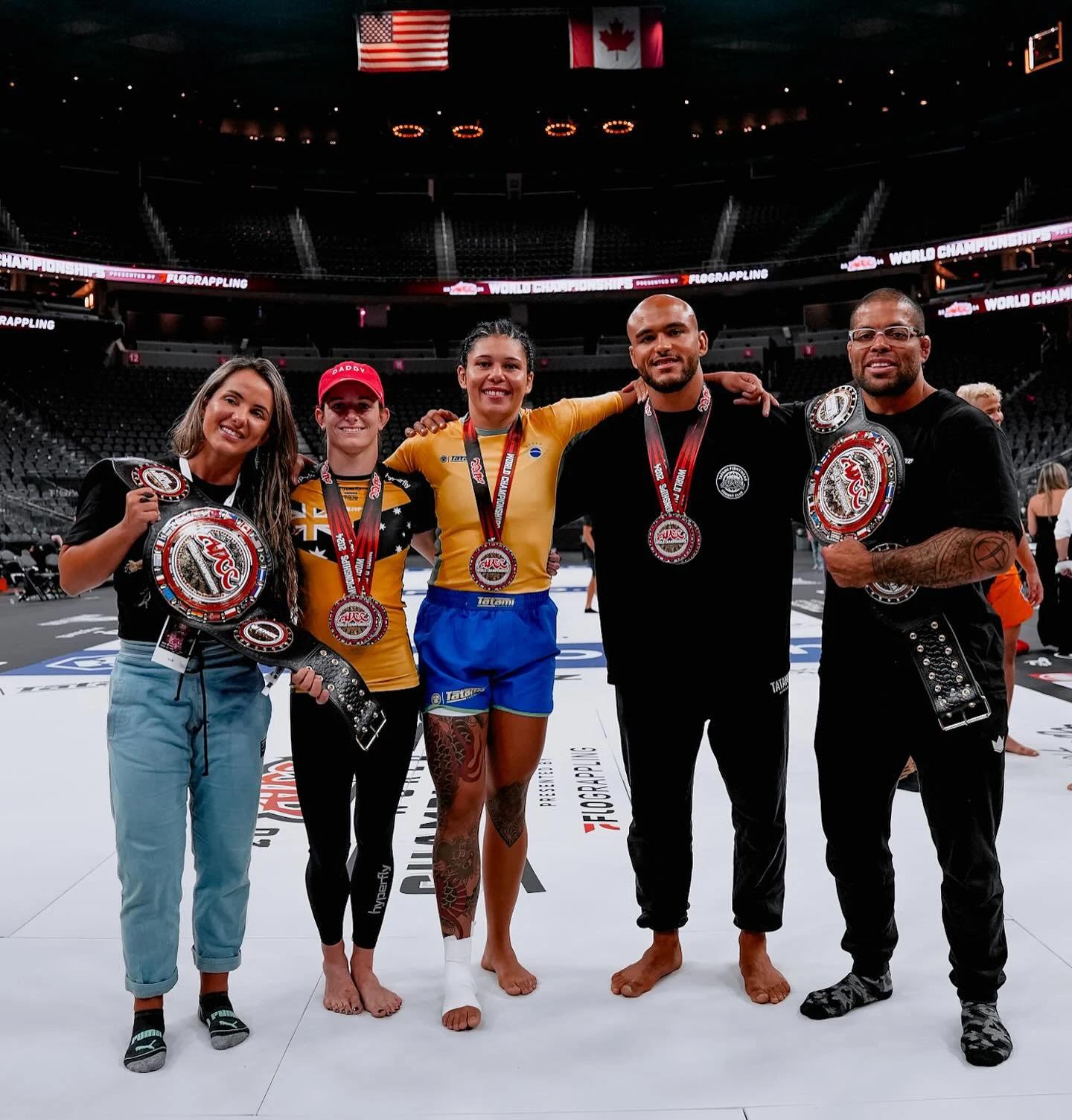
Adele Fornarino won the small division, then the open one
Fornarino’s 2024 ADCC double gold put two different fields on the same record. Read the separate routes and the support around the result.
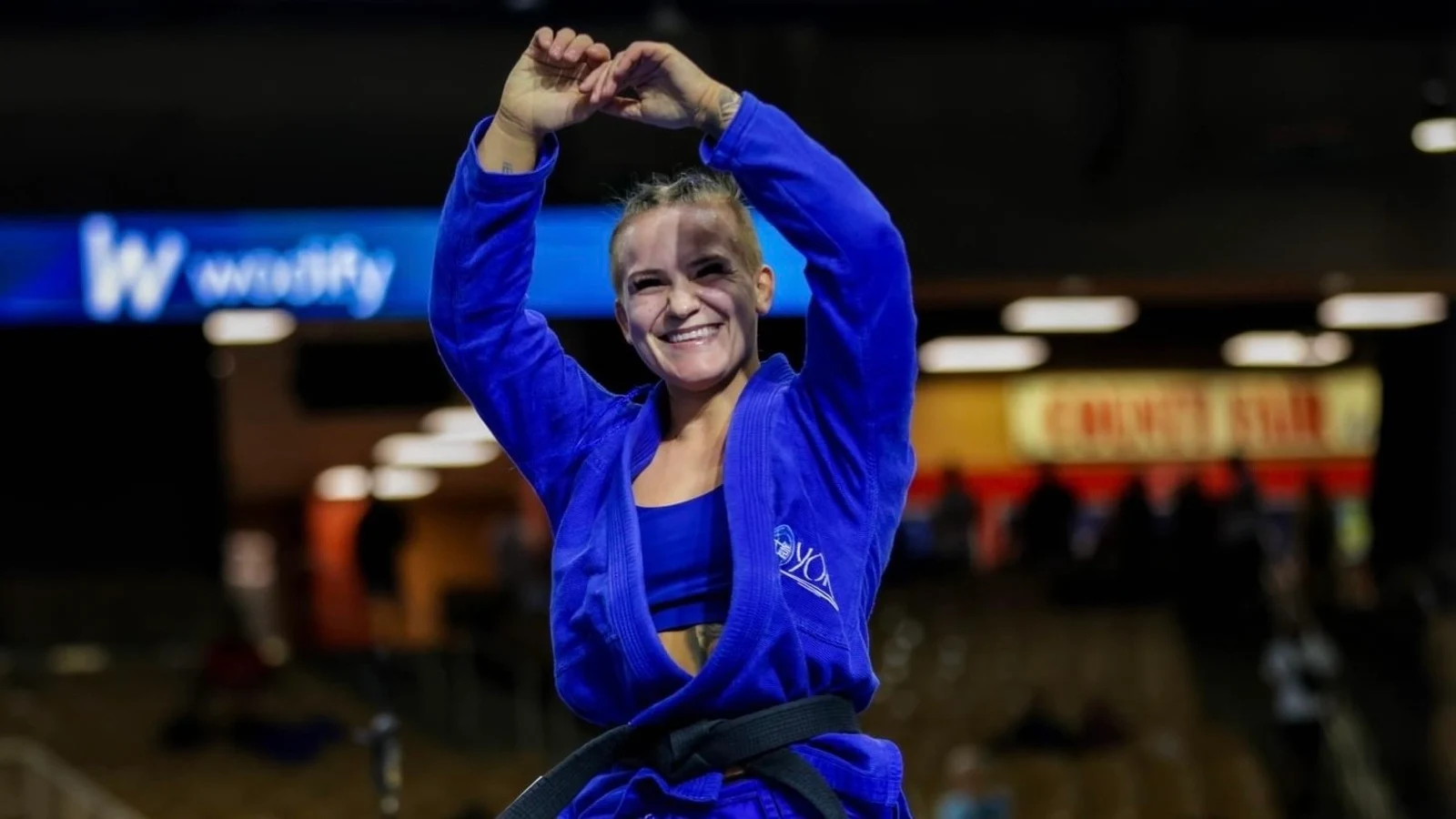
Elisabeth Clay made the gi catch up with her no-gi results
Clay’s first major gi title and later No-Gi Worlds run tell different parts of a career built around dangerous submission opportunities.
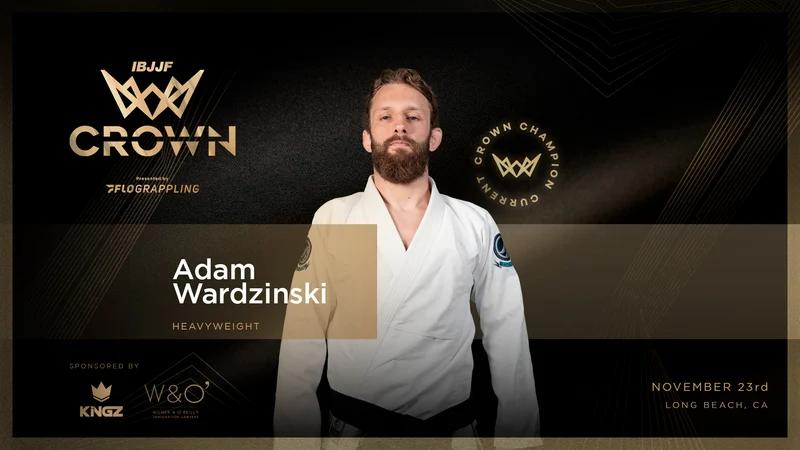
Adam Wardzinski made the butterfly guard a world-title problem
Wardzinski’s 2024 world title came with four submissions. His career gives a better story than reducing him to one guard or one nationality.
Comments (0)
Loading comments...