
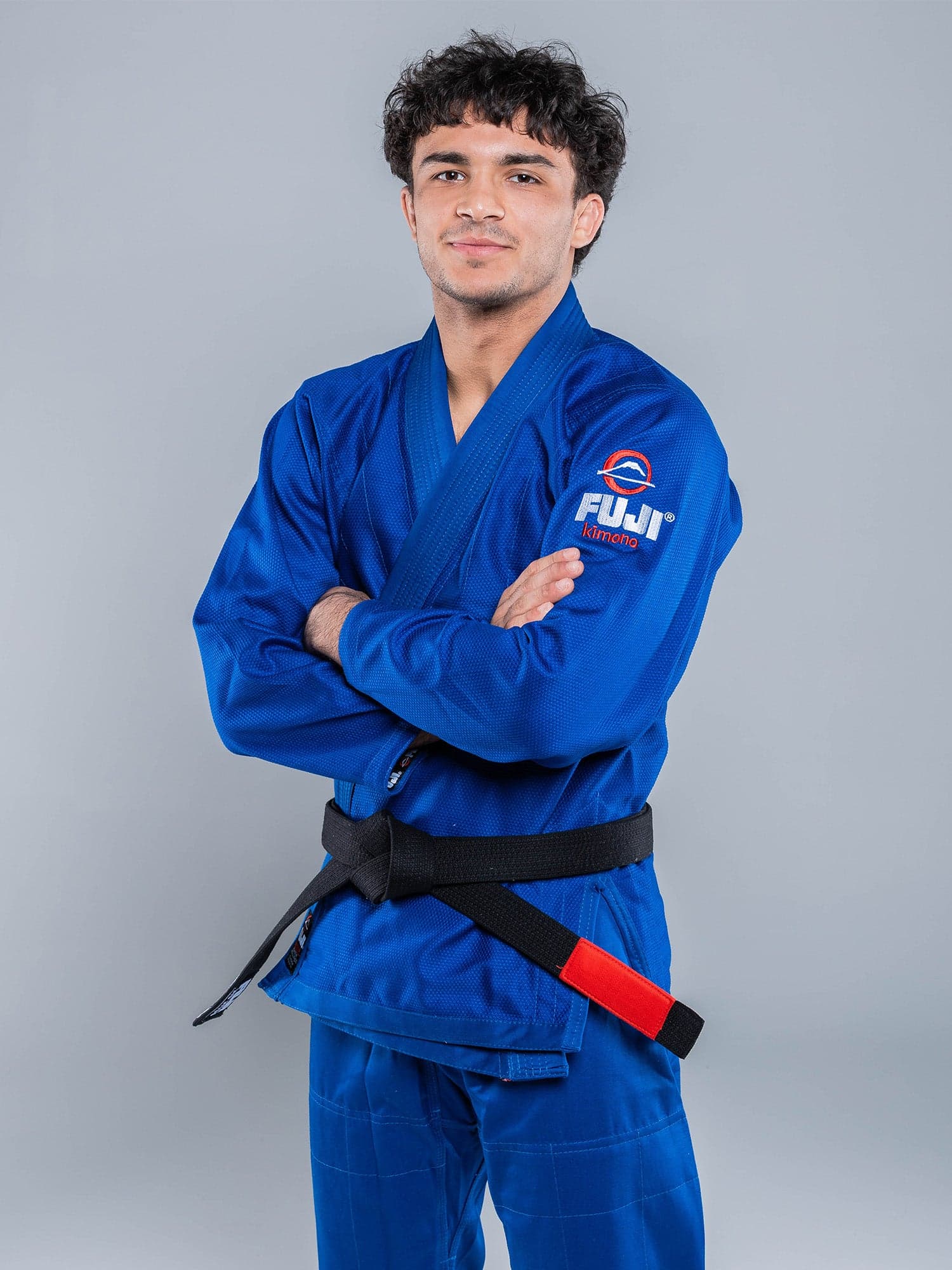
When to Replace Your BJJ Gi, and When to Repair It
Quick answer: Decide whether to replace a gi by its condition, fit, and intended use, rather than its age alone. Inspect damaged fabric and seams before training, ask whether a repair is suitable for your academy, and check tournament requirements separately. A sentimental gi can stay in your life after it stops belonging in live rounds.
The patch is faded. The sleeves have softened. There is one loose thread near the knee, and you are trying to decide whether that means the gi is finished or merely looks like something a person actually trains in.
A shopping calendar won't answer that question. Two gis bought on the same day can have very different histories: one used occasionally, the other carried through nearly every class on a packed timetable.
Look at the garment in front of you. This is a practical inspection and purchasing guide, not a laboratory test of fabric strength or a promise about any brand's lifespan. If you are uncertain about damage, keep the gi out of live practice while you get it checked.
Start with the job the gi still needs to do
Decide whether you are assessing the gi for ordinary academy training, a particular tournament, or keeping as a memento. Those uses don't require the same decision.
A gi that no longer meets an event's requirements should not automatically become your everyday rolling gi. It still needs to be appropriate for training and accepted by the academy. Conversely, fading alone doesn't tell you whether a garment has a structural problem.
Don't invent a replacement deadline from a teammate's experience. Their three-year-old gi and yours may have different fabrics, care histories, and amounts of use. No universal number of months or classes is being recommended here.
Make the decision before it becomes urgent. Examining the jacket while it is clean and dry gives you time to ask questions. Discovering an opening under the arm as the instructor pairs people up leaves fewer options and makes it tempting to dismiss something you would otherwise investigate.
Inspect the places your partners actually grip
Lay the clean gi out in good light and examine the jacket and pants separately. Look closely at the areas you know receive repeated gripping during your own training, then continue around the rest of the garment.
Check for more than the loose thread you noticed first:
Open seams or fabric tears, including under the arms and around the knees.
Frayed cuffs or hems that create loose openings and loops.
Damage around the collar, belt loops, and drawstring channel.
Patches that are coming away or have rough, exposed edges.
Turn the garment so you can see the inside of a questionable area too. Don't test it by asking a partner to yank until something gives. If you cannot tell whether the issue is superficial or structural, ask the manufacturer or a competent repair professional to inspect it.
A photograph can help explain the problem when you contact them, but it may not settle the condition of the fabric. Keep your description factual: where the opening is, when you noticed it, and what has changed. The age of the gi is useful context, not the answer by itself.
A repair needs to solve the actual problem
A drawstring replacement and a large tear in thinning jacket fabric are different jobs. Ask what can be repaired and what condition the repaired area would be in afterward. Don't assume a line of stitching makes every damaged garment suitable for grappling again.
For academy use, ask the instructor whether the proposed repair is acceptable. A repair professional can address construction, while the academy decides what it permits on its mats. If either answer leaves you uncertain, use another gi.
Keep the repair smooth and appropriate for contact training. Avoid makeshift fasteners or an improvised patch that introduces a new problem for the person gripping it. Explain to the repairer how the garment is used rather than asking for a purely cosmetic fix.
Consider the quote alongside the garment's remaining condition. Repairing one isolated issue may be reasonable. Paying repeatedly to address different worn areas may change your decision. Use the actual quote and replacement options available to you; there is no universal price at which every repair becomes worthwhile.
Check fit after care, not just in the shop
A gi can become unsuitable for you without tearing. Try it on after following its care instructions and check whether you can move comfortably through the positions you normally train.
FUJI's Lightweight BJJ Gi care guidance notes that preshrunk does not mean a gi cannot shrink and recommends cold washing and hanging dry for that product. That is a manufacturer's garment-care instruction, not a universal prescription for every gi or a claim about sanitizing it.
If a sleeve or pant leg has become too short for your intended use, don't assume repeated stretching will provide a reliable fix. Ask the maker about the actual fabric and construction. If it no longer fits, a different size or cut may be the practical answer.
Our beginner's gear guide can help organize a purchase, but don't rely on the size letters from your last gi alone. Compare the new model's measurements and ask how its care instructions affect your choice.
Tournament inspection is a separate decision
The IBJJF uniform requirements state that gis must not have mending or tears, be wet or dirty, or have unpleasant odors. The page also links the uniform rules introduced after the 2024 Gi World Championships. Check the current documents for the event you intend to enter.
That means a repair your academy permits for practice should not be assumed acceptable at IBJJF inspection. Likewise, a replacement gi still needs to meet the relevant material, fit, color, and patch requirements. Newness is not a substitute for checking them.
Try and care for the competition gi before the day you need it, allowing enough time to discover a problem. Follow the seller's return conditions before washing or altering anything if you may need to exchange it.
If you plan to bring a backup, inspect that garment too. The old gi with the questionable seam does not become a dependable backup because it is folded under a clean towel. Our tournament guide covers the wider preparation; the uniform deserves its own check well before you reach the inspection line.
Solve the care problem before buying the same problem again
If the reason for replacement is a persistent odor or repeated care damage, look at the process as well as the garment. Replacing the gi without changing an unsuitable routine may leave you frustrated again.
Read the actual label and manufacturer guidance. Check the products and machine settings you have been using, and allow the garment to dry completely before storage. Follow the academy's hygiene expectations and ask the manufacturer about unresolved care questions rather than escalating through random cleaning mixtures from a comment thread.
Do not use perfume to disguise a problem and bring the gi back into class. If it remains unsuitable after appropriate care, keep it out of the training rotation while you decide what to do next.
This article does not prescribe a disinfecting method or diagnose contamination from a smell. Different care instructions can have different purposes. The practical purchasing question is whether you can maintain the replacement garment appropriately with the facilities and time you actually have.
Buy for the missing function, not the advertisement
Before ordering, write down why the old gi no longer works. A fit issue calls for attention to measurements. A tournament requirement calls for checking compliance. Too few clean uniforms between classes calls for a realistic laundry plan and perhaps another garment.
Those are different reasons to buy. A heavier jacket or a more expensive label does not automatically answer all of them. Avoid treating a product photo as evidence about how that specific cut will fit your body.
Read the model's description, sizing information, and return conditions. Ask the seller about anything unclear before removing tags or laundering it. Check the academy's uniform policy too, particularly if you have recently changed gyms or are buying a color you haven't worn there before.
You don't need a large collection to make a sensible replacement. Choose something suitable for the classes you attend and the care you can provide. If you can borrow an academy-approved gi while deciding, confirm the arrangement and return it clean according to the owner's instructions. A rushed purchase is not the only possible response to retiring one jacket.
Retire the old gi honestly
Once you decide a gi is no longer appropriate for live training, remove it from the bag you take to class. Otherwise, it can become the emergency option on the next rushed evening, complete with the problem you already identified.
Keep it as a memento if it matters to you. A first competition patch or a jacket associated with a promotion does not need to keep surviving sleeve grips to retain that meaning. Store it separately and label it if necessary.
If you want to donate it, be candid about its condition and ask whether the recipient can use it. Don't pass a damaged gi to a beginner who may be less able to assess it. An intact garment that simply no longer fits you is a different proposition from one you have decided should not be used for rolling.
For material that cannot be reused appropriately, check local disposal or textile-recycling options and their actual acceptance rules. Avoid assuming every donation bin accepts every worn sports garment. The decision is complete when the old gi has a clear destination rather than remaining a doubtful backup forever.
Main photo: FUJI Sports; Lightweight BJJ Gi product photograph.
The takeaway
A gi's age is a prompt to look closely, not an automatic verdict. Inspect the fabric and construction, check the fit, and decide what job the garment still needs to do. Repairs require their own assessment, and tournament eligibility needs a separate rules check.
Buy a replacement for a specific reason you can name. Keep a sentimental gi if you want, but separate it from the training rotation once you have retired it. Your next partner should not be the person who discovers whether that seam had another round left.
Check what your class requires
Use our guide to what to wear to BJJ to organize the equipment questions to confirm with your academy before replacing a gi or changing your training kit.
FAQ
How many years should a BJJ gi last? This article does not claim a universal lifespan. Assess the garment's condition, fit, care history, and use rather than replacing or keeping it solely because of its purchase date.
Can I compete in a repaired gi? Check your event's current rules. IBJJF's published uniform requirements prohibit mending and tears, so a repair accepted for academy practice should not be assumed acceptable at its competitions.
Does preshrunk mean the gi won't get smaller? No. FUJI's care guidance explicitly says its preshrunk gis can still shrink. Follow the instructions for your particular model and consider the post-care fit before relying on it for competition.
Should I donate a gi I no longer use? Ask the intended recipient and describe its condition honestly. A sound gi that no longer fits you may be useful, while a damaged garment should not be passed off as ready for live training.
Related Posts
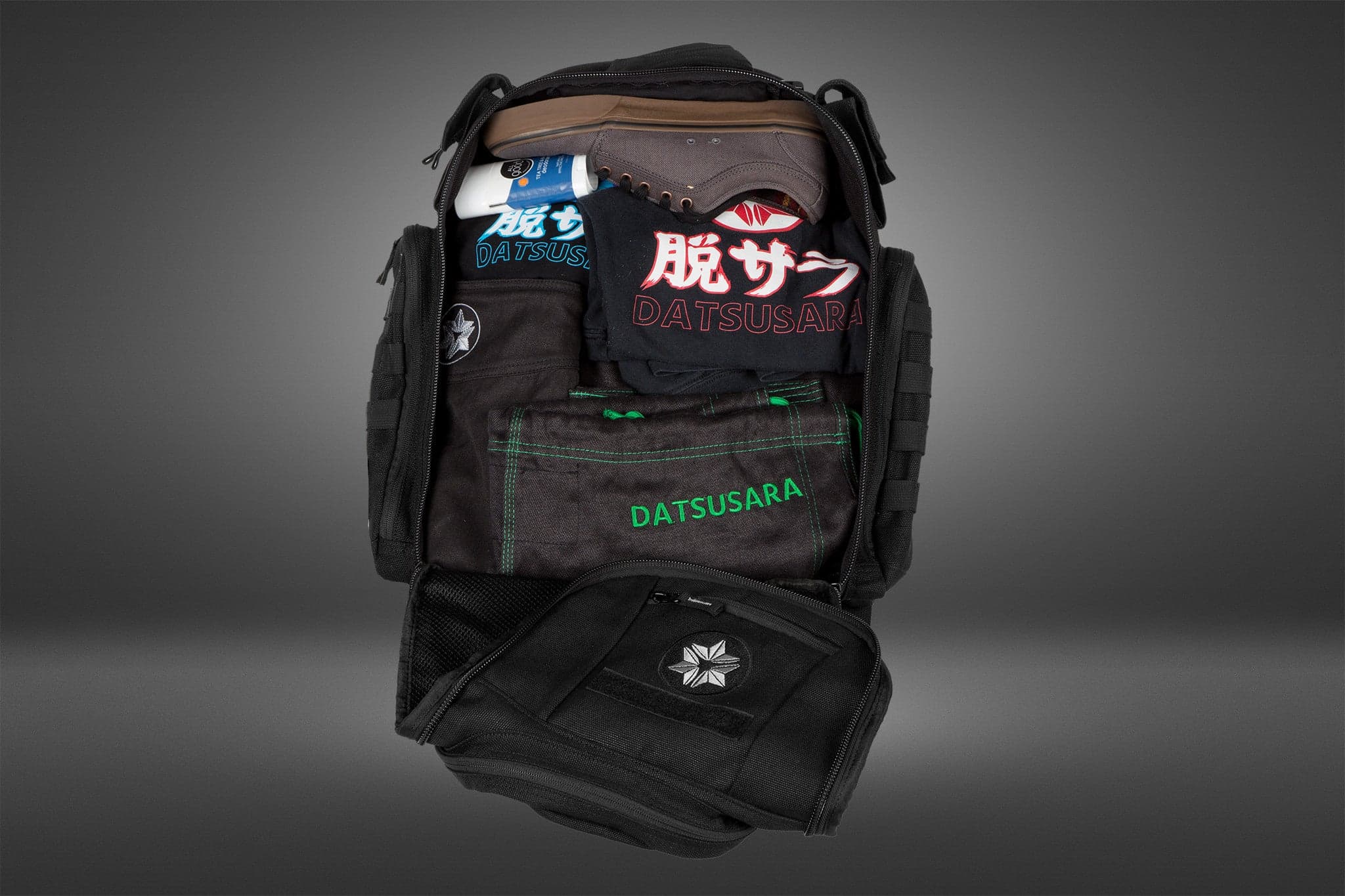
The BJJ gym bag reset: what to do after every class
Reset your BJJ gym bag after class: unload used kit, follow care labels, clean small equipment, and repack dry gear for the next session.

BJJ Gear for Beginners — What You Actually Need
A no-affiliate-link guide to what a new BJJ practitioner actually needs in year one. Skip the marketing, buy four things, train.

Mikey Musumeci gives up the belt to make room for MMA
Musumeci is vacating his UFC BJJ title to focus on MMA training. What he is leaving, what continues, and why the transition matters.
Comments (0)
Loading comments...