

BJJ Gear for Beginners — What You Actually Need
The BJJ gear ecosystem will sell you a $250 gi, a $90 belt, $40 grip socks, and a recovery supplement on your first month if you let it. You need almost none of that. Here's what's actually worth buying as a white belt.
The gi
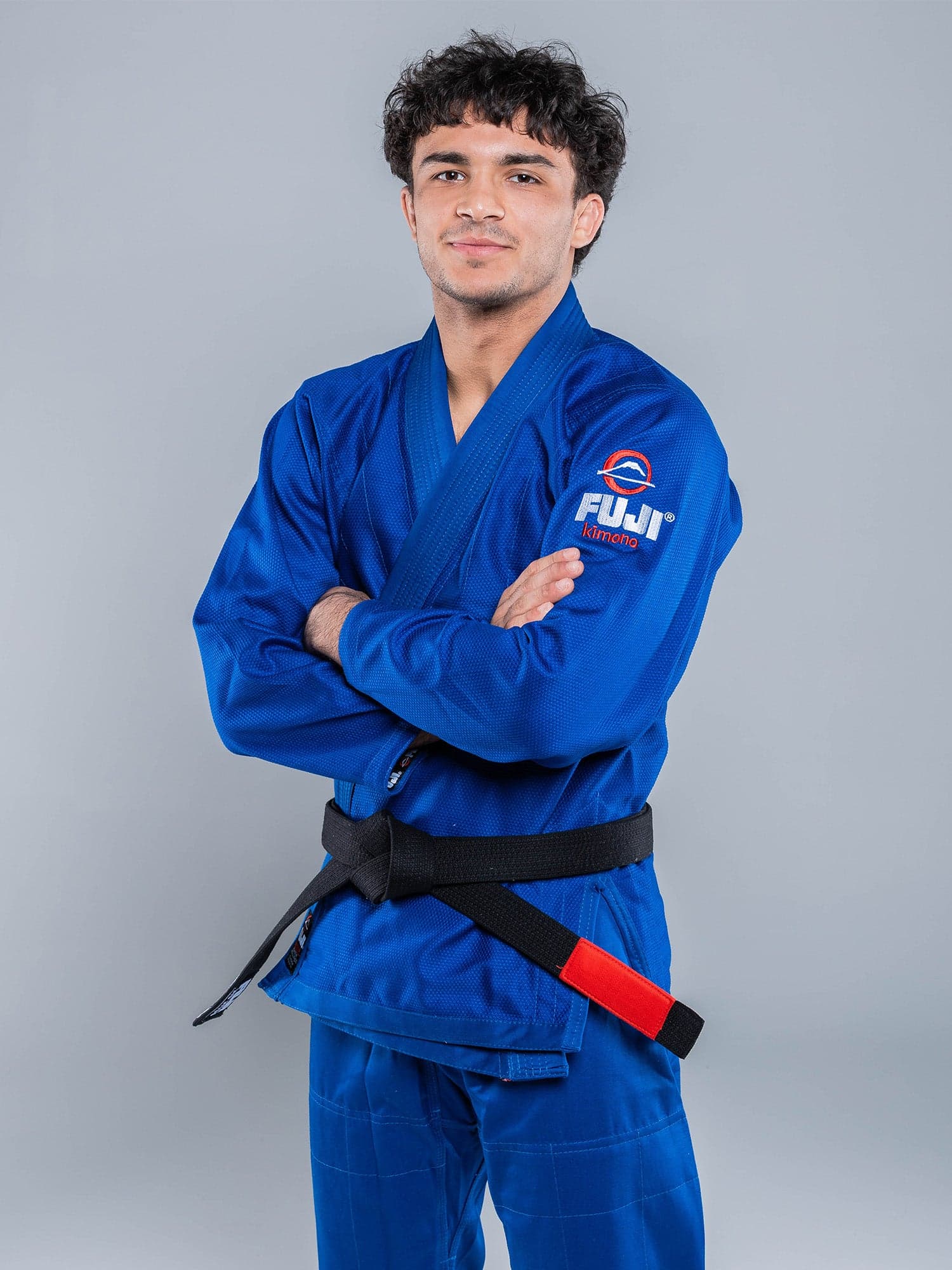
Buy one mid-tier gi from a reputable brand. Tatami, 93 Brand, Origin USA, Sanabul, Hyperfly — all fine. Spend $80–$140.
Things you don't need:
A "competition cut" gi as a white belt. Save it.
A premium gi that costs $250+. It's the same fabric.
A specific brand because a competitor wore it on YouTube. Brand loyalty in jiu-jitsu is mostly marketing.
What to look for: standard A1/A2/A3 sizing (check the brand's chart, they vary), pre-shrunk pearl weave cotton (the standard fabric), reinforced knees. Color matters less than people think — white, blue, and black are all permitted in most gyms. Some gyms have rules; check before buying.
After your first wash, your gi will shrink. Don't tumble dry. Hang dry whenever possible. A gi treated well lasts 2+ years.
A second gi (eventually)
After 3 months of consistent training, buy a second gi. You'll need it.
Reason: gis take a long time to dry. If you train 4+ times a week, one gi can't keep up. You'll either train in a damp gi (gross and unsafe), skip training (no), or own a second gi (yes).
Two gis is enough for almost everyone. Owning six gis as a white belt is a hobby unto itself, not a training need.
Rashguards and shorts (no-gi)
If you're training no-gi — or even gi gyms that have a few no-gi sessions a week — you'll need:
Two short-sleeve rashguards: $25–$50 each
One pair of grappling shorts: $30–$50
A long-sleeve rashguard is the most useful single piece of training apparel if you can only buy one — it works for no-gi, layers under your gi in cold gyms, and protects against mat burn during open mats. Buy one in black, it goes with everything.
Skip "compression pants" until you know you want them. Some practitioners wear them, some never do. Try a class without, decide later.
Mouthguard
Buy a real one. Not the bag-of-five $9 mouthguards on Amazon — they don't stay in place and they're uncomfortable enough that you'll stop wearing them, which defeats the purpose.
Boil-and-bite from Shock Doctor or Sisu, $20–$30. Fits properly, stays in place, you can talk in it. Replace it once a year or after any major accidental impact.
Custom-molded mouthguards from a dentist run $150–$400. Better fit, longer lifespan, overkill for most beginners but worth it after a year of training if you're competing.
Wear it every roll. The mouth-related injuries in BJJ are almost all preventable.
What to skip
A non-exhaustive list of things that will be marketed to you in your first year:
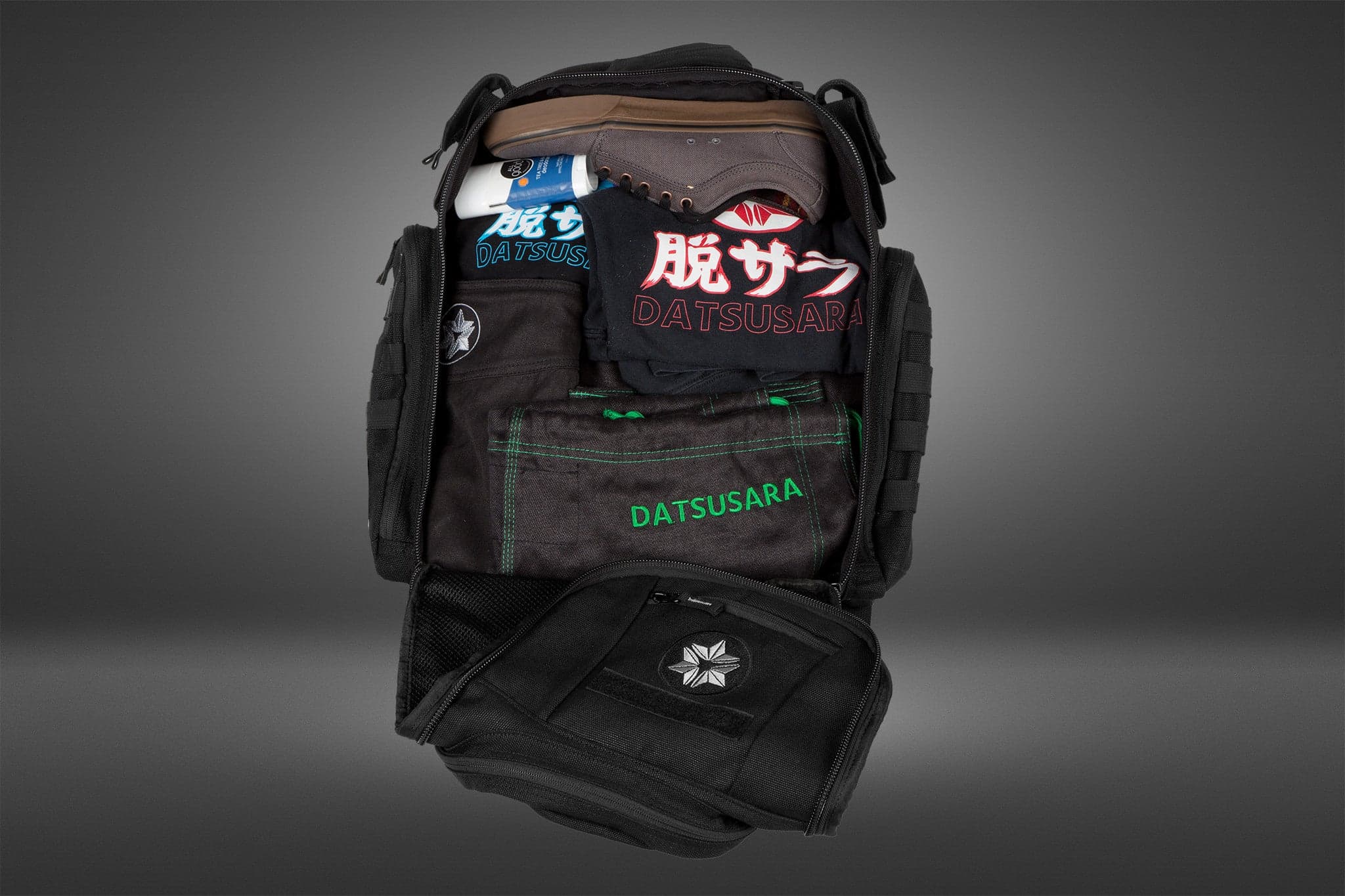
A "BJJ-specific" backpack. Any backpack works. You're carrying a gi and a water bottle.
Grip-strength trainers. Train more, your grips will improve. The grippers don't help — and overuse causes finger injury.
Recovery supplements with creatine + BCAAs + electrolytes targeted at grapplers. Eat real food. Sleep. Drink water.
A foam roller. OK, foam rollers are fine, but you don't need a $90 vibrating model. A $20 roller from any sporting goods store works.
Knee pads, ear guards, elbow sleeves. None of these are needed by default. Buy specific protective gear if you have a specific injury. Don't preemptively buy protection for problems you don't have.
A second mouthguard "for backup." One mouthguard is sufficient. Replace, don't stockpile.
What's worth paying up for
A few categories where price tracks value, eventually:
A good gi bag. After a year of training, you'll know what shape and pocket layout you want. A $40 dedicated gi bag is nice. Not necessary in month one.
A premium gi after blue belt. Once you've trained 18 months and you know how a gi feels broken in, a premium gi (Origin, Shoyoroll, Albino & Preto) is a noticeable quality bump.
Tournament gear if you start competing. A specific competition gi (slightly thinner, better movement) is a real category.
Custom mouthguard before any serious competition.
A note on grip socks, knee pads, and other below-the-belt gear
Most BJJ rooms are barefoot. Don't wear shoes on the mat. Don't wear grip socks unless you specifically have a foot injury you're protecting.
Knee pads exist (and "knee compression sleeves" are common). If you have an existing knee issue, a $25 neoprene sleeve from a sporting goods store is fine. Don't preemptively wear a knee pad before any actual problem — it can mask the early signs of an injury that needs rest, not padding.
Gear-shopping mistakes I've watched people make
Buying a children's BJJ gi for a small adult. Children's gis fit weird across the chest.
Buying a gi in the wrong size and not returning it. Most gi vendors have liberal return policies — use them.
Spending $300 on gear in month one and quitting in month four. Buy a single gi, train consistently, then upgrade if you stick.
Buying competition gear before you've competed. You don't yet know what you want.
Following an Instagram athlete's specific brand because they sponsor him. The gi he wears for free is not the gi he'd buy if he were paying.
A complete starter shopping list
For around $250 you can be fully equipped for your first year of gi training:
One mid-tier gi: $100
One belt (usually comes with the gi, or $20 separately)
One pair of long-sleeve rashguards: $35
One mouthguard: $25
One gi bag (any backpack works, but if you want one): $40
Tape for fingers: $5/roll, buy two
That's it. Anything beyond this can wait.
If you're picking your first gym, the gear question depends on whether they require gi or accept no-gi. Browse gyms by city, look at their schedule, and confirm before buying. Or read the gi vs no-gi guide if you're still deciding which format to start in.

Jason Park
purple Belt
Purple belt traveler who has trained at over 60 gyms across 12 countries. Always chasing the next open mat.
Related Posts
When to Replace Your BJJ Gi, and When to Repair It
Decide when to replace your BJJ gi by checking fabric, seams, fit, and tournament rules. Separate a useful repair from a garment ready for retirement.
The BJJ gym bag reset: what to do after every class
Reset your BJJ gym bag after class: unload used kit, follow care labels, clean small equipment, and repack dry gear for the next session.
Mikey Musumeci gives up the belt to make room for MMA
Musumeci is vacating his UFC BJJ title to focus on MMA training. What he is leaving, what continues, and why the transition matters.
Comments (0)
Loading comments...