
Reading BJJ results: the podium is only the first page
Quick answer: A BJJ medal list records the placing, while the bracket helps explain the route. Check the exact event and division, distinguish contested matches from unplayed advances, and verify the result method before describing a performance. Footage adds evidence the final placing cannot provide.
A champion's name can occupy one line whether the route involved several contested matches or a small bracket with an unplayed advance. The name and medal are facts. The story about how they were earned needs another page.
That distinction matters when reading results for a teammate, researching an athlete, or deciding which footage to study. A podium graphic is designed to tell you who placed. It wasn't built to explain every exchange that came before it.
I think a result becomes more interesting when we give it its proper limits. We can respect the placing while still asking what the available record actually shows.
Identify the event before reading the names
Start with the full event name, year, and format. Similar names can belong to different age groups, national editions, or gi and no-gi competitions. A search result that contains the athlete's name doesn't guarantee you've found the relevant tournament.
The IBJJF results archive organizes championships and years. Use the official event record where available, then compare a secondary report against that record rather than allowing a headline to determine which result you think you're reading.
Next, read the complete division label. Belt, age category, and weight are part of the result. Dropping one may turn an accurate achievement into a different claim. An adult result and a master result both deserve accurate identification.
This isn't a demand to make every caption unbearably long. It is a reason to settle the identity before shortening it. The detail removed for readability should remain clear from context, particularly when the same athlete entered more than one division.
Count contested matches rather than bracket spaces
A bracket diagram contains slots, connections, and advances. Those aren't interchangeable with completed contests. Before describing an athlete's run, follow the route and identify which matches actually took place.
A bye is an unopposed advance created by the bracket's structure. A walkover generally identifies an advance without a contested match, but the organizer's own label and explanation should guide the description. Don't supply an absent opponent or a private reason the record doesn't establish.
Consider a hypothetical eight-slot bracket with fewer than eight entrants. Reaching a later round doesn't by itself prove the athlete won every earlier slot. The diagram may include an initial bye. Count the contests shown, then verify the methods and opponents.
The article on BJJ tournament byes explains that particular feature in more detail. Here, the broader point is accuracy: a title and a count of match wins are separate claims. Check each instead of assuming one establishes the other.
Small brackets can follow a different route
IBJJF's rules provide a specific exception to its usual simple elimination format for three-athlete brackets. The first match winner reaches the final; the first match loser then faces the third athlete for the other place in that final.
That means a loss appearing early in a three-person bracket doesn't automatically contradict a later gold medal. The format can allow the athlete to return to the final through the second match. Read the official bracket provisions before announcing that a record is impossible.
Other organizers can use other systems. A round-robin event, a pool followed by elimination, and a standard knockout bracket ask different questions of the result sheet. Their outputs shouldn't be interpreted as if the routes were identical.
For reporting, one clear sentence about the format is usually enough. Explain the exception where it changes the story, then return to the matches. The purpose is to make the result understandable, rather than bury the reader under every procedure the tournament could have used.
The decision method narrows the claim
A submission result supports a different description from a points decision, an advantage decision, a referee decision, or a disqualification. Use the recorded method accurately before reaching for a more dramatic verb.
Even an accurate method has limits. A submission label doesn't tell you the full setup, whether an earlier attack failed, or how the athlete reached the finishing position. A points score doesn't narrate the quality of every exchange. Those questions need footage or reliable reporting.
The official 2020 European results give a concrete example. Patrick Gaudio is listed first at superheavyweight, ahead of Fellipe Andrew. The open-class record lists Andrew first and Keenan Cornelius second. Describing Gaudio as a European champion is accurate when the division remains attached; it does not make him the open-class winner. One event supplied two different title stories.
If the method is missing, keep the statement smaller. Say the athlete advanced or won according to the official record, then identify what remains unconfirmed. An honest gap is more useful than a polished invention about how the match ended.
Two bronze names don't establish a bronze-medal match
Podium listings sometimes show more than one athlete at a placing. The list alone doesn't establish whether those athletes contested a separate match, shared a placing under the format, or reached it through another provision.
Read the organizer's competition format before counting an extra win or loss. That check is especially important when comparing records across promotions whose medal procedures differ. A similar-looking third-place line can come from different routes.
Keep the wording close to the evidence. Placed third is a result claim. Won the bronze-medal match is a claim about an additional contest. Only use the second when a bracket, video, or dependable report establishes it.
This might seem fussy until the claim is attached to a real athlete. An invented extra match changes the record and can distort an account of the day. Precise language takes little space once you've checked what the placing means.
Footage supplies a sequence the list cannot
Once the record is clear, choose a question for the footage. Perhaps an athlete met the same position in two matches, changed grips after a failed attempt, or handled a different opponent's pace. Those are things a reader can examine.
Watch enough of the exchange to understand the starting conditions. A highlight may begin after the important grip was acquired or end before control was established. The movement that looks decisive in isolation may depend on work the edit removed.
Separate observation from interpretation. The athlete changed a grip is an observable claim if the angle shows it. The athlete changed it because they feared a counter is an explanation that needs more support.
A useful note records:
The visible position before the change.
What changed in the exchange.
What the camera leaves unresolved.
That gives a technical discussion somewhere concrete to begin. It also makes disagreement more productive: people can examine the same sequence without pretending that a title line proves every explanation attached to it.
Avoid turning context into an insult
Bracket context can clarify an achievement without becoming a way to dismiss the athlete. A competitor doesn't control every withdrawal, entry number, or advance. Record what occurred and avoid assigning them responsibility for an event structure they followed.
The opposite error is removing all context because a truthful qualification sounds less promotional. A headline can celebrate a result while the body explains the route accurately. Readers are capable of understanding both.
For example, a hypothetical competitor may win the title after one contested final and an earlier unplayed advance. That is the route to describe. It doesn't require inventing several victories, and it doesn't require treating the athlete's actual match as worthless.
This is particularly relevant when writing about children or a teammate's first event. Explain the experience proportionately. A result can matter to the person who entered without being inflated into proof that an entire career has arrived.
Read your own bracket before the day
The same habits help an athlete preparing to compete. Find the division, follow the route, and understand the format before deciding what the day might involve. Keep the projected schedule provisional and check the organizer's updates.
Ask where results will be displayed and how the next match assignment is communicated. An athlete who wins quickly still needs to know where to report afterward. The gap between contests can be a logistical problem before it becomes a technical one.
The first BJJ tournament guide helps organize those decisions. Add the bracket format to your notes alongside entry details and reporting instructions, and ask the organizer about anything the diagram doesn't explain.
After the event, save the official record with any footage you are permitted to keep. That creates a useful basis for review. A medal photo is a fine memory; it doesn't have to carry the entire evidential burden of the day.
The takeaway
A result becomes clearer when the event, division, route, and decision method stay attached to it. The podium is the beginning of that reading, not its full account. Follow the bracket and distinguish completed matches from other ways of advancing.
Then watch the exchanges that make the result worth discussing. Describe what the evidence supports, leave private motives alone, and keep missing information visible. That approach gives an athlete's actual performance more attention than either inflated praise or automatic dismissal.
Find a competition to investigate
Browse upcoming BJJ tournaments on Let's Roll, then use the organizer's official rules, brackets, and results for your planning.
FAQ
Does winning a title prove an athlete won every bracket slot? No. A route can include byes or other unplayed advances. Check the bracket and result methods before stating the number of contested victories.
Can an IBJJF athlete lose and still win a three-person division? The three-athlete format can allow the first match loser to reach the final by winning the next match. Read the applicable official provisions and actual bracket.
Does a third-place listing mean a bronze-medal match happened? Not by itself. The competition format and bracket must establish whether there was a separate contest or another route to that placing.
Is the official result enough for technical analysis? It establishes the recorded outcome. Technical explanations need footage or reliable reporting that shows the relevant sequence, together with an acknowledgment of what remains unclear.

Miles Serrano
Miles Serrano writes about competitors and the decisions that shaped their careers. He is more interested in the adjustment someone made in the third minute than in the medal count afterward.
Related Posts

ADCC 2026 results: the stories that survived the predictions
ADCC 2026 results from Krakow: Jaworski, Maciel, Crevar, Pena, the women's champions, and the superfight outcome, with official podiums and match context.
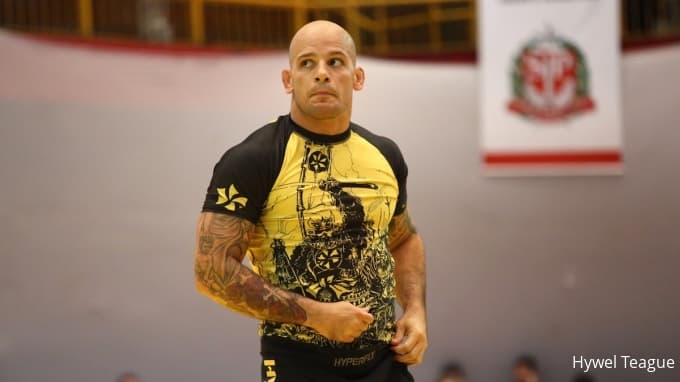
Xande Ribeiro: from absolute titles to the masters mat
Explore Xande Ribeiro's absolute Worlds victories, two ADCC titles, Six Blades, and the distinction between his 2022 Worlds farewell and later masters gold.
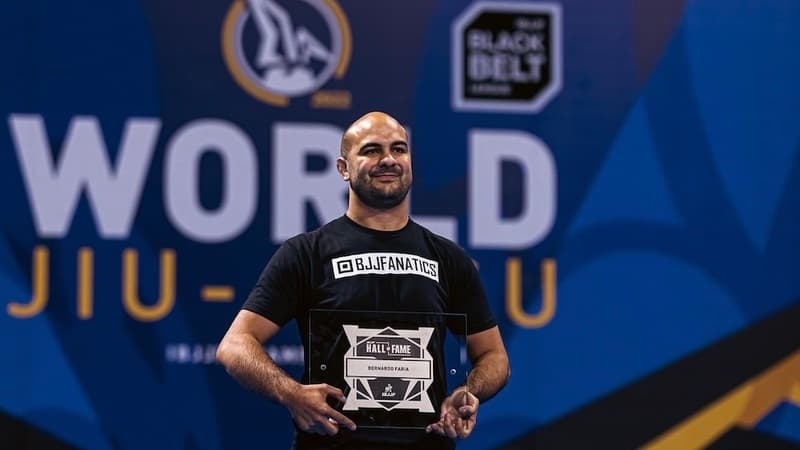
Bernardo Faria: the champion who kept asking questions
Follow Bernardo Faria from Juiz de Fora and Alliance to the 2015 Worlds and BJJ Fanatics, with context on his competition game and move into teaching.
Comments (0)
Loading comments...