
BJJ gifts that will make it out of the cupboard
Quick answer: Buy around the recipient's actual training routine: an exact replacement they want, a useful bag accessory, or credit toward gear or instruction they choose. Check size, gym requirements, and return terms before buying clothing. A gift that removes a small inconvenience will usually get more use than one selected only because it has jiu-jitsu printed on it.
A person can love jiu-jitsu without wanting a mug that threatens visitors with a rear naked choke. The sport is an interest, not necessarily a complete interior-design brief.
Buying a useful BJJ gift starts with noticing how somebody trains. They might need a second clean rashguard, a better way to carry wet kit, or a contribution toward a seminar they already want to attend. The right clue is often a small complaint repeated after class.
The exact replacement is an underrated gift
If someone wears the same rashguard whenever it is clean, find out why. It may be the fit, the sleeve length, the material, or simply that it stays where they want it. Buying another version of a known favorite is less dramatic than discovering a new brand, but it solves a real problem.
Ask for the exact model and size. A label from one company is not a universal measurement, and even products from the same brand can fit differently. Check the size chart for the actual item and keep the receipt. A gift should not become a small tailoring project undertaken out of politeness.
If you want to preserve some surprise, ask which two or three items they would genuinely use. You can still choose among them. The recipient doesn't need to be astonished by the existence of a parcel to appreciate what is inside it.
Avoid upgrading them into a different fit because it looks more impressive. A heavier gi, longer sleeve, or tighter cut is a change in preference, not an automatic improvement.
Clothing has a second test beyond looking good
Training clothing needs to work where the person trains. Ask about academy requirements before buying a distinctive color or design. If the gift is meant for competition, check the event's current uniform rules too. Something welcome at an ordinary open mat may not pass a tournament inspection.
The IBJJF uniform page specifies requirements for gi and no-gi clothing, including rank-color rules for no-gi shirts. The useful buying lesson is to confirm the intended use. A retailer's broad description does not remove the athlete's need to meet the organizer's requirements.
This is particularly relevant if you are buying a belt-colored rashguard around a promotion. Ask before guessing at the rank the person will have when they compete. A present should not accidentally turn into a prediction about a coach's next decision.
Novelty gear can be excellent when you know the person's taste. The risk is deciding that because somebody enjoys a joke in a group chat, they want to wear it across their torso twice a week.
A bag should fit the commute, not just the equipment
The largest bag is not automatically the best one. Somebody walking to the gym has different needs from a person driving straight there, and a commuter carrying a laptop may care more about separation than raw capacity. Look at what the current bag fails to do.
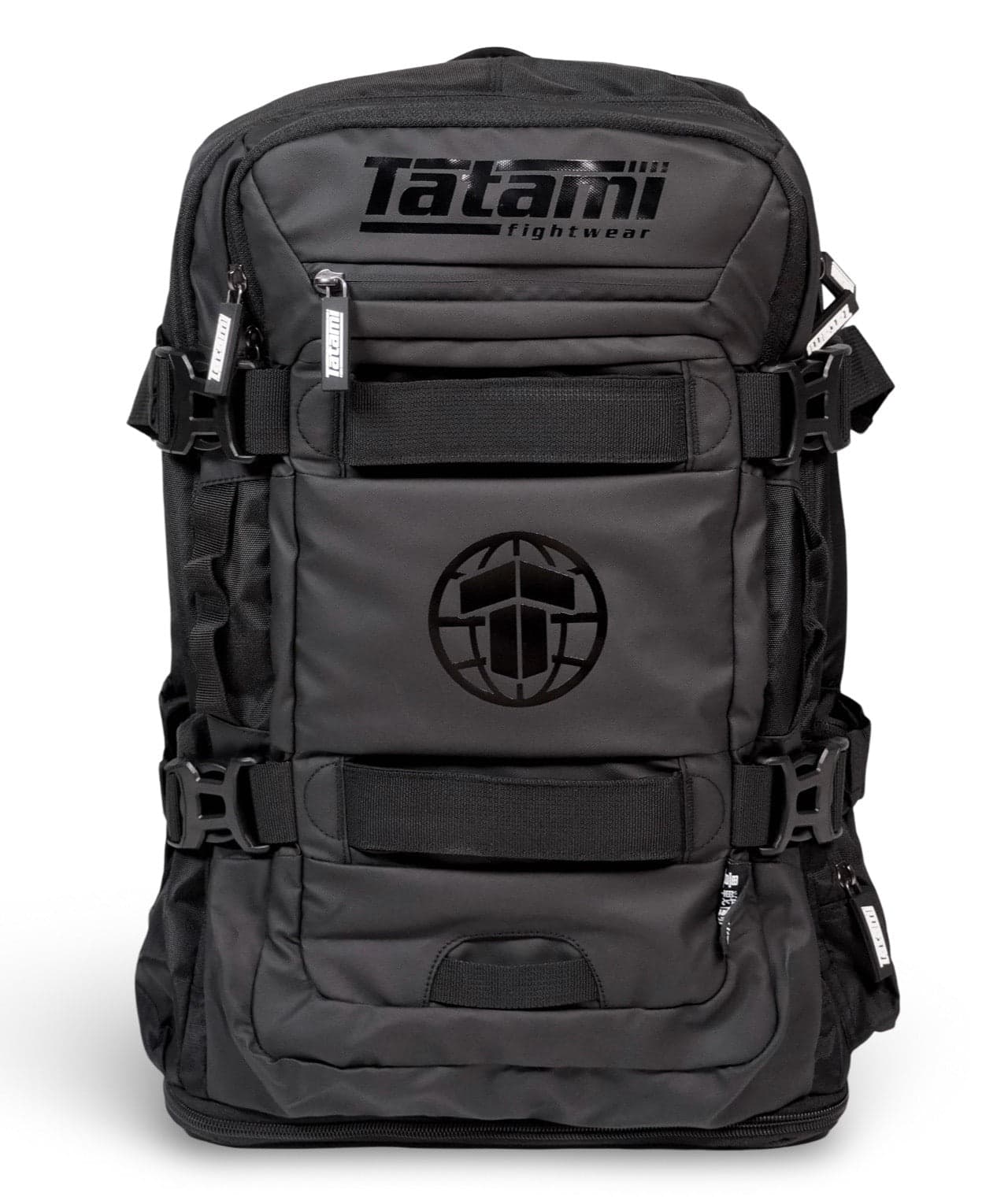
Tatami's Omega Backpack, for example, lists a separate bottom wet pocket and an expandable capacity. Those are product features to compare, not proof that it is the right bag for every grappler. Measure the space the recipient needs and consider what carrying a full bag will feel like on their actual route.
For a less expensive gift, a washable pouch for used kit may solve the problem without replacing the whole bag. Check its closure, dimensions, and care instructions. A pouch that cannot fit a used gi is a small container for disappointment.
Avoid surprising someone with a giant travel bag if their existing one already works. Storage is also a cost, even when the recipient didn't pay for the gift.
Small practical things need a little observation
A useful accessory does not have to be branded for jiu-jitsu. A towel, a bottle with a reliable lid, or a simple notebook may earn a permanent place in the bag. Choose according to what the person already uses rather than constructing an imaginary version of their routine.
A few checks make these ordinary gifts better:
Match the bottle to the bag pocket and ask about preferred size.
Choose a towel that fits their actual shower and laundry routine.
Buy a notebook only if they already take notes or have said they want to.
Keep personal-care products to familiar, requested items.
Small consumables can also work, but don't assign them medical powers. Tape or a recovery product should not be presented as a cure for an injury. If somebody has a specific product they use, an exact replacement is a more sensible choice than a box of ambitious claims.
The advantage of an ordinary object is that it can be used immediately. It doesn't require a new habit, another account, or a long explanation of why the buyer thought it would change everything.
Give instruction with the recipient in charge
An instructional can be thoughtful if it answers a question the person is already working on. It can also become another unwatched item in a digital library. Find out which teacher, subject, and format they want before buying several hours of material on their behalf.
BJJ Fanatics' gift guidance describes its digital gift-card option and delivery arrangements. Credit is useful when you know the recipient uses that platform but don't know which course they already own. Check the current terms and the correct email details at checkout.
A private lesson is another possibility, provided the coach and recipient agree on the arrangement. Ask about availability, duration, and how booking works. Don't purchase an appointment at a time the athlete cannot attend, or assume a coach offers gift certificates because another academy does.
The personal part of the gift can be the note explaining why you chose it. You don't need to choose the curriculum as well. Giving someone room to follow their own curiosity is a perfectly respectable present.
An experience should not arrive with hidden bills
A seminar or camp ticket can be generous. It can also require travel, accommodation, meals, and time away from work. Discuss those parts before paying for a nonrefundable place. A surprise that obliges someone to spend money is less relaxing than the gift wrapping suggests.
If the person has already chosen an event, offer a contribution toward that plan. They can confirm the registration details and whether the date works. The seminar directory can help with ideas, but the host should answer questions about attendance, requirements, and cancellation terms.
Think beyond the ticket. Covering an agreed ride, helping with a practical responsibility, or making room in the household schedule may be what allows the person to attend. Only promise support you can actually provide, and make the arrangement specific.
For a partner or close friend, a shared outing can work too. Watch an event they care about or join them for food afterward. Participation doesn't always require buying a second gi and signing up for the same hobby.
Gift cards work when the shop is the right shop
Store credit is useful when it preserves choice. It is less useful when it forces the recipient into a brand they don't wear or a regional website that doesn't ship conveniently to them. Check the country, currency, delivery costs, and any applicable restrictions before buying.
Tatami's help center describes emailed gift cards and redemption instructions. That illustrates the practical questions to ask of any retailer: how the gift arrives, where it can be used, and what conditions apply. Don't assume terms are identical across regional stores.
Consider whether the amount buys something useful on its own. A small contribution is welcome when clearly described as a contribution. It becomes awkward if the recipient must spend considerably more to redeem what was presented as a complete gift.
Print or save the relevant details and include them with the card. The person opening it should not have to search an old email thread to discover where their present lives.
Keep the exchange easier than the purchase
Before ordering, read the return policy for that item. Discounted, personalized, and special-order products may have different terms. Don't remove tags or make permanent alterations in pursuit of a better presentation. The option to exchange an unsuitable size is part of what makes clothing a usable gift.
If you want to add a patch or embroidery, confirm the recipient wants it and check any relevant uniform restrictions first. Their favorite gi may already fit a competition rule or an academy requirement. A thoughtful customization should not quietly change that.
Give the receipt without making the recipient ask. You can say plainly that fit matters and an exchange is fine. That removes the unnecessary performance in which someone claims a sleeve is perfect while it slowly cuts off their willingness to wear the shirt.
And if they tell you exactly what they want, believe them. Gift buying does not require defeating the recipient's own research.
Main photo: Tatami Fightwear; Omega Backpack product photograph.
The takeaway
The best BJJ gift fits a routine that already exists. Notice the item that gets used, the small problem that keeps recurring, or the event the person has already chosen. Buy with enough information that the gift can move from the parcel to the training bag without a detour through customer service.
A useful present can be modest. The care is in the match between the gift and the person, not in the number of grappling references printed on the packaging. Leave them room to exchange it, choose the lesson, or spend the credit in their own time.
Help them make time for training
Explore nearby open mats if a shared training visit or a planned afternoon around the gym would make a better gift than more equipment.
FAQ
Is a gi a good surprise gift? It can be, if you know the exact model, size, color, and requirements the person wants. Otherwise, ask for a shortlist or give credit. Fit and return terms matter more than the surprise.
What is a useful inexpensive BJJ gift? Consider a requested replacement, a suitable towel, or a pouch that fits their used training kit. Choose around an observed need rather than assembling a pile of novelty accessories.
Should I buy an instructional for a beginner? Ask what they and their coach are working on first. A specific, wanted course or flexible credit is more useful than a large library chosen without their input.
Are a seminar ticket or private lesson good options? Yes, when the recipient wants them and the timing works. Confirm booking arrangements and any extra costs before paying, especially if the purchase is nonrefundable.

Kit Langford
Kit Langford covers the louder parts of jiu-jitsu — the marketing claims, the arguments, the gear that promises more than gear can deliver. The jokes are expected to survive a fact-check.
Related Posts

Mikey Musumeci gives up the belt to make room for MMA
Musumeci is vacating his UFC BJJ title to focus on MMA training. What he is leaving, what continues, and why the transition matters.

IBJJF membership: finish the paperwork before the deadline
IBJJF membership and tournament entry are separate steps. Plan documents, professor approval, renewals, and junior accounts before registration closes.
Choosing a BJJ seminar worth your time and travel
Choose a BJJ seminar by the subject, teaching format, access, and total cost. Know what to ask the host before buying a ticket.
Comments (0)
Loading comments...