
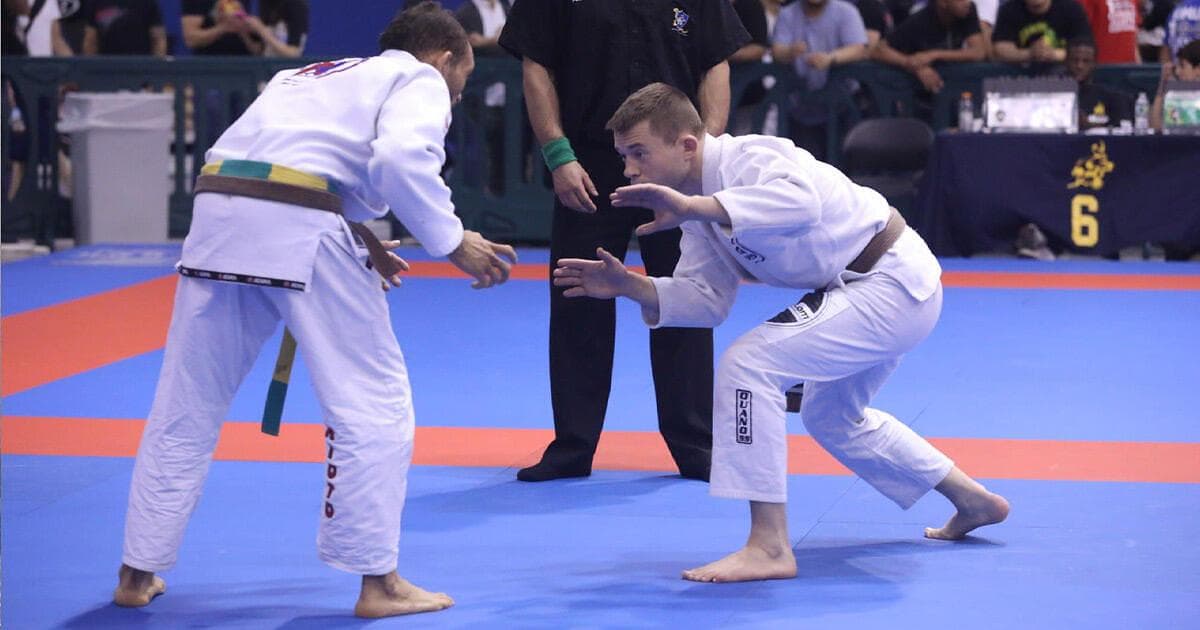
Which BJJ tournament should you enter? Matches per dollar, compared
Quick answer: If you want the most mat time for your money, Grappling Industries runs round-robin pools that give adults roughly four matches per division. IBJJF is the sport's credential and its strictest logistics: single-elimination brackets, a weigh-in in your gi minutes before your first fight, and a real chance of going home 0-1. NAGA sits in the middle and is the most forgiving about weight. ADCC Opens are no-gi with a submission-first clock, and Fight 2 Win isn't a tournament at all.
The most common first-competition story in jiu-jitsu is not a heroic one. You pay about $140, drive three hours, warm up twice because the schedule slid, lose a close match on an advantage, and drive home. Total mat time: five minutes. Total cost with gas and a hotel: north of $300.
No one warns beginners about this, and it isn't anyone's fault. It's structure. Different organizations promise wildly different amounts of actual jiu-jitsu, and hardly anyone compares them on that axis. Here's that comparison, with the fees these promotions were listing in mid-2026.
The number nobody tells you: matches per entry fee
Every organization runs one of two formats, and that matters more than the ruleset.
Single elimination means one loss ends your day. In a four-person bracket, gold takes two wins and half the field leaves 0-1. In an eight-person bracket, four people fly home having done a single match. IBJJF and most local promotions work this way. Round robin means you fight everyone in your pool regardless of results, so you can lose first and still get three more. Grappling Industries built its business on that, and NAGA moved toward it in 2025.
Run the arithmetic. A $138 IBJJF entry that produces one match costs $138 per match. An $80 Grappling Industries entry covering a gi division and a no-gi division, five people in each pool, can produce eight matches. That's ten dollars a match. Both are worth having. They are not the same purchase.
IBJJF: the credential, and what it costs
The IBJJF runs the events that mean something on a résumé. Worlds, Pans, Europeans, the Opens that feed them. If you want a result other grapplers recognize on sight, this is the address.
It's also the most administratively demanding. You need an active IBJJF membership under your current belt and academy before you can register, purchased separately. Registration for the New Jersey Fall International Open 2026 runs $138 through late October and $167 after, with a gi-plus-no-gi combo at $236 or $284. Masters Worlds in Las Vegas this September is priced at $143, $175 and $184 across three registration windows, plus $20 to park.
The refund policy is blunt: refundable within 48 hours of purchase, not after, and no refund if your opponent no-shows and you get zero matches. One exception matters. If you're alone in your division on the event's Registration Checkday, you can email IBJJF and either take the gold, move age or weight divisions, or withdraw for a full refund.
What the ruleset rewards: positional progress. Points for takedowns, sweeps, passes, mount and back control, advantages as tiebreakers, legal submissions expanding with belt rank, and gi divisions that stay conservative about leg attacks. We covered it all in IBJJF rules explained.
Best for: anyone who wants a title that travels, and anyone who likes hard, referee-heavy jiu-jitsu with clear standards.
Grappling Industries: the most jiu-jitsu per dollar
Grappling Industries publishes its format openly, and it's the most beginner-honest structure in the sport. A pool of five gives you four matches. Six to nine splits into groups with the top two meeting in a final, so four or five. Ten or more means groups plus a semifinal, and you can end up with six. Even a two-person division becomes a best-of-three.
Early-bird entries at U.S. events in 2026 have run roughly $70 to $90, covering one gi division and one no-gi division. Adult matches are five minutes. There is no advantage scoring at all, which quietly removes the most argued-about mechanic in the sport: tied on points, fewest penalties wins, and if it's still level the referee decides on submission threat and positional dominance.
The weigh-in is friendly in one way and unforgiving in another. You weigh without the gi, any time up to an hour before your division. But there's no allowance whatsoever, and missing weight is disqualification with no refund and no bump upward.
Best for: your first or second competition, and anyone who wants to test one position five times in an afternoon instead of once.
NAGA: the forgiving one
NAGA's rules are written around not ruining a beginner's day, and the weigh-in tells you everything. You weigh in shorts, not in your gi. You get a one-pound allowance. If you miss your class anyway you aren't disqualified, you're moved into whatever class you weighed. You can also weigh in the night before at the venue, which neither IBJJF nor Grappling Industries offers.
Divisions are cut by experience as well as belt. No-gi Novice caps at six months of grappling, Beginner runs six months to two years, and any wrestling background at all disqualifies you from Novice. Age groups have their own vocabulary: Adult 18-29, Master 30-39, Director 40-49, Executive 50 and up. Since 2025 the brackets have been built so everyone gets two matches, including a free third-place bracket once a division hits four.
Fees in 2026 have run around $119 early, $139 standard and $169 late, with extra divisions roughly $35. Win an Expert or purple-and-above division and you leave with an oversized championship belt instead of a medal, which is either the best or worst thing about NAGA depending on your personality.
Best for: nervous first-timers, families competing together, anyone who can't risk a weight disaster.
ADCC Opens: no-gi with a submission-first clock
ADCC Opens are regional no-gi events using the ruleset from the sport's most prestigious no-gi championship, and you do not need to qualify for anything to enter. Kids through masters, beginner through advanced.
The format is genuinely different. Adult matches at the North and South American Opens run six minutes with no points in the first three. Masters get five minutes with the first two and a half scoreless. Points appear only in the second half, and negative points arrive with them: sitting to guard and staying there three seconds costs a point, backing away from contact costs a point, and passivity gets two warnings before it starts costing.
So the match punishes stalling and rewards early finish attempts. Entry has been around $125 early with roughly $75 per additional division, though that varies by host. Masters here start at 35, not 30, and legal techniques are set by a skill-division grid, so read the grid before assuming ADCC means everything is open.
Best for: no-gi players who like scrambles, and anyone bored of advantage-decided matches.
Fight 2 Win, and why it isn't a tournament
Fight 2 Win is a show. One match, booked in advance by matchmakers, on a card in a dark venue with production lighting. No bracket, no medal, no division to win. The signature format is submission-only with three judges deciding if neither competitor finishes, and the promotion publishes a separate points ruleset for its tournament brackets.
You get on a card by filling out the free fighter application and waiting to be matched, which means it isn't something you enter next weekend because you feel ready. It is the best experience in amateur grappling if you perform better with a crowd. F2W doesn't publish athlete pay, so assume nothing about a purse unless it's in writing.
Best for: your fourth or fifth competition, when you want one match instead of a day in a bullpen.
Your local promotion is underrated
Every region has a promoter running two or three events a year in a high school gym for $60 to $90. These are often the best first competition available and almost no one writes about them. The trade-off is variance: bracketing, referee consistency and whether the schedule holds all depend on one person.
Three questions sort the good promoters from the bad ones. Single or double elimination? When exactly do I weigh in? What happens if I'm alone in my division? Clear answers to all three mean a real event.
Weigh-ins are where the real differences live
The short version: IBJJF weighs you in your gi, once, immediately before your first match, and disqualifies you if you miss. Everyone else is gentler. NAGA and Grappling Industries weigh you without the gi, NAGA gives you an allowance and moves you up a class instead of sending you home, and ADCC Opens weigh ahead of your division rather than mat-side.
If you're anywhere near the edge of a weight class, that difference should pick your event for you before any other consideration does. We laid out each organization's policy line by line in the weight-cutting guide, and our first competition checklist covers the rest of the day.
The takeaway
For a first competition the ranking has nothing to do with prestige. Grappling Industries or a well-run local event will teach you more, because four matches produce four lessons and one match produces mostly adrenaline. NAGA is the safest choice if weight worries you. Do those a few times, then go get an IBJJF medal when you want the credential and can absorb a $167 entry turning into ninety seconds of jiu-jitsu.
Every number here comes from what these organizations were publishing in mid-2026, and prices shift by city and registration window. Verify on the event page before you pay, and read the ruleset for the specific event rather than the one you competed under last year.
Find one within driving distance
The right first tournament is usually the closest one whose format guarantees more than one match. Browse upcoming BJJ tournaments on Let's Roll → and give yourself eight weeks.
FAQ
How many matches will I get at a BJJ tournament? It depends entirely on format. Single-elimination events like IBJJF give you one match if you lose your first, and two or three if you win. Grappling Industries round-robin pools produce roughly four matches per division regardless of results, and NAGA now structures brackets so most competitors get at least two.
Which BJJ tournament is best for beginners? Grappling Industries and NAGA are both built for first-timers, with round-robin or two-match formats and skill divisions cut by experience rather than belt alone. A well-run local promotion is often just as good and cheaper. IBJJF is a better second or third event than a first one.
How much does it cost to enter a BJJ tournament? Roughly $70 to $190 for a single event in the U.S. in 2026, depending on the organization and how early you register. IBJJF International Opens have been listing around $138 early and $167 late, plus a separately purchased annual membership. Grappling Industries early entries run about $70 to $90 and typically include both a gi and a no-gi division.
Do you weigh in with your gi on at BJJ tournaments? At IBJJF, yes: you weigh in wearing your gi, immediately before your first match, with one attempt and disqualification if you miss. NAGA and Grappling Industries both weigh competitors without the gi, and NAGA adds a one-pound allowance. This single rule difference is the biggest reason to pick one event over another if you're near a weight limit.
Related Posts
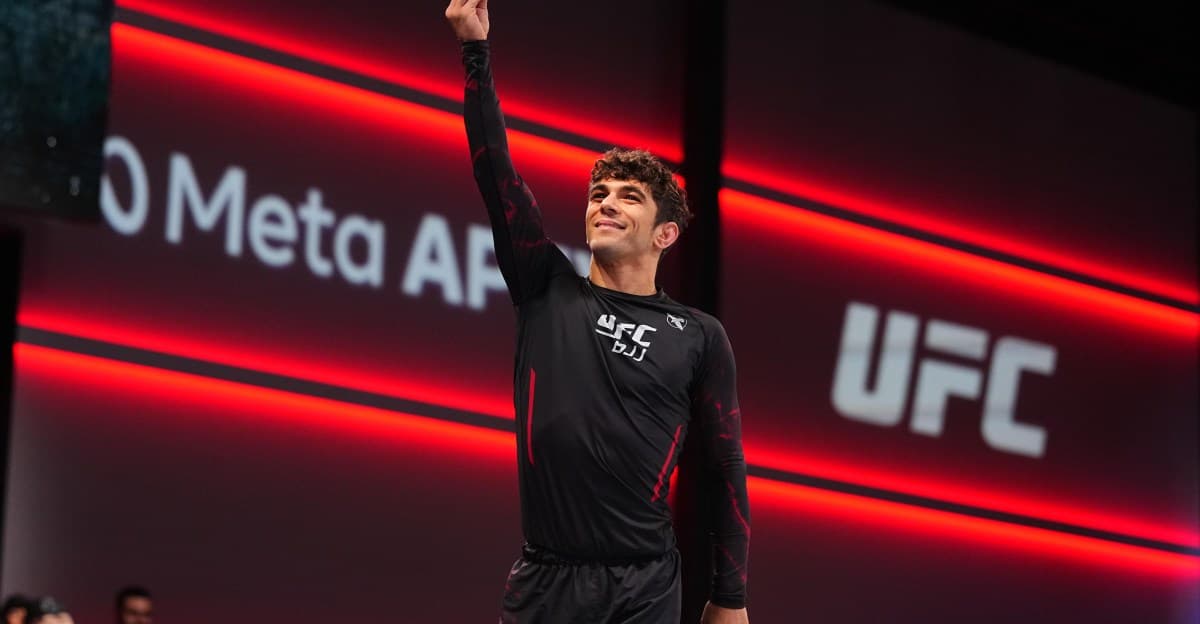
Mikey Musumeci gives up the belt to make room for MMA
Musumeci is vacating his UFC BJJ title to focus on MMA training. What he is leaving, what continues, and why the transition matters.
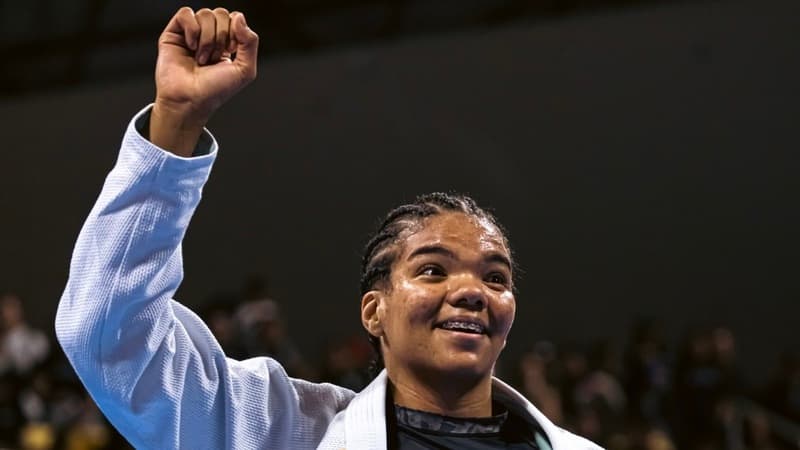
IBJJF membership: finish the paperwork before the deadline
IBJJF membership and tournament entry are separate steps. Plan documents, professor approval, renewals, and junior accounts before registration closes.
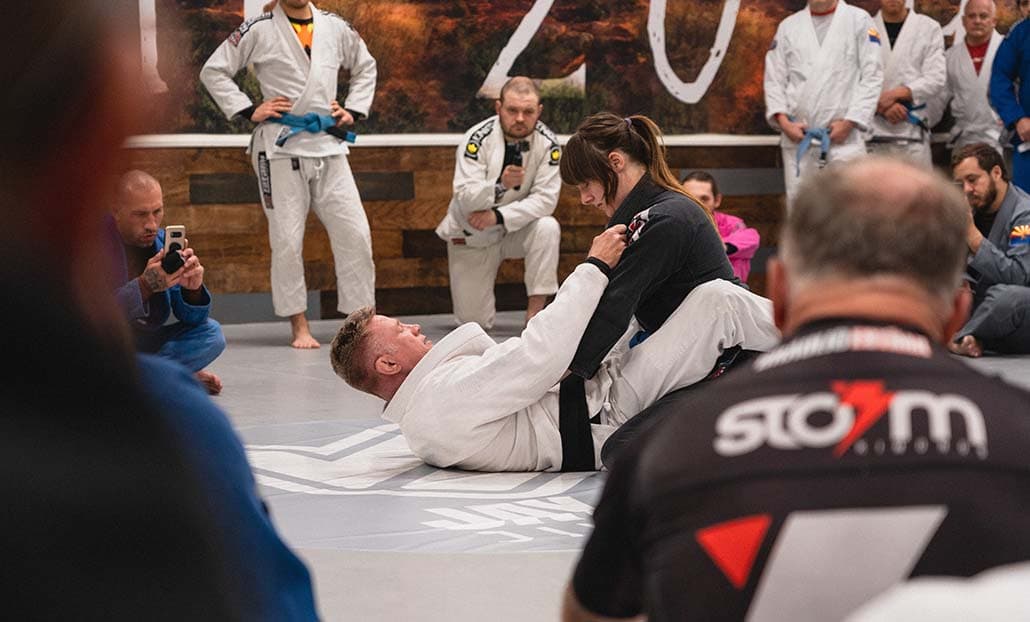
Choosing a BJJ seminar worth your time and travel
Choose a BJJ seminar by the subject, teaching format, access, and total cost. Know what to ask the host before buying a ticket.
Comments (0)
Loading comments...