
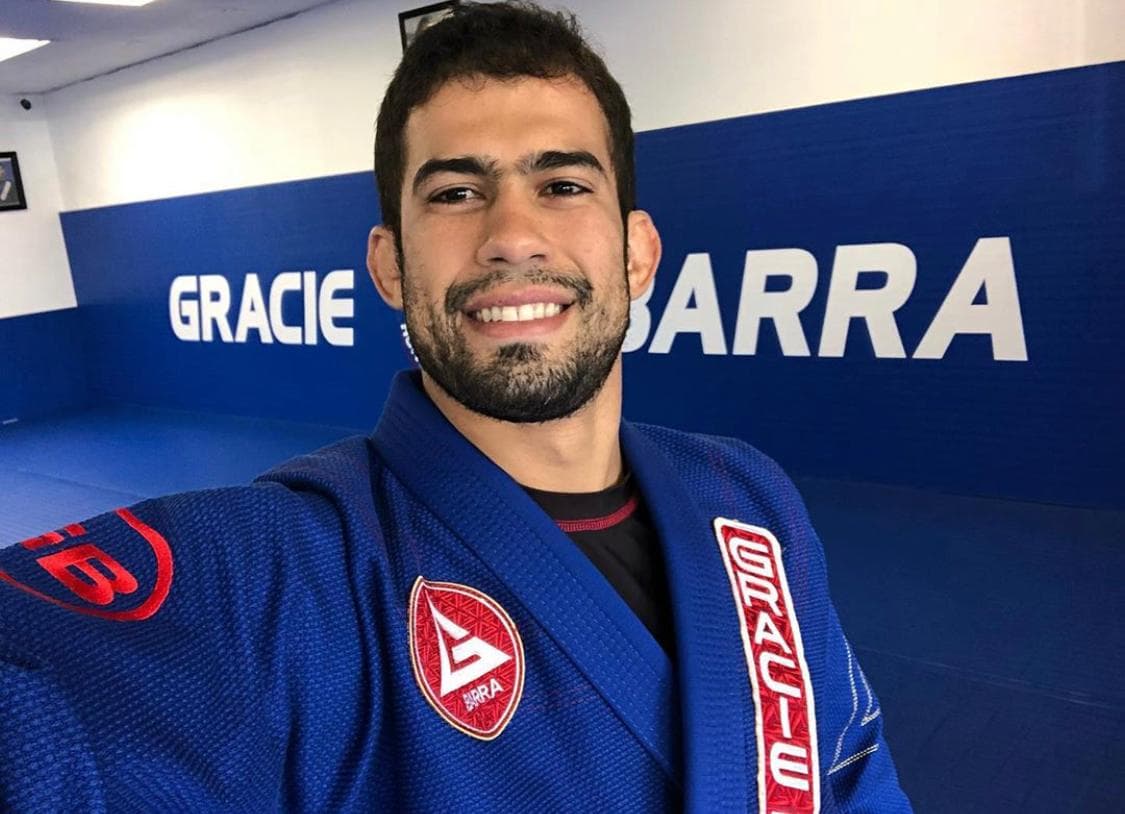
Otávio Sousa: three world titles in the hardest kind of company
Quick answer: Otávio Sousa won the IBJJF adult black-belt middleweight world title in 2012, 2013, and 2016. His record is worth studying as a sequence of returns to a crowded division, with Claudio Calasans appearing beside him on the podium before winning the same title himself.
The names stay familiar while their order changes. In 2012, Otávio Sousa stands first in the Worlds middleweight results and Claudio Calasans second. In 2013, the same two names occupy the same places. By 2015, Calasans is first and Sousa is on the bronze line.
Then Sousa returns to the top in 2016. Three titles, spread across five editions of the championship, make a more interesting career outline than a tidy story of uninterrupted ascent. They also place him inside a competitive generation that deserves to be read one bracket at a time.
Put the third title in the right year
A career summary is only as useful as its smallest factual details. Sousa's third adult black-belt gi world title belongs to 2016, after his victories in 2012 and 2013. The distinction matters because moving that result into 2015 erases a year in which another athlete won the division.
The IBJJF's 2016 results list Otavio Ferreira de Sousa first at middleweight, with Gabriel Arges second and Marcos Tinoco and Yago de Souza sharing bronze. The official record uses the full competition name, which is helpful when matching results across sources that spell his surname differently.
This is not an argument that a career should become a spreadsheet. It is a reason to begin with one before writing the story around it. A wrong year changes the sequence of success, interruption, and return. The narrative may still sound convincing while describing something that did not happen.
For Sousa, the corrected sequence is strong enough without decoration. Two consecutive titles established the run. A later title showed that the first period did not contain his last appearance at the top. Neither statement requires inventing what he thought between tournaments.
Read the company on the first podium
The 2012 Worlds results put Calasans behind Sousa, with Lucas Leite and Victor Estima on the remaining middleweight podium places. The names make the result more concrete. Sousa was not collecting an abstract label called world champion; he finished above a particular group in a particular division.
A podium is not a complete bracket, and it should not be treated as one. It does not establish that the champion fought every other medalist or reveal how each match developed. Its value is narrower: it identifies the athletes who reached those positions and gives the reader a reliable point from which to investigate further.
That narrower view is useful in a sport whose historical discussion often skips straight to a handful of famous careers. A division can contain several athletes capable of defining an era, while the annual result still has room for only one first-place name.
The first title also changes how the next appearance is read. A returning champion arrives with a result that opponents and spectators can examine. The record does not tell us how Sousa handled that attention privately. It does tell us that the next Worlds offered a fresh test rather than an automatic extension of the previous win.
The second title had familiar names underneath it
In 2013, Sousa again finished first and Calasans second. Victor Estima returned to the podium, joined this time by Vitor Oliveira. The repeated ordering at the top gives the two-year sequence a clear shape without requiring an exaggerated claim that every match was identical.
Repetition at that level can be easy to flatten. A second title becomes another mark beside the first, even though the athlete had to enter another event and produce another result. The previous medal did not remove the other competitors from the bracket.
There is also a useful distinction between repeating a result and repeating a performance. The result sheet establishes the former. To understand the latter, a viewer needs the matches themselves: the initial contacts, the scoring exchanges, and the choices made after the opponent changed the position.
For a reader building a picture of Sousa, the sensible order is to keep both forms of evidence. The record shows that he won again. Match footage, where available, can explain the route. Neither a highlight nor a list of medals should be asked to do the other one's job.
Calasans changes the shape of the story
The 2015 middleweight podium is a useful interruption to a Sousa-only narrative. Calasans won the title, Vitor Oliveira finished second, and Sousa and Victor Estima took bronze. The same competitive neighborhood remained visible, but its first-place name had changed.
This is where a profile can become unfair if it needs a simple hero's arc. Another athlete's victory gets reduced to the champion's temporary setback, as though everyone else existed only to provide obstacles. Calasans's title was his own achievement. It should remain one even inside an article about Sousa.
The 2015 official results let both facts stand together: Sousa did not win that edition, and he still reached the podium. There is no need to call bronze a collapse or to make it disappear between the gold-medal years.
The reader gains a better understanding of the division by resisting those extremes. A strong athlete can remain among the medalists while someone else takes first. A returning winner can later change the ordering again. Competitive history is full of these overlapping careers, even when a short biography leaves room for only one name.
The 2016 podium shows a different next chapter
Sousa's return to first place in 2016 came with Gabriel Arges on the second line. Both were listed under Gracie Barra affiliations. Tinoco and Yago de Souza occupied the bronze positions. Compared with the earlier podiums, the names show continuity in Sousa's presence and change in the group around him.
Do not read more into the shared team affiliation than the source provides. A results table does not establish the conduct or competitive detail of a final. It records placements. Claims about a particular match should be supported by the match record or footage rather than supplied to make the paragraph more dramatic.
What can be said plainly is that Sousa's three winning years were not one consecutive streak. There was a gap between the second and third title. That structure makes the record different from a brief period of dominance followed by a clean ending.
It also complicates the way fans use age, momentum, and recent losses to predict an athlete's whole future. A later result can change the shape of a career already being summarized. Sousa's 2016 title belongs in the account because it happened, not because a writer needs every setback to become a motivational lesson.
Study a complete exchange before borrowing a label
A viewer looking to learn from a champion should choose a question smaller than how to have their game. The title count can explain why the athlete is worth watching. It cannot tell you which movement is suitable for your body, experience, or current training task.
When reviewing an available Sousa match, separate the things you can observe:
The position and grips before an attack begins.
The opponent's first visible response.
The action that preserves or changes the connection.
The score and time when those choices occur.
The point at which the sequence ends or becomes a different problem.
Those prompts do not claim that every Sousa match follows a single technical pattern. They are a way to avoid watching only the final second and assigning the whole exchange to a favorite technique name. The opponent's choices belong in the analysis, too.
The guide to reviewing BJJ match video provides a practical method. Bring an observation to your coach as a question, especially when an unfamiliar submission or position is involved. A world champion's successful action is evidence to examine, not an instruction to copy at full speed.
Keep the career larger than the count
Three adult black-belt gi world titles are an important part of Sousa's record. They are still one category of achievement within a longer competitive life. The number should be labeled accurately rather than allowed to stand for every event, format, age division, and period of his career.
That precision protects comparisons. Gi Worlds, no-gi events, and ADCC operate under different conditions. Moving between them in a single total can hide the very differences that make an athlete's record interesting. A reader should know which result is being discussed before deciding what it demonstrates.
The broader World Championships guide helps distinguish the event and its divisions. Within this particular story, the useful thread remains the middleweight sequence: the repeated first places, the year another familiar competitor won, and the later return to the top.
Sousa does not need to be described as forgotten, underrated, or the greatest of anything for that sequence to deserve attention. Those labels demand comparisons beyond the evidence here. The verified record already supplies a good reason to revisit the matches and the athletes who shared those brackets.
Main photo: Portal do Vale Tudo; archive photograph of Otávio Sousa.
The takeaway
Otávio Sousa's adult black-belt gi world titles came in 2012, 2013, and 2016. Reading the podiums around those wins reveals a competitive history with recurring opponents and changing results, rather than a straight line between three gold medals.
Start with the correct years, then study the matches at a useful scale. The record establishes the achievement; the exchanges can help explain what happened on the way to it.
Put a specific question into your next class
Find BJJ gyms on Let's Roll and look for instruction that helps connect match analysis with appropriate, supervised practice.
FAQ
How many adult black-belt gi world titles did Otávio Sousa win? He won three IBJJF adult black-belt middleweight world titles, in 2012, 2013, and 2016. Keep that category distinct from other competitions and formats.
Did Sousa win Worlds in 2015? The official 2015 middleweight results place Claudio Calasans first and Sousa on the bronze line. Sousa's third title came the following year, in 2016.
Why does Claudio Calasans feature in a Sousa profile? Calasans finished second behind Sousa in the 2012 and 2013 middleweight results, then won the division in 2015. Their results help describe the competitive context.
What should a beginner watch in a champion's matches? Start with one complete exchange and identify the initial grips, the opponent's response, and the next decision. Ask your coach about unfamiliar details before trying to reproduce them in training.

Miles Serrano
Miles Serrano writes about competitors and the decisions that shaped their careers. He is more interested in the adjustment someone made in the third minute than in the medal count afterward.
Related Posts
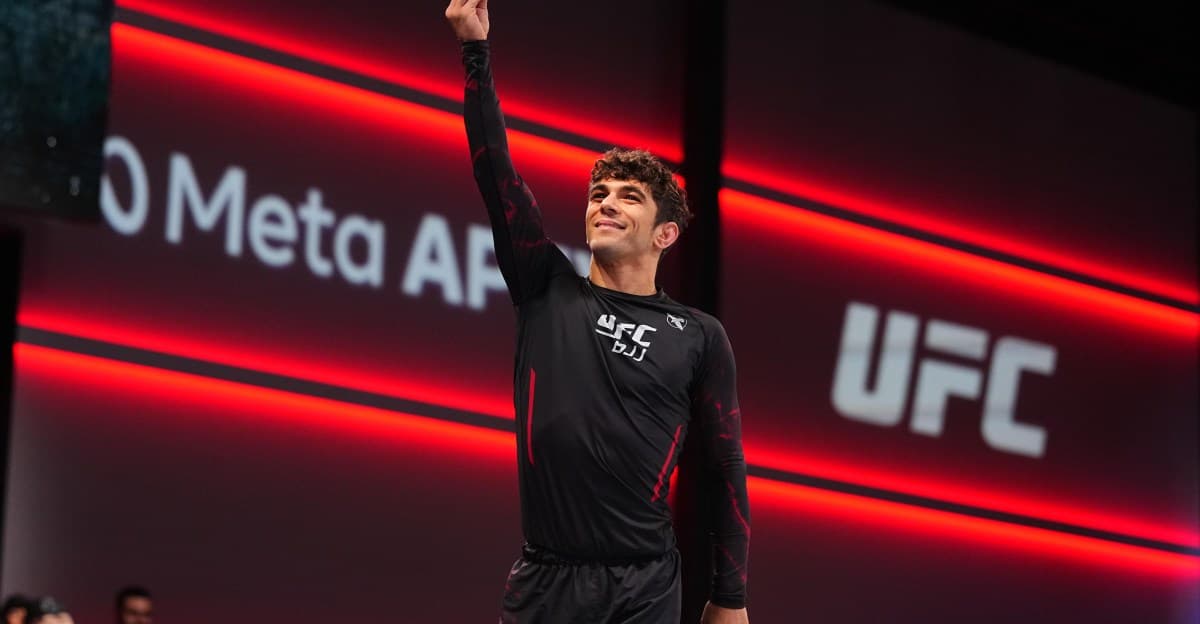
Mikey Musumeci gives up the belt to make room for MMA
Musumeci is vacating his UFC BJJ title to focus on MMA training. What he is leaving, what continues, and why the transition matters.
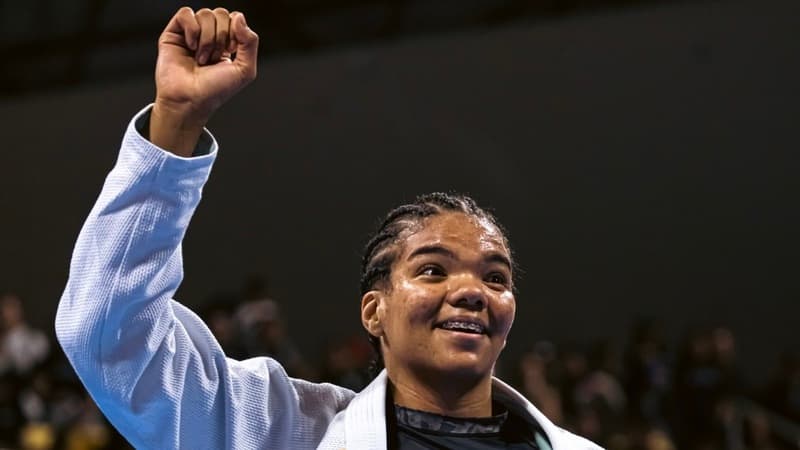
IBJJF membership: finish the paperwork before the deadline
IBJJF membership and tournament entry are separate steps. Plan documents, professor approval, renewals, and junior accounts before registration closes.
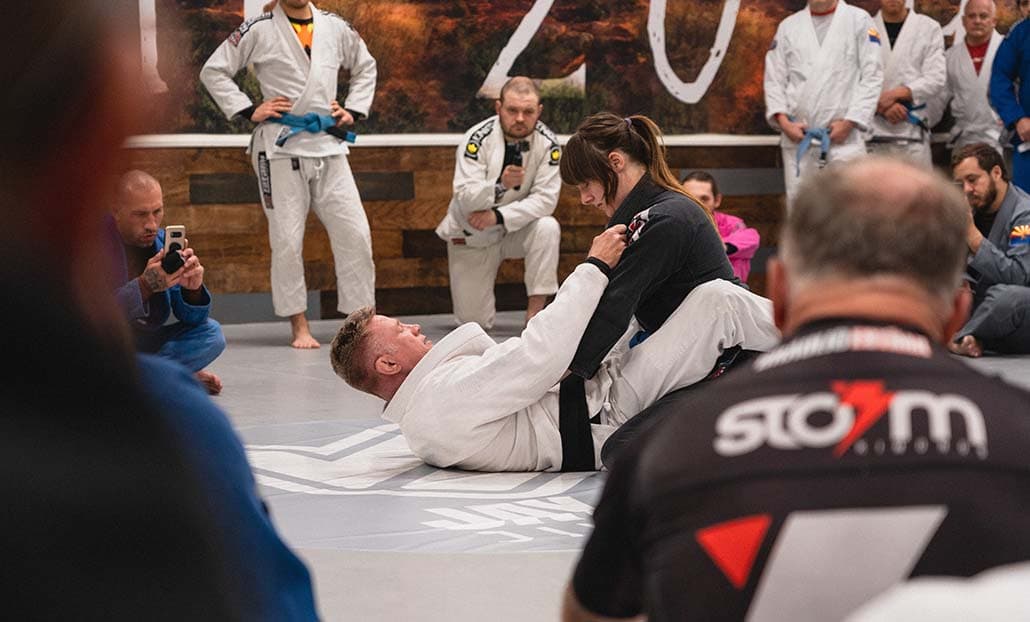
Choosing a BJJ seminar worth your time and travel
Choose a BJJ seminar by the subject, teaching format, access, and total cost. Know what to ask the host before buying a ticket.
Comments (0)
Loading comments...